Quick Answer: If your engine is burning oil, it’s usually due to worn piston rings, failing valve seals, a clogged PCV system, or internal engine wear. Blue smoke from the exhaust, dropping oil levels, and fouled spark plugs are the most common signs. Some causes are manageable with targeted repairs, while others point to deeper engine issues.
It Started With a Blue Cloud at 7:15 AM
I still remember the morning clearly. It was 7:15 AM, cold and damp, coffee barely kicking in, when a regular customer rolled his 2012 Camry into my bay. Before he even shut the engine off, a puff of blue smoke drifted across the shop floor. He looked at me and said, “I swear it didn’t do that last month.” I’ve heard that line more times than I can count.
After 15+ years as an ASE-certified master technician, I can tell you this: engine burning oil almost never starts all at once. It sneaks up on you. One quart between oil changes becomes two. Then three. Then you’re topping off every weekend and wondering where your oil is going.
That Camry had 148,000 miles, original engine, and no warning lights. The owner did everything “right” — regular oil changes, quality oil, no overheating history. Yet the oil level kept dropping. By lunch, I had the plugs out, compression numbers written on cardboard, and a diagnosis he didn’t want to hear.
If you’re reading this, chances are you’re seeing the same signs: oil consumption, blue smoke, or a dipstick that never stays full. Let’s break down why engines burn oil, how to confirm it, and what you can realistically do about it.
What Does “Engine Burning Oil” Actually Mean?
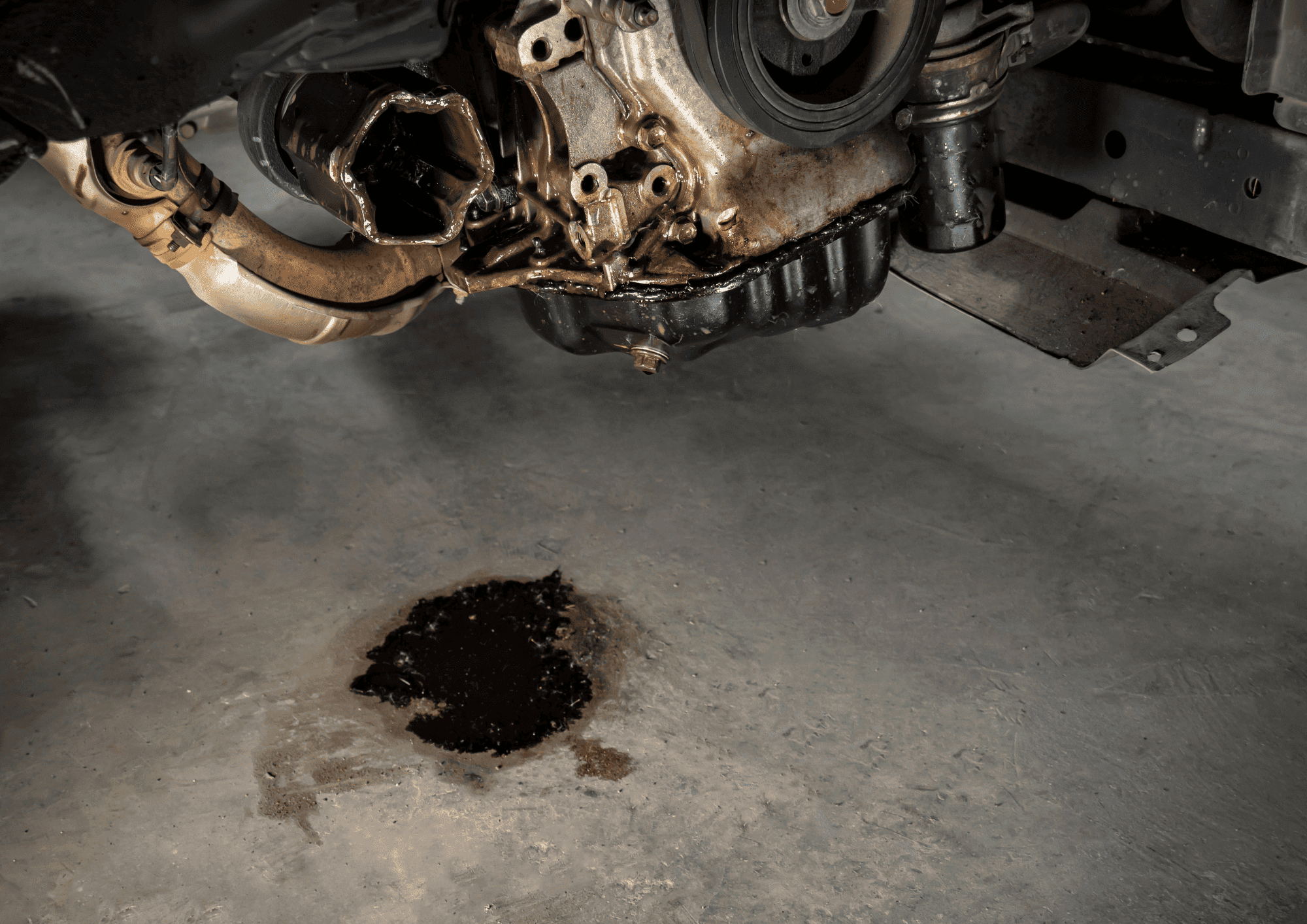
When we say an engine is burning oil, we mean engine oil is entering the combustion chamber and getting burned along with the air-fuel mixture. Oil isn’t supposed to be there. When it is, you’ll often see blue smoke, smell burnt oil, or notice excessive oil consumption.
Modern engines are designed to consume a small amount of oil. Some manufacturers even state that up to 1 quart per 1,000–2,000 miles can be “acceptable.” In the real world, I start paying attention when a customer adds more than 1 quart between oil changes.
Common Symptoms I See in the Shop
- Blue or bluish-gray smoke from the exhaust
- Oil level dropping with no visible leaks
- Fouled spark plugs with oily deposits
- Carbon buildup on intake valves
- Failing emissions tests
If you’re already seeing smoke, I strongly recommend reading our deeper guide on
excessive oil consumption, burning oil causes, oil consumption diagnosis before throwing parts at the problem.
Top Causes of Engine Burning Oil (From Most to Least Common)
1. Worn Piston Rings
Piston rings seal the combustion chamber and scrape excess oil off the cylinder walls. When they wear, oil slips past and burns. I’ve seen this most often on high-mileage engines and certain designs with low-tension rings aimed at improving fuel economy.
Real-world note: Many 2008–2015 four-cylinder engines from multiple brands had TSBs related to oil consumption caused by ring design. Always check service bulletins for your exact year and engine.
2. Failed Valve Seals
Valve seals prevent oil from running down the valve guides into the combustion chamber. When they harden with age, oil drips in, especially during cold starts or long idle periods.
Classic sign? A puff of blue smoke right after startup, then it clears up.
3. PCV System Problems
A stuck or clogged PCV valve can pull oil vapor straight into the intake. I’ve fixed “oil burners” with a $12 PCV valve more times than customers believe.
If you suspect this, our breakdown of
burning oil causes and oil consumption diagnosis is worth your time.
4. Cylinder Wall Wear or Glazing
Even good rings can’t seal against worn or glazed cylinder walls. This usually shows up alongside low compression and blow-by.
5. Turbocharger Seal Failure (Turbo Engines)
On turbocharged engines, worn turbo seals can dump oil directly into the intake or exhaust. Blue smoke under boost is the giveaway.
How I Diagnose Oil Consumption in the Shop
Step-by-Step Diagnostic Process
Verify oil consumption: Change oil, document level, recheck after 500–1,000 miles.
Inspect for leaks: Valve cover, oil pan, timing cover, rear main seal.
Check PCV system: Shake-test valve, inspect hoses for oil pooling.
Compression test: Compare cylinders; look for consistency.
Leak-down test: Pinpoint rings vs valves.
If compression is low and leak-down points to the crankcase, piston rings are likely the culprit.
Cost Analysis: DIY vs Professional Repair
DIY Costs (Approximate)
- PCV valve: $10–$25
- Valve seals (parts only): $50–$200
- Compression tester: $30–$60
- Leak-down tester: $80–$150
Professional Repair Costs
- PCV system service: $100–$200
- Valve seal replacement: $800–$2,500
- Piston ring job / rebuild: $3,500–$7,000+
Here’s my honest advice: if piston rings are worn and the vehicle isn’t special or sentimental, replacement often makes more financial sense.
Tools & Materials You’ll Need
- Compression tester (M14/M12): Must-have
- Leak-down tester: Nice to have, highly recommended
- Torque wrench: 3/8″ drive, inch-lb and ft-lb range
- Basic hand tools: Metric sockets 8–19mm
- Safety gear: Gloves, eye protection
Frequently Asked Questions
Is it safe to drive while my engine is burning oil?
Short-term, yes — if you keep the oil topped off. Long-term, no. Running low accelerates wear and can lead to catastrophic failure.
How much oil consumption is considered normal?
Less than 1 quart per oil change interval is typical. Anything more deserves investigation.
Can thicker oil fix oil burning?
Sometimes it reduces consumption temporarily, but it doesn’t fix the root cause. I consider it a band-aid.
Do oil additives actually work?
In my experience, no additive repairs worn piston rings or valve seals. Some can swell seals temporarily.
What’s the cheapest fix for engine burning oil?
Start with the PCV system. It’s cheap, fast, and often overlooked.
Final Thoughts From the Shop Floor
Engine burning oil ranges from an easy Saturday fix to a hard conversation about engine replacement. The key is accurate diagnosis before spending money. I’ve seen owners dump thousands into engines that only needed valve seals, and others ignore oil consumption until the rod knock started.
Difficulty level? Diagnosis: moderate. Repair: easy to very difficult, depending on the cause. Budget anywhere from $20 to several thousand dollars.
From a mechanic’s perspective, knowledge saves money. If you understand why your engine is burning oil, you control the outcome — not the repair bill.