Spark Plug Socket Size Chart: Common Sizes by Vehicle
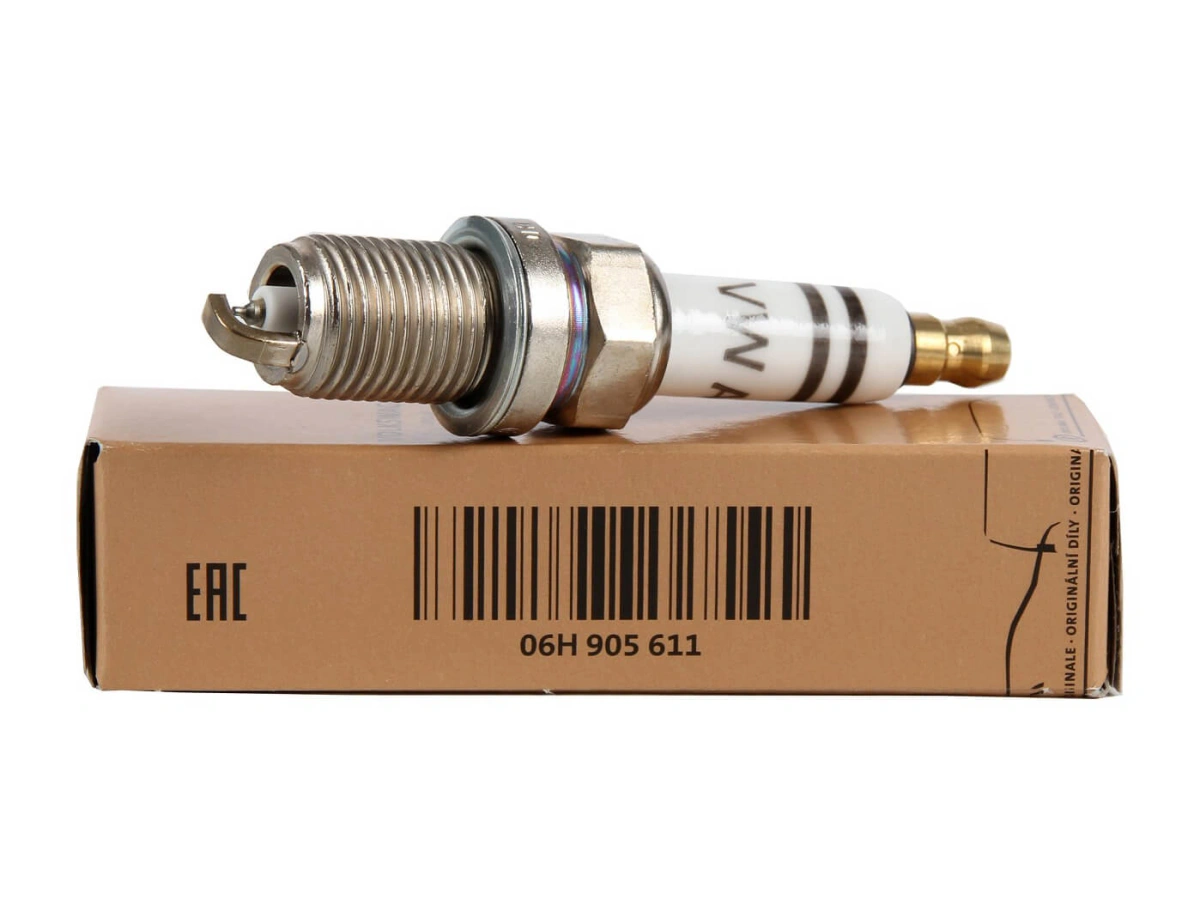
Spark Plug Socket Size Chart: Common Sizes by Vehicle Spark Plug Socket Size Chart: Which Size for Your Vehicle VehicleBar.Com Spark Plug Socket Size Chart…

Spark Plug Socket Size Chart: Common Sizes by Vehicle Spark Plug Socket Size Chart: Which Size for Your Vehicle VehicleBar.Com Spark Plug Socket Size Chart…
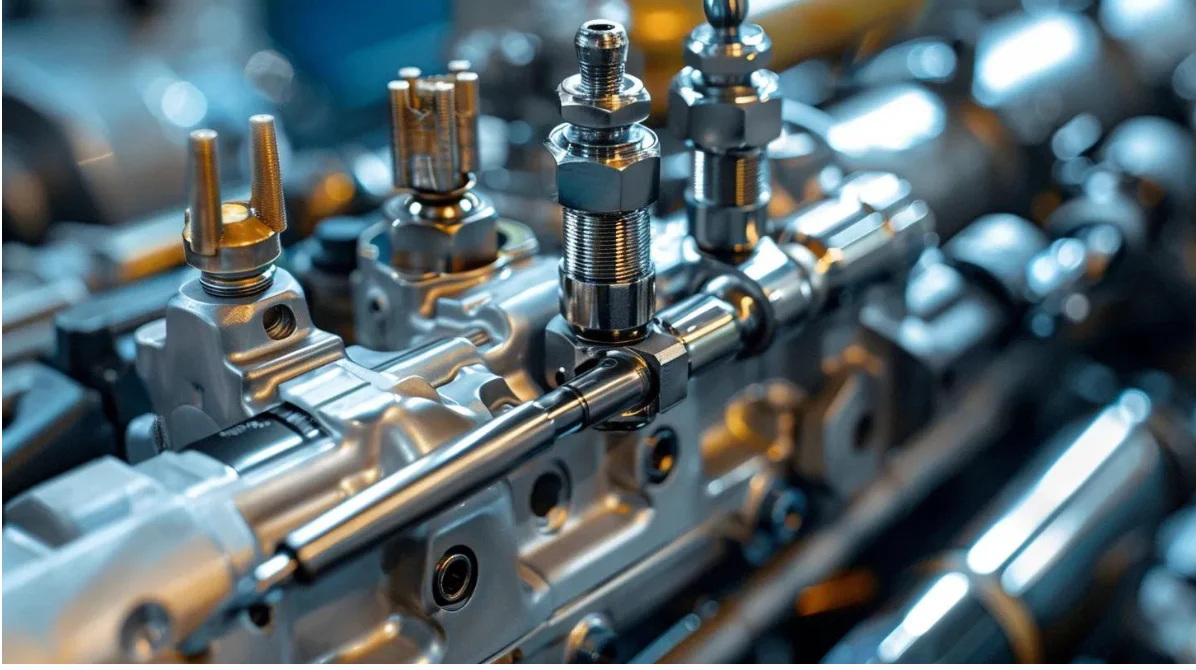
Quick Answer: Fuel injector cleaning restores engine performance by removing carbon deposits from the pintle and nozzle. For minor maintenance, Polyetheramine (PEA) additives work well. for moderate clogging, a pressurized rail injector cleaning kit is the industry standard. However, for severely dirty fuel injectors causing misfires, off-car ultrasonic cleaning or replacement is the only guaranteed … Read more
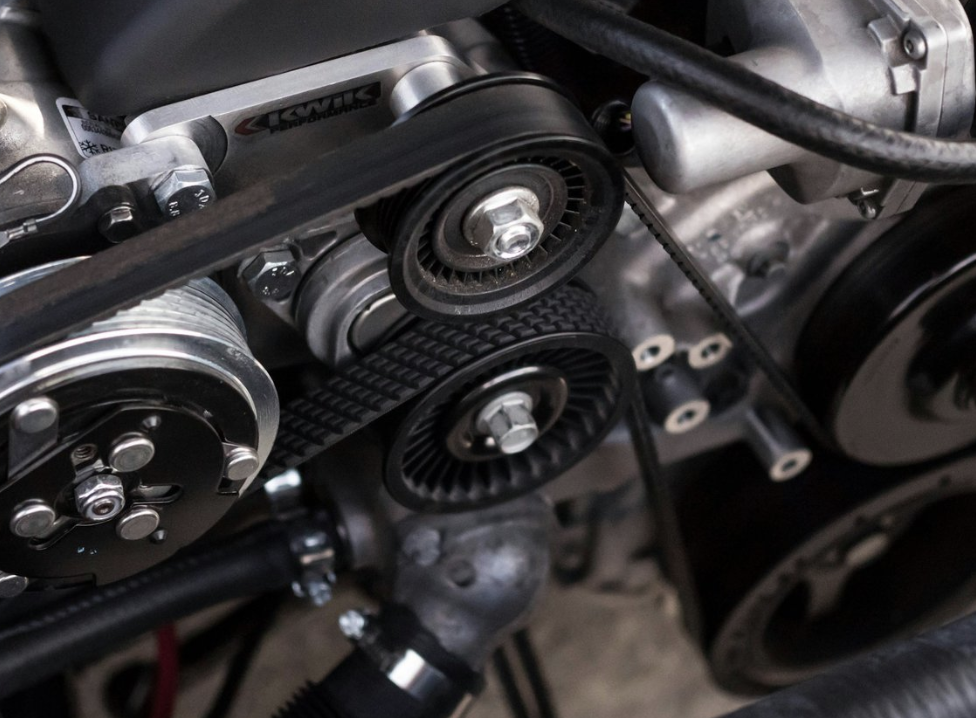
Quick Answer:Most Japanese cars (Honda, Toyota, Nissan) equipped with a rubber japanese car timing belt need replacement every 90,000 to 105,000 miles or every 7 to 10 years, whichever comes first. Always verify your specific year and model in the owner’s manual. The Tuesday That Changed Everything It was a rainy Tuesday morning in November, … Read more
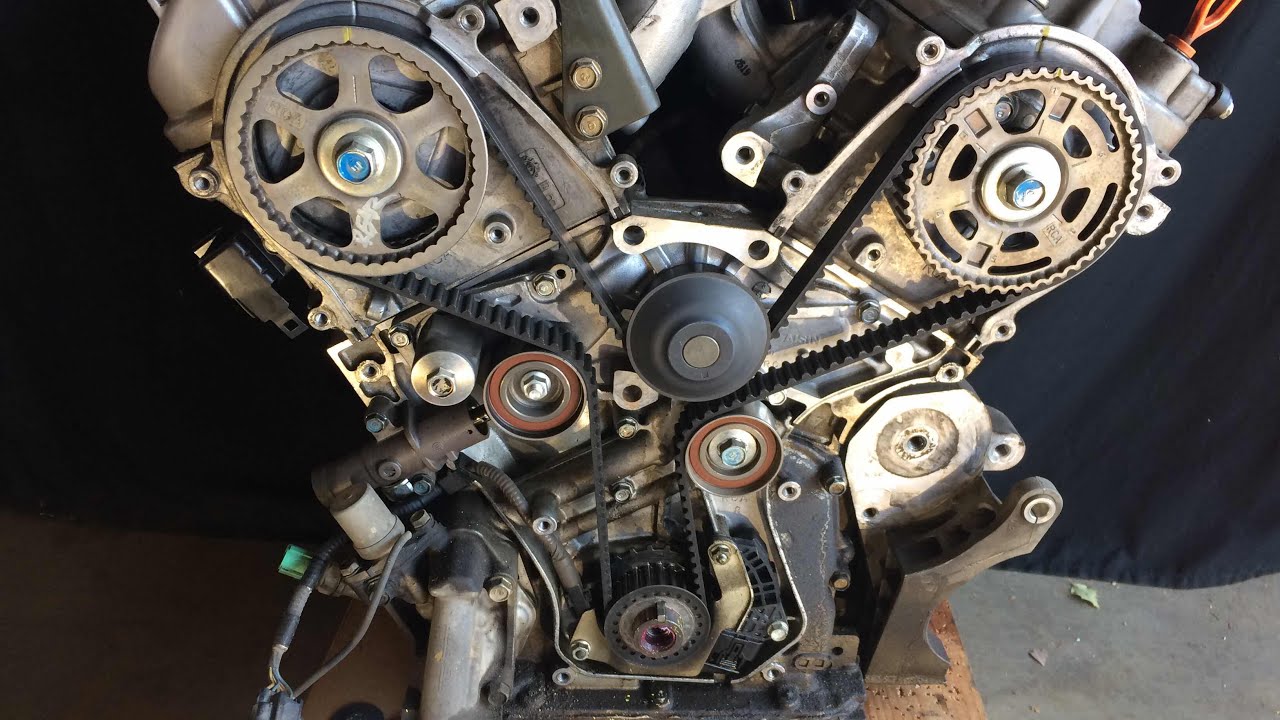
⚡ Quick Answer: Most Acura models require timing belt replacement at 60,000–105,000 miles or 7–10 years, whichever comes first. Cost: $500–$1,200 (parts + labor). Why It Matters: Ignoring this service can lead to $4,500+ in engine damage if the belt snaps. Newer Acuras (2014+): Most use timing chains and don’t require replacement. The Day a … Read more
Quick Answer:If your engine is burning oil, it’s usually due to worn piston rings, failing valve seals, a clogged PCV system, or internal engine wear. Blue smoke from the exhaust, dropping oil levels, and fouled spark plugs are the most common signs. Some causes are manageable with targeted repairs, while others point to deeper engine … Read more
Quick Answer:A “hard starting engine” typically means the engine cranks but takes longer than usual to fire up. This is usually caused by a loss of fuel pressure overnight,failing ignition components, or sensor data errors (like a bad Coolant Temperature Sensor). The Tuesday Morning Troublemaker It was 7:15 AM on a biting cold Tuesday in … Read more

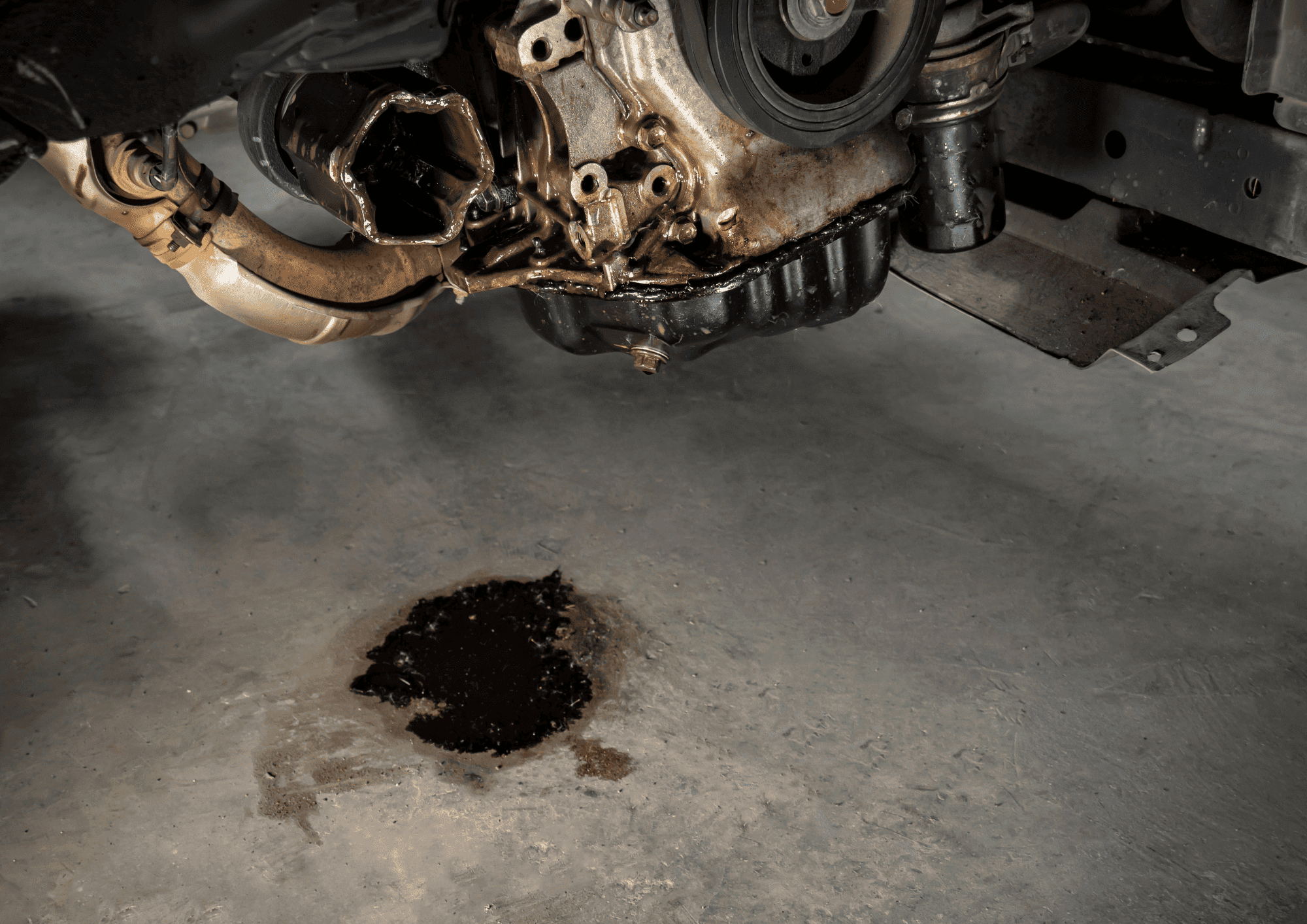
You pull out of the driveway. There it is — a dark, oily stain on the concrete where your car sat overnight. Your stomach drops. That stain means one thing: you’ve got an oil pan gasket leak. I’ve seen this hundreds of times in 15 years of shop work. The good news? It’s one of … Read more
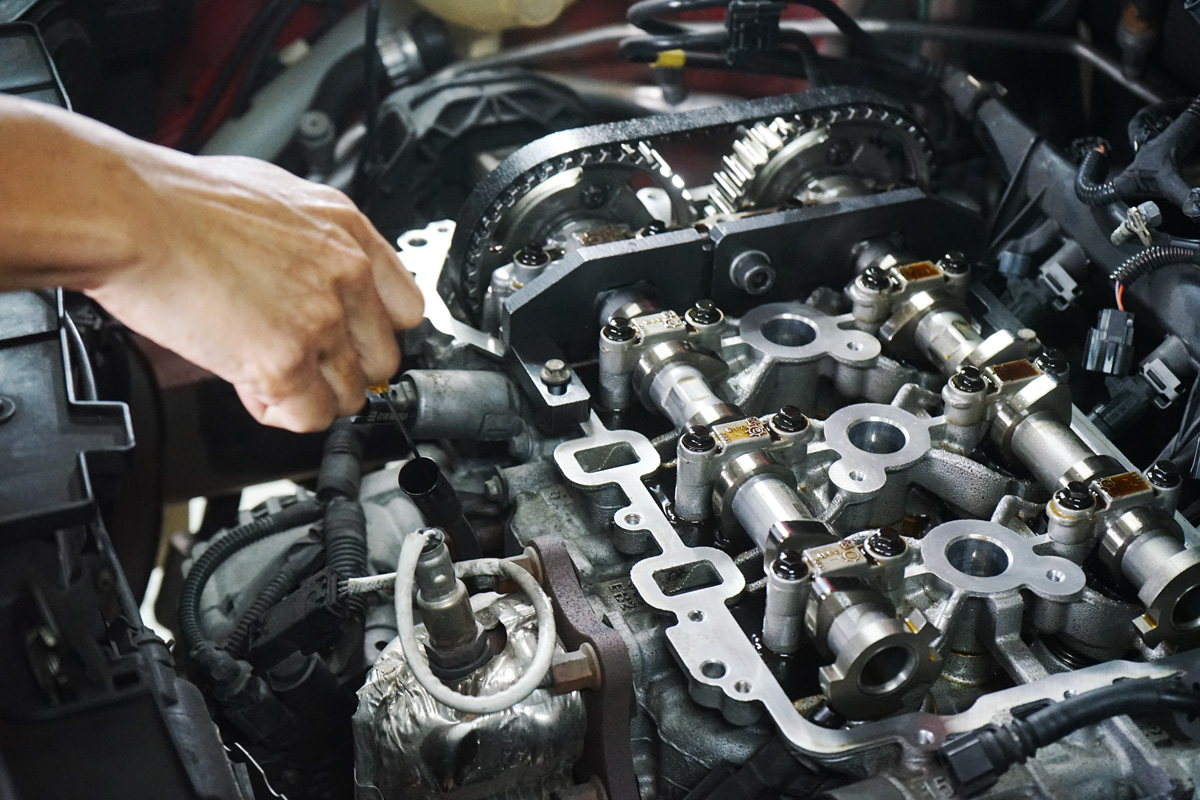
Tracking down an engine oil leak can feel a bit like detective work. One day you see a faint oily spot under the car, and the next day the dipstick shows the oil level is dropping faster than usual. Many drivers ignore these early clues, assuming it’s just a minor seep. But engine oil leaks … Read more