

Torque Converter Problems: Symptoms, Testing & Replacemen…
Torque converter problems typically cause symptoms like shuddering between 30-50 mph, transmission slipping, delayed engagement, overheating, and unusual noises. A failing torque converter can lead to complete transmission failure if ignored. Replacement usually costs $800–$1,800.
Key Takeaway Early detection saves money. Most issues stem from worn clutch, contaminated fluid, or mechanical failure.
What Is a Torque Converter and How Does It Work?
Understanding Is a Torque Converter and How Does It Work?
Common Symptoms & Causes
A torque converter transfers engine power to the transmission without a clutch pedal. It uses fluid coupling to multiply torque smoothly. Technicians call it the heart of any automatic transmission.
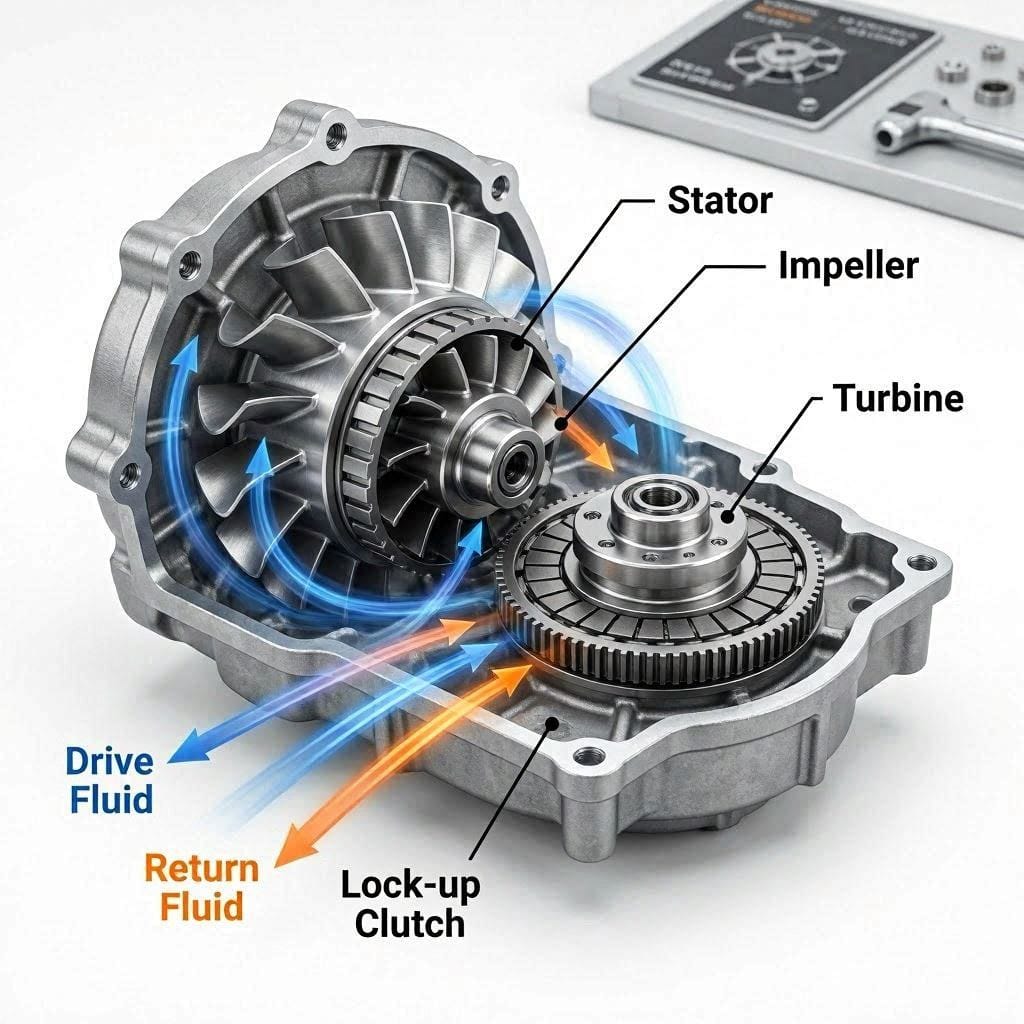
Role in Automatic Transmissions
The torque converter contains an impeller, turbine, stator, and lock-up clutch. The impeller spins with the engine. The turbine connects to the transmission input shaft. The stator redirects fluid for torque multiplication. The lock-up clutch engages at highway speeds for direct drive and better fuel economy.
Common Causes of Torque Converter Failure
Diagnosis & Inspection
Wear and tear destroys the lock-up clutch over time. Overheating breaks down transmission fluid. Contaminated fluid causes solenoid issues. Manufacturing defects appear in high-mileage vehicles. Poor maintenance speeds up these failures.
Bad Torque Converter Symptoms – Don’t Ignore These Warning Signs
Bad torque converter symptoms appear gradually. Drivers often feel vibration first. Then power loss follows. You must address these signs quickly to protect your transmission.
Torque Converter Shudder
Torque converter shudder creates vibration between 30-50 mph. It feels like driving over rumble strips. This happens when the lock-up clutch fails to engage properly. Many owners notice it around 40 mph during light acceleration.
Transmission Slipping and Loss of Power
Repair Options & Cost
The engine revs high but the car barely moves. This indicates transmission slipping causes. The torque converter cannot transfer power efficiently. You lose acceleration quickly on highways.
Delayed or Rough Shifting / Hesitation
The transmission hesitates before shifting. Shifts feel harsh and clunky. This occurs when the converter cannot maintain proper fluid pressure.
Overheating Transmission
The transmission temperature gauge climbs fast. You smell burning fluid. Overheating issues damage the torque converter clutch quickly.
Unusual Noises
Whining, rattling, or grinding sounds come from the converter. These noises get louder during acceleration.
Check Engine Light and Fluid Issues
The check engine light turns on. Transmission fluid appears dark or smells burnt. You may notice leaks under the car.
Stalling at Stops or Poor Acceleration
The engine stalls at stop lights. Acceleration feels weak from a stop. These symptoms point to severe torque converter clutch failure.
Warning Box ⚠️ If you notice shudder + slipping together, stop driving long distances to prevent catastrophic damage.
Torque Converter Shudder vs. Other Transmission Problems
You must distinguish torque converter shudder from other issues. Proper diagnosis saves money and time.
| Symptom | Torque Converter | Transmission Issue | Engine Problem |
|---|---|---|---|
| Shudder at 30-50 mph | Yes | Sometimes | Rare |
| Slipping Gears | Yes | Yes | No |
| Overheating | Yes | Yes | Possible |
| Check Engine Light | Often | Often | Often |
| Noise Type | Whine/Rattle | Grinding/Clunk | Different |
Top Torque Converter Problems – Our Picks
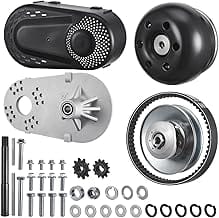
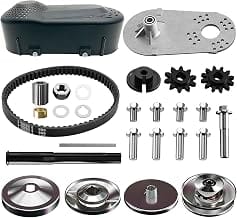
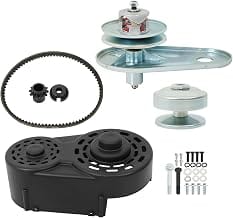
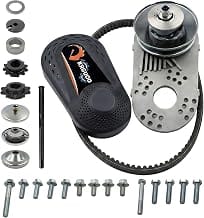
Read our guide on shudder problems for more details.
How to Test a Torque Converter (DIY + Professional Methods)
Detailed Steps Test a Torque Converter (DIY + Professional Methods)
You can test a torque converter at home with basic tools. These methods help identify problems early. Professional testing confirms your findings.
Simple Stall Speed Test
Warm up the engine. Set the brake firmly. Shift to Drive. Press the accelerator slowly. Note maximum RPM before the car moves. Compare to factory specs. Most vehicles stall between 1800-2500 RPM. Higher readings indicate a bad torque converter.
Checking Transmission Fluid Condition
Park on level ground. Pull the dipstick with the engine running. Healthy fluid looks bright red. Dark or burnt fluid signals problems. Check the level using the correct “Hot” mark.
OBD Scanner Codes and Road Testing
Connect an OBD scanner. Look for codes P0740, P0741, or P0743. These relate to torque converter clutch failure. Test drive and note when symptoms appear.
When to Visit a Mechanic
Mechanics perform pressure tests at 100-300 psi. They use borescopes to inspect internal parts. Take your car to a shop if DIY tests fail.
Success Box ✅ Catching it early often allows fluid flush + solenoid repair instead of full replacement.
Beginner Mistakes When Diagnosing Torque Converter Problems
Many beginners confuse torque converter issues with bad transmission. They ignore regular fluid changes. Some continue driving with symptoms. Others choose cheap aftermarket parts that fail quickly.
Torque Converter Replacement Cost in 2026
Torque converter replacement costs range from $800 to $1,800 in 2026. Labor makes up the biggest portion. Parts prices vary by vehicle type.
Breakdown of Costs
Parts cost $150–$500. Labor runs $500–$1,200. Total average sits at $800–$1,800. Luxury vehicles often exceed $2,200.
Factors Affecting Price
Vehicle make and model change the price. Dealerships charge more than independent shops. Remanufactured units cost less than new ones.
Cost Comparison Table
Cost-Breakdown Info Box Independent Shop: $900–$1,400 (Recommended) Dealer: $1,400–$2,200 DIY Parts Only: $200–$600 (Transmission removal required) Warranty: Most shops offer 12-36 months. Regional labor rates in the US average $120-$180 per hour.
Torque Converter Replacement Process: What to Expect
Torque Converter Replacement Process: Details
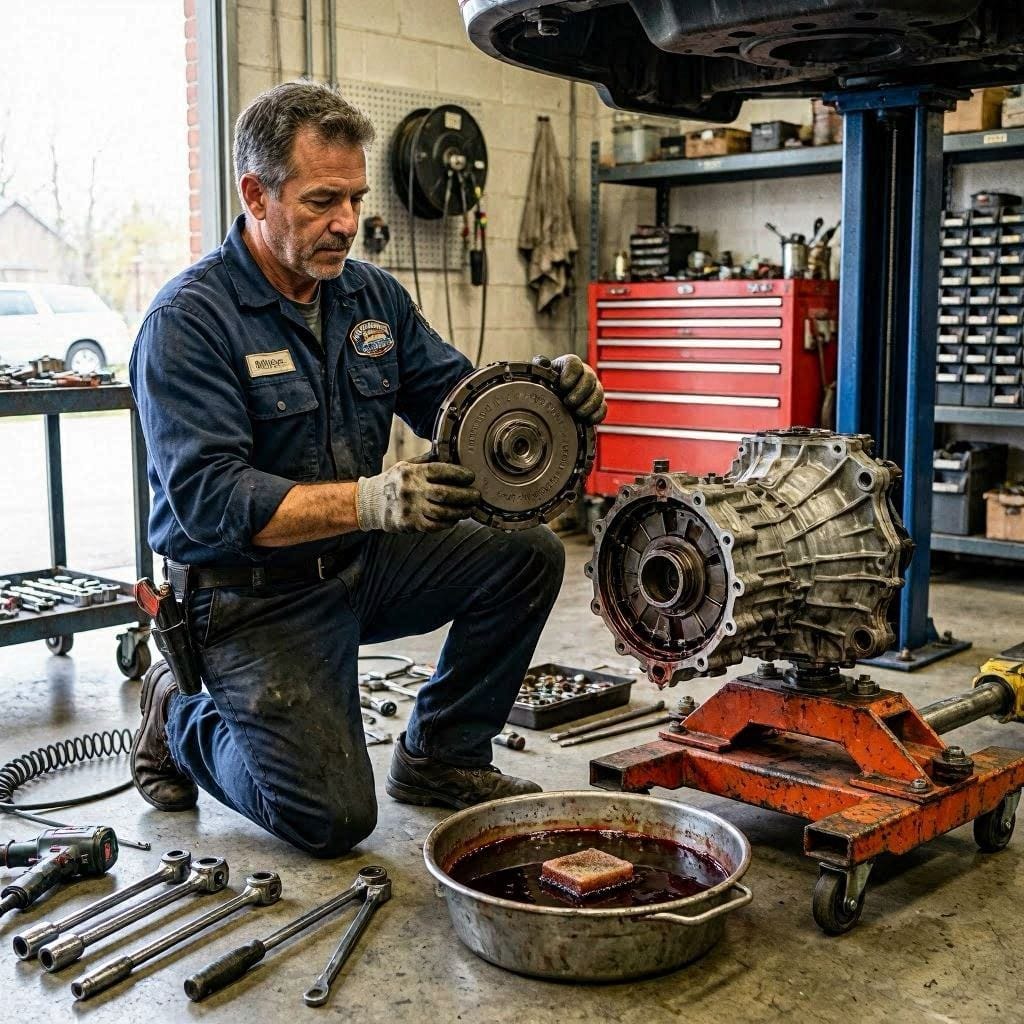
Mechanics remove the entire transmission first. They separate the torque converter from the flexplate. Technicians use a 10mm to 15mm socket set and torque specs of 45-60 ft-lbs during reinstallation. The job takes 4–10 hours.
Pros of Replacement: Reliable long-term fix. Cons: High cost and downtime. Repair/Rebuild: Cheaper but may not last as long.
Expert Tips to Prevent Torque Converter Problems
Change transmission fluid every 40,000 miles. Use the manufacturer-recommended fluid type. Avoid aggressive driving. Address overheating issues immediately. Follow our transmission-overheating-causes guide for prevention.
Troubleshooting Guide: Step-by-Step Fixes
- Check and replace fluid if dirty.
- Test stall speed.
- Scan for codes.
- Flush the system if shudder is mild.
- Replace the torque converter if slipping continues.
Fluid flush helps early problems. Full replacement becomes necessary after 80,000+ miles with severe symptoms.
Frequently Asked Questions
What are the first signs of a bad torque converter? Shudder between 30-50 mph and slight slipping appear first.
Can a bad torque converter cause the car to stall? Yes. It causes stalling at stops when the clutch fails.
How long can you drive with torque converter problems? Drive maximum 100-200 miles. Further driving risks total transmission failure.
Is torque converter shudder expensive to fix? Yes. Expect $800–$1,800 for replacement.
Can I replace a torque converter myself? Only if you have transmission jack experience and proper tools.
Does a bad torque converter mean I need a new transmission? Not always. Many cases need only converter replacement.
What causes torque converter clutch failure? Heat, contaminated fluid, and normal wear cause clutch failure.
Conclusion
Torque converter problems damage your transmission fast. You now know the symptoms, testing methods, and repair costs. Don’t wait until your transmission fails. Schedule a diagnostic today.
Share your experience in the comments. Check our guides on transmission slipping causes and transmission noises for more help. Safe driving!