Delayed Transmission Shifting: Why Your Car Hesitates to&…
Delayed shifting happens when your automatic transmission hesitates before changing gears. Drivers often notice high RPM, slow engagement, or jerking. Low fluid levels cause many cases. Worn internal parts also create problems. Immediate repair becomes necessary when the transmission slips, overheats, or refuses to engage gears.
What causes delayed shifting in an automatic transmission?
- Low transmission fluid
- Dirty transmission filter
- Worn clutch packs
- Faulty shift solenoids
- Valve body problems
- Cold weather fluid thickening
- Internal transmission wear
What Is Delayed Transmission Shifting?
Delayed transmission shifting means the transmission responds slowly after a gear command. The vehicle may hesitate entering Drive or Reverse. Engine RPM may rise before engagement. Most cases involve low hydraulic pressure, contaminated fluid, or worn internal transmission components.
Definition of Delayed Shifting
Delayed shifting occurs when the transmission takes extra time to engage a gear. The delay may last one to five seconds. Drivers usually notice hesitation entering Drive or Reverse. Some vehicles also flare RPM before gear engagement.
How Automatic Transmissions Normally Shift
Automatic transmissions use hydraulic pressure to change gears. The transmission pump creates pressure using automatic transmission fluid. Solenoids direct fluid through the valve body. The transmission control module controls shift timing electronically.
Most drain pan bolts tighten between 8 and 12 lb-ft. Many transmission pans use 10mm or 13mm bolts.
Delayed Shifting vs Transmission Slipping
Delayed shifting and slipping feel similar. However, they involve different failures.
| Problem | Main Symptom | Common Cause | Severity |
|---|---|---|---|
| Delayed shifting | Hesitation before gear change | Low pressure or fluid issues | Moderate to severe |
| Transmission slipping | RPM rises without acceleration | Internal clutch wear | Severe |
Read our full guide on transmission slipping diagnosis for deeper troubleshooting.
Common Symptoms of Delayed Transmission Shifting
Delayed shifting creates noticeable driving symptoms. Most vehicles hesitate entering gear first. Some transmissions shift harshly after the delay. Others flare RPM during acceleration. Warning lights and cold-weather shifting problems also appear frequently.
Delay When Shifting Into Drive or Reverse
The vehicle may pause before moving after selecting Drive or Reverse. This symptom often indicates low fluid pressure or worn clutch packs.
Engine Revving Before Gear Engagement
The engine RPM may increase without vehicle movement. Drivers often describe this as “neutral-like” behavior before the transmission catches.
Hard or Jerky Shifts After Delay
Some transmissions slam into gear after hesitation. Excessive pressure buildup causes harsh engagement.
Transmission Hesitation During Acceleration
The transmission may delay upshifts under throttle input. The vehicle feels sluggish during acceleration.
Delayed Shifting Only When Cold
Cold fluid thickens and flows slowly. Older transmissions show symptoms more during winter mornings.
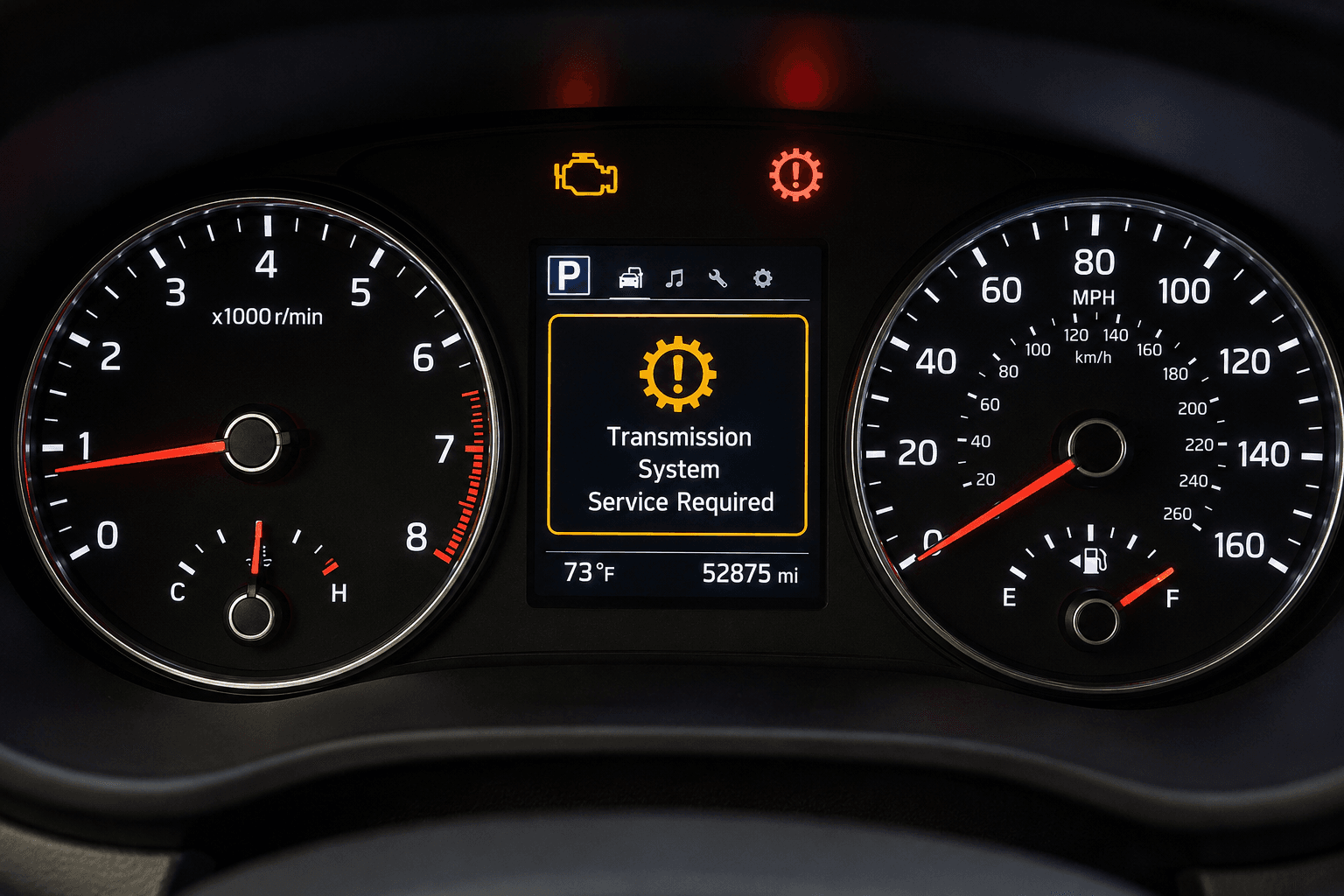
Check Engine or Transmission Warning Light
Modern vehicles store fault codes when shifting problems appear. A scan tool often reveals solenoid or pressure faults.
Most Common Causes of Delayed Transmission Shifting
Several mechanical and hydraulic problems cause delayed shifting. Low fluid remains the leading issue. Dirty filters, faulty solenoids, and valve body wear also reduce hydraulic pressure. Severe cases involve worn clutch packs or internal transmission damage.
Low Transmission Fluid
Low fluid reduces hydraulic pressure inside the transmission. Air may enter the hydraulic system. The transmission then struggles to engage gears properly.
Low fluid also increases operating temperature. Most automatic transmissions operate best between 175°F and 200°F.
Learn more about fluid level problems and warning signs.
Dirty or Contaminated Transmission Fluid
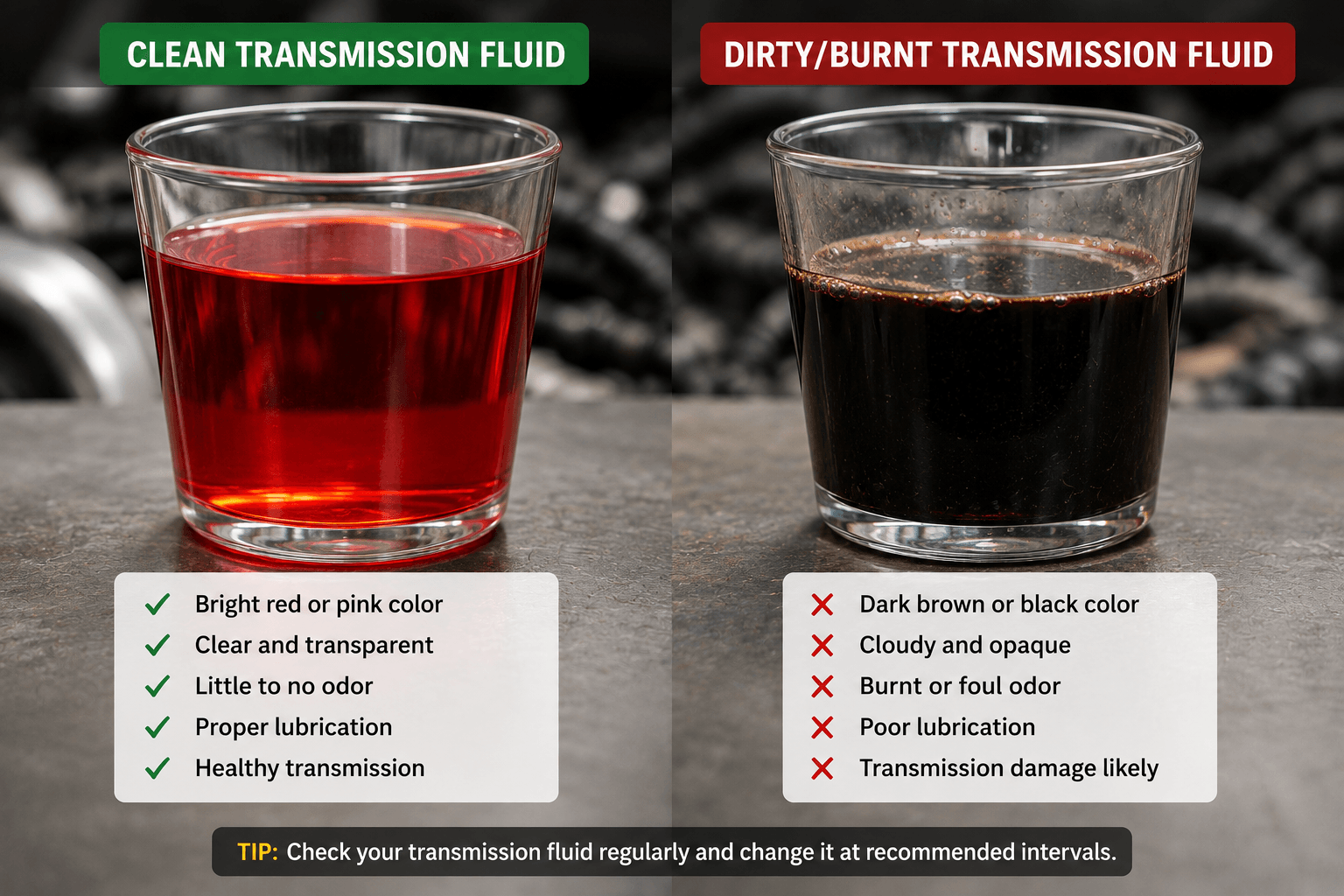
Burnt transmission fluid loses lubrication properties. Debris blocks small hydraulic passages. Dark brown fluid often indicates overheating.
Healthy transmission fluid usually appears red or pink.
Clogged Transmission Filter
A clogged filter restricts fluid flow. Pressure drops inside the valve body. Gear engagement becomes delayed.
Many transmission filters require replacement every 30,000 to 60,000 miles.
Read our guide on filter maintenance procedures.
Faulty Shift Solenoids
Shift solenoids control fluid routing electronically. Faulty solenoids delay gear commands. Common OBD-II codes include P0750, P0755, and P0760.
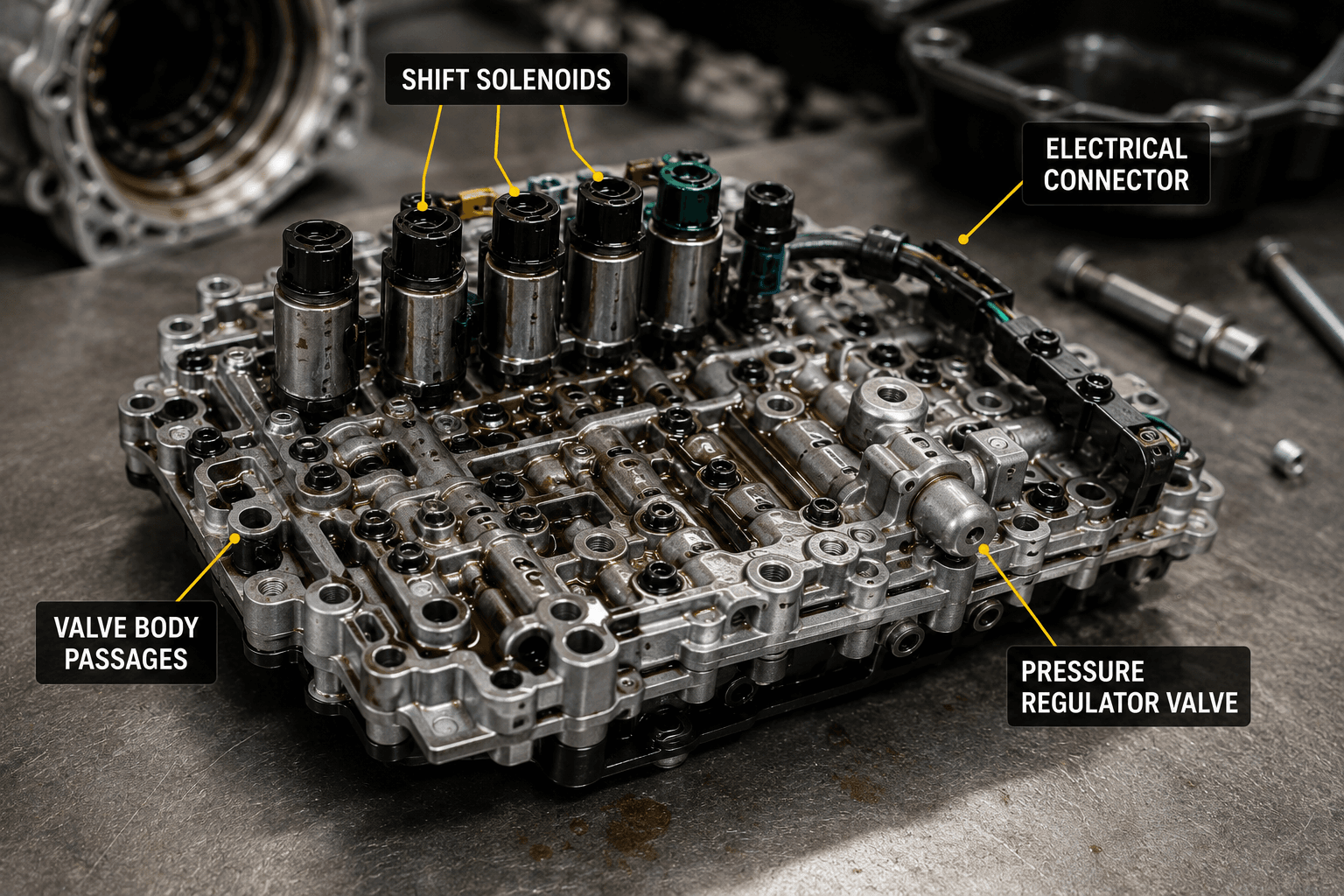
Valve Body Problems
The valve body regulates hydraulic pressure. Sticky valves disrupt fluid flow. Internal wear also creates pressure leaks.
Worn Clutch Packs or Bands
Clutch packs wear over time. Friction material becomes thin. High-mileage vehicles commonly develop this issue after 150,000 miles.
Torque Converter Problems
The torque converter transfers engine power hydraulically. Internal converter failure causes delayed acceleration response.
Cold Weather Transmission Issues
Cold weather thickens automatic transmission fluid. Gear engagement slows during startup. Allowing the vehicle to idle briefly helps fluid circulation.
Transmission Control Module (TCM) Issues
Software glitches affect shift timing. Wiring faults also interrupt communication between sensors and solenoids.
Why Delayed Shifting Happens More in Automatic Transmissions
Automatic transmissions depend heavily on fluid pressure and electronic controls. Small pressure changes affect shift timing quickly. Heat, fluid contamination, and electronic faults create delayed shifting more often than manual transmissions.
Hydraulic Pressure Dependence
Automatic transmissions require precise hydraulic pressure. Even small pressure losses delay engagement.
Electronic Shift Timing Complexity
Modern transmissions use multiple sensors and modules. Faulty data delays gear changes.
Heat and Fluid Sensitivity
Excessive heat breaks down transmission fluid rapidly. Burnt fluid loses viscosity and lubrication.
How to Diagnose Delayed Transmission Shifting
Proper diagnosis starts with fluid inspection and code scanning. Most delayed shifting problems reveal early warning signs. Technicians also road test the vehicle and perform hydraulic pressure checks to confirm internal wear or electronic failures.
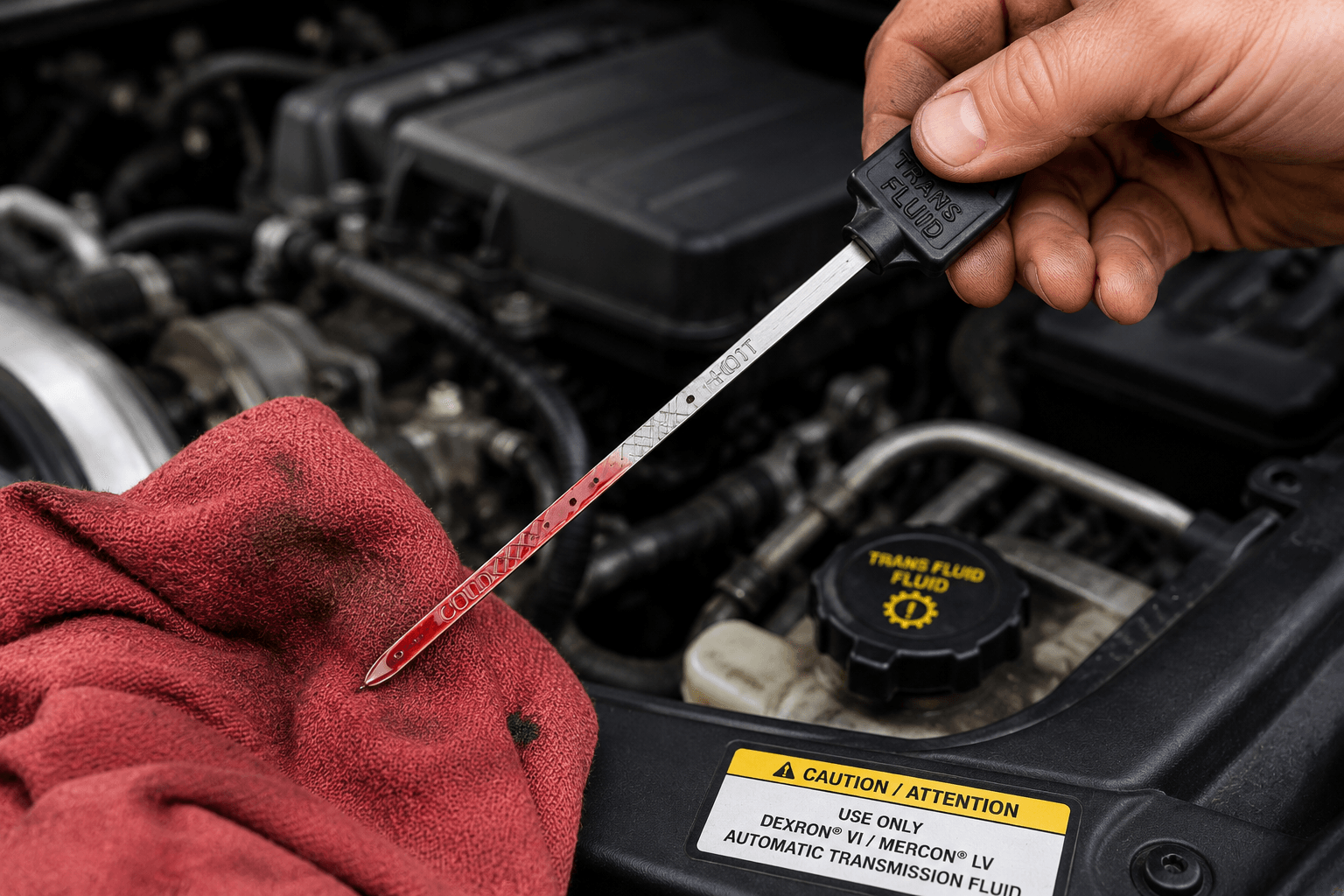
Step 1 — Check Transmission Fluid Level
Park on level ground. Warm the transmission fully. Check fluid with the engine running.
Healthy fluid appears red and smells slightly sweet. Burnt fluid smells sharp and appears dark brown.
Most dipsticks require a lint-free towel for accurate readings.
See our fluid service procedures guide for detailed maintenance steps.
Step 2 — Scan for Transmission Trouble Codes
Use an OBD-II scanner to check stored faults.
Common codes include:
- P0700
- P0750
- P0715
Step 3 — Inspect for Transmission Leaks
Inspect the transmission pan gasket carefully. Check cooler lines for wet spots. Examine axle seals for fluid leakage.
Step 4 — Road Test the Vehicle
Test the vehicle during cold startup. Observe shift timing closely. Watch for RPM flare symptoms during acceleration.
Step 5 — Perform Hydraulic Pressure Testing
Professional technicians use pressure gauges to test line pressure. Low readings often indicate internal wear or pump failure.
Delayed Transmission Shifting Causes by Scenario
Different driving conditions produce different delayed shifting symptoms. Cold starts, high-speed driving, and reverse engagement issues often point toward specific transmission failures.
Delayed Shifting When Cold
Cold fluid thickens and flows slowly. Worn seals also leak pressure more during cold starts.
Delayed Reverse Engagement
Reverse gear requires strong hydraulic pressure. Delayed reverse often indicates valve body or clutch wear.
Delayed Upshifting During Acceleration
Faulty solenoids or low fluid commonly delay upshifts under throttle.
Delayed Downshifting
Dirty fluid and sticking valves often delay downshifts during braking.
Delayed Shifting After Fluid Change
Incorrect fluid type may cause shift timing problems. Overfilling also creates foaming issues.
Delayed Shifting Only at High Speeds
High-speed shifting problems often involve weak line pressure or overheating.
Can Low Transmission Fluid Cause Delayed Shifting?
Yes. Low transmission fluid remains one of the most common delayed shifting causes. Reduced fluid lowers hydraulic pressure and delays clutch engagement. Severe fluid loss may also cause slipping, overheating, and internal transmission damage.
How Low Fluid Reduces Hydraulic Pressure
The transmission pump cannot maintain pressure with low fluid. Air enters the hydraulic system and creates delayed engagement.
Signs Your Transmission Fluid Is Low
Drivers may notice whining noises, slipping, overheating, or delayed shifting.
Safe Fluid Top-Off Procedure
Use only manufacturer-approved ATF fluid. Many vehicles require Dexron VI, Mercon V, or ATF+4 fluid.
Add fluid slowly through the dipstick tube using a funnel.
When a Leak Indicates Bigger Problems
Large leaks often indicate failed seals or cracked cooler lines. Internal leaks may require transmission removal.
Low Fluid Warning Signs
- Delayed engagement
- Burning smell
- Transmission overheating
- Slipping
- Jerking
Read more about fluid level problems before damage becomes severe.
How to Fix Delayed Transmission Shifting
The correct repair depends on the root cause. Simple cases only need fluid service. Severe failures may require solenoid replacement, valve body repair, or full transmission rebuilding.
Replace or Top Off Transmission Fluid
Replace burnt or contaminated fluid immediately. Most automatic transmissions hold 8 to 17 quarts of fluid.
Replace the Transmission Filter
Replace clogged filters during fluid service. Most service kits include a new gasket and filter.
Repair Fluid Leaks
Replace leaking seals, cooler lines, or pan gaskets quickly. Torque pan bolts evenly to prevent future leaks.
Replace Shift Solenoids
Faulty solenoids require electrical testing with a multimeter. Many solenoids measure between 10 and 15 ohms.
Valve Body Repair or Replacement
Valve body repairs require clean work conditions. Many shops replace the entire assembly instead.
TCM Reset or Reprogramming
Manufacturers sometimes release software updates for shift quality improvements.
Full Transmission Rebuild
Severe internal wear requires rebuilding or replacement. Rebuilds include clutches, seals, bands, and bearings.
| Repair | Estimated Cost |
|---|---|
| Fluid top-off | $20–$80 |
| Fluid + filter service | $150–$350 |
| Shift solenoid replacement | $250–$600 |
| Valve body replacement | $500–$1,500 |
| Transmission rebuild | $2,500–$5,500 |
DIY vs Professional Repair
Some delayed shifting repairs work well for DIY mechanics. Internal transmission repairs require professional equipment and advanced hydraulic knowledge.
Repairs Most DIYers Can Handle
DIY owners can check fluid levels safely. Fluid replacement and filter replacement also work well for experienced home mechanics.
Common tools include:
- 10mm socket
- Torque wrench
- Drain pan
- Fluid transfer pump
Repairs That Need a Transmission Specialist
Valve body repairs require clean-room precision. Internal clutch replacement also requires special tools and hydraulic testing equipment.
Risks of Incorrect Transmission Repairs
Incorrect fluid type damages clutch materials. Improper torque also causes pan leaks and warped valve bodies.
Beginner Mistakes That Make Delayed Shifting Worse
Many drivers ignore early warning signs. Others use incorrect fluids or delay maintenance. These mistakes increase repair costs quickly.
Ignoring Early Symptoms
Small delays often become severe slipping problems later.
Using Incorrect Transmission Fluid
Different transmissions require specific ATF formulas. Incorrect fluid affects friction characteristics and hydraulic pressure.
Overfilling Transmission Fluid
Overfilled fluid foams during operation. Air bubbles reduce hydraulic efficiency.
Delaying Fluid Changes
Old fluid accumulates debris and loses cooling ability.
Continuing to Drive While Slipping
Slipping overheats clutch packs rapidly and accelerates internal damage.
Top Delayed Transmission Shifting – Our Picks



Expert Tips to Extend Transmission Life
Regular maintenance greatly improves transmission durability. Clean fluid, controlled heat, and careful driving habits reduce internal wear significantly.
Change Fluid at Recommended Intervals
Most manufacturers recommend fluid changes every 30,000 to 60,000 miles.
Warm Up the Vehicle in Cold Weather
Allow the engine to idle for 30 to 60 seconds before driving.
Avoid Aggressive Acceleration
Hard acceleration increases clutch and band wear.
Install an Auxiliary Transmission Cooler
Transmission coolers help towing vehicles maintain safe fluid temperatures.
Fix Small Leaks Early
Small leaks often become major hydraulic failures later.
Is It Safe to Drive With Delayed Transmission Shifting?
Minor delayed shifting may allow short-term driving. However, severe hesitation or slipping can destroy the transmission quickly. Immediate diagnosis prevents expensive repairs.
Situations Where Short-Term Driving May Be Safe
Mild cold-weather hesitation may not indicate severe damage. Minor delays without slipping often allow careful short-term driving.
Signs You Should Stop Driving Immediately
Stop driving immediately if you notice:
- Burning smell
- Severe slipping
- No gear engagement
- Flashing warning lights
Potential Long-Term Damage
Ignoring delayed shifting overheats clutch packs and damages valve body components. Full rebuild costs increase rapidly afterward.
Delayed Transmission Shifting FAQ
Why does my transmission hesitate before shifting?
Low fluid, dirty filters, and weak hydraulic pressure commonly cause hesitation.
Can dirty transmission fluid cause delayed shifting?
Yes. Dirty fluid restricts hydraulic flow and reduces lubrication.
How much does it cost to fix delayed shifting?
Repairs range from $20 fluid top-offs to $5,500 transmission rebuilds.
Is delayed shifting the same as slipping?
No. Delayed shifting involves hesitation before engagement. Slipping occurs after engagement.
Will a transmission fluid change fix delayed shifting?
Fluid service helps many mild cases caused by contamination or low fluid.
Why does my transmission shift fine after warming up?
Warm fluid flows easier and creates better hydraulic pressure.
Can a bad solenoid cause shift lag?
Yes. Faulty solenoids delay fluid routing and shift timing.
What happens if delayed shifting is ignored?
Ignoring symptoms accelerates internal wear and overheating.
How long can a transmission last with delayed shifting?
Some transmissions fail quickly. Others last months with mild symptoms. Early repair improves survival significantly.
Can low fluid cause delayed reverse engagement?
Yes. Reverse gear requires strong hydraulic pressure to engage properly.
Final Thoughts
Delayed shifting often starts as a minor hydraulic issue. However, ignoring symptoms can destroy an automatic transmission quickly. Early diagnosis, fluid maintenance, and proper repairs prevent expensive rebuilds and improve long-term reliability.
Key Takeaways
- Delayed shifting often starts with fluid-related issues
- Early diagnosis can prevent major repairs
- Electronic and hydraulic problems are both common
- Regular maintenance greatly reduces transmission failure risk
Inspect transmission fluid regularly and schedule service at recommended intervals. Read related repair guides to understand warning signs early. Diagnosing delayed shifting quickly helps avoid costly transmission rebuilds later.