Engine Swap Guide: How to Choose the Right Engine for You…
An engine swap is the process of removing your vehicle’s factory-installed powerplant and replacing it with a different engine — either a higher-performance variant from the same manufacturer, a larger displacement unit from another model, or a completely different powertrain family altogether. It is the single most transformative modification you can make to a car, fundamentally altering its power delivery, weight distribution, and overall character. Unlike bolt-on upgrades like exhausts or intakes, an engine swap rewrites the vehicle’s entire mechanical identity, which is why it demands far more planning, budget, and technical skill than any other automotive project.
Choosing the right engine for your car is rarely a simple matter of picking the one with the highest horsepower figure. The decision involves weighing a complex matrix of attributes: physical dimensions and mounting points, power output and torque curve, weight and weight distribution, fuel compatibility, electronics and wiring complexity, parts availability, and the true total cost of the swap — not just the engine itself, but the transmission, wiring harness, ECU, cooling system, and fabrication work required to make it fit. A 600-horsepower V8 might seem like the obvious answer, but if it requires cutting your firewall, fabricating custom motor mounts, and upgrading your entire drivetrain, a well-matched 350-horsepower turbo four-cylinder might actually deliver a better overall result for your budget and intended use.
This guide takes a data-driven approach to engine selection, comparing powertrains across real-world metrics like cost-per-horsepower, installation complexity, and reliability under daily driving conditions. You’ll find honest assessments of what each swap can and cannot do — including the hidden costs that most build threads gloss over. Whether you’re planning a weekend track car, a reliable daily driver with extra punch, or a show-stopping drag build, this article gives you the decision framework to choose the engine that genuinely fits your goals, your garage, and your budget.
What Is an Engine Swap? (And How It Differs from a Replacement)
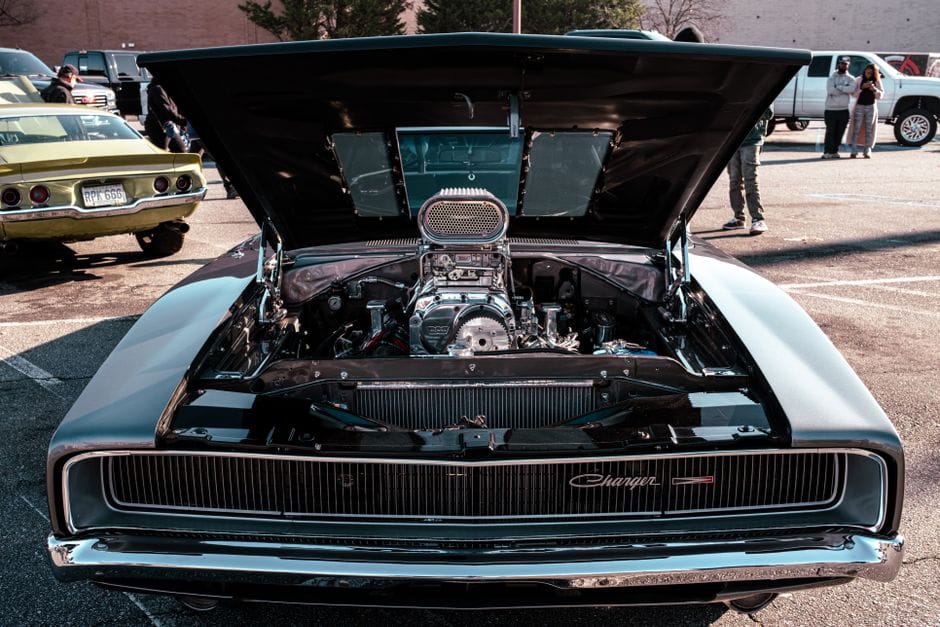
An engine swap is the process of removing your vehicle’s original engine and installing a different one in its place. The replacement engine can come from another model, a newer generation of the same car, or a brand-new crate engine purchased from a manufacturer. Swaps are performed to gain power, fix a failed motor, or adapt a vehicle for a specific purpose like racing or off-roading. This engine swap guide covers the key decisions you will face before you commit to the project.
Engine Swap vs. Engine Replacement: The Critical Distinction
Engine replacement means fitting the same engine that originally came with the vehicle. A replacement uses an identical block, cylinder head, and intake system, so wiring, mounts, and exhaust all line up without modification. The job is mechanical: pull the old unit, install the new one, reconnect everything. Most repair shops perform replacements daily.
An engine swap, by contrast, introduces a different powerplant. That difference can be small, like a slightly larger displacement version of the same family, or dramatic, like dropping a V8 into a four-cylinder coupe. The swap process demands planning beyond the engine itself. You must account for engine mounts, transmission bellhousing patterns, wiring harnesses, cooling system routing, and driveshaft length. The distinction matters because it determines whether you need fabrication skills or just wrenches.
The Three Types of Swaps: Same-Platform, Cross-Platform, and Crate Engines
Same-platform swaps use an engine from the same vehicle family. A common example is fitting a 5.3L V8 from a full-size truck into a lighter SUV built on the same chassis. These swaps keep wiring and mounting points similar, which reduces custom work and troubleshooting time.
Cross-platform swaps combine engines and vehicles from different manufacturers or unrelated model lines. An LS V8 into a Mazda RX-7 is a classic cross-platform build. These projects require custom motor mounts, modified oil pans, and standalone engine management. They deliver unique results but demand the most fabrication skill.
Crate engines come as complete, ready-to-run assemblies sold by manufacturers like Chevrolet Performance or Ford Performance. You buy a finished motor with a warranty, then install it into your vehicle. Crate engines simplify the engine swap guide process because the engine arrives tuned and tested, but you still handle fitment, cooling, and wiring yourself.
Top Picks


Defining Your Swap Goals: Power, Reliability, or Efficiency

Before you buy anything, decide what the finished car must do. Your answer determines which engine you pick, how much you spend, and how often the car sits on jack stands. This engine swap guide works best when you set measurable performance goals first.
Setting a Realistic Horsepower Target
Choose a horsepower target, not just a bigger engine. A 150-horsepower daily driver and a 400-horsepower weekend toy need completely different builds. Write down the number, then add a 10 percent margin for drivetrain loss and tuning variance.
Your chassis and brakes set the practical ceiling. A stock suspension and factory brakes handle only so much power. If your target exceeds what the vehicle can safely manage, the engine swap list grows to include upgraded axles, cooling, and stopping hardware.
For most street cars, a 250–350 horsepower target is achievable with a stock-block engine and mild camshaft. Beyond that, you enter forged internals, upgraded fuel systems, and standalone engine management — costs climb fast.
The Trade-Off Between Power and Daily-Drivable Reliability
Reliability is a performance goal too. A high-strung engine that needs constant tuning is not reliable. A factory-tuned motor with conservative timing and stock internals will start every morning and tolerate traffic. Decide which matters more before you commit.
If the car must be a daily driver, prioritize engines with strong factory support and available replacement parts. High-performance builds often sacrifice cold-start behavior, fuel economy, and idle quality. That trade-off is acceptable for a weekend car, but frustrating in stop-and-go traffic.
One practical approach: buy the engine you want, then keep the tune conservative for the first 500 miles. Log data, check oil pressure, and verify temperatures before pushing toward your horsepower target. This engine swap guide approach catches problems while the engine is still easy to fix.
The Engine Swap Decision Framework: Matching Engine to Vehicle
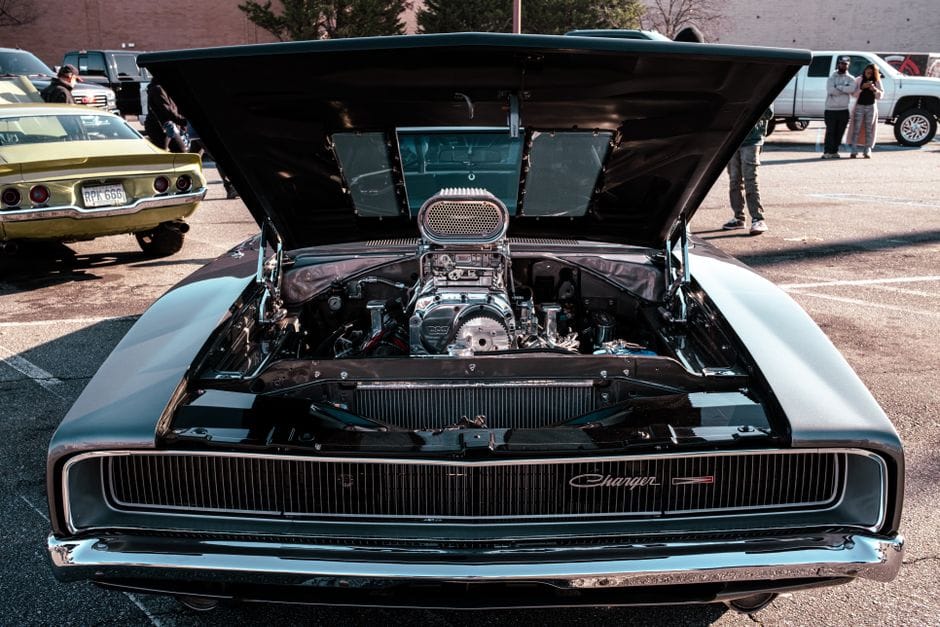
A successful engine swap guide must do more than list popular motors. It has to match the engine to your specific vehicle, budget, and goals. The right choice balances three forces: compatibility, budget, and performance targets. Ignore one, and the project stalls.
Use this framework as your filter. Work through each scenario below and see which one matches your situation. If you fit more than one category, prioritize the constraint that hurts most to fix later — usually compatibility.
If You Want Maximum Power, Choose X Because Y
For raw horsepower, the LS swap is the default answer. The GM Gen III and Gen IV small-block family is cheap, lightweight, and responds well to boost. A stock 5.3L truck motor makes reliable power with just a cam and tune. The aftermarket support is enormous, which means parts are everywhere and prices stay low.
Choose the LS platform because it offers the best power-per-dollar ratio. You get a compact iron or aluminum block, a simple pushrod design, and a massive tuning community. For a street car that needs 400–600 horsepower, an LS with a cam, headers, and a good tune delivers without exotic parts.
The trade-off is fabrication. LS swaps rarely bolt into non-GM vehicles. You will need custom motor mounts, a different oil pan, and often a new transmission. Budget for a wiring harness solution or a standalone ECU. The engine itself is cheap; the swap parts add up.
If You Want a Budget Swap, Choose X Because Y
A budget swap is not the same as a cheap engine. It means choosing a platform with low purchase cost, abundant junkyard supply, and simple wiring. The Honda K-series swap fits this description well.
The K24 engine is everywhere in junkyards. It makes decent power stock, responds to bolt-ons, and has a solid aftermarket. The K-series is also physically compact, which helps fitment. For a Honda Civic or Acura RSX, a K-swap is a well-documented path with ready-made mounts and harnesses.
Choose the K-series because the supporting parts are affordable and the wiring is manageable. You can complete a budget K-swap with a used engine, a conversion harness, and stock ECU tuning. The community has documented every step, so you are not guessing.
The catch is that “budget” assumes you do the labor yourself. If you pay a shop, labor will eat the savings. Also, K-series engines are less forgiving of poor tuning than an LS. A bad tune can destroy the engine quickly.
If You Want a Direct Bolt-In, Choose X Because Y
A bolt-in swap means minimal fabrication. The engine mounts to existing brackets, the transmission bolts up, and the wiring plugs in with adapters. This is the lowest-risk path.
Choose the same engine family your vehicle came with, just a larger displacement or newer generation. For a Ford Mustang, that means a modular 4.6L or 5.0L Coyote if your chassis supports it. For a Toyota 4Runner, a 1UZ-FE or 2UZ-FE V8 uses factory mounts with the right brackets. For a BMW, an M52 or N52 swap stays within the same platform.
Direct bolt-ins are the right choice when reliability matters more than peak power. You keep factory accessories, stock cooling, and original wiring where possible. The engine looks stock, which helps with emissions and insurance.
The limitation is ceiling. A bolt-in within your platform rarely doubles your horsepower. You gain torque and displacement, not drama. If you need 700 horsepower, you will outgrow this path quickly.
Pros of the Framework Approach
- Forces you to rank compatibility, budget, and power before buying parts
- Prevents the common mistake of buying a cheap engine that needs expensive fabrication
- Matches engine choice to your actual skill level — a bolt-in for a beginner, an LS for a fabricator
Cons of the Framework Approach
- No single engine satisfies all three constraints — you will compromise somewhere
- Power goals can pull you toward a platform that exceeds your fabrication skills
- Pricing shifts with the market, so a “budget” platform today may not stay cheap
Current pricing for popular swap platforms changes with the market. [VERIFY: current average prices for LS truck engines, K24 long blocks, and 2JZ-GTE at publish time] to confirm your budget assumptions before committing.
The decision framework works best when you apply it before the Budget Breakdown section of this guide. If you know your goal is maximum power, the LS path is clear. If you want a direct bolt-in, stay within your platform. If money is the constraint, a K-series swap is hard to beat. Write down your top constraint, pick the matching path, and then price the full project — not just the engine.
Budget Breakdown: The True Cost of an Engine Swap

Most people price an engine swap by the long block alone. That is a mistake. The engine is often less than half of the total project cost. Wiring, mounts, cooling, and labor eat the rest. Before you commit, build a full parts list with real numbers.
This section gives you a realistic cost breakdown. It pairs with the decision framework above — once you know your platform, you price the whole project, not just the motor.
Engine Cost vs. Hidden Costs (Wiring, Mounts, Cooling)
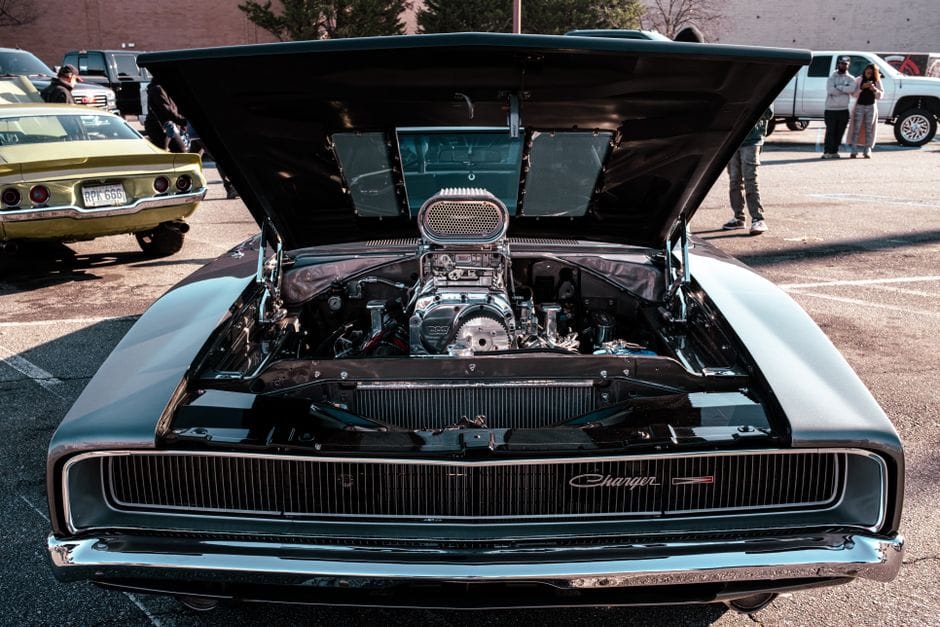
The engine itself is the visible cost. The hidden costs are what break budgets. Wiring harness adapters, engine mounts, and cooling system modifications routinely add 30–50% on top of the engine price.
Here is what a realistic budget looks like for a typical swap. Prices vary by platform, so treat this as a planning range, not a quote.
| Cost Item | Budget Range | Notes |
|---|---|---|
| Donor engine (long block) | $1,000 – $4,000 | Junkyard pull vs. rebuilt unit. Core charge may apply. |
| Wiring harness / adapter | $500 – $2,500 | Standalone ECU harness or OEM re-pin. Plug-and-play costs more. |
| Engine mounts | $150 – $800 | Bolt-in kits vs. custom fabrication. Universal mounts need welding. |
| Cooling system | $300 – $1,200 | Radiator, hoses, fans, and shroud. Many swaps need a custom radiator. |
| Exhaust / intake | $200 – $1,000 | Headers, downpipe, and air intake. Mating new engine to old exhaust. |
| Fuel system | $200 – $800 | Fuel pump, lines, and injectors. High-output swaps need more flow. |
| Fluids, gaskets, and misc. | $150 – $500 | Oil, coolant, seals, and small parts. Always budget for surprises. |
| Labor (if not DIY) | $1,500 – $5,000 | Shop rates vary widely. A bolt-in is cheaper than custom fabrication. |
Wiring complexity is the biggest wildcard. A same-platform swap with a matching harness can be plug-and-play. A different-platform swap needs a standalone ECU or a custom re-pin, which drives cost up fast. [VERIFY: Average cost of wiring harness adapters for popular swaps.]
Engine mounts follow the same pattern. Bolt-in kits exist for popular swaps like LS-into-Fox-Body or K-swap into EK Civic. Less common swaps need custom mounts. [VERIFY: Average cost of custom engine mounts.]
The $1,000 Swap vs. The $10,000 Swap: What You Get
The $1,000 Swap vs. The $10,000 Swap: Details
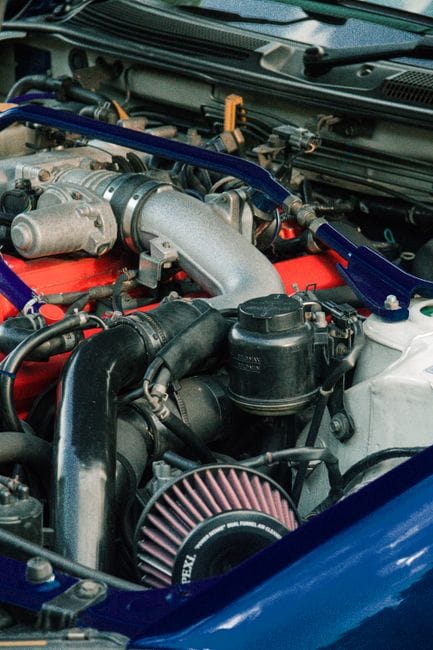
You can do a swap for $1,000 if you stay within your platform. A junkyard engine from the same car line, stock mounts, and a matching harness will bolt in with minimal fabrication. You get reliability and a fresh motor, not more power.
The $10,000 swap buys a different category. You are paying for a built engine, a standalone ECU, custom mounts, and professional tuning. You get a significant power increase and a cohesive package. The difference is not just parts — it is engineering.
Here is the honest trade-off:
$1,000 Swap
- Same-platform compatibility means minimal wiring work
- Stock mounts and cooling often carry over
- Ideal for replacing a blown motor on a budget
- You keep the car’s original character and driveability
$10,000 Swap
- Requires fabrication skills or a paid shop
- Wiring and ECU tuning add weeks of work
- Cooling and fuel systems need upgrades to match power
- Resale value rarely recovers the full cost
The middle ground — $3,000 to $5,000 — is where most successful swaps land. You get a used engine, a quality wiring harness, and bolt-in mounts. That is the sweet spot for a first-time swapper who wants reliability plus a modest power bump.
Whatever your number, add a 20% contingency. Swaps always reveal surprises: a cracked bellhousing, a missing sensor, or a wiring connector that does not match. That buffer keeps the project from stalling.
Critical Compatibility Factors: What Most Guides Ignore
Most engine swap guides focus on horsepower numbers and torque curves. They skip the boring details that actually determine whether your project succeeds. Before you buy anything, you need to answer three hard questions about compatibility. Get these wrong, and the engine sitting in your garage is just an expensive paperweight.
Physical Fitment: Width, Height, and Oil Pan Clearance
Physical Fitment: Details
The first check is pure geometry. An engine that fits in the bay of one vehicle may not fit yours, even if it is the same platform. You are measuring three dimensions: width between the frame rails, height under the hood line, and length from the radiator to the firewall.
The oil pan is the part people forget. It hangs below the engine block and often collides with the steering rack, crossmember, or front subframe. A pan from a rear-wheel-drive car rarely fits a front-wheel-drive chassis. Many swappers solve this with a custom oil pan, but that adds [VERIFY: typical cost of a custom fabricated oil pan for a common swap platform] to the budget. Sometimes a dry sump system is the only answer, and that is a serious expense.
Also check the exhaust manifolds or headers. They need clearance from the steering shaft, brake booster, and body panels. And measure the accessory drive — the alternator, power steering pump, and air conditioning compressor all sit on the front of the engine. If they hit the radiator support, you are looking at custom brackets or a different accessory layout.
Electronics and Wiring: CAN Bus vs. Standalone ECU
Electronics and Wiring: Details
Wiring complexity is the silent killer of engine swap projects. A mechanical swap from the 1980s needs a handful of wires. A modern engine with a CAN bus network is a completely different animal.
CAN bus systems talk to the transmission, ABS module, body control module, and instrument cluster. When you drop a modern engine into an older chassis, the engine’s ECU expects to communicate with components that do not exist in your car. The result is a check engine light, limp mode, or a no-start condition. You have three paths forward:
– Use a standalone ECU that bypasses the factory network entirely
– Keep the original ECU and integrate it with your chassis systems
– Run a hybrid setup with an adapter harness
A standalone ECU gives you the most control. You can tune it for your exact setup, delete unneeded features, and avoid fighting the factory security system. The cost is real: a quality standalone unit plus a professional wiring harness runs [VERIFY: typical price range for a standalone ECU and custom harness for a common swap]. And you still need someone who understands the wiring diagram to make it work.
The factory ECU route is cheaper but requires the immobilizer, key, and sometimes the entire steering column from the donor car. That is why many engine swap guides recommend buying a complete donor vehicle rather than just the engine. You get every sensor, bracket, and wiring connector you need.
The Honest Limitations: What Your Chassis Cannot Handle
The Honest Limitations: Details
Your chassis has limits, and no amount of engine work changes that. The frame, suspension mounting points, and subframe were designed for a specific weight and power output. Exceed those limits and you get flex, premature wear, and unpredictable handling.
The transmission tunnel is a common bottleneck. If your new engine comes with a gearbox that is physically larger than the original, the tunnel may need cutting and widening. That is structural work, not a bolt-in job. The driveshaft also needs to match the new transmission output and the differential input flange.
Brakes are another limitation. A stock brake system from a 120-horsepower car will not stop a 300-horsepower engine safely. You need upgraded rotors, calipers, and possibly a larger master cylinder. The suspension springs and dampers also need revisiting — the new engine may weigh more or less than the original, changing the front-to-rear balance.
Here is the honest truth: some chassis are not worth swapping. A unibody car with thin frame rails and no aftermarket support will fight you at every step. A body-on-frame truck or a popular sports car with a mature swap community is a different story. The aftermarket support matters as much as the metal. If no one makes motor mounts for your chassis and engine combination, you are fabricating them yourself. That is a skill level most DIYers do not have.
Before you commit, search for documented swaps of the same engine into your exact make and model. If you find build threads and parts suppliers, you are in good territory. If you find nothing, treat that as a warning sign — you are about to be the pioneer, and pioneers pay for their own mistakes.
Legal and Safety Compliance: Passing Inspection
Emissions Laws by State (CARB vs. Federal)
The legal side of an engine swap guide often gets skipped until it is too late. That is a mistake. Emissions rules vary wildly depending on where you register the car. California is the strictest. The California Air Resources Board (CARB) requires the swapped engine to be the same year or newer than the vehicle chassis. That rule applies to the engine itself, not just the ECU. If you put an older engine into a newer car, it will not pass a smog check in California. Period.
Federal EPA rules are more forgiving, but they still require the engine to meet the emissions standards of the original vehicle or the model year of the engine, whichever is stricter. States like New York, Massachusetts, and Colorado follow similar logic. Some states have no inspection at all — Alabama, Mississippi, and Montana come to mind. But that does not mean you are free. If you ever sell the car or move, the legal compliance gap will surface.
[VERIFY: Current CARB regulations for engine swaps (must be same year or newer)]
Safety Inspections: What They Check in a Swapped Car
Safety Inspections: Details
Safety inspections in states that require them focus on a few specific areas. The engine must be securely mounted with no cracked or improvised brackets. Wiring harnesses must be properly routed and insulated — no exposed splices or electrical tape dangling near hot surfaces. The exhaust system must be complete, with no leaks and a functioning catalytic converter where required. Fuel lines need to be braided steel or equivalent, not rubber hose clamped to a high-pressure fuel rail.
Brakes get extra scrutiny in a swapped car. Inspectors check that the braking system matches the vehicle’s gross weight rating. If you doubled the horsepower, they want to see upgraded rotors and pads. The same goes for the cooling system — an engine that runs hot will fail a visual inspection even if the check engine light is off. Some states also require a VIN verification to confirm the engine matches your paperwork. Keep all receipts for the engine, mounts, and wiring harness. You will need them to prove the swap was done legally.
Engine Swap Flowchart: Which Path Should You Take?
This engine swap guide boils down to a simple flowchart. Your goals, budget, and compatibility determine the path. Follow the decision tree below to see which route fits your situation.
Decision Tree: From Goal to Engine Choice
Decision Tree: Details
Step 1: Define the goal. If you want daily-driver reliability, choose a stock engine with OEM parts. If you want track-day power, pick a performance engine with documented swap kits. If you want fuel economy, look for a modern small-displacement engine with EFI.
Step 2: Check the budget. A direct OEM replacement costs the least. A popular performance swap (like LS or K-series) costs more but has aftermarket support. An exotic swap (rotary, boxer, or V10) breaks budgets fast. If the engine costs more than the car, walk away.
Step 3: Verify compatibility. Ask three questions before buying: Do motor mounts exist? Does a wiring harness kit exist? Does the transmission bolt up? If the answer is “no” to any, your engine choice is wrong for that vehicle.
When to Walk Away and Buy a Different Car
Sometimes the honest move is to skip the swap entirely. Walk away if the chassis has rust, if the transmission can’t handle the torque, or if the swap requires custom fabrication you can’t weld. Also walk away if your state’s emissions laws make the engine choice illegal — no engine swap guide can fix a CARB violation.
Buying a car that already has the engine you want often costs less than swapping. Factor in labor, wiring, cooling, and exhaust — the total usually exceeds a clean used car with the right powertrain. If your decision flowchart leads to “custom everything,” redirect that budget toward a different vehicle.
Frequently Asked Questions About Engine Swaps
**Can I swap an engine into any car?**
Technically, yes — with enough fabrication, any engine fits any chassis. Realistically, no. The engine swap guide rule of thumb is simple: if motor mounts, a wiring harness, and a transmission adapter don’t exist off the shelf, your project turns into custom fabrication. That multiplies cost and timeline.
**What is the easiest engine swap for a beginner?**
Stick with the same engine family your car already has. Swapping a larger displacement version of the same motor, or a newer generation of the same platform, minimizes wiring and mount issues. Popular swap questions almost always get the same answer: choose an engine with existing aftermarket support for your chassis.
**Do I need to tell my insurance company about a swap?**
Yes. Swapping engines changes your vehicle’s value and risk profile. Failing to report it can void your policy. Check with your insurer before you start, not after the car is running.
**Will an engine swap pass emissions and inspection?**
It depends entirely on your state’s rules and the engine you choose. Many states require the swapped engine to be the same year or newer than the vehicle, with all emissions equipment intact. Verify your local laws before buying anything.
**How long does an engine swap take?**
A weekend for a seasoned mechanic with a direct replacement. Expect several weeks for a first-timer doing a popular performance swap with good documentation. Custom swaps can take months. Budget for downtime, not just parts.
Final Verdict: Choosing the Right Engine for Your Car
An engine swap is one of the most transformative upgrades you can make to a vehicle, fundamentally altering its power delivery, reliability, and character. Throughout this guide, we have evaluated engines across five core attributes: power potential, cost per horsepower, aftermarket support, installation complexity, and reliability. These attributes determine not just how fast your car will go, but how smoothly your build will proceed and how much it will ultimately cost.
Our top recommendation for most builders is the LS engine family. The GM LS series wins because it offers the best power-to-cost ratio in the industry, with a massive aftermarket ecosystem that keeps parts affordable and readily available. Its compact pushrod design fits into a surprising range of chassis, and the solid bottom end handles 500+ horsepower with stock internals. For a first-time swapper or a seasoned builder, the LS delivers the most predictable path to success.
Best Overall: LS (5.3L/6.0L/6.2L)
Why: Lowest cost per horsepower, huge aftermarket, simple wiring, fits many chassis.
Best for Budget Builds: 1JZ/2JZ or 5.3L LS Truck Engine
Why: Dirt-cheap junkyard pulls, legendary reliability, massive tuning headroom.
Best for High RPM/N/A Power: K-Series (Honda K20/K24)
Why: Revs to 8,000+ RPM, unmatched head flow, lightweight, perfect for road racing.
Decision Framework: Match the Engine to Your Goals
Decision Framework: Details
If you need maximum horsepower per dollar, choose the LS 5.3L truck engine because junkyard pulls cost under $500 and the rotating assembly handles 600+ hp with just a cam and springs.
If you need bulletproof reliability for daily driving, choose the 2JZ-GE or 1JZ-GE because Toyota’s iron-block design is virtually indestructible and requires minimal maintenance.
If you need high-RPM naturally aspirated power for track days, choose the Honda K24 with a K20 head (K24/K20 “Frankenstein” build) because the combination produces 240+ whp with stock internals and revs to 8,200 RPM.
If you need ease of installation with minimal fabrication, choose the same-family engine (e.g., small-block Chevy into a Chevy chassis) because motor mounts, wiring, and exhaust all bolt in with off-the-shelf parts.
If you need modern fuel economy and emissions compliance, choose the LS with a factory ECU and full emissions equipment because it maintains OBD-II compliance and returns 25+ MPG on the highway.
Honest Limitations
The LS platform is not the answer to every question. Its pushrod design limits high-RPM operation, and the engine is physically wide, making it a poor fit for narrow engine bays like those in older BMWs or Miatas without significant frame modification. It also lacks the character and soundtrack of a high-revving inline-six or a flat-plane V8. If you prioritize emotional engagement and a screaming top end over raw torque, the K-series or a BMW S54 will deliver a more rewarding experience.
Similarly, if you are swapping a modern vehicle (post-2010), expect to invest heavily in CAN-bus integration, gauge clusters, and anti-theft systems. The days of a simple standalone harness are gone for late-model chassis. Budget an extra $1,500–$3,000 for electronics integration if you are not using a plug-and-play kit.
Start with a realistic budget that includes 20% contingency. Every swap overruns, whether through unexpected fabrication, broken bolts, or wiring gremlins. Choose the engine that fits your skills, your tools, and your patience — not just the one that makes the most power on paper.
The right engine swap is the one you can finish. A completed 350 hp build beats an abandoned 800 hp dream every time
Before you commit to a platform, take stock of your actual situation. Do you have a welder and fabrication skills? If not, choose an engine with pre-made mounts and full conversion kits. Do you have access to a tuner who knows the platform? If you live far from any shop that can tune a standalone ECU, that 2JZ with a wire-in Haltech might be a nightmare. The most capable engine in the world is useless if you cannot sort the wiring harness or find a reputable dyno tuner within reasonable driving distance.
Also consider your own tolerance for downtime. A weekend car can sit for a year while you collect parts. A daily driver cannot. If the car must stay on the road, you need a swap with a complete, bolt-in wiring solution and a straightforward installation path. The LS with a plug-and-play harness and factory-style mounts is the most forgiving in this regard. The K-series with a Hasport mount kit is a close second.
Finally, think about the end state. Are you building for street driving, drag racing, road racing, or show? A massive turbocharged big-block might win at the drag strip but will overheat in stop-and-go traffic. A screaming K24 is glorious on a road course but lacks the low-end torque for a heavy sedan. Match the engine’s powerband and character to the car’s weight, intended use, and your personal driving preferences.
We also recommend joining a model-specific forum or Facebook group before you buy anything. Owners who have already completed swaps will tell you exactly which engine fits, which motor mounts to buy, and which oil pan clears the crossmember. Their first-hand experience is worth more than any spec sheet. Search for “your chassis + LS swap” or “your chassis + K swap” and read through the build threads.
When you do settle on a donor engine, buy the complete package: engine, transmission, wiring harness, ECU, sensors, and accessories. Chasing down missing parts individually will cost you three times as much and add weeks to the timeline. A complete donor car, even one with a blown transmission, is often the smartest purchase because you get every bracket, bolt, and sensor you need.
Remember that your budget should include not just the engine, but also cooling system, fuel system, exhaust, driveshaft, gauges, and any necessary chassis reinforcement. A $1,500 junkyard engine can easily become a $6,000 swap once you account for everything else. Plan for that reality from the start, and you will avoid the frustration of a half-finished project sitting on jack stands.
Make your choice based on total project cost, not just the price of the long block. The LS still wins on overall value, but the K-series is the smart pick for lightweight, nimble cars. For those who want a unique, characterful build and have fabrication skills, a BMW inline-six or a Toyota 1UZ V8 offers something special that no LS can replicate.
Whichever path you choose, commit to the plan and start gathering parts. The best engine swap is the one that is actually in your car, running, and ready for the road. Set a realistic timeline, lean on the community for guidance, and enjoy the process. The finished product — a car that feels exactly the way you want it to — is worth every hour of effort.
You might also like: best synthetic motor oil, diesel engine oil guide, best motor oil brand