
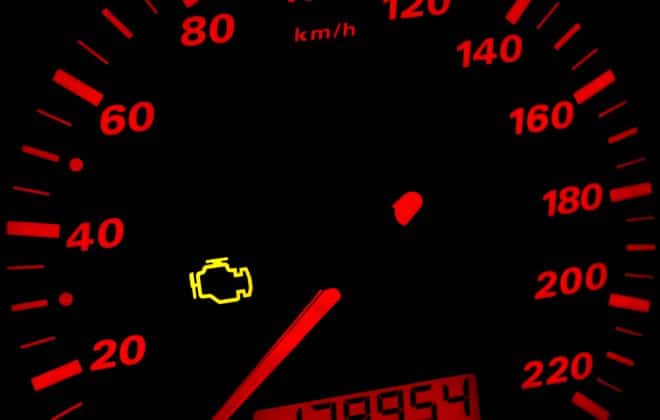
The Night a Flashing Light Saved a $3,200 Repair
It was just after sunset, mid-July, and the shop was already closing when a soaked Honda Accord rolled in. Thunderstorms had just blown through, humidity was thick, and I could hear the engine stumbling before the car even stopped. The blinking check engine light was flashing like a turn signal stuck on fast-click.
The customer told me, “It started flashing on the highway, but the car still drove okay.” I shut the engine off immediately—before even plugging in the scan tool. Raw fuel smell, rough idle, and flashing CEL? That’s a recipe for catalytic converter failure.
That decision saved him over $3,000. One bad ignition coil. Another ten minutes of driving and the converter would’ve overheated internally. I’ve seen it hundreds of times—and if your check engine light is flashing, you’re standing at the same crossroads.

LAUNCH CRP129E V3.0 Elite OBD2 Scanner Diagnostic Tool, 12 Reset Scan Tool, CANFD & DOIP, FCA AutoAuth, ABS SRS Transmission Engine Code Reader, Oil/Brake/SAS/DPF/TPMS/BMS Reset, Lifetime Free Update
The LAUNCH CRP129E V3.0 is a feature-rich OBD2 scanner with 12 reset services, CANFD/DoIP support, and FCA AutoAuth for modern vehicles. It includes lifetime updates, Android 8.1, and a 5-inch touchscreen for reliable diagnostics.
- 12 reset services including ABS, DPF, and TPMS
- Supports CANFD, DoIP, and FCA AutoAuth protocols
- Lifetime free updates with 90+ brand compatibility
What a Flashing Check Engine Light Really Means
A steady check engine light usually means an emissions fault or stored issue. A flashing check engine light is different. It means the engine computer has detected an active engine misfire severe enough to cause damage right now.
When a cylinder misfires, the air-fuel mixture doesn’t burn. That raw fuel enters the exhaust stream and ignites inside the catalytic converter. Converter substrate temperatures can exceed 1,600°F, while most are only designed to survive sustained temps around 1,200–1,400°F.
Ignore this warning and you risk:
- Catastrophic catalytic converter failure
- Melted exhaust substrate blocking flow
- Loss of power and overheating
- $1,200–$3,500 in avoidable repairs
Flashing vs Steady Check Engine Light
| Light Type | What It Means | Urgency |
|---|---|---|
| Steady ON | Stored or intermittent fault | Low–Moderate |
| Flashing | Active misfire detected | Immediate attention |
What Causes a Blinking Check Engine Light?
In real-world shop conditions, flashing CELs almost always come from ignition or fuel delivery problems. The engine computer monitors crankshaft speed variations—when a cylinder slows the crank unexpectedly, it flags a misfire.
Most Common Causes I See Weekly
- Ignition coil failure (coil-on-plug systems fail often)
- Worn, oil-fouled, or cracked spark plugs
- Fuel injector sticking open or closed
- Vacuum leaks causing lean misfires
- Low fuel pressure from a weak pump
For a deeper breakdown of misfire diagnostics, this guide explains
flashing engine light, blinking check engine light, emergency engine warning scenarios in detail.
Common Trouble Codes Triggering a Flashing CEL
A flashing light almost always sets a misfire code—even if the light later stops flashing.
| Code | Meaning |
|---|---|
| P0300 | Random or multiple cylinder misfire |
| P0301–P0308 | Specific cylinder misfire |
If you’re seeing P0300, read this full
blinking check engine light, flashing engine light, emergency engine warning breakdown before replacing parts.
What To Do Immediately When the Check Engine Light Is Flashing
If the engine shakes violently, smells strongly of fuel, or lacks power, shut it off immediately. Continued driving can cause severe engine damage and catalytic converter failure.
Reduce speed and engine load. Keep RPMs below 2,500 if possible.
Avoid hard acceleration. Misfires worsen under load.
Turn off A/C and accessories. Reduce engine stress.
Scan for codes ASAP. Use a scanner capable of reading live misfire data.
Step-by-Step Misfire Diagnosis (DIY-Friendly)
Tools Required
- OBD-II scanner with live data (must-have)
- 3/8” ratchet with metric sockets
- Spark plug socket (size varies by engine)
- Torque wrench (check OEM specs)
- Dielectric grease
Step 1: Identify the Misfiring Cylinder
Use your scan tool to check stored and pending codes. If you see P0302, that’s cylinder #2. If it’s P0300, you’ll need live data to see which cylinders are missing.
Step 2: Swap Ignition Coils
This is my go-to shop test. Move the suspected coil to another cylinder, clear codes, and drive.
I’ve diagnosed hundreds of cars this way without wasting parts.
Step 3: Inspect Spark Plugs
Remove the spark plug and inspect:
- Oil fouling (valve cover gasket leaks)
- Fuel fouling (injector issues)
- Cracked porcelain
Always torque spark plugs to OEM spec—check your owner’s manual or service data. Over-tightening damages threads. Under-tightening causes blow-by.
Step 4: Fuel Injector Check
If ignition checks out, listen for injector clicking with a mechanic’s stethoscope. No click often means a dead injector or wiring fault.
Cost Analysis: Fix It Now or Pay Later
DIY Repair Costs
- Ignition coil: $45–$120 each
- Spark plugs (set): $40–$120
- OBD-II scanner: $40–$150
Professional Repair Costs
- Diagnostic fee: $100–$180
- Ignition repair: $250–$600
- Catalytic converter replacement: $1,200–$3,500
Fixing a misfire early is almost always under $400. Every catalytic converter I replace started as an ignored flashing CEL.
Frequently Asked Questions
Can I drive with a flashing check engine light?
Only long enough to get safely off the road. Continued driving risks severe engine damage.
Will disconnecting the battery fix it?
No. Clearing codes does not fix the misfire and does not stop damage.
Is a flashing light worse than a steady one?
Yes. A flashing light is an emergency engine warning.
How long before damage occurs?
Sometimes minutes. I’ve seen converters fail in under 10 miles.
Final Thoughts From a Master Technician
A flashing check engine light is one of the few dashboard warnings that deserves immediate respect. I’ve watched engines last 250,000 miles when owners acted fast—and I’ve watched others rack up massive bills by ignoring a blinking light.
Difficulty level for DIYers? Moderate. Cost if handled early? Usually a few hundred dollars. From the mechanic’s side of the counter, this is a problem you diagnose—not reset.
Treat a flashing CEL like chest pain, not a headache. Deal with it early, and your engine will reward you for years.