P0300 Code: Random Misfire Detected Diagnosis Guide
It was a sweltering July afternoon in the shop. I was elbow-deep in a Toyota Camry’s timing cover when my service writer Jake walked in with that look — the one that says “you’re not gonna believe this one.”
“We’ve got a 2017 Honda Accord out front. Customer says it’s shaking like a paint mixer. Check engine light’s flashing. Throwing a P0300. Says it happened right after he filled up at the cheap gas station down the road.”
I wiped my hands, grabbed my scan tool, and headed out. Sure enough, the Accord was idling rough enough to rattle the coffee cups on the toolbox. Plugged in the scanner. There it was: P0300 — Random/Multiple Cylinder Misfire Detected.
This wasn’t my first rodeo with a P0300. I’ve seen this code on everything from a beat-up ’98 Civic to a pristine 2023 F-150. The tricky part? A P0300 isn’t like a P0302, which points straight to cylinder 2. A P0300 is a wildcard. The misfires are jumping around, and the root cause could be hiding in your ignition, fuel, or mechanical systems. Sometimes all three.
Quick Answer: What Is a P0300 Code?
P0300 means your engine control module detected misfires across multiple cylinders — not just one. It’s a random misfire code. The most common fixes in order of likelihood: new spark plugs and coils (60% of cases), fuel injector cleaning, vacuum leak repair, or fuel pump replacement. A flashing check engine light with a P0300 means stop driving immediately — you’re damaging the catalytic converter in real time.

What Does P0300 Actually Mean?
| Code | Definition | Severity | Drive It? |
|---|---|---|---|
| P0300 | Random/Multiple Cylinder Misfire Detected | High | Steady light: cautiously. Flashing light: no — tow it. |
| P0301–P0312 | Specific single-cylinder misfire (cylinder 1–12) | High | Cautiously to a shop only |
A P0300 means your ECM detected misfires bouncing between cylinders — not consistently in one place. That “random” pattern is what makes diagnosis harder. It tells you the problem is systemic, not isolated. Something is affecting combustion across multiple cylinders at once.
The five root cause categories, in rough order of likelihood, are: ignition failures, fuel delivery problems, air intake leaks, mechanical failures, and sensor or ECM issues. Most of the time, the answer is in that first category. But you have to rule them out in order.
Affiliate disclosure: We earn a small commission on purchases at no extra cost to you.
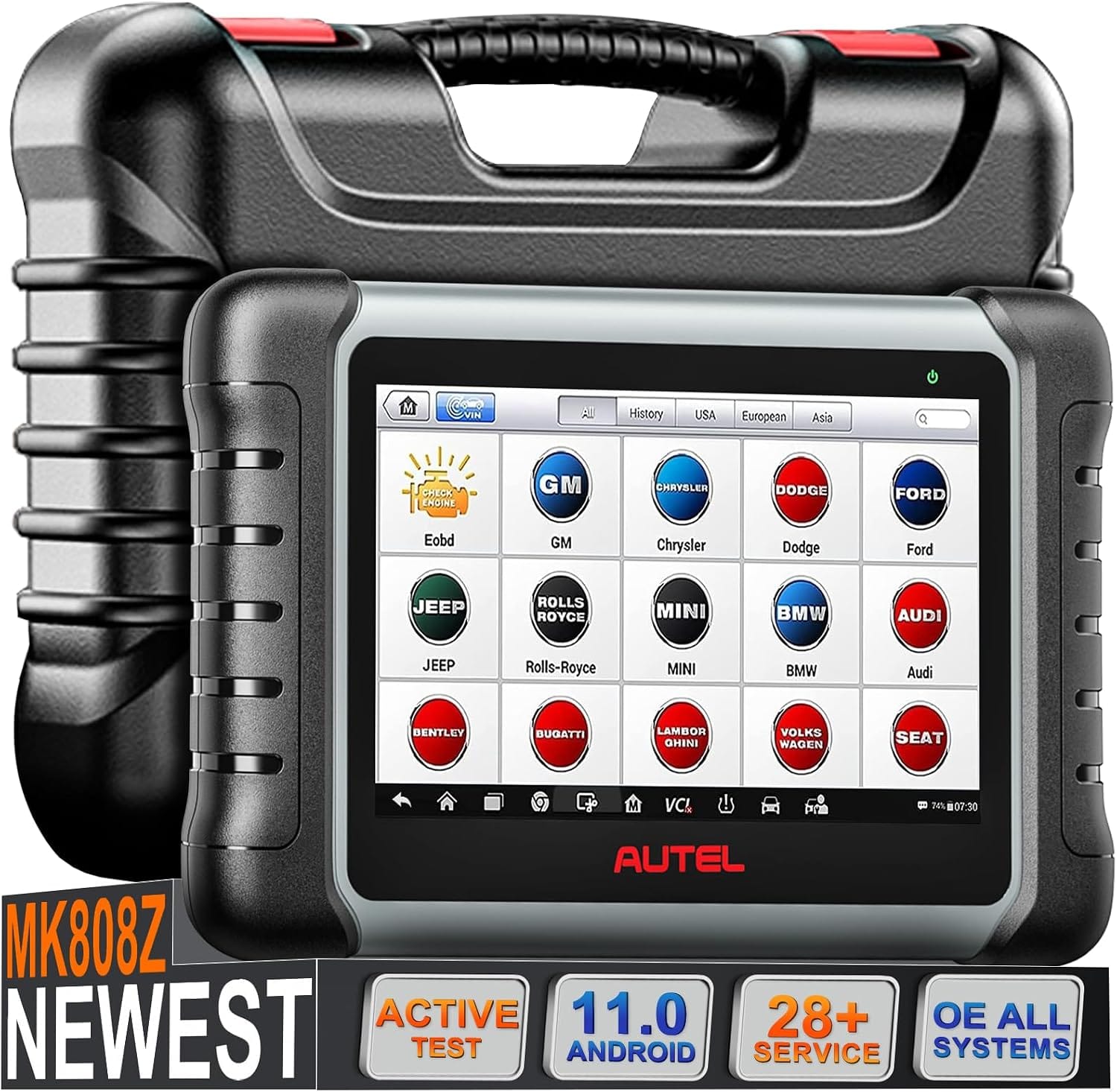
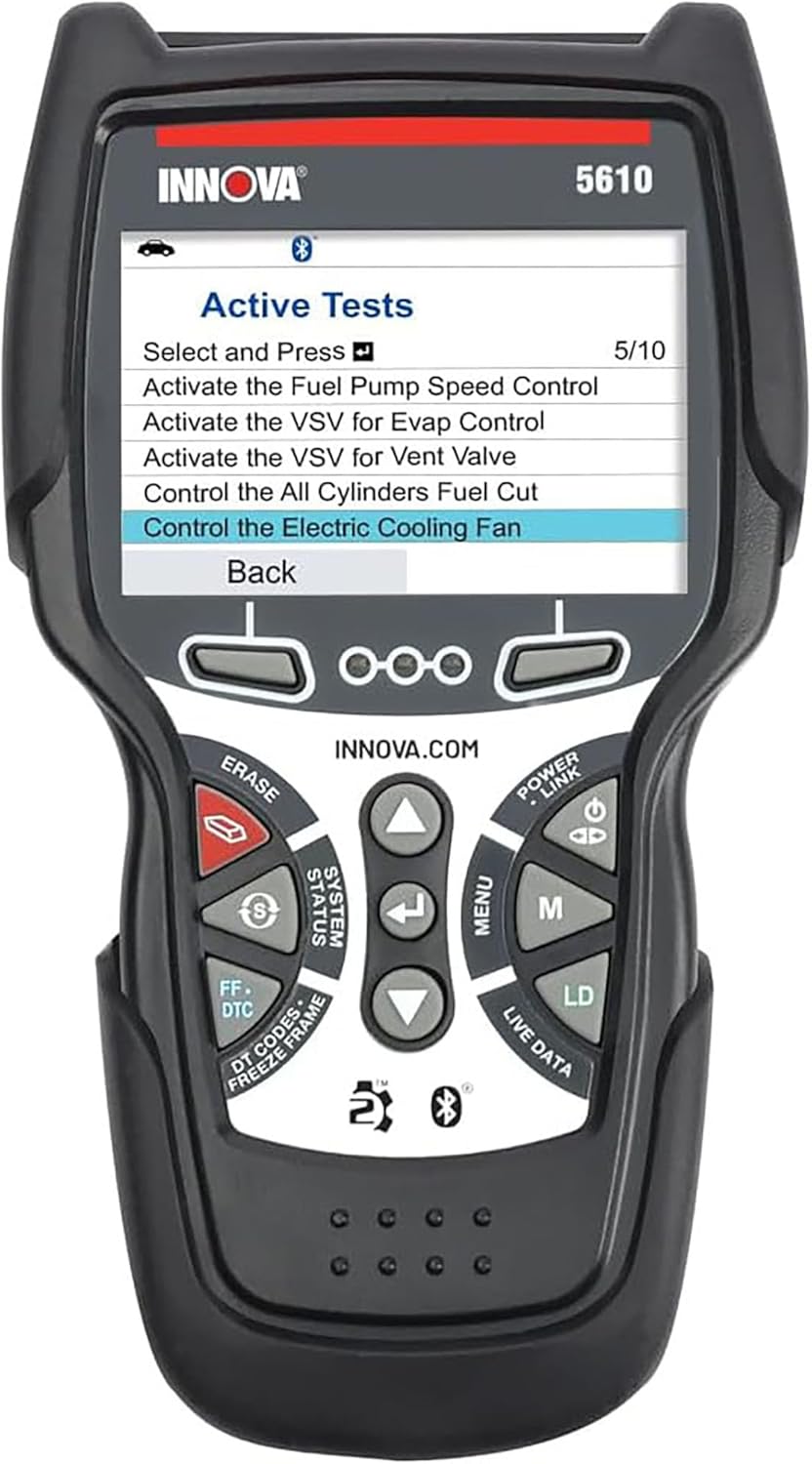
Scan Tools for P0300 Diagnosis
Best Value
Budget Pick
P0300 Symptoms You’ll Notice Before You Even Plug In a Scanner
You don’t need a scan tool to suspect a P0300. Your car will tell you something is wrong in several ways at once.
Rough idle is the most obvious. The engine shakes or vibrates at stops. On the Accord, it was bad enough to rattle tools on my chest-high toolbox. Hesitation under acceleration is the next thing you notice — the car stumbles or jerks when you press the gas, especially from a dead stop.
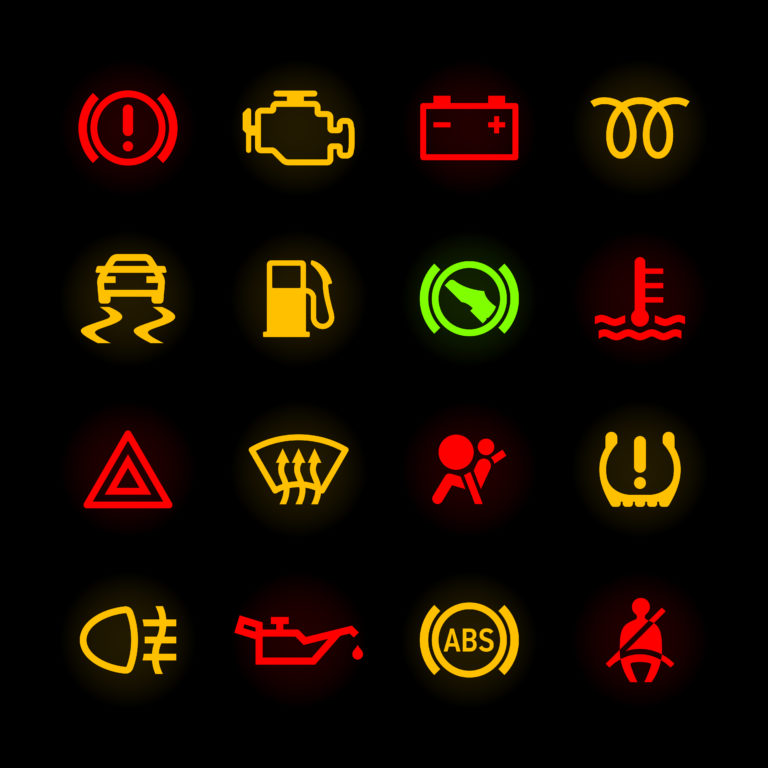
A flashing check engine light is the one that demands immediate action. A steady light means you can drive cautiously to a shop. A flashing light means severe misfires are happening right now. Raw unburned fuel is entering the catalytic converter and burning inside it. That cat can reach temperatures over 2,000°F. Give it enough time and you’ll turn a $200 ignition coil job into a $1,500 catalytic converter replacement.
Flashing Check Engine Light — Stop Driving Now
A flashing check engine light combined with a P0300 code is not a “get it checked when you have time” situation. Pull over safely. Turn the engine off. Have the vehicle towed. Every minute of driving with severe misfires increases the chance of destroying your catalytic converter. Replacement cost: $800 to $2,500 depending on your vehicle.
Other symptoms include excessive exhaust smoke (white or blue smoke points to fuel or oil burning), a fuel smell from the tailpipe (unburned gas exiting the exhaust), and reduced fuel economy — misfires waste fuel, so you’ll notice more frequent fill-ups before you notice anything else.
Common Causes of P0300 — From Most to Least Likely
1. Ignition System Failures
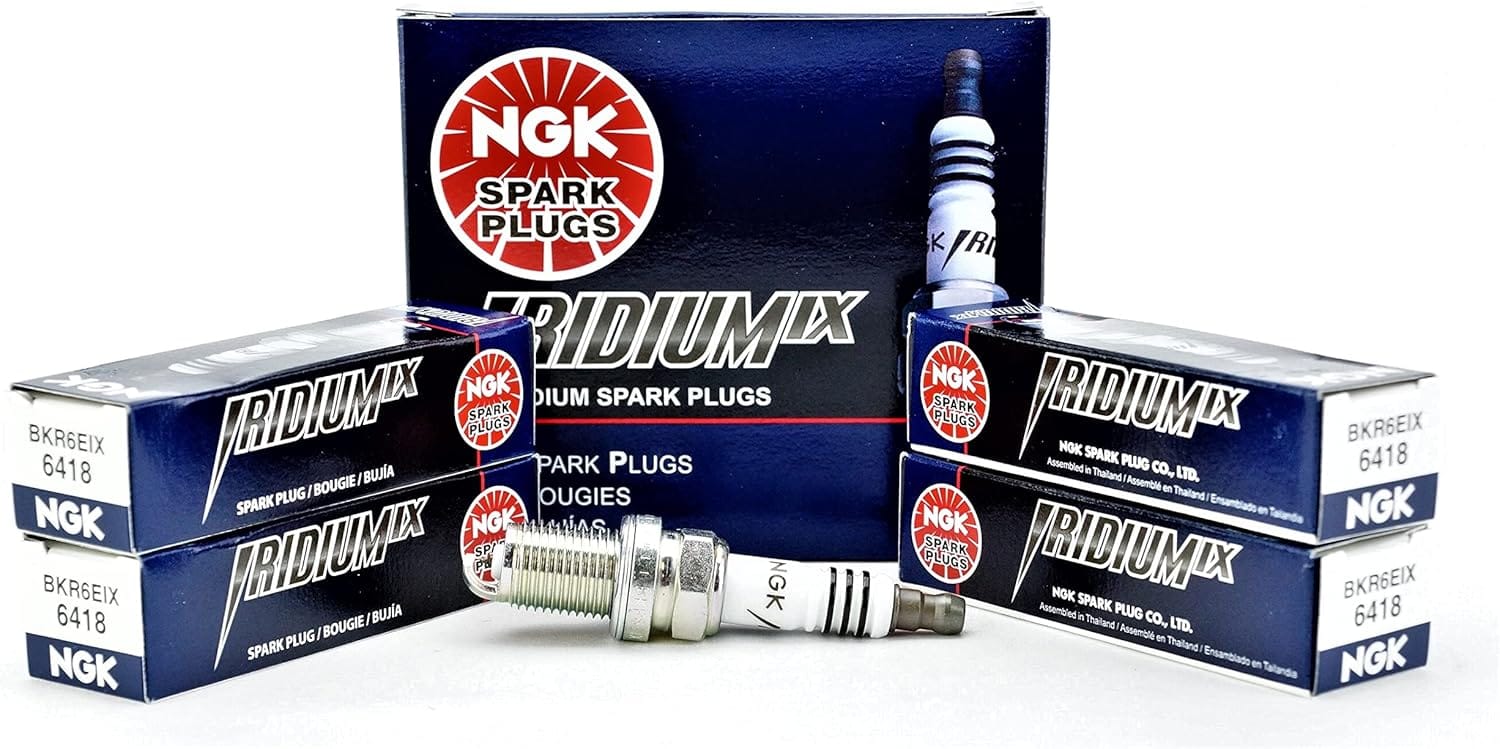
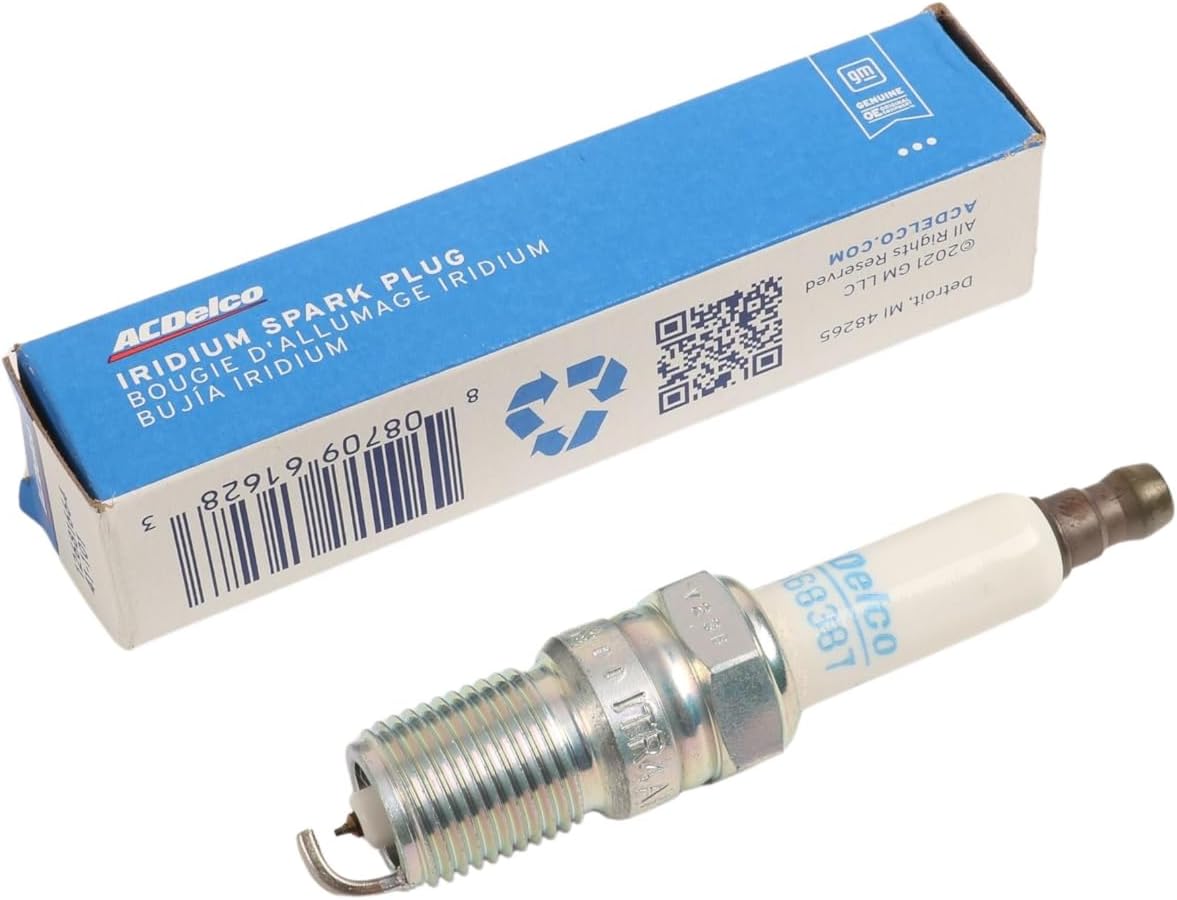
This is where 60% of P0300 cases start and end. Spark plugs wear out their electrodes over time. Most manufacturers recommend replacement every 60,000 to 100,000 miles, but I’ve pulled plugs at 45,000 miles that were already showing gap erosion on direct-injection engines. A worn plug fires weakly. Do that across two or three cylinders and you have a P0300.
Ignition coils fail from heat cycling, vibration, and age. A single coil that’s starting to break down doesn’t always throw a single-cylinder code like P0301. It can produce an intermittent spark that the ECM reads as a random misfire. The coil swap test is your first move — pull a suspect coil, swap it to a different cylinder, and see if the misfire follows it.
I had a 2012 Ford Escape with a P0300 last fall. Every coil tested fine on the bench. But the spark plug tubes were full of oil from blown valve cover gaskets. Oil pooling around high-voltage plug boots causes arcing and weak sparks. Replaced the gaskets, cleaned the tubes, swapped all four plugs. Problem gone at 87,000 miles.
Affiliate disclosure: We earn a small commission on purchases at no extra cost to you.
Spark Plugs for P0300 Repair
OEM Match
Budget Option
2. Fuel System Problems
Bad fuel is exactly what hit the Accord that day. Water-contaminated gas is common at low-volume stations with underground tanks that rarely get pumped. The water doesn’t mix with fuel — it sinks to the bottom and gets sucked up when the tank runs low.
Clogged fuel injectors are next. A dirty injector doesn’t spray an even cone — it dribbles, streams, or misfires on delivery. The result is an inconsistent fuel charge in that cylinder. One tank of fuel system cleaner sometimes fixes it. Sometimes you need professional ultrasonic cleaning at $80 to $150 per injector.
Low fuel pressure is another culprit. Most engines need 35 to 65 PSI at idle. A weak fuel pump or a clogged filter brings that number down. When pressure drops, the injectors can’t deliver the right fuel volume. The ECM sees inconsistent combustion across multiple cylinders and logs a P0300.
A customer last year was convinced his 2019 Silverado had a “computer issue.” Wouldn’t even let me pull plugs. Turned out he’d filled up at a station with a compromised tank. Fresh premium gas and a bottle of Techron fuel system cleaner cleared the code in 40 miles. No parts, no labor beyond the diagnosis.
3. Air Intake and Vacuum Leaks
A vacuum leak lets unmetered air into the intake manifold. The MAF sensor doesn’t account for that air. The ECM tries to calculate fuel delivery based on wrong data. The mixture goes lean. Lean combustion misfires.
Common leak spots: the PCV hose (especially on high-mileage vehicles where the rubber hardens and cracks), intake manifold gaskets, brake booster vacuum line, and any rubber elbow between the throttle body and airbox.
The carb cleaner test is quick and reliable. With the engine running, spray short bursts of carburetor cleaner around intake connections, hose joints, and the base of the throttle body. If engine RPM jumps when you spray a specific spot, you’ve found the leak. The extra fuel the carb cleaner provides temporarily richens the mixture and smooths out the rough idle.
A bad MAF sensor can mimic a vacuum leak. It sends incorrect airflow data to the ECM, which then calculates the wrong fuel amount. Clean the MAF sensor wire with CRC MAF Cleaner before assuming replacement. A $9 can of cleaner has saved plenty of customers an unnecessary $200 sensor purchase.
4. Mechanical Failures
This is the expensive territory. Low compression from worn piston rings, a blown head gasket, or bent valves prevents the cylinder from building enough pressure for proper combustion. The result is a consistent misfire in that cylinder — but if multiple cylinders are affected, you get a P0300.
A timing chain or belt that’s stretched or slipped moves valve timing out of sync. Valves open and close at the wrong time. Combustion becomes inconsistent. On affected GM 3.6L and 2.0T engines, a stretched timing chain is a known failure pattern at around 100,000 to 150,000 miles. If you hear a rattling sound from the front of the engine on cold starts, that’s your first warning.
A clogged catalytic converter creates exhaust backpressure. The exhaust gases can’t escape fast enough. Fresh air and fuel can’t fully enter on the intake stroke. The result is rough combustion across all cylinders. You’ll feel it most at highway speeds when the engine is trying to push hard against a blocked exhaust path.
Low Compression Means Stop Driving
If a compression test shows one or more cylinders below 90 PSI — or more than 15% variation between cylinders — pull the vehicle out of service. Continued driving with low compression accelerates wear on the rings, valves, and cylinder walls. What starts as a $500 head gasket job can become a $4,000 engine rebuild if you ignore it.
5. Sensor and ECM Issues
A failing crankshaft position sensor sends garbled timing data to the ECM. The ECM can’t fire injectors and coils at the right moment. Misfires across all cylinders follow. Camshaft position sensor failure causes similar problems on variable valve timing engines like Honda’s i-VTEC and Toyota’s VVT-i.
ECM software bugs are rare but real. Certain Ford models (2014-2016 F-150 EcoBoost in particular) and some GM applications have known calibration issues that log false P0300 codes under certain conditions. Check NHTSA for Technical Service Bulletins before spending money on parts. An ECM reflash at the dealer is sometimes all it takes.
How to Diagnose a P0300 Code — Step by Step
Follow these steps in order. Skipping ahead wastes money on parts that may not be the problem. This is the same process I use in the shop before touching a single bolt.
Step 1: Scan for Codes and Read Freeze Frame Data
Connect your OBD-II scanner and pull all stored codes — not just the P0300. Note any companion codes like P0301 through P0312 (specific cylinder misfires), P0171 or P0174 (lean condition), P0300 paired with MAF codes, or fuel system codes. Companion codes narrow the search dramatically.
Read the freeze frame data. This snapshot shows engine RPM, load, coolant temp, and fuel trims at the exact moment the misfire was logged. Did it happen at idle or under acceleration? Hot or cold? That data tells you where to look first. A misfire logged at idle in cold conditions points toward ignition. A misfire under load points toward fuel pressure or a mechanical issue.
Step 2: Inspect Spark Plugs and Swap Ignition Coils
Pull one plug from each cylinder bank. Look for oil fouling (black, wet, carbon-coated electrode), worn electrode gap, white deposits from coolant intrusion, or physical cracks in the porcelain. Compare to a new plug. If any plug looks different from the others, start there.
For coils: swap the coil from the cylinder showing the most misfire counts to a different cylinder. Clear the codes and drive for 10 minutes. If the misfire follows the coil to the new cylinder, the coil is bad. If the misfire stays in the original cylinder, the coil is fine and something else is wrong with that cylinder.
Step 3: Test Fuel Pressure
Attach a fuel pressure gauge to the Schrader valve on the fuel rail. Key on, engine off — the pump should prime to spec (typically 55–65 PSI on port injection, 35–45 PSI on some older systems). Start the engine and watch pressure at idle. It should hold steady. Blip the throttle — pressure should spike and recover quickly. Pressure that drops off under load or doesn’t hold key-on indicates a weak pump or failing pressure regulator.
No gauge? Turn the key to ON without cranking and listen for the fuel pump priming in the tank. You should hear a faint hum for about 2 seconds. No hum at all means the pump may be dead. Not a definitive test, but quick to check.
Step 4: Test for Vacuum Leaks
With the engine running and warmed up, spray short bursts of carburetor cleaner around the intake manifold base, all vacuum hose connections, PCV hose, throttle body gasket, and brake booster line. If RPM increases when you spray a spot, air is leaking there. Mark it, stop the engine, and replace the offending hose or gasket.
If you have a smoke machine, this is the faster method. Pressurize the intake system with smoke and watch where it escapes. Takes 5 minutes versus 20 with carb cleaner.
Step 5: Check Exhaust Backpressure
Remove the upstream O2 sensor from the exhaust manifold. Install a backpressure gauge or simply rev the engine slowly and listen. A clogged catalytic converter creates excessive backpressure that chokes the engine at higher RPM. You’ll feel a dramatic loss of power above 3,000 RPM. If removing the O2 sensor and revving freely reveals the power loss disappears, the cat is the problem.
Step 6: Compression or Leak-Down Test
If ignition, fuel, and air checks come back clean, go mechanical. A compression test requires all plugs out and cranking each cylinder individually. Most engines should show 130–160 PSI per cylinder with no more than 15% variation between the lowest and highest reading. Anything below 90 PSI in a cylinder is a problem.
A leak-down test is more accurate. It pressurizes the cylinder with the piston at TDC and measures how fast pressure escapes. Listen for where air exits — intake (valve), exhaust (valve), oil filler (rings), or coolant overflow (head gasket). Each location points to a different repair.
Step 7: Check for TSBs and ECM Updates
Search NHTSA.gov for your vehicle’s year, make, and model plus “P0300” or “random misfire.” Some vehicles have published Technical Service Bulletins with specific fixes — updated ECM calibrations, revised spark plug specifications, or revised coil part numbers. A TSB fix at a dealer is almost always cheaper than replacing parts that aren’t broken.
P0300 Diagnosis Toolkit
| Tool / Material | Purpose | Cost |
|---|---|---|
| OBD-II Scanner with live data | Read codes, freeze frame, misfire counters | $50–$300 |
| Spark plug socket (5/8″ or 13/16″) | Remove and inspect plugs | $10–$20 |
| Torque wrench (3/8″ drive) | Tighten plugs to spec — critical | $30–$80 |
| Fuel pressure gauge | Test pump and pressure regulator | $40–$80 |
| Carburetor cleaner | Locate vacuum leaks | $5–$10 |
| Compression tester kit | Check cylinder mechanical health | $30–$60 |
| Dielectric grease | Prevent corrosion on plug boots | $5–$10 |
Scan Tool Tip
Spend the extra $30 for a scanner with live data and misfire counters. Basic code readers tell you the P0300 exists. A live data scanner shows you which cylinder is misfiring most, at what RPM, and under what load. That information cuts diagnosis time in half. The Innova 3160g is the best value for DIYers at around $89.
P0300 Repair Cost: DIY vs. Professional
| Repair | DIY Cost | Shop Cost | Difficulty |
|---|---|---|---|
| Spark plugs | $30–$100 | $150–$300 | Easy |
| Ignition coils | $50–$200 | $200–$500 | Easy–Moderate |
| Fuel injector cleaning | $15–$50 | $200–$400 | Moderate |
| Fuel pump replacement | $100–$300 | $500–$900 | Hard |
| Vacuum leak repair | $5–$50 | $100–$300 | Easy–Moderate |
| Catalytic converter | $200–$1,000 | $1,000–$2,500 | Hard |
| Compression repair (rings/valves) | $50–$500 parts | $1,000–$3,000+ | Very Hard |
Money-Saving Tip
If you’re replacing spark plugs on an engine with over 100,000 miles, replace the ignition coils at the same time. Plugs and coils are the same access job. Doing them together now costs about $80 more in parts. Doing the coils later means pulling the plugs again — same labor, double the time. On a V6 or V8, that adds up fast.
Related Guides on VehicleBar
- How to Diagnose an Engine Misfire — Tools, Tests, and What to Fix First
- Spark Plug Replacement Guide — Torque Specs, Gaps, and Common Mistakes
- Fuel Injector Cleaning — When to DIY and When to Go Professional
- MAF Sensor Cleaning — Symptoms, Tools, and Step-by-Step Fix
- Catalytic Converter Replacement — Cost, Symptoms, and What to Expect
- Dirty Air Filter Symptoms: 7 Warning Signs to Watch For
P0300 Code — Frequently Asked Questions
Can I drive with a P0300 code?
If the check engine light is steady, you can drive cautiously to a repair shop. Keep speeds low and avoid hard acceleration. If the light is flashing, stop driving immediately. A flashing check engine light means severe misfires — raw fuel is entering the catalytic converter and burning inside it. Continued driving risks permanent converter damage costing $800 to $2,500 to repair. Tow the vehicle.
Will a P0300 code clear itself?
Sometimes. If the misfire was caused by a temporary issue — bad fuel that got burned off, a loose wire that reseated, or a one-time cold-start condition — the code may clear after a drive cycle or two. But if the code keeps coming back after clearing it, there is an ongoing problem that needs diagnosis. Codes that return within 50 to 100 miles of clearing are never safe to ignore.
What is the most common fix for a P0300 code?
In my experience, spark plugs and ignition coils resolve about 60% of P0300 cases. These are the highest-wear ignition components and fail gradually over time. If your vehicle is past 60,000 miles and plugs haven’t been changed recently, start there. The repair is inexpensive, accessible for most DIYers, and eliminates the most probable cause before spending money on fuel or mechanical diagnosis.
Can bad gas cause a P0300 code?
Yes. Water-contaminated fuel is one of the most common causes of sudden P0300 codes, especially right after a fill-up. Water sinks to the bottom of gas station storage tanks and gets pumped out when tanks run low. If the misfire started immediately after filling up, try running the tank down and refilling with Top Tier premium fuel from a high-volume station. Add a bottle of Techron or Sea Foam fuel system cleaner. Many fuel-related P0300 cases resolve within one tank of better fuel.
How much does it cost to fix a P0300 code?
It depends entirely on the cause. A spark plug and ignition coil replacement DIY costs $80 to $300 in parts. At a shop, expect $200 to $500 for the same job. Fuel system cleaning runs $15 to $50 DIY or $200 to $400 at a professional service. Worst case — a catalytic converter or engine mechanical repair — runs $1,000 to $3,000+ at a shop. Start with the cheap stuff first. Diagnose before spending money on parts.
What is the difference between P0300 and P0301?
P0300 is a random or multiple cylinder misfire — misfires detected in more than one cylinder without a consistent pattern. P0301 (through P0312) is a specific single-cylinder misfire code — the number indicates which cylinder. If you have P0300 plus P0301 and P0303, start with cylinders 1 and 3. The specific codes narrow the search significantly. A P0300 alone with no companion codes means the misfires are truly random and requires a systematic diagnosis starting from the ignition system.
Does a P0300 code always mean I need new spark plugs?
Not always, but spark plugs are the right place to start on any vehicle past 60,000 miles. Plugs are inexpensive, accessible, and the most common cause of misfires. If the vehicle has fresh plugs recently installed, check the ignition coils next. If coils are fine, move to fuel pressure and injectors. Jumping straight to expensive parts without a logical diagnosis order is how people waste money on repairs that don’t fix the problem.
Don’t Let a P0300 Sit
A P0300 code is your engine telling you something is wrong with combustion. Most of the time it’s simple — plugs, coils, or fuel. Start there. Follow the diagnostic steps in order before touching anything else. The scan tool data and freeze frame information tell you exactly where to look first.
I’ve seen $200 misfire repairs turn into $2,000 engine rebuilds because someone drove on a flashing check engine light for three weeks. Don’t be that customer. If it’s flashing, tow it. If it’s steady, diagnose it today. Cheap repairs only stay cheap when you catch them early.