Poor Acceleration: Common Causes and Fixes
It was a Tuesday morning in late September when Mrs. Chen rolled into my bay with her 2016 Honda Accord. “It just doesn’t go anymore,” she said, frustration clear in her voice. She’d press the gas pedal to merge onto the highway, and the car would wheeze like an asthmatic trying to run a marathon.
After twenty minutes of diagnostics, the scanner showed her catalytic converter was choking her engine to death, running at only 40% efficiency. She’d been ignoring a check engine light for six months. That delay turned an $80 oxygen sensor replacement into a $1,200 repair.
Understanding the Acceleration Process: Air, Fuel, Spark, Exhaust
Before we dive into what breaks, let me explain what needs to happen for your car to accelerate properly. Think of your engine as a highly coordinated breathing exercise. It needs to inhale the right amount of clean air, mix it with precisely metered fuel, ignite that mixture at exactly the right moment, and exhale the spent gases efficiently.
When you press the accelerator, you’re opening the throttle body, which allows more air into the engine. Your engine’s computer (PCM) detects this increased airflow through the Mass Airflow Sensor (MAF) and commands the fuel injectors to spray proportionally more gasoline. The mixture enters the cylinders, the spark plugs fire at the exact millisecond programmed by the PCM, and the resulting explosion pushes the pistons down.
Break any link in this chain, and you get that frustrating lack of power. Modern engines are excellent at compensating, so you might not notice a problem until multiple systems are compromised. I’ve seen engines running on three cylinders that still started every morning — they just couldn’t get out of their own way on the highway.
The Top 12 Causes of Poor Acceleration in 2026 (Ranked by Real-World Frequency)
1. Clogged Fuel Filter: Still the #1 Culprit
1. Clogged Fuel Filter: Details
If I had to bet money on what’s causing poor acceleration in any random vehicle that comes into the shop, I’d put it on the fuel filter. I see this in about 30% of sluggish acceleration complaints, especially on vehicles where owners skipped the maintenance schedule.
Your fuel filter traps dirt, rust from the tank, and degraded fuel particles before they reach your injectors. Most manufacturers recommend replacement every 30,000 to 40,000 miles, but I’ve pulled filters at 60,000+ miles that looked like they’d been dipped in mud.
Symptoms are textbook: the car runs fine at steady cruise but bogs down when you floor it. Highway passing feels dangerous. Sometimes issues worsen when the tank drops below a quarter.
Tools Needed for Fuel Filter Replacement:
- Fuel line disconnect tool set ($15 at most auto parts stores)
- Catch pan for fuel spillage
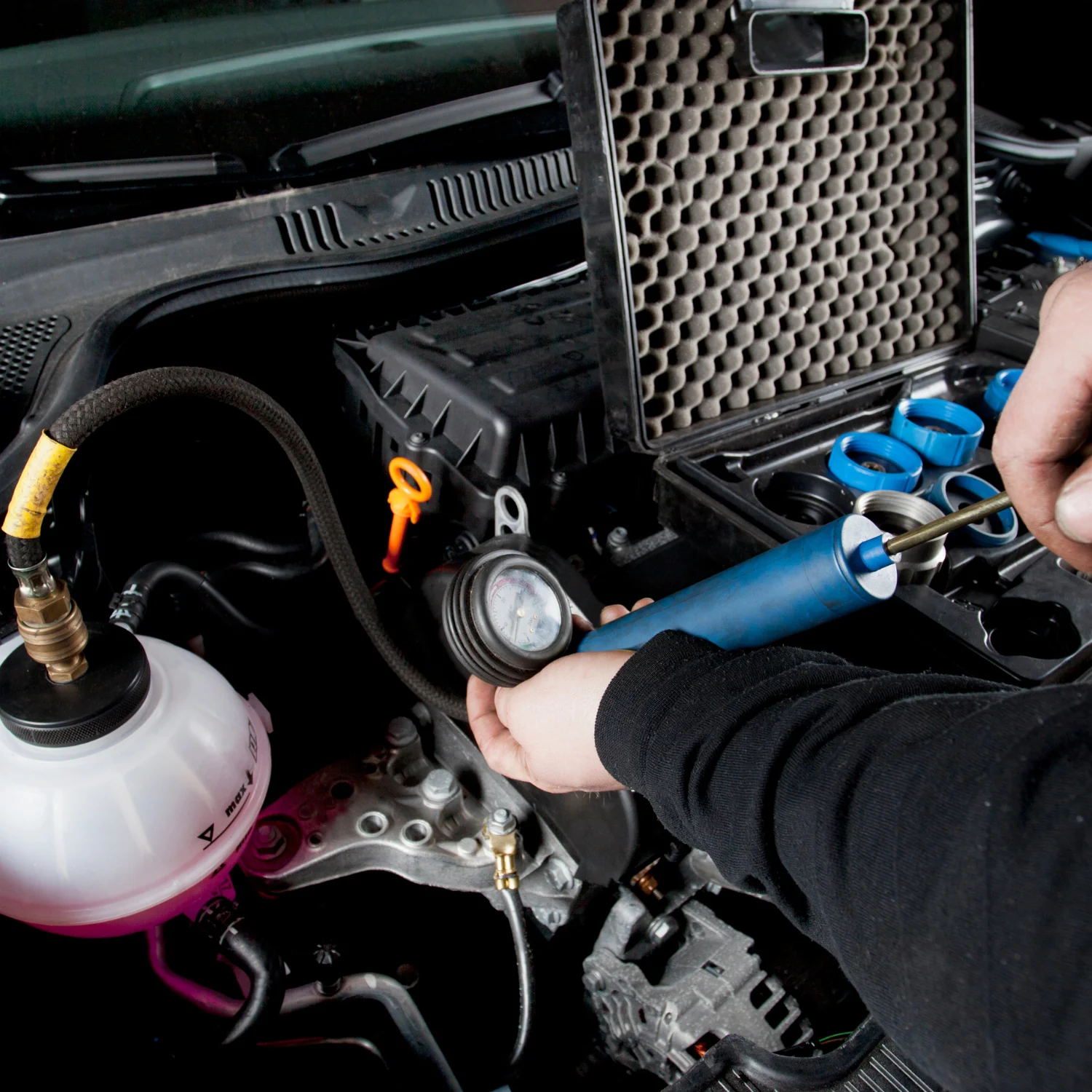
- Fuel pressure gauge for proper diagnosis
- Safety glasses and basic wrench set
2. Failing or Dirty Mass Airflow Sensor (MAF)
The MAF sensor tells your engine computer exactly how much air is entering the engine. When contaminated or failing, the PCM makes bad fuel delivery decisions. Result? Rich or lean conditions that kill acceleration.
Cleaning steps remain simple but critical: Use only dedicated MAF cleaner, never carb or brake cleaner.
MAF Sensor Cleaning Steps:
- Remove the MAF sensor from the intake tube
- Spray dedicated MAF cleaner directly on the sensing element
- Let it air dry completely for 10 minutes
- Reinstall and perform a test drive
3. Worn Spark Plugs and Ignition Coils
Spark plugs are the most neglected maintenance item. Manufacturers claim 100,000 miles, but real-world experience shows many direct-injection engines need them by 60,000-75,000 miles.
4. Clogged or Failing Catalytic Converter
Failed catalytic converters create that “hitting a wall” feeling above 3,000 RPM. Exhaust can’t exit fast enough to make room for fresh intake charge.
Diagnosing a Clogged Catalytic Converter:
- Check exhaust backpressure with a gauge — should be under 3 PSI at 2,500 RPM
- Compare inlet and outlet temperatures with an infrared thermometer
- Scan for P0420 or P0430 codes
- Listen for rattling when tapped gently with a rubber mallet
5. Dirty or Clogged Fuel Injectors
Injectors operate at high pressure and cycle rapidly. Deposits from poor fuel gradually reduce flow, especially on high-mileage direct-injection engines.
6. Failing Fuel Pump
Electric fuel pumps work hard submerged in gasoline. They often fail gradually — fine at idle but unable to keep up under load.
7. Restricted Air Filter or Intake System
A severely clogged air filter can rob your engine of 15-30% power. Check it every 15,000 miles, more often in dusty conditions.
8. Malfunctioning Throttle Position Sensor (TPS) or Electronic Throttle Body
Drive-by-wire systems rely on accurate sensors. Erratic readings create unresponsive or delayed throttle response.
9. Transmission Issues Masquerading as Engine Problems
Slipping transmissions, especially CVTs, often feel exactly like engine power loss. Watch your tachometer during acceleration.
10. Vacuum Leaks
Unmetered air entering the intake creates lean conditions, rough idle, and poor acceleration.
11. EGR Valve Problems
Stuck EGR valves dilute the air-fuel mixture and cause hesitation, especially on short-trip vehicles.
12. Engine Mechanical Problems
Low compression from worn rings, valves, or timing chain issues. These require compression and leak-down testing.
Systematic Diagnostic Approach Every Mechanic Should Use
- Scan for codes — even without a check engine light, check pending codes and freeze frame data
- Test drive to exactly replicate the customer’s complaint
- Check fuel pressure at idle and under load
- Inspect air filter and intake system
- Monitor live data — MAF readings, O2 sensors, throttle position, ignition timing
- Measure exhaust backpressure
- Test ignition components — plugs, coils, wires
- Perform compression and leak-down tests if all else checks out
Cost Comparison: DIY vs Professional Repair (2026 Updated Prices)
| Problem | DIY Cost | Shop Cost | Difficulty |
|---|---|---|---|
| Fuel Filter Replacement | $25-$45 | $120-$180 | Easy |
| Air Filter Replacement | $15-$35 | $65-$90 | Very Easy |
| Spark Plugs (4-cyl) | $35-$60 | $200-$280 | Easy to Moderate |
| MAF Sensor Cleaning/Replacement | $8-$180 | $80-$380 | Very Easy to Easy |
| Ignition Coil Replacement | $50-$95 each | $180-$280 each | Easy |
| Fuel Pump Replacement | $180-$350 | $600-$900 | Moderate to Difficult |
| Catalytic Converter | $300-$800 | $1,200-$2,200 | Moderate |
| Throttle Body Replacement | $180-$400 | $380-$650 | Easy to Moderate |
Prevention: How to Avoid Poor Acceleration Problems
- Always use Top Tier gasoline from reputable brands
- Replace air filter every 15,000-20,000 miles (more in harsh conditions)
- Change spark plugs proactively at 60,000-75,000 miles
- Keep fuel tank above 1/4 full whenever possible
- Address every check engine light promptly
- Follow manufacturer maintenance schedule strictly
Frequently Asked Questions About Poor Acceleration
Why does my car accelerate slowly but no check engine light?
Many issues like partially clogged fuel filters, dirty MAF sensors, or early catalytic converter restriction don’t always trigger codes immediately. The PCM can compensate until the problem becomes severe.
Can bad spark plugs cause sluggish acceleration?
Yes. Worn plugs increase the gap, making it harder for coils to fire under load. This creates hesitation and power loss even without active misfire codes.
Why does my car hesitate when I press the gas pedal?
Hesitation usually comes from throttle position sensor issues, dirty throttle body, weak ignition under load, or dirty MAF sensors. Cleaning the throttle body often helps.
Is it safe to drive with poor acceleration?
It depends on the cause. A dirty air filter is annoying but safe. Flashing check engine light or misfires can destroy expensive components quickly. When in doubt, get it diagnosed.
Bottom Line for 2026: Start with the easy, inexpensive checks — air filter, MAF sensor cleaning, spark plugs, and fuel pressure test. Proper diagnosis always beats throwing parts at the problem. Fifteen years as a master technician has taught me one clear truth: consistent maintenance prevents almost all acceleration issues.
Top Poor Acceleration – Our Picks