Cylinder Misfire Causes and Solutions: Full Guide
Cylinder Misfire Causes and Solutions: Full Guide Cylinder Misfire: Causes and Solutions VehicleBar.Com Cylinder Misfire Causes and Solutions: Full Guide C…

Cylinder Misfire Causes and Solutions: Full Guide Cylinder Misfire: Causes and Solutions VehicleBar.Com Cylinder Misfire Causes and Solutions: Full Guide C…
Start with a scan tool to pull codes (P0300–P030x). Then swap coils or plugs between cylinders and see if the misfire follows. 90% of random misfires are ignition-related; 8% are fuel; 2% are mechanical. It Started on a Freezing January Morning It was 7:42 a.m., 18°F outside, and the shop phone rang. “My Chevy Silverado…
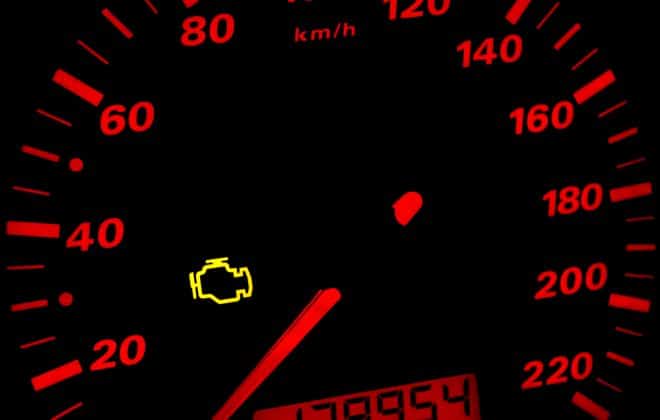
It was just after sunset, mid-July, and the shop was already closing when a soaked Honda Accord rolled in. Thunderstorms had just blown through, humidity was thick, and I could hear the engine stumbling before the car even stopped. The blinking check engine light was flashing like a turn signal stuck on fast-click. The customer…
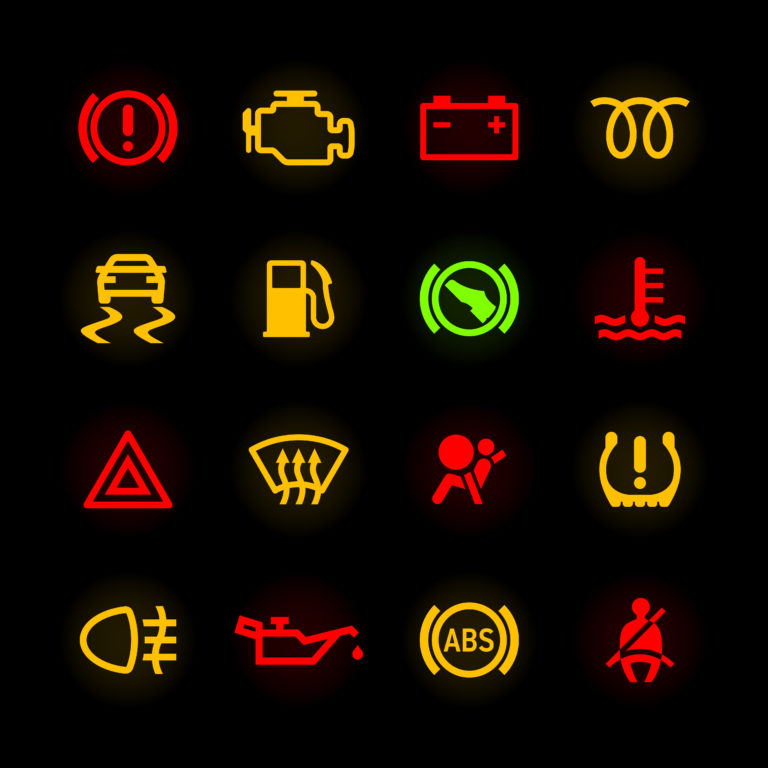
Quick Reference:Before we dive deep, understand that OBD2 codes follow a pattern. The first character tells you the system (P = Powertrain, B = Body, C = Chassis, U = Network). The second digit indicates if it’s generic (0) or manufacturer-specific (1). The remaining digits specify the exact fault. Most common check engine codes start…

The short answer is yes—you absolutely can switch from conventional to synthetic oil, and in most cases, it’s not just safe, it’s beneficial. Yet myths persist: that synthetic oil will “leak” in older engines, that it’s “too thin,” or that once you go synthetic, you can never go back. These ideas sound plausible, but they’re…
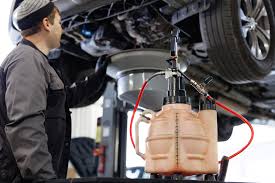
Quick Answer Use full synthetic if your car was built after 2010, has a turbo, or drives in extreme heat or cold. Conventional oil is acceptable for older vehicles with high mileage driven gently in mild climates. Synthetic blend is rarely the best choice for either situation. When in doubt, open your owner’s manual —…
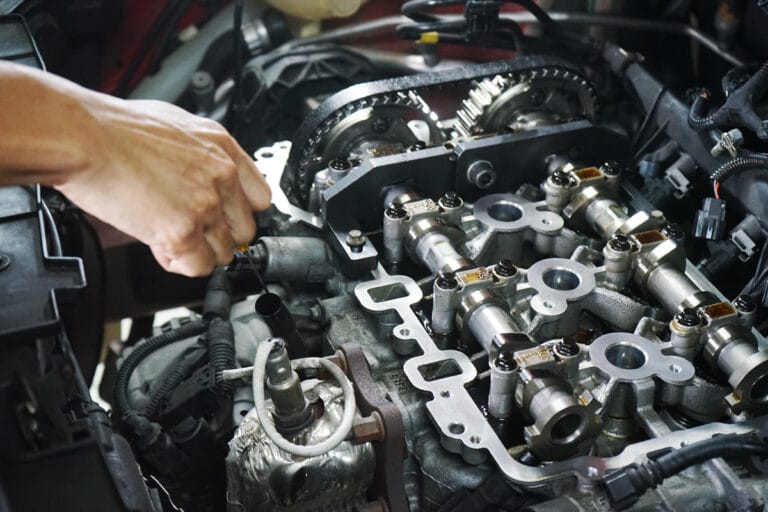
Tracking down an engine oil leak can feel a bit like detective work. One day you see a faint oily spot under the car, and the next day the dipstick shows the oil level is dropping faster than usual. Many drivers ignore these early clues, assuming it’s just a minor seep. But engine oil leaks…
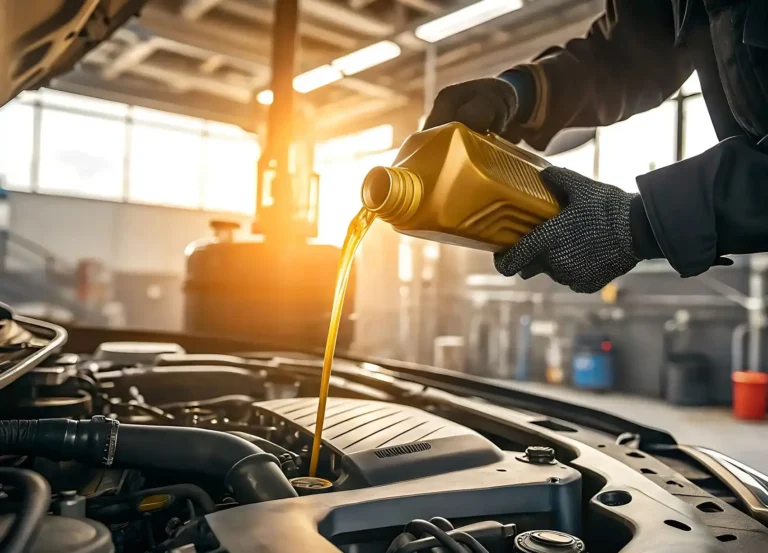
Severe Driving Conditions: What They Mean for Maintenance Severe Driving Conditions: When to Change Oil More Often VehicleBar.Com Severe Driving Conditions…
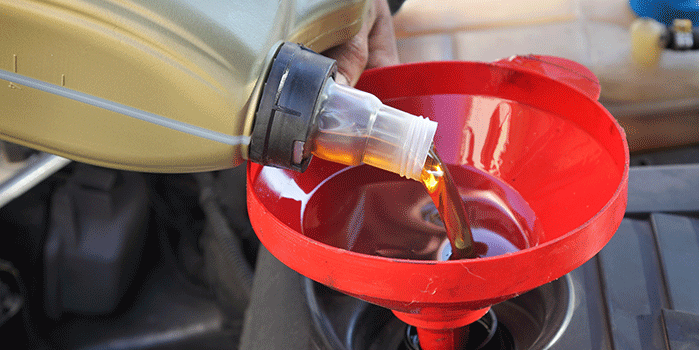
Let’s set the record straight: your car doesn’t need oil changes every 3,000 miles. Not even close. This relic of the disco era clings to modern maintenance schedules like a hairnet on a freshly waxed hood. I’ve watched otherwise rational people bleed $50 bills every few months for unnecessary oil swaps, all while whispering the…
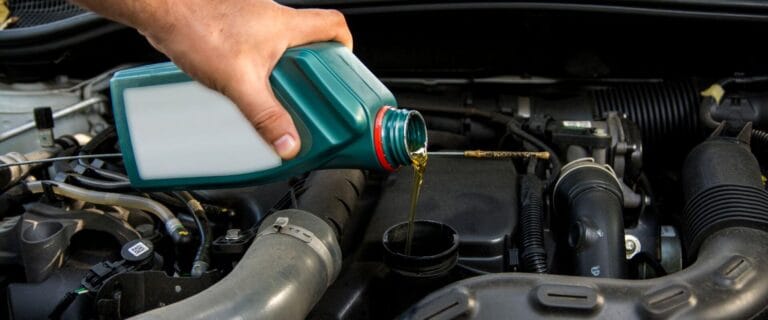
The little wrench icon pops on at 7,327 miles and you feel vaguely guilty—because the quick-lube window sticker screams 5,000, your father swore by 3,000, and some YouTuber with a lab coat just insisted 15,000 is “totally safe, bro.” Meanwhile your owner’s manual lists three separate charts, each qualified by words like “flexible,” “fixed,” or…