BMW Timing Chain Problems: Symptoms and Repair Cost
BMW Timing Chain Problems: Symptoms and Repair Cost BMW Timing Chain Problems & Replacement Guid…

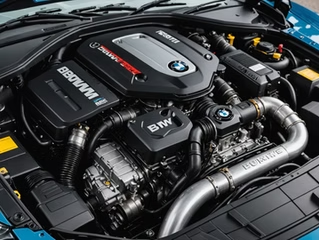
BMW Timing Chain Problems: Symptoms and Repair Cost BMW Timing Chain Problems & Replacement Guid…
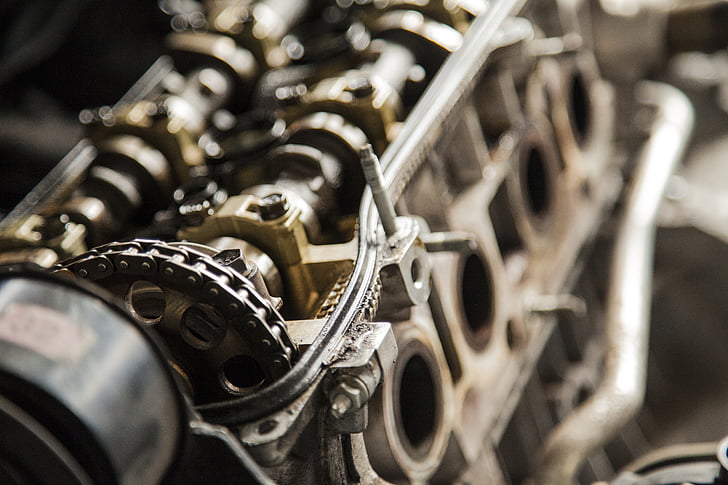
Ford Timing Chain Problems: Symptoms and Fixes Ford Timing Chain Problems : 3.5L EcoBoost & 5.4L…
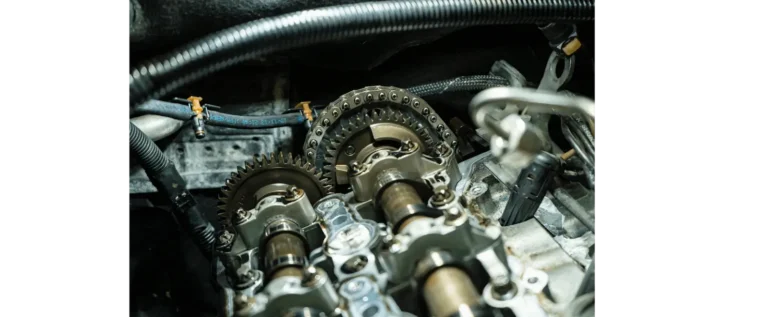
Quick Answer: Timing chain problems typically manifest as metallic rattling noises during cold starts, rough idling, or illuminated check engine lights with codes like P0016/P0017. Replacement requires 10-14 hours for DIYers and costs $1,200-$2,500 professionally. Critical failure points include tensioner wear and guide rail fractures. The 3 A.M. Breakdown That Changed Everything Rain lashed against the…
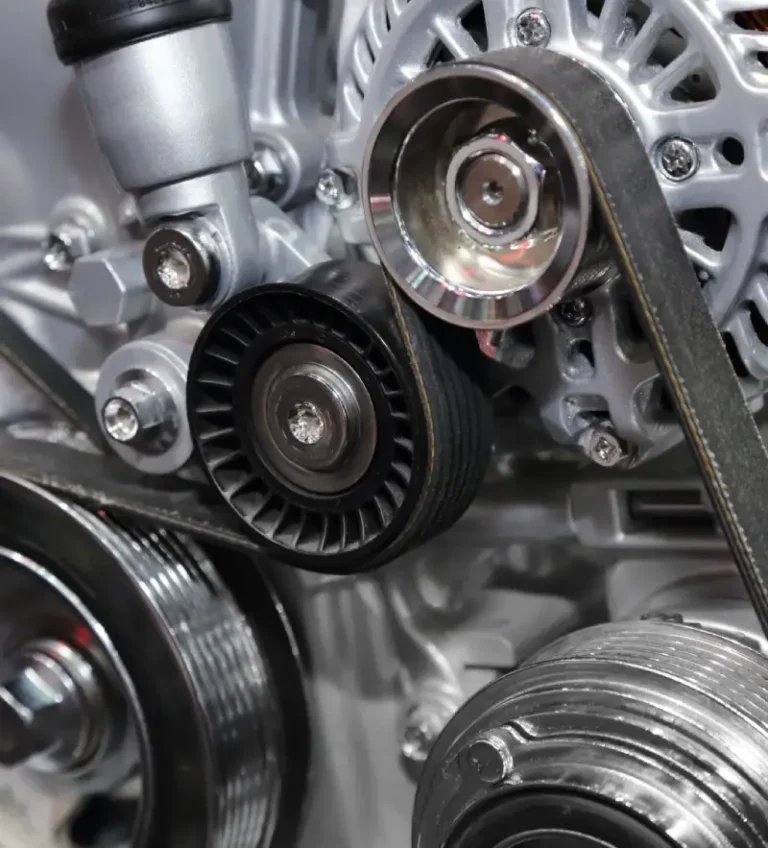
Mazda Timing Belt Replacement: Symptoms and Cost Mazda Timing Belt Replacement Guide (All Models) VehicleBar.Com Mazda Timing Belt Replacement: Symptoms an…
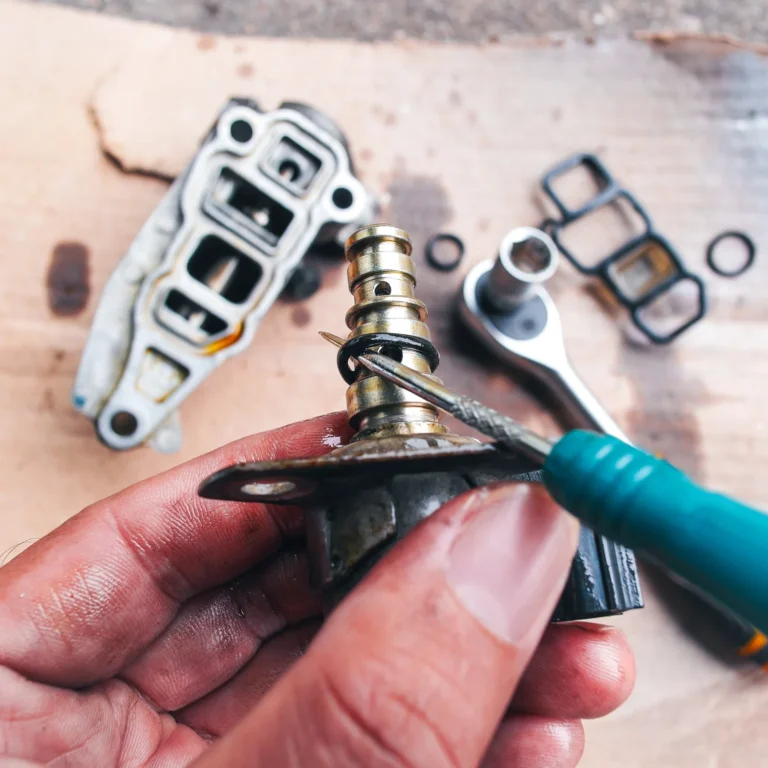
EGR Valve Problems: Symptoms Causes and Fixes It was a cold December morning last year, frost still on the ground, when Mrs. Johnson pulled her 2008 Honda…
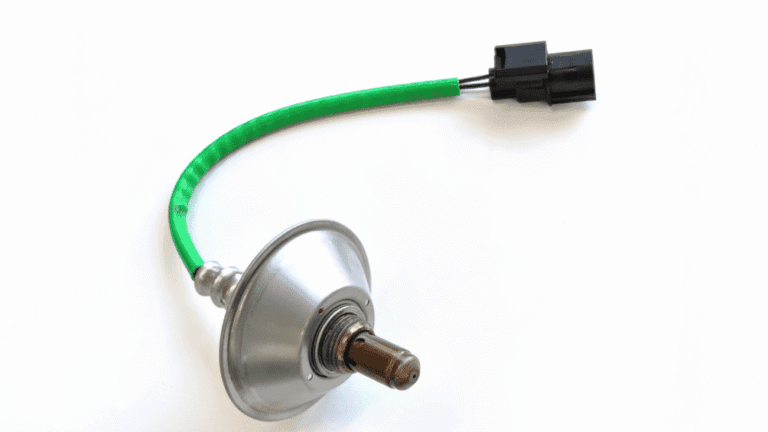
Quick Answer: Oxygen sensor failure usually shows up as poor fuel economy, rough idle, or a check engine light. Most O2 sensors last 80,000–120,000 miles. Replacement is typically a moderate DIY job costing $80–$250, versus $250–$600 at a shop.
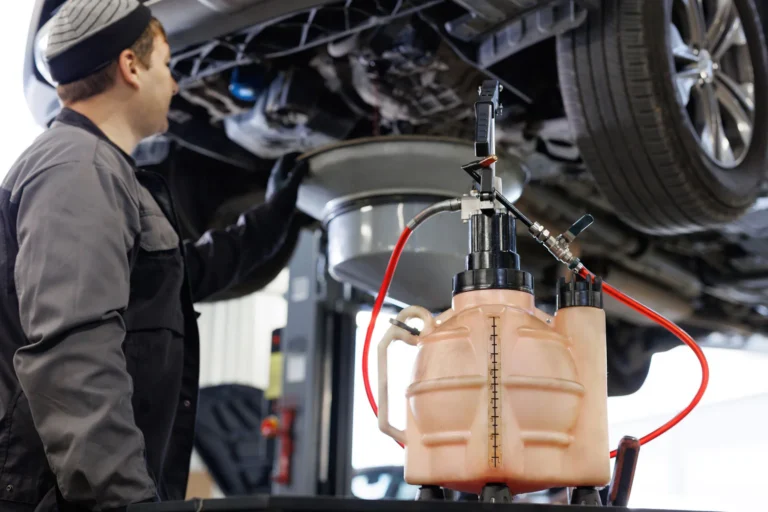
Quick Answer:A clogged fuel filter typically causes poor acceleration, engine hesitation, stalling, and difficulty starting. Most vehicles need fuel filter replacement every 30,000-60,000 miles. DIY replacement costs $15-50 for parts, while professional service ranges from $80-200. A Tuesday Morning That Almost Went Wrong It was 7:45 AM on a chilly Tuesday in November when…
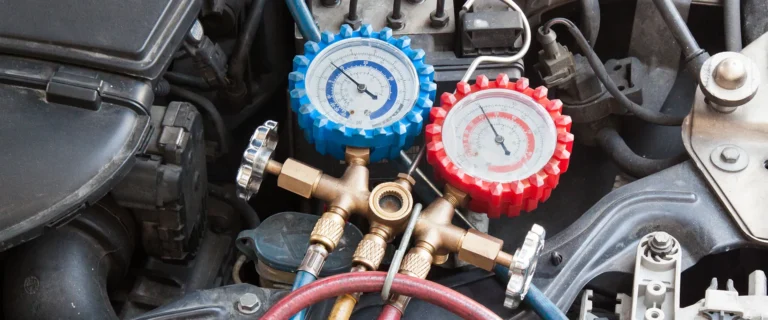
Vacuum Leak Diagnosis: Symptoms Tests and Fixes Vacuum Leak Diagnosis : Finding and Fixing Leaks Ve…
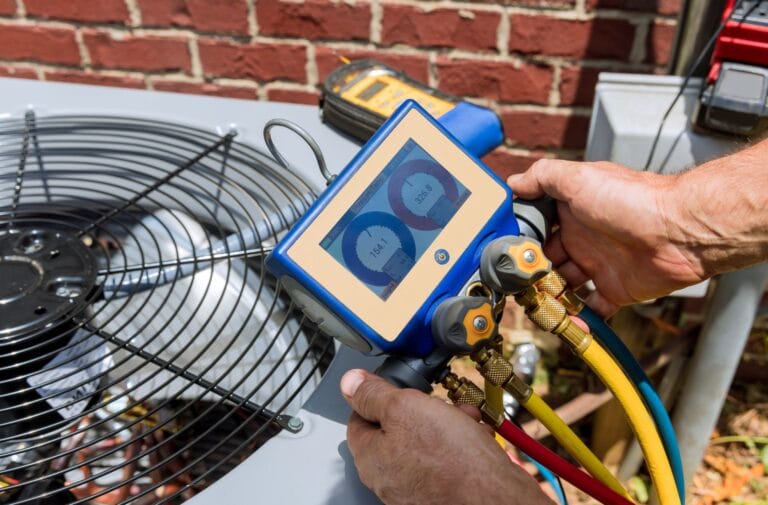
Few components in your vehicle’s cooling system are as deceptively simple—and critically important—as the humble thermostat. About the size of a hockey puck, this unassuming device regulates coolant flow between your engine and radiator, ensuring your engine runs at its optimal temperature. Yet, when it fails—which it inevitably will over time—it can trigger a cascade…
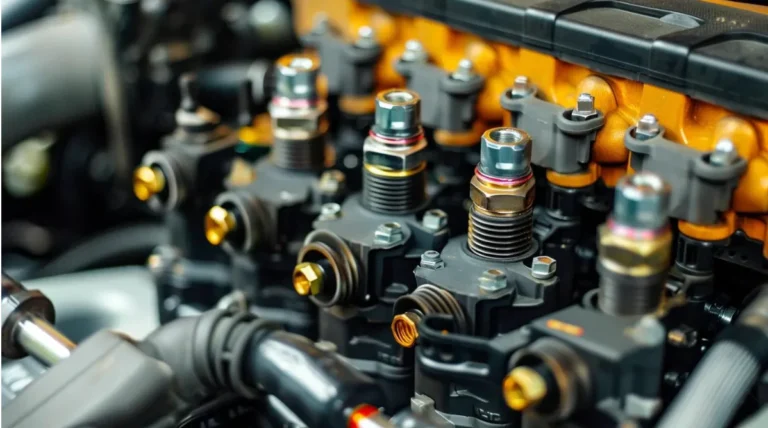
If you’ve ever felt your car shudder, lose power unexpectedly, or idle like it’s about to stall, you may be dealing with a classic—and potentially serious—automotive issue: an engine misfire. As an ASE-certified master technician with over 15 years of hands-on experience diagnosing everything from weekend project cars to daily commuters, I’ve seen misfires cause…