GMC Sierra Oil Change Guide with Maintenance Reset

There’s something uniquely satisfying about maintaining your own GMC Sierra. Whether you’re driving a rugged 1500 or commanding a heavy-duty 2500HD, keeping up with regular oil changes is the single most important thing you can do to protect your investment. I’ve seen too many Sierra owners put off this essential maintenance, thinking they can squeeze out a few extra miles—only to face expensive engine repairs down the road. The truth is, changing your Sierra’s oil isn’t just about following a schedule; it’s about understanding what’s happening under that hood and why it matters.

Your Sierra’s engine is a precision-engineered workhorse, whether it’s the reliable 5.3L V8, the powerful 6.2L, or the torque-happy Duramax diesel. Each one demands clean, fresh oil to keep thousands of moving parts lubricated, cool, and protected from wear. Over time, engine oil breaks down, collects contaminants, and loses its ability to do its job effectively. The good news? A GMC Sierra oil change is straightforward enough that many truck owners can tackle it themselves, saving money while gaining a deeper connection with their vehicle.

In this comprehensive guide, we’ll walk through everything you need to know about performing a proper oil change on your Sierra, from selecting the right oil and filter to resetting that persistent maintenance reminder on your dashboard. Whether you’re a first-time DIYer or a seasoned mechanic, you’ll find practical insights and real-world tips that’ll make the job easier and help your truck run stronger for longer.


GMC Sierra Oil Change Guide with Maintenance Reset

Understanding Your GMC Sierra’s Oil Requirements

Not all engine oil is created equal, and your Sierra has specific needs based on its engine type, model year, and how you use your truck. GMC engineers didn’t randomly pick oil specifications—they spent thousands of hours testing to determine exactly what your engine needs to perform at its best.

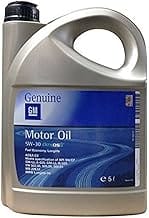
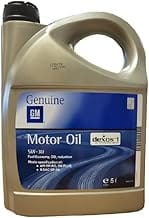
Most gas-powered Sierra models from recent years use 0W-20 or 5W-30 synthetic oil, depending on the specific engine and year. The 2019 and newer 5.3L and 6.2L V8 engines typically call for 0W-20, which flows better in cold weather and provides excellent fuel economy. Older models often specify 5W-30. If you’re running a Duramax diesel, you’ll need diesel-specific oil, usually 15W-40 or a synthetic equivalent that meets GM’s dexos D specification.

The dexos certification is crucial here. GMC requires dexos-approved oil for warranty coverage, and it’s not just marketing hype. Dexos oils meet stringent standards for oxidation resistance, deposit control, and wear protection that regular oils might not achieve. Using non-dexos oil in a vehicle that requires it could technically void your powertrain warranty, though proving oil quality caused a specific failure is another matter entirely.

Capacity varies by engine, but you’re typically looking at 6 to 8 quarts for gas engines and around 10 quarts for the Duramax diesel. Always check your owner’s manual for your specific model year—capacities can change between generations. I’ve watched people buy five-quart jugs only to realize they’re a quart short, so planning ahead saves a return trip to the auto parts store.

Tools and Materials You’ll Need

Getting organized before you start makes the entire process smoother and safer. There’s nothing worse than being under your truck, drain pan in hand, only to realize you forgot the oil filter wrench in the garage. Here’s what you’ll need for a successful GMC Sierra oil change.

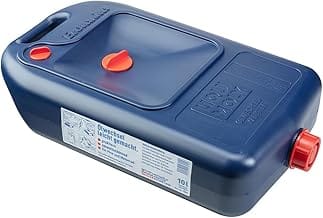
Start with the basics: a quality oil filter wrench, socket set (usually 15mm for the drain plug, though some models vary), oil drain pan with at least 8-quart capacity, funnel, and several shop towels or rags. A pair of jack stands rated for your truck’s weight is essential if you’re not using ramps. Never rely solely on a jack to support your vehicle—that’s asking for disaster.

For the oil itself, buy quality synthetic that meets GMC’s specifications. I recommend purchasing one more quart than your capacity requires, just in case. Better to have it on hand than need it. The oil filter should be an OEM AC Delco filter or a premium aftermarket option from brands like Mobil 1, Purolator, or Wix. Those budget filters might save you three dollars now, but they’re not worth the risk to a modern engine with tight tolerances.

A few items that aren’t strictly necessary but make life easier: a good work light, nitrile gloves, cardboard or an old blanket to lie on, and a breaker bar if your drain plug has been over-tightened by a previous service. Some Sierra owners swear by Fumoto drain valves, which replace the standard drain plug and make future oil changes tool-free—worth considering if you plan to do your own maintenance long-term.

Safety equipment matters too. Safety glasses protect your eyes from hot oil splashes, and having a fire extinguisher nearby is just smart practice when working around any vehicle. Make sure you’re working on a level surface with good ventilation if you’re in a garage.

Step-by-Step Oil Change Process

Let’s get into the actual work. Before you begin, warm up your engine by driving for about five minutes. Warm oil flows more freely and carries more contaminants out with it. Don’t get it too hot, though—you don’t want to burn yourself. After warming, park on level ground, engage the parking brake, and give it a few minutes to cool slightly.

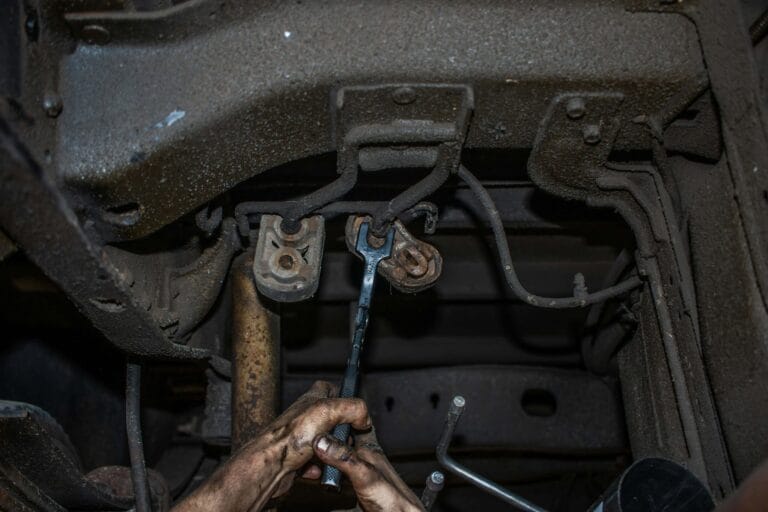
Raise the front of your Sierra using a quality floor jack at the designated lift points, then immediately secure it on jack stands. Slide underneath and locate the oil drain plug—it’s typically on the passenger side of the oil pan, though exact location varies by model year. Position your drain pan directly beneath it, accounting for the fact that oil will initially shoot out at an angle before settling to a straight pour.

Using the correct size socket, carefully loosen the drain plug. Once it’s loose enough, quickly unscrew it by hand while keeping pressure inward, then pull it away swiftly to avoid getting oil on your arm. Let the oil drain completely—this takes longer than most people think, usually five to ten minutes. While you’re waiting, inspect the drain plug and its washer. If the washer is crushed or damaged, replace it. This small copper or aluminum washer costs less than a dollar and prevents future leaks.

Next, move to the oil filter. On most Sierra models, it’s accessible from underneath, mounted to the side of the engine block. Use your oil filter wrench to loosen it—expect some oil to spill out as you remove it, so position your drain pan accordingly. Before installing the new filter, take a clean rag and wipe the filter mounting surface on the engine. Any old gasket material left behind will cause leaks.

Here’s a critical step many people mess up: take clean oil (from your new bottle) and rub a thin coating around the rubber gasket on the new filter. This helps create a proper seal and prevents the gasket from binding or tearing during installation. Hand-tighten the filter until the gasket makes contact, then give it another three-quarters turn. That’s it—no tools needed. Over-tightening filters is one of the most common mistakes, leading to gaskets that tear during the next removal or housings that crack.

Once the drain plug is reinstalled (torque it to 18-20 lb-ft if you have a torque wrench—snug but not gorilla-tight), lower your Sierra off the jack stands. Remove the oil fill cap on top of the engine and insert your funnel. Pour in the specified amount of new oil, checking your owner’s manual for the exact capacity. Start with about a half-quart less than the total capacity, then check the dipstick.

Start the engine and let it run for 30 seconds, watching underneath for any leaks around the drain plug or filter. Shut it off and wait a minute for oil to drain back into the pan. Now check the dipstick again—add oil as needed to reach the full mark. Remember, it’s easier to add a little more than to drain excess out.

Resetting the Oil Life Monitor

You’ve completed the physical oil change, but your dashboard still says “Change Oil Soon” or shows 0% oil life remaining. This is where many DIY mechanics get stuck. The GMC Sierra uses an oil life monitoring system that calculates remaining oil life based on engine revolutions, temperature, and driving conditions. It’s quite sophisticated, but it doesn’t know you just changed the oil unless you tell it.

The reset process varies slightly depending on your model year, but here’s the method that works for most 2014 and newer Sierras. With the engine off, press the start button twice without pressing the brake pedal—this puts the truck in “accessory” mode without starting the engine. If you have a traditional key, turn it to the “on” position without starting.

Use the steering wheel controls to navigate through your instrument cluster menus. Press the button that cycles through the display options (usually on the right side of the steering wheel) until you see “Vehicle Information” or “Remaining Oil Life.” Once you’re on the oil life percentage screen, press and hold the checkmark or SET button for several seconds. The display should start to flash or show a message asking if you want to reset. Confirm by pressing the button again, and your oil life should reset to 100%.

For older Sierra models (roughly 2007-2013), the process is even simpler. Turn the key to the “on” position without starting the engine. Fully press the accelerator pedal three times within five seconds. The “Change Engine Oil” message should flash and then disappear, indicating a successful reset. If it doesn’t work the first time, turn the key off, wait a moment, and try again—timing matters with this method.

Some people drive for weeks with that oil change reminder glowing on their dash, thinking it’s no big deal. The problem is that the reminder serves as a backup for your maintenance schedule. When it’s showing incorrect information, you might genuinely forget when your next oil change is due. Take the 30 seconds to reset it properly—your future self will thank you.

Common Issues and Troubleshooting Tips

Even straightforward maintenance can present challenges, especially if you’re working on an older truck or dealing with previous work done by someone else. Let’s talk about the most common issues Sierra owners encounter during oil changes and how to handle them.

Stripped drain plugs are frustratingly common. Someone in the past used an impact wrench or just cranked it too tight, and now the threads are damaged. If your drain plug spins without tightening or leaks no matter how much you tighten it, you have a problem. The fix ranges from installing an oversized drain plug (which requires tapping new threads) to using a rubber drain plug with a sliding metal sleeve. Some quick-lube shops will do a thread repair relatively inexpensively if you’re not comfortable tackling it yourself. Fumoto valves are an excellent permanent solution, as they eliminate the need to ever torque that plug again.

Oil filter housing leaks perplex many DIY mechanics. You install a new filter, tighten it properly, but oil still seeps out from around the mounting area. Often, this happens because the old gasket didn’t come off with the old filter and now you’ve got two gaskets stacked up. Always check the engine’s filter mounting surface carefully before installing the new filter. If you find remnants of the old gasket, scrape them off completely with a plastic scraper or a rag.

What about overfilling? If you accidentally add too much oil, you’ll need to remove the excess. Running with overfilled oil can cause frothing, which reduces lubrication effectiveness and can damage seals. The cleanest way to remove excess oil is using a fluid extractor pump through the dipstick tube, but if you don’t have one, you can carefully crack open the drain plug just enough to let a little out. Check frequently—it’s easy to go from overfilled to underfilled quickly.

Some Sierra owners report difficulty accessing the oil filter on certain model years, particularly on four-wheel-drive trucks where the front differential sits near the filter. Sometimes you need to reach from a specific angle or use a specialized cap-style oil filter wrench. Spending $15 on the right tool beats skinned knuckles and frustration any day. Check YouTube for your specific model year—there are countless videos showing the best approach angle for tricky filter locations.

If your oil looks milky or has a chocolate milk consistency, stop immediately. This indicates coolant contamination, likely from a head gasket leak or cracked engine block. This isn’t something an oil change fixes—you need professional diagnosis. Similarly, if you find metal shavings or glitter-like particles in the old oil, that’s a sign of internal engine wear that requires attention beyond routine maintenance.

Long-Term Maintenance and Best Practices

Changing your Sierra’s oil regularly is essential, but understanding the bigger picture helps you maximize your truck’s longevity and performance. Let’s talk about oil change intervals, how driving conditions affect them, and habits that’ll keep your Sierra running strong well past 200,000 miles.

GMC’s official oil change interval for most modern Sierras is 7,500 miles or one year, whichever comes first, when the oil life monitor reaches 0%. That’s based on normal driving conditions using dexos-approved synthetic oil. But here’s the reality: most truck owners don’t drive under “normal” conditions. Frequent short trips, towing, hauling heavy loads, extreme temperatures, dusty environments, and extended idling all count as “severe service,” which means you should change oil more frequently—typically every 3,000 to 5,000 miles.

I lean toward the conservative side because modern oil is cheap compared to engine repairs. If you tow a camper every weekend, drive primarily short distances where the engine doesn’t fully warm up, or frequently idle for extended periods (contractors and first responders, I’m looking at you), consider 5,000-mile intervals regardless of what the monitor says. The oil life system is sophisticated, but it can’t account for every real-world variable.

Keep records of your maintenance. A simple notebook in the glove box or a smartphone app works fine. Note the date, mileage, oil type and amount used, filter brand, and anything unusual you noticed. This documentation helps you spot patterns, proves maintenance history if you sell the truck, and can be crucial if you ever have a warranty claim. I’ve seen warranty denials overturned simply because the owner had meticulous maintenance records.

Between oil changes, check your oil level monthly—more frequently if you have a high-mileage Sierra. It takes two minutes and can prevent catastrophic engine damage. Modern trucks shouldn’t consume much oil between changes, so if you’re adding a quart every 1,000 miles, investigate why. It could be a simple valve cover gasket leak or something more serious like worn piston rings.

Consider sending used oil for analysis if you want truly scientific information about what’s happening inside your engine. Companies like Blackstone Labs charge about $30 to analyze a sample of your used oil and provide a detailed report on wear metals, fuel dilution, coolant contamination, and remaining oil life. It’s overkill for most people, but invaluable for high-mileage trucks or if you’re trying to diagnose an issue.

Finally, remember that proper disposal of used oil is both legally required and environmentally important. Most auto parts stores accept used oil for free recycling. Pour it into clean containers (the empty bottles from your new oil work perfectly), transport it carefully, and never pour it down drains or onto the ground. One gallon of used oil can contaminate a million gallons of fresh water—a sobering thought that should motivate proper disposal.

Frequently Asked Questions

How often should I really change my GMC Sierra’s oil?

For modern Sierras using synthetic oil under normal driving conditions, 7,500 miles or what the oil life monitor recommends is generally safe. However, most truck owners operate under severe service conditions—towing, short trips, extreme weather, or dusty environments—which means 5,000-mile intervals are smarter. Diesel Duramax engines can often go longer between changes, but 7,500 miles is a safe baseline. When in doubt, oil changes are cheap insurance compared to engine repairs.

Can I use conventional oil instead of synthetic in my Sierra?

Newer GMC Sierras specifically require synthetic oil to meet warranty requirements and engine design tolerances. Using conventional oil in an engine designed for synthetic can lead to increased wear, reduced fuel economy, and potentially void your warranty. Older models (generally pre-2010) were designed for conventional oil and can use it safely, though upgrading to synthetic provides better protection. Always check your owner’s manual for your specific year and engine combination.

Why does my oil life monitor say 50% when I’ve only driven 3,000 miles?

The oil life monitoring system doesn’t just count miles—it analyzes how hard your engine works based on temperature, RPM, load, and other factors. Severe driving conditions like frequent cold starts, towing heavy loads, or extended idling consume oil life faster than highway cruising. A truck used for daily 60-mile highway commutes will show slower oil life decline than one making ten 2-mile trips per day or regularly towing near its capacity. The system is quite accurate for what it measures.

What happens if I drive past 0% oil life before changing the oil?

The 0% mark doesn’t mean your oil is completely useless, but you’re operating with significantly degraded protection. GMC builds in some safety margin, but continuing to drive beyond 0% increases engine wear and risks oil breakdown. If you’re a few hundred miles over, change it as soon as possible. If you’ve gone thousands of miles past due, consider a second oil change after just 1,000 miles to flush out accumulated contaminants, and inspect the old oil carefully for signs of engine damage.

Is it normal for my Sierra to consume oil between changes?

Modern engines are built to tighter tolerances and may consume a small amount of oil—up to one quart per 2,000 miles is considered within GM’s acceptable range, though most Sierras use far less. Higher consumption typically increases with engine age and mileage. If your truck suddenly starts consuming more oil than usual, investigate potential causes: leaking gaskets, worn valve seals, or in serious cases, piston ring wear. Regular checking helps you catch issues early.

Can I switch between oil brands or viscosities?

Yes, you can switch brands freely as long as both oils meet your Sierra’s specifications (dexos certification and correct viscosity). Different brands are compatible and you don’t need to flush the system. However, don’t switch viscosities without good reason—use what your owner’s manual specifies for your climate and driving conditions. The only exception might be extremely cold climates where a 0W-20 flows better than 5W-30 during winter starts, but this should align with manufacturer recommendations.

Conclusion

Taking care of your GMC Sierra’s oil change needs isn’t just about following a maintenance schedule—it’s about protecting one of your most significant investments and ensuring your truck remains reliable whether you’re commuting to work or hauling equipment to a job site. The process itself is refreshingly straightforward once you understand the fundamentals, and the money saved by doing it yourself adds up quickly over the years of truck ownership.

Remember that quality matters more than bargain hunting when it comes to oil and filters. Your Sierra’s engine represents thousands of hours of engineering development, and feeding it the proper synthetic oil and a decent filter ensures all that engineering works as intended. The extra five or ten dollars spent on premium products is negligible compared to the engine’s replacement cost.

Whether you choose to handle your own maintenance or take your Sierra to a trusted shop, staying on top of oil changes is the single most important thing you can do to reach 200,000 miles and beyond. Document your maintenance, pay attention to what your truck is telling you through the oil life monitor and dipstick checks, and don’t fall into the trap of pushing intervals too far. Your Sierra has the potential to serve you reliably for years—proper oil maintenance is the foundation that makes everything else possible.

Leave a Comment