
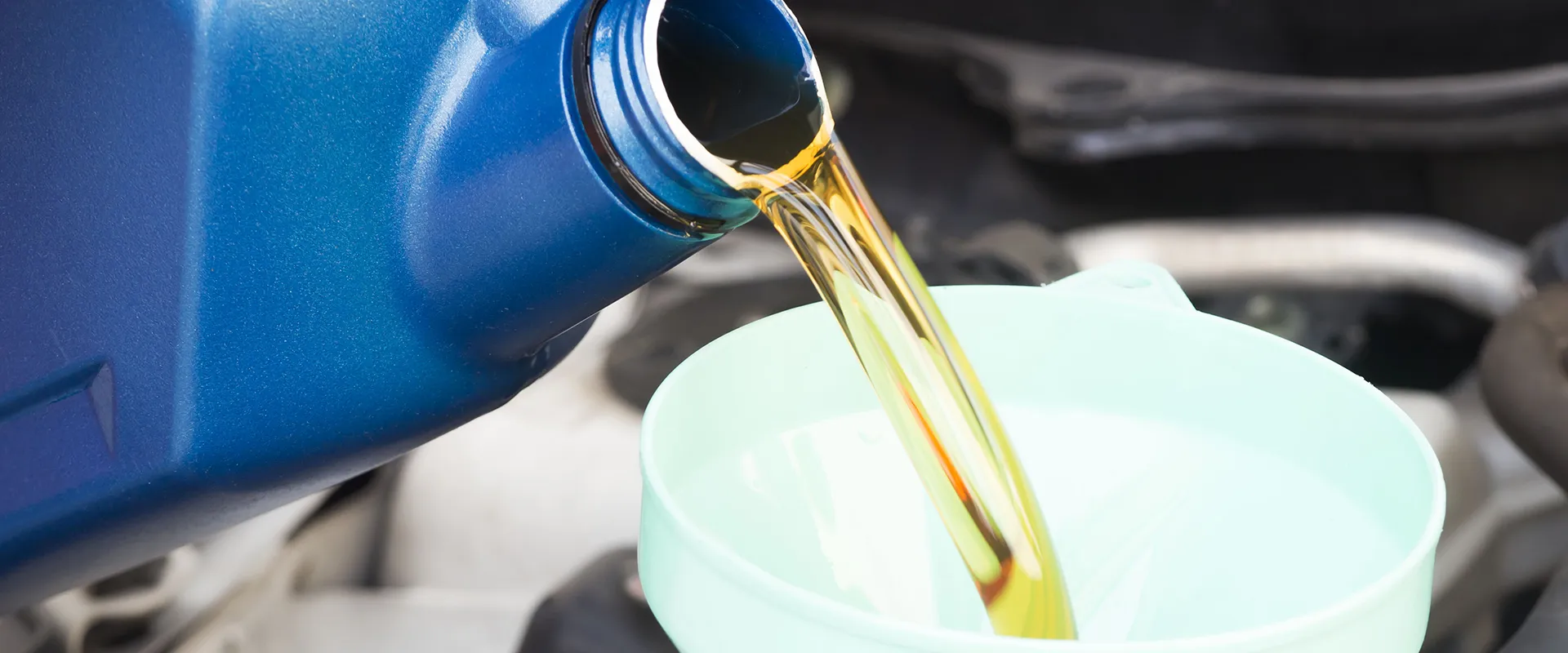
How Often Should You Change Synthetic Oil?
You pull into the driveway after a long week, and a small, yellow light glows from your dashboard. It’s not the check engine light, but it’s demanding attention nonetheless: the oil change icon. If you drive a modern car, especially one that uses full synthetic oil, a wave of confusion might wash over you. Should you really listen to that quick-lube shop’s 3,000-mile sticker they slapped on your windshield last year? Or can you trust the car’s computer, which seems perfectly content to let you cruise for another 2,000 miles?
This is one of the most debated topics in car maintenance, and for good reason. The old rules of thumb we learned from our parents feel outdated in an era of advanced engine technology and superior lubricants. The advice is everywhere, and it’s often conflicting, leaving you to wonder if you’re wasting money on premature oil changes or, worse, risking the health of your engine by waiting too long.
Let’s clear the air. This guide will cut through the noise and give you a definitive, easy-to-understand answer. We’ll explore the science behind synthetic oil, decode your owner’s manual, and help you confidently determine the perfect oil change schedule for your specific vehicle and lifestyle. It’s time to become a more empowered and informed driver.

The Leap from Conventional to Synthetic: What’s the Big Deal?
To understand how often to change synthetic oil, we first need to appreciate why it’s different from the conventional oil your grandfather used. This isn’t just marketing hype; it’s a fundamental difference in chemistry.
Conventional motor oil is refined from crude oil. Think of it as sifting through a natural mixture. You get a variety of molecule shapes and sizes—some large, some small, some smooth, some jagged. While it does the job of lubricating, these inconsistent molecules have their weaknesses. The jagged ones can create more friction, and in high heat, the smaller, less stable molecules can evaporate or break down, forming sludge and varnish inside your engine.
Full synthetic oil, on the other hand, is engineered in a lab. Its molecules are custom-built to be uniform in size and shape. Imagine a box of perfectly smooth, identical marbles instead of a pile of jagged rocks. This uniformity gives synthetic oil a host of advantages:
- Superior Flow:The uniform molecules flow more easily, especially during cold starts. This means vital engine parts are lubricated faster the moment you turn the key, reducing wear and tear.
- Exceptional Stability:Synthetic oil is far more resistant to heat and thermal breakdown. It can withstand the extreme temperatures inside a modern engine without degrading, which means it maintains its protective properties for much longer.
- Sludge Resistance:Because it doesn’t break down as easily, synthetic oil is much better at preventing the formation of sludge and harmful deposits, keeping your engine cleaner and running more efficiently.
- Better Protection:Its superior film strength creates a more solid protective barrier between metal parts, reducing friction and wear even under the most demanding conditions.
It’s these superior properties that allow synthetic oil to last significantly longer than conventional oil, paving the way for the extended oil change intervals we see today.
The Short Answer vs. The Smart Answer: Unpacking the Numbers
So, let’s get to the heart of the matter. How often should you change it? If you’re looking for a quick number, the general recommendation for most modern cars using full synthetic oil is somewhere between7,500 and 15,000 miles.
But that’s a massive range, isn’t it? A 7,500-mile difference is significant. This is where the short answer becomes less useful. The smart answer—the one that will truly protect your engine and save you money—is this:it depends.
The ideal interval for your car is a unique calculation based on three key factors:
- What your car’s manufacturer recommends.
- The type of synthetic oil you use.
- Your personal driving habits.
Anyone who gives you a single, magic number without asking about these factors is giving you a guess, not advice. Let’s break down how you can find your own personal “magic number.”
The Ultimate Authority: Your Car’s Owner’s Manual
If you only take one piece of advice from this article, let it be this:your car’s owner’s manual is the single most important and trustworthy source for your maintenance schedule.
The engineers who designed your engine know exactly what it needs to run reliably for years to come. They have spent countless hours testing and determining the optimal oil change interval for their specific engine design. The manual is your direct line to that expertise.
Inside your manual, you’ll find a maintenance schedule section. Here, you will likely encounter two different sets of recommendations: one for “Normal” driving conditions and one for “Severe” driving conditions.
- Normal Service:This schedule is often what the dealership or marketing materials highlight. It might suggest an oil change every 10,000 or even 15,000 miles. It applies to ideal driving conditions: long, steady trips on the highway at consistent speeds, moderate temperatures, and minimal dust.
- Severe Service:This is the schedule that, surprisingly, applies to the vast majority of drivers. If you primarily use your car for short commutes, city driving, or live in an area with extreme weather, you fall into this category. The “severe” schedule will recommend more frequent changes, often in the 5,000 to 7,500-mile range.
Ignoring the severe service schedule when it applies to you is one of the quickest ways to cause premature engine wear, even with high-quality synthetic oil. The manual is your starting point and your foundation. Always begin here.
Are You a “Severe” Driver? (The Answer Might Surprise You)
The term “severe driving” sounds like something reserved for a rally car driver or someone towing a boat through the mountains. In reality, it describes the daily grind for most of us. Automakers define severe driving conditions by any of the following:
- Frequent Short Trips:This is the big one. Do you drive less than 10-15 minutes at a time, especially in cold weather? This is considered severe. Why? Because the engine never reaches its full operating temperature for a sustained period. This prevents moisture from burning off the oil, leading to sludge formation and increased acidity in the oil, which can corrode engine parts. Your daily 5-mile commute to work and back is a classic example of severe driving.
- Stop-and-Go Driving:Idling in traffic, constant acceleration and braking, and short trips around town put more stress on an engine than steady highway cruising. This is the reality for most city and suburban drivers.
- Extreme Temperatures:Consistently driving in very hot weather (over 90°F / 32°C) or very cold weather (below freezing) accelerates oil breakdown and increases engine stress.
- Towing, Hauling, or Using a Roof Rack:Carrying heavy loads puts a significant strain on your engine, causing it to run hotter and work harder.
- Driving on Dusty or Gravel Roads:Dirt and dust can bypass the air filter and contaminate your oil, turning it into an abrasive paste that wears down engine components.
Be honest with yourself about your driving habits. If you checked even one of those boxes, you should follow the “severe” service schedule in your owner’s manual. It’s not a suggestion; it’s a requirement for long-term engine health.
Trusting Your Tech: How Oil Life Monitoring Systems Work
Many modern vehicles are equipped with an Oil Life Monitoring System (OLMS). This is the sophisticated computer that calculates when you actually need an oil change, rather than relying on a simple mileage counter. But how does it work?
These systems are not just guessing. They use complex algorithms that track a variety of engine operating parameters, such as:
- Engine temperature
- Engine speed (RPMs)
- Vehicle speed
- Engine run time and cold starts
The system weighs all these factors to determine the actual condition of your oil. A 1,000-mile trip on the highway might only use up 5% of your oil’s life, while 1,000 miles of short, cold-weather commutes could use up 25%.
When your car’s oil life monitor reaches 0% or a “Service Required” message appears, it’s time for an oil change. For most drivers, this is the most accurate and convenient way to manage oil changes. It accounts for your specific driving style in real-time. However, it’s still calibrated for the type of oil specified by the manufacturer (e.g., a specific viscosity and performance standard like Dexos or API SP). Always use an oil that meets or exceeds that specification.
Practical Tips and Real-World Scenarios
Let’s put this all together with some practical advice and examples.
The Daily Commuter (The “Severe” Driver)
- Profile:Drives 8 miles to work, 8 miles back. Mostly city streets with a few traffic lights. Lives in a climate with cold winters.
- Owner’s Manual Says:10,000 miles (Normal) / 5,000 miles (Severe).
- What to Do:Follow the 5,000-mile severe service schedule. The short trips prevent the engine from fully heating up, which is the primary cause of oil degradation in this scenario. The oil life monitor will likely reflect this, counting down much faster than the miles driven would suggest.
The Road Warrior (The “Normal” Driver)
- Profile:Drives 30 miles each way to work, mostly on a highway. Lives in a temperate climate. Takes long road trips on weekends.
- Owner’s Manual Says:10,000 miles (Normal) / 5,000 miles (Severe).
- What to Do:The 10,000-mile normal service schedule is perfectly appropriate here. The long, steady drives allow the engine to reach and maintain optimal temperature, burning off contaminants and keeping the oil in good condition. The oil life monitor will likely stretch out close to the 10,000-mile mark before signaling a change.
The Weekend Adventurer (The “Mixed” Driver)
- Profile:Uses the car for short errands during the week but frequently tows a small boat or trailer to the mountains on weekends.
- Owner’s Manual Says:10,000 miles (Normal) / 5,000 miles (Severe).
- What to Do:The act of towing immediately puts you in the “severe” category. You should follow the 5,000-mile schedule without question. The extra load and heat generated by towing will break down even the best synthetic oil much faster.
A Final, Crucial Tip: Always Change the Filter.An oil change is not complete without a new oil filter. The filter is the engine’s kidney, trapping all the harmful contaminants and metal particles suspended in the oil. A clogged filter can’t do its job effectively, and it’s full of dirty oil. Putting fresh, clean oil through a dirty, used filter is counterproductive and defeats the purpose of the oil change. Always opt for a high-quality filter that meets or exceeds OEM (Original Equipment Manufacturer) specifications.
Frequently Asked Questions (FAQs)
Q1: Is it bad to change my synthetic oil too early?A: No, it’s not bad for your engine. However, it is bad for your wallet and the environment. Changing synthetic oil at 3,000 miles when your manual and driving conditions allow for 7,500 is simply a waste of a perfectly good resource. The only benefit is peace of mind, but that peace of mind can come from understanding the facts instead.
Q2: Can I switch from conventional oil to synthetic oil?A: Absolutely. You can switch from conventional to synthetic oil with no problem. They are compatible. Synthetic is a superior product, so making the switch is a great way to provide better protection for your engine, especially if you live in a climate with extreme temperatures.
Q3: What about high-mileage synthetic oil? Is it worth it?A: For vehicles with over 75,000 miles, high-mileage synthetic oil can be an excellent choice. It typically contains conditioners and additives designed to rejuvenate and seal minor leaks in older engines, as well as slightly different viscosity properties to protect worn components. If your car is burning a little oil or has minor leaks, it’s worth trying.
Q4: Does the brand of synthetic oil really matter?A: The specific specification matters more than the brand. Your owner’s manual will list a required industry standard (like API SP) and often a manufacturer-specific standard (like GM Dexos1 Gen 3 or BMW Longlife-01). Any reputable brand of synthetic oil that meets those specifications will provide excellent protection. The differences between top-tier brands are often marginal.
Q5: My mechanic says 5,000 miles, but my manual says 10,000. Who do I trust?A: Trust your owner’s manual, but have a conversation with your mechanic. They might be recommending 5,000 miles based on their experience with your specific model in your local driving conditions (e.g., they know everyone in your town does short, hilly commutes). Or, it could be a blanket policy they use for simplicity. Ask them why they recommend that interval. If their reasoning is sound and aligns with the “severe service” definitions, it might be good advice. If it’s just “that’s what we do,” you’re better off following the manual.
Conclusion: Drive Smarter, Not Harder
The question of “how often change synthetic oil” doesn’t have a single, simple answer, and that’s a good thing. It means you have the power to tailor your car’s maintenance to your actual needs, saving you money and protecting your investment.
The journey to the right answer starts with your owner’s manual. From there, honestly assess your driving habits and consider whether you fall into the “normal” or “severe” category. If your car has an oil life monitor, learn to trust it—it’s a powerful tool designed for this exact purpose.
Top How Often Should You Change Synthetic Oil? – Our Picks
By moving beyond the outdated 3,000-mile myth and embracing a more intelligent, data-driven approach, you’re not just changing oil; you’re taking control of your car’s health. You’re driving smarter, and that’s the best kind of maintenance there is.