Engine Rebuild vs. Replace: The 2026 Decision Framework f…
An engine rebuild is the systematic disassembly, inspection, machining, and reassembly of an internal combustion engine to restore it to factory specifications — or better. It is a precision process that involves replacing worn components like piston rings, bearings, and seals, while machining surfaces such as cylinder bores and crankshaft journals to exact tolerances. Unlike a replacement, which swaps in a complete remanufactured or used engine, a rebuild preserves your original block and its VIN-matched identity, which matters for vehicle history, emissions compliance, and resale value.
This 2026 decision framework compares rebuild vs. replace across four decisive attributes: total cost, downtime, reliability ceiling, and the hidden variable of core value. We also weigh power output potential, material quality (forged vs. cast internals), and the labor skill required for each path. Whether you are resurrecting a high-mileage daily driver or building a performance engine for track duty, the choice hinges on your block’s condition, your budget ceiling, and how long you plan to keep the vehicle.
What sets this guide apart is the hard data: real machining quotes, current core prices, and a cost-per-mile analysis you won’t find in typical forum threads. We also tell you honestly when a rebuild is the wrong call — when cracks, corrosion, or warped decks make the block economically unviable. By the end, you will have a decision tree that accounts for your specific engine type, whether it’s a modular V8, a boxer four, or a diesel inline-six, and a clear verdict on which path protects your wallet and your timeline.
Engine Rebuild vs. Replace: Defining the Fork in the Road
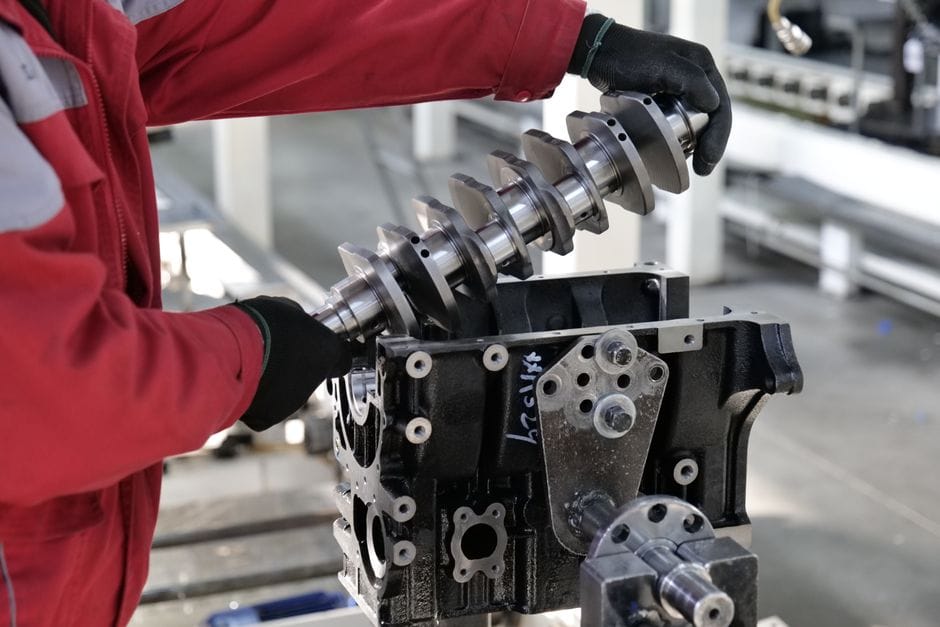
You are staring at a misfiring, knocking, or smoking engine. The repair bill estimate just landed, and it is ugly. You have two paths forward: rebuild the engine you have, or replace it with a different unit. This is the core fork in the road for every DIYer facing major powertrain failure.
The choice between an engine rebuild and an engine replacement is not about which is “better” in a vacuum. It is about which option aligns with your budget, your skill set, your timeline, and the condition of the vehicle itself. Get this decision wrong, and you burn thousands of dollars. Get it right, and you extend the life of a car you know and trust.
What ‘Rebuild’ Actually Means (and What It Doesn’t)
An engine rebuild means removing the engine from the vehicle, disassembling it completely, inspecting every component, machining the block and heads to factory tolerances, and replacing all wear items — pistons, rings, bearings, seals, timing components, and often the oil pump. A full rebuild returns the engine to “zero miles” condition, with the original block retained. It does not mean a simple head gasket replacement or a “top-end” refresh, which are partial repairs. A true rebuild addresses the bottom end as well as the top end, and it requires precision measuring tools, a clean workspace, and either professional machine shop services or advanced DIY skills.
What ‘Replace’ Actually Means (and What It Doesn’t)
Engine replacement means removing the failed engine and installing a different unit. That unit can be a crate engine (new from the manufacturer or an aftermarket builder), a remanufactured engine (a core that has been fully rebuilt to spec by a professional facility), a used engine (pulled from a salvage vehicle), or a short block (block with rotating assembly, requiring you to transfer heads and accessories) or long block (complete engine minus accessories and intake/exhaust). Replacement does not mean repairing the existing engine in place — it means a swap. The key distinction is that you are not preserving your original block; you are introducing a different VIN’s engine into your vehicle, which may have implications for registration, insurance, and emissions compliance in some jurisdictions.
Top Picks

The Cost Analysis: Upfront Price vs. Long-Term Value
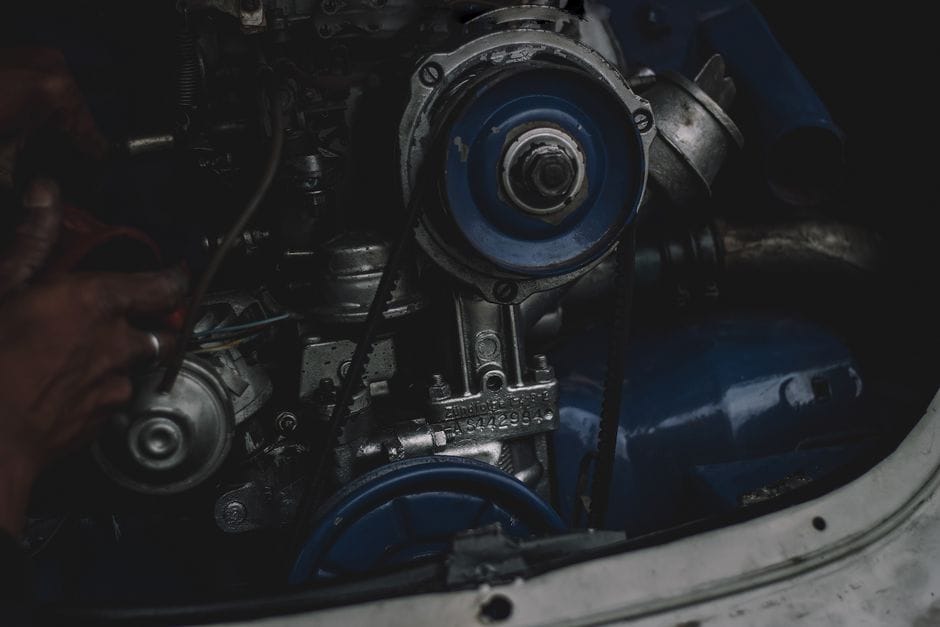
Cost is the first number every DIYer writes down, but it is rarely the only number that matters. The true cost of a rebuild includes machine work (cylinder boring, deck surfacing, crankshaft grinding), parts (pistons, rings, bearings, gaskets, timing kit, oil pump), and your own labor hours — which are free only if your time is worth nothing. A typical DIY rebuild on a common V8 runs $1,500–$3,500 in parts and machine work, plus 20–40 hours of your time. A professional rebuild can run $4,000–$8,000 depending on the engine.
The true cost of a replacement includes the purchase price of the engine, shipping, new fluids, gaskets, and any adapters or sensors needed. A used engine from a salvage yard might cost $800–$2,500, but it comes with unknown history and no warranty beyond 30–90 days. A remanufactured long block runs $3,000–$6,000 and typically includes a 3-year/100,000-mile warranty. A crate engine from a manufacturer can run $5,000–$12,000 or more. Labor for a swap is 10–20 hours for a DIYer, or $1,500–$3,000 at a shop.
The True Cost of a Rebuild (Machine Work, Parts, and Your Time)
Machine work is the hidden cost of a rebuild. A typical quote includes: hot tanking and cleaning ($150–$300), cylinder boring and honing ($200–$400), deck surfacing ($100–$200), crankshaft grinding ($150–$300), and valve job ($200–$400). Add new pistons ($300–$600), rings ($50–$150), bearings ($80–$200), a full gasket set ($150–$400), timing chain/gears ($100–$300), oil pump ($80–$200), and you are looking at $1,500–$3,000 in parts and machine work alone. Your time is the final line item — and if you value your weekend hours, a rebuild is not “cheap.”
The True Cost of a Replacement (Parts, Labor, and Hidden Fees)
Replacement costs are more predictable but include hidden fees: core charges ($200–$500, refundable if you return your old block), shipping ($150–$400 for a palletized engine), new fluids and filters ($100–$200), and potentially new motor mounts, sensors, or wiring harness connectors ($100–$500). If you are paying a shop, labor runs $1,500–$3,000. The total for a used engine swap lands around $2,500–$5,000; a reman swap runs $5,000–$9,000; a crate engine install can exceed $12,000.
The 50% Rule: When Vehicle Value Dictates the Decision
The 50% rule is a simple heuristic: if the cost of the repair (rebuild or replacement) exceeds 50% of the vehicle’s current market value, the repair is generally not economically justified — unless the vehicle has sentimental value, is a classic, or is otherwise irreplaceable. For a 2010 sedan worth $4,000, a $3,500 rebuild is borderline; a $6,000 crate engine swap is a clear “no.” For a 1969 Mustang worth $30,000, a $7,000 rebuild is a no-brainer. This rule forces you to separate the emotional attachment from the financial reality.
Downtime and Skill Level: The DIYer’s Reality Check
Downtime is the second major axis of the decision. A rebuild, done properly, takes 3–6 weeks for a DIYer working evenings and weekends — and that assumes no unexpected machine shop delays or backordered parts. A replacement is faster: a used or reman engine can be swapped in 1–2 weekends if you have a hoist, an engine stand, and a helper. If you are paying a shop, a replacement is typically done in 3–5 days
, while a rebuild at a shop can take 2–4 weeks due to machine shop turnaround times. Your skill level is the deciding factor: a rebuild demands proficiency with micrometers, plastigage, torque wrenches, and engine assembly procedures. A replacement demands mechanical aptitude for lifting, aligning, and connecting — but it is generally more forgiving for a mid-level DIYer. If you have never rebuilt an engine before, a replacement is the lower-risk path; if you have done one or two, a rebuild offers greater control over quality and specifications.
Skill Requirements: What You Must Know for Each Path
For a rebuild, you must be comfortable with: disassembling the engine to bare block, measuring bearing clearances, checking piston ring gaps, torquing head bolts in sequence, and setting valve lash. You also need access to a machine shop for any machining work you cannot do yourself. For a replacement, you need: the ability to safely lift and lower an engine, knowledge of how to disconnect and reconnect fuel, cooling, electrical, and exhaust systems, and the patience to label every connector and hose. Neither path is “easy,” but a replacement is mechanically simpler and less precision-dependent.
Tooling and Workspace: What You Need to Have
Tooling and Workspace: Details
A rebuild requires: an engine stand, a hoist, a torque wrench (ft-lb and in-lb), a dial indicator, micrometers, telescoping gauges, a ridge reamer, a ring compressor, and a clean, well-lit workspace. A replacement requires: a hoist, a load leveler, a floor jack, jack stands, a full socket set, and a workspace with enough vertical clearance to lift the engine out. If you lack either toolset, factor rental costs ($50–$150 per day) into your budget. If you lack a covered workspace, a rebuild in the elements is a recipe for contamination and frustration.
Reliability and Longevity: What You Get After the Work
Reliability is the payoff that justifies the cost. A properly executed rebuild — with quality parts, correct machining, and careful assembly — can deliver 150,000–250,000 miles of service, matching or exceeding the original engine’s lifespan. A remanufactured engine from a reputable builder offers similar longevity, backed by a warranty. A used engine is a gamble: it may have 50,000 or 150,000 miles on it, and you have no way to verify its maintenance history. A crate engine is the gold standard for longevity, often rated for 200,000+ miles, but it comes at a premium price.
The reliability ceiling also depends on the engine’s design. A non-interference engine that fails a timing belt may survive with minor damage, making a rebuild more attractive. An interference engine that suffers a timing failure can destroy valves and pistons, pushing the cost of a rebuild past the cost of a replacement. Similarly, a cast-iron block that is cracked or corroded is not worth rebuilding; an aluminum block with a damaged deck surface may be weldable, but the cost often exceeds a replacement.
Warranty and Risk: Who Stands Behind the Work?
A DIY rebuild carries no warranty — you are the warranty. If you make an assembly error, you eat the cost of parts and machine work again. A remanufactured engine from a national supplier typically includes a 3-year/100,000-mile parts-and-labor warranty, which is a significant risk transfer. A used engine from a salvage yard usually offers a 30–90-day warranty, which covers only the engine itself, not labor. A crate engine from an OEM or performance builder often includes a 2–5 year warranty. The warranty is not just a safety net; it is a statement of confidence in the product’s reliability.
Core Condition: The Hidden Variable That Can Kill a Rebuild
Core Condition: Details
Before committing to a rebuild, you must have the block inspected by a machine shop. Cracks in the cylinder walls, corrosion in the water jackets, or a warped deck surface can make the block unusable — and if the block is junk, a rebuild is off the table. A compression test and leak-down test can reveal top-end issues, but only a full disassembly and magnetic particle inspection can find hidden cracks. If the core is compromised, a replacement is the only rational path. This is why the decision framework always starts with a core condition assessment, not a cost comparison.
Vehicle Value and Emotional Attachment: The Intangible Factors
Vehicle value is not just the blue book number — it is the sum of what the car means to you, what it would cost to replace, and what you plan to do with it. A daily driver with 200,000 miles and a blown engine is rarely worth a $5,000 rebuild. A weekend project car with a clean chassis and a matching-numbers block is worth every penny of a rebuild. A classic truck you inherited from your grandfather is worth a crate engine and then some. The 50% rule is a starting point, not a final verdict.
Emotional attachment is a legitimate factor, but it must be weighed against practical reality. If you plan to keep the vehicle for 5+ years and drive it daily, a rebuild or reman replacement is justified. If you plan to sell it in six months, a used engine swap is the financially rational move. If the car is a collectible, a rebuild preserves originality and resale value; a replacement with a non-matching engine can cut the value by 20–40%.
Resale Value: How Each Path Affects What You Can Sell For
Resale Value: Details
A rebuilt engine with documentation (receipts, machine shop invoices, photos) can add $1,000–$3,000 to a vehicle’s resale value, especially for enthusiasts who value originality. A remanufactured engine with a transferable warranty adds similar value. A used engine swap adds little to no value — buyers see it as an unknown quantity. A crate engine can add significant value to a performance or classic vehicle, but it may also raise questions about the rest of the drivetrain’s condition. The key is documentation: without paperwork, a rebuild is just a claim.
Performance and Modification Potential: When More Power Matters
If your goal is more power, the decision shifts. A rebuild allows you to upgrade internals — forged pistons, stronger rods, a performance camshaft, ported heads — while keeping your original block. This is the path for a street/strip build where you want to extract maximum horsepower from a known foundation. A replacement with a crate engine offers the same potential, but you are starting with a fresh, balanced assembly that may already include performance upgrades. A used engine swap is the wrong choice for performance — you are inheriting someone else’s wear and unknown history.
The material quality of internals matters: cast pistons are fine for stock rebuilds, but forged pistons are required for forced induction or high-RPM builds. A rebuild gives you control over every component; a crate engine gives you a proven package. If you are building for boost, a rebuild with forged internals and a machined block is the safer route. If you want a reliable, turn-key performance upgrade, a crate engine is the better value.
Short Block vs. Long Block: Which Replacement Option Fits Your Build?
A short block includes the block, crankshaft, rods, and pistons — you transfer your existing heads, oil pan, and accessories. This is a cost-effective option if your heads are in good condition and you want to control the top-end build. A long block includes everything from the intake manifold to the oil pan, minus accessories — a true drop-in replacement. For a DIYer, a long block is simpler and reduces the risk of assembly errors. For a performance build, a short block allows you to choose your own heads and cam. The choice depends on your skill level and your performance goals.
Environmental and Legal Considerations: Emissions, VIN, and Registration
Emissions compliance is a legal issue that can override all other factors. In many states, an engine replacement must meet the emissions standards of the vehicle’s model year — not the donor engine’s year. If you swap in a newer engine, it must be certified for your vehicle’s year or the vehicle must be re-certified, which can be expensive. A
rebuild preserves the original VIN-matched block, which keeps emissions certification intact in most jurisdictions. A replacement with a used or reman engine may trigger a VIN verification, a smog check, or a referee inspection, depending on your state’s rules. California, New York, and other CARB states have the strictest requirements — an engine swap must use a donor engine from the same or newer model year, and the vehicle must pass a BAR referee inspection. Failure to comply can result in registration denial or fines.
Insurance is another consideration. Some insurers may deny coverage or adjust premiums if they discover a non-original engine. Classic car policies often require original or period-correct components. If you are building a show car or a collector vehicle, a rebuild is the safer legal path. If you are swapping in a crate engine for performance, check with your insurer before the work begins to avoid surprises at claim time.
Core Value: The Hidden Asset You Might Be Throwing Away
Your old engine has value — even if it is blown. A core charge is the deposit you pay when purchasing a remanufactured engine; you get it back when you return your old block. Core values range from $200 for a common four-cylinder to $1,000+ for a rare or performance V8. If you choose a rebuild, you are retaining that core value by keeping your original block. If you choose a replacement, you can sell your old engine to a rebuilder or scrap yard to recoup some cost. Never let a shop “dispose” of your old engine without asking — it is worth money.
The Decision Tree: A Step-by-Step Framework for 2026
This decision tree condenses everything above into a practical, step-by-step framework. Follow it in order, and you will arrive at the right answer for your specific situation.
Step 1: Assess the Core Condition
Have the engine compression-tested and leak-down-tested. If the block is cracked, corroded, or warped, skip to Step 4 — a rebuild is off the table. If the block is sound, proceed to Step 2.
Step 2: Calculate the True Cost of Each Path
Get a machine shop quote for a rebuild (parts + labor + machine work). Get a quote for a replacement (engine cost + shipping + core charge + labor). Add 15% contingency to both numbers. Compare the totals.
Step 3: Apply the 50% Rule
If either total exceeds 50% of the vehicle’s market value, ask yourself: Is this car worth it emotionally or as a collectible? If no, sell the car as-is and move on. If yes, proceed to Step 4.
Step 4: Evaluate Downtime and Skill
Can you afford 3–6 weeks of downtime for a rebuild? Do you have the tools and skills? If not, a replacement is the lower-risk path. If you have the time and expertise, a rebuild offers more control and preserves originality.
Step 5: Check Legal and Emissions Requirements
Verify your state’s rules on engine swaps. If a replacement would trigger costly inspections or registration issues, a rebuild is the safer choice. If you are in a lenient state, a replacement is viable.
Step 6: Make the Call
If the core is good, the cost is within budget, and you have the skills — rebuild. If the core is questionable, the cost is close, or you need the car back quickly — replace. If the vehicle is a classic or has sentimental value — rebuild. If it is a daily driver with high miles — replace with a reman or used engine.
Real-World Scenarios: Three Case Studies
To make the framework concrete, here are three real-world scenarios that illustrate how the decision plays out in practice.
Scenario 1: The High-Mileage Daily Driver
Vehicle: 2012 Honda Accord, 2.4L four-cylinder, 210,000 miles, worth $3,500. The engine has a rod knock and low oil pressure. A rebuild quote is $3,200; a used engine swap is $2,800 installed. The 50% rule says neither is justified. The owner decides to sell the car for $1,500 as a mechanic’s special and put the money toward a newer vehicle. Verdict: Replace the car, not the engine.
Scenario 2: The Weekend Project Truck
Vehicle: 1998 Ford F-150, 5.4L V8, 180,000 miles, worth $6,000. The engine has a blown head gasket and a warped deck. A rebuild quote is $4,500; a reman long block is $5,200 installed. The owner plans to keep the truck for 10 more years and use it for hauling. The core is borderline — the deck can be machined, but it is close to the limit. The owner chooses the reman long block for the warranty and the faster turnaround. Verdict: Replace with a reman engine.
Scenario 3: The Classic Muscle Car
Scenario 3: Details
Vehicle: 1970 Chevrolet Chevelle, 396 big-block, numbers-matching, worth $45,000. The engine smokes heavily and has low compression on two cylinders. A rebuild quote is $8,500 with forged internals and a mild performance cam. A crate engine is $12,000. The owner chooses the rebuild to preserve the matching-numbers block, which is critical for the car’s collector value. Verdict: Rebuild, without question.
Final Verdict: When to Rebuild, When to Replace
There is no universal answer — only the right answer for your specific situation. But the pattern is clear: rebuild when the core is sound, the vehicle has value (financial or emotional), and you have the time and skill to do it right. Replace when the core is compromised, the vehicle is a disposable daily driver, or you need the car back on the road quickly.
For 2026, the calculus has shifted slightly. Parts prices have risen 8–12% year-over-year, and machine shop lead times have stretched to 3–4 weeks in many regions. Remanufactured engine quality has improved, with more suppliers offering 5-year/150,000-mile warranties. Used engine prices have softened as more EVs and hybrids enter the market, making salvage yards a more attractive option for budget builds. The decision framework remains the same, but the numbers have moved.
Your final checklist: (1) Get the core inspected before committing to anything. (2) Get written quotes for both paths, including all hidden fees. (3) Apply the 50% rule honestly. (4) Check your state’s emissions and registration laws. (5) Be honest about your skill level and available time. (6) Factor in the warranty and the resale value. If you follow these steps, you will not regret the decision — whether you rebuild or replace.
Frequently Asked Questions
Is it cheaper to rebuild or replace an engine?
In most cases, a DIY rebuild is cheaper than a replacement — typically $1,500–$3,500 in parts and machine work versus $2,500–$5,000 for a used engine swap. However, if you factor in your labor hours and the risk of assembly errors, a remanufactured engine replacement can be the better value for a novice DIYer.
How long does an engine rebuild last?
A properly executed rebuild with quality parts can last 150,000–250,000 miles, matching or exceeding the original engine’s lifespan. The key is correct machining, proper assembly, and regular maintenance after the rebuild.
Can I rebuild an engine with a cracked block?
No. A cracked block is generally not repairable — welding is possible in some cases, but the cost and risk of failure make it economically unviable. If the block is cracked, a replacement is the only rational path.
What is the difference between a short block
and a long block?
A short block includes the engine block, crankshaft, connecting rods, and pistons — you must transfer your existing cylinder heads, oil pan, timing cover, and accessories. A long block includes everything from the intake manifold to the oil pan, minus the alternator, starter, and other bolt-on accessories. A long block is a more complete drop-in solution, while a short block gives you more control over the top-end build.
Does a rebuilt engine add value to a car?
Yes, but only with documentation. A rebuilt engine with receipts, machine shop invoices, and photos can add $1,000–$3,000 to a vehicle’s resale value, especially for enthusiasts and collectors. Without paperwork, a rebuild is just a claim and adds little to no value.
Can I swap a newer engine into an older car?
Yes, but you must check your state’s emissions laws. In many states, the replacement engine must meet the emissions standards of the vehicle’s model year, not the donor engine’s year. In CARB states like California, the engine must be from the same or newer model year and pass a referee inspection. Always verify local regulations before starting a swap.
What is a core charge?
A core charge is a deposit you pay when purchasing a remanufactured or rebuilt engine. You get the deposit back when you return your old engine block to the supplier. Core charges range from $200 for common engines to $1,000+ for rare or performance engines. Always ask about the core charge before purchasing a replacement engine.
Is it worth rebuilding a high-mileage engine?
It depends on the vehicle’s value and the engine’s condition. If the block is sound and the vehicle is worth keeping (financially or emotionally), a rebuild can be a great investment. If the vehicle is a high-mileage daily driver worth less than the rebuild cost, a used engine swap or a new vehicle is the better financial move.
You might also like: best brake upgrade for track, brake cooling guide for track, racing brake fluid guide