CVT maintenance guide
The continuously variable transmission (CVT) is a type of automatic transmission. It uses a belt-and-pulley system instead of fixed gears to deliver seamless power. Unlike conventional automatics with discrete gear ratios, the CVT keeps the engine at its most efficient RPM. The pulleys adjust their diameter infinitely to achieve this. That is why automakers from Honda and Toyota to Nissan and Subaru have adopted it. They value fuel economy and smooth acceleration. The core components include the steel drive belt, variable-width pulleys, hydraulic control system, and transmission fluid. These parts work together to transfer torque. Each element has its own maintenance thresholds that owners frequently overlook.
This guide covers seven essential service steps. These steps protect the CVT’s key attributes: fluid health, belt friction, pulley calibration, and thermal stability. You will learn the correct service intervals for different driving conditions. You will also learn the difference between genuine and aftermarket CVT fluid specifications. We explain the warning signs of belt slip or pulley wear. We also cover common mistakes that cause premature failure. These include using the wrong fluid or skipping the cooler flush. The guide includes real-world cost data for fluid changes across popular models. We also provide an honest comparison of what a DIY service can and cannot achieve.
What makes this guide different is the emphasis on measurable outcomes. Instead of generic advice, you will find model-specific torque specs. You will also find a decision framework for when to replace versus repair a failing CVT. The guide includes exact diagnostic steps to confirm that the transmission—not the engine or torque converter—is the source of your shudder. Whether you drive a daily commuter or a high-mileage workhorse, the information here is organized for you. You can jump to the service step that matches your vehicle’s current condition and mileage.
What Is a CVT and How Does It Differ from a Traditional Automatic?

A continuously variable transmission (CVT) is an automatic-style gearbox that shifts through an infinite number of effective gear ratios instead of a fixed set of gears. Unlike a traditional automatic with a torque converter and planetary gearsets, a CVT uses a pulley system connected by a steel belt. This design lets the engine stay in its most efficient RPM range more often, which is why CVTs are common in fuel-economy-focused cars like the Honda Civic, Subaru Outback, and Nissan Altima.
The Anatomy of a CVT: Pulleys, Belt, and Fluid
The core of a CVT consists of two variable-width pulleys—one connected to the engine (drive pulley) and one to the wheels (driven pulley)—joined by a steel belt or chain. The transmission fluid serves multiple critical roles: it transmits hydraulic pressure to move the pulleys, lubricates the belt and pulley surfaces, and cools the internal components. The fluid’s unique friction characteristics are engineered specifically for the belt-to-pulley contact patch, which is why using the wrong fluid can cause immediate slippage and irreversible damage.
CVT vs. Traditional Automatic: Why Maintenance Is Different
Traditional automatics use planetary gearsets with multiple clutches and bands that engage and disengage to shift between fixed gear ratios. Their fluid primarily serves as a hydraulic medium for clutch application and torque converter operation. CVTs, by contrast, rely on continuous belt friction against pulley surfaces, meaning the fluid must maintain a precise coefficient of friction across a wide temperature range. Also, CVTs are more sensitive to contamination and thermal degradation—overheating is a leading cause of belt and pulley wear. This fundamental difference means CVT maintenance intervals are often shorter than those for traditional automatics, and the service procedures require specialized equipment and fluid.
Top Picks


Why CVT Fluid Is the Single Most Critical Maintenance Item
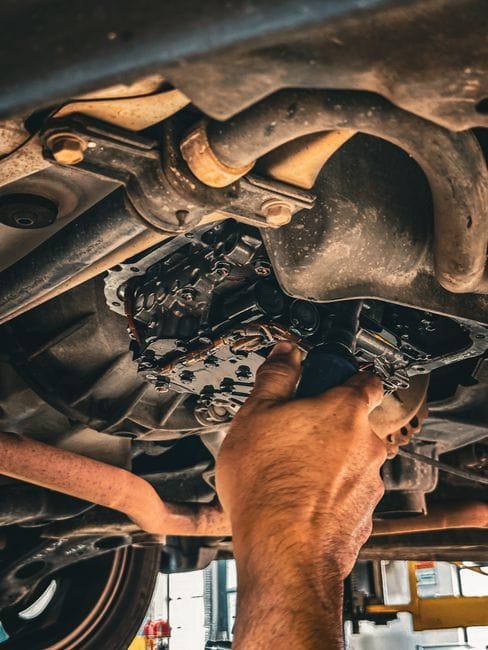
CVT fluid is not a generic lubricant—it is a precision-engineered hydraulic fluid with friction modifiers that are tuned to the specific belt and pulley materials used by each manufacturer. Using the wrong fluid, even one that meets a similar viscosity rating, can alter the coefficient of friction and cause belt slip, shudder, or premature wear. This is why OEM specifications are non-negotiable for CVT service.
The Unique Friction Requirements of CVT Fluid
The belt in a CVT transmits torque through friction at the pulley contact points. The fluid must provide a high static friction coefficient to prevent belt slip during acceleration, yet a low dynamic friction coefficient to allow smooth pulley movement during ratio changes. This delicate balance is achieved through proprietary additive packages that vary by manufacturer. For example, Nissan’s NS-3 fluid is formulated differently from Honda’s HCF-2 or Subaru’s CVTF-II, and they are not interchangeable.
What Happens When CVT Fluid Degrades
As CVT fluid ages, it undergoes thermal breakdown, oxidation, and contamination from clutch material and metal wear particles. The viscosity increases, the friction modifiers deplete, and the fluid loses its ability to transfer hydraulic pressure effectively. Symptoms of degraded fluid include delayed engagement, shuddering during acceleration, whining noises from the transmission, and eventually belt slip that can score the pulley surfaces beyond repair. Regular fluid changes at the manufacturer-recommended interval—typically 30,000 to 60,000 miles depending on the vehicle—are the single most effective way to prevent these failures.
CVT Fluid Change Intervals: Mileage and Time-Based Schedules

Manufacturers specify CVT fluid change intervals based on both mileage and time, whichever comes first. Severe driving conditions—such as frequent stop-and-go traffic, towing, mountainous terrain, or extreme temperatures—can shorten these intervals by as much as 50%. For example, a vehicle with a 60,000-mile normal-service interval may require a fluid change at 30,000 miles under severe service. Always consult your owner’s manual for the exact schedule, and note that some newer CVTs are marketed as “lifetime fill,” though most independent transmission specialists recommend changing the fluid anyway to prevent long-term degradation.
Normal vs. Severe Service Schedules
Normal service schedules assume moderate driving conditions: highway cruising, temperate climates, and minimal load. Severe service includes frequent short trips, heavy traffic, towing, off-road use, or operation in extreme heat or cold. If you fall into the severe category, shorten the interval accordingly. Many owners are unaware that their driving habits qualify as severe, leading to premature transmission failure that could have been prevented with more frequent fluid changes.
How to Check CVT Fluid Level and Condition
Unlike traditional automatics, many CVTs do not have a dipstick—the fluid level is checked using a special service tool and a temperature sensor. If your vehicle does have a dipstick, the procedure typically requires the engine to be running and the transmission at operating temperature. The fluid should be a clear reddish or amber color; if it appears dark brown, has a burnt smell, or contains visible particles, it is overdue for a change. Checking the fluid condition regularly can catch problems early before they escalate into costly repairs.
CVT Filter Service and Cleaning

Many CVTs are equipped with an internal or external filter that captures wear particles and debris from the fluid. Over time, the filter can become clogged, restricting fluid flow and causing pressure drops that lead to belt slip and overheating. Some filters are replaceable, while others are designed to be cleaned. The service interval for the filter often coincides with the fluid change, but it is essential to verify whether your specific model has a serviceable filter and to replace or clean it according to the manufacturer’s instructions.
Internal vs. External Filters
External filters are typically spin-on or cartridge-style units that are easy to access and replace during a fluid change. Internal filters, located inside the transmission case, require more extensive disassembly and are often only serviced during a major overhaul. If your CVT has an internal filter, the fluid change alone may not remove all contaminants, and a transmission flush may be necessary to clear the system. Always check your service manual to determine which type your vehicle uses and the recommended service procedure.
When to Flush vs. Drain-and-Fill
A drain-and-fill replaces only the fluid in the pan, leaving a significant amount of
old fluid in the torque converter, valve body, and cooler lines. A full flush uses a machine to pump out all the old fluid and replace it with fresh fluid in one continuous process. For CVTs, a flush is generally recommended if the fluid is severely degraded or if you are switching from a different fluid type. However, a flush can dislodge debris that may clog internal passages, so it should only be performed by a qualified technician using the correct equipment. For routine maintenance, a drain-and-fill performed twice in succession (with a short drive in between) can replace most of the old fluid without the risk of a full flush.
Warning Signs of CVT Trouble and Diagnostic Trouble Codes

Recognizing the early warning signs of CVT trouble can save you thousands of dollars in repair costs. Common symptoms include shuddering or vibration during acceleration, a whining or buzzing noise from the transmission, delayed engagement when shifting from Park to Drive, and a burning smell from the fluid. If you experience any of these, it is critical to address the issue immediately—continued driving can cause irreversible damage to the belt and pulleys.
Common DTCs Associated with CVT Failures
Modern CVTs are monitored by the engine control module (ECM) and transmission control module (TCM), which store diagnostic trouble codes (DTCs) when a fault is detected. Common CVT-related codes include P0841 (transmission fluid pressure sensor/switch circuit range/performance), P0741 (torque converter clutch circuit performance or stuck off), P0700 (transmission control system malfunction), and P17F0 (CVT belt slippage detected). When these codes appear, a professional scan tool is required to read the data and determine whether the issue is mechanical, hydraulic, or electrical.
How to Diagnose CVT Shudder vs. Engine Misfire
CVT shudder is often mistaken for an engine misfire or a torque converter issue. To differentiate, pay attention to when the symptom occurs: a CVT shudder typically happens during light to moderate acceleration at steady throttle, while a misfire is usually more pronounced under heavy load and may trigger a flashing check engine light. A diagnostic scan can confirm the source—if no misfire codes are present but the transmission is shuddering, the issue is likely internal to the CVT. A qualified technician can perform a stall test or pressure test to further isolate the problem.
Driving Habits That Affect CVT Wear

Your driving style has a direct impact on CVT longevity. Aggressive acceleration, frequent hard braking, and towing heavy loads all increase stress on the belt and pulleys, accelerating wear. Conversely, smooth throttle application and gradual braking reduce the load on the transmission and extend its service life. Understanding how your habits affect the CVT can help you make adjustments that prevent premature failure.
Avoiding Aggressive Acceleration and Hard Braking
When you floor the accelerator, the CVT must rapidly adjust pulley pressure to handle the increased torque, which generates heat and stress on the belt. Similarly, hard braking forces the transmission to downshift quickly, causing additional wear. By accelerating gently and braking smoothly, you reduce the thermal and mechanical load on the CVT, allowing the fluid to maintain its protective properties for longer.
The Impact of Towing and Heavy Loads
Towing a trailer or carrying heavy cargo significantly increases the load on a CVT. The transmission must work harder to maintain speed, generating more heat and stress. If you regularly tow, you should follow the severe service maintenance schedule, which includes more frequent fluid changes and possibly the installation of an auxiliary transmission cooler. Some manufacturers explicitly state that CVTs are not suitable for towing, so check your owner’s manual before attaching a trailer.
Cooling System Maintenance for CVT Longevity

Heat is the number one enemy of a CVT. Excessive temperatures cause the fluid to break down faster, accelerate belt and pulley wear, and can trigger limp mode or complete failure. Most CVTs are equipped with a transmission cooler, either integrated into the radiator or as a separate unit, that helps maintain optimal operating temperature. Keeping the cooling system in good condition is essential for CVT health.
Checking and Flushing the Transmission Cooler
Over time, the transmission cooler can become clogged with debris or sludge from degraded fluid, reducing its efficiency. During a fluid change, it is advisable to have the cooler flushed to remove any accumulated contaminants. Also, check the cooler lines for leaks, kinks, or corrosion that could restrict flow. If your vehicle is used for towing or heavy duty, consider upgrading to an aftermarket auxiliary cooler to provide extra thermal capacity.
Signs of Overheating and How to Prevent It
Symptoms of CVT overheating include a burning smell, reduced acceleration, and the transmission entering limp mode (where it locks into a single gear). If you notice these signs, pull over safely and let the transmission cool down before continuing. To prevent overheating, ensure the cooling system is functioning properly, avoid prolonged heavy load operation, and maintain the correct fluid level—low fluid can cause inadequate cooling and lubrication.
Cost of CVT Service vs. Replacement

Understanding the financial implications of CVT maintenance versus replacement is crucial for making informed decisions. A routine fluid change typically costs between $150 and $300 at a dealership or independent shop, depending on the vehicle and fluid type. In contrast, a full CVT replacement can cost anywhere from $3,000 to $8,000 or more, including parts and labor. This stark difference makes regular maintenance a highly cost-effective investment.
Average Fluid Change Costs by Vehicle Model
Fluid change costs vary by manufacturer and model. For example, a Honda CVT fluid change might cost around $200, while a Subaru CVT service could range from $250 to $350 due to the specialized fluid and procedure. Nissan CVT fluid changes are often in the $200 to $300 range. These prices include the cost of the fluid (which can be $15 to $30 per quart) and labor. Some dealerships offer package deals that include a filter replacement, which adds $50 to $100 to the total.
When to Repair vs. Replace a Failing CVT
If your CVT is experiencing issues, the decision to repair or replace depends on the extent of the damage and the vehicle’s overall value. Minor issues, such as a faulty sensor or a leaking seal, can often be repaired for a few hundred dollars. However, if the belt or pulleys are scored or the transmission has suffered internal mechanical failure, a rebuild or replacement is usually more cost-effective than attempting a complex repair. As a rule of thumb, if the repair cost exceeds 50% of the vehicle’s value, replacement is the better option.
DIY CVT Maintenance: What You Can and Cannot Do

Performing CVT maintenance yourself can save money, but it requires the right tools, knowledge, and caution. A fluid drain-and-fill is within the reach of a competent DIYer, provided you can access the drain plug and fill port, and you use the exact OEM-specified fluid. However, more complex procedures—such as a full flush, filter replacement on internal units, or any repair involving the valve body—should be left to professionals.
Tools and Equipment Needed for DIY Fluid Change
To change CVT fluid yourself, you will need a jack and jack stands, a drain pan, a socket set, a torque wrench, a fluid pump or funnel with a long hose, and the correct amount of OEM fluid. Some CVTs require a scan tool to monitor fluid temperature during the filling process, as overfilling or underfilling can cause serious damage. If you do not have access to these tools, it is safer to have a professional perform the service.
Common DIY Mistakes That Cause CVT Failure
The most common DIY mistakes include using the wrong fluid (even if it is “compatible”), overfilling or underfilling the transmission, failing to properly torque the drain plug,
and introducing contaminants into the system. Using a fluid that is not explicitly approved by the manufacturer can alter the friction characteristics and lead to belt slip within a few hundred miles. Overfilling can cause foaming and overheating, while underfilling can result in inadequate hydraulic pressure and lubrication. Also, failing to replace the crush washer on the drain plug or using an incorrect torque specification can cause leaks that go unnoticed until the fluid level drops dangerously low. If you are not confident in your ability to perform the service correctly, the cost of a professional fluid change is far less than the cost of a replacement transmission.
Model-Specific CVT Maintenance Considerations

Different manufacturers have different CVT designs, fluid specifications, and service requirements. Understanding these differences is essential for proper maintenance. For example, Honda CVTs use HCF-2 fluid and typically require a fluid change every 25,000 to 30,000 miles under severe service. Nissan CVTs use NS-3 fluid and have a recommended interval of 30,000 to 60,000 miles, but many owners report failures if the fluid is not changed at the shorter end of that range. Subaru CVTs use CVTF-II and often have a 30,000-mile severe service interval. Toyota’s e-CVT (used in hybrids) is a different design altogether—it uses a planetary gearset and electric motors rather than a belt and pulleys, and its maintenance requirements are minimal.
Honda, Nissan, Subaru, and Toyota Differences
Honda and Nissan CVTs are belt-driven and require regular fluid changes to prevent belt and pulley wear. Subaru’s Lineartronic CVT uses a chain instead of a belt, which is generally more durable but still requires regular fluid service. Toyota’s hybrid e-CVT is not a true CVT in the traditional sense—it uses a power-split device with electric motors, and the transmission fluid is typically only checked, not changed, unless a problem is detected. Always refer to your specific vehicle’s service manual for the correct fluid type and interval.
Hybrid e-CVT vs. Traditional Belt CVT
Hybrid e-CVTs, such as those found in Toyota Prius and Honda Accord Hybrid models, do not use a belt or pulleys. Instead, they use a planetary gearset to combine power from the engine and electric motors. Because there is no belt friction, the fluid does not degrade in the same way, and the service intervals are much longer—often 60,000 to 100,000 miles or more. However, the fluid is still important for lubricating the gears and bearings, and it should be checked periodically for level and condition.
Step-by-Step CVT Fluid Change Procedure

Performing a CVT fluid change requires precision and attention to detail. The following steps outline a typical drain-and-fill procedure, but always consult your vehicle’s service manual for model-specific instructions. The process generally involves warming the transmission to operating temperature, draining the old fluid, replacing the drain plug, and refilling with the correct amount of fresh OEM fluid.
Preparation and Safety Precautions
Before starting, ensure the vehicle is on a level surface and securely supported with jack stands. Wear safety glasses and gloves, and have a fire extinguisher nearby in case of fluid spills. Gather all necessary tools and the correct amount of OEM fluid. It is also advisable to have a scan tool capable of reading transmission fluid temperature, as some vehicles require the fluid to be within a specific temperature range during the filling process.
Draining, Refilling, and Checking Fluid Level
Start the engine and let it idle until the transmission reaches operating temperature (usually around 100°F to 120°F). Turn off the engine, remove the drain plug, and allow the old fluid to drain completely. Replace the drain plug with a new crush washer and torque it to specification. Refill the transmission through the fill port with the recommended amount of fluid—this is typically 3 to 5 quarts for a drain-and-fill, but check your manual. Start the engine, shift through all gears, and check the fluid level using the dipstick or service tool. Add fluid as needed until the level is correct, being careful not to overfill.
Conclusion: The 7 Essential CVT Maintenance Steps

Maintaining a CVT requires a proactive approach that differs significantly from traditional automatic transmissions. The seven essential service steps covered in this guide are: (1) using the correct OEM-specified fluid, (2) adhering to the manufacturer’s fluid change intervals, (3) servicing or replacing the filter, (4) monitoring for warning signs and diagnostic trouble codes, (5) adjusting driving habits to reduce wear, (6) maintaining the cooling system, and (7) understanding the cost-benefit of regular service versus replacement. By following these steps, you can extend the life of your CVT and avoid the high cost of premature failure.
Summary of Key Takeaways
The most critical takeaway is that CVT fluid is not a generic lubricant—it must meet exact OEM specifications. Regular fluid changes at the recommended intervals are the single most effective way to prevent belt and pulley wear. Also, paying attention to warning signs and addressing them early can prevent minor issues from becoming major repairs. Finally, understanding the financial trade-offs between maintenance and replacement will help you make informed decisions about your vehicle’s care.
Final Recommendations for CVT Owners
If you own a vehicle with a CVT, prioritize regular maintenance and follow the manufacturer’s recommendations. Keep records of all service performed, and do not ignore unusual noises or vibrations. If you are unsure about any aspect of CVT maintenance, consult a qualified transmission specialist. With proper care, a CVT can provide many years of reliable, fuel-efficient service.
You might also like: carbon buildup cleaning, oil change Toyota Camry, best oil for hybrid engines