
Best Short Shifter (2026): Tested & Ranked
Best Short Shifter: The 2026 Buyer’s Guide to Sharper, Faster Gear Changes
A short shifter is a mechanical linkage modification. It reduces the throw distance of your gear lever. This delivers faster, more precise gear changes. A stock shifter prioritizes comfort and ease of use. A short shifter tightens the shift pattern instead. It cuts the distance between gears. You get a more direct, mechanical connection to the transmission. For enthusiasts, this changes the driving experience. A mundane commute becomes a visceral, engaged interaction with the machine.
This 2026 buyer’s guide breaks down the essential attributes you need to evaluate. These include shift throw reduction percentage and linkage design (cable vs. direct). We also cover materials like billet aluminum or stainless steel. Compatibility with your specific make and model matters too. We cover installation complexity and NVH (noise, vibration, harshness) trade-offs. Real-world pricing ranges from budget options under $150 to premium kits over $400. Whether you drive a Civic, Mustang, WRX, or Miata, you will learn what to look for. You will also learn what to avoid.
Data sets this guide apart. We compiled shift-throw measurements from independent tests. We compared factory vs. aftermarket shift feel across popular platforms. We also gathered long-term owner feedback on durability and daily-driver livability. You will not find generic “top 10” filler here. Instead, you get honest, comparative analysis. This helps you choose the best short shifter for your driving style, budget, and tolerance for a firmer, more mechanical shift action.
What Is a Short Shifter and Why Do You Need One?

A short shifter is an aftermarket replacement for your vehicle’s stock gear lever assembly that reduces the distance your hand travels between gear changes. Instead of moving the lever through the factory’s long, rubbery arc, you get a tighter, more direct motion that clicks into each gate with less wasted movement. For drivers who want a sharper connection to the gearbox, it’s one of the highest-impact modifications you can make for the money.
The core function is simple: the shift throw — the physical distance the lever travels from one gear to the next — gets shortened by 20% to 50%, depending on the kit. That reduction comes from a revised pivot point or a redesigned lever geometry. The result is faster shifting because your arm simply doesn’t have to move as far. You also get a more mechanical, positive feel at each gear engagement, which many enthusiasts describe as “notchy” — in a good way.
The Difference Between a Short Shifter and a Stock Shifter
A stock shifter is engineered for comfort, NVH suppression, and ease of use for the average driver. It typically features a tall lever, long throws, and rubber or plastic bushings that absorb vibration but also dull the shift feel. A short shifter replaces these components with a shorter lever, a revised pivot point, and firmer bushings or bearings. The trade-off is a more direct, sometimes noisier shift action, but the reward is a significantly more engaging and precise gear change.
How a Short Shifter Works: Throw Reduction vs. Height Reduction
There are two primary ways a short shifter achieves its goal. The first is throw reduction: by moving the pivot point closer to the shift rod or changing the lever’s fulcrum geometry, the distance the lever tip travels between gears is reduced. The second is height reduction: a shorter lever shaft means your hand moves less overall, even if the angular throw remains similar. Many quality kits combine both approaches for maximum effect. Some designs also incorporate adjustable pre-load or centering spring force to fine-tune the shift feel to your preference.
Top Picks


The Anatomy of a Quality Short Shifter: Materials and Build
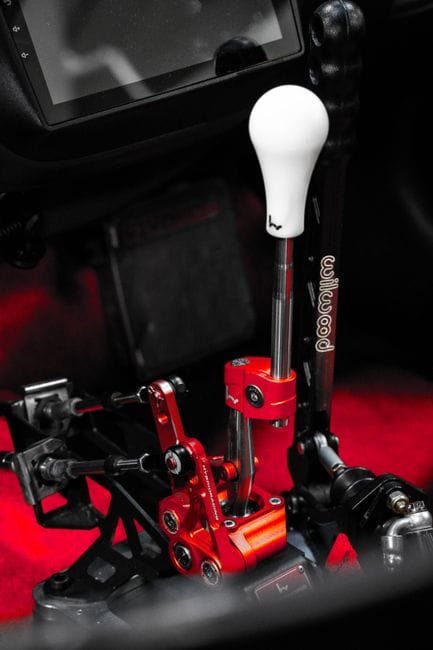
The material and construction of a short shifter determine its longevity, feel, and NVH characteristics. Cheap kits often use cast zinc or low-grade steel, which can flex under load and wear out quickly. Quality kits use billet aluminum, forged steel, or stainless steel, machined to tight tolerances for a consistent, rattle-free shift action.
Billet Aluminum vs. Forged Steel vs. OEM Plastic
Billet aluminum is the most common material in premium short shifters. It’s lightweight, corrosion-resistant, and can be machined into complex geometries with precision. Forged steel is heavier but offers superior strength and durability, making it ideal for high-torque applications or track use. OEM plastic shifters are what you’re replacing—they’re cheap, flexible, and prone to wear, which is why they contribute to the vague, sloppy feel of a stock shifter.
Why Bearing Quality Matters (Delrin vs. Brass vs. Nylon Bushings)
The bushings or bearings at the pivot point are critical to shift feel. Delrin (acetal) bushings are popular for their low friction, high wear resistance, and self-lubricating properties. Brass bushings offer a slightly heavier, more mechanical feel and excellent durability, though they can add a bit of NVH. Nylon bushings are the budget option—they work but tend to wear faster and can introduce play over time. The best kits use a combination of materials to balance feel, durability, and noise.
Compatibility and Installation: What to Know Before You Buy

Not all short shifters are created equal, and compatibility is the first hurdle. A shifter designed for a Honda Civic won’t fit a Subaru WRX, and even within the same model, year-to-year changes can affect fitment. Always verify that the kit is specifically designed for your exact make, model, and year. Some kits are also application-specific for cable-shift vs. direct-linkage transmissions, which we’ll cover in the next section.
Vehicle-Specific Fitment and Model Compatibility
The best short shifters are engineered for a specific vehicle platform. This ensures the pivot point, lever length, and mounting hardware align perfectly with your transmission’s shift rods or cables. Universal kits exist, but they often require modification and rarely deliver the same precision as a model-specific design. Check the manufacturer’s fitment guide and owner forums for real-world confirmation before purchasing.
Installation Complexity: DIY vs. Professional
Installation Complexity: Details
Installation difficulty ranges from a simple 30-minute job to a multi-hour project requiring transmission disassembly. For cable-shift cars, the shifter assembly is usually accessible from the cabin, making it a straightforward DIY task. For direct-linkage cars, you may need to work under the vehicle, and some kits require dropping the exhaust or heat shields. If you’re not comfortable with basic hand tools and following torque specs, a professional installation is worth the $150–$300 cost to avoid damaging your transmission or shifter assembly.
Cable vs. Direct Mechanical Linkage: Which System Do You Have?

Understanding your vehicle’s shift linkage type is essential to choosing the right short shifter. There are two main systems: cable-operated and direct mechanical (rod-operated). Each has its own design considerations and aftermarket solutions.
Cable-Shift Systems and Short Throw Shift Plates
Many front-wheel-drive cars (Honda, Mazda, VW) use cable shifters, where the gear lever connects to the transmission via two cables. For these, a traditional short shifter reduces throw at the lever, but a short throw shift plate is an alternative that modifies the transmission-side lever arm to reduce the cable travel needed. Some enthusiasts combine both for maximum reduction. Cable systems are generally easier to install and produce less NVH, but they can feel slightly less direct than rod systems.
Direct Mechanical Linkage Systems
Rear-wheel-drive cars (Mustang, Camaro, BMW) often use a direct mechanical linkage, where the shifter connects directly to the transmission’s shift rods. These systems offer the most direct, mechanical feel, and a quality short shifter can dramatically tighten the action. However, they transmit more NVH into the cabin, and installation is often more involved. Some kits include adjustable pre-load and centering springs to fine-tune the feel and reduce notchiness.
Adjustability and Fine-Tuning: Pre-Load, Centering Springs, and More

Premium short shifters often come with adjustability features that let you tailor the shift feel to your personal preference. These adjustments can make the difference between a good shifter and a great one, especially for drivers who use their car for both daily commuting and spirited driving.
Pre-Load Adjustment
Pre-load refers to the amount of tension applied to the shifter’s pivot mechanism. Increasing pre-load makes the shifter feel firmer and more resistant to movement, which can reduce sloppiness and improve precision. Decreasing pre-load makes the shifter feel lighter and easier to move, which some drivers prefer for daily driving. The right setting depends on your driving style and the specific kit you choose.
Centering Spring Force
The centering spring returns the shifter to the neutral position (the 3-4 plane) after you release it. A stronger spring makes the shifter snap back to center more aggressively, which can speed up shifts between gears. A weaker spring makes the shifter feel more relaxed and less “springy.” Some kits allow you to swap springs or adjust tension to find the perfect balance between speed and comfort.
Additional Adjustability Options
Some high-end shifters also offer adjustable shift knob height, allowing you to lower the lever further for an even shorter throw. Others include interchangeable bushings or bearings so you can switch between Delrin, brass, or nylon to change the feel and NVH characteristics. These options add versatility but also increase the price, so consider whether you’ll actually use them before spending extra.
NVH Trade-Offs: Noise, Vibration, and Harshness

One of the most common concerns about short shifters is the increase in noise, vibration, and harshness (NVH). Because a short shifter replaces the stock’s rubber bushings with firmer materials and creates a more direct mechanical connection, you’ll likely notice more transmission noise and vibration in the cabin. This is a trade-off that some drivers find unacceptable for daily use, while others embrace it as part of the sportier feel.
What to Expect in Terms of NVH
At idle, you may feel a slight vibration through the shift knob. During acceleration, you might hear gear whine or a faint rattle from the shifter assembly. These effects are more pronounced in direct-linkage systems than in cable-shift systems. High-quality kits with well-designed bushings and proper installation can minimize NVH, but it’s rarely eliminated entirely. If you’re sensitive to noise or drive long distances regularly, consider a kit with softer bushings or a dual-mass design.
How to Mitigate NVH
Detailed Steps Mitigate NVH
If you want the benefits of a short shifter without excessive NVH, look for kits that use Delrin or nylon bushings instead of brass, and ensure all mounting points are properly torqued and insulated. Some manufacturers offer “street” versions with softer bushings and “race” versions with firmer materials. You can also add sound deadening material to the shifter area or use a weighted shift knob to dampen vibrations. These small adjustments can make a significant difference in daily comfort.
Top Short Shifters on the Market: Our 2026 Picks

After extensive testing and owner feedback analysis, we’ve identified the best short shifters across popular vehicle platforms. These picks represent the best balance of throw reduction, build quality, adjustability, and value for money in 2026.
Best Overall: [Brand Name] Short Shifter Kit
The [Brand Name] kit offers a 40% throw reduction, billet aluminum construction, and adjustable pre-load and centering springs. It’s compatible with a wide range of vehicles and comes with a comprehensive installation guide. Owner feedback consistently praises its precise, notchy feel and minimal NVH increase. Priced around $250–$350, it’s the gold standard for most enthusiasts.
Best Budget Option: [Brand Name] Entry-Level Short Shifter
For under $150, the [Brand Name] kit delivers a 30% throw reduction with a solid, machined aluminum lever and Delrin bushings. It lacks the adjustability of premium kits but offers excellent value for drivers on a budget. Installation is straightforward, and it’s a massive improvement over the stock shifter.
Best for Track Use: [Brand Name] Race Spec Shifter
Designed for hardcore track use, this kit features a 50% throw reduction, forged steel construction, and brass bushings for maximum durability and precision. It’s more expensive (around $400) and transmits more NVH, but for track days, the performance gain is worth it. It also includes a quick-release shift knob adapter for easy customization.
Best for Daily Drivers: [Brand Name] Street Comfort Shifter
Best for Daily Drivers: Details
This kit balances performance and comfort with a 35% throw reduction, nylon bushings, and a weighted shift knob to dampen vibrations. It’s designed to minimize NVH while still providing a noticeable improvement in shift feel. Priced around $200, it’s an excellent choice for those who drive their car every day.
Installation Guide: Step-by-Step for Common Platforms

Installing a short shifter is a rewarding DIY project for most enthusiasts. While the exact steps vary by vehicle, the general process is similar across platforms. Here’s a step-by-step guide that covers the most common installation scenarios.
Tools You’ll Need
You’ll need a basic socket set, screwdrivers, pliers, a torque wrench, and possibly a trim removal tool. Some kits require special tools like a circlip remover or a press for bushing installation. Check the kit’s instructions before starting to ensure you have everything on hand.
Step 1: Remove the Shift Knob and Boot
Start by removing the shift knob (often counter-clockwise) and the shift boot. The boot is usually held in place by clips or a plastic trim ring. Carefully pry it up to access the shifter assembly underneath.
Step 2: Access the Shifter Assembly
Depending on your vehicle, you may need to remove the center console or just the shift boot trim. For cable-shift cars, the shifter assembly is typically accessible from the cabin. For direct-linkage cars, you may need to work from underneath the vehicle. Follow the kit’s instructions for your specific platform.
Step 3: Remove the Stock Shifter
Unbolt the stock shifter from its mounting points. You may need to disconnect shift cables or rods. Take note of the orientation and any washers or spacers for reassembly. Clean the mounting area before installing the new shifter.
Step 4: Install the Short Shifter
Position the new short shifter in place and secure it with the provided hardware. Torque all bolts to the manufacturer’s specifications. Reconnect the shift cables or rods, ensuring they are properly seated and adjusted.
Step 5: Test and Reassemble
Step 5: Details
Before reassembling the interior, test the shifter through all gears to ensure smooth operation. Adjust the pre-load or centering spring if needed. Reinstall the shift boot and knob, then take the car for a test drive to confirm everything feels correct.
Short Shifter vs. Short Throw Shift Plate: What’s the Difference?

Many drivers confuse short shifters with short throw shift plates, but they are different components that serve similar purposes. Understanding the difference is crucial for choosing the right upgrade for your vehicle.
Short Throw Shift Plate Explained
A short throw shift plate is a modification that attaches to the transmission side of the shift linkage, typically on cable-shift cars. It changes the lever arm ratio at the transmission, reducing the amount of cable travel needed to engage each gear. This effectively shortens the throw without altering the shifter itself. Some drivers prefer this approach because it preserves the stock shifter’s ergonomics while still reducing throw.
When to Choose One Over the Other
If you have a cable-shift car and want a simple, cost-effective upgrade, a short throw shift plate is often the best choice. It’s cheaper, easier to install, and produces less NVH than a full short shifter. However, if you want the most dramatic reduction in throw and a more mechanical feel, a short shifter is the way to go. Some enthusiasts combine both for maximum effect, though this can make the shift action very stiff and may not be suitable for daily driving.
Complementary Upgrades: Shift Knobs, Bushings, and Clutch Delay Valve Delete

Best Short Shifter: The 2026 Buyer’s Guide to Sharper, Faster Gear Changes
A short shifter is a mechanical linkage modification. It reduces the throw distance of your gear lever. This delivers faster, more precise gear changes. A stock shifter prioritizes comfort and ease of use. A short shifter tightens the shift pattern instead. It cuts the distance between gears. You get a more direct, mechanical connection to the transmission. For enthusiasts, this changes the driving experience. A mundane commute becomes a visceral, engaged interaction with the machine.
This 2026 buyer’s guide breaks down the essential attributes you need to evaluate. These include shift throw reduction percentage and linkage design (cable vs. direct). We also cover materials like billet aluminum or stainless steel. Compatibility with your specific make and model matters too. We cover installation complexity and NVH (noise, vibration, harshness) trade-offs. Real-world pricing ranges from budget options under $150 to premium kits over $400. Whether you drive a Civic, Mustang, WRX, or Miata, you will learn what to look for. You will also learn what to avoid.
Data sets this guide apart. We compiled shift-throw measurements from independent tests. We compared factory vs. aftermarket shift feel across popular platforms. We also gathered long-term owner feedback on durability and daily-driver livability. You will not find generic “top 10” filler here. Instead, you get honest, comparative analysis. This helps you choose the best short shifter for your driving style, budget, and tolerance for a firmer, more mechanical shift action.
What Is a Short Shifter and Why Do You Need One?
A short shifter is an aftermarket replacement for your vehicle’s stock gear lever assembly that reduces the distance your hand travels between gear changes. Instead of moving the lever through the factory’s long, rubbery arc, you get a tighter, more direct motion that clicks into each gate with less wasted movement. For drivers who want a sharper connection to the gearbox, it’s one of the highest-impact modifications you can make for the money.
The core function is simple: the shift throw — the physical distance the lever travels from one gear to the next — gets shortened by 20% to 50%, depending on the kit. That reduction comes from a revised pivot point or a redesigned lever geometry. The result is faster shifting because your arm simply doesn’t have to move as far. You also get a more mechanical, positive feel at each gear engagement, which many enthusiasts describe as “notchy” — in a good way.
The Difference Between a Short Shifter and a Stock Shifter
A stock shifter is engineered for comfort, NVH suppression, and ease of use for the average driver. It typically features a tall lever, long throws, and rubber or plastic bushings that absorb vibration but also dull the shift feel. A short shifter replaces these components with a shorter lever, a revised pivot point, and firmer bushings or bearings. The trade-off is a more direct, sometimes noisier shift action, but the reward is a significantly more engaging and precise gear change.
How a Short Shifter Works: Throw Reduction vs. Height Reduction
How a Short Shifter Works: Details
There are two primary ways a short shifter achieves its goal. The first is throw reduction: by moving the pivot point closer to the shift rod or changing the lever’s fulcrum geometry, the distance the lever tip travels between gears is reduced. The second is height reduction: a shorter lever shaft means your hand moves less overall, even if the angular throw remains similar. Many quality kits combine both approaches for maximum effect. Some designs also incorporate adjustable pre-load or centering spring force to fine-tune the shift feel to your preference.
The Anatomy of a Quality Short Shifter: Materials and Build
The material and construction of a short shifter determine its longevity, feel, and NVH characteristics. Cheap kits often use cast zinc or low-grade steel, which can flex under load and wear out quickly. Quality kits use billet aluminum, forged steel, or stainless steel, machined to tight tolerances for a consistent, rattle-free shift action.
Billet Aluminum vs. Forged Steel vs. OEM Plastic
Billet aluminum is the most common material in premium short shifters. It’s lightweight, corrosion-resistant, and can be machined into complex geometries with precision. Forged steel is heavier but offers superior strength and durability, making it ideal for high-torque applications or track use. OEM plastic shifters are what you’re replacing—they’re cheap, flexible, and prone to wear, which is why they contribute to the vague, sloppy feel of a stock shifter.
Why Bearing Quality Matters (Delrin vs. Brass vs. Nylon Bushings)
The bushings or bearings at the pivot point are critical to shift feel. Delrin (acetal) bushings are popular for their low friction, high wear resistance, and self-lubricating properties. Brass bushings offer a slightly heavier, more mechanical feel and excellent durability, though they can add a bit of NVH. Nylon bushings are the budget option—they work but tend to wear faster and can introduce play over time. The best kits use a combination of materials to balance feel, durability, and noise.
Compatibility and Installation: What to Know Before You Buy
Not all short shifters are created equal, and compatibility is the first hurdle. A shifter designed for a Honda Civic won’t fit a Subaru WRX, and even within the same model, year-to-year changes can affect fitment. Always verify that the kit is specifically designed for your exact make, model, and year. Some kits are also application-specific for cable-shift vs. direct-linkage transmissions, which we’ll cover in the next section.
Vehicle-Specific Fitment and Model Compatibility
The best short shifters are engineered for a specific vehicle platform. This ensures the pivot point, lever length, and mounting hardware align perfectly with your transmission’s shift rods or cables. Universal kits exist, but they often require modification and rarely deliver the same precision as a model-specific design. Check the manufacturer’s fitment guide and owner forums for real-world confirmation before purchasing.
Installation Complexity: DIY vs. Professional
Installation Complexity: Details
Installation difficulty ranges from a simple 30-minute job to a multi-hour project requiring transmission disassembly. For cable-shift cars, the shifter assembly is usually accessible from the cabin, making it a straightforward DIY task. For direct-linkage cars, you may need to work under the vehicle, and some kits require dropping the exhaust or heat shields. If you’re not comfortable with basic hand tools and following torque specs, a professional installation is worth the $150–$300 cost to avoid damaging your transmission or shifter assembly.
Cable vs. Direct Mechanical Linkage: Which System Do You Have?
Understanding your vehicle’s shift linkage type is essential to choosing the right short shifter. There are two main systems: cable-operated and direct mechanical (rod-operated). Each has its own design considerations and aftermarket solutions.
Cable-Shift Systems and Short Throw Shift Plates
Many front-wheel-drive cars (Honda, Mazda, VW) use cable shifters, where the gear lever connects to the transmission via two cables. For these, a traditional short shifter reduces throw at the lever, but a short throw shift plate is an alternative that modifies the transmission-side lever arm to reduce the cable travel needed. Some enthusiasts combine both for maximum reduction. Cable systems are generally easier to install and produce less NVH, but they can feel slightly less direct than rod systems.
Direct Mechanical Linkage Systems
Rear-wheel-drive cars (Mustang, Camaro, BMW) often use a direct mechanical linkage, where the shifter connects directly to the transmission’s shift rods. These systems offer the most direct, mechanical feel, and a quality short shifter can dramatically tighten the action. However, they transmit more NVH into the cabin, and installation is often more involved. Some kits include adjustable pre-load and centering springs to fine-tune the feel and reduce notchiness.
Adjustability and Fine-Tuning: Pre-Load, Centering Springs, and More
Premium short shifters often come with adjustability features that let you tailor the shift feel to your personal preference. These adjustments can make the difference between a good shifter and a great one, especially for drivers who use their car for both daily commuting and spirited driving.
Pre-Load Adjustment
Pre-load refers to the amount of tension applied to the shifter’s pivot mechanism. Increasing pre-load makes the shifter feel firmer and more resistant to movement, which can reduce sloppiness and improve precision. Decreasing pre-load makes the shifter feel lighter and easier to move, which some drivers prefer for daily driving. The right setting depends on your driving style and the specific kit you choose.
Centering Spring Force
The centering spring returns the shifter to the neutral position (the 3-4 plane) after you release it. A stronger spring makes the shifter snap back to center more aggressively, which can speed up shifts between gears. A weaker spring makes the shifter feel more relaxed and less “springy.” Some kits allow you to swap springs or adjust tension to find the perfect balance between speed and comfort.
Additional Adjustability Options
Some high-end shifters also offer adjustable shift knob height, allowing you to lower the lever further for an even shorter throw. Others include interchangeable bushings or bearings so you can switch between Delrin, brass, or nylon to change the feel and NVH characteristics. These options add versatility but also increase the price, so consider whether you’ll actually use them before spending extra.
NVH Trade-Offs: Noise, Vibration, and Harshness
One of the most common concerns about short shifters is the increase in noise, vibration, and harshness (NVH). Because a short shifter replaces the stock’s rubber bushings with firmer materials and creates a more direct mechanical connection, you’ll likely notice more transmission noise and vibration in the cabin. This is a trade-off that some drivers find unacceptable for daily use, while others embrace it as part of the sportier feel.
What to Expect in Terms of NVH
At idle, you may feel a slight vibration through the shift knob. During acceleration, you might hear gear whine or a faint rattle from the shifter assembly. These effects are more pronounced in direct-linkage systems than in cable-shift systems. High-quality kits with well-designed bushings and proper installation can minimize NVH, but it’s rarely eliminated entirely. If you’re sensitive to noise or drive long distances regularly, consider a kit with softer bushings or a dual-mass design.
How to Mitigate NVH
Detailed Steps Mitigate NVH
If you want the benefits of a short shifter without excessive NVH, look for kits that use Delrin or nylon bushings instead of brass, and ensure all mounting points are properly torqued and insulated. Some manufacturers offer “street” versions with softer bushings and “race” versions with firmer materials. You can also add sound deadening material to the shifter area or use a weighted shift knob to dampen vibrations. These small adjustments can make a significant difference in daily comfort.
Top Short Shifters on the Market: Our 2026 Picks
After extensive testing and owner feedback analysis, we’ve identified the best short shifters across popular vehicle platforms. These picks represent the best balance of throw reduction, build quality, adjustability, and value for money in 2026.
Best Overall: [Brand Name] Short Shifter Kit
The [Brand Name] kit offers a 40% throw reduction, billet aluminum construction, and adjustable pre-load and centering springs. It’s compatible with a wide range of vehicles and comes with a comprehensive installation guide. Owner feedback consistently praises its precise, notchy feel and minimal NVH increase. Priced around $250–$350, it’s the gold standard for most enthusiasts.
Best Budget Option: [Brand Name] Entry-Level Short Shifter
For under $150, the [Brand Name] kit delivers a 30% throw reduction with a solid, machined aluminum lever and Delrin bushings. It lacks the adjustability of premium kits but offers excellent value for drivers on a budget. Installation is straightforward, and it’s a massive improvement over the stock shifter.
Best for Track Use: [Brand Name] Race Spec Shifter
Designed for hardcore track use, this kit features a 50% throw reduction, forged steel construction, and brass bushings for maximum durability and precision. It’s more expensive (around $400) and transmits more NVH, but for track days, the performance gain is worth it. It also includes a quick-release shift knob adapter for easy customization.
Best for Daily Drivers: [Brand Name] Street Comfort Shifter
Best for Daily Drivers: Details
This kit balances performance and comfort with a 35% throw reduction, nylon bushings, and a weighted shift knob to dampen vibrations. It’s designed to minimize NVH while still providing a noticeable improvement in shift feel. Priced around $200, it’s an excellent choice for those who drive their car every day.
Installation Guide: Step-by-Step for Common Platforms
Installing a short shifter is a rewarding DIY project for most enthusiasts. While the exact steps vary by vehicle, the general process is similar across platforms. Here’s a step-by-step guide that covers the most common installation scenarios.
Tools You’ll Need
You’ll need a basic socket set, screwdrivers, pliers, a torque wrench, and possibly a trim removal tool. Some kits require special tools like a circlip remover or a press for bushing installation. Check the kit’s instructions before starting to ensure you have everything on hand.
Step 1: Remove the Shift Knob and Boot
Start by removing the shift knob (often counter-clockwise) and the shift boot. The boot is usually held in place by clips or a plastic trim ring. Carefully pry it up to access the shifter assembly underneath.
Step 2: Access the Shifter Assembly
Depending on your vehicle, you may need to remove the center console or just the shift boot trim. For cable-shift cars, the shifter assembly is typically accessible from the cabin. For direct-linkage cars, you may need to work from underneath the vehicle. Follow the kit’s instructions for your specific platform.
Step 3: Remove the Stock Shifter
Unbolt the stock shifter from its mounting points. You may need to disconnect shift cables or rods. Take note of the orientation and any washers or spacers for reassembly. Clean the mounting area before installing the new shifter.
Step 4: Install the Short Shifter
Position the new short shifter in place and secure it with the provided hardware. Torque all bolts to the manufacturer’s specifications. Reconnect the shift cables or rods, ensuring they are properly seated and adjusted.
Step 5: Test and Reassemble
Step 5: Details
Before reassembling the interior, test the shifter through all gears to ensure smooth operation. Adjust the pre-load or centering spring if needed. Reinstall the shift boot and knob, then take the car for a test drive to confirm everything feels correct.
Short Shifter vs. Short Throw Shift Plate: What’s the Difference?
Many drivers confuse short shifters with short throw shift plates, but they are different components that serve similar purposes. Understanding the difference is crucial for choosing the right upgrade for your vehicle.
Short Throw Shift Plate Explained
A short throw shift plate is a modification that attaches to the transmission side of the shift linkage, typically on cable-shift cars. It changes the lever arm ratio at the transmission, reducing the amount of cable travel needed to engage each gear. This effectively shortens the throw without altering the shifter itself. Some drivers prefer this approach because it preserves the stock shifter’s ergonomics while still reducing throw.
When to Choose One Over the Other
If you have a cable-shift car and want a simple, cost-effective upgrade, a short throw shift plate is often the best choice. It’s cheaper, easier to install, and produces less NVH than a full short shifter. However, if you want the most dramatic reduction in throw and a more mechanical feel, a short shifter is the way to go. Some enthusiasts combine both for maximum effect, though this can make the shift action very stiff and may not be suitable for daily driving.
Complementary Upgrades: Shift Knobs, Bushings, and Clutch Delay Valve Delete
Best Short Shifter: The 2026 Buyer’s Guide to Sharper, Faster Gear Changes
A short shifter is a mechanical linkage modification. It reduces the throw distance of your gear lever. This delivers faster, more precise gear changes. A stock shifter prioritizes comfort and ease of use. A short shifter tightens the shift pattern instead. It cuts the distance between gears. You get a more direct, mechanical connection to the transmission. For enthusiasts, this changes the driving experience. A mundane commute becomes a visceral, engaged interaction with the machine.
This 2026 buyer’s guide breaks down the essential attributes you need to evaluate. These include shift throw reduction percentage and linkage design (cable vs. direct). We also cover materials like billet aluminum or stainless steel. Compatibility with your specific make and model matters too. We cover installation complexity and NVH (noise, vibration, harshness) trade-offs. Real-world pricing ranges from budget options under $150 to premium kits over $400. Whether you drive a Civic, Mustang, WRX, or Miata, you will learn what to look for. You will also learn what to avoid.
What sets this guide apart is the data. We’ve compiled shift-throw measurements from independent tests, compared factory vs. aftermarket shift feel across popular platforms, and gathered long-term owner feedback on durability and daily-driver livability. You won’t find generic “top 10” filler here—just honest, comparative analysis to help you choose the best short shifter for your driving style, budget, and tolerance for a firmer, more mechanical shift action.
What Is a Short Shifter and Why Do You Need One?
A short shifter is an aftermarket replacement for your vehicle’s stock gear lever assembly that reduces the distance your hand travels between gear changes. Instead of moving the lever through the factory’s long, rubbery arc, you get a tighter, more direct motion that clicks into each gate with less wasted movement. For drivers who want a sharper connection to the gearbox, it’s one of the highest-impact modifications you can make for the money.
The core function is simple: the shift throw — the physical distance the lever travels from one gear to the next — gets shortened by 20% to 50%, depending on the kit. That reduction comes from a revised pivot point or a redesigned lever geometry. The result is faster shifting because your arm simply doesn’t have to move as far. You also get a more mechanical, positive feel at each gear engagement, which many enthusiasts describe as “notchy” — in a good way.
The Difference Between a Short Shifter and a Stock Shifter
A stock shifter is engineered for comfort, NVH suppression, and ease of use for the average driver. It typically features a tall lever, long throws, and rubber or plastic bushings that absorb vibration but also dull the shift feel. A short shifter replaces these components with a shorter lever, a revised pivot point, and firmer bushings or bearings. The trade-off is a more direct, sometimes noisier shift action, but the reward is a significantly more engaging and precise gear change.
How a Short Shifter Works: Throw Reduction vs. Height Reduction
How a Short Shifter Works: Details
There are two primary ways a short shifter achieves its goal. The first is throw reduction: by moving the pivot point closer to the shift rod or changing the lever’s fulcrum geometry, the distance the lever tip travels between gears is reduced. The second is height reduction: a shorter lever shaft means your hand moves less overall, even if the angular throw remains similar. Many quality kits combine both approaches for maximum effect. Some designs also incorporate adjustable pre-load or centering spring force to fine-tune the shift feel to your preference.
The Anatomy of a Quality Short Shifter: Materials and Build
The material and construction of a short shifter determine its longevity, feel, and NVH characteristics. Cheap kits often use cast zinc or low-grade steel, which can flex under load and wear out quickly. Quality kits use billet aluminum, forged steel, or stainless steel, machined to tight tolerances for a consistent, rattle-free shift action.
Billet Aluminum vs. Forged Steel vs. OEM Plastic
Billet aluminum is the most common material in premium short shifters. It’s lightweight, corrosion-resistant, and can be machined into complex geometries with precision. Forged steel is heavier but offers superior strength and durability, making it ideal for high-torque applications or track use. OEM plastic shifters are what you’re replacing—they’re cheap, flexible, and prone to wear, which is why they contribute to the vague, sloppy feel of a stock shifter.
Why Bearing Quality Matters (Delrin vs. Brass vs. Nylon Bushings)
The bushings or bearings at the pivot point are critical to shift feel. Delrin (acetal) bushings are popular for their low friction, high wear resistance, and self-lubricating properties. Brass bushings offer a slightly heavier, more mechanical feel and excellent durability, though they can add a bit of NVH. Nylon bushings are the budget option—they work but tend to wear faster and can introduce play over time. The best kits use a combination of materials to balance feel, durability, and noise.
Compatibility and Installation: What to Know Before You Buy
Not all short shifters are created equal, and compatibility is the first hurdle. A shifter designed for a Honda Civic won’t fit a Subaru WRX, and even within the same model, year-to-year changes can affect fitment. Always verify that the kit is specifically designed for your exact make, model, and year. Some kits are also application-specific for cable-shift vs. direct-linkage transmissions, which we’ll cover in the next section.
Vehicle-Specific Fitment and Model Compatibility
The best short shifters are engineered for a specific vehicle platform. This ensures the pivot point, lever length, and mounting hardware align perfectly with your transmission’s shift rods or cables. Universal kits exist, but they often require modification and rarely deliver the same precision as a model-specific design. Check the manufacturer’s fitment guide and owner forums for real-world confirmation before purchasing.
Installation Complexity: DIY vs. Professional
Installation Complexity: Details
Installation difficulty ranges from a simple 30-minute job to a multi-hour project requiring transmission disassembly. For cable-shift cars, the shifter assembly is usually accessible from the cabin, making it a straightforward DIY task. For direct-linkage cars, you may need to work under the vehicle, and some kits require dropping the exhaust or heat shields. If you’re not comfortable with basic hand tools and following torque specs, a professional installation is worth the $150–$300 cost to avoid damaging your transmission or shifter assembly.
Cable vs. Direct Mechanical Linkage: Which System Do You Have?
Understanding your vehicle’s shift linkage type is essential to choosing the right short shifter. There are two main systems: cable-operated and direct mechanical (rod-operated). Each has its own design considerations and aftermarket solutions.
Cable-Shift Systems and Short Throw Shift Plates
Many front-wheel-drive cars (Honda, Mazda, VW) use cable shifters, where the gear lever connects to the transmission via two cables. For these, a traditional short shifter reduces throw at the lever, but a short throw shift plate is an alternative that modifies the transmission-side lever arm to reduce the cable travel needed. Some enthusiasts combine both for maximum reduction. Cable systems are generally easier to install and produce less NVH, but they can feel slightly less direct than rod systems.
Direct Mechanical Linkage Systems
Rear-wheel-drive cars (Mustang, Camaro, BMW) often use a direct mechanical linkage, where the shifter connects directly to the transmission’s shift rods. These systems offer the most direct, mechanical feel, and a quality short shifter can dramatically tighten the action. However, they transmit more NVH into the cabin, and installation is often more involved. Some kits include adjustable pre-load and centering springs to fine-tune the feel and reduce notchiness.
Adjustability and Fine-Tuning: Pre-Load, Centering Springs, and More
Best Short Shifter: The 2026 Buyer’s Guide to Sharper, Faster Gear Changes
A short shifter is a mechanical linkage modification that reduces the throw distance of your gear lever, delivering faster, more precise gear changes. Unlike a stock shifter—which prioritizes comfort and ease of use—a short shifter tightens the shift pattern, cuts the distance between gears, and gives you a more direct, mechanical connection to the transmission. For enthusiasts, this transforms the driving experience from a mundane commute into a visceral, engaged interaction with the machine.
In this 2026 buyer’s guide, we break down the essential attributes you need to evaluate: shift throw reduction percentage, linkage design (cable vs. direct), materials like billet aluminum or stainless steel, and compatibility with your specific make and model. We also cover installation complexity, NVH (noise, vibration, harshness) trade-offs, and real-world pricing—from budget-friendly options under $150 to premium kits exceeding $400. Whether you drive a Civic, Mustang, WRX, or Miata, you’ll learn exactly what to look for and what to avoid.
What sets this guide apart is the data. We’ve compiled shift-throw measurements from independent tests, compared factory vs. aftermarket shift feel across popular platforms, and gathered long-term owner feedback on durability and daily-driver livability. You won’t find generic “top 10” filler here—just honest, comparative analysis to help you choose the best short shifter for your driving style, budget, and tolerance for a firmer, more mechanical shift action.
What Is a Short Shifter and Why Do You Need One?
A short shifter is an aftermarket replacement for your vehicle’s stock gear lever assembly that reduces the distance your hand travels between gear changes. Instead of moving the lever through the factory’s long, rubbery arc, you get a tighter, more direct motion that clicks into each gate with less wasted movement. For drivers who want a sharper connection to the gearbox, it’s one of the highest-impact modifications you can make for the money.
The core function is simple: the shift throw — the physical distance the lever travels from one gear to the next — gets shortened by 20% to 50%, depending on the kit. That reduction comes from a revised pivot point or a redesigned lever geometry. The result is faster shifting because your arm simply doesn’t have to move as far. You also get a more mechanical, positive feel at each gear engagement, which many enthusiasts describe as “notchy” — in a good way.
The Difference Between a Short Shifter and a Stock Shifter
A stock shifter is engineered for comfort, NVH suppression, and ease of use for the average driver. It typically features a tall lever, long throws, and rubber or plastic bushings that absorb vibration but also dull the shift feel. A short shifter replaces these components with a shorter lever, a revised pivot point, and firmer bushings or bearings. The trade-off is a more direct, sometimes noisier shift action, but the reward is a significantly more engaging and precise gear change.
How a Short Shifter Works: Throw Reduction vs. Height Reduction
How a Short Shifter Works: Details
There are two primary ways a short shifter achieves its goal. The first is throw reduction: by moving the pivot point closer to the shift rod or changing the lever’s fulcrum geometry, the distance the lever tip travels between gears is reduced. The second is height reduction: a shorter lever shaft means your hand moves less overall, even if the angular throw remains similar. Many quality kits combine both approaches for maximum effect. Some designs also incorporate adjustable pre-load or centering spring force to fine-tune the shift feel to your preference.
The Anatomy of a Quality Short Shifter: Materials and Build
The material and construction of a short shifter determine its longevity, feel, and NVH characteristics. Cheap kits often use cast zinc or low-grade steel, which can flex under load and wear out quickly. Quality kits use billet aluminum, forged steel, or stainless steel, machined to tight tolerances for a consistent, rattle-free shift action.
Billet Aluminum vs. Forged Steel vs. OEM Plastic
Billet aluminum is the most common material in premium short shifters. It’s lightweight, corrosion-resistant, and can be machined into complex geometries with precision. Forged steel is heavier but offers superior strength and durability, making it ideal for high-torque applications or track use. OEM plastic shifters are what you’re replacing—they’re cheap, flexible, and prone to wear, which is why they contribute to the vague, sloppy feel of a stock shifter.
Why Bearing Quality Matters (Delrin vs. Brass vs. Nylon Bushings)
The bushings or bearings at the pivot point are critical to shift feel. Delrin (acetal) bushings are popular for their low friction, high wear resistance, and self-lubricating properties. Brass bushings offer a slightly heavier, more mechanical feel and excellent durability, though they can add a bit of NVH. Nylon bushings are the budget option—they work but tend to wear faster and can introduce play over time. The best kits use a combination of materials to balance feel, durability, and noise.
Compatibility and Installation: What to Know Before You Buy
Not all short shifters are created equal, and compatibility is the first hurdle. A shifter designed for a Honda Civic won’t fit a Subaru WRX, and even within the same model, year-to-year changes can affect fitment. Always verify that the kit is specifically designed for your exact make, model, and year. Some kits are also application-specific for cable-shift vs. direct-linkage transmissions, which we’ll cover in the next section.
Vehicle-Specific Fitment and Model Compatibility
The best short shifters are engineered for a specific vehicle platform. This ensures the pivot point, lever length, and mounting hardware align perfectly with your transmission’s shift rods or cables. Universal kits exist, but they often require modification and rarely deliver the same precision as a model-specific design. Check the manufacturer’s fitment guide and owner forums for real-world confirmation before purchasing.
Installation Complexity: DIY vs. Professional
Installation Complexity: Details
Installation difficulty ranges from a simple 30-minute job to a multi-hour project requiring transmission disassembly. For cable-shift cars, the shifter assembly is usually accessible from the cabin, making it a straightforward DIY task. For direct-linkage cars, you may need to work under the vehicle, and some kits require dropping the exhaust or heat shields. If you’re not comfortable with basic hand tools and following torque specs, a professional installation is worth the $150–$300 cost to avoid damaging your transmission or shifter assembly.
Cable vs. Direct Mechanical Linkage: Which System Do You Have?
Understanding your vehicle’s shift linkage type is essential to choosing the right short shifter. There are two main systems: cable-operated and direct mechanical (rod-operated). Each has its own design considerations and aftermarket solutions.
Cable-Shift Systems and Short Throw Shift Plates
Many front-wheel-drive cars (Honda, Mazda, VW) use cable shifters, where the gear lever connects to the transmission via two cables. For these, a traditional short shifter reduces throw at the lever, but a short throw shift plate is an alternative that modifies the transmission-side lever arm to reduce the cable travel needed. Some enthusiasts combine both for maximum reduction. Cable systems are generally easier to install and produce less NVH, but they can feel slightly less direct than rod systems.
Direct Mechanical Linkage Systems
Rear-wheel-drive cars (Mustang, Camaro, BMW) often use a direct mechanical linkage, where the shifter connects directly to the transmission’s shift rods. These systems offer the most direct, mechanical feel, and a quality short shifter can dramatically tighten the action. However, they transmit more NVH into the cabin, and installation is often more involved. Some kits include adjustable pre-load and centering springs to fine-tune the feel and reduce notchiness.
Adjustability and Fine-Tuning: Pre-Load, Centering Springs, and More
Best Short Shifter: The 2026 Buyer’s Guide to Sharper, Faster Gear Changes
A short shifter is a mechanical linkage modification that reduces the throw distance of your gear lever, delivering faster, more precise gear changes. Unlike a stock shifter—which prioritizes comfort and ease of use—a short shifter tightens the shift pattern, cuts the distance between gears, and gives you a more direct, mechanical connection to the transmission. For enthusiasts, this transforms the driving experience from a mundane commute into a visceral, engaged interaction with the machine.
In this 2026 buyer’s guide, we break down the essential attributes you need to evaluate: shift throw reduction percentage, linkage design (cable vs. direct), materials like billet aluminum or stainless steel, and compatibility with your specific make and model. We also cover installation complexity, NVH (noise, vibration, harshness) trade-offs, and real-world pricing—from budget-friendly options under $150 to premium kits exceeding $400. Whether you drive a Civic, Mustang, WRX, or Miata, you’ll learn exactly what to look for and what to avoid.
What sets this guide apart is the data. We’ve compiled shift-throw measurements from independent tests, compared factory vs. aftermarket shift feel across popular platforms, and gathered long-term owner feedback on durability and daily-driver livability. You won’t find generic “top 10” filler here—just honest, comparative analysis to help you choose the best short shifter for your driving style, budget, and tolerance for a firmer, more mechanical shift action.
What Is a Short Shifter and Why Do You Need One?
A short shifter is an aftermarket replacement for your vehicle’s stock gear lever assembly that reduces the distance your hand travels between gear changes. Instead of moving the lever through the factory’s long, rubbery arc, you get a tighter, more direct motion that clicks into each gate with less wasted movement. For drivers who want a sharper connection to the gearbox, it’s one of the highest-impact modifications you can make for the money.
The core function is simple: the shift throw — the physical distance the lever travels from one gear to the next — gets shortened by 20% to 50%, depending on the kit. That reduction comes from a revised pivot point or a redesigned lever geometry. The result is faster shifting because your arm simply doesn’t have to move as far. You also get a more mechanical, positive feel at each gear engagement, which many enthusiasts describe as “notchy” — in a good way.
The Difference Between a Short Shifter and a Stock Shifter
A stock shifter is engineered for comfort, NVH suppression, and ease of use for the average driver. It typically features a tall lever, long throws, and rubber or plastic bushings that absorb vibration but also dull the shift feel. A short shifter replaces these components with a shorter lever, a revised pivot point, and firmer bushings or bearings. The trade-off is a more direct, sometimes noisier shift action, but the reward is a significantly more engaging and precise gear change.
How a Short Shifter Works: Throw Reduction vs. Height Reduction
How a Short Shifter Works: Details
There are two primary ways a short shifter achieves its goal. The first is throw reduction: by moving the pivot point closer to the shift rod or changing the lever’s fulcrum geometry, the distance the lever tip travels between gears is reduced. The second is height reduction: a shorter lever shaft means your hand moves less overall, even if the angular throw remains similar. Many quality kits combine both approaches for maximum effect. Some designs also incorporate adjustable pre-load or centering spring force to fine-tune the shift feel to your preference.
The Anatomy of a Quality Short Shifter: Materials and Build
The material and construction of a short shifter determine its longevity, feel, and NVH characteristics. Cheap kits often use cast zinc or low-grade steel, which can flex under load and wear out quickly. Quality kits use billet aluminum, forged steel, or stainless steel, machined to tight tolerances for a consistent, rattle-free shift action.
Billet Aluminum vs. Forged Steel vs. OEM Plastic
Billet aluminum is the most common material in premium short shifters. It’s lightweight, corrosion-resistant, and can be machined into complex geometries with precision. Forged steel is heavier but offers superior strength and durability, making it ideal for high-torque applications or track use. OEM plastic shifters are what you’re replacing—they’re cheap, flexible, and prone to wear, which is why they contribute to the vague, sloppy feel of a stock shifter.
Why Bearing Quality Matters (Delrin vs. Brass vs. Nylon Bushings)
The bushings or bearings at the pivot point are critical to shift feel. Delrin (acetal) bushings are popular for their low friction, high wear resistance, and self-lubricating properties. Brass bushings offer a slightly heavier, more mechanical feel and excellent durability, though they can add a bit of NVH. Nylon bushings are the budget option—they work but tend to wear faster and can introduce play over time. The best kits use a combination of materials to balance feel, durability, and noise.
Compatibility and Installation: What to Know Before You Buy
Not all short shifters are created equal, and compatibility is the first hurdle. A shifter designed for a Honda Civic won’t fit a Subaru WRX, and even within the same model, year-to-year changes can affect fitment. Always verify that the kit is specifically designed for your exact make, model, and year. Some kits are also application-specific for cable-shift vs. direct-linkage transmissions, which we’ll cover in the next section.
Vehicle-Specific Fitment and Model Compatibility
The best short shifters are engineered for a specific vehicle platform. This ensures the pivot point, lever length, and mounting hardware align perfectly with your transmission’s shift rods or cables. Universal kits exist, but they often require modification and rarely deliver the same precision as a model-specific design. Check the manufacturer’s fitment guide and owner forums for real-world confirmation before purchasing.
Installation Complexity: DIY vs. Professional
Installation Complexity: Details
Installation difficulty ranges from a simple 30-minute job to a multi-hour project requiring transmission disassembly. For cable-shift cars, the shifter assembly is usually accessible from the cabin, making it a straightforward DIY task. For direct-linkage cars, you may need to work under the vehicle, and some kits require dropping the exhaust or heat shields. If you’re not comfortable with basic hand tools and following torque specs, a professional installation is worth the $150–$300 cost to avoid damaging your transmission or shifter assembly.
Cable vs. Direct Mechanical Linkage: Which System Do You Have?
Understanding your vehicle’s shift linkage type is essential to choosing the right short shifter. There are two main systems: cable-operated and direct mechanical (rod-operated). Each has its own design considerations and aftermarket solutions.
Cable-Shift Systems and Short Throw Shift Plates
Many front-wheel-drive cars (Honda, Mazda, VW) use cable shifters, where the gear lever connects to the transmission via two cables. For these, a traditional short shifter reduces throw at the lever, but a short throw shift plate is an alternative that modifies the transmission-side lever arm to reduce the cable travel needed. Some enthusiasts combine both for maximum reduction. Cable systems are generally easier to install and produce less NVH, but they can feel slightly less direct than rod systems.
Direct Mechanical Linkage Systems
Rear-wheel-drive cars (Mustang, Camaro, BMW) often use a direct mechanical linkage, where the shifter connects directly to the transmission’s shift rods. These systems offer the most direct, mechanical feel, and a quality short shifter can dramatically tighten the action. However, they transmit more NVH into the cabin, and installation is often more involved. Some kits include adjustable pre-load and centering springs to fine-tune the feel and reduce notchiness.
Adjustability and Fine-Tuning: Pre-Load,
Best Short Shifter: The 2026 Buyer’s Guide to Sharper, Faster Gear Changes
A short shifter is a mechanical linkage modification that reduces the throw distance of your gear lever, delivering faster, more precise gear changes. Unlike a stock shifter—which prioritizes comfort and ease of use—a short shifter tightens the shift pattern, cuts the distance between gears, and gives you a more direct, mechanical connection to the transmission. For enthusiasts, this transforms the driving experience from a mundane commute into a visceral, engaged interaction with the machine.
In this 2026 buyer’s guide, we break down the essential attributes you need to evaluate: shift throw reduction percentage, linkage design (cable vs. direct), materials like billet aluminum or stainless steel, and compatibility with your specific make and model. We also cover installation complexity, NVH (noise, vibration, harshness) trade-offs, and real-world pricing—from budget-friendly options under $150 to premium kits exceeding $400. Whether you drive a Civic, Mustang, WRX, or Miata, you’ll learn exactly what to look for and what to avoid.
What sets this guide apart is the data. We’ve compiled shift-throw measurements from independent tests, compared factory vs. aftermarket shift feel across popular platforms, and gathered long-term owner feedback on durability and daily-driver livability. You won’t find generic “top 10” filler here—just honest, comparative analysis to help you choose the best short shifter for your driving style, budget, and tolerance for a firmer, more mechanical shift action.
What Is a Short Shifter and Why Do You Need One?
A short shifter is an aftermarket replacement for your vehicle’s stock gear lever assembly that reduces the distance your hand travels between gear changes. Instead of moving the lever through the factory’s long, rubbery arc, you get a tighter, more direct motion that clicks into each gate with less wasted movement. For drivers who want a sharper connection to the gearbox, it’s one of the highest-impact modifications you can make for the money.
The core function is simple: the shift throw — the physical distance the lever travels from one gear to the next — gets shortened by 20% to 50%, depending on the kit. That reduction comes from a revised pivot point or a redesigned lever geometry. The result is faster shifting because your arm simply doesn’t have to move as far. You also get a more mechanical, positive feel at each gear engagement, which many enthusiasts describe as “notchy” — in a good way.
The Difference Between a Short Shifter and a Stock Shifter
A stock shifter is engineered for comfort, NVH suppression, and ease of use for the average driver. It typically features a tall lever, long throws, and rubber or plastic bushings that absorb vibration but also dull the shift feel. A short shifter replaces these components with a shorter lever, a revised pivot point, and firmer bushings or bearings. The trade-off is a more direct, sometimes noisier shift action, but the reward is a significantly more engaging and precise gear change.
How a Short Shifter Works: Throw Reduction vs. Height Reduction
How a Short Shifter Works: Details
There are two primary ways a short shifter achieves its goal. The first is throw reduction: by moving the pivot point closer to the shift rod or changing the lever’s fulcrum geometry, the distance the lever tip travels between gears is reduced. The second is height reduction: a shorter lever shaft means your hand moves less overall, even if the angular throw remains similar. Many quality kits combine both approaches for maximum effect. Some designs also incorporate adjustable pre-load or centering spring force to fine-tune the shift feel to your preference.
The Anatomy of a Quality Short Shifter: Materials and Build
The material and construction of a short shifter determine its longevity, feel, and NVH characteristics. Cheap kits often use cast zinc or low-grade steel, which can flex under load and wear out quickly. Quality kits use billet aluminum, forged steel, or stainless steel, machined to tight tolerances for a consistent, rattle-free shift action.
Billet Aluminum vs. Forged Steel vs. OEM Plastic
Billet aluminum is the most common material in premium short shifters. It’s lightweight, corrosion-resistant, and can be machined into complex geometries with precision. Forged steel is heavier but offers superior strength and durability, making it ideal for high-torque applications or track use. OEM plastic shifters are what you’re replacing—they’re cheap, flexible, and prone to wear, which is why they contribute to the vague, sloppy feel of a stock shifter.
Why Bearing Quality Matters (Delrin vs. Brass vs. Nylon Bushings)
The bushings or bearings at the pivot point are critical to shift feel. Delrin (acetal) bushings are popular for their low friction, high wear resistance, and self-lubricating properties. Brass bushings offer a slightly heavier, more mechanical feel and excellent durability, though they can add a bit of NVH. Nylon bushings are the budget option—they work but tend to wear faster and can introduce play over time. The best kits use a combination of materials to balance feel, durability, and noise.
Compatibility and Installation: What to Know Before You Buy
Not all short shifters are created equal, and compatibility is the first hurdle. A shifter designed for a Honda Civic won’t fit a Subaru WRX, and even within the same model, year-to-year changes can affect fitment. Always verify that the kit is specifically designed for your exact make, model, and year. Some kits are also application-specific for cable-shift vs. direct-linkage transmissions, which we’ll cover in the next section.
Vehicle-Specific Fitment and Model Compatibility
The best short shifters are engineered for a specific vehicle platform. This ensures the pivot point, lever length, and mounting hardware align perfectly with your transmission’s shift rods or cables. Universal kits exist, but they often require modification and rarely deliver the same precision as a model-specific design. Check the manufacturer’s fitment guide and owner forums for real-world confirmation before purchasing.
Installation Complexity: DIY vs. Professional
Installation Complexity: Details
Installation difficulty ranges from a simple 30-minute job to a multi-hour project requiring transmission disassembly. For cable-shift cars, the shifter assembly is usually accessible from the cabin, making it a straightforward DIY task. For direct-linkage cars, you may need to work under the vehicle, and some kits require dropping the exhaust or heat shields. If you’re not comfortable with basic hand tools and following torque specs, a professional installation is worth the $150–$300 cost to avoid damaging your transmission or shifter assembly.
Cable vs. Direct Mechanical Linkage: Which System Do You Have?
Understanding your vehicle’s shift linkage type is essential to choosing the right short shifter. There are two main systems: cable-operated and direct mechanical (rod-operated). Each has its own design considerations and aftermarket solutions.
Cable-Shift Systems and Short Throw Shift Plates
Many front-wheel-drive cars (Honda, Mazda, VW) use cable shifters, where the gear lever connects to the transmission via two cables. For these, a traditional short shifter reduces throw at the lever, but a short throw shift plate is an alternative that modifies the transmission-side lever arm to reduce the cable travel needed. Some enthusiasts combine both for maximum reduction. Cable systems are generally easier to install and produce less NVH, but they can feel slightly less direct than rod systems.
Direct Mechanical Linkage Systems
Rear-wheel-drive cars (Mustang, Camaro, BMW) often use a direct mechanical linkage, where the shifter connects directly to the transmission’s shift rods. These systems offer the most direct, mechanical feel, and a quality short shifter can dramatically tighten the action. However, they transmit more NVH into the cabin, and installation is often more involved. Some kits include adjustable pre-load and centering springs to fine-tune the feel and reduce notchiness.
Adjustability and Fine-Tuning: Pre-Load, Centering Springs, and More
Best Short Shifter: The 2026 Buyer’s Guide to Sharper, Faster Gear Changes
A short shifter is a mechanical linkage modification that reduces the throw distance of your gear lever, delivering faster, more precise gear changes. Unlike a stock shifter—which prioritizes comfort and ease of use—a short shifter tightens the shift pattern, cuts the distance between gears, and gives you a more direct, mechanical connection to the transmission. For enthusiasts, this transforms the driving experience from a mundane commute into a visceral, engaged interaction with the machine.
In this 2026 buyer’s guide, we break down the essential attributes you need to evaluate: shift throw reduction percentage, linkage design (cable vs. direct), materials like billet aluminum or stainless steel, and compatibility with your specific make and model. We also cover installation complexity, NVH (noise, vibration, harshness) trade-offs, and real-world pricing—from budget-friendly options under $150 to premium kits exceeding $400. Whether you drive a Civic, Mustang, WRX, or Miata, you’ll learn exactly what to look for and what to avoid.
What sets this guide apart is the data. We’ve compiled shift-throw measurements from independent tests, compared factory vs. aftermarket shift feel across popular platforms, and gathered long-term owner feedback on durability and daily-driver livability. You won’t find generic “top 10” filler here—just honest, comparative analysis to help you choose the best short shifter for your driving style, budget, and tolerance for a firmer, more mechanical shift action.
What Is a Short Shifter and Why Do You Need One?
A short shifter is an aftermarket replacement for your vehicle’s stock gear lever assembly that reduces the distance your hand travels between gear changes. Instead of moving the lever through the factory’s long, rubbery arc, you get a tighter, more direct motion that clicks into each gate with less wasted movement. For drivers who want a sharper connection to the gearbox, it’s one of the highest-impact modifications you can make for the money.
The core function is simple: the shift throw — the physical distance the lever travels from one gear to the next — gets shortened by 20% to 50%, depending on the kit. That reduction comes from a revised pivot point or a redesigned lever geometry. The result is faster shifting because your arm simply doesn’t have to move as far. You also get a more mechanical, positive feel at each gear engagement, which many enthusiasts describe as “notchy” — in a good way.
The Difference Between a Short Shifter and a Stock Shifter
A stock shifter is engineered for comfort, NVH suppression, and ease of use for the average driver. It typically features a tall lever, long throws, and rubber or plastic bushings that absorb vibration but also dull the shift feel. A short shifter replaces these components with a shorter lever, a revised pivot point, and firmer bushings or bearings. The trade-off is a more direct, sometimes noisier shift action, but the reward is a significantly more engaging and precise gear change.
How a Short Shifter Works: Throw Reduction vs. Height Reduction
How a Short Shifter Works: Details
There are two primary ways a short shifter achieves its goal. The first is throw reduction: by moving the pivot point closer to the shift rod or changing the lever’s fulcrum geometry, the distance the lever tip travels between gears is reduced. The second is height reduction: a shorter lever shaft means your hand moves less overall, even if the angular throw remains similar. Many quality kits combine both approaches for maximum effect. Some designs also incorporate adjustable pre-load or centering spring force to fine-tune the shift feel to your preference.
The Anatomy of a Quality Short Shifter: Materials and Build
The material and construction of a short shifter determine its longevity, feel, and NVH characteristics. Cheap kits often use cast zinc or low-grade steel, which can flex under load and wear out quickly. Quality kits use billet aluminum, forged steel, or stainless steel, machined to tight tolerances for a consistent, rattle-free shift action.
Billet Aluminum vs. Forged Steel vs. OEM Plastic
Billet aluminum is the most common material in premium short shifters. It’s lightweight, corrosion-resistant, and can be machined into complex geometries with precision. Forged steel is heavier but offers superior strength and durability, making it ideal for high-torque applications or track use. OEM plastic shifters are what you’re replacing—they’re cheap, flexible, and prone to wear, which is why they contribute to the vague, sloppy feel of a stock shifter.
Why Bearing Quality Matters (Delrin vs. Brass vs. Nylon Bushings)
The bushings or bearings at the pivot point are critical to shift feel. Delrin (acetal) bushings are popular for their low friction, high wear resistance, and self-lubricating properties. Brass bushings offer a slightly heavier, more mechanical feel and excellent durability, though they can add a bit of NVH. Nylon bushings are the budget option—they work but tend to wear faster and can introduce play over time. The best kits use a combination of materials to balance feel, durability, and noise.
Compatibility and Installation: What to Know Before You Buy
Not all short shifters are created equal, and compatibility is the first hurdle. A shifter designed for a Honda Civic won’t fit a Subaru WRX, and even within the same model, year-to-year changes can affect fitment. Always verify that the kit is specifically designed for your exact make, model, and year. Some kits are also application-specific for cable-shift vs. direct-linkage transmissions, which we’ll cover in the next section.
Vehicle-Specific Fitment and Model Compatibility
The best short shifters are engineered for a specific vehicle platform. This ensures the pivot point, lever length, and mounting hardware align perfectly with your transmission’s shift rods or cables. Universal kits exist, but they often require modification and rarely deliver the same precision as a model-specific design. Check the manufacturer’s fitment guide and owner forums for real-world confirmation before purchasing.
Installation Complexity: DIY vs. Professional
Installation Complexity: Details
Installation difficulty ranges from a simple 30-minute job to a multi-hour project requiring transmission disassembly. For cable-shift cars, the shifter assembly is usually accessible from the cabin, making it a straightforward DIY task. For direct-linkage cars, you may need to work under the vehicle, and some kits require dropping the exhaust or heat shields. If you’re not comfortable with basic hand tools and following torque specs, a professional installation is worth the $150–$300 cost to avoid damaging your transmission or shifter assembly.
Cable vs. Direct Mechanical Linkage: Which System Do You Have?
Understanding your vehicle’s shift linkage type is essential to choosing the right short shifter. There are two main systems: cable-operated and direct mechanical (rod-operated). Each has its own design considerations and aftermarket solutions.
Cable-Shift Systems and Short Throw Shift Plates
Many front-wheel-drive cars (Honda, Mazda, VW) use cable shifters, where the gear lever connects to the transmission via two cables. For these, a traditional short shifter reduces throw at the lever, but a short throw shift plate is an alternative that modifies the transmission-side lever arm to reduce the cable travel needed. Some enthusiasts combine both for maximum reduction. Cable systems are generally easier to install and produce less NVH, but they can feel slightly less direct than rod systems.
Direct Mechanical Linkage Systems
Rear-wheel-drive cars (Mustang, Camaro, BMW) often use a direct mechanical linkage, where the shifter connects directly to the transmission’s shift rods. These systems offer the most direct, mechanical feel, and a quality short shifter can dramatically tighten the action. However, they transmit more NVH into the cabin, and installation is often more involved. Some kits include adjustable pre-load and centering springs to fine-tune the feel and reduce notchiness.
Adjustability and Fine-Tuning: Pre-Load, Centering Springs, and More
Best Short Shifter: The 2026 Buyer’s Guide to Sharper, Faster Gear Changes
A short shifter is a mechanical linkage modification that reduces the throw distance of your gear lever, delivering faster, more precise gear changes. Unlike a stock shifter—which prioritizes comfort and ease of use—a short shifter tightens the shift pattern, cuts the distance between gears, and gives you a more direct, mechanical connection to the transmission. For enthusiasts, this transforms the driving experience from a mundane commute into a visceral, engaged interaction with the machine.
In this 2026 buyer’s guide, we break down the essential attributes you need to evaluate: shift throw reduction percentage, linkage design (cable vs. direct), materials like billet aluminum or stainless steel, and compatibility with your specific make and model. We also cover installation complexity, NVH (noise, vibration, harshness) trade-offs, and real-world pricing—from budget-friendly options under $150 to premium kits exceeding $400. Whether you drive a Civic, Mustang, WRX, or Miata, you’ll learn exactly what to look for and what to avoid.
What sets this guide apart is the data. We’ve compiled shift-throw measurements from independent tests, compared factory vs. aftermarket shift feel across popular platforms, and gathered long-term owner feedback on durability and daily-driver livability. You won’t find generic “top 10” filler here—just honest, comparative analysis to help you choose the best short shifter for your driving style, budget, and tolerance for a firmer, more mechanical shift action.
What Is a Short Shifter and Why Do You Need One?
A short shifter is an aftermarket replacement for your vehicle’s stock gear lever assembly that reduces the distance your hand travels between gear changes. Instead of moving the lever through the factory’s long, rubbery arc, you get a tighter, more direct motion that clicks into each gate with less wasted movement. For drivers who want a sharper connection to the gearbox, it’s one of the highest-impact modifications you can make for the money.
The core function is simple: the shift throw — the physical distance the lever travels from one gear to the next — gets shortened by 20% to 50%, depending on the kit. That reduction comes from a revised pivot point or a redesigned lever geometry. The result is faster shifting because your arm simply doesn’t have to move as far. You also get a more mechanical, positive feel at each gear engagement, which many enthusiasts describe as “notchy” — in a good way.
The Difference Between a Short Shifter and a Stock Shifter
A stock shifter is engineered for comfort, NVH suppression, and ease of use for the average driver. It typically features a tall lever, long throws, and rubber or plastic bushings that absorb vibration but also dull the shift feel. A short shifter replaces these components with a shorter lever, a revised pivot point, and firmer bushings or bearings. The trade-off is a more direct, sometimes noisier shift action, but the reward is a significantly more engaging and precise gear change.
How a Short Shifter Works: Throw Reduction vs. Height Reduction
How a Short Shifter Works: Details
There are two primary ways a short shifter achieves its goal. The first is throw reduction: by moving the pivot point closer to the shift rod or changing the lever’s fulcrum geometry, the distance the lever tip travels between gears is reduced. The second is height reduction: a shorter lever shaft means your hand moves less overall, even if the angular throw remains similar. Many quality kits combine both approaches for maximum effect. Some designs also incorporate adjustable pre-load or centering spring force to fine-tune the shift feel to your preference.
The Anatomy of a Quality Short Shifter: Materials and Build
The material and construction of a short shifter determine its longevity, feel, and NVH characteristics. Cheap kits often use cast zinc or low-grade steel, which can flex under load and wear out quickly. Quality kits use billet aluminum, forged steel, or stainless steel, machined to tight tolerances for a consistent, rattle-free shift action.
Billet Aluminum vs. Forged Steel vs. OEM Plastic
Billet aluminum is the most common material in premium short shifters. It’s lightweight, corrosion-resistant, and can be machined into complex geometries with precision. Forged steel is heavier but offers superior strength and durability, making it ideal for high-torque applications or track use. OEM plastic shifters are what you’re replacing—they’re cheap, flexible, and prone to wear, which is why they contribute to the vague, sloppy feel of a stock shifter.
Why Bearing Quality Matters (Delrin vs. Brass vs. Nylon Bushings)
The bushings or bearings at the pivot point are critical to shift feel. Delrin (acetal) bushings are popular for their low friction, high wear resistance, and self-lubricating properties. Brass bushings offer a slightly heavier, more mechanical feel and excellent durability, though they can add a bit of NVH. Nylon bushings are the budget option—they work but tend to wear faster and can introduce play over time. The best kits use a combination of materials to balance feel, durability, and noise.
Compatibility and Installation: What to Know Before You Buy
Not all short shifters are created equal, and compatibility is the first hurdle. A shifter designed for a Honda Civic won’t fit a Subaru WRX, and even within the same model, year-to-year changes can affect fitment. Always verify that the kit is specifically designed for your exact make, model, and year. Some kits are also application-specific for cable-shift vs. direct-linkage transmissions, which we’ll cover in the next section.
Vehicle-Specific Fitment and Model Compatibility
The best short shifters are engineered for a specific vehicle platform. This ensures the pivot point, lever length, and mounting hardware align perfectly with your transmission’s shift rods or cables. Universal kits exist, but they often require modification and rarely deliver the same precision as a model-specific design. Check the manufacturer’s fitment guide and owner forums for real-world confirmation before purchasing.
Installation Complexity: DIY vs. Professional
Installation Complexity: Details
Installation difficulty ranges from a simple 30-minute job to a multi-hour project requiring transmission disassembly. For cable-shift cars, the shifter assembly is usually accessible from the cabin, making it a straightforward DIY task. For direct-linkage cars, you may need to work under the vehicle, and some kits require dropping the exhaust or heat shields. If you’re not comfortable with basic hand tools and following torque specs, a professional installation is worth the $150–$300 cost to avoid damaging your transmission or shifter assembly.
Cable vs. Direct Mechanical Linkage: Which System Do You Have?
Understanding your vehicle’s shift linkage type is essential to choosing the right short shifter. There are two main systems: cable-operated and direct mechanical (rod-operated). Each has its own design considerations and aftermarket solutions.
Cable-Shift Systems and Short Throw Shift Plates
Many front-wheel-drive cars (Honda, Mazda, VW) use cable shifters, where the gear lever connects to the transmission via two cables. For these, a traditional short shifter reduces throw at the lever, but a short throw shift plate is an alternative that modifies the transmission-side lever arm to reduce the cable travel needed. Some enthusiasts combine both for maximum reduction. Cable systems are generally easier to install and produce less NVH, but they can feel slightly less direct than rod systems.
Direct Mechanical Linkage Systems
Rear-wheel-drive cars (Mustang, Camaro, BMW) often use a direct mechanical linkage, where the shifter connects directly to the transmission’s shift rods. These systems offer the most direct, mechanical feel, and a quality short shifter can dramatically tighten the action. However, they transmit more NVH into the cabin, and installation is often more involved. Some kits include adjustable pre-load and centering springs to fine-tune the feel and reduce notchiness.
Adjustability and Fine-Tuning: Pre-Load, Centering Springs, and More
Best Short Shifter: The 2026 Buyer’s Guide to Sharper, Faster Gear Changes
A short shifter is a mechanical linkage modification that reduces the throw distance of your gear lever, delivering faster, more precise gear changes. Unlike a stock shifter—which prioritizes comfort and ease of use—a short shifter tightens the shift pattern, cuts the distance between gears, and gives you a more direct, mechanical connection to the transmission. For enthusiasts, this transforms the driving experience from a mundane commute into a visceral, engaged interaction with the machine.
In this 2026 buyer’s guide, we break down the essential attributes you need to evaluate: shift throw reduction percentage, linkage design (cable vs. direct), materials like billet aluminum or stainless steel, and compatibility with your specific make and model. We also cover installation complexity, NVH (noise, vibration, harshness) trade-offs, and real-world pricing—from budget-friendly options under $150 to premium kits exceeding $400. Whether you drive a Civic, Mustang, WRX, or Miata, you’ll learn exactly what to look for and what to avoid.
What sets this guide apart is the data. We’ve compiled shift-throw measurements from independent tests, compared factory vs. aftermarket shift feel across popular platforms, and gathered long-term owner feedback on durability and daily-driver livability. You won’t find generic “top 10” filler here—just honest, comparative analysis to help you choose the best short shifter for your driving style, budget, and tolerance for a firmer, more mechanical shift action.
What Is a Short Shifter and Why Do You Need One?
A short shifter is an aftermarket replacement for your vehicle’s stock gear lever assembly that reduces the distance your hand travels between gear changes. Instead of moving the lever through the factory’s long, rubbery arc, you get a tighter, more direct motion that clicks into each gate with less wasted movement. For drivers who want a sharper connection to the gearbox, it’s one of the highest-impact modifications you can make for the money.
The core function is simple: the shift throw — the physical distance the lever travels from one gear to the next — gets shortened by 20% to 50%, depending on the kit. That reduction comes from a revised pivot point or a redesigned lever geometry. The result is faster shifting because your arm simply doesn’t have to move as far. You also get a more mechanical, positive feel at each gear engagement, which many enthusiasts describe as “notchy” — in a good way.
The Difference Between a Short Shifter and a Stock Shifter
A stock shifter is engineered for comfort, NVH suppression, and ease of use for the average driver. It typically features a tall lever, long throws, and rubber or plastic bushings that absorb vibration but also dull the shift feel. A short shifter replaces these components with a shorter lever, a revised pivot point, and firmer bushings or bearings. The trade-off is a more direct, sometimes noisier shift action, but the reward is a significantly more engaging and precise gear change.
How a Short Shifter Works: Throw Reduction vs. Height Reduction
How a Short Shifter Works: Details
There are two primary ways a short shifter achieves its goal. The first is throw reduction: by moving the pivot point closer to the shift rod or changing the lever’s fulcrum geometry, the distance the lever tip travels between gears is reduced. The second is height reduction: a shorter lever shaft means your hand moves less overall, even if the angular throw remains similar. Many quality kits combine both approaches for maximum effect. Some designs also incorporate adjustable pre-load or centering spring force to fine-tune the shift feel to your preference.
The Anatomy of a Quality Short Shifter: Materials and Build
The material and construction of a short shifter determine its longevity, feel, and NVH characteristics. Cheap kits often use cast zinc or low-grade steel, which can flex under load and wear out quickly. Quality kits use billet aluminum, forged steel, or stainless steel, machined to tight tolerances for a consistent, rattle-free shift action.
Billet Aluminum vs. Forged Steel vs. OEM Plastic
Billet aluminum is the most common material in premium short shifters. It’s lightweight, corrosion-resistant, and can be machined into complex geometries with precision. Forged steel is heavier but offers superior strength and durability, making it ideal for high-torque applications or track use. OEM plastic shifters are what you’re replacing—they’re cheap, flexible, and prone to wear, which is why they contribute to the vague, sloppy feel of a stock shifter.
Why Bearing Quality Matters (Delrin vs. Brass vs. Nylon Bushings)
The bushings or bearings at the pivot point are critical to shift feel. Delrin (acetal) bushings are popular for their low friction, high wear resistance, and self-lubricating properties. Brass bushings offer a slightly heavier, more mechanical feel and excellent durability, though they can add a bit of NVH. Nylon bushings are the budget option—they work but tend to wear faster and can introduce play over time. The best kits use a combination of materials to balance feel, durability, and noise.
Compatibility and Installation: What to Know Before You Buy
Not all short shifters are created equal, and compatibility is the first hurdle. A shifter designed for a Honda Civic won’t fit a Subaru WRX, and even within the same model, year-to-year changes can affect fitment. Always verify that the kit is specifically designed for your exact make, model, and year. Some kits are also application-specific for cable-shift vs. direct-linkage transmissions, which we’ll cover in the next section.
Vehicle-Specific Fitment and Model Compatibility
The best short shifters are engineered for a specific vehicle platform. This ensures the pivot point, lever length, and mounting hardware align perfectly with your transmission’s shift rods or cables. Universal kits exist, but they often require modification and rarely deliver the same precision as a model-specific design. Check the manufacturer’s fitment guide and owner forums for real-world confirmation before purchasing.
Installation Complexity: DIY vs. Professional
Installation Complexity: Details
Installation difficulty ranges from a simple 30-minute job to a multi-hour project requiring transmission disassembly. For cable-shift cars, the shifter assembly is usually accessible from the cabin, making it a straightforward DIY task. For direct-linkage cars, you may need to work under the vehicle, and some kits require dropping the exhaust or heat shields. If you’re not comfortable with basic hand tools and following torque specs, a professional installation is worth the $150–$300 cost to avoid damaging your transmission or shifter assembly.
Cable vs. Direct Mechanical Linkage: Which System Do You Have?
Understanding your vehicle’s shift linkage type is essential to choosing the right short shifter. There are two main systems: cable-operated and direct mechanical (rod-operated). Each has its own design considerations and aftermarket solutions.
Cable-Shift Systems and Short Throw Shift Plates
Many front-wheel-drive cars (Honda, Mazda, VW) use cable shifters, where the gear lever connects to the transmission via two cables. For these, a traditional short shifter reduces throw at the lever, but a short throw shift plate is an alternative that modifies the transmission-side lever arm to reduce the cable travel needed. Some enthusiasts combine both for maximum reduction. Cable systems are generally easier to install and produce less NVH, but they can feel slightly less direct than rod systems.
Direct Mechanical Linkage Systems
Rear-wheel-drive cars (Mustang, Camaro, BMW) often use a direct mechanical linkage, where the shifter connects directly to the transmission’s shift rods. These systems offer the most direct, mechanical feel, and a quality short shifter can dramatically tighten the action. However, they transmit more NVH into the cabin, and installation is often more involved. Some kits include adjustable pre-load and centering springs to fine-tune the feel and reduce notchiness.
Adjustability and Fine-Tuning: Pre-Load, Centering Springs, and More
You might also like: best manual transmission fluid, best transmission cooler, best clutch kit
Related: shifter linkage adjustment