White Smoke from Exhaust: What It Means
It was a cold December morning in the shop, the kind where your breath hangs in the air like a ghost. I was sipping my third coffee of the day when Mrs. Thompson rolled in, her 2012 Honda Accord puffing white smoke like a steam locomotive. She’d been ignoring the temperature gauge for weeks, she admitted, and now her car was running hotter than a Fourth of July grill. I popped the hood, and the smell of burnt coolant hit me like a wave. Yep, another blown head gasket.
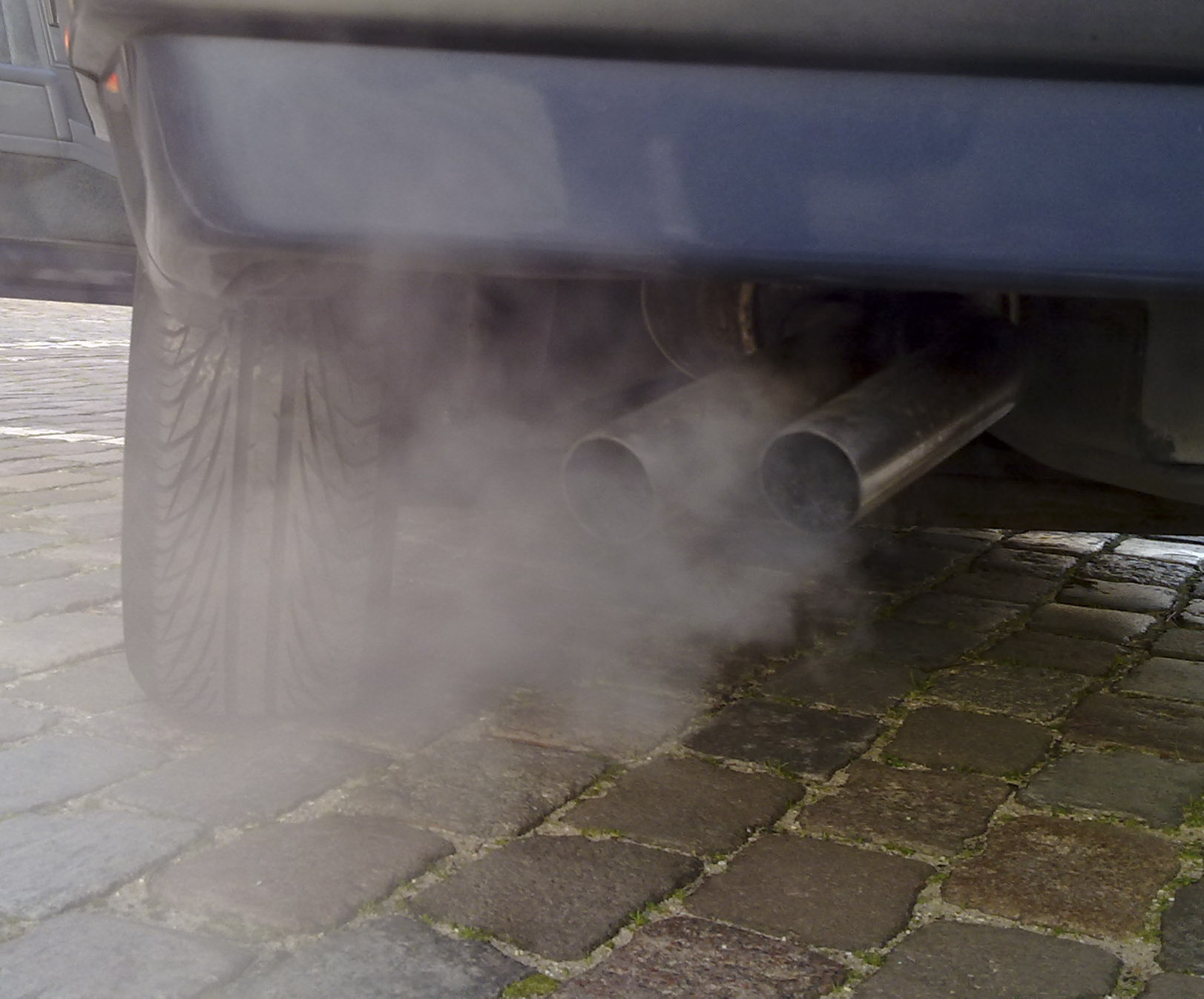
Why Is White Smoke Coming from My Exhaust?
White smoke is almost always coolant-related. When coolant leaks into the combustion chamber, it burns and turns to steam, which exits your tailpipe as white smoke. Here’s what’s likely happening:
1. Blown Head Gasket
The most common culprit. The head gasket seals the cylinder head to the engine block. When it fails, coolant can leak into the cylinders. I’ve seen this happen most often in high-mileage vehicles or cars that have over heated.
Pro Tip:If your car is overheating and you see white smoke, pull over immediately. Driving with a blown head gasket can warp your cylinder head, turning a $1,500 repair into a $4,000 nightmare.
2. Cracked Engine Block or Cylinder Head
Less common but far more serious. Extreme overheating or freezing can crack the engine block or cylinder head, allowing coolant to seep into the combustion chamber. This is often a death sentence for the engine unless you’re willing to drop serious cash on a rebuild.
3. Faulty Intake Manifold Gasket
Some engines (like the GM 3.1L and 3.4L V6) are notorious for intake manifold gasket failures. Coolant leaks into the intake ports and gets sucked into the cylinders. If you’ve got a GM vehicle from the late ‘90s to early 2000s, this is a likely suspect.
4. Coolant Leaking into the Exhaust System
If your exhaust manifold or a nearby gasket is leaking, coolant can drip onto hot exhaust components and turn to steam. This usually produces smoke under the hood rather than out the tailpipe, but it’s worth checking.
How to Diagnose White Smoke from Exhaust
Here’s how I diagnose white smoke in the shop. You can do most of these checks at home with basic tools.
Pop the hood and look at the coolant reservoir. If it’s empty or low, you’ve got a leak somewhere. Top it off and monitor it for a few days. If it disappears again, you’ve confirmed a leak.
Pull the dipstick. If the oil looks like a chocolate milkshake (creamy and brown), coolant is mixing with it. This is a sure sign of a blown head gasket or cracked block.
Rent or buy a coolant pressure tester (about $40 on Amazon). Pressurize the system to 15 PSI and watch for leaks. If the pressure drops without an external leak, it’s likely leaking into the combustion chamber.

With the engine cold, remove the radiator cap and start the engine. If you see bubbles or smell exhaust fumes, combustion gases are leaking into the cooling system—a classic sign of a blown head gasket.
A block tester (about $50) checks for exhaust gases in the coolant. If the fluid in the tester turns yellow, you’ve got a blown head gasket or cracked block.
Tools & Materials You’ll Need
If you’re tackling this yourself, here’s what you’ll need:
- Coolant pressure tester($40-$60, available at AutoZone or Amazon)
- Block tester($50-$80, available at most auto parts stores)
- Basic hand tools(ratchets, sockets, screwdrivers)
- Torque wrench(critical for head gasket jobs—don’t skip this!)
- Gasket scraper(for cleaning surfaces if you’re replacing a gasket)
- New head gasket set(if diagnosed as the issue—stick with OEM or high-quality aftermarket like Fel-Pro or Mahle)
- Coolant(check your owner’s manual for the correct type)
Cost Analysis: DIY vs. Professional Repair
DIY Costs
Head Gasket Replacement:$200-$500 (parts only, depending on vehicle)
Tools:$100-$200 (if you don’t already have them)
Total DIY Cost:$300-$700
Professional Repair Costs
Head Gasket Replacement:$1,200-$2,500 (labor-intensive job)
Cracked Block or Head:$2,500-$4,000+ (often requires engine replacement)
Intake Manifold Gasket:$300-$800
I’ve seen DIYers save $1,000+ by doing the job themselves, but it’s not for the faint of heart. If you’re not experienced with engine work, this is one repair I’d recommend leaving to the pros.
FAQs About White Smoke from Exhaust
Can I drive my car if it’s puffing white smoke?
If it’s just a little smoke at startup and your temperature gauge is normal, you might be okay for a short drive. But if it’s billowing smoke and over heating, stop driving immediately. You risk severe engine damage.
How much does it cost to fix a blown head gasket?
For a professional job, expect to pay $1,200-$2,500, depending on your vehicle. DIYers can do it for $300-$700, but it’s a 10-15 hour job if you’re not experienced.
Related Engine Diagnostics Guides
- How to Clean an EGR Valve: Step-by-Step Guide for P0401 & Carbon Build up
- EGR Valve Diagnosis – What you Need to Know
- EGR Valve Problems: Symptoms Causes and Fixes
- Hard Starting Engine: Diagnosis and Repair
- Car Stalls at Idle: Troubleshooting Guide
- Engine Stalling: Common Causes and Solutions
- Engine Hesitation When Accelerating: Diagnosis Guide
- Idle Air Control Valve Problems and Solutions
Can a bad thermostat cause white smoke?
No, but a bad thermostat can cause overheating, which can lead to a blown head gasket. If your car is running hot, replace the thermostat ASAP—it’s a $20 part and a 30-minute job.
Top White Smoke From Exhaust – Our Picks



Final Thoughts
White smoke from your exhaust is a serious issue, but it’s not always a death sentence for your engine. If you catch it early, you might get away with a relatively simple repair. If you ignore it, you could be looking at a new engine.
If you’re a DIYer, I’d only recommend tackling a head gasket job if you’ve got experience with engine work. For everyone else, find a reputable shop and get it diagnosed ASAP. And remember: if your car is over heating, stop driving and get it towed. It’s not worth the risk.
I’ve seen too many cars totaled because someone ignored white smoke. Don’t let that be you. Diagnose it, fix it, and get back on the road with peace of mind.