EGR Valve Problems: Symptoms Causes and Fixes
What Is Exhaust Gas Recirculation and Why Does It Matter?
The EGR system takes a small portion of spent exhaust gases and routes them back into the intake manifold. Think of it like diluting strong coffee with a splash of already-brewed stuff. It lowers combustion temperatures. That cuts down on nitrogen oxides, or NOx, that cause smog.
Without a working EGR, your engine runs hotter than it should. That leads to pinging under load. Higher emissions follow. Over time, potential damage to pistons or valves from detonation becomes a real risk. Modern cars rely on the EGR system to pass emissions tests too.
I have pulled apart engines where ignored EGR valve problems let things get so hot the head gasket blew. Fix it early, and you save yourself a lot of grief.
Common Symptoms of EGR Valve Problems
Here is what I hear from customers all the time. And here is what I look for first.
- Rough idle: The engine shakes or surges at stoplights, especially when cold.
- Poor acceleration: Hesitation or lack of power when you step on the gas, like the engine is holding back.
- Check engine light: Almost always P0401 (insufficient EGR flow). Sometimes P0400 or related codes.
- Engine pinging or knocking: That rattling sound under load means combustion temps are too high.
- Failed emissions test: High NOx readings are a dead giveaway.
- Worse fuel economy: The engine works harder without proper recirculation.
If you are dealing with a rough engine idle or poor acceleration causes, a bad EGR valve is high on my suspect list. Grab a scanner and check for common check engine light codes like P0401 before throwing parts at it.
Why EGR Valves Get Clogged
Exhaust is dirty. It is full of carbon soot, especially on older vehicles or cars driven mostly on short trips. Over 50,000 to 100,000 miles, that junk builds up in the valve pintle, passages, and ports. The valve sticks closed most of the time. Sometimes it sticks open.
Fords from the early 2000s were notorious for DPFE sensor failures triggering false P0401 codes. Hondas and Toyotas often clog the intake ports solid. I have drilled out carbon bricks thicker than my thumb on Honda Accords.
Tools and Materials List
Must-Have Tools:
- Socket set (10mm and 12mm most common, check your model)
- Ratchet and extensions
- Torque wrench (for reinstall)
- OBD-II scanner ($20 to $50 on Amazon)
- Carb cleaner or dedicated EGR cleaner ($8 to $15, AutoZone or Amazon)
- Wire brush or old toothbrush
- Shop vac or compressed air
- Gloves and safety glasses
Nice to Have:
- Hand vacuum pump (to test valve operation, around $30)
- Pipe cleaners for small ports
- New EGR gasket ($5 to $15)
Total DIY tool cost if starting from scratch: under $100.
Safety First
- Always let the engine cool completely. Exhaust parts get screaming hot and stay that way for hours.
- Work in a well-ventilated area. Carb cleaner fumes are no joke.
- Wear gloves and eye protection. Carbon soot is nasty and cleaner sprays everywhere.
- Disconnect the battery if your EGR is electronic to avoid shorts.
- If the engine runs terribly or you smell exhaust inside the car, stop driving. Could be a stuck-open valve dumping exhaust into the intake.
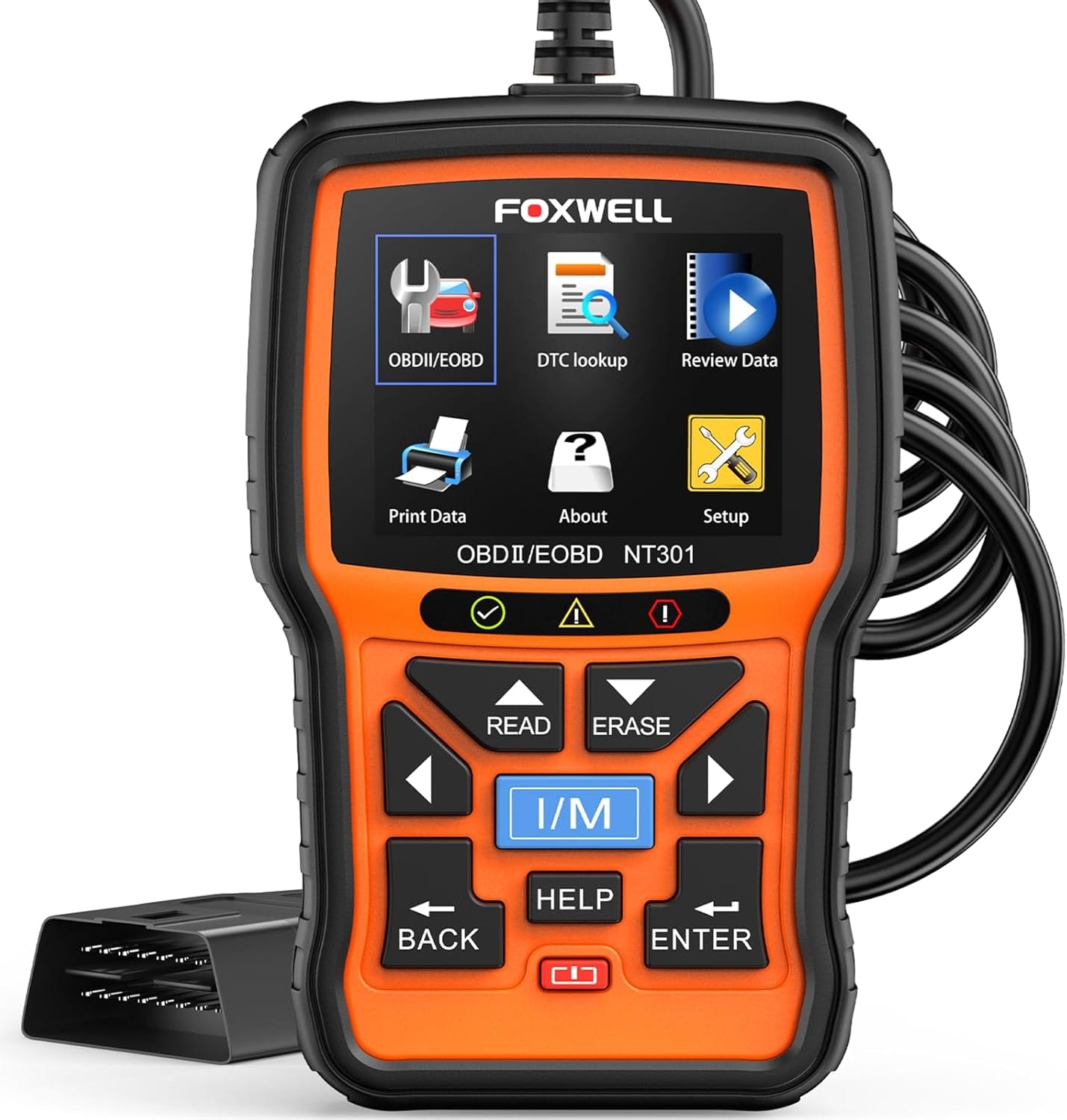
Foxwell NT301 OBD2 Scanner
Reads generic and manufacturer-specific codes, shows live data, runs I/M readiness checks. Crisp screen, print function via micro-USB. Perfect for reading P0401 and related EGR codes at home.
How to Diagnose EGR Valve Problems
- Scan for codes.
P0401 is the big one. P0400, P0402, or P0404 may also appear depending on the failure mode. - Visually inspect vacuum lines.
Look for cracks or splits on older vacuum-operated EGR systems. A cracked hose can mimic a bad valve. - Test the valve with a hand pump.
Unplug the vacuum hose if applicable. Apply vacuum with a hand pump. The diaphragm should move smoothly. Engine RPM should drop if running. - Check for movement.
If no change in RPM occurs, the valve is stuck or the passages are clogged. Time to pull it apart.
For more detailed steps, see my guide on EGR valve diagnosis.
Step-by-Step: Cleaning Your EGR Valve
Time estimate: 1 to 3 hours depending on access.
- Prepare the vehicle.
Park on level ground. Let the engine cool completely. Disconnect the battery negative terminal. - Locate the EGR valve.
Usually on or near the intake manifold. Look for a metal valve with a vacuum or electrical connector, bolted with 2 to 4 bolts. - Remove connectors and hoses.
Remove the electrical connector if present. Disconnect the vacuum hose. Label everything if you are not sure where it goes back. - Unbolt the valve.
Usually 10mm or 12mm bolts. Catch any loose gasket pieces. Do not let debris fall into the intake.
Do not force stuck bolts. Spray penetrant and let it soak for 10 minutes. Forced bolts strip threads or break off in aluminum intakes.
- Inspect the valve.
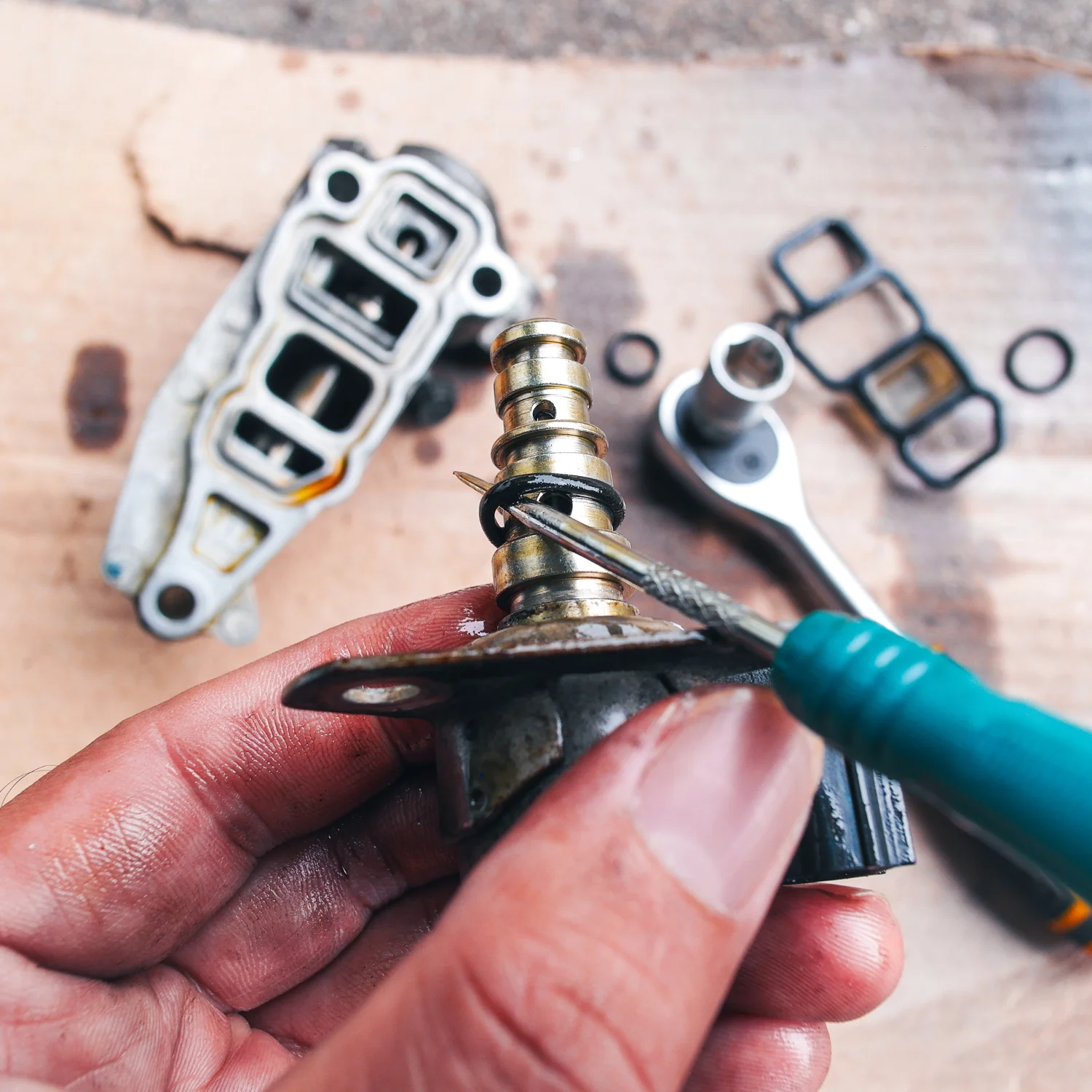
If the pintle, the little plunger, is caked in black carbon, that is your culprit. Check the mounting surface too. - Soak with cleaner.
Spray liberally with EGR cleaner or carb cleaner. Let it soak for 10 to 15 minutes. The carbon needs time to soften. - Scrub thoroughly.
Use a wire brush or old toothbrush. Pipe cleaners work great for small ports. Repeat until the metal is clean and shiny. - Clean the passages.
Clean the mounting surface on the intake and the EGR passages. Carbon buildup here is common, especially on Honda and Toyota engines.
Carbon buildup in passages often looks like hard black rock. Scrape carefully with a plastic scraper first. Metal tools can gouge aluminum surfaces.
- Reinstall with care.
Use a new gasket if the old one is damaged. Torque bolts to spec, usually 15 to 20 ft-lbs. Check your factory service manual. - Test and verify.
Reconnect everything. Clear the codes with your scanner. Take it for a test drive. Monitor for the check engine light.
After cleaning, drive 50 to 100 miles mixed city and highway. Let the computer relearn. The light might stay on for a few drive cycles before it clears permanently.
For full instructions with photos, check clean EGR valve.
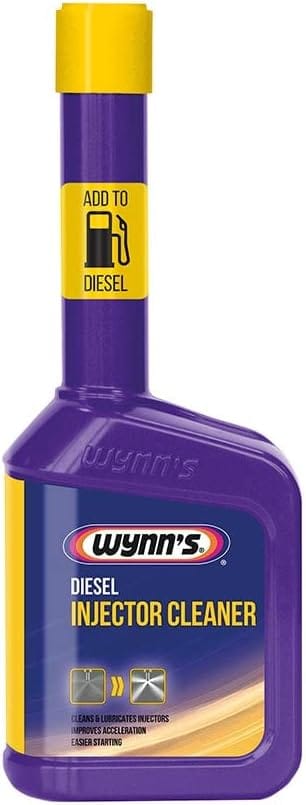
Wynn’s Diesel EGR System Cleaner Aerosol
Powerful jet spray dissolves carbon, tar, and varnish from EGR valves and intake passages. Restores engine performance and prevents starting issues. 150ml can covers one thorough cleaning.
When Cleaning Is Not Enough — Replacement Options
If the valve diaphragm is torn, the pintle is broken, or the valve still will not move freely after cleaning, replace it.
OEM vs aftermarket: I have installed both. Genuine Honda, Toyota, and Ford parts last longest. I have seen aftermarket EGR valves fail in under 20,000 miles. Good aftermarket brands like Standard Motor Products or Delphi are solid and cost about half the price of OEM.
| Option | Parts Cost | Labor (Shop) | Total |
|---|---|---|---|
| DIY Cleaning | $20–$50 | $0 | $20–$50 |
| DIY Replacement (Aftermarket) | $100–$250 | $0 | $100–$250 |
| DIY Replacement (OEM) | $200–$400 | $0 | $200–$400 |
| Shop Replacement | $200–$500 parts | $200–$400 labor | $400–$900 |
Clean first. I have turned $800 shop quotes into $30 cleaner jobs more times than I can count. A clogged EGR valve does not always need replacement.
Cost Analysis: DIY vs Professional Repair in 2026
DIY cleaning saves hundreds and teaches you your car. Replacement is moderate difficulty. Most backyard mechanics handle it fine with basic hand tools.
Pro shops charge diagnostic time even when the problem is obvious. If passages are severely clogged, like some older Hondas, they might need manifold removal. Then it is worth paying a shop to do the job right.
The average shop bill for EGR valve replacement in 2026 runs $400 to $900 depending on vehicle and location. DIYers can cut that to $100 to $400 by doing the work themselves.
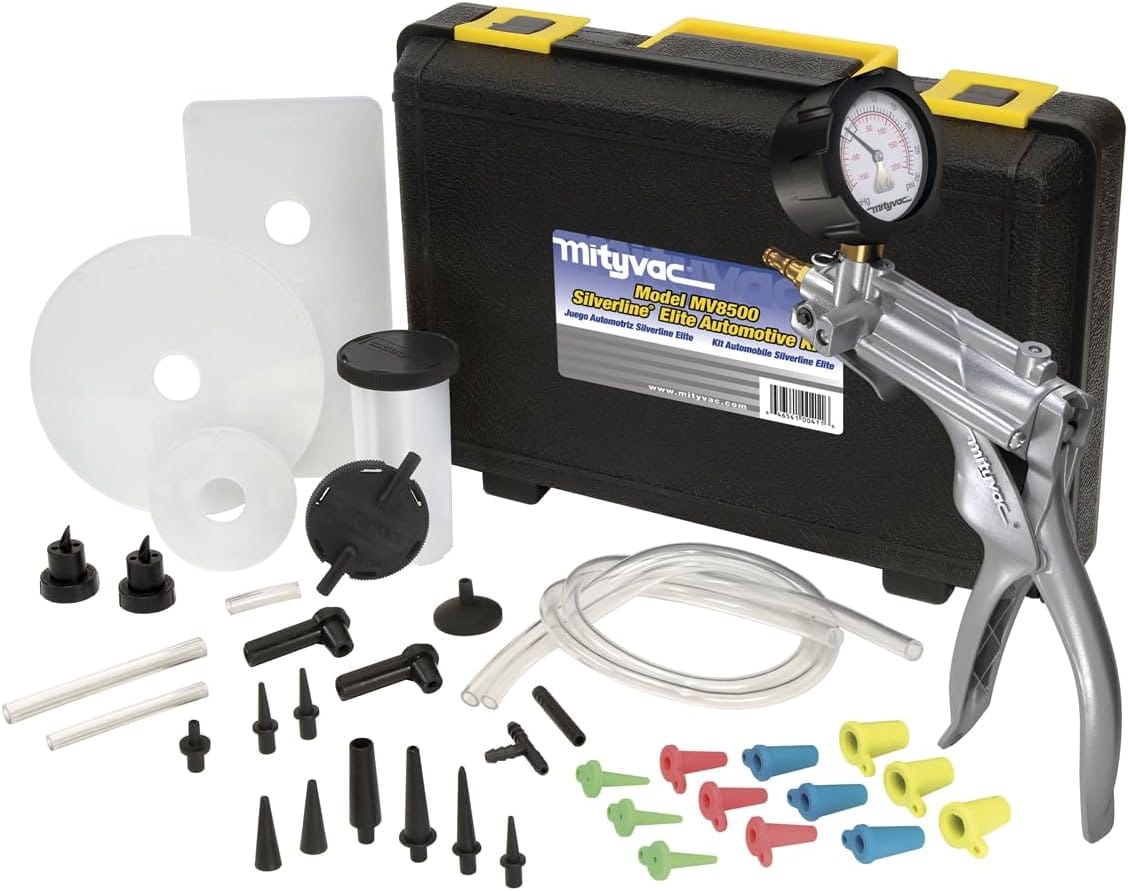
Mityvac MV8500 Silverline Elite Hand Vacuum Pump
Essential for testing EGR valve diaphragm operation, brake bleeding, and vacuum system diagnostics. Includes gauge, hoses, and adapters. A must-have for any DIYer chasing EGR or vacuum-related issues.
FAQ: Real Questions from the Shop
-
How much does EGR valve replacement cost?
DIY replacement runs $100 to $400 depending on OEM or aftermarket parts. Shop replacement costs $400 to $900 including labor and diagnostic fees. Cleaning first can drop that to $20 to $50 if carbon buildup is the only issue. -
Can a clogged EGR valve cause rough idle?
Absolutely. It is one of the top causes I see in the shop. A stuck-closed valve raises combustion temps. A stuck-open valve dumps too much exhaust into the intake. Both cause rough idle, hesitation, and poor performance. -
Will cleaning the EGR valve fix P0401?
In about 80 percent of cases I have handled, yes. Especially if the intake passages are cleaned too. If the valve diaphragm is torn or the pintle is damaged, cleaning will not help. Then replacement is the only fix. -
Is it safe to drive with EGR problems?
Short term, maybe. Long term, no. Pinging from high combustion temps can damage pistons and valves over time. You will also fail emissions testing. If you smell exhaust inside the car, stop driving immediately. A stuck-open valve can be dangerous. -
How often should I clean the EGR valve?
Every 50,000 miles as preventive maintenance, or whenever symptoms show up. Short-trip driving accelerates carbon buildup. Highway miles help keep the system cleaner longer. Diesels typically need more frequent attention than gas engines. -
OEM or aftermarket EGR valve — which is better?
OEM for longevity. Genuine Honda, Toyota, and Ford EGR valves typically outlast aftermarket units by years. Good aftermarket brands like Standard Motor Products or Delphi are solid alternatives and cost about half the price. Avoid no-name eBay specials. -
Can a bad EGR valve damage the catalytic converter?
Indirectly, yes. A stuck-open EGR valve can cause rich running or misfires. That overloads the catalytic converter with unburned fuel. Over time, the cat can overheat and fail. Fix the EGR issue early to protect the rest of the emissions system. -
What is the P0401 code and what does it mean?
P0401 means insufficient EGR flow detected. The engine computer expected a certain amount of exhaust gas recirculation and did not get it. Causes include a clogged valve, blocked passages, a failed DPFE sensor, or a vacuum leak in the control circuit.
A Mechanic’s Take
EGR valve problems are common but rarely catastrophic if caught early. A clogged EGR valve throws P0401, causes rough idle, poor acceleration, and that annoying check engine light. But cleaning often brings the engine back to life for pocket change.
This job is moderate difficulty. Perfect for DIYers with basic tools and patience. You will save hundreds over shop prices. You will learn your car better. And you will drive smoother knowing you fixed it yourself.
From one wrench-turner to another, tackle that EGR before it tackles your wallet. Your engine will thank you with cooler running temps, better mileage, and no more pinging.