
Timing Chain Replacement Cost: What to Expect in 2025
It was a rainy Tuesday morning in November—the kind where the shop floor is perpetually damp and the grease on your hands feels extra cold. A customer rolled in with a 2014 Chevy Equinox, looking panicked. He said it sounded like a bag of marbles got dumped into his engine when he started it up.
I popped the hood and listened. That distinctive, diesel-like rattle at idle that disappeared as the RPMs climbed? I knew exactly what it was before I even pulled the codes. I grabbed a stethoscope, touched it to the valve cover near the timing chain area, and the noise hammered my ears.
It was a failed timing chain tensioner on the GM 3.6L V6. The chain had stretched, the guides were likely shattered, and the engine was seconds away from jumping time. When I told him the news, his face went pale. He asked the one question every customer asks: “How much is the timing chain repair cost going to be?”
It’s a tough conversation to have. Unlike a timing belt, which has a set interval, timing chains are sold as “lifetime” components. We know that’s marketing nonsense. As an ASE Master Tech, I’m here to walk you through why this costs what it costs, why you shouldn’t ignore that rattle, and whether you should attempt this job yourself.
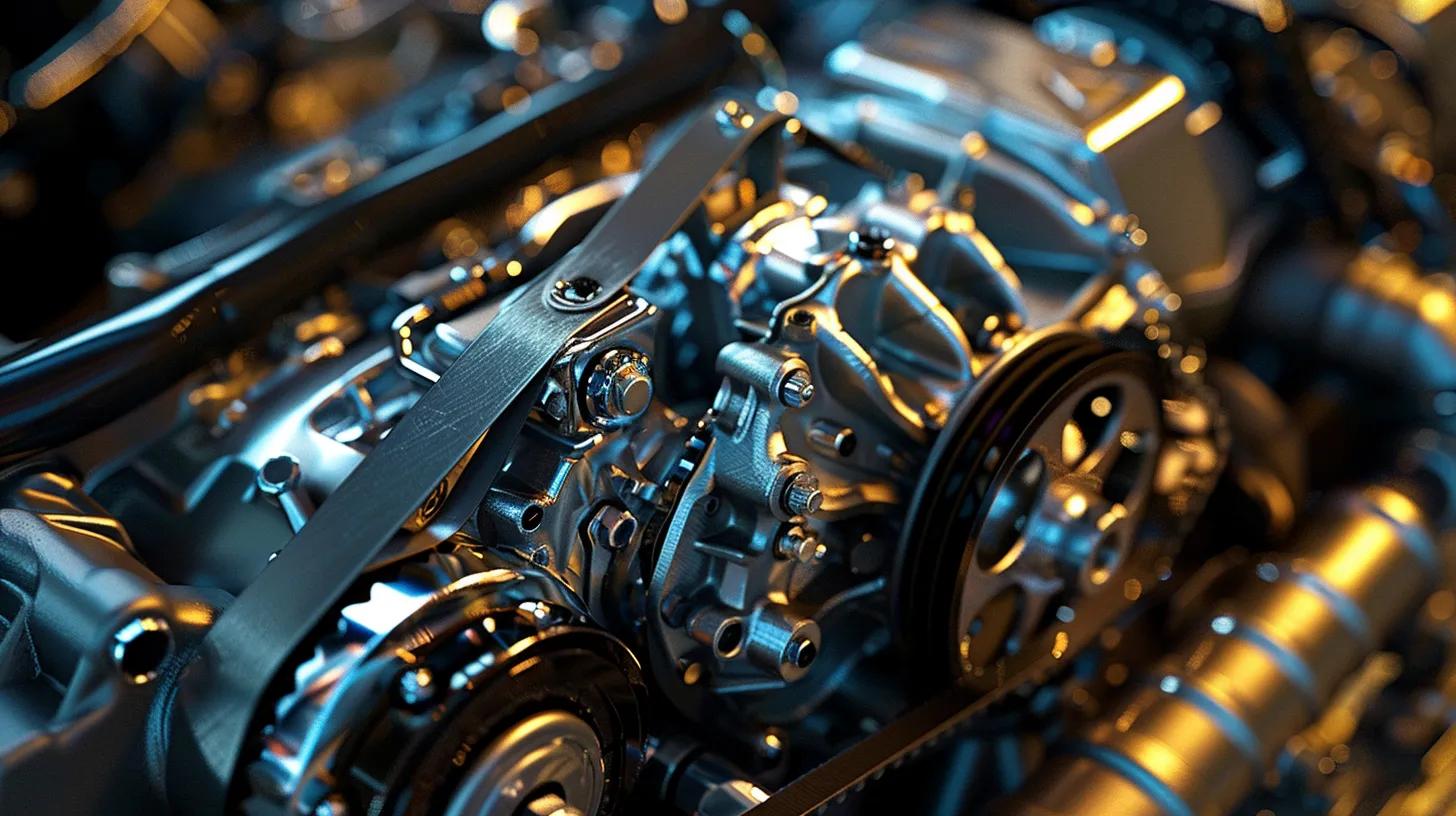 Replacement Cost: What to Expect in 2025″ width=”1456″ height=”816″ />
Understanding the Beast: Chain vs. Belt
Before we talk money, let’s clarify what you’re paying for. If you are confused about the difference between these two systems, you are not alone. Many people ask me about the differences when they hear the labor price tag.
I often tell customers to check out this comparison: Learn about [timing chain problems,chain vs belt comparison, timing belt costs](timing-chain-problems, timing-chain-vs-timing-belt, timing-belt-replacement-cost) before starting. It clears up a lot of confusion.
Here is the short version:
- Timing Belt:Rubber, toothed belt. Needs replacement every 60k-100k miles. Usually cheaper to service because it’s on the outside of the engine.
- Timing Chain:Metal roller chain (like a bicycle chain). Located *inside* the engine. Lubricated by engine oil. Technically lasts longer, but when plastic guides fail, the chaos is catastrophic.
Most modern cars (2000+) use chains. They are durable, but the tensioners and guides are often made of plastic and plastic degrades. When the plastic gives way, the metal chain slaps against the metal engine block. That’s the “marbles” noise.
Technical Specifications: What Makes It So Expensive?
The timing chain service cost isn’t high because the parts are gold-plated. It’s high because of where they live. The timing chain is the heartbeat of the engine; it synchronizes the crankshaft (pistons) and camshafts (valves).
Typical Specifications (Generic Examples – Always Verify)
While every engine is different, here is a look at a common engine we see in the shop, like the GM LFX 3.6L V6, to give you an idea of the precision required:
- Primary Chain Pitch:3/8 inch (9.525 mm)
- Camshaft Gear Torque:Often requires a high-strength thread locker and torque-to-yield specifications (e.g., 45 ft-lbs + 90 degrees).
- Crankshaft Sprocket Bolt:Massive torque. Example: 74 ft-lbs + 150 degrees.
- Oil Pressure:Critical for operation. Tensioners are hydraulic. If your oil pressure drops below 7 PSI at idle (varies by engine), the chain rattles.
Warning:Most modern engines are “interference engines.” If the chain breaks or jumps a tooth, the pistons slam into the open valves. You aren’t just paying
OEM vs. Aftermarket: The Parts Gamble
OEM vs. Aftermarket: Details
When you get the quote, you might see an option for “OE Quality” or “Aftermarket.” Let me be brutally honest:I have seen this fail after 60,000 miles.
Specifically, I remember a customer who brought in a Ford F-150 with the 5.0L Coyote engine. He had the chains replaced at a “quick lube” place using cheap aftermarket kits. 18 months later, the cheap plastic guides disintegrated and clogged the oil pickup screen, starving the engine of oil.
Pro Tip:Stick to OEM (Original Equipment Manufacturer) chains and guides. Brands like Mahle, INA, or Cloyes (for domestics) are reputable. Avoid the $99 “economy” kits on eBay. The savings aren’t worth the risk of catastrophic engine failure.
Symptoms & Troubleshooting: When to Pay Attention
Don’t wait for the check engine light to come on, although that is usually step two. Here is the troubleshooting checklist I use in the bay:
Common Symptoms
- The Cold Start Rattle:You hear a metallic clatter for 2-5 seconds on startup, then it fades. This is the classic sign of a hydraulic tensioner bleeding down overnight or excess chain slack.
- Check Engine Light (P0016, P0017, P0340):These are “Cam/Crank Correlation” codes. The computer sees the camshaft slowing down or speeding up relative to the crank. It means the chain is loose or skipped a tooth.
- Rough Idle / Misfire:If the timing is off by just a few degrees, the engine runs poorly because the valves aren’t opening at the right time.
Diagnostic Procedure
- Listen:Use a mechanic’s stethoscope (or a long screwdriver). Place it on the timing cover while the engine idles. Do you hear a slapping rhythm?
- Scan:Check for OBD-II codes. P0008 to P0019 are your red flags for timing position faults.
- Inspect Oil Pressure: Low oil pressure can cause tensioner failure. If your gauge reads low, fix that first.
The Cost Analysis: Breaking Down the Bill
Why does thetiming chain labor costhurt so much? Because the timing chain is usually buried behind the water pump, the front cover, the harmonic balancer, the serpentine belt, and often the intake manifold. We essentially have to disassemble the front half of the engine to get to it.
Professional Service Pricing
| Vehicle Type | Labor Hours | Parts Cost (Est.) | Total Cost Range |
|---|---|---|---|
| 4-Cylinder (e.g., Honda Civic, Toyota Corolla) | 4 – 6 hours | $250 – $450 | $700 – $1,300 |
| V6 Transverse (e.g., Ford Edge, Chevy Traverse) | 7 – 10 hours | $400 – $700 | $1,600 – $2,500 |
| V8 Truck/Performance (e.g., BMW 550i, Ford F-150) | 10 – 15+ hours | $600 – $1,200 | $2,500 – $4,500+ |
*Note: These estimates include fluids, seals, and gaskets. Prices vary by region (Shop rates in NYC are higher than in rural Ohio).
DIY Cost Breakdown
Can you do this yourself? If you own a 4-cylinder with the chain exposed under the valve cover (like some older Hondas), yes. If you have a German V8 buried in the engine bay, you might want to reconsider.
| Item | Estimated Cost |
|---|---|
| Timing Chain Kit (Chain, Guides, Tensioners, Gaskets) | $150 – $600 |
| Coolant & Engine Oil | $60 – $100 |
| Harmonic Balancer Puller (Rental/Purchase) | $40 – $80 |
| Total DIY Cost | $250 – $800 |
Step-by-Step Guide: The Mechanic’s Method
CRITICAL SAFETY WARNING:This is a “critical engine” job. If you make a mistake and the timing is off by one tooth, you can bend valves instantly. This is a difficult job rated 8/10 for most DIYers. If you are unsure, stop and call a professional.
Step 1:Disconnect the Battery and Drain Fluids.
Always start with safety. Disconnect the negative terminal. You will likely need to drain the coolant because the radiator hoses or water pump are in the way.
Step 2:Access the Front Cover.
This is the hardest part. You need to remove:
- Serpentine belt and tensioner.
- Upper radiator hose (and possibly lower).
- Harmonic balancer (crank pulley).Note: You need a specific puller for this. Do not hammer it.
- Accessory brackets (alternator, A/C compressor).
- Valve covers (often need removal to access cam hold-downs).
Step 3:Align Timing Marks (Crucial!)
Before removing the chain, rotate the engine to Top Dead Center (TDC) on Cylinder 1.
[Image Description: Crank pulley mark aligning with the TDC mark on the timing cover.]
Look at the camshafts. There should be dots or lines on the cam gears that align with marks on the rear cover or the head.Lock the engine in placeso it cannot rotate. We use cam locking tools for this (available for rent at AutoZone for common models). If you don’t have locking tools, you can use a specialized pin or white paint, but locking tools are infinitely safer.
Step 4:Remove Timing Cover and Chain.
Unbolt the timing cover. The RTV sealant can be stubborn. Be careful not to gouge the aluminum mating surface.
Remove the tensioner first to release pressure. Slide off the chain.
[Image Description: Old timing chain showing slack and wear, compared to a new one.]
Step 5:Installation.
Install the new guides first. Then install the chain.
The Golden Rule:Ensure the colored links on the new chain align exactly with the marks on the cam gears and crank gear. If you are off by one tooth, the engine will not run.
Step 6:Tension and Seal.
Compress the new tensioner (usually using a push pin to hold it), install it, then pull the pin. Apply a continuous 2-3mm bead of high-quality RTV silicone to the timing cover groove. Use a torque wrench on the cover bolts (usually 8-10 ft-lbs—do not over-tightenor you will crack the plastic).
Step 7:Reassembly.
Put everything back together in reverse order. Refill fluids.
Step 8:The “Start Up” Test.
Before starting, crank the engine over for 10 seconds with the fuel pump disabled or ignition coils unplugged. This builds oil pressure without the engine firing. This ensures the tensioner fills with oil immediately.
Reconnect everything. Start the engine. Listen. It should start immediately and purr smoothly. No rattles.
Tools & Materials List
You can’t do this with a 10mm socket and a hammer. Here is what you need.
Must-Have Tools
- Torque Wrench (ft-lbs and inch-lbs):Non-negotiable.
- Breaker Bar (1/2″ drive):For the crank pulley bolt.
- Harmonic Balancer Puller:Make sure it fits your specific crank bolt thread pitch.
- Socket Set:Metric and SAE, usually 10mm-19mm.
- Screwdrivers & Pry Bars:For scraping gaskets.
- RTV Silicone:Use only the specific OEM recommended (usually grey or black anaerobic).
Nice-to-Have (But Smart to Rent)
- Camshaft Alignment/Locking Tools:Makes the job 1000% easier.
- Pickle Fork / Separator:For ball joints if you have to remove suspension parts (on some cars).
FAQ Section: Questions I Hear Every Day
Q: Is a timing chain replacement part of regular maintenance?
A: Technically, no. Manufacturers often call it a “lifetime” part. However, I recommend inspecting it around 100,000 miles. If you hear a rattle, address it immediately. Unlike a belt, there is no set schedule, but preventative maintenance beats a blown engine.
Q: Can I drive with a bad timing chain?
A: Short distances, very carefully, maybe. But you are gambling with your engine. If the guide breaks completely, the chain jumps teeth, and the engine stops. It won’t just leave you stranded; it will destroy the engine. Tow it to the shop.
Q: Why does the water pump need replacing at the same time?
A: Access. The water pump is usually behind the timing cover or driven by the timing chain. If we put a new chain in but leave a 100,000-mile water pump, and it leaks next month, we have to tear the whole job down again. The labor overlap is 100%, so do the pump now to save money later.
Q: How long does a new timing chain last?
A: A high-quality OEM replacement should last 150,000 to 200,000 miles, provided you change your oil regularly. Oil contamination is the #1 killer of timing chains.
Conclusion
Let’s be real: Facing atiming chain replacement costis a bitter pill to swallow. It’s expensive, time-consuming, and complex. Whether you pay a shop $3,000 or spend your weekend wrestling with a harmonic balancer, it’s a necessary evil to keep your car on the road.
If you are an experienced DIYer with a 4-cylinder car, grab a manual, rent the tools, and save yourself the labor. You can knock this out in a Saturday. If you have a complex V6 or V8, this might be the time to let the pros handle it. The risk of a timing mistake is simply too high on an interference engine.
From my perspective on the shop floor, the most important thing is not to ignore the noise. A rattle at startup is a plea for help. Catch it early, and you might just replace a tensioner. Wait too long, and you’re paying for a new car.
Stay safe, keep your oil clean, and turn those wrenches.
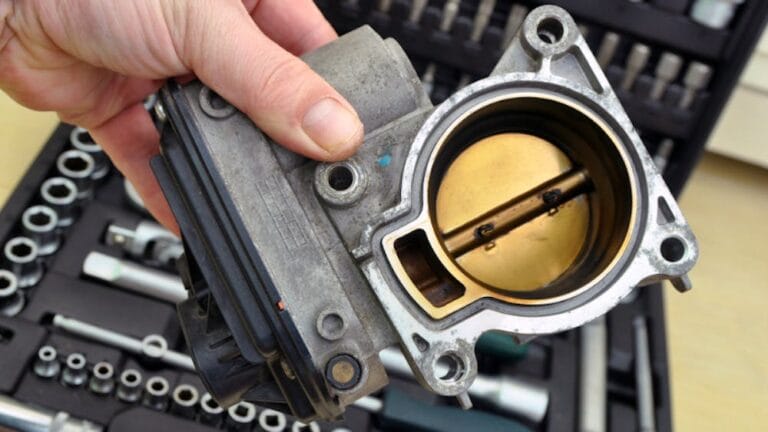
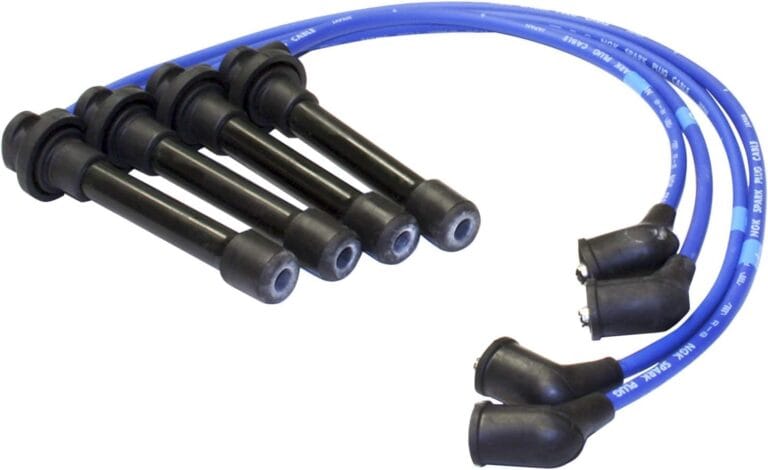
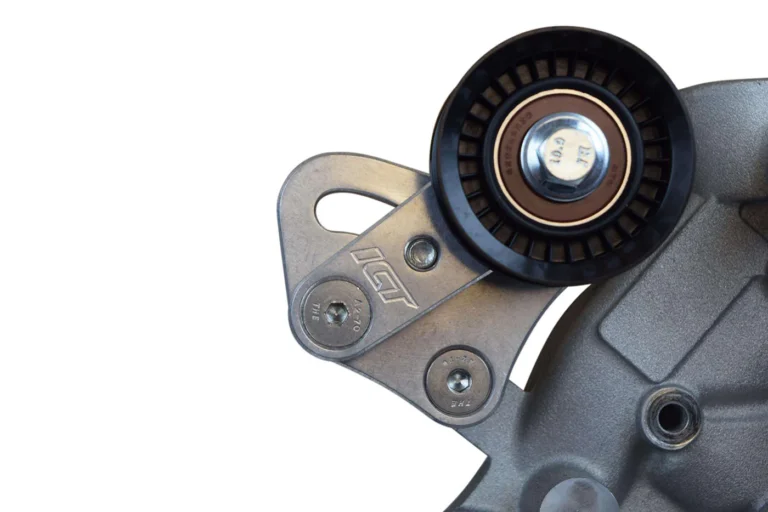
Top Timing Chain Replacement Cost – Our Picks
Check Price on Amazon
Check Price on Amazon
Check Price on Amazon
Check Price on Amazon