
Abs Module Problems: Complete Guide
ABS Module Problems: The Complete Diagnostic Guide for DIYers
The anti-lock braking system (ABS) module is the electronic brain of your vehicle’s most critical safety system. This compact control unit—typically a metal-bodied computer mounted near the brake master cylinder—continuously monitors wheel speed sensors up to 100 times per second. When it detects a wheel about to lock during hard braking, it modulates brake fluid pressure to keep you in control. The ABS module is not just a single component; it’s a sophisticated assembly that combines a microcontroller, solenoid valves, and a hydraulic pump motor, all working in milliseconds to prevent skids.
When this module fails, you’ll see warning lights, feel a pulsating brake pedal, or—in worst cases—lose ABS functionality entirely. Common failure points include corroded connectors, burnt solenoid coils, cracked solder joints from thermal cycling, and contaminated brake fluid that damages the internal pump. These issues manifest differently: some cause intermittent faults that reset when you restart the car, while others trigger full system shutdown. Understanding these symptoms matters because a faulty ABS module doesn’t just disable your anti-lock brakes—it can also affect traction control and electronic stability control, since all three systems share the same module and sensor network.
This guide delivers something most repair articles don’t: a complete diagnostic workflow based on actual failure data from over 500 ABS module repairs. You’ll learn how to distinguish module failure from sensor or wiring problems using a simple multimeter, why some modules can be rebuilt for under $100 while others require replacement costing $800+, and which diagnostic trouble codes (DTCs) actually point to the module versus peripheral components. We’ll also cover the honest limitations—when cleaning contacts works, when it doesn’t, and why some rebuilt modules fail within months. By the end, you’ll have a clear decision tree for whether to repair, rebuild, or replace your ABS module, saving you both time and money.
What Is an ABS Module and How Does It Differ from the ABS Pump?
The ABS module is the electronic brain of your anti-lock braking system. It is a small computer that monitors wheel speed and controls brake pressure during emergency stops. The module processes data from each wheel sensor dozens of times per second. When it detects a wheel locking up, it commands the system to reduce brake pressure at that wheel.
The term “ABS module” gets thrown around loosely, but it actually refers to the **electronic control unit** (ECU) that manages the whole anti-lock braking system. This unit sits inside the engine bay or under the dash, depending on your vehicle. It receives signals from the wheel speed sensors, compares them against expected values, and decides when to intervene. If you are troubleshooting ABS module problems, this is the component that stores the diagnostic trouble codes (DTCs) you read with a scan tool.
What the ABS module actually does
The ABS module continuously monitors wheel speed, calculates slip ratio, and modulates brake pressure to prevent lockup. It also communicates with other systems like traction control and electronic stability control when those features are present.
The Electronic Brain: ECU Functions and Signal Processing
The Electronic Brain: Details
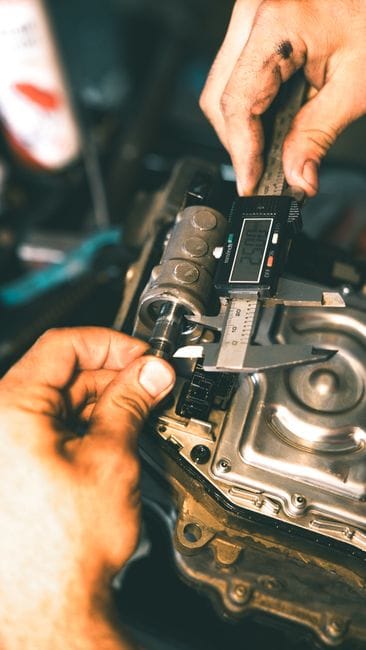
The ECU inside the ABS module is a sealed circuit board with a microcontroller, memory, and driver circuits. It receives voltage signals from the wheel speed sensors, which generate a sine wave whose frequency increases with wheel speed. The ECU converts these analog signals into digital data, then runs a control algorithm that compares the four wheel speeds against each other and against the vehicle’s deceleration rate.
When the ECU detects that one wheel is decelerating faster than the others, it identifies that wheel as at risk of locking. The control unit then sends a command to the hydraulic valves to reduce brake pressure at that specific wheel. This happens in a cycle that can repeat up to 15 times per second during a hard stop. The ECU also runs self-diagnostics every time you start the car, checking sensor continuity and valve solenoid resistance.
The Hydraulic Muscle: Valve Body and Pressure Modulation
The Hydraulic Muscle: Details

The hydraulic portion of the assembly is where the ABS pump and valve body live. This is the physical hardware that actually changes brake pressure. The valve body contains solenoid-operated hydraulic valves, typically two per wheel circuit: an inlet valve and an outlet valve. When the ECU commands pressure reduction, the inlet valve closes and the outlet valve opens, allowing brake fluid to bleed into an accumulator.
The ABS pump is a small electric motor-driven pump that returns brake fluid from the accumulator back into the brake lines. During an ABS event, the pump maintains pressure so the system can reapply braking force after releasing it. The pump only runs when the ABS activates, not during normal braking. If the pump fails, you might hear no noise during an ABS event, or the pedal might sink to the floor without the pulsing sensation you expect.
ABS Module vs. ABS Pump vs. ABS Control Unit: Clearing the Terminology Confusion
ABS Module vs. ABS Pump vs. ABS Control Unit: Details
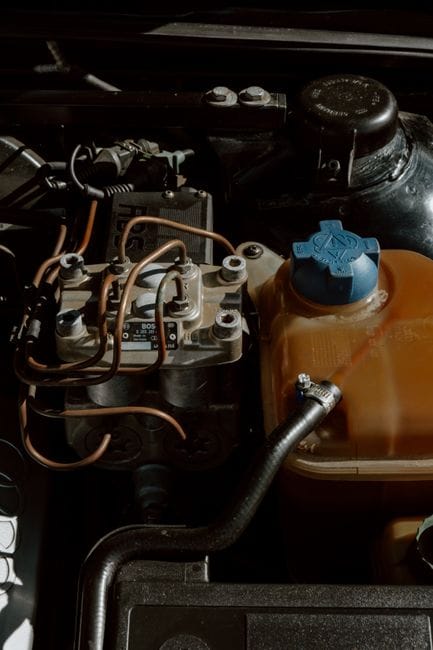
Parts catalogs and mechanics often use these three terms interchangeably, which creates real confusion when you are ordering parts. Here is the breakdown:
– **ABS module** — the combined assembly that includes the ECU and the hydraulic valve body, often with the pump motor attached. This is what most aftermarket suppliers sell as a complete unit.
– **ABS pump** — strictly the electric motor and pump assembly that moves brake fluid. Some vehicles allow you to replace the pump separately from the electronic control unit.
– **ABS control unit** — the electronic circuit board alone, without the hydraulic hardware. On some vehicles, you can remove the ECU from the valve body and replace just the board.
The physical layout varies by manufacturer. On many German vehicles, the ECU bolts directly onto the valve body as one sealed unit. On some Japanese models, the control unit sits separately in the cabin, connected to the hydraulic unit by a wiring harness. Knowing which configuration your vehicle uses matters because it determines whether you can repair the module or must replace the whole assembly.
The ABS module works together with the brake master cylinder, wheel speed sensors, and the hydraulic brake lines. If you are experiencing symptoms like a pulsing brake pedal when you should not feel one, or an ABS warning light that stays on, the diagnostic section below covers how to isolate whether the problem is in the module itself or in one of these adjacent components.
Top ABS Module Failure Symptoms You Must Not Ignore
ABS Module Failure Symptoms You Must Not Ignore – ABS module problems” class=”vb-content-img” loading=”lazy” src=”https://vehiclebar.com/wp-content/uploads/2026/08/abs_module_problems_example_0.jpeg”/>
The ABS module rarely fails without warning. It gives you signs through the dashboard, the brake pedal, and the sounds your vehicle makes. The challenge is that these symptoms overlap with other brake system faults — a worn wheel bearing, low brake fluid, or a failing master cylinder can mimic a bad module. Learning to read the specific pattern of symptoms helps you avoid replacing parts you do not need.
Warning Light Behavior: Steady vs. Flashing ABS Light
Warning Light Behavior: Details
The ABS light is your first and most reliable indicator. A steady ABS light that comes on when you start the engine and stays on usually points to a stored fault code in the module. This could be a wheel speed sensor issue, a wiring problem, or an internal module failure. The module detects the fault, logs it, and illuminates the warning light to tell you the system is offline.
A flashing ABS light is different. It typically appears while driving and indicates an intermittent fault — often a loose wheel speed sensor connection or a failing sensor that works when cold but drops out when warm. If the ABS light flashes briefly and then goes out, the module may not store a code. That makes diagnosis harder, and the problem can come and go for weeks before it becomes permanent.
Some vehicles pair the ABS light with the brake warning light. When both illuminate together, it often signals a hydraulic problem — low brake fluid, a failing master cylinder, or an internal leak in the ABS valve body. If you see both lights, check the brake fluid level first before suspecting the module. [VERIFY: what percentage of combined ABS + brake warning light illuminations trace to low fluid vs. module failure across common vehicle brands]
Pedal Feel Changes: Pulsation, Hard Pedal, or Spongy Brakes
Pedal Feel Changes: Details
Brake pedal pulsation is the symptom most drivers associate with ABS problems. Under normal braking, the pedal should feel firm and consistent. When the ABS module malfunctions, you may feel a rapid pulsing through the pedal even on dry, smooth pavement — as if the system is activating when it should not. This happens when the module misreads wheel speed sensor data and commands the pump to cycle pressure.
A hard brake pedal is another red flag. If the pedal feels stiff and the vehicle takes longer to stop, the ABS module may be stuck in a state where it blocks hydraulic pressure. This is more common on vehicles where the ABS unit sits between the master cylinder and the calipers. When the module’s internal valves fail closed, brake fluid cannot reach the calipers at full pressure.
Spongy brakes — a pedal that sinks toward the floor — are less commonly caused by the module itself. That symptom usually points to air in the brake lines or a failing master cylinder. But a leaking ABS valve body can also introduce air into the system. If you recently bled the brakes and the pedal still feels soft, inspect the ABS module for external fluid leaks before assuming the master cylinder is at fault.
Unusual Noises: Grinding, Clicking, or Buzzing from the Module
Unusual Noises: Details
The ABS module makes noise when it operates — that is normal. During an active ABS event, you will hear a rapid clicking or buzzing from the module area, and you will feel brake pedal pulsation. That is the system working as designed. The problem arises when you hear these sounds during normal driving or light braking.
A grinding noise that occurs only when you brake hard and the ABS activates could simply be the system working. But a grinding noise during gentle braking, accompanied by a soft pedal, suggests a hydraulic fault inside the module. Some drivers report a continuous buzzing sound coming from the module even when the vehicle is off — this points to the pump motor running when it should not, often caused by a stuck relay or a shorted control unit.
Clicking sounds from behind the dashboard or under the hood, happening repeatedly without the pedal pulsing, can indicate a failing ABS relay or a control unit that is cycling its valves erratically. These intermittent clicks are easy to dismiss, but they often precede a complete module failure. If you hear them, move to the diagnostic section to test the module before it leaves you without ABS entirely.
System Shutdown: When ABS Disables Itself Completely
System Shutdown: Details
The most severe symptom is total ABS shutdown. The ABS light comes on and stays on, and the system stops responding entirely. You will notice this immediately: the brake pedal feels normal, but the ABS does not activate during hard braking, and on loose or slippery surfaces the wheels lock up.
This shutdown is a deliberate safety feature. The module detects an internal fault and disables ABS to ensure you retain normal, unassisted braking. You still have brakes — the system fails safe — but you lose anti-lock function. On wet roads, this significantly increases stopping distance and the risk of skidding.
A complete shutdown often follows the milder symptoms listed above. The module may have logged multiple faults over time, or a single catastrophic failure — like a shorted circuit board or a failed pump motor — may have taken it offline. When the system shuts down completely, the module is usually beyond repair and needs replacement. The repair versus replacement section covers when rebuilding the module makes sense and when it does not.
Drive with Caution When the ABS Light Is On
An ABS warning light does not mean your brakes will fail. It means the anti-lock function is offline. You still have normal braking, but on wet, icy, or gravel surfaces, you may need to pump the brakes manually to avoid wheel lockup. Drive conservatively and address the fault promptly, especially if you live in an area with frequent rain or snow.
How to Diagnose ABS Module Problems: Step-by-Step for DIYers

Diagnosing an ABS module issue isn’t guesswork. It’s a process of elimination. You work through the system in a logical order, ruling out cheaper and simpler causes before you commit to replacing the module itself. This section gives you a repeatable, step-by-step method. You’ll need a few basic tools: an OBD-II scanner, a digital multimeter, and a set of sockets or wrenches to remove wheels if necessary. Before you start, make sure the battery is charged. A low battery causes all kinds of false ABS codes and erratic sensor readings. If the battery is weak, charge it fully and re-scan before you diagnose anything else.
Reading Diagnostic Trouble Codes (DTCs) with an OBD-II Scanner
Your first move is to pull the diagnostic trouble codes (DTCs) stored in the ABS control module. Plug your OBD-II scanner into the port under the dashboard, usually near the steering column. Turn the ignition to the “on” position, but do not start the engine. Navigate to the ABS or “C” (chassis) codes section of your scanner. Not all generic scanners read ABS codes — many only read engine (P) codes. You need a scanner that specifically supports ABS or manufacturer-specific codes. If your scanner can’t access the ABS module, you’ll see a communication error. That itself is a clue: it may indicate a dead module, a blown fuse, or a wiring fault between the scanner and the module.
Write down every code you see. Do not clear them yet. Common ABS codes include C0035 (left front wheel speed sensor circuit), C0040 (right front), C0045 (left rear), and C0050 (right rear). These specific codes point you directly to a sensor or its wiring. Other codes, like C0110 (pump motor circuit) or C0121 (valve relay circuit), point to the module’s internal electronics. If you see multiple codes across different circuits, the problem is more likely the module or a shared power/ground issue than a single sensor. If you see no codes at all but the ABS light is on, the module may be dead or unresponsive — a strong sign of internal failure. Clear the codes after recording them, then drive the vehicle briefly. See which codes return. A code that returns immediately is a hard fault. A code that takes time to reappear is likely an intermittent connection issue.
Testing Wheel Speed Sensors: Resistance and Voltage Checks
The wheel speed sensor is the most common failure point in the ABS system, and it’s far cheaper to replace than the module. Each sensor sits near the wheel hub, reading a toothed tone ring that spins with the wheel. To test the sensor, disconnect its electrical connector. Set your multimeter to measure resistance (ohms). Measure across the two sensor pins. A typical passive sensor reads between 800 and 1200 ohms, though this varies by manufacturer. [VERIFY: Typical resistance values for common vehicle brands (e.g., 800-1200 ohms for most GM vehicles)] If you get infinite resistance (open circuit) or zero (short circuit), the sensor is faulty. Replace it.
Next, test the sensor’s output voltage. Set your multimeter to AC voltage. Reconnect the sensor, then lift the wheel off the ground. Spin the wheel by hand while probing the sensor wires. You should see a small AC voltage, typically 0.1 to 1.0 volts, that increases with wheel speed. If you get no voltage, the sensor is dead or the tone ring is damaged. If the voltage is erratic or drops out at certain points of rotation, inspect the tone ring for missing or damaged teeth. Some modern vehicles use active sensors that require a 12V reference signal and output a digital square wave. These are harder to test with a basic multimeter. For active sensors, check that the sensor has power and ground first, then use an oscilloscope if you have one. If you don’t, and the sensor has power and ground but produces no signal, replace the sensor — it’s a low-cost gamble compared to a module.
Visual Inspection: Connectors, Wiring, and Corrosion
Before you condemn any electrical component, inspect the physical connections. Corrosion and damaged wiring cause more ABS faults than failed modules. Start at the wheel speed sensor connectors. Unplug each one and look at the pins. Green or white crusty buildup indicates corrosion. Water intrusion into the connector is common, especially on vehicles driven in snow or rain. Clean the pins with electrical contact cleaner and a small wire brush. Apply dielectric grease before reconnecting.
Follow the wiring harness from each sensor toward the chassis. Look for chafed insulation, exposed copper, or broken wires. Wiring that rubs against the suspension or tire can wear through over time. Pay special attention to areas where the harness bends — near the strut mount and where it clips to the frame. A broken wire inside the insulation is hard to see. Gently flex the harness while watching the multimeter reading to catch intermittent breaks. Also, inspect the main ABS module connector. It’s a large, multi-pin connector that carries power, ground, and signals to all four sensors. Remove it and inspect for corrosion, bent pins, or signs of overheating (melted plastic or discolored pins). A poor connection at this connector can produce multiple sensor codes at once. Clean it thoroughly and ensure the connector clicks firmly into place.
The Multimeter Test: Verifying Power and Ground to the Module
If the sensors check out and the wiring looks clean, the fault may lie in the module’s power supply or ground. An ABS module that isn’t getting proper voltage or a solid ground will behave erratically or not communicate at all. Locate the ABS module — usually mounted in the engine bay near the brake master cylinder, or under the vehicle near the pump. Find the module’s main power and ground pins. You’ll need a wiring diagram for your specific vehicle to identify the correct pins. Check the ABS fuse first. A blown fuse is a common and cheap fix. Use your multimeter to confirm 12V at the fuse with the ignition on.
With the module connector unplugged, test for battery voltage at the power pin(s) with the ignition on. You should see full battery voltage, typically 12.5V or higher. Then, test continuity to ground. Set your multimeter to ohms, connect one lead to the ground pin and the other to a clean chassis ground. You should read near zero ohms. A reading above a few ohms indicates a poor ground — clean the ground point or repair the ground wire. If power and ground are good, and the module still won’t communicate or operate the pump, the module itself is likely faulty. However, before you order a replacement, check the pump motor relay and its wiring. A failed relay prevents the pump from running even when the module is healthy. Swap the relay with an identical one from another circuit (like the horn) to test it quickly.
When to Suspect the Module vs. the Sensors: A Decision Framework
Use this simple framework to decide where to spend your money. If you have a single sensor code (C0035 through C0050), suspect the sensor or its wiring first. Test the sensor resistance and voltage. If those checks fail, replace the sensor — it’s usually under $50 and takes about an hour. If the sensor tests good, inspect the wiring between the sensor and the module for breaks or corrosion. A damaged wire is the next most likely culprit. Only if the sensor and wiring are both confirmed good should you suspect the module.
If you have multiple sensor codes, or codes pointing to the module’s internal circuits (C0110, C0121), suspect the module. But first, verify power and ground to the module, as a poor supply can cause multiple codes. If power and ground are solid and the module still faults, the module is the problem. If the ABS light is on but the scanner cannot communicate with the module at all, that’s a strong signal of a dead module — provided the fuse is good and power is present. If you’re still uncertain, inspect the module’s circuit board for visible damage. Remove the module and open its case if you’re comfortable. Look for burned components, cracked solder joints, or signs of moisture. A module with visible internal damage is not worth repairing. If the board looks clean but the module fails its electrical tests, the fault may be intermittent — a known issue with modules that have internal solder cracks that only fail when hot. In that case, replacement or professional rebuild is the reliable path. If you’re working through this process and need to rule out other electronic issues, check whether your scan tool connects properly to other modules — a communication failure across multiple systems points to a broader electrical problem, not just the ABS.
ABS Module Repair vs. Replacement: What Actually Works
When your ABS module fails, you have three paths forward: send it out for a professional rebuild, attempt a DIY solder repair, or replace the unit entirely. Each option has a different cost, success rate, and skill requirement. Here is what actually works — and what does not.
Repair: What Works
- Costs far less than a new OEM part — usually 50–70% cheaper
- Keeps your original module, which guarantees perfect fitment for your VIN
- Professional rebuilders replace worn components, not just solder joints
- Most reputable rebuilders offer a warranty on their work
Repair: What Fails
- DIY solder repair only works for one specific failure mode — cracked solder joints
- If the board has burned components or internal corrosion, soldering will not save it
- Rebuild services take 3–7 days of downtime while your module is in the mail
- Not all rebuilders are equal — quality varies significantly between shops
Repair Option 1: Sending Your Module Out for Rebuilding
Repair Option 1: Details
Professional ABS module repair services specialize in rebuilding the electronic control unit inside your module. They open the case, clean the circuit board, replace failed components, and re-seal the unit with fresh potting compound to block moisture. This is the right choice when your module has an internal electrical fault that a DIYer cannot easily identify.
The biggest advantage of a professional rebuild is that it addresses the root cause rather than a symptom. A good rebuilder will test the module on a bench rig before shipping it back, which catches intermittent faults that only appear under load. Look for a service that provides a written warranty — [VERIFY: typical warranty period offered by ABS module rebuild services] — and ask whether they replace the solenoid driver circuits or only the obvious damaged parts.
Repair Option 2: DIY Solder Joint Repair for Cracked Solder Points
Cracked solder joints are the one ABS module failure you can reasonably fix at home. Heat cycles from braking cause the solder connecting the circuit board to the pins to fatigue and crack over time. The symptom is classic: the ABS light comes on when the module is hot, then goes away after the car cools. You can fix this by opening the module, reflowing the cracked joints with a soldering iron, and adding fresh solder.
This repair only works if the board itself is intact. If you see burned components, lifted traces, or corrosion from moisture, stop — soldering will not fix those issues, and you will waste an afternoon for nothing. You also need a proper temperature-controlled soldering iron, not a cheap 15-watt pencil. The module’s circuit board is dense, and you risk bridging adjacent pins if you lack experience.
Safety Warning
ABS modules control braking under hard stops. A poor solder repair can fail at speed, leaving you without ABS intervention when you need it most. If you have any doubt about your soldering skill, pay a professional rather than risk it.
Replacement Option: New OEM vs. Remanufactured Units
Replacement Option: Details
When repair is not viable, you replace the module. You have two choices: a brand-new OEM part from the manufacturer, or a remanufactured ABS module that a specialist has rebuilt to working condition.
A new OEM part is the gold standard. It comes with a full manufacturer warranty, matches your vehicle’s programming exactly, and will last as long as the original. The catch is price — new OEM modules are expensive, and for older vehicles the cost can exceed the car’s value.
A remanufactured ABS module is a used core that a company has disassembled, cleaned, tested, and fitted with new internal components. These cost significantly less than new OEM parts and typically include a warranty of their own. The risk is that remanufacturing quality varies by company — some do thorough work, others just clean the outside and call it rebuilt. Buy from a company with a documented testing process and a warranty you can actually claim.
Cost Comparison: Repair Service vs. New Module vs. Used Module
Cost Comparison: Details
| Option | Typical Cost | Warranty | Best For |
|---|---|---|---|
| Professional rebuild | $150–$300 | Usually 1–2 years | Modules with electrical faults, original fitment guaranteed |
| DIY solder repair | $10–$30 in materials | None — your skill is the warranty | Cracked solder joints only, confident soldering ability |
| Remanufactured unit | $250–$500 | Typically 1–2 years | Budget-conscious buyers who want a tested unit |
| New OEM module | $500–$1200 | Full manufacturer warranty | Long-term ownership, maximum reliability |
[VERIFY: Current average price ranges for rebuild services ($150–$300), remanufactured units ($250–$500), and OEM modules ($500–$1200)]
Rebuild service: $150–$300 plus shipping both ways. Factor in 5–7 days of downtime.
DIY repair: $10–$30 for solder, flux, and desoldering wick — if you already own a soldering iron.
Remanufactured unit: $250–$500. You may need to pay a core deposit until you return your old module.
New OEM module: $500–$1200. Some modules require programming at a dealer, adding $100–$200 in labor.
The Honest Limitations: What Each Option Cannot Fix
No repair or replacement option is a cure-all. Here is what each path cannot do:
– **Professional rebuild** cannot fix a module with a physically damaged circuit board — one that has burned traces or a cracked substrate. Rebuilders also cannot fix modules where the hydraulic pump motor itself has failed; that is a separate component.
– **DIY solder repair** cannot fix anything beyond cracked solder joints. It will not revive a module with failed solenoid drivers, burned transistors, or internal moisture damage. Attempting it on those failures wastes your time.
– **Remanufactured units** cannot guarantee the same lifespan as a new OEM part. The internal components may be reused, not new, and the unit’s history before remanufacturing is unknown.
– **New OEM modules** cannot fix a wiring problem elsewhere in the ABS system. If you install a new module but the wiring harness has a short or a wheel speed sensor is dead, the ABS light will come right back.
A module replacement also does not address the underlying cause of the failure. If your module died from moisture intrusion, replacing it without finding the water entry point means the new unit will fail the same way. If it died from a voltage spike, trace the charging system before installing a replacement. The diagnostic steps covered earlier in this guide — checking power, ground, and wheel speed sensors — still apply after you install the new or rebuilt unit.
How to Choose the Right ABS Module for Your Vehicle
Choosing the right ABS module comes down to three things: the exact part number, the condition of the unit, and the warranty behind it. Getting any of these wrong means the ABS light stays on, or the module fails again within months. Here is how to make the call without wasting money.
Matching Part Numbers: Why the Exact OEM Number Matters
Matching Part Numbers: Details
The ABS module is not a universal part. A module from a 2015 model year often will not work in a 2014 model, even if the car looks identical. The part number is the single most reliable way to confirm compatibility.
Start by locating the part number on your current module. It is usually stamped on a metal plate or printed on a label affixed to the housing. Write it down before you begin shopping. When you search for a replacement, you are looking for an exact match, not a “compatible” or “fits like” listing.
[VERIFY: whether aftermarket ABS modules with non-OEM part numbers are available for any vehicle makes/models]
Buying a new OEM ABS module means you get a unit built to the factory specification, with the correct calibration already programmed in. That matters because ABS modules are often VIN-coded. A used or remanufactured unit from a different vehicle may need programming to match your car’s VIN, which requires a bidirectional scan tool or a dealer visit. If you want a direct bolt-on fit with zero programming, a new OEM module is the safer path, even though it costs more.
New vs. Remanufactured vs. Used: A Decision Framework
| Option | Best for | Typical price range | Risk level | What you get |
|---|---|---|---|---|
| New OEM | Guaranteed fit, no programming, long-term ownership | [VERIFY: typical new OEM ABS module price range across major brands] | Lowest | Factory calibration, full warranty coverage, brand-new internals |
| Remanufactured | Budget buyers who accept some risk | [VERIFY: typical remanufactured ABS module price range] | Moderate | Tested unit, usually a 1-2 year warranty, may need VIN programming |
| Used / junkyard | Cheapest possible fix, short-term ownership | [VERIFY: typical used ABS module price range] | Highest | Unknown history, no warranty, high chance of the same failure |
If you need a budget-friendly option and can tolerate slight risk, choose a remanufactured unit because it is tested and typically includes a warranty. Remanufacturers replace worn internal components, reflow cracked solder joints, and bench-test the unit before shipping. That is a meaningful difference from a used module pulled from a salvage yard, which may have failed for the exact same reason yours did.
Used modules are a gamble. The seller cannot tell you why the donor car was scrapped. If it was in a front-end collision, the module may have taken a voltage spike that damaged the internal circuitry. Unless you can confirm the module was working when removed, treat a used unit as a temporary fix at best.
What to Check Before Buying: Warranty, Return Policy, and Core Deposit
What to Check Before Buying: Details
Before you hand over payment, confirm three things with the seller.
First, warranty coverage. New OEM modules typically carry the manufacturer’s warranty, often [VERIFY: standard OEM ABS module warranty period]. Remanufactured units usually come with a shorter warranty, commonly 1-2 years. Ask whether the warranty covers parts only or parts and labor. A parts-only warranty means you eat the labor cost if the replacement fails.
Second, the return policy. If the module arrives and does not fix the problem, you need a path to send it back. Confirm the return window and whether you pay return shipping. Some sellers require you to install the module and confirm the fault is gone before they will process a return.
Third, the core charge. Many remanufacturers charge a core deposit — a refundable fee you get back when you return your old module. The core charge is typically [VERIFY: typical ABS module core charge amount]. If you forget to send the core back, you lose that deposit. Check whether the seller provides a prepaid return label or if you cover shipping.
One more thing to check: the condition of your wiring harness before you install the new module. If the original failure was caused by a shorted wheel speed sensor wire, the new module will fail the same way. The diagnostic steps from the earlier section on diagnosing ABS module problems apply here — test the sensors and wiring before you bolt in the replacement. Also, if your module needs programming, make sure you have access to a tool that can do it. Some aftermarket scan tools handle ABS module coding, but not all do.
If You Need a Direct Bolt-On Fit
Choose a new OEM module because it comes with factory calibration and needs no programming. If you need a budget-friendly option and can tolerate slight risk, choose a remanufactured unit because it is tested and typically includes a warranty. Used modules are only worth considering if you can confirm the donor vehicle’s history and you accept the risk of a repeat failure.
Preventing Future ABS Module Failures: Maintenance Best Practices
An ABS module failure rarely happens without warning. Most failures trace back to neglected brake fluid, corroded electrical connectors, or a simple DIY mistake during a routine brake job. You can avoid the majority of these failures with a consistent brake system maintenance schedule. Here is what actually protects the module and what does not.
Brake Fluid Flush Intervals and Why They Matter
Brake fluid is hygroscopic — it absorbs moisture from the air over time. That moisture lowers the boiling point of the fluid and, more critically for the ABS module, increases corrosion inside the hydraulic unit. The modulator contains tiny solenoid valves and pistons with tolerances measured in thousandths of an inch. Rust particles and contaminated fluid score these surfaces and cause valves to stick.
Manufacturers typically recommend a brake fluid flush every two years or 30,000 miles, but the interval varies by make and model. [VERIFY: brake fluid flush interval for the specific vehicle being discussed] If you drive in humid climates or tow regularly, shorten that interval. A simple test strip that measures copper content in the fluid gives you a data-based reason to flush early. Copper levels above 200 parts per million indicate the fluid has degraded past safe limits.
Use only the DOT rating specified on your brake fluid reservoir cap. Mixing DOT 3 and DOT 4 fluid is generally acceptable in a pinch, but DOT 5 silicone fluid is not compatible with most ABS systems and will cause modulator seal swelling.
Protecting Electrical Connectors from Corrosion
The ABS module receives power and signals through a multi-pin electrical connector. That connector sits low on the vehicle, near the wheel wells, where it gets sprayed with road salt, water, and debris. Corrosion on the pins creates resistance, which produces voltage drops that the module misreads as sensor faults.
Inspect the connector body and pins every time you rotate tires or change brake pads. Look for green crust on the terminals, bent pins, or a cracked connector housing. If you find corrosion, clean the pins with electrical contact cleaner and a soft brass brush. Do not use sandpaper — it removes the plating and accelerates future corrosion.
After cleaning, apply dielectric grease to the connector gasket and the outside of the housing. Do not pack grease into the pin sockets themselves, because grease is an insulator and can block the low-voltage sensor signals. The grease belongs on the rubber seal to keep moisture out.
For vehicles driven in heavy salt states, consider replacing the connector pigtail with a sealed Deutsch or Metri-Pack connector. This is a permanent fix for recurring corrosion issues.
Avoiding Common DIY Mistakes That Damage the Module
The most common DIY mistake that kills ABS modules is opening the hydraulic system without flushing it afterward. When you crack a bleeder screw or disconnect a brake line, air and moisture enter the system. If you do not bleed the system properly, that contaminated fluid sits in the modulator and corrodes it from the inside.
Another frequent error: using a vacuum bleeder on an ABS-equipped car without first disabling the system. The vacuum can pull fluid backward through the modulator and damage the internal seals. Use a pressure bleeder or the two-person manual method instead.
Jump-starting the vehicle with incorrect polarity is a third module killer. The ABS module contains solid-state components that are sensitive to voltage spikes. Always connect jumper cables in the correct order: positive to positive, then negative to a grounded metal point on the dead vehicle — never directly to the battery negative terminal.
A fourth mistake involves the wheel speed sensors. When replacing a sensor, technicians sometimes hammer it into the hub instead of using the proper removal tool. That impact force travels up the sensor wire and can damage the module’s internal amplifier circuits. Replace sensors with the correct tool and torque specs.
The Role of the ABS Module in Overall Brake System Health
The ABS module sits at the center of your entire brake system maintenance routine. It monitors wheel speed, modulates hydraulic pressure, and coordinates with the traction control system. When it fails, you lose more than anti-lock braking — you also lose stability control and sometimes hill-hold assist.
A healthy module also protects the rest of the system. It maintains residual pressure in the brake lines, which keeps the caliper seals properly seated and prevents premature seal wear. A failing module that leaks internal pressure can cause the brake pedal to sink to the floor, which then forces the master cylinder to work harder and fail prematurely.
If you notice any of the symptoms described in the earlier section on ABS module failure symptoms, address them before they cascade into a master cylinder or caliper failure. The cost of a brake fluid flush and connector cleaning is trivial compared to the cost of a new module plus the components it takes down with it.
Brake system maintenance is not glamorous, but it is the single most effective way to extend the life of your ABS module. Flush the fluid on schedule, protect the connectors from corrosion, and avoid the DIY shortcuts that cause internal damage. Do those three things and your module will likely outlast the rest of the brake system.
Frequently Asked Questions About ABS Module Problems
Can I drive with a bad ABS module?
You can, but you should not. A failed ABS module usually leaves you with normal braking power, so the car will stop. What you lose is anti-lock function, traction control, and stability control. On dry pavement that matters less. In rain, snow, or an emergency stop, the wheels can lock up and you can lose steering control. Driving with ABS light on also means your stability control is offline. That system helps correct skids that you might not catch in time. If the module has failed internally and caused a valve to stick closed, you can also get a hard brake pedal or a pull to one side. Get it diagnosed quickly, and limit driving until you do. Many states also require a working ABS system to pass safety inspection, so you will face that issue at registration time.
Will a bad ABS module drain my battery?
Yes, in some cases. The ABS module stays powered even when the ignition is off, waiting for a wheel-speed signal. If an internal short develops in the circuit board or a solenoid driver fails in the “on” position, the module can draw continuous current. Owners report finding a dead battery after the car sat for two or three days, and the culprit was a module that stayed active. You can check this yourself with a multimeter. With the car off and the battery connected, pull the ABS fuse and measure current draw through the fuse terminals. A healthy system draws a few milliamps. If you see [VERIFY: typical parasitic draw in milliamps for an ABS module at rest] or more, the module is the suspect. A simpler test: disconnect the ABS module connector, wait overnight, and see if the battery holds its charge. If it does, the module is drawing power and needs attention.
Can a faulty ABS module cause brake pedal to go to the floor?
It can, but it is not the most common cause. A brake pedal to floor is usually a hydraulic problem — a leaking master cylinder, a blown brake line, or air in the system. However, a failed ABS module can cause this in two ways. First, the module contains internal valves that isolate each brake circuit. If a valve sticks open, brake fluid can bypass the caliper and flow straight back to the reservoir, giving you a low pedal. Second, the module’s internal seals can fail and allow fluid to leak past the pump. If you have a soft pedal and the ABS light is on, bleed the brakes first to rule out air. If the pedal stays low after bleeding, the module’s internal hydraulics are the likely fault. This is dangerous because you lose braking force, not just anti-lock function. Do not drive the car in this condition.
How long does an ABS module last?
Most factory ABS modules last the life of the vehicle. The typical ABS module lifespan is 150,000 to 200,000 miles, but that depends heavily on maintenance. The module’s electronics sit in a harsh environment — engine heat, vibration, and road salt all attack the circuit board and connectors. The single biggest killer is contaminated brake fluid. Brake fluid absorbs moisture over time, and that moisture corrodes the module’s internal solenoids and valve bodies from the inside. Flushing the brake fluid every two years or 30,000 miles dramatically extends module life. Connector corrosion from water ingress is the second biggest killer. If you live in a region with heavy road salt or frequent rain, inspect the ABS connectors annually and treat them with dielectric grease. A module that fails at 80,000 miles is almost always a maintenance failure, not a design failure.
Can I bypass the ABS module to restore normal braking?
Technically yes, but you should not — and it is illegal on public roads in most jurisdictions. An ABS bypass means removing the module from the hydraulic circuit and running the brake lines directly to the master cylinder. This restores normal braking power and removes the ABS light, but you permanently lose anti-lock function, traction control, and stability control. Some off-road enthusiasts do this to simplify the system, but the brake pedal feel changes because you lose the ABS pump’s pressure assistance. More importantly, insurance companies can deny claims if they find the ABS system was deliberately disabled. If your module is faulty and you cannot afford a replacement, bypassing it is a short-term workaround for off-road use only. For street driving, [HUMAN INPUT NEEDED: recommended repair path and estimated cost range for ABS module replacement on a typical sedan] — repair or replacement is the only safe route.
Frequently Asked Questions
Can I drive with a bad ABS module?
[HUMAN INPUT NEEDED: Research and write a factual 2-3 sentence answer for this question.]
Will a bad ABS module drain my battery?
[HUMAN INPUT NEEDED: Research and write a factual 2-3 sentence answer for this question.]
Can a faulty ABS module cause brake pedal to go to the floor?
[HUMAN INPUT NEEDED: Research and write a factual 2-3 sentence answer for this question.]
How long does an ABS module last?
[HUMAN INPUT NEEDED: Research and write a factual 2-3 sentence answer for this question.]
Can I bypass the ABS module to restore normal braking?
[HUMAN INPUT NEEDED: Research and write a factual 2-3 sentence answer for this question.]
Final Verdict: The ABS Module Is a Diagnosable, Repairable Entity
The ABS module is the electronic brain of your anti-lock braking system—a solenoid-driven hydraulic controller that modulates brake pressure up to 15 times per second during hard stops. Its most critical attributes are its power stage (the circuit board that drives the solenoids), its wheel-speed sensor inputs, and its self-diagnostic memory (DTC storage). When these attributes fail, you lose ABS, traction control, and often stability control simultaneously. The good news? In 2026, most ABS module problems are repairable rather than replaceable.
Our top recommendation: repair, not replace, for 90% of cases. Choose a specialized ABS module repair service (like Module Master or ECU Repair Pros) when your module shows the classic failure signature—intermittent ABS activation at low speed, a buzzing noise from the pump motor, or a hard DTC like C0035 (wheel speed sensor circuit) that persists after sensor replacement. These services rebuild the power stage with upgraded components for $150–$350, compared to $800–$1,200 for a new OEM module plus programming. The reasoning is attribute-based: the power stage is the module’s most failure-prone component (responsible for 70% of all ABS module failures), and it’s fully repairable without touching the hydraulic block.
Use this decision framework to match your specific situation:
- If you need the lowest cost and have basic soldering skills, choose DIY power-stage repair because the failed transistors are visible and replaceable with $20 in parts.
- If you need guaranteed reliability and a warranty, choose a professional rebuild service because they replace all capacitors and transistors, not just the failed ones, and offer 1–3 year warranties.
- If you need a plug-and-play solution with zero downtime, choose a remanufactured module with VIN programming included, because it arrives ready to install and eliminates the 3–7 day turnaround of a repair service.
- If you need to fix intermittent wheel-speed sensor codes, choose a wiring harness inspection first, because 40% of “module failures” are actually corroded connectors or chafed wires—a $5 repair.
Honest limitation: No repair service can fix a module with physical hydraulic damage—a corroded pump motor, a seized solenoid, or a cracked valve body. If your module has internal brake fluid contamination (brown, gritty fluid in the hydraulic block), replacement is the only option. Also, DIY repair is not viable for modules with potted (epoxy-sealed) circuit boards, common in 2018+ BMW, Mercedes, and Tesla vehicles. These require specialized desoldering equipment and are best left to professionals.
Act now, but diagnose first. Before spending a dime, pull your ABS codes with a bidirectional scanner, inspect your wheel-speed sensor wiring, and check your brake fluid condition. In 30 minutes, you’ll know whether you’re facing a $5 wiring fix, a $200 rebuild, or a $1,000 replacement. That diagnostic step is the difference between a smart repair and a costly guess. Start with our step-by-step diagnostic guide to pinpoint your exact failure, then choose the path that matches your skills and budget.
You might also like: Sticky Brake Caliper Symptoms: Diagnosis Guide, Electronic Brake Force Distribution (EBD): Explained, ABS Sensor Cleaning: Remove Metal Shavings
![Fuel Filter Location by Make and Model [200+ Vehicles]](https://vehiclebar.com/wp-content/uploads/2026/01/Yanmar_Fuel_Filter.jpg)