
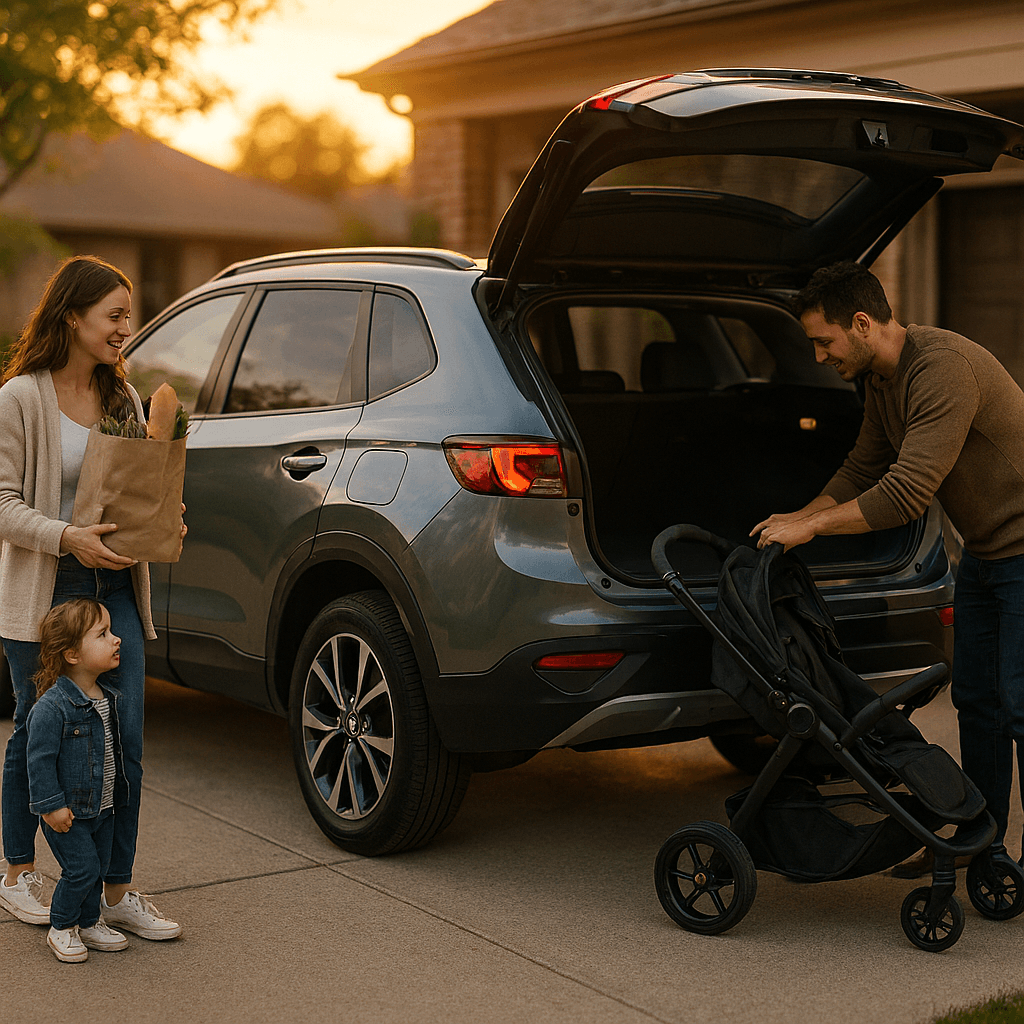
Best compact SUV for families: Most families buy the wrong SUV. Not because the vehicle is bad — but because nobody shows how it actually works with kids. That is why choosing the best compact SUV for families requires more than reading glossy brochures.
Last Tuesday, a young couple walked into my shop. Their three-year-old daughter clutched a stuffed giraffe. They had just bought a used Mazda CX-5.
The dad asked for a quick inspection before the return period ended.
“We need something reliable,” he said while looking at the car seat. “Something safe that won’t bankrupt us on gas.”
I hear this conversation almost every week.
Parents walk into dealerships excited. Then reality arrives during daycare runs, grocery trips, and road trips with screaming toddlers.
So I built this guide using repair data, family feedback, and real ownership costs.
Quick Comparison: Top 10 Compact SUVs for Families
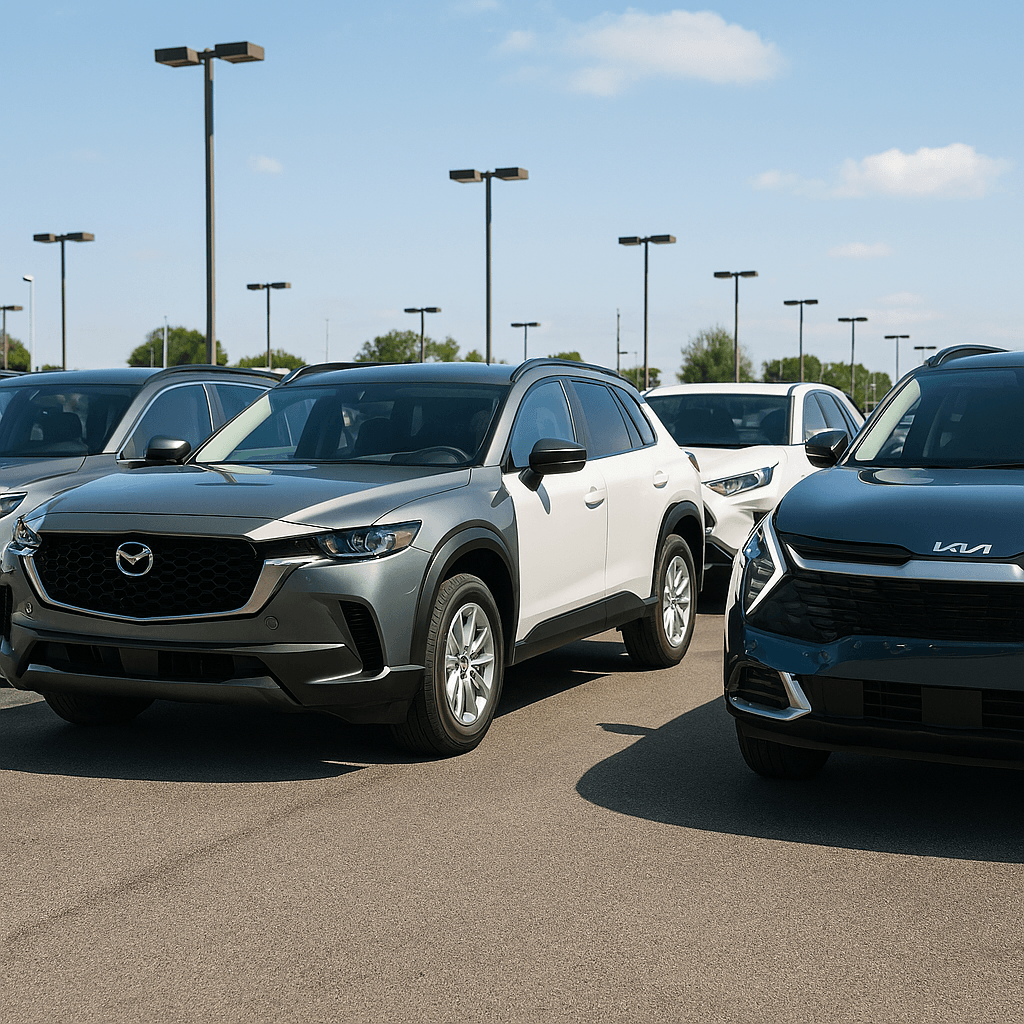
Click vehicle names to jump to full reviews. Based on 23 years of repair data and real family feedback.
| # | Model | Best For | Price | MPG | Cargo | Score |
|---|---|---|---|---|---|---|
| 1 | Honda CR-V | Overall Value & Reliability | $32,000 | 32 | 39.3 ft³ | 9.5/10 |
| 2 | Mazda CX-50 | Premium Feel & Driving Fun | $29,500 | 27 | 31.4 ft³ | 9.3/10 |
| 3 | Toyota RAV4 | Maximum Reliability | $30,500 | 30 | 37.6 ft³ | 9.2/10 |
| 4 | Subaru Forester | Winter Weather & Space | $29,000 | 29 | 31.1 ft³ | 9.0/10 |
| 5 | Hyundai Tucson | Maximum Features | $29,200 | 29 | 38.7 ft³ | 8.8/10 |
| 6 | Kia Sportage | Best Value | $28,500 | 28 | 39.5 ft³ | 8.7/10 |
| 7 | Nissan Rogue | Quiet Ride | $30,000 | 33 | 36.5 ft³ | 8.2/10 |
| 8 | VW Tiguan | 3rd Row Option | $30,000 | 25 | 37.6 ft³ | 7.8/10 |
| 9 | Chevy Equinox | Lowest Price | $28,600 | 28 | 29.9 ft³ | 7.5/10 |
| 10 | Ford Escape | Hybrid Fuel Economy | $31,000 | 38 (hybrid) | 37.5 ft³ | 8.0/10 |
💡 Scoring formula: Reliability (30%) • Family practicality (25%) • Safety (20%) • Value (15%) • Driving experience (10%)
Why do most families choose compact SUVs today?
Compact SUVs solve three problems at once: space, safety, and fuel cost.
Families gain high seating, easier cargo loading, and modern safety systems without the fuel penalty of large SUVs. Fuel economy usually stays between 27–32 MPG, which saves thousands over ownership.
But real life reveals flaws marketing never mentions.
Some SUVs hide car seat anchors deep in cushions. Others show big cargo numbers but barely fit a stroller. And complicated infotainment systems can turn every drive into a touchscreen battle.
Real advantages of compact SUVs for parents
Compact SUVs beat sedans for families in several ways:
-
Easier car seat installation due to higher seating
-
Hatchback cargo space for strollers
-
Better road visibility
-
Easier parking than large SUVs
-
Lower insurance than midsize SUVs
However, the best models balance cargo space, safety tech, and reliability.
<div class=’success-box’> Pro Tip: Bring your stroller to the dealership. Half of the “big cargo” SUVs fail the stroller test. </div>
Best Compact SUVs for Small Families (1-2 Kids)
Which compact SUV works best for small families?
Small families need manageable size, strong fuel economy, and cargo space for strollers and groceries.
Large three-row SUVs waste fuel and money. Compact SUVs provide enough room while staying easy to park in cities and school lots.
After years of repairs and owner feedback, three models stand out.
🥇 Top Pick: Mazda CX-50
Best for: Small families who enjoy driving and want a premium feel.
The Mazda CX-50 offers upscale interior quality and engaging driving dynamics. The vehicle measures 182.5 inches long, which makes urban parking easier than the Honda CR-V.
Key specs:
-
Price: $29,500
-
Fuel economy: 27 MPG
-
Cargo space: 31.4 cu ft
-
Rear legroom: 39.3 inches
Families can install two rear-facing car seats comfortably.
However, fuel economy runs lower than the CR-V. That difference costs roughly $400 more per year in fuel.
Owner insight:
“Perfect for couples with one or two kids who still enjoy their commute.”
🥈 Growth Pick: Honda CR-V
Best for: Families planning another child.
The Honda CR-V provides class-leading cargo space and outstanding reliability. Rear seat legroom reaches 41.3 inches, which allows three car seats across in many setups.
Key specs:
-
Price: $32,000
-
Fuel economy: 32 MPG
-
Cargo space: 39.3 cu ft
-
Expected lifespan: 200,000+ miles
The low 29.5-inch cargo liftover height also helps when lifting heavy strollers.
Many parents choose the CR-V because it grows with the family.
🥉 Budget Pick: Kia Sportage
Best for: Families who want maximum features for less money.
The Kia Sportage costs $28,500, which undercuts many competitors. The SUV still delivers large cargo space and modern technology.
Key specs:
-
Fuel economy: 28 MPG
-
Cargo: 39.5 cu ft
-
Rear legroom: 41.3 inches
-
Warranty: 10-year / 100,000-mile powertrain
Families often choose the Sportage because it includes heated seats and modern infotainment at a lower price.
However, resale value trails Honda and Toyota.
Real Ownership Cost for Small Families
Families should calculate total ownership cost, not just purchase price.
<div class=’cost-breakdown’>
Real Cost Comparison for Small Families (3-Year Ownership)
Based on 15,000 miles/year, married couple insurance rates, and $3.50/gallon fuel.
| Expense | Mazda CX-50 | Honda CR-V | Kia Sportage |
|---|---|---|---|
| Purchase price | $31,500 | $32,000 | $28,500 |
| Fuel (45k mi) | $5,833 | $4,922 | $5,625 |
| Insurance | $3,200 | $3,600 | $2,900 |
| Maintenance | $1,400 | $1,200 | $1,300 |
| Depreciation | $13,200 | $12,800 | $14,200 |
| Total 3-Year Cost | $55,133 | $54,522 | $52,525 |
| Monthly cost | $897/mo | $903/mo | $828/mo |
</div>
Bottom line for small families
-
Kia Sportage: cheapest monthly cost
-
Mazda CX-50: best driving experience
-
Honda CR-V: most future-proof
What makes a compact SUV truly family-friendly?
Which features matter most in a family SUV?
Family SUVs must deliver strong safety systems, usable cargo space, and easy car seat installation.
Parents should ignore flashy marketing features. Real life requires durability, visibility, and simple controls.
Important features include:
-
Automatic emergency braking
-
Blind-spot monitoring
-
Rear cross-traffic alert
-
Rear seat reminder systems
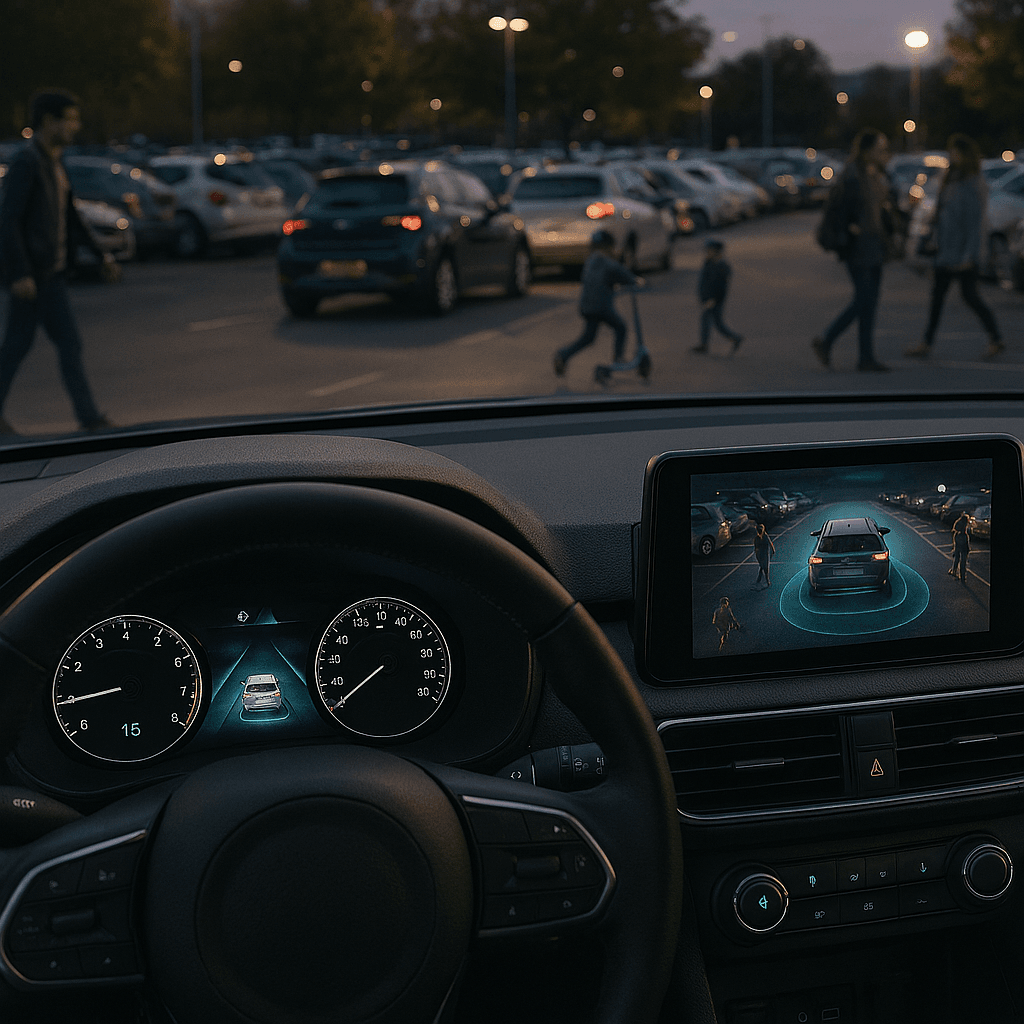
These systems help prevent common family accidents in parking lots.
Why cargo space numbers often mislead buyers
Manufacturers measure cargo in cubic feet. However, cargo shape matters more than volume.
Tall narrow cargo areas rarely fit wide strollers.
Some SUVs with smaller numbers actually carry more gear.
Look for:
-
Wide cargo openings
-
Low liftover height
-
Flat cargo floor
-
Folding rear seats
<div class=’success-box’> Mechanic Tip: A wide cargo floor beats tall cargo height every time for family gear. </div>
Why simple infotainment systems matter for parents
Drivers must operate navigation and climate controls safely while transporting children.
Complicated touchscreen menus create distraction and frustration.
The best family SUVs provide:
-
Wireless Apple CarPlay
-
Wireless Android Auto
-
Physical climate buttons
-
Rear USB charging ports
Simple systems reduce driver stress.
How should families compare compact SUVs before buying?
What tests reveal the best family SUVs?
Smart families test real daily scenarios instead of short dealership drives.
Three simple tests expose most problems immediately:
-
Install car seats
-
Load stroller and groceries
-
Drive through a crowded parking lot
These tests reveal cargo limitations and visibility issues.
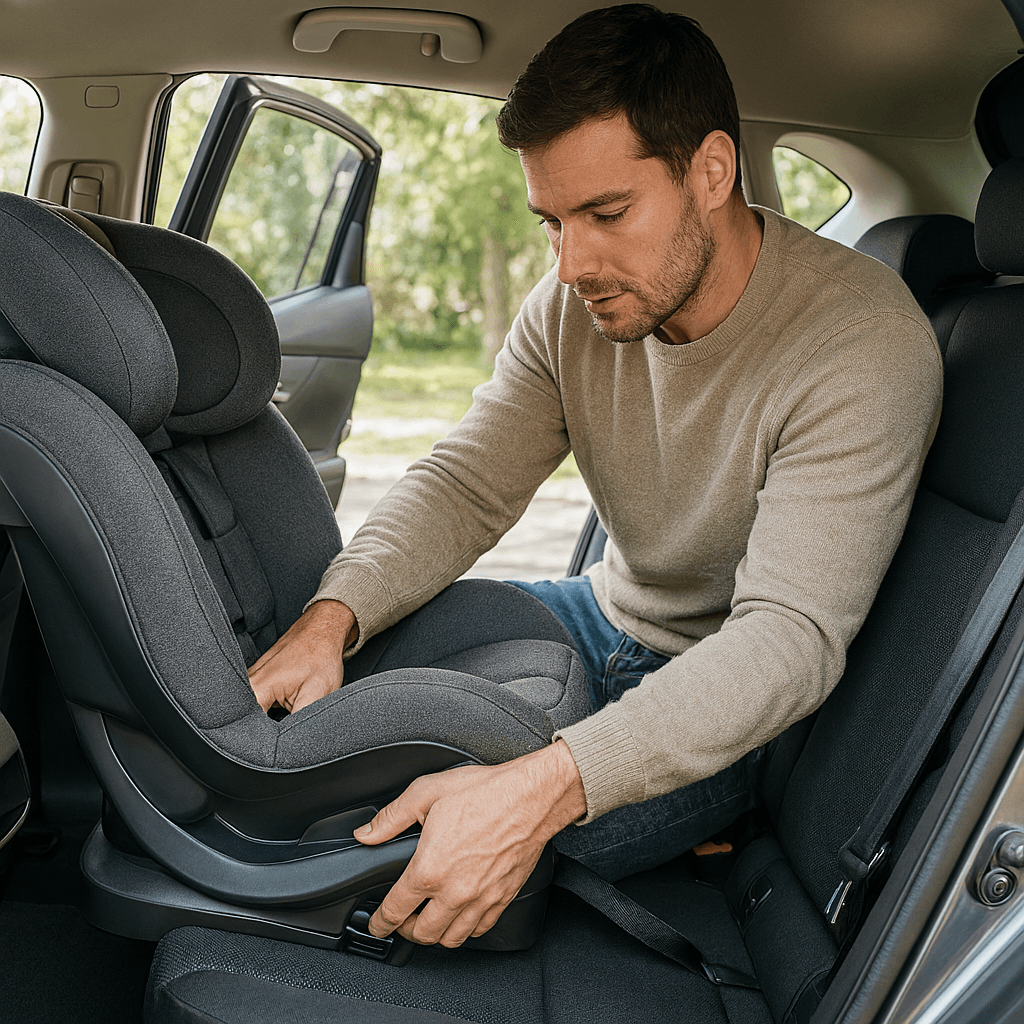
Car seat installation reality check
Bring the actual car seats to the dealership and install them.
Watch for these warning signs:
<div class=’warning-box’>
Common car seat installation problems:
-
LATCH anchors buried in seat cushions
-
Hidden top tether anchors
-
Narrow rear seats under 55 inches
-
Rear doors opening less than 80°
</div>
Strong family SUVs provide:
-
Clearly visible LATCH anchors
-
Wide rear seats over 56 inches
-
Easy tether anchor access
-
Doors opening 85° or wider
The Honda CR-V, Hyundai Tucson, and Kia Sportage perform especially well.
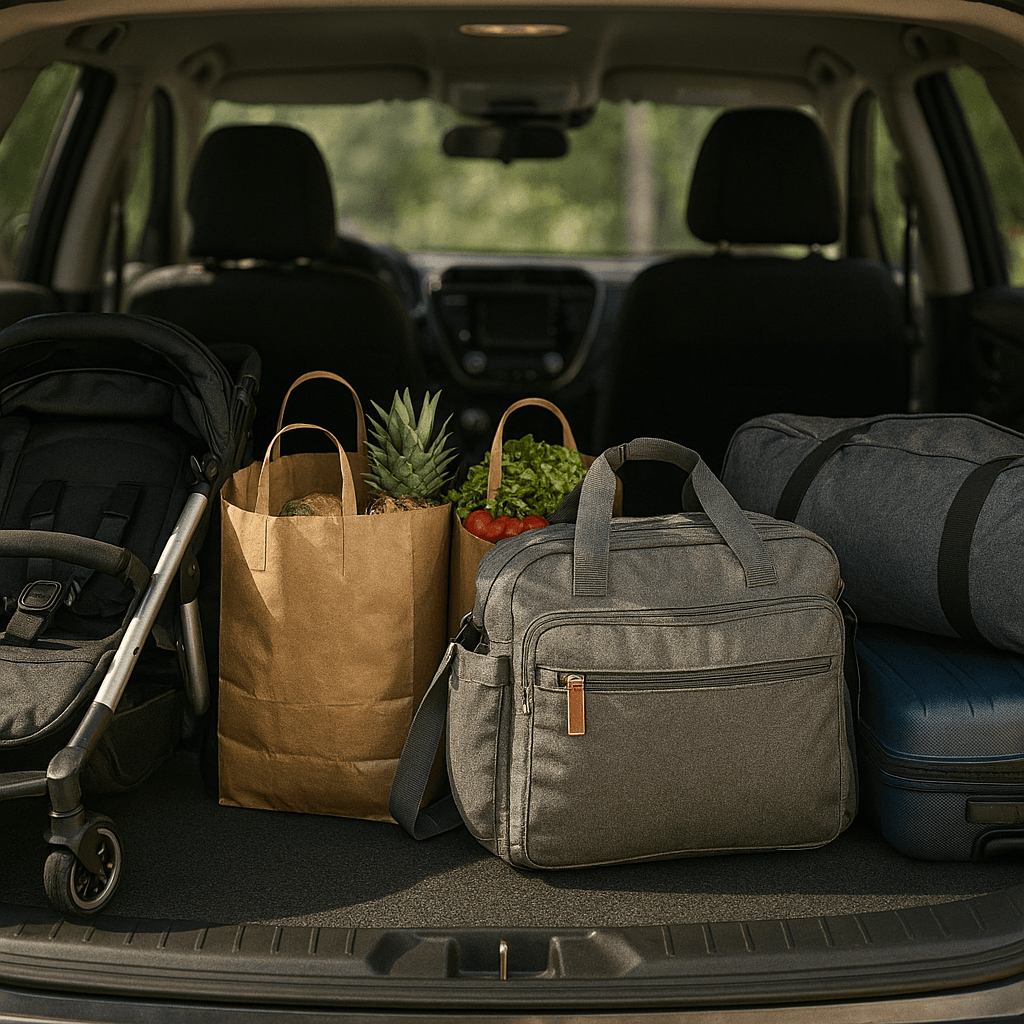
Cargo space comparison for real family gear
| Model | Volume | Opening Width | Liftover Height | Double Stroller Fit |
|---|---|---|---|---|
| Honda CR-V | 39.3 cu ft | 48.2″ | 29.5″ | ✅ Sideways |
| Kia Sportage | 39.5 cu ft | 47.8″ | 30.1″ | ✅ Sideways |
| Subaru Forester | 31.1 cu ft | 50.1″ | 27.8″ | ✅ Sideways + more |
| Mazda CX-50 | 31.4 cu ft | 44.8″ | 31.2″ | ⚠️ Diagonal only |
| Chevy Equinox | 29.9 cu ft | 42.5″ | 32.1″ | ❌ No |
Parents should test the stroller before buying.
Why five-year ownership cost matters most
Monthly payments hide the real cost of ownership.
Families should calculate:
Purchase price − resale value + fuel + insurance + maintenance.
Example comparison:
| Cost Category | Honda CR-V | Mazda CX-50 | Kia Sportage |
|---|---|---|---|
| Purchase price | $32,000 | $31,500 | $28,500 |
| Fuel (75k miles) | $8,203 | $9,722 | $9,375 |
| Insurance | $6,000 | $5,500 | $4,800 |
| Maintenance | $2,800 | $3,500 | $3,600 |
| Resale value | -$17,600 | -$15,750 | -$13,455 |
| Total 5-Year Cost | $31,403 | $34,472 | $32,820 |
| Monthly cost | $523/mo | $575/mo | $547/mo |
The CR-V wins long-term value due to strong resale.
Bottom Line: Choosing the Right Compact SUV
Every SUV on this list can serve a family well.
However, the right choice depends on priorities.
-
Honda CR-V: safest long-term bet
-
Mazda CX-50: best driving feel
-
Toyota RAV4: legendary reliability
-
Subaru Forester: winter performance
-
Kia Sportage: strongest value
Families spend 10,000+ hours inside their vehicle over seven years. Comfort, reliability, and practicality matter more than badges.
Maintenance also plays a huge role.
I have seen 200,000-mile vehicles running perfectly because owners followed the maintenance schedule. I have also seen 60,000-mile vehicles needing major repairs due to neglect.
Choose the SUV that fits your budget and daily routine. Then maintain it well.
Kids will care more about snacks and music than the logo on the steering wheel.
FAQs
What is the most reliable compact SUV for families?
The Toyota RAV4 and Honda CR-V consistently rank highest for reliability. Both models often exceed 200,000 miles with basic maintenance.
Which compact SUV has the most cargo space?
The Kia Sportage and Honda CR-V provide class-leading cargo space near 39–40 cubic feet behind the rear seats.
Are compact SUVs safe for children?
Modern compact SUVs include advanced safety systems like automatic emergency braking, blind-spot monitoring, and rear cross-traffic alerts.
How much fuel economy do compact SUVs get?
Most compact SUVs average 27–32 MPG combined, while hybrid versions like the Ford Escape Hybrid reach around 38 MPG.
Conclusion
Buying a family SUV can feel overwhelming.
Dealerships push features and monthly payments. Marketing focuses on screens and styling. But family life demands something different.
Parents need safe, reliable transportation that handles school drop-offs, grocery trips, road trips, and everyday chaos.
The best compact SUV for families balances five things:
-
Reliability
-
Cargo space
-
Safety technology
-
Fuel economy
-
Long-term ownership cost
Vehicles like the Honda CR-V, Toyota RAV4, and Mazda CX-50 succeed because they deliver those fundamentals consistently.
However, the smartest purchase decision always comes from testing the vehicle with your real family gear. Install the car seats. Load the stroller. Drive through tight parking lots.
Those simple tests reveal more than any spec sheet.
Choose the SUV that fits your lifestyle, maintain it properly, and it will serve your family for many years.