best flywheel brand
Best Flywheel Brand: The Entity-First Guide to Choosing the Right Flywheel for Your Engine
A flywheel is the unsung mechanical anchor of your engine’s drivetrain — a precisely balanced disc of cast iron, billet steel, or chromoly that bolts to the crankshaft, stores rotational energy, and provides the friction surface your clutch grips to transfer power to the transmission. It is not just a heavy spinning weight; it is the component that dictates how your engine revs, how smoothly you launch from a stop, and how much shock your drivetrain absorbs during aggressive shifts. Choosing the right flywheel brand means understanding the material science, the balance tolerances, and the intended duty cycle of your specific vehicle — because a street-driven Civic and a drag-prepped Mustang demand fundamentally different flywheels.
This guide breaks down the best flywheel brands by the attributes that actually matter: material composition (cast iron vs. billet steel vs. aluminum), weight and moment of inertia, surface hardness for clutch compatibility, and price-to-durability ratios. You will learn which brands dominate the OEM replacement market, which ones own the track-day niche, and which budget options genuinely hold up under daily abuse. Unlike generic roundups, this article uses real spec comparisons, honest limitations of each brand, and a decision framework based on your power level and driving style — not just brand popularity.
Here is what makes this guide different: we rank brands not on marketing hype but on measurable factors like tensile strength, SFI safety certification, and real-world failure reports from owners. We also tell you where each brand falls short — whether it’s a flywheel that is too light for stop-and-go traffic, a surface that wears out with aggressive clutch discs, or a price that makes sense only for race builds. By the end, you will know exactly which flywheel brand fits your engine’s needs, your budget, and your tolerance for NVH (noise, vibration, harshness).
What Is a Flywheel and Why the Brand Matters
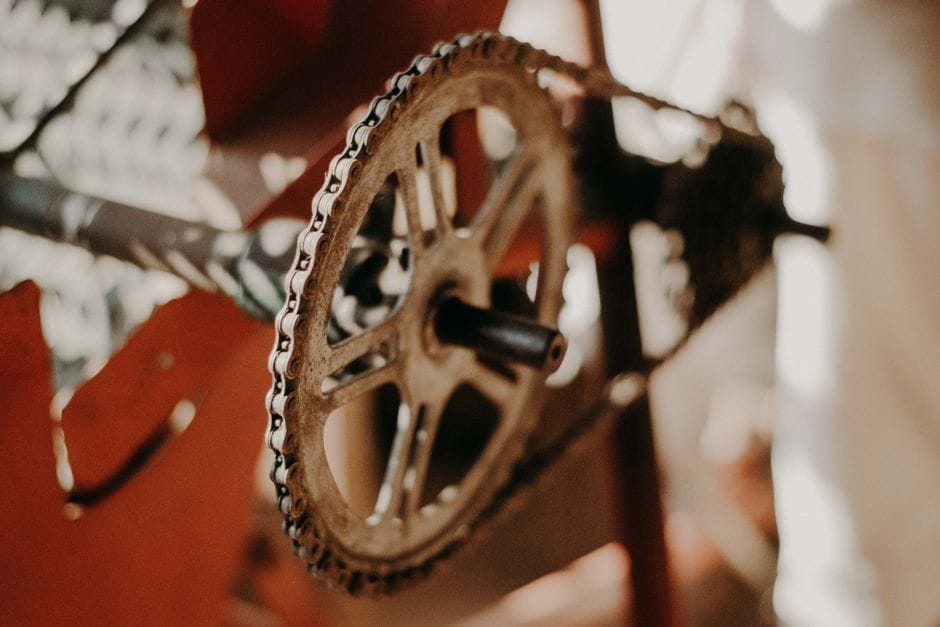
Before you start shopping for a flywheel brand, you need to understand what this part actually does. The flywheel is a heavy metal disc bolted to the rear of your engine’s crankshaft. It serves three jobs: it stores rotational energy to smooth out the power pulses from each cylinder firing, it provides the friction surface that the clutch system presses against, and it carries the starter ring gear that your starter motor spins to crank the engine.
The Flywheel’s Role in Your Drivetrain
Your engine produces power in bursts, not a smooth stream. Each cylinder fires, creating a pulse of torque, then coasts until the next firing event. Without a flywheel, these pulses would make the engine vibrate violently and the drivetrain would experience harsh shock loads. The flywheel’s rotational mass smooths out these pulses, storing energy during the power stroke and releasing it during the coasting phases. This is why a heavier flywheel makes an engine feel smoother and more tractable at low RPM, while a lighter flywheel lets the engine rev faster but with more vibration and less low-speed refinement.
The flywheel also serves as the mounting surface for the clutch assembly. The clutch disc is sandwiched between the flywheel and the pressure plate; when you engage the clutch, the disc is squeezed against the flywheel’s friction surface, transferring engine torque to the transmission input shaft. The surface finish, flatness, and material of the flywheel directly affect clutch engagement quality, pedal feel, and how much heat the system can absorb before glazing or warping.
Flywheel vs. Flexplate: Understanding the Difference
A common point of confusion is the difference between a flywheel and a flexplate. A flywheel is used in vehicles with manual transmissions — it is a solid, heavy disc that provides a friction surface for the clutch. A flexplate, by contrast, is a thin, stamped steel plate used in automatic transmission vehicles. The flexplate does not provide a clutch friction surface; instead, it connects the crankshaft to the torque converter and carries the starter ring gear. Flexplates are designed to flex slightly to accommodate the axial movement of the torque converter, whereas flywheels are rigid.
This distinction matters when shopping for a flywheel brand because the two components are not interchangeable. If you have an automatic transmission, you need a flexplate, not a flywheel. If you are converting a vehicle from automatic to manual, you will need to source a flywheel that matches your engine’s crankshaft bolt pattern and your chosen clutch kit. The best flywheel brands offer application-specific fitment, so you must verify your engine code, transmission type, and crankshaft flange configuration before purchasing.
Why ‘Best Brand’ Is About Engineering, Not Just Marketing
The flywheel market is crowded with brands ranging from OEM suppliers to boutique race shops. The “best” brand for you depends on your vehicle’s intended use, your power output, and your budget. A brand that excels at OEM replacement parts may not offer the lightweight options a track enthusiast needs. Conversely, a race-oriented brand may produce flywheels that are too aggressive for daily driving. The best flywheel brands distinguish themselves through engineering: precise balancing, consistent material quality, proper surface hardening, and SFI certification for racing applications. Marketing hype cannot compensate for a flywheel that is out of balance, made from substandard metal, or machined to incorrect tolerances.
Top Picks


Flywheel Material and Construction: The Core Attribute

The material and construction of a flywheel determine its weight, strength, heat capacity, and durability. There are three primary materials used in aftermarket and OEM flywheels: cast iron, billet steel, and aluminum (often with a steel friction surface). Each has distinct trade-offs that make it suitable for different applications.
Cast Iron vs. Billet Steel vs. Aluminum
Cast iron is the most common material for OEM flywheels. It is inexpensive, has excellent damping characteristics (it absorbs vibration well), and provides a durable friction surface. Cast iron flywheels are typically heavy, which makes them ideal for daily drivers and trucks where smoothness and low-end torque matter more than rapid revving. The downside is that cast iron is brittle compared to steel, and it can crack under extreme heat or shock loads from high-performance clutch launches.
Billet steel flywheels are machined from a solid piece of high-strength steel, typically 1045 or 4140 chromoly. They are significantly stronger than cast iron, can be made lighter while maintaining structural integrity, and handle heat better without warping. Billet steel is the go-to choice for high-horsepower builds, forced induction engines, and drag racing where the flywheel must survive repeated hard launches. The trade-off is cost — billet steel flywheels are more expensive to manufacture — and they transmit more NVH into the cabin because the material does not damp vibration as well as cast iron.
Aluminum flywheels are the lightest option, often weighing 8 to 12 pounds compared to 20 to 30 pounds for a cast iron unit. They are popular for road racing, autocross, and spirited street driving where reduced rotational mass improves throttle response and acceleration. However, aluminum has poor wear characteristics as a friction surface, so most aluminum flywheels feature a replaceable steel or iron friction insert. Aluminum also has lower heat capacity, meaning it can overheat and warp under sustained heavy use, such as repeated drag launches or aggressive track sessions. For this reason, aluminum flywheels are generally not recommended for high-torque diesel engines or heavy vehicles.
Weight and Rotational Mass: Lightweight vs. OEM
Flywheel weight is the single most debated attribute among enthusiasts. A lighter flywheel reduces the moment of inertia, allowing the engine to rev up and down faster. This improves throttle response, makes downshifts easier to match, and can shave tenths of a second off acceleration times. However, a lighter flywheel also reduces the engine’s ability to idle smoothly at low RPM, makes launching from a stop more difficult (the engine loses momentum more quickly), and can increase drivetrain shock during aggressive shifts.
An OEM or heavyweight flywheel (typically 20-30 pounds) stores more rotational energy, which helps with smooth launches, towing, and daily driving in traffic. The extra mass also acts as a buffer, protecting the transmission and driveshaft from shock loads. The trade-off is slower revving and a slightly lazier feel. The best flywheel brands offer multiple weight options for the same application, allowing you to choose based on your driving style. A good rule of thumb: if you drive in stop-and-go traffic daily, stick with a flywheel close to OEM weight; if you track the car or prioritize throttle response, a lightweight option (12-15 pounds) is a better fit.
Surface Friction Characteristics and Clutch Compatibility
The flywheel’s friction surface must match the clutch disc material for optimal
engagement and longevity. Organic clutch discs (the most common OEM type) require a smooth, flat flywheel surface with a specific roughness average (Ra) — typically between 40 and 80 microinches. Ceramic and metallic clutch discs, common in performance applications, are more aggressive and require a harder flywheel surface to avoid premature wear. If you pair a soft cast iron flywheel with a ceramic clutch disc, the flywheel surface will wear quickly, leading to chatter and reduced clamping force.
The best flywheel brands machine their friction surfaces to precise tolerances and often offer surface refinishing services. Some brands also offer flywheels with a replaceable friction surface, allowing you to swap out a worn surface without replacing the entire flywheel. This is a significant cost-saving feature for high-mileage or track-driven vehicles. When selecting a flywheel, always verify that the brand specifies compatibility with your clutch disc material and that the surface finish meets the clutch manufacturer’s requirements.
Balance and Machining Precision
A flywheel that is out of balance will cause vibrations that can damage the crankshaft bearings, transmission input shaft, and even the engine block over time. OEM flywheels are balanced as part of the engine assembly process, often matched to the specific crankshaft. Aftermarket flywheels must be balanced independently, and the best brands use computer-controlled balancing machines that achieve tolerances within 1-2 gram-centimeters. Some brands offer zero-balance flywheels for engines that are internally balanced, while others provide externally balanced flywheels with counterweights for engines like the small-block Chevy 350.
Machining precision also affects how the flywheel seats against the crankshaft flange. The bolt holes, pilot bearing bore, and friction surface must all be concentric within thousandths of an inch. A poorly machined flywheel can cause clutch chatter, premature bearing wear, and even crankshaft damage. The best flywheel brands use CNC machining and inspect every unit for runout before shipping. When comparing brands, look for published specifications on balance tolerance, surface flatness, and concentricity — if a brand does not publish these numbers, that is a red flag.
SFI Safety Certification and Dual-Mass vs. Single-Mass Design
For racing applications, SFI (Slippery Friction Institute) certification is critical. SFI 1.1 and 1.2 certifications indicate that a flywheel has been tested to withstand explosive failure at high RPM without sending shrapnel through the bellhousing. Many race tracks require SFI-certified flywheels and flexplates for competition. The best flywheel brands offer SFI-certified options, and they clearly label the certification on the product and packaging. If you are building a race car, do not compromise on this — an uncertified flywheel can fail catastrophically.
Dual-mass flywheels (DMF) are a different design used primarily in modern diesel and high-torque gasoline vehicles. A DMF consists of two masses connected by springs and dampers, which absorb torsional vibrations from the engine. This reduces gear rattle, transmission noise, and drivetrain shock. However, DMFs are expensive to replace and can fail prematurely if subjected to high torque or aggressive driving. Many enthusiasts convert to a single-mass flywheel (SMF) for durability and weight reduction, but this comes at the cost of increased NVH. The best flywheel brands offer both DMF replacements and SMF conversion kits, with clear guidance on the trade-offs for your specific vehicle.
Top Flywheel Brands by Category

Now that you understand the engineering attributes, it is time to look at the brands that dominate the market. We have categorized the best flywheel brands into three groups: OEM replacement leaders, performance and racing specialists, and budget-friendly options that still deliver quality.
OEM Replacement Leaders
For drivers who want a direct replacement that matches factory specifications, three brands stand out: Sachs (ZF), Luk (Schaeffler), and Valeo. These are the companies that supply flywheels to automakers on the assembly line, so their aftermarket parts are identical in quality and fitment to what came from the factory. Sachs and Luk are particularly strong in European vehicles — BMW, Audi, VW, Mercedes — while Valeo is a major supplier for Ford, GM, and many Asian brands. These brands offer both dual-mass and single-mass flywheels, and their cast iron units are the benchmark for durability and smoothness. The downside is that they rarely offer lightweight or performance-oriented options, and their pricing is often higher than aftermarket alternatives.
Performance and Racing Specialists
If you are building a performance car, the best flywheel brands are those that specialize in motorsport and high-performance applications. Fidanza is a legendary name in lightweight aluminum flywheels, offering units with replaceable steel friction surfaces for a wide range of vehicles. Their flywheels are popular in road racing and autocross due to their low weight and consistent quality. ACT (Advanced Clutch Technology) is another top-tier brand, known for their billet steel flywheels that are SFI-certified and designed to handle high torque loads. ACT flywheels are a favorite among drag racers and boosted street cars.
Spec Clutches and Centerforce also produce excellent performance flywheels. Spec offers both billet steel and aluminum options with SFI certification, and their flywheels are machined to extremely tight tolerances. Centerforce is known for their dual-friction clutch systems, and their flywheels are designed to work seamlessly with those clutches. For Japanese performance cars, Exedy and Competition Clutch are top choices, offering lightweight flywheels that are proven in drift and time attack competition. These brands charge a premium, but the engineering and quality control justify the cost for serious enthusiasts.
Budget-Friendly Options That Deliver
Not everyone needs a $500 race flywheel. For budget-conscious drivers, brands like Duralast (AutoZone), Pioneer, and LuK’s economy line offer reliable flywheels at a fraction of the cost. These are typically cast iron units that match OEM specifications, and they are perfectly adequate for daily drivers and mild performance builds. The key is to verify that the flywheel is properly balanced and that the friction surface is machined correctly — some budget brands cut corners on these details. Reading owner reviews and checking for warranty coverage can help you avoid a bad purchase. If you are on a tight budget, a quality cast iron flywheel from a reputable economy brand is a better choice than a cheap aluminum flywheel from an unknown manufacturer.
How to Choose the Right Flywheel Brand for Your Vehicle

Choosing the best flywheel brand is not about picking the most expensive or the most popular name — it is about matching the product to your specific needs. Here is a step-by-step decision framework based on your power level, driving style, and budget.
Assess Your Power Level and Torque Output
The first step is to know your engine’s power and torque output. A stock or mildly modified engine (under 300 horsepower and 300 lb-ft of torque) can safely use a cast iron flywheel from an OEM or budget brand. If you are making 300-500 horsepower, you need a billet steel flywheel from a performance brand like ACT or Spec to handle the increased stress. Above 500 horsepower, especially with forced induction or nitrous, you should only consider SFI-certified billet steel or chromoly flywheels from top-tier race brands. Using a flywheel that is not rated for your power level risks catastrophic failure.
Match Flywheel Weight to Your Driving Style
Consider how you use the vehicle. If it is a daily driver in traffic, stick with a flywheel close to OEM weight (20-30 pounds). If you do occasional track days but also drive on the street, a lightweight steel flywheel (15-18 pounds) is a good compromise. For dedicated race cars, an aluminum flywheel (8-12 pounds) is the best choice for maximum throttle response. Remember that a lighter flywheel will make stop-and-go driving more difficult and increase NVH — if you are not willing to accept those trade-offs, stay with a heavier unit.
Verify Fitment and Compatibility
Before purchasing, verify that the flywheel is designed for your exact engine code, crankshaft bolt pattern, and clutch kit. The best flywheel brands provide detailed fitment guides and application charts. Check the number of bolt holes, the pilot bearing diameter, and whether the flywheel is internally or externally balanced. If you are replacing a dual-mass flywheel with a single-mass unit, confirm that your clutch kit is compatible and that you are prepared for the increased gear rattle and vibration.
Consider Total Cost of Ownership
A cheap flywheel may save money upfront, but if it wears out quickly, causes clutch chatter, or fails and damages your transmission, the total cost will be much higher. Factor in the cost of installation (labor is typically $200-400), the need for a new clutch kit (often replaced at
the same time), and the potential for future repairs. A quality flywheel from a reputable brand will last 100,000 miles or more in street use, while a budget unit may need replacement in half that time. For performance applications, the cost difference between a mid-tier and top-tier flywheel is often less than the cost of one tow truck ride after a failure. The best flywheel brands offer warranties ranging from 1 to 5 years, and their customer support can help you with fitment questions and troubleshooting.
Read Real-World Owner Reviews and Failure Reports
Marketing materials tell you what a brand wants you to believe; owner reviews tell you what actually happens in the real world. Before committing to a flywheel brand, search forums, social media groups, and review sites for long-term ownership experiences. Look for patterns: Does the flywheel develop surface glazing after a few thousand miles? Does it warp under heavy track use? Are there reports of balance issues causing vibrations at highway speeds? The best flywheel brands have a track record of satisfied customers and few consistent complaints. Conversely, if you see multiple reports of premature failure or poor customer service, that is a strong signal to look elsewhere.
Check SFI Certification for Racing Use
If you plan to compete in any sanctioned racing event, SFI certification is non-negotiable. Most tracks require SFI 1.1 or 1.2 certification for flywheels and flexplates, and tech inspectors will check for the certification sticker. The best flywheel brands make their SFI certification prominent in their product listings. If a brand does not mention SFI certification, assume it is not certified and move on. Even for street use, an SFI-certified flywheel provides an extra layer of safety in the event of a catastrophic failure.
Installation Tips and Common Pitfalls

Installing a flywheel is a straightforward job for a competent DIY mechanic, but there are several common pitfalls that can ruin a new flywheel or cause drivability issues. Here is what you need to know to get the installation right the first time.
Proper Torque Sequence and Thread Locker
The flywheel bolts must be torqued to the manufacturer’s specification in the correct sequence. Most engines use a cross-pattern or star pattern to ensure even clamping force. Always use new flywheel bolts — they are stretch bolts that should not be reused. Apply thread locker (typically blue Loctite) to the bolts to prevent them from backing out under vibration. The best flywheel brands include torque specifications in the packaging, and many provide new bolts with the flywheel. If not, purchase the correct bolts from the OEM or a reputable aftermarket supplier.
Surface Preparation and Cleaning
Before installing the flywheel, clean the crankshaft flange and the flywheel mounting surface with brake cleaner to remove any oil, grease, or debris. Do not use sandpaper or abrasive pads on the friction surface — this can alter the surface finish and cause clutch chatter. If the flywheel has a protective coating (common on new units), remove it with a suitable solvent before installation. The friction surface must be completely clean and dry before the clutch disc is installed.
Pilot Bearing and Alignment
The pilot bearing (or bushing) sits in the center of the flywheel and supports the transmission input shaft. It must be installed correctly — flush with the flywheel surface, not recessed or protruding. Use a pilot bearing installation tool to avoid damaging the bearing. When installing the clutch disc, use a clutch alignment tool to center the disc on the flywheel before tightening the pressure plate. A misaligned clutch disc will cause the transmission to bind and make gear engagement difficult.
Common Pitfalls to Avoid
One of the most common mistakes is installing a flywheel without checking the crankshaft end play or the condition of the rear main seal. If the rear main seal is leaking, replace it while the flywheel is off — it is a cheap part and saves you from having to remove the transmission again. Another pitfall is using an impact wrench to tighten flywheel bolts — this can over-torque them and strip the threads. Always use a torque wrench. Finally, do not forget to check the starter ring gear for damage. If the ring gear is worn or has missing teeth, the starter will not engage properly, and you will need to replace the flywheel or have the ring gear replaced.
Maintenance and Longevity: Making Your Flywheel Last

A flywheel is a wear item, but with proper care, it can last the life of the vehicle. Here is how to maximize the lifespan of your flywheel and avoid premature failure.
Signs of Flywheel Wear and Failure
Common signs that your flywheel needs attention include clutch chatter (a shuddering sensation when engaging the clutch), a burning smell from the bellhousing, difficulty shifting gears, and a vibration that worsens with engine speed. If you notice any of these symptoms, inspect the flywheel for scoring, glazing, heat discoloration (blue or purple spots), or cracks. A flywheel with deep grooves or cracks must be replaced immediately — do not attempt to resurface a cracked flywheel.
Resurfacing vs. Replacement
Cast iron flywheels can often be resurfaced (machined flat) once or twice before they become too thin. The minimum thickness is stamped on the flywheel — if it is below spec, replace it. Billet steel flywheels can also be resurfaced, but aluminum flywheels with replaceable friction inserts are easier to service — just replace the insert. The best flywheel brands offer resurfacing services or sell replacement friction surfaces. Resurfacing is significantly cheaper than buying a new flywheel, but it must be done by a machine shop that specializes in flywheel work to ensure the surface finish is correct.
Driving Habits That Extend Flywheel Life
Your driving habits have a direct impact on flywheel longevity. Avoid riding the clutch (keeping your foot on the pedal while driving), which causes constant friction and heat buildup. Do not launch the car at high RPM repeatedly — this shocks the flywheel and can cause it to warp or crack. When towing or carrying heavy loads, use a lower gear to reduce clutch slip. Finally, ensure your clutch system is properly adjusted — a dragging clutch will wear the flywheel surface unevenly.
Frequently Asked Questions

What is the best flywheel brand for daily driving?
For daily driving, the best flywheel brands are the OEM suppliers — Sachs, Luk, and Valeo. Their cast iron flywheels match factory specifications, provide smooth engagement, and last 100,000 miles or more. If you want a slight performance upgrade without sacrificing drivability, a lightweight steel flywheel from ACT or Spec (15-18 pounds) is a good choice.
Is a lightweight flywheel worth it?
A lightweight flywheel is worth it if you prioritize throttle response, faster revving, and quicker acceleration. It is especially beneficial for road racing, autocross, and spirited street driving. However, it comes with trade-offs: harder launches, more NVH, and less low-speed refinement. If you drive in heavy traffic or tow, a lightweight flywheel is not recommended.
Can I use a single-mass flywheel to replace a dual-mass flywheel?
Yes, many enthusiasts convert from dual-mass to single-mass flywheels for durability and weight reduction. However, this conversion increases gear rattle, vibration, and noise. It is also essential to use a clutch kit designed for a single-mass flywheel. The best flywheel brands offer SMF conversion kits with clear instructions and compatibility notes.
How much does a flywheel replacement cost?
The cost of a flywheel replacement varies widely. A budget cast iron flywheel costs $100-200, while a performance billet steel unit costs $300-600. Labor for installation is typically $200-400, and you should also budget for a new clutch kit ($150-500) since it is recommended to replace both at the same time. Total cost is usually $500-1,200 for parts and labor.
Do I need to replace the flywheel when I replace the clutch?
It is highly recommended to replace or resurface the flywheel when you replace the clutch. The friction surface wears together with the clutch disc, and a worn flywheel will cause the new clutch to chatter or slip. If the flywheel is in good condition (no scoring, cracks, or heat damage), resurfacing is sufficient. If it is worn beyond spec, replace it.
Conclusion: Making the Final Decision

Choosing the best flywheel brand ultimately comes down to matching the product to your vehicle’s specific requirements and your driving priorities. There is no single “best” brand for everyone — the right choice depends on your power level, how you use the car, and your budget.
For daily drivers and stock vehicles, OEM suppliers like Sachs, Luk, and Valeo offer the safest, most reliable option. Their flywheels are engineered to factory specifications, provide smooth engagement, and deliver consistent longevity. If you want a modest performance upgrade without sacrificing drivability, a lightweight steel flywheel from ACT or Spec is an excellent middle ground.
For serious performance builds, track cars, and high-horsepower applications, brands like Fidanza, ACT, Spec, and Exedy are the clear leaders. Their flywheels are SFI-certified, machined to tight tolerances, and built to withstand the stresses of aggressive driving. The higher cost is justified by the engineering, quality control, and safety certification.
For budget-conscious buyers, brands like Duralast and Pioneer offer reliable cast iron flywheels that match OEM specifications at a fraction of the cost. These are perfectly adequate for daily driving and mild performance use, provided you verify balance and surface quality.
Regardless of which brand you choose, always verify fitment, check SFI certification for racing use, and follow proper installation procedures. A quality flywheel from a reputable brand is an investment in your vehicle’s performance and reliability — one that will pay dividends in smooth operation and peace of mind for years to come.
The best flywheel brand is the one that fits your engine, matches your driving style, and meets your quality standards. Use the framework in this guide to make an informed decision, and you will not go wrong.