
There’s something deeply satisfying about maintaining your own BMW 3 Series. Whether you’re driving an E46 classic or the latest G20 model, understanding how to change your own oil connects you to your vehicle in a way that simply dropping it off at the dealership never will. Plus, you’ll save anywhere from $100 to $200 each time you do it yourself—money that adds up quickly when BMW recommends oil changes every 10,000 miles or annually.
Many BMW owners assume that servicing their vehicle requires specialized dealer equipment or that the German engineering makes DIY maintenance impossibly complex. The truth is, changing the oil in a 3 Series is entirely manageable for home mechanics with basic tools and a few hours on a weekend afternoon. You don’t need a lift (though it helps), and you certainly don’t need a degree in automotive engineering. What you do need is the right information, quality materials, and a methodical approach.
This guide walks you through everything required to perform a complete oil change on your BMW 3 Series, from gathering the correct supplies to resetting the service indicator. We’ll cover the nuances that separate BMW maintenance from other vehicles, explain why certain steps matter, and help you avoid the common mistakes that can turn a straightforward job into a frustrating afternoon.

Understanding Your BMW 3 Series Oil Requirements
Before you slide under your car with a wrench, you need to understand what makes BMW oil specifications different from conventional vehicles. BMW engines run hotter and tighter than most mainstream cars, which means the oil works harder and needs to meet exacting standards.
For most modern BMW 3 Series models (from the E90 generation forward), you’ll need a fully synthetic oil that meets BMW Longlife-01 or LL-04 specifications. The most common weight is 5W-30, though some newer models with the B48 or B58 engines may specify 0W-30. Your owner’s manual provides the definitive answer, but don’t just grab any synthetic oil off the shelf—that “fully synthetic” bottle at your local quick-lube shop probably doesn’t meet BMW’s specifications.
Capacity varies by engine, typically ranging from 5 to 7 quarts. The turbocharged four-cylinder engines (like the N20 or B48) usually require around 5.5 quarts, while the inline-six engines (N52, N54, N55, B58) often need closer to 6.5 or 7 quarts. Again, your owner’s manual is gospel here. It’s worth noting that BMW oil change intervals are longer than most manufacturers recommend—often 10,000 to 15,000 miles—precisely because of these high-quality oil requirements.
The oil filter is equally important. BMW uses a cartridge-style filter rather than the spin-on type found on many vehicles. These filters come with new O-rings that must be replaced during each oil change. Using the correct OEM or high-quality aftermarket filter (like Mann or Mahle) ensures proper filtration and prevents leaks that can develop from ill-fitting parts.
Essential Tools and Materials You’ll Need
Preparation prevents frustration. Gathering everything before you start means you won’t be making emergency runs to the auto parts store with oil dripping from your hands. Here’s what you need for a complete BMW 3 Series oil change.
First, the consumables: the correct amount and specification of oil, a proper oil filter kit (which should include the filter element, O-rings, and sometimes a drain plug washer), and an oil drain plug gasket or crush washer. Many BMW owners swear by Liqui Moly or Castrol oils that meet BMW specifications, though Mobil 1 European Car Formula also works well.
For tools, you’ll need a few items that might not be in every home toolbox. A 17mm hex socket or wrench removes the drain plug on most models (some use a Torx bit instead). An oil filter housing cap wrench is essential—this is typically a 86mm or 74mm cap tool depending on your model year. A torque wrench is non-negotiable; overtightening the drain plug strips the oil pan threads, while undertightening causes leaks. You’ll also want a large oil drain pan (at least 8 quarts capacity), jack and jack stands or ramps, work gloves, and plenty of shop rags or paper towels.
One often-overlooked item is a funnel with a long spout. BMW oil fill locations can be awkwardly positioned, and spilling fresh oil all over your pristine engine bay is disheartening. Some mechanics also keep a brake cleaner spray handy to clean up any drips before they become baked-on grime.
Finally, have a way to dispose of your old oil responsibly. Most auto parts stores accept used oil for free, and some even give you store credit for bringing it in. Never pour it down a drain or dump it in your yard—just five quarts of used oil can contaminate a million gallons of groundwater.
Step-by-Step Oil Change Procedure
Now for the main event. Park your BMW on level ground and let the engine run for a few minutes to warm the oil—warm oil flows more completely out of the engine, taking more contaminants with it. Don’t make it too hot though; burns from scalding oil are genuinely painful and entirely avoidable.
Start by safely raising the front of the vehicle. If you’re using a jack, place jack stands under the proper jacking points—these reinforced areas on the chassis are marked in your owner’s manual and prevent damage to the underbody. Never work under a car supported only by a jack. Ramps work great for oil changes and are often easier for beginners.
Locate the oil drain plug on the bottom of the oil pan. It’s typically toward the rear of the engine and faces downward. Position your drain pan carefully—oil doesn’t drop straight down but arcs out as it flows. Slowly loosen the drain plug with your 17mm socket. When it’s almost free, push inward slightly as you turn the final threads, then pull away quickly. This technique prevents the plug from dropping into your drain pan full of hot oil.
Let the oil drain completely. This takes 10 to 15 minutes. While it drains, move to the oil filter housing. The filter location varies by model: on many 3 Series, it’s accessible from the top of the engine bay, while some require reaching from underneath. Remove the filter housing cap with your cap wrench. Inside, you’ll find the cartridge filter. Remove it along with the old O-ring seals.
Here’s where attention to detail matters. Clean the filter housing thoroughly with a lint-free cloth, removing any old oil or debris. Check that no pieces of the old O-ring remain stuck in the grooves—leftover rubber causes leaks. Install your new O-ring seals (lightly lubricate them with fresh oil first), insert the new filter cartridge, and hand-tighten the housing cap. BMW specifies torque values for these caps, typically around 25 Newton-meters, but over-tightening is more common than under-tightening with plastic housings.
Return to the drain plug. Inspect it for damage and replace the crush washer or gasket—this copper or aluminum ring seals the plug and should be replaced every oil change. Thread the plug in by hand first to avoid cross-threading, then torque it to specification (usually around 25 Newton-meters for the drain plug as well, though your specific model may vary).
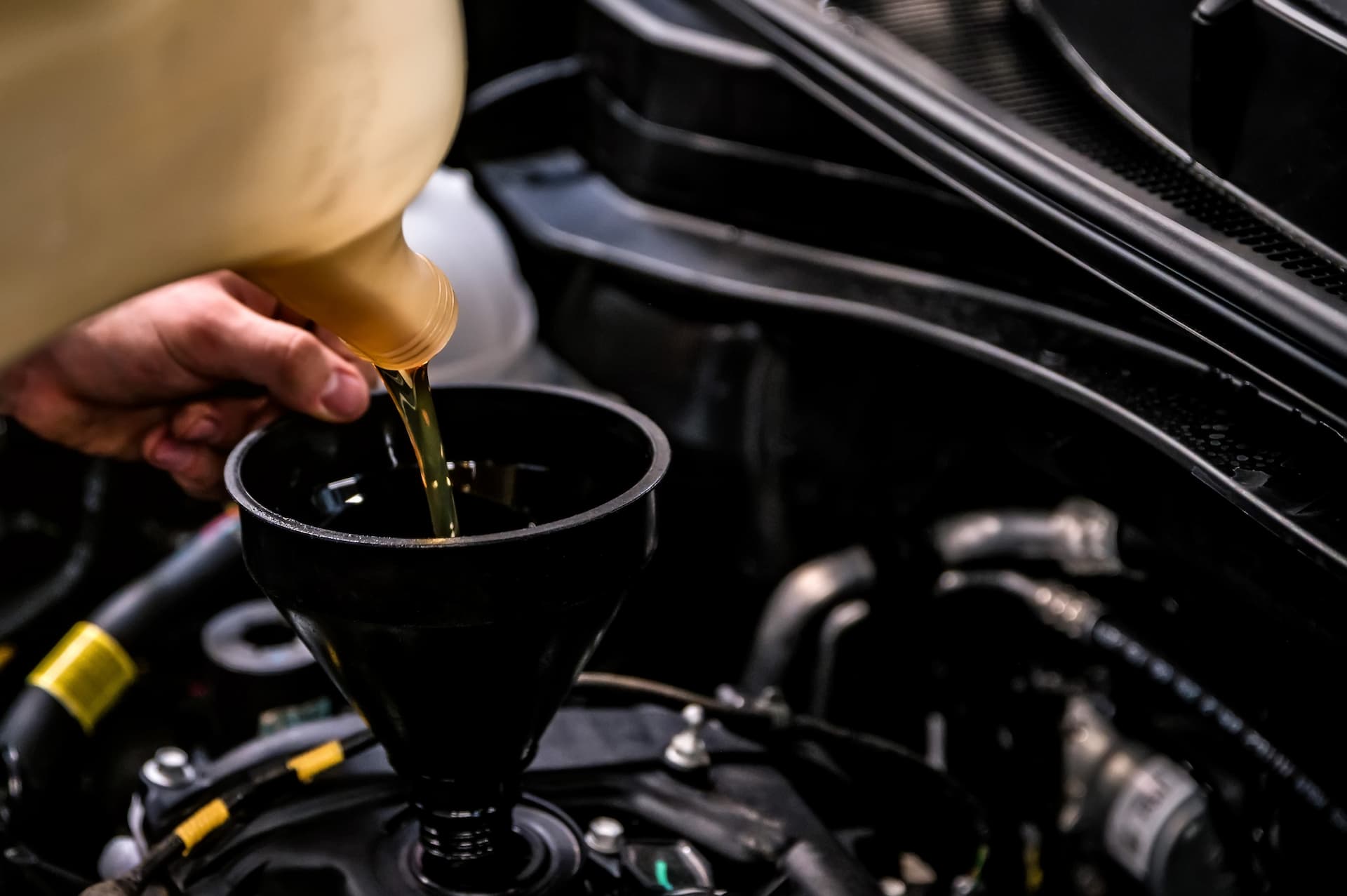
Lower the car and locate the oil filler cap on top of the engine. Pour in the specified amount of oil, stopping about half a quart short of the full amount. Start the engine and let it run for 30 seconds, then shut it off and wait a minute for oil to settle. Check your dipstick (or electronic oil level if your model doesn’t have a traditional dipstick) and add oil as needed to reach the full mark. It’s better to add gradually than to overfill.
Resetting the Service Indicator and Final Checks
Changing the oil is only part of the job. BMW vehicles have an intelligent service indicator system that tracks your maintenance needs based on mileage, engine conditions, and time. After your oil change, you need to reset this system so it accurately tracks your next service interval.
The reset process varies by model generation. For most E90 and F30 3 Series models, you can reset the service light through the iDrive system: navigate to Vehicle Information, then Vehicle Status, then Service Required, and hold down the SET button for several seconds until the system confirms the reset. Earlier models without iDrive often require a button sequence on the instrument cluster—typically turning the key to position 1, pressing and holding the odometer reset button, turning the key to position 2, and continuing to hold until the service indicator resets.
If this sounds confusing, don’t worry—YouTube has model-specific videos for virtually every BMW generation, and the process becomes second nature after you’ve done it once. Getting the reset right matters because the system affects everything from warranty documentation to the computer’s fuel mixture calculations.
After resetting the service indicator, perform final checks. Start the engine and watch for the oil pressure warning light to extinguish within a few seconds. Inspect underneath the vehicle for drips or leaks around the drain plug and filter housing. It’s normal to see a few drops immediately after an oil change, but continuous dripping indicates a problem. Sometimes the filter housing cap needs another quarter-turn to properly seal.
Take the car for a short drive, then recheck the oil level once the engine has cooled. This allows oil that was distributed throughout the engine to return to the pan, giving you an accurate reading. Top off if necessary. Keep an eye on your driveway or parking spot over the next few days—catching a slow leak early prevents major problems.
Common Mistakes and How to Avoid Them
Even experienced DIYers can stumble with BMW oil changes. Learning from others’ mistakes saves you grief, time, and potentially expensive repairs.
The most catastrophic error is using the wrong oil. Your neighbor might swear by the conventional 10W-30 he’s used for decades, but BMW engines will not forgive this shortcut. Wear accelerates dramatically, and you might even void warranty coverage if you’re within the warranty period. Similarly, using an incorrect or low-quality filter can lead to inadequate filtration and premature engine wear. This is not the place to cheap out.
Over-tightening components is another frequent problem. The oil drain plug threads into an aluminum oil pan, and aluminum is soft compared to the steel bolt. Cross-threading or excessive torque strips these threads, requiring expensive oil pan replacement or helicoil repair. Always start threads by hand, use a torque wrench for final tightening, and never use an impact wrench on drain plugs.
Forgetting to replace the drain plug washer or filter O-rings causes leaks that range from annoying drips to substantial oil loss. These small rubber and metal seals cost pennies and prevent disasters—there’s no legitimate reason to reuse them. Along the same lines, failing to clean the filter housing properly before installing the new filter can trap debris or create an improper seal.
Many BMW owners forget to reset the service indicator, which throws off future maintenance scheduling and can cause the car to nag you with warnings. Others check the oil level immediately after filling, before the oil has circulated through the engine, leading them to overfill. Overfilling causes just as many problems as underfilling—excess oil can foam, lose its lubricating properties, and even damage catalytic converters.
Finally, improper disposal of old oil and filters is both environmentally irresponsible and often illegal. The hassle of taking used oil to a recycling center is minimal compared to the environmental damage of improper disposal or the fines you might face.
Frequently Asked Questions
How often should I change the oil in my BMW 3 Series?
BMW officially recommends oil changes based on their Condition Based Service (CBS) system, which typically calls for service every 10,000 to 15,000 miles or once per year, whichever comes first. However, many enthusiasts and independent mechanics suggest more frequent changes—every 5,000 to 7,500 miles—especially if you drive in severe conditions like frequent short trips, extreme temperatures, or spirited driving. The official intervals assume you’re using BMW-approved oil; shorter intervals provide extra protection and peace of mind for those who plan to keep their cars long-term.
Can I use synthetic blend instead of full synthetic oil?
No, this is not recommended. BMW engines are engineered with tight tolerances and require the superior protection that fully synthetic oil provides. Using synthetic blend or conventional oil can lead to accelerated wear, increased deposits, and potential engine damage. Additionally, using non-approved oil may void warranty coverage on newer vehicles. The cost difference between synthetic blend and proper BMW-spec full synthetic is minimal when considered against the value of your engine.
What happens if I overfill the engine oil?
Overfilling can cause several problems. Excess oil can contact the crankshaft as it rotates, causing the oil to aerate or foam. Foamy oil doesn’t lubricate properly, potentially leading to increased wear. Overfilling also increases pressure in the crankcase, which can blow out seals and gaskets. In severe cases, excess oil can be pushed past the piston rings into the combustion chamber, contaminating the catalytic converter. If you’ve overfilled, drain out the excess until you reach the proper level on the dipstick or electronic gauge.
Do I really need BMW-specific oil, or can I use any synthetic that meets the weight specification?
You need oil that meets BMW’s Longlife specifications (LL-01, LL-04, or as specified for your model), not just any synthetic oil in the correct weight. BMW oils contain specific additive packages designed for the high operating temperatures and extended drain intervals these engines experience. Major brands like Castrol, Mobil 1, Liqui Moly, and Pennzoil all make BMW-approved formulations—look for the BMW Longlife approval on the bottle. Using non-approved oil, even if it’s high-quality synthetic, can lead to increased wear and may void warranty coverage.
My BMW doesn’t have a traditional dipstick. How do I check the oil level?
Many newer BMW 3 Series models use an electronic oil level sensor instead of a traditional dipstick. To check the level, the car must be on level ground and at operating temperature (after driving for at least 10 minutes). Access the oil level reading through the iDrive system under Vehicle Information or Vehicle Status, or through the instrument cluster menu. The system will display the oil level graphically. Some models require the engine to be off for accurate readings, while others check with the engine running—consult your owner’s manual for your specific model’s procedure.
Should I change the oil before storing my BMW for winter?
Yes, absolutely. Used oil contains combustion byproducts, acids, and moisture that can corrode engine components during extended storage. Fresh oil provides better protection during the months your BMW sits idle. Change the oil shortly before storage, run the engine for a few minutes to circulate the new oil throughout the system, then prepare the car for storage. This same principle applies to any extended period of non-use, whether for winter storage or other reasons.
Conclusion
Performing your own oil changes on a BMW 3 Series transforms routine maintenance from an expensive chore into a satisfying ritual that deepens your connection with your vehicle. Yes, the initial investment in tools and quality materials might seem substantial, but after just two or three oil changes, you’ve recouped those costs and gained invaluable knowledge about how your car works.
The process isn’t particularly difficult once you’ve done it a time or two. What matters most is using the correct materials, following proper procedures, and paying attention to the details that separate adequate maintenance from excellent care. Your BMW was engineered to precise standards, and maintaining those standards ensures it delivers the performance and reliability you expect from a premium German automobile.
Whether you’re keeping your E46 alive for another hundred thousand miles or maintaining the factory warranty on your new G20, understanding how to properly service your own vehicle gives you control over its care. You’ll know the job was done right because you did it yourself, with quality parts and proper technique. That confidence and mechanical sympathy are worth far more than the money you’ll save—though saving a couple thousand dollars over the years of ownership certainly doesn’t hurt either.