Brakes Locking Up: Causes and Solutions
Your brakes lock up without warning. The car pulls hard to one side or skids when you need to stop. This scary problem demands quick action to keep you safe on the road.
As an ASE-Certified Master Technician with over 15 years fixing brake issues, I see this exact complaint weekly. Proper diagnosis and repair get your vehicle stopping reliably again.
What Causes Brakes Locking Up While Driving?
Stuck brake calipers or seized pistons cause most cases of brakes locking up. The caliper fails to release pressure after you lift your foot off the pedal. This drags the pad against the rotor and creates heat buildup.
Drivers often notice pulling, burning smells, or hot wheels after short drives. Worn brake pads below 3mm thickness or corroded slide pins make the problem worse.
Insider tip: Jack up the car and spin each wheel by hand with the engine off. A dragging wheel points directly to that corner’s brake.
Why Do Rear Brakes Lock Up More Often?
Rear brake lockup happens frequently due to parking brake cables, drum brake issues, or proportioning valve problems. Rear systems use different hydraulics and often include mechanical parking brakes that stick.
Many vehicles apply more rear bias under light braking. A seized rear wheel cylinder or rusted drum shoe holds the brakes on.
Typical rear drum brakes need adjustment every 10,000-15,000 miles. Modern vehicles with rear discs still suffer from sticky caliper pistons.
Insider tip: Test rear brakes separately. Park on a slight incline and release the parking brake. If the car creeps forward slowly but one side drags, inspect that rear brake first.
How Do You Diagnose Brake Lock-Up?
Raise the vehicle safely and check each wheel for drag to diagnose brake lock-up. Use a floor jack and jack stands rated for your vehicle’s weight. Spin wheels by hand to feel resistance.
Measure rotor thickness with a micrometer. Most front rotors need replacement below 28-30mm depending on the model. Check pad thickness—replace if under 3mm.
Inspect brake hoses for swelling or internal collapse. A collapsed hose lets fluid in but not out, keeping pressure on the caliper.
Insider tip: Use an infrared thermometer to check rotor temperatures after a short drive. One wheel 50°F+ hotter than others confirms a binding brake.
Can ABS Problems Cause Wheels to Lock?
Yes, faulty ABS sensors, modules, or valves can cause wheels locking when braking. The system normally pulses brakes rapidly to prevent lockup. A bad sensor sends wrong signals and disables proper modulation.
You will often see the ABS warning light on the dash. Scan for codes with an OBD-II scanner that reads ABS. Common codes include C0035 or C0040 for wheel speed sensors.
Clean sensors with brake cleaner. Replace damaged tone rings on CV axles or hubs.
Insider tip: On slippery roads, pump non-ABS brakes gently. For ABS-equipped cars, maintain firm pressure and let the system do its job.
What Role Does Brake Fluid Play in Lock-Up?
Contaminated or incorrect brake fluid leads to brake lock-up by causing corrosion and poor hydraulic flow. Brake fluid absorbs moisture over time. Boiling point drops from 500°F+ to under 300°F when contaminated.
Flush the system every 2 years or 30,000 miles. Use DOT 3 or DOT 4 fluid matching your vehicle spec—never mix types.
Check the master cylinder reservoir. Low fluid or dark, murky color means immediate service.
Insider tip: Bleed brakes starting from the farthest wheel (usually right rear) to the closest. This pushes old fluid out completely.
How Do You Fix a Sticky Caliper?
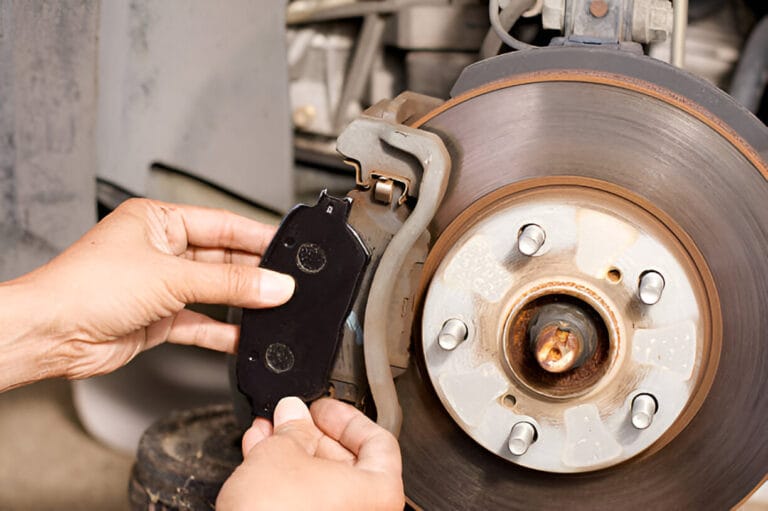
Replace or rebuild the sticky caliper after confirming it causes the drag. Remove the wheel, caliper, and pads. Check slide pins—they should move freely when lubricated with high-temp brake grease.
Typical caliper bracket bolts torque to 80-100 ft-lbs (108-135 Nm). Guide pins torque lighter at 20-40 ft-lbs (27-54 Nm). Always use new hardware where specified.
Clean pistons and bores thoroughly. Replace seals if rebuilding.
Step-by-Step Caliper Service:
- Loosen lug nuts, raise vehicle, and remove wheel.
- Compress caliper piston with a C-clamp or special tool.
- Remove caliper bolts (use torque wrench for reinstall).
- Disconnect brake hose if replacing (cap lines to prevent fluid loss).
- Install new caliper. Torque bolts to spec.
- Reinstall pads, bleed brakes, and bed them in properly.
Insider tip: Always replace calipers in axle pairs for even braking. Left and right units wear differently but matching them prevents pull.
When Should You Check the Master Cylinder?
A failing master cylinder causes brakes to lock by trapping pressure in the lines. The internal seals wear and prevent full release.
Symptoms include a low or sinking pedal plus drag. Test by pumping the pedal with engine off. If it firms up then sinks slowly, suspect the master.
Replacement involves bench bleeding the new unit before installation. Torque mounting bolts to 15-25 ft-lbs typically.
Insider tip: Never reuse old brake fluid. Contamination from a bad master cylinder ruins new components quickly.
How Much Does Brake Repair Cost?
Expect these typical ranges in the US (parts + labor):
- Single caliper replacement: $250-450
- Full front brake job (pads + rotors): $400-700
- Brake fluid flush: $100-200
- Master cylinder: $300-600
- ABS module repair: $500-1500+
DIY saves money but requires proper tools and safety practices.
DIY Caliper Job: $150-300 (tools + parts)
Shop Repair: $350-550 per axle
Full System Flush + Calipers: $800-1500
Safety Tips When Brakes Lock Up on the Road
Stay calm and ease off the brake pedal briefly to regain wheel rotation. Steer gently toward your intended path.
Avoid slamming the brakes again immediately. Downshift if manual to use engine braking.
Pull over safely as soon as possible and have the vehicle towed if needed. Never drive with known brake drag.
Insider tip: Practice emergency stops in a safe empty lot to feel how your specific car responds.
4 FAQs About Brakes Locking Up
1. Can low brake fluid cause locking? Low fluid usually causes a soft pedal and poor stopping. However, air or contamination from low levels can contribute to uneven pressure and lock-up.
2. Do new brakes lock up sometimes? New pads and rotors need bedding-in over 200-300 miles. Aggressive driving before proper transfer film forms causes temporary grabbing or noise.
3. Why do brakes lock after sitting? Rust builds between pads and rotors when a car sits for weeks. Light driving usually frees them, but persistent issues need full inspection.
4. Is it safe to drive with one wheel locking? No. It creates dangerous pull and can lead to tire blowout or loss of control. Fix it immediately.
Conclusion
Brakes locking up demands attention. Sticky calipers, bad fluid, ABS glitches, or master cylinder problems top the list of causes. Early diagnosis prevents accidents and expensive damage.
Follow regular maintenance: flush fluid every two years, inspect calipers during pad changes, and address warning lights quickly. Use quality parts and proper torque specs for lasting repairs.
Your safety depends on reliable brakes. Listen to unusual sounds, watch for pulling, and check wheel heat after drives. Address small issues before they become major failures.
Drive confidently knowing your brake system works properly. Regular care keeps you and your family safe mile after mile. If you feel unsure about any brake symptom, consult a trusted mechanic right away.
You might also like: Sticky Brake Caliper Symptoms: Diagnosis Guide, Electronic Brake Force Distribution (EBD): Explained, ABS Sensor Cleaning: Remove Metal Shavings