As an ASE-certified master technician with over 15 years of turning wrenches and diagnosing everything from clogged injectors to failing fuel pumps, I’ve seen one truth hold constant: a clean, well-maintained fuel system is the lifeblood of your engine’s performance, efficiency, and longevity. Neglect it, and you’ll pay the price in poor mileage, rough idling, hard starts, and potentially costly repairs. But with the right knowledge and a proactive approach to fuel system maintenance, you can keep your ride running like new for years to come.
In this comprehensive guide, we’ll break down every critical component of your vehicle’s fuel system, explain how contaminants and deposits wreak havoc, and—most importantly—give you a clear, actionable roadmap for keeping everything flowing cleanly and efficiently. Whether you’re a seasoned DIYer or a car owner looking to understand what’s under the hood, this guide will empower you to take control of your fuel system health.
Why Fuel System Maintenance Matters More Than Ever
Modern engines are marvels of engineering, but they’re also incredibly sensitive. Direct fuel injection (GDI), common rail diesel systems, and high-pressure fuel rails demand pristine fuel delivery. Even microscopic varnish, carbon, or water contamination can disrupt the precise spray patterns and timing these systems rely on.
Consider this: today’s fuel injectors have orifices smaller than a human hair. A tiny deposit can partially block flow, causing a lean condition in that cylinder, leading to misfires, power loss, and increased emissions. Over time, these small issues compound, robbing your engine of performance and efficiency.
That’s why preventive maintenance isn’t just a buzzword—it’s a necessity. A well-executed fuel system service schedule can prevent 90% of the problems I see in the shop, saving you time, money, and headaches.
Anatomy of Your Fuel System: Know Your Components
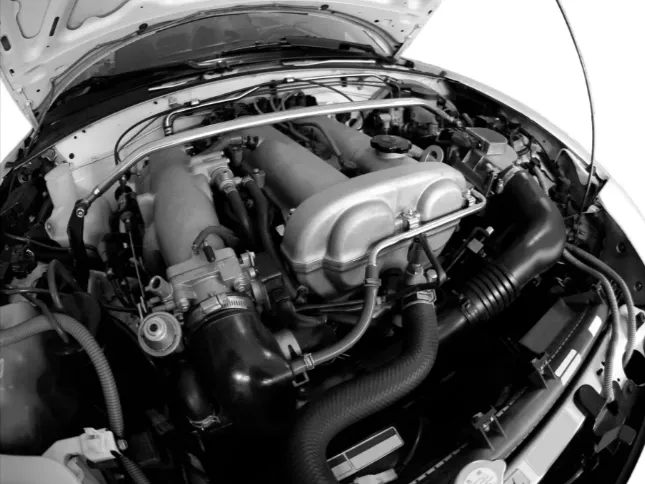
Before we dive into cleaning and maintenance, let’s map out the key players in your fuel delivery chain:
- Fuel Tank: The reservoir. It’s not just a simple container; it houses the fuel pump module and often includes baffles to prevent sloshing.
- Fuel Pump: Usually located inside the tank, it draws fuel and pressurizes it for delivery to the engine. Electric pumps are standard on most modern vehicles.
- Fuel Filter: The first line of defense. It traps rust, dirt, and other debris from the tank before they reach sensitive components. Location varies (in-tank, in-line, or integrated with the pump).
- Fuel Lines: Carry pressurized fuel from the tank to the engine bay. Made of reinforced rubber or metal.
- Fuel Rail: A pressurized manifold that distributes fuel to each injector.
- Fuel Injectors: Precision valves that spray atomized fuel into the intake port (port fuel injection) or directly into the combustion chamber (direct injection). Their spray pattern and volume are critical.
- Fuel Pressure Regulator: Maintains consistent pressure in the fuel rail, crucial for proper injector operation. May be on the rail or part of the pump module.
- Engine Control Unit (ECU): The brain that calculates the exact amount of fuel needed based on sensor inputs and commands the injectors to open for a precise duration (pulse width).
Every single one of these components can be compromised by poor fuel quality or lack of maintenance, leading to a cascade of problems.
The Enemies Within: What Contaminates Your Fuel System?
Your fuel system faces a constant battle against several insidious foes:
- Ethanol: Most gasoline in the U.S. contains 10% ethanol (E10). While it’s an oxygenate that helps reduce emissions, ethanol is hygroscopic—it attracts and absorbs water from the atmosphere. This water can lead to phase separation (where ethanol and water sink to the bottom of the tank, leaving a layer of unusable fuel), corrosion in the tank and lines, and microbial growth (“diesel bug” analogues in gas tanks).
- Varnish and Gum: As gasoline ages, its volatile compounds evaporate, leaving behind sticky residues. These form varnish on injectors, intake valves (especially problematic on GDI engines where fuel doesn’t wash over the valves), and in the combustion chamber.
- Carbon Deposits: A natural byproduct of combustion, but excessive buildup on injectors, intake valves, and pistons can severely impact airflow, fuel atomization, and combustion efficiency.
- Dirt and Rust: From the fuel supply chain, storage tanks at gas stations, or even your own vehicle’s aging fuel tank. These particles are the primary reason your fuel filter exists.
- Water: From condensation in your tank (especially if you habitually run it low) or contaminated fuel from a station. Water doesn’t burn and can cause severe damage to high-pressure fuel pumps and injectors.
Understanding these enemies is the first step in formulating your defense strategy.
Your Fuel System Maintenance Action Plan
Now, let’s get practical. Here’s your step-by-step plan for a clean, healthy fuel system, from daily habits to periodic deep cleans.
1. Choose Your Fuel Wisely: The Foundation of Cleanliness
Not all gas is created equal. Top Tier Detergent Gasoline is a voluntary standard developed by major automakers (BMW, GM, Honda, Toyota, etc.) that requires significantly higher levels of detergent additives than the EPA minimum. These detergents are specifically designed to keep intake valves and fuel injectors clean.
Action: Make a habit of filling up at Top Tier retailers. You can find the current list at toptiergas.com. Yes, it might cost a few cents more per gallon, but it’s the single best thing you can do for long-term fuel system cleaning and is a cornerstone of preventive maintenance. Avoid discount gas stations with questionable fuel quality, especially if you notice performance issues after filling up there.
2. Master the Art of Fuel Additive Use
This is where many DIYers get confused. The market is flooded with products making bold claims. Let’s cut through the noise.
- What They Do: Quality fuel additives primarily contain detergents (to clean injectors and intake valves), dispersants (to suspend contaminants so they can be burned or filtered out), corrosion inhibitors, and sometimes lubricity agents (important for diesel and high-pressure gasoline pumps).
- When to Use Them:
- Preventively: Using a quality additive every 3,000 miles is a great way to maintain cleanliness, especially if you can’t always access Top Tier fuel. Think of it as a supplement to your regular diet of good gas.
- Correctively: If you’re experiencing symptoms like rough idle, hesitation, or a check engine light for a misfire, a more potent “cleaner” formula can be a first step before more invasive (and expensive) repairs.
- Choosing the Right One: Look for products from reputable brands that meet or exceed Top Tier standards themselves. Check for certifications or endorsements from professional organizations. For a detailed breakdown of our top picks and what to look for, check out our definitive fuel additive guide.
Important Note: Additives are not magic potions. They cannot fix a mechanically failed fuel pump or a completely clogged filter. They work best on soft, early-stage deposits. For severe cases, a professional cleaning is needed.
3. Don’t Skip the Fuel Filter: Your First Line of Defense
The fuel filter is a sacrificial component. Its job is to catch the gunk so it doesn’t get to your expensive injectors and pump. Once it’s clogged, fuel flow is restricted, leading to a host of driveability issues and potential fuel pump overheating/failure.
- Replacement Interval: This is critical and varies wildly by vehicle. Older vehicles with in-line filters might need replacement every 20,000-40,000 miles. Many modern cars have “lifetime” filters that are part of the in-tank fuel pump module, which are only replaced when the pump fails. Consult your owner’s manual! Don’t assume.
- Symptoms of a Clogged Filter: Hard starting (especially when hot), loss of power under acceleration, engine stalling, and a whining fuel pump are all red flags.
- DIY Replacement: For in-line filters, this is often a straightforward DIY job. However, it involves working with pressurized fuel, so safety is paramount. You must relieve the fuel system pressure first (usually by pulling a fuse and running the engine until it stalls). Our step-by-step fuel filter replacement guide covers all the safety procedures and techniques you need to know.
4. Tackle Dirty Fuel Injectors Head-On
Fuel injectors are ground zero for deposit-related problems. A partially clogged injector won’t deliver the correct amount of fuel, disrupting the air/fuel ratio for that cylinder.
- Symptoms: Misfires, rough idle, poor fuel economy, a noticeable lack of power, and a check engine light with codes like P0300 (random misfire) or P030X (cylinder-specific misfire).
- Cleaning Options:
- Chemical Additives: As mentioned, these are great for mild cases and prevention. Pour a bottle into a near-empty tank and fill up.
- On-Car Service: A professional shop can connect a pressurized canister of concentrated cleaner directly to the fuel rail, bypassing the tank and filter. The engine runs on this cleaner for 10-20 minutes, providing a much more thorough clean than an additive. This is often very effective.
- Off-Car Ultrasonic Cleaning: For severe cases or high-mileage vehicles, the injectors are removed and sent to a lab for ultrasonic cleaning and flow testing. This is the most comprehensive method and is the gold standard for restoring injectors to like-new condition.
If you’re comfortable with more advanced DIY projects, our detailed fuel injector cleaning guide walks you through the process of performing an on-car service yourself.
5. Care for Your Fuel Pump: The Heart of the System
The fuel pump works hard, running constantly whenever your engine is on. Its biggest enemies are heat and running the tank too low. When the tank is near empty, the pump isn’t submerged in cool fuel, causing it to overheat and wear out prematurely.
- Preventive Care:
- Keep Your Tank at Least 1/4 Full: This is the single best thing you can do for your fuel pump’s lifespan. The fuel acts as a coolant and lubricant.
- Use Clean Fuel: Contaminants force the pump to work harder and can cause internal wear.
- Replace the Filter: A clogged filter makes the pump strain to maintain pressure, leading to premature failure.
- Diagnosing Problems: A failing pump often makes a loud, persistent whining or droning noise from the rear of the vehicle. Other symptoms include hard starting, sputtering at high speeds, and a complete no-start condition. If you suspect a problem, don’t ignore it. Our guide on fuel pump problems diagnosis can help you confirm the issue before you spend money on a replacement.
6. The Special Case of Gasoline Direct Injection (GDI)
GDI engines are now the norm, but they have a unique Achilles’ heel: intake valve coking. In a traditional port fuel injection (PFI) engine, fuel is sprayed onto the back of the intake valve, which helps wash away carbon deposits. In a GDI engine, fuel is injected directly into the combustion chamber, so the intake valves never get this cleaning effect. Oil vapors from the PCV system bake onto the hot valves, creating a hard, carbon crust that disrupts airflow.
- Prevention: Regular use of a high-quality fuel additive that contains polyether amine (PEA) detergents can help mitigate this, but it’s not a complete solution.
- Solution: Severe intake valve coking requires a physical cleaning, often called a “walnut shell blast,” where the intake manifold is removed and the valves are blasted with a fine abrasive media. It’s a labor-intensive job, but it’s the only way to fully restore performance on a badly coked GDI engine. This is a prime example of why preventive maintenance with the right fuel and additives is so crucial for modern vehicles.
Building Your Personalized Fuel System Service Schedule
Now that you know the components and threats, let’s build a simple, effective maintenance schedule you can follow.
|
Mileage/Time
|
Task
|
Details
|
|---|---|---|
|
Every Fill-Up
|
Use Top Tier Gasoline
|
Your foundational defense.
|
|
Every 3,000 Miles
|
Add a Quality Fuel System Cleaner
|
A maintenance dose to keep things clean. Refer to our fuel additive guide for product recommendations.
|
|
Every 15,000-30,000 Miles
|
Inspect/Replace Fuel Filter
|
Check your owner’s manual for the exact interval. If you do a lot of short-trip driving or use non-Top Tier fuel, lean toward the shorter interval. See our fuel filter replacement guide for DIY instructions.
|
|
Every 50,000-60,000 Miles
|
Perform a Professional On-Car Injector Cleaning
|
Or use a heavy-duty “mechanic in a bottle” cleaner for a DIY approach. This is a great preventative measure before deposits become a serious problem. Our fuel injector cleaning guide has the DIY steps.
|
|
As Needed
|
Diagnose and Address Symptoms
|
If you experience any driveability issues, don’t wait. Early intervention is cheaper. Use our fuel pump problems diagnosis guide if you suspect a pump issue.
|
Remember: This is a general guideline. Your specific vehicle, driving habits (lots of short trips are worse than highway miles), and local fuel quality will dictate your exact needs. Always prioritize your manufacturer’s recommendations.
Debunking Common Fuel System Myths
Let’s clear up some misinformation that’s been circulating in the garage for years.
- Myth: “Premium fuel is cleaner than regular.” Truth: Octane rating (87, 89, 91/93) is about knock resistance, not cleanliness. Both regular and premium Top Tier fuels have the same high level of detergents. Use the octane your owner’s manual specifies—no more, no less.
- Myth: “You should never let your tank go below half full.” Truth: While keeping it above 1/4 is wise for the pump, the “half-full” rule is overkill for most drivers. The real enemy is running it down to empty regularly.
- Myth: “All fuel additives are the same.” Truth: The concentration and quality of active ingredients vary massively. A $2 bottle from a gas station is unlikely to do much. Invest in a reputable brand.
- Myth: “A fuel system cleaning will fix my bad gas mileage.” Truth: While a clean system is essential for optimal mileage, poor MPG is often caused by other factors like under-inflated tires, a faulty oxygen sensor, or a dragging brake. Don’t view a fuel cleaning as a cure-all.
Final Thoughts from the Shop Floor
After decades of seeing the consequences of neglected fuel systems, I can tell you this with absolute certainty: the small, consistent effort of good fuel system maintenance pays enormous dividends. It’s far cheaper to spend $20 on a quality fuel additive every few months than it is to replace a set of clogged fuel injectors or a fried fuel pump.
By choosing your fuel wisely, using additives strategically, replacing your filter on schedule, and being proactive about cleaning, you’ll ensure your engine gets the clean, consistent fuel it needs to perform at its best. You’ll enjoy better gas mileage, smoother operation, lower emissions, and a longer engine life.
Your car’s fuel system is a closed loop, but its health is entirely in your hands. Treat it with the respect it deserves, and it will reward you with reliable, efficient performance for many miles to come. Now, go forth and keep that fuel flowing clean!