transmission fluid capacity chart
Transmission Fluid Capacity Chart: The Complete Reference for DIY Fluid Changes
A transmission fluid capacity chart is a technical reference document. It specifies the exact volume of automatic transmission fluid (ATF) required for a given vehicle’s transmission system. Unlike a simple oil-change guide, this chart accounts for the distinction between a standard drain-and-refill procedure and a full system flush. The torque converter, cooler lines, and valve body all hold additional fluid. For DIY mechanics, this reference eliminates guesswork. Overfilling causes foaming, slipping, and eventual transmission failure. Underfilling starves the pump and accelerates clutch wear.
This guide covers the essential attributes of transmission fluid capacity data. It explains the type of ATF required, from Dexron VI to Mercon LV and specialized CVT fluids. It also covers the power-handling differences between conventional and synthetic formulations. Capacity variances between sedans, trucks, and performance vehicles are included. You will learn how to locate your vehicle’s specific specification. Check the owner’s manual, the dipstick markings, or the transmission pan stamping. We go beyond generic “check your manual” advice. We provide a comprehensive reference table for popular makes and models, plus exact procedures for measuring fluid level correctly on both dipstick-equipped and sealed transmissions.
What makes this reference different from a standard capacity lookup is the inclusion of honest limitations and real-world data. Most charts fail to mention that the listed capacity is for a bone-dry transmission — a freshly rebuilt unit. That is not the 60-70% you actually drain from a serviceable transmission. We address that gap with practical multipliers. We also cover common pitfalls like using the wrong fluid type. We provide a decision framework for choosing between a simple drain-and-fill versus a full flush. By the end, you will have both the reference numbers and the procedural knowledge. You can perform a confident, correct fluid service on your own vehicle.
What Is a Transmission Fluid Capacity Chart and Why It Matters

A transmission fluid capacity chart is a reference table that lists how much transmission fluid a specific vehicle needs. It sounds simple, but the chart carries more nuance than most DIYers expect. The number you need depends on whether you are filling an empty system or just topping off a drained pan.
Definition: The Entity Explained
A transmission fluid capacity chart is a structured reference document. It lists the exact fluid volume — in quarts or liters — required to fill or service the automatic or manual transmission of specific vehicle makes and models. The chart typically includes the year, make, model, engine code, and transmission code. This ensures precise matching. It also specifies the fluid type required. That could be conventional ATF, synthetic ATF, CVT fluid, DCT fluid, or manual gear oil. Without this chart, a DIY mechanic risks using the wrong fluid or the wrong amount. Both mistakes can lead to costly transmission damage.
Dry Fill vs. Service Refill: The Critical Distinction
One of the most important concepts in any transmission fluid capacity chart is the difference between dry fill capacity and service refill capacity. Dry fill capacity refers to the total volume of fluid required to fill a completely empty transmission. This includes the torque converter, cooler lines, valve body, and all internal passages. This is the number used when rebuilding a transmission or installing a new unit. Service refill capacity, on the other hand, is the amount of fluid needed after a standard drain-and-refill procedure. Only the fluid in the pan is removed in this case. In most automatic transmissions, a service refill is only 50-70% of the dry fill capacity. The torque converter retains a significant amount of fluid. For example, a transmission with a dry fill capacity of 12 quarts may only require 5-6 quarts for a pan drain-and-refill. Ignoring this distinction is the most common cause of overfilling. Overfilling leads to foaming, overheating, and premature transmission failure.
How This Chart Differs from Engine Oil or Differential Capacity Charts
While engine oil capacity charts and differential fluid capacity charts are similar in format, transmission fluid capacity charts are inherently more complex. Engine oil capacity is relatively straightforward — drain the old oil, replace the filter, and add the specified amount. Differential fluid is similarly simple. There is no torque converter or cooler lines to account for. Transmission fluid capacity charts must account for the torque converter, which holds a substantial volume of fluid. They must also account for the cooler lines and the valve body. Also, transmission fluid type matters far more than engine oil type. Using the wrong ATF specification can cause shuddering, slipping, or complete transmission failure. This chart also differs from a brake fluid specification chart. That chart focuses on fluid type and boiling point rather than volume. The transmission fluid capacity chart is therefore a more detailed and critical reference for any DIY mechanic.
How to Read a Transmission Fluid Capacity Chart Correctly
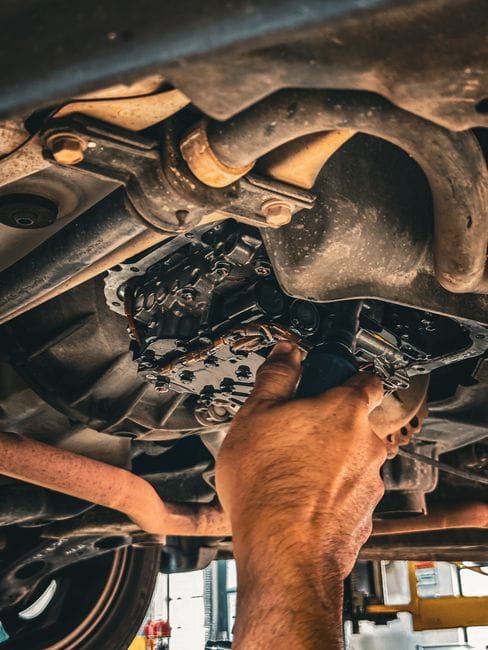
Reading a transmission fluid capacity chart correctly requires more than just finding your vehicle’s make and model. You must also verify the engine code, transmission code, and model year. These factors can change the capacity even within the same vehicle nameplate. A chart that lists capacities for a 2018 Ford F-150, for example, will show different values depending on the truck’s configuration. The 2.7L EcoBoost with the 10R80 transmission differs from the 3.5L EcoBoost with the same transmission. The torque converter sizes differ, altering the dry fill capacity.
Step-by-Step Guide to Matching Your Vehicle
To use a transmission fluid capacity chart accurately, follow these steps. First, locate your vehicle’s year, make, and model. Second, find the engine code — this is usually stamped on the engine block or listed in the owner’s manual. Third, identify the transmission code, which is often printed on a sticker on the transmission case or found in the vehicle’s service manual. Fourth, cross-reference all of these details against the chart. If the chart lists multiple capacities for the same vehicle, always use the one that matches your specific engine and transmission combination. Finally, note whether the chart lists dry fill or service refill capacity. This determines how much fluid you actually need to purchase.
Understanding Fluid Type Specifications
Beyond the volume, the chart also specifies the fluid type. Common automatic transmission fluids include Dexron III, Dexron VI, Mercon V, Mercon LV, and specialized fluids for continuously variable transmissions (CVT) and dual-clutch transmissions (DCT). Using the wrong fluid type can cause harsh shifting, torque converter shudder, or complete transmission failure. For manual transmissions, the chart will specify gear oil viscosity, such as 75W-90 or 80W-140, and may also indicate whether a limited-slip additive is required. Always verify the fluid type against the chart and the vehicle’s owner’s manual before purchasing.
Common Mistakes When Reading the Chart
One of the most common mistakes DIY mechanics make is assuming the chart’s listed capacity is the service refill amount when it is actually the dry fill amount. Another frequent error is using a chart that does not account for the vehicle’s specific transmission code — two vehicles with the same make and model but different transmissions will have different capacities. Also, some charts list capacities in liters while others use quarts, and failing to convert correctly can lead to a significant overfill or underfill. Finally, many DIYers overlook the note about torque converter drain plugs — some torque converters have a drain plug that allows for a more complete fluid change, which changes the required refill volume.
Transmission Fluid Capacity Chart: Popular Makes and Models

The following table provides a reference for popular vehicles. Note that these are approximate service refill capacities for a standard drain-and-refill procedure unless otherwise stated. Always verify against your vehicle’s specific transmission code and owner’s manual.
| Year | Make | Model | Engine | Transmission | Fluid Type | Service Refill (qts) | Dry Fill (qts) | |||||||
|---|---|---|---|---|---|---|---|---|---|---|---|---|---|---|
| 2020 | Ford | F-150 | 3.5L EcoBoost | 10R80 | Mercon ULV | 5.5 | 13.1 | Ford | F-150 | 3.5L EcoBoost | 10R80 | Mercon ULV | 5.5 | 13.1 |
| 2020 | Ford | F-150 | 2.7L EcoBoost | 10R80 | Mercon ULV | 5.0 | 12.4 | |||||||
| 2019 | Chevrolet | Silverado 1500 | 5.3L V8 | 8L90 | Dexron VI | 5.0 | 11.8 | |||||||
| 2019 | Chevrolet | Silverado 1500 | 6.2L V8 | 10L80 | Dexron VI | 5.5 | 12.9 | |||||||
| 2021 | Toyota | Camry | 2.5L I4 | U760E | Toyota WS | 3.9 | 7.4 | |||||||
| 2021 | Toyota | Camry | 3.5L V6 | UA80F | Toyota WS | 4.2 | 8.1 | |||||||
| 2022 | Honda | Civic | 1.5L Turbo | CVT | Honda HCF-2 | 3.5 | 6.9 | |||||||
| 2022 | Honda | Accord | 2.0L Turbo | 10AT | Honda ATF Type 3.1 | 4.0 | 8.5 | |||||||
| 2020 | Ram | 1500 | 5.7L HEMI | 8HP70 | Mopar ATF+4 | 5.0 | 10.6 | |||||||
| 2021 | Subaru | Outback | 2.5L I4 | CVT (TR690) | Subaru CVTF-II | 4.5 | 9.8 | |||||||
| 2018 | BMW | 3 Series | 2.0L Turbo | ZF 8HP50 | ZF Lifeguard 8 | 4.5 | 9.0 | |||||||
| 2019 | Mercedes-Benz | C300 | 2.0L Turbo | 9G-Tronic | MB 236.17 | 4.8 | 9.5 |
This table is a representative sample, not an exhaustive list. For vehicles not listed, consult the owner’s manual, the transmission pan stamping, or a manufacturer-specific service database. Always confirm the transmission code before purchasing fluid.
Torque Converter and Cooler Line Considerations for Automatics

For automatic transmissions, the torque converter is the single largest reservoir of fluid outside the transmission case. During a standard drain-and-refill, the torque converter retains most of its fluid, which is why the service refill capacity is significantly lower than the dry fill capacity. However, if you are performing a full transmission flush, the torque converter must be drained separately — either by removing the drain plug (if equipped) or by using a flush machine that circulates new fluid through the converter.
Why Torque Converter Capacity Matters
The torque converter’s internal volume varies by vehicle and transmission model. A larger torque converter holds more fluid, which increases the dry fill capacity. When the chart lists a dry fill capacity, it includes the torque converter volume. If you are replacing the torque converter during a rebuild, you must add the full dry fill capacity. If you are only draining the pan, you will leave approximately 40-50% of the total fluid in the torque converter. This is why it is critical to know which capacity the chart is referencing.
Cooler Lines and the External Cooler
Many automatic transmissions route fluid through an external cooler, either in the radiator or as a standalone unit. The cooler and its lines hold additional fluid — typically 0.5 to 1.5 quarts depending on the vehicle. When performing a full flush, this fluid is also replaced. However, during a standard drain-and-refill, the fluid in the cooler lines remains in the system. Some DIYers choose to disconnect the cooler lines and drain them separately to achieve a more complete fluid change, but this requires care to avoid introducing air into the system. The transmission fluid capacity chart typically accounts for the cooler volume in the dry fill capacity but not in the service refill capacity.
Sealed Transmissions and Dipstick-Free Systems
Many modern vehicles feature sealed transmissions with no dipstick. These systems require a specific procedure to check and fill fluid, often involving a scan tool to monitor fluid temperature and a fill plug on the transmission case. For these vehicles, the capacity chart is even more critical because you cannot simply “top off” — you must add the exact service refill amount and then verify the level using the temperature-based procedure. Overfilling a sealed transmission is particularly dangerous because there is no easy way to remove excess fluid without a pump or siphon.
Overfill and Underfill Consequences

Getting the fluid level wrong — whether too high or too low — has serious consequences for transmission health. The transmission fluid capacity chart exists precisely to prevent these issues, but understanding the failure modes helps reinforce why accuracy matters.
What Happens When You Overfill
Overfilling a transmission causes the fluid to foam as the rotating gears and clutch packs churn air into the fluid. Foamy fluid loses its hydraulic pressure, leading to soft shifts, slipping, and delayed engagement. The foam also reduces the fluid’s ability to lubricate and cool, causing the transmission to run hotter. In severe cases, excess pressure can force fluid out through the vent tube, coating the underside of the vehicle and potentially causing a fire hazard if it contacts hot exhaust components. Overfilling can also damage the valve body and seals due to increased internal pressure.
What Happens When You Underfill
Underfilling is equally damaging. When the fluid level is too low, the transmission pump can draw in air, causing aeration and loss of hydraulic pressure. This leads to harsh shifts, clutch slippage, and accelerated wear on the clutch packs and bands. The torque converter may also cavitate, reducing its ability to transmit power and generate heat. In extreme cases, the pump can run dry, causing catastrophic bearing failure and complete transmission seizure. Low fluid levels also mean reduced cooling, which can cause the transmission to overheat and cook the fluid, leading to varnish buildup and clogged valve body passages.
How to Check and Correct Fluid Level
Detailed Steps Check and Correct Fluid Level
For dipstick-equipped transmissions, check the fluid level with the engine running and the transmission at operating temperature, typically after a 10-15 minute drive. Park on a level surface, engage the parking brake, and shift through all gears before returning to Park. Wipe the dipstick, reinsert it fully, and read the level. Add fluid in small increments — no more than half a quart at a time — and recheck. For sealed transmissions, follow the manufacturer’s procedure, which usually involves a scan tool to monitor fluid temperature and a specific fill plug. Never guess — always use the capacity chart as your starting point.
Fluid Types: ATF, CVT, DCT, and Manual Gear Oil

The transmission fluid capacity chart is only half the equation — the other half is selecting the correct fluid type. Using the right volume of the wrong fluid will still cause damage. Modern vehicles use several distinct categories of transmission fluid, each engineered for specific transmission designs and operating conditions.
Automatic Transmission Fluid (ATF)
Conventional ATF is the most common type, used in traditional torque-converter automatic transmissions. Within this category, there are multiple specifications, including Dexron III, Dexron VI, Mercon V, Mercon LV, and Toyota WS. These fluids differ in their friction modifiers, viscosity, and thermal stability. For example, Dexron VI is backward-compatible with Dexron III but offers improved oxidation resistance and shear stability. Mercon LV is a low-viscosity fluid designed for modern fuel-efficient transmissions. Using the wrong ATF specification can cause torque converter shudder, harsh shifts, or premature clutch wear. The capacity chart will always specify the exact ATF type required for each vehicle.
Continuously Variable Transmission (CVT) Fluid
CVTs use a belt-and-pulley system instead of gears, and they require a specialized fluid with unique friction characteristics to prevent belt slippage. CVT fluid is not interchangeable with conventional ATF — using the wrong fluid will cause the belt to slip, generating excessive heat and leading to catastrophic failure. Common CVT fluids include Honda HCF-2, Subaru CVTF-II, and Nissan NS-3. The capacity chart will clearly indicate when a vehicle requires CVT fluid, and the service refill procedure often involves a specific temperature-based level check.
Dual-Clutch Transmission (DCT) Fluid
DCTs are essentially two manual transmissions controlled by an automated clutch system. They require a specialized fluid that provides both gear lubrication and hydraulic clutch actuation. DCT fluid is typically thinner than conventional ATF and contains friction modifiers tailored for wet clutch packs. Using the wrong fluid can cause clutch shudder, delayed engagement, or premature clutch wear. Common DCT fluids include VW/Audi DSG fluid, Ford DCT fluid, and BMW DCT fluid. The capacity chart will specify the exact DCT fluid type and volume, which is often lower than a comparable automatic transmission because DCTs do not have a torque converter.
Manual Transmission Gear Oil
Manual transmissions use gear oil rather than ATF. The viscosity is typically higher, such as 75W-90 or 80W-140, and may include friction modifiers for synchronizers. Some manual transmissions require a specific GL-4 or GL-5 rating — using the wrong rating can cause synchronizer wear or brass component corrosion. The capacity chart for manual transmissions is usually simpler, as there is no torque converter or cooler lines to account for. However, some manual transmissions have a separate transfer case or differential that requires a different fluid, so always check the full drivetrain specifications.
How to Locate Your Vehicle’s Specific Capacity

If your vehicle is not listed in the chart above, or if you want to verify the data, there are several reliable methods to find the exact transmission fluid capacity for your specific vehicle.
Owner’s Manual and Service Manual
The owner’s manual is the first place to look. Most manuals include a specifications section that lists fluid types and capacities for all drivetrain components. However, the owner’s manual often lists only the service refill capacity, not the dry fill capacity. For the dry fill capacity, you will need the factory service manual, which is available for purchase or through online subscription services. The service manual also includes the detailed procedure for checking and filling the fluid, which is essential for sealed transmissions.
Dipstick Markings and Transmission Pan Stamping
Many transmissions have the fluid type and capacity stamped directly on the transmission pan or the dipstick. The dipstick may have markings such as “ATF Dexron VI” or “Use Mercon V.” The transmission pan often has a metal tag or stamped code that identifies the transmission model, which you can cross-reference against a capacity chart. Some vehicles also have a QR code or barcode on the transmission case that can be scanned with a smartphone to pull up the specifications.
Online Databases and Manufacturer Websites
Several online databases aggregate transmission fluid capacities for thousands of vehicles. These include aftermarket sites like Amsoil’s lookup tool, Valvoline’s fluid spec guide, and manufacturer-specific portals. When using these tools, enter your vehicle’s VIN or select the exact year, make, model, engine, and transmission code. Be cautious with generic charts that list only make and model — they may not account for engine or transmission variations. Always cross-reference at least two sources to confirm the capacity.
Dealership or Professional Mechanic
If you are unable to find the information through the methods above, a dealership service department or a professional transmission shop can provide the exact capacity and fluid type for your vehicle. They have access to factory databases and can look up the information using your VIN. This is the most reliable method, though it may involve a small fee if you are not a customer.
Drain-and-Fill vs. Full Flush: Which Should You Choose?

Once you know your vehicle’s capacity and fluid type, the next decision is whether to perform a simple drain-and-fill or a full transmission flush. Each method has its advantages and risks, and the capacity chart plays a role in both.
Drain-and-Fill: The Conservative Approach
A drain-and-fill involves removing the transmission pan drain plug (or dropping the pan), draining the fluid, and refilling with the service refill capacity. This method replaces only 50-70% of the total fluid, leaving the torque converter and cooler lines untouched. It is the safest method for high-mileage vehicles that have never had a fluid change, as a full flush can dislodge years of accumulated debris and cause blockages. The drain-and-fill is also simpler and less expensive, requiring no special equipment. The capacity chart’s service refill column is the number you need for this procedure.
Full Flush: The Complete Replacement
A full flush uses a machine to pump new fluid through the transmission while simultaneously extracting old fluid, replacing nearly 100% of the fluid in the system, including the torque converter and cooler lines. This method is more thorough and is recommended for vehicles that have been regularly serviced. However, it carries a risk for neglected transmissions — the high-pressure flow can dislodge sludge and debris, which may then clog the valve body or cooler. A full flush requires the dry fill capacity as a reference, though the machine typically uses a multiple of the service refill amount to account for the fluid that remains in the system during the exchange.
Decision Framework
If your vehicle has less than 60,000 miles and has been serviced regularly, a full flush is safe and beneficial. If your vehicle has over 100,000 miles and has never had a fluid change, a drain-and-fill is the safer choice. For vehicles in between, consider a drain-and-fill, then repeat the process after a few thousand miles to gradually replace more fluid. The capacity chart helps you plan — a drain-and-fill requires one purchase of the service refill amount, while a full flush requires approximately 1.5 to 2 times the service refill amount to account for the fluid displaced during the exchange.
Practical Tips for DIY Fluid Changes

Performing a transmission fluid change at home is a rewarding project, but it requires attention to detail. The following tips will help you avoid common pitfalls and ensure a successful service.
Gather the Right Tools and Supplies
Before you begin, ensure you have the correct fluid type and the full service refill capacity on hand. You will also need a drain pan, a socket set, a torque wrench, a funnel with a long hose, and safety glasses. For sealed transmissions, you may need a fluid pump and a scan tool to monitor fluid temperature. If the transmission pan has a gasket, purchase a replacement — do not reuse the old gasket. Also have a new transmission filter if your vehicle is equipped with one.
Warm Up the Transmission First
Transmission fluid flows more easily when warm, so
warm up the vehicle by driving it for 10-15 minutes before starting the service. This ensures the fluid is at operating temperature and will drain more completely. However, be careful — the fluid and the transmission pan will be hot. Use gloves and allow the vehicle to cool slightly if the temperature is extreme. Warm fluid also suspends contaminants, allowing them to drain out with the old fluid rather than settling in the pan.
Measure What You Drain
Before you add new fluid, measure exactly how much old fluid you drained. This is a critical step that many DIYers skip. The amount you drained is your actual service refill volume — it tells you how much fluid was in the system at the time of service. If you drained 5 quarts, you should add approximately 5 quarts, then check the level and top off as needed. This is especially important for vehicles with a torque converter that may have been partially drained or for transmissions that were previously overfilled or underfilled. The capacity chart gives you a starting point, but the actual drained volume is your best guide.
Add Fluid Slowly and Check Frequently
When adding new fluid, pour slowly to avoid introducing air into the system. Use a funnel with a long hose to reach the fill tube or fill plug. Add about 75% of the expected service refill capacity first, then start the engine and let it run for a minute. Shift through all gears (Park, Reverse, Neutral, Drive) with your foot on the brake, then return to Park. Check the fluid level and add more in small increments until the level is correct. For sealed transmissions, follow the manufacturer’s temperature-based procedure exactly — adding too much fluid at once can make it difficult to correct the level.
Dispose of Old Fluid Properly
Used transmission fluid is hazardous waste and must be disposed of properly. Do not pour it down the drain, onto the ground, or into a storm sewer. Collect the old fluid in a sealed container and take it to a local recycling center, auto parts store, or hazardous waste collection facility. Many auto parts stores accept used transmission fluid free of charge. Check with your local municipality for specific disposal guidelines.
Frequently Asked Questions

Can I mix different brands of transmission fluid?
As long as the fluid meets the same specification (e.g., Dexron VI, Mercon LV), mixing brands is generally acceptable. However, it is always best to use the same brand and type to ensure consistent friction characteristics and additive packages. If you are unsure, drain as much fluid as possible before adding new fluid, or use a full flush to replace the entire volume.
How often should I change my transmission fluid?
The service interval varies by manufacturer and driving conditions. Most manufacturers recommend a transmission fluid change every 30,000 to 60,000 miles for normal driving, and more frequently for severe conditions such as towing, stop-and-go traffic, or extreme temperatures. Consult your owner’s manual for the specific interval for your vehicle. The capacity chart is useful for planning the amount of fluid you will need for each service.
What if my transmission has no dipstick?
Many modern vehicles have sealed transmissions with no dipstick. These systems require a specific procedure to check and fill fluid, often involving a scan tool to monitor fluid temperature and a fill plug on the transmission case. The capacity chart is essential for these vehicles because you cannot simply “top off” — you must add the exact service refill amount and then verify the level using the temperature-based procedure. Overfilling a sealed transmission is particularly dangerous because there is no easy way to remove excess fluid without a pump or siphon.
Is the capacity chart the same for all engines in the same model?
No. Different engines paired with the same transmission model may have different torque converter sizes, which changes the dry fill capacity. Also, some vehicles offer different transmission options depending on the engine. Always verify the engine code and transmission code against the chart to ensure you are using the correct capacity.
Can I use a higher-capacity fluid than specified?
No. Using more fluid than specified will cause overfilling, leading to foaming, overheating, and potential transmission damage. The capacity chart provides the exact amount required for your vehicle. If you are unsure whether you have added the correct amount, check the fluid level using the proper procedure and adjust as needed.
Conclusion: Master Your Transmission Fluid Service

A transmission fluid capacity chart is more than just a list of numbers — it is a critical reference that protects your vehicle’s transmission from the two most common causes of failure: overfilling and underfilling. By understanding the difference between dry fill and service refill capacity, knowing how to read the chart correctly, and selecting the right fluid type, you can perform a confident and correct fluid service on your own vehicle.
This guide has covered the essential attributes of transmission fluid capacity data, including the importance of torque converter and cooler line considerations, the consequences of incorrect fluid levels, and the differences between ATF, CVT, DCT, and manual gear oil. You have also learned how to locate your vehicle’s specific capacity through the owner’s manual, dipstick markings, online databases, or a professional mechanic, and how to choose between a drain-and-fill and a full flush.
Whether you are servicing a traditional automatic, a CVT, a DCT, or a manual transmission, the principles remain the same: use the correct fluid type, add the correct volume, and verify the level using the proper procedure. With the information in this guide, you are equipped to handle transmission fluid service with confidence, saving money and extending the life of your vehicle’s transmission.
Remember, the capacity chart is your starting point — always verify against your vehicle’s specific transmission code and owner’s manual. When in doubt, consult a professional. Your transmission will thank you.