
transmission service intervals
Transmission Service Intervals: The Complete Guide to Fluid Type, Mileage, and Maintenance
Transmission service intervals are the manufacturer-recommended mileage or time thresholds for inspecting, flushing, or replacing your vehicle’s transmission fluid. This routine maintenance is the single most important factor in extending the operational life of both manual and automatic gearboxes. The fluid itself acts as the lifeblood of the system. It performs dual functions: hydraulic pressure transfer and thermal regulation. It also provides essential lubrication to gears, clutches, and valve bodies.
Getting these intervals wrong — either by ignoring them or following generic advice — is a leading cause of premature transmission failure. There is no one-size-fits-all answer. Your service schedule depends on a matrix of variables. These include whether you drive a CVT, a dual-clutch unit, or a traditional torque-converter automatic. They also include whether you use your vehicle for heavy towing, stop-and-go city commuting, or mostly highway miles. Crucially, they depend on the specific fluid type your manufacturer specifies. This guide cuts through conflicting information to give you a clear, data-driven maintenance roadmap.
We will break down the recommended service intervals for every major transmission type. We will explain the critical distinction between a fluid change and a full flush. We will also explore the warning signs that indicate your gearbox needs attention before the scheduled mileage arrives. You will find honest cost breakdowns, a detailed comparison of OEM versus aftermarket fluids, and answers to the most common owner questions. By the end, you will know exactly when to service your transmission. You will also understand why following a tailored schedule — not a generic rule of thumb — is the smartest investment in your vehicle’s longevity.
What Are Transmission Service Intervals and Why Do They Matter?
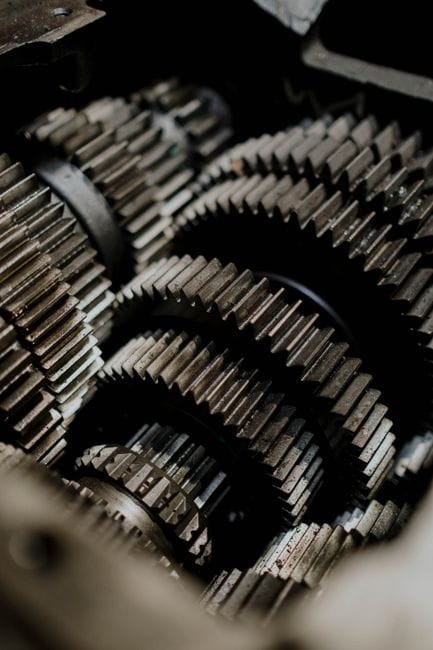
Transmission service intervals are the manufacturer-recommended mileage or time thresholds at which your gearbox should receive fresh fluid and, in many cases, a new filter. These intervals exist because transmission fluid degrades over time. Heat, friction, and contamination break down the additives that protect gears, clutches, and bearings. When that protection fades, wear accelerates and shift quality suffers.
The transmission is one of the most expensive systems in your vehicle. A replacement can cost thousands of dollars. Regular gearbox maintenance at the correct interval is far cheaper than a rebuild. The fluid is the lifeblood of the system — it lubricates, cools, transmits hydraulic pressure, and cleans internal components. Let it go too long, and you risk premature failure.
Defining the Service Interval vs. the Fluid Change
A service interval is the scheduled point at which you perform a complete maintenance procedure. That procedure typically includes draining the old fluid, replacing the filter, and reinstalling the pan with a fresh gasket. A fluid change alone is just the drain-and-refill step. Many drivers confuse the two, but they are not the same.
The distinction matters for budgeting and planning. A simple fluid change might take 30 minutes in your driveway. A full service with filter and gasket replacement takes longer and costs more in parts. Your owner’s manual specifies what the interval requires. Some vehicles list a fluid change at one mileage point and a full service at another. Check your specific model’s schedule rather than assuming one procedure covers everything.
How Intervals Differ from Engine Oil Schedules
Engine oil intervals are shorter — typically 5,000 to 10,000 miles — because combustion byproducts contaminate the oil quickly. Transmission fluid operates in a sealed system, so it lasts longer. Most automatic transmission service intervals fall between 30,000 and 60,000 miles, though some modern vehicles claim 100,000-mile fills.
The sealed nature of the transmission is also why some manufacturers call fluid “lifetime.” That label is misleading. “Lifetime” usually means the expected life of the vehicle warranty period, not the physical life of the gearbox. If you plan to keep your car beyond 100,000 miles, ignoring the interval is a gamble. A proactive service at the recommended mileage is the most reliable way to protect the gearbox and avoid an early failure.
If you’re already planning maintenance work, consider pairing your transmission service with a brake system upgrade guide review. Both systems rely on fluid integrity, and checking them together saves you from repeated trips under the car. The key takeaway: transmission service intervals are your defense against the single most expensive repair most vehicles will ever face.
The Mileage Matrix: Standard vs. Severe Service Schedules
Transmission service intervals split into two distinct schedules: normal and severe duty. The difference matters because most drivers fall into the severe category without realizing it. The mileage thresholds between the two schedules can differ by half, so guessing wrong means either wasted fluid or a stressed gearbox.
Normal Driving Conditions (30,000 to 60,000 miles)
Normal service conditions are stricter than most people assume. Manufacturers define this category as highway commuting at steady speeds, moderate outside temperatures, and minimal stop-and-go traffic. If your daily drive is 20 miles of open freeway with the cruise control set, you qualify for the longer end of the mileage thresholds.
Under normal conditions, most automatic transmissions need service between 30,000 and 60,000 miles. The exact number depends on the fluid type and the transmission generation. Older four-speed automatics with conventional ATF typically fall at the 30,000-mile mark. Newer eight- and ten-speed units with synthetic fluid stretch closer to 60,000 miles.
[VERIFY: Verify specific OEM recommendations for 2020-2025 models (Toyota, Ford, Chevy) as they vary by model.]
For manual transmissions, normal service intervals run longer — often 60,000 miles or more — because gear oil faces less heat stress than automatic transmission fluid. But the gearbox still needs fresh lubricant eventually. The syncros and bearings wear regardless of driving style.
Severe Duty Cycles (15,000 to 30,000 miles)
Severe service intervals apply to far more drivers than the name suggests. The category includes stop-and-go city traffic, frequent short trips under five miles, extreme heat or cold, towing, hauling heavy loads, and driving on dusty or unpaved roads. If any of these describe your routine, you need the shorter schedule.
For severe duty, the mileage thresholds drop to 15,000 to 30,000 miles. The reason is heat. Stop-and-go traffic builds transmission temperatures rapidly because the torque converter constantly slips instead of locking up. Short trips never let the fluid reach operating temperature, which allows moisture and condensation to accumulate. Towing adds direct mechanical stress to the clutches and planetary gears.
Common Severe Duty Triggers
Your transmission runs hotter and wears faster if you regularly drive in city traffic, tow a trailer, carry heavy cargo, idle for long periods, or live in a region with extreme temperatures. If you check any of these boxes, follow the severe service schedule — not the normal one.
The cost difference between schedules is modest. Paying for a fluid change at 30,000 miles instead of 60,000 miles adds roughly one extra service over a 120,000-mile ownership period. That is a small price compared to a rebuild.
The ‘Lifetime Fluid’ Myth Explained
The term lifetime transmission fluid appears in owner’s manuals and dealership marketing, but it does not mean what most drivers think. “Lifetime” refers to the design life of the vehicle — typically the warranty period of 100,000 to 150,000 miles. It is not a claim that the fluid never degrades.
What ‘Lifetime’ Actually Means
Understanding ‘Lifetime’ Actually Means
Manufacturers use “lifetime” to describe fluid that lasts as long as the transmission is expected to function under normal conditions. Once the transmission needs service — usually due to wear, not fluid failure — the fluid is replaced as part of the repair. The label is a maintenance simplification, not a metallurgical guarantee.
The problem with believing the myth is that fluid degradation is gradual. Transmission fluid loses its friction modifiers and shear stability over time, even in a sealed system. The degradation accelerates with heat. By 100,000 miles, the fluid may still lubricate but no longer protect against wear or shift smoothly.
Arguments for Following the ‘Lifetime’ Claim
- Modern synthetic fluids resist thermal breakdown better than older formulations
- Sealed transmissions reduce contamination from moisture and debris
- Some manufacturers design fluid service to coincide with major component replacement
Why the Claim Falls Short
- Fluid still degrades from heat cycles, even in sealed systems
- Warranty periods end — “lifetime” rarely extends beyond 150,000 miles
- Used fluid analysis shows metal particles and viscosity loss long before failure
If you plan to sell your car before the warranty expires, the lifetime fluid approach may be acceptable. If you plan to keep the vehicle beyond 150,000 miles, follow the severe service intervals instead. A drain-and-fill at 30,000 to 40,000 miles is cheap insurance against a transmission replacement that costs several thousand dollars.
The decision between standard and severe schedules comes down to honesty about your driving habits. Most commuters in urban areas qualify for severe duty. If you are unsure, lean toward the shorter interval — the cost of extra fluid changes is far lower than the cost of a failed transmission. And if you are already servicing the drivetrain, check your brake pad sensor reset procedure while you are under the vehicle, since many maintenance tasks share the same access points.
Decoding Fluid Types: ATF, CVT, DCT, and Manual Gear Oil
Not all transmission fluid is the same. Pouring the wrong fluid into a gearbox is one of the fastest ways to destroy it. Each transmission architecture — automatic, CVT, dual-clutch, and manual — has specific lubrication requirements. Here is what you need to know before you buy.
Automatic Transmission Fluid (ATF) Specifications
Traditional automatic transmissions use ATF, a hydraulic fluid that does double duty. It lubricates gears and bearings, but it also transmits hydraulic pressure to shift clutches and bands. That means the fluid’s viscosity and friction characteristics directly affect shift quality.
The critical detail is the ATF type. You cannot simply grab any red fluid off the shelf. Each manufacturer specifies a particular formulation, often identified by a Dexron, Mercon, or OEM-specific designation. Using the wrong ATF type can cause harsh shifts, clutch slippage, or premature wear.
Check your owner’s manual for the exact specification. If the manual is gone, look for a dipstick marking or a sticker under the hood. When in doubt, call a dealership parts department with your VIN. The cost of a correct quart is a few dollars more than a generic one — the cost of a rebuild is not.
CVT Fluid — Why It’s Not Interchangeable
Continuously variable transmissions (CVTs) use a steel belt or chain running between two variable pulleys. The fluid in these units must manage extreme friction at the belt-pulley contact point. Standard ATF does not have the right friction modifiers for this job.
A CVT fluid change is a non-negotiable maintenance item. Most manufacturers recommend intervals between 30,000 and 60,000 miles, and many CVTs fail early when owners skip this service. The fluid degrades from heat and shear stress, losing its ability to protect the belt from slipping.
Do not substitute ATF for CVT fluid, even in an emergency. The wrong fluid will cause belt slippage, overheating, and eventual failure. Some CVTs are sealed units with no dipstick, which makes the service more labor-intensive but no less necessary.
Dual-Clutch (DCT) and Manual Gearbox Lubricants
Dual-clutch transmissions sit between automatic and manual designs. They have two separate clutch packs and gear sets that require specific lubrication. Many DCTs use a dedicated DCT transmission fluid that differs from both standard ATF and manual gear oil. Some use a wet-clutch formulation that must lubricate the clutches while also protecting gears.
Manual gear oil, on the other hand, is typically a heavier GL-4 or GL-5 rated lubricant. It does not handle hydraulic pressure — it only lubricates gears, bearings, and synchronizers. The viscosity is much higher than ATF, and the friction modifiers are tuned for synchronizer performance.
A common mistake is using GL-5 gear oil in a transmission that calls for GL-4. The extra sulfur-phosphorus additives in GL-5 can corrode yellow-metal synchronizers over time. Check the spec, not just the viscosity rating.
If you are servicing the drivetrain and need to remove wheels or calipers for access, a [brake grease application guide](https://example.com/brake-grease-application-guide) will help you avoid binding components when you reassemble everything.
The takeaway is simple: match the fluid to the exact specification your vehicle requires. If you are unsure which fluid your transmission takes, check the manual first, then verify with a dealer before you buy.
Drain-and-Fill vs. Flush: Which Service Method Is Right?
Choosing between a transmission flush vs drain comes down to how much old fluid you want to remove and how much risk you are willing to accept. Both methods replace the fluid, but they do so in fundamentally different ways. The drain-and-fill is a partial fluid exchange that replaces only the fluid in the pan. A transmission flush pushes new fluid through the entire system to force out nearly all of the old fluid. Each approach has a place, but they are not interchangeable.
The Drain-and-Fill Process (Partial Fluid Replacement)
A drain-and-fill is the more conservative option. The technician removes the transmission pan drain plug, lets the fluid pour out, and then refills the transmission with fresh fluid. This process typically replaces only 30 to 50 percent of the total fluid volume. The rest stays trapped in the torque converter, valve body, and cooler lines.
The benefit is that the fluid exchange happens gradually. The transmission never runs dry, and the new fluid mixes with the old over time. This method is gentle on seals and clutches that have adapted to the current fluid condition. It is also the recommended approach for high mileage transmission service because it does not disturb accumulated debris all at once.
The downside is that you never fully remove old, degraded fluid. If your fluid is badly burnt or contaminated, a single drain-and-fill will leave a significant amount of the old fluid in the system. You would need to repeat the process two or three times over several thousand miles to approach a full replacement.
Pros of Drain-and-Fill
- Gentle on seals and internal components
- Lower risk of dislodging debris into critical passages
- Simpler procedure you can do at home with basic tools
- Safer for high mileage transmission units
Cons of Drain-and-Fill
- Only replaces 30–50 percent of total fluid
- Requires multiple services for complete renewal
- Leaves degraded fluid in the torque converter
The Flush Process (Full System Replacement)
A transmission flush uses a specialized machine that connects to the cooler lines. The machine pumps new fluid into the system while simultaneously extracting old fluid. This creates a continuous fluid exchange that replaces nearly all of the old fluid — typically 90 to 100 percent — in a single session.
The flush is the more thorough option. It removes fluid from the torque converter, valve body, and cooler circuits that a drain-and-fill cannot reach. If you are switching fluid types or your fluid is severely degraded, a flush gives you a clean slate.
The procedure costs more because it requires specialized equipment and more fluid. A flush can use 12 to 20 quarts of fluid compared to the 4 to 6 quarts a drain-and-fill uses. Some shops charge a premium for the machine time and the additional fluid volume.
Pros of Flush
- Replaces nearly all old fluid in one service
- Cleans torque converter and cooler lines
- Ideal when switching to a different fluid specification
Cons of Flush
- Higher cost due to fluid volume and equipment
- Requires professional equipment — not a DIY job
- Risk of dislodging debris in neglected transmissions
Risks of Flushing High-Mileage Transmissions
The main risk of a flush appears when the transmission has been neglected. Over time, clutch material and metal wear particles settle in low-flow areas of the transmission. A high-pressure flush can dislodge these deposits and send them through the valve body or into the clutch packs. This can cause slipping, harsh shifts, or complete failure shortly after the service.
This is why many shops refuse to flush a high mileage transmission that has never been serviced. The safer play is a drain-and-fill to refresh the fluid without disturbing the settled debris. If the transmission is already shifting poorly, a flush will not fix it — it may make it worse.
When to Avoid a Flush
If your vehicle has over [VERIFY: mileage threshold for flush risk, typically 100k+ miles] and shows no record of prior transmission service, choose a drain-and-fill instead. A flush on an unserviced high-mileage unit carries a real risk of sudden failure. If you are unsure about your transmission’s service history, the conservative path is the safer one.
So which method fits your situation? If you have maintained your transmission on schedule and the fluid looks reasonably clean, a flush every 60,000 miles keeps the system fully fresh. If you are buying a used car with unknown history or your transmission is already high mileage and unserviced, stick with drain-and-fills. The gradual approach protects you from the debris problem that flushes can trigger.
If you are doing the work yourself, note that a drain-and-fill is a driveway-friendly job. You will need a drain pan, the correct fluid, and a torque wrench for the pan bolts. While you are under the vehicle, check the condition of the pan gasket — a leaking gasket is one of the most common causes of low fluid levels. And if the job requires removing the driveshaft or axle shafts, a [brake pad shim guide](https://example.com/brake-pad-shim-guide) will help you reassemble the brake hardware correctly when you put everything back together.
The Filter and Pan Gasket: The Overlooked Service Components
Most DIY owners focus on the fluid itself and skip the components that actually hold it. The transmission filter, pan gasket, and transmission pan magnet do critical work, yet they are easy to ignore because they only matter when the pan comes off. On many vehicles, replacing these parts is the difference between a service that lasts 30,000 miles and one that lasts the full interval.
When to Replace the Transmission Filter
The transmission filter catches clutch material, metal shavings, and other debris before they circulate through the valve body. Over time, the filter media loads up and restricts flow. A clogged filter starves the transmission of fluid pressure, which causes delayed shifts and slipping.
Transmission filter replacement should happen on the same schedule as your fluid change — typically every 30,000 to 60,000 miles depending on whether you follow the standard or severe service schedule from the mileage matrix. Some manufacturers call the filter “lifetime” and bury it inside the transmission case. On those units, the pan does not come off during a normal service, and the filter is only replaced during a rebuild. Check your service manual before assuming the filter is accessible.
If you are already dropping the pan for a drain-and-fill, replace the filter while you are in there. The part costs between $15 and $40 for most vehicles, and the labor is already done. Skipping it to save a few dollars means the new fluid circulates through a clogged element.
Pan Gasket Replacement and Torque Specs
The pan gasket seals the transmission pan to the case. A leaking gasket is one of the most common causes of low fluid, and low fluid is one of the most common causes of premature transmission failure. Most OEM gaskets are rubber or cork and can be reused once, but after a second removal they compress and lose their sealing ability.
Replace the pan gasket every time you drop the pan. The cost is $10 to $25, and reusing an old gasket risks a leak that will cost you fluid and possibly a tow. When reinstalling the pan, torque the bolts to the manufacturer’s specification in a crisscross pattern. Over-tightening warps the pan flange; under-tightening causes leaks. [VERIFY: torque spec range for common transmission pan bolts across major vehicle brands] — the spec varies by vehicle, so look it up in your manual rather than guessing.
The Role of the Magnet in the Pan
The transmission pan magnet sits inside the pan and collects ferrous metal particles that the filter cannot catch. When you drop the pan, examine the magnet. A light gray fuzz is normal wear. Large chunks or shiny metallic flakes indicate a mechanical problem inside the transmission — bearings, gears, or clutch packs coming apart.
Clean the magnet with a lint-free rag and reinstall it. Do not replace it unless it is cracked or has lost its magnetic pull. A magnet that has gone weak will not hold debris, and that debris will circulate through the system. If you notice heavy metallic buildup, photograph the magnet before cleaning it. That record helps a transmission shop diagnose the issue later.
While you are under the vehicle, inspect the transmission mount and nearby components for wear. If you are replacing a leaking pan gasket, check the [emergency brake cable replacement](https://example.com/emergency-brake-cable-replacement) routing while you have access — the cables often run near the transmission pan and can suffer heat damage from fluid leaks. Catching that problem early saves you a second trip under the car.
Diagnostic Signs: When to Service Early Regardless of Mileage
Your transmission sends warning signs before it fails. Mileage schedules are a baseline, not a hard rule. If you notice any of these symptoms, service the unit early — even if you are 10,000 miles from the recommended interval.
Slipping Gears and Delayed Engagement
Transmission slipping feels like the engine revs but the vehicle does not accelerate in step. The gear seems to “catch” a moment after you press the throttle. Delayed engagement is the same issue on a smaller scale — you shift into Drive or Reverse, and there is a pause before the gear actually engages.
Both symptoms point to low fluid pressure or contaminated fluid that cannot maintain hydraulic force. In an automatic, worn clutch packs or a failing torque converter cause the same sensation. In a manual, a worn clutch disc is often the culprit rather than the gearbox itself.
If you catch slipping early, a drain-and-fill with the correct fluid type sometimes restores normal operation. If you ignore it, the friction material sheds into the fluid and accelerates internal wear. The longer you drive with transmission slipping, the more likely you need a rebuild instead of a service.
Burnt Smell or Discolored Fluid on the Dipstick
Fresh transmission fluid is bright red and has a slightly sweet, petroleum smell. Burnt transmission fluid turns dark brown or black and smells like toasted clutch material — acrid and sharp. Check the dipstick if your vehicle has one. If the fluid is brown, the friction modifiers have broken down and the fluid has lost its ability to protect gears and clutches.
Burnt fluid is not just old fluid. It means the transmission has been running hot enough to cook the additives. Common causes include:
- Heavy towing beyond the vehicle’s rated capacity
- Stop-and-go traffic in extreme heat
- A clogged cooler line restricting flow
- Low fluid level causing increased friction
Do not wait for the next scheduled interval. A transmission running on burnt fluid is losing material every mile. Service it immediately with a drain-and-fill — a flush on heavily degraded fluid can dislodge debris and clog the valve body.
Whining, Clunking, or Grinding Noises
Transmission noise diagnosis starts with identifying when the sound occurs. A whine that changes pitch with engine speed often points to a worn pump or low fluid level. A clunk when shifting into gear suggests worn u-joints or a failing mount, not necessarily the transmission itself. Grinding in a manual transmission means synchronizer rings are worn — a rebuild item, not a fluid fix.
Listen carefully and isolate the noise before you spend money. Put the vehicle in Park, rev the engine, and see if the noise follows RPM. Then shift through gears with the vehicle stationary. If the noise only appears while moving, it may be axle or wheel bearing noise rather than the gearbox.
Once you confirm the noise comes from the transmission, service the fluid first — it is the cheapest diagnostic step. If fresh fluid does not quiet the noise, the problem is mechanical and you need professional diagnosis. Do not confuse a transmission noise with a failing alternator or power steering pump; those components whine too and are far cheaper to fix.
While inspecting the undercarriage during a service, check the brake lights not working issue if the brake pedal feels soft. A failing brake light switch can cause shift interlock problems that mimic transmission faults.
Decision Framework: How to Choose Your Service Interval Strategy
Your driving habits matter more than the sticker in the owner’s manual. The standard schedule assumes light duty: short commutes, moderate temperatures, no trailer. Most drivers fall somewhere between that baseline and the severe end. Here is how to decide which transmission service intervals fit your situation.
If You Tow or Haul Heavy Loads, Choose the Severe Schedule
Towing transmission service demands shorter intervals. When you pull a trailer, the gearbox runs hotter, shifts more often, and works harder under load. Heat is the primary killer of automatic transmission fluid — every 20°F above normal operating temperature halves fluid life. If you tow regularly, cut the standard interval in half. That means a fluid change every 30,000 miles instead of 60,000 for most vehicles. Towing also stresses the torque converter and clutches, so the fluid picks up more friction-wear particles. The severe duty schedule in your owner’s manual exists for this exact reason. Follow it. If you tow seasonally — a boat in summer, a camper in fall — you still qualify for the severe schedule during those months. Plan your service around the towing season, not the calendar.
If You Drive Mostly Highway, Stick to the Standard Schedule
Highway driving is the easiest life for a transmission. The gearbox reaches operating temperature and stays there. Shifts are infrequent. The fluid circulates steadily without the stop-and-go heat spikes of city traffic. If your commute is 20+ miles each way on open roads and you rarely idle in traffic, the standard service interval from your owner’s manual is appropriate. You can even extend it slightly if you drive a manual transmission with gear oil, since that fluid does not see the same heat load as an automatic. But do not skip the service entirely — fluid still degrades from oxidation and friction-wear particles over time. Highway drivers who neglect transmission service intervals often find that their fluid looks fine on the dipstick but has lost its friction modifiers, leading to delayed shifts and harsh engagement.
If You Own a High-Mileage Vehicle (Over 100k), Choose Conservative Drain-and-Fill
High mileage transmission service requires a different mindset. If your vehicle has passed 100,000 miles with no documented fluid changes, do not flush it. A power flush can dislodge decades of accumulated sludge and send it into the valve body, causing failures that were not there before. The conservative approach is a drain-and-fill: drop the pan, replace the filter, refill with the correct fluid. This replaces about a third to half of the old fluid, which is enough to refresh the additives without shocking the system. Repeat the drain-and-fill at the next two services to gradually bring the fluid to full condition. This strategy works because it does not rely on high-pressure cleaning. If the transmission has been running on degraded fluid for years, the clutches and seals have adapted to it. A sudden change to fresh fluid can cause slipping in some cases. The gradual approach minimizes that risk. For a high-mileage vehicle, the goal is not perfect fluid condition — it is keeping a working transmission working. If you already have a performance-oriented vehicle, pair this service with [best brake pads for performance](/best-brake-pads-for-performance) to ensure your stopping power matches your drivetrain’s condition.
Interval Strategy Cheat Sheet
Tow or haul heavy loads — follow the severe duty schedule, roughly half the standard interval. Drive mostly highway — stick to the standard schedule from your owner’s manual. Own a high-mileage vehicle — use conservative drain-and-fill, never a flush. When in doubt, choose the shorter interval. Fluid is cheaper than a rebuild.
One final note: your transmission service interval strategy should be written down and logged. Record the mileage at each service, the fluid type used, and whether you performed a drain-and-fill or a flush. This log becomes your evidence if you ever need a warranty claim, and it helps you spot patterns — for example, if your fluid looks burnt at 25,000 miles, you may have a cooling system problem that needs attention before the next service. [VERIFY: typical transmission fluid service cost for a mid-size sedan at a dealership vs. independent shop]
Cost Breakdown: DIY vs. Professional Transmission Service
The cost gap between doing the work yourself and hiring a shop is significant, but the right choice depends on your tools, your vehicle, and your tolerance for getting dirty. A professional transmission service costs more upfront, but it includes liability and disposal. A DIY transmission fluid change saves money but shifts the risk of mistakes onto you.
DIY Costs (Fluid, Filter, Gasket, Tools)
The parts bill for a DIY transmission fluid change is straightforward. You need the correct fluid, a new filter, and a pan gasket. The fluid is the largest variable. Standard ATF runs less per quart, but synthetic blends or specialized CVT fluid cost more. Most vehicles take between 5 and 12 quarts, depending on whether you are doing a drain-and-fill or a full flush.
You also need basic tools: a socket set, a drain pan, and a torque wrench for the pan bolts. If you do not own these, factor in the purchase price. One-time tool costs push your first DIY job closer to a professional price, but the tools pay for themselves on the second service.
| Item | DIY Cost Range | Notes |
|---|---|---|
| Transmission fluid (ATF/CVT) | $40 – $120 | Depends on fluid type and capacity |
| Filter kit | $15 – $60 | Some vehicles only need a screen clean |
| Pan gasket | $10 – $35 | RTV sealant is a cheaper alternative |
| Tools (if new) | $50 – $150 | Socket set, torque wrench, drain pan |
| Total DIY | $115 – $365 | Excludes your labor time |
Professional Service Costs (Labor and Parts)
A professional transmission service bundles the same parts with shop labor. The labor rate is the biggest line item. Shops charge a flat rate for transmission service because the job is standardized — drain, drop the pan, replace the filter, refill, and test. The total price varies by region and by whether the shop performs a drain-and-fill or a flush.
[VERIFY: Current average shop labor rates for transmission service (verify at publish time).]
A basic drain-and-fill with filter replacement typically runs higher than a DIY job because you are paying for the technician’s time and the shop’s overhead. A full flush using a machine adds more cost because the equipment requires setup and the machine pushes more fluid through the system.
| Service Type | Professional Cost Range | What’s Included |
|---|---|---|
| Drain-and-fill (no filter) | $150 – $250 | Fluid, labor, basic inspection |
| Drain-and-fill with filter | $200 – $350 | Fluid, filter, gasket, labor |
| Full machine flush | $300 – $500 | Fluid, machine time, labor |
| CVT or DCT service | $250 – $450 | Specialized fluid, often no filter |
Hidden Costs: Disposal and Special Tools
The hidden costs are where DIY savings evaporate. Used transmission fluid is hazardous waste. Most auto parts stores accept it for free, but some municipalities charge a disposal fee. If you cannot drop it off immediately, you need a sealed container — another small purchase.
Special tools are the bigger trap. Some vehicles require a fluid pump to refill the transmission from below, especially older rear-wheel-drive models. Others need a scan tool to read the transmission fluid temperature for the correct level check. A scan tool that reads live data costs more than a basic code reader. If your vehicle needs one, the DIY cost climbs toward the professional price.
If you decide to hire a shop, pair the transmission service with a brake inspection. While the vehicle is on the lift, ask about pad thickness. If you drive a truck, check our guide on [how to change brake pads Chevy Silverado](/how-to-change-brake-pads-chevy-silverado) so you know what the shop’s quote should cover.
Frequently Asked Questions About Transmission Service Intervals
**How often should I change transmission fluid?**
Most manufacturers recommend a transmission fluid change frequency between 30,000 and 60,000 miles for automatic transmissions. Severe driving conditions — heavy traffic, towing, or extreme temperatures — cut that range roughly in half. Your owner’s manual lists the exact interval for your vehicle. If you lost the manual, most automakers publish maintenance schedules online by VIN.
**What happens if I skip the recommended service interval?**
Fluid breaks down over time. Friction modifiers deplete, and the fluid loses its ability to transfer heat. Shifting becomes harsh, then delayed, then the transmission slips entirely. A fluid service at 60,000 miles costs a few hundred dollars. A rebuilt transmission costs several thousand. The math favors early service.
**Is a transmission flush better than a drain-and-fill?**
It depends on your mileage and service history. A drain-and-fill replaces about a third of the fluid and is safe at any mileage. A flush replaces nearly all fluid but can dislodge accumulated debris in high-mileage units, which sometimes triggers failures. If your transmission has over 100,000 miles and no documented service history, a drain-and-fill is the safer choice. We cover the full comparison in the drain-and-fill vs. flush section above.
**Can I check transmission fluid level myself?**
Some vehicles have a dipstick; many modern ones do not. If yours has a dipstick, check it with the engine running and the transmission warm, per the owner’s manual. If it lacks a dipstick, the level is checked via a fill plug or scan tool. Do not guess — overfilling causes foaming and erratic shifting.
**Does changing transmission fluid fix a slipping transmission?**
Rarely. If the transmission slips because the fluid is low or severely degraded, fresh fluid may restore normal operation temporarily. If the clutch packs or bands are physically worn, no fluid change will fix it. Slip that persists after a service points to internal mechanical failure.
**How much does a transmission service cost?**
A DIY drain-and-fill runs $40 to $80 in fluid and filter. A professional service runs $150 to $350 depending on vehicle. Flushes cost more. See the cost breakdown section above for a full itemized comparison.
**Do CVT and DCT transmissions use the same fluid as regular automatics?**
No. CVTs require specialized CVT fluid, and dual-clutch transmissions require DCT-specific fluid. Using standard ATF in either can destroy the unit. If you are unsure which fluid your vehicle needs, consult the owner’s manual or a dealer parts department before buying anything. This is the most common — and most expensive — DIY mistake in transmission maintenance.
**Can I extend intervals with synthetic fluid?**
Synthetic ATF resists thermal breakdown better than conventional fluid, so some owners extend intervals. However, the filter and pan gasket age regardless of fluid chemistry. If you extend the fluid interval, still inspect the filter at the original schedule. For trucks and heavy-duty use, pair your transmission maintenance with a solid brake service — our [best drum brake kit](/best-drum-brake-kit) guide covers the components worth upgrading while your vehicle is on stands.
Frequently Asked Questions
Can changing transmission fluid fix a slipping transmission?
[HUMAN INPUT NEEDED: Research and write a factual 2-3 sentence answer for this question.]
Is it safe to use a transmission flush on a car with 150,000 miles?
[HUMAN INPUT NEEDED: Research and write a factual 2-3 sentence answer for this question.]
What happens if I never change my transmission fluid?
[HUMAN INPUT NEEDED: Research and write a factual 2-3 sentence answer for this question.]
Does changing transmission fluid improve fuel economy?
[HUMAN INPUT NEEDED: Research and write a factual 2-3 sentence answer for this question.]
How do I check transmission fluid level and condition at home?
[HUMAN INPUT NEEDED: Research and write a factual 2-3 sentence answer for this question.]
Final Verdict: Transmission Service Intervals
Transmission service intervals are the manufacturer-defined maintenance windows that determine when your vehicle’s transmission fluid should be replaced or inspected. The most important attributes of any service interval are mileage thresholds, fluid type compatibility, driving condition modifiers, and the distinction between fluid changes and complete flushes. Getting these right protects the gearbox, prevents premature wear, and preserves your vehicle’s resale value.
Our top recommendation is to follow the severe service schedule from your owner’s manual rather than the standard schedule. Severe driving conditions — stop-and-go traffic, towing, extreme temperatures, and frequent short trips — degrade transmission fluid faster than normal highway driving. Most manufacturers list both schedules. The severe schedule typically shortens the interval by 30-50%. For example, a vehicle with a 60,000-mile normal interval often drops to 30,000-40,000 miles under severe conditions. Choosing the severe schedule costs marginally more per year but delivers substantially better transmission longevity.
Decision Framework for Transmission Service Intervals
If you need maximum transmission longevity, choose the severe service interval because it accounts for real-world driving stress that the standard schedule ignores.
If you need to preserve your warranty, choose the manufacturer’s exact recommended interval because warranty claims require documented adherence to the specified maintenance schedule.
If you need a low-maintenance vehicle, choose a model with a sealed transmission and extended service intervals (often 100,000+ miles) because these systems use synthetic fluid engineered for longer life.
If you need to service an older vehicle with over 100,000 miles, choose a drain-and-fill rather than a full flush. The pressure of a flush can dislodge debris that has settled. This can potentially cause shifting problems.
If you need maximum towing capability, choose the interval specified for heavy-duty use (typically every 30,000 miles) because towing generates heat that accelerates fluid breakdown.
However, the top recommendation has an honest limitation. The severe service schedule cannot compensate for a transmission that has already experienced neglect or damage. If your vehicle has missed multiple service intervals, simply changing the fluid will not restore worn clutches or damaged valve bodies. In those cases, the fluid change may even reveal existing problems that were previously masked by degraded fluid. Also, the severe schedule does not eliminate the need for proper fluid type selection. Using the wrong viscosity or specification will cause damage regardless of how frequently you service the unit.
Before you decide, check your owner’s manual for the specific interval and fluid specification. If the manual is unavailable, consult the manufacturer’s technical service bulletins or contact a dealership with your VIN. The cost of a transmission service — typically $150-$400 depending on fluid type and vehicle — is a fraction of the $3,000-$6,000 cost of a transmission replacement. Regular service is the single most cost-effective maintenance decision you can make for your vehicle’s drivetrain.
Start by identifying your driving conditions honestly. If you spend more than 30 minutes per day in stop-and-go traffic, tow anything, or live in a region with extreme seasonal temperatures, the severe schedule is for you. If you drive primarily on highways in moderate climates, the standard schedule will suffice. Whichever you choose, document every service with receipts and records — this documentation protects your warranty and adds value when you sell the vehicle.
You might also like: best short shifter, best manual transmission fluid, best transmission cooler