
Keeping your Volkswagen Jetta running smoothly isn’t just about hitting the open road—it’s about the small habits that prevent big problems down the line. As someone who’s spent years under the hood of countless VWs, from the zippy Mk4 models to the sleek modern ones, I can tell you that a regular oil change is one of the simplest yet most impactful ways to extend your car’s life. Fresh oil lubricates the engine, reduces friction, and helps dissipate heat, all while carrying away debris that could otherwise lead to costly repairs. For Jetta owners, this routine maintenance is especially crucial because these cars blend German engineering precision with everyday reliability, but they demand the right care to avoid issues like sludge buildup or premature wear.
Imagine cruising through city streets or tackling a long highway drive, only to feel a subtle hesitation or hear an unusual knock—that’s often the first whisper of neglected oil. Doing it yourself not only saves you a trip to the mechanic (and potentially $50-100 each time) but also gives you a deeper connection to your vehicle. Whether you’re driving a fuel-efficient 1.4T from 2019 or an older 2.0L workhorse, understanding the process empowers you to spot early warning signs. In this guide, we’ll walk through everything from tools to troubleshooting, drawing on real-world experiences to make it feel less like a chore and more like a rewarding ritual.
What makes the Jetta stand out in the compact sedan world is its balance of performance and efficiency, but that means tailoring your approach to the specific model year and engine. Newer ones sip on ultra-thin synthetic oils for better fuel economy, while classics might thrive on something heartier. Stick with me, and by the end, you’ll have the confidence to handle this essential task, ensuring your Jetta stays as responsive and reliable as the day you drove it off the lot.
Decoding Your Jetta’s Oil Requirements
Before diving into the wrench-twisting action, it’s essential to grasp what your specific Jetta needs in terms of oil type, capacity, and change intervals. Volkswagen has evolved its engines over the years, so a one-size-fits-all approach won’t cut it. For instance, if you’re behind the wheel of a 2019-2021 Jetta with the 1.4T turbocharged engine, you’ll want fully synthetic 0W-20 oil that meets VW’s 508 00 specification. This low-viscosity blend is designed for modern turbo setups, providing excellent protection against heat while improving fuel efficiency—think of it as the lifeblood that keeps those turbo bearings spinning without a hitch.
Capacity varies too: That same 1.4T holds about 4 liters (roughly 4.2 quarts), while the updated 1.5T in 2022-2024 models bumps up to 4.3 liters (4.5 quarts). Older generations tell a different story. Take the Mk4 Jetta from 1998-2005 with a 2.0L engine—it typically requires around 4.7 quarts of oil, and you might opt for a 0W-40 synthetic if you’re in a colder climate to ensure easy starts without sacrificing high-temperature stability. For sportier variants like the GLI (2019-present), expect a larger 6.3 quarts, often sticking to VW 502 00 specs for its 2.0T powerplant.
As for how often to swap it out, Volkswagen recommends every 10,000 miles or once a year for most modern models using synthetic oil—whichever comes first. This interval leverages the durability of synthetics, which resist breakdown better than conventional oils. However, if you frequently tackle short trips, heavy traffic, or dusty roads, consider shortening it to 5,000-7,500 miles to prevent contaminants from accumulating. I’ve seen Jettas in urban environments where sticking to the full 10k led to thicker oil and reduced performance; a proactive schedule keeps things crisp. Always cross-reference your owner’s manual, as factors like diesel TDIs (common in older Jettas) might call for 505.01-rated oil and slightly different timelines. Getting this right isn’t just about following rules—it’s about preserving that signature VW throttle response and avoiding warranty headaches.
Assembling Your Toolkit for Success

Nothing derails a DIY project faster than realizing you’re missing a key tool midway through. For a Volkswagen Jetta oil change, your arsenal should blend basic garage staples with a few VW-specific items to handle the job efficiently and safely. Start with the essentials: a sturdy oil drain pan (at least 7-quart capacity to catch spills), a funnel for mess-free pouring, and rags or paper towels for cleanup. Safety gear like gloves and eye protection is non-negotiable—hot oil can splash, and you don’t want it on your skin.
For newer models like the 2019-2024 Jetta, you’ll need Torx bits: T-25, T-40, and T-45 for removing the underbody splash pan, which shields the engine bay. A 19mm wrench or socket tackles the drain plug, while an oil filter wrench (often 74mm or adjustable) grips the canister-style filter without slipping. Don’t forget a torque wrench—torquing the drain plug to 22 ft-lbs prevents leaks or stripping. Older Mk4 Jettas simplify things a bit, sticking to a 19mm wrench for the plug and a standard filter wrench, but you’ll still want a floor jack and jack stands for secure lifting.
In my experience, investing in quality pays off. I once helped a friend with his 2015 Jetta who cheaped out on a generic filter wrench—it slipped, dented the filter housing, and turned a 30-minute job into an hour of frustration. Opt for OEM-compatible tools from brands like CTA or Steelman for VW’s quirky fittings. Round out your kit with the right oil filter (check part numbers like 06K 115 562 for 1.4T) and a new drain plug washer to ensure a fresh seal. With these in hand, you’re set to approach the task like a pro, minimizing risks and maximizing efficiency.
Setting Up for a Smooth Oil Change
Preparation is where good intentions turn into great results. Begin by parking your Jetta on a level surface—uneven ground can skew oil level readings and make draining incomplete. Warm up the engine for 5-10 minutes; this thins the oil for better flow and suspends contaminants so they exit with the old stuff. But let it cool slightly afterward to avoid burns—I’ve learned the hard way that rushing in too soon leads to singed fingers.
If your model has an underbody panel, like most post-2011 Jettas, remove it first for access. For a 2020 Jetta 1.4T, that means loosening eight T-25 screws and three T-45 bolts, starting from the front and working back while supporting the panel to prevent it from dropping. Older models might skip this, but always chock the wheels and engage the parking brake. Position your drain pan strategically under the oil pan’s rear edge, where the plug sits. Gather all materials nearby—no one wants to hunt for the funnel mid-pour. This setup not only streamlines the process but also builds in safety, turning potential chaos into a controlled, enjoyable endeavor.
Take a real-world example: A client with a 2005 Mk4 Jetta ignored warming the engine and ended up with half the old oil stubbornly clinging inside, leading to diluted fresh oil and quicker degradation. By contrast, following these prep steps ensures a thorough drain, setting the stage for optimal engine health.
The Step-by-Step Oil Swap Process

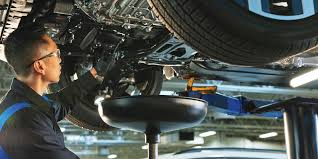
Now we’re at the heart of it: the actual change. Start by locating the oil filter—on modern Jettas, it’s usually on the lower front of the engine block, while older ones have it spinning on from the side. Using your filter wrench, turn it counterclockwise to remove, letting residual oil drain into the pan. Wipe the housing clean, then lubricate the new filter’s rubber seal with fresh oil before hand-tightening it plus a quarter-turn (about 15 ft-lbs). This step prevents dry starts and ensures a leak-free seal.
Next, tackle the drain plug with your 19mm wrench, turning counterclockwise while positioned to catch the gush of oil. Once drained (give it 10-15 minutes for full evacuation), replace the plug with a new washer and torque to spec. For a 2023 Jetta 1.5T, pour in the exact capacity via the top fill cap using a funnel, starting with most of it and topping off after checking. Idle the engine briefly to circulate, then shut off and verify no leaks.
Variations creep in with engines: Diesel TDIs might require a cartridge filter swap, involving a housing cap removal, while GLIs demand more oil due to their performance tuning. Always double-check levels on the dipstick after a short drive—oil expands when hot, so aim for the midway mark cold. This methodical flow, honed from years of garage work, transforms a basic task into engine-preserving artistry.
Navigating Common Pitfalls and Fixes
Even seasoned DIYers hit snags, but knowing them ahead saves headaches. A frequent issue is over-tightening the drain plug, which strips threads and necessitates costly pan repairs—stick to torque specs to avoid this. Leaks often stem from forgetting to lubricate the filter seal; a quick wipe of oil fixes it. If your Jetta’s oil light lingers post-change, it could be low pressure from insufficient fill—top up and recheck.
For older models like the 2010 2.5L, sludge from neglected intervals can clog passages; if you spot thick residue during drain, consider an engine flush next time. In one case, a 2016 Jetta owner I advised found their filter housing cracked from overzealous wrenching—replacing it early prevented a full breakdown. Environmental factors matter too: In dusty areas, opt for premium filters to trap more particles. Addressing these proactively keeps minor issues from escalating, underscoring the value of attentive maintenance.
Expert Tips for Peak Jetta Performance
Beyond the basics, a few insider strategies elevate your oil change game. Always record the mileage and date in a logbook—it’s invaluable for resale and spotting patterns like unusual consumption. For turbo models, let the engine idle a minute before shutdown post-drive to cool the turbo, preserving oil integrity.
Experiment with additives sparingly; most modern synthetics don’t need them, but if your Jetta sees extreme conditions, a quality stabilizer can help. Real example: A track enthusiast with a GLI extended intervals slightly by using high-end VW-approved oil, but monitored closely with Blackstone labs analysis—results showed cleaner internals. Recycle old oil responsibly at auto parts stores; it’s eco-friendly and often free. These habits, drawn from hands-on expertise, not only maintain your Jetta but enhance its longevity and joy on the road.
Frequently Asked Questions
How often should I change the oil in my Volkswagen Jetta? For most models from 2011 onward using synthetic oil, aim for every 10,000 miles or annually. Older conventional oil users might need it every 3,000-5,000 miles, depending on driving habits. Always consult your manual for precision.
What happens if I use the wrong oil type? It could lead to reduced lubrication, increased wear, or even engine damage—VW’s specs like 508 00 are engineered for specific tolerances. Stick to approved synthetics to avoid voiding warranties.
Can I change the oil without lifting the car? Not recommended for Jettas with low clearance; ramps or jacks provide safe access. Attempting without might result in incomplete drains or spills.
How do I reset the oil service light on my Jetta? It varies by year—newer models often reset via the infotainment menu under “Service,” while older ones use the trip odometer button held during ignition. Check your manual for exact steps.
What if my Jetta is consuming oil between changes? Normal for turbos (up to a quart per 1,200 miles), but excessive might indicate seals or rings issues. Monitor levels weekly and consult a mechanic if it persists.
Is it worth doing a Jetta oil change myself versus a shop? Absolutely, if you’re comfortable—saves money and builds knowledge. Shops charge for convenience, but DIY ensures you use preferred products.
Wrapping It Up: Keep Your Jetta Thriving
Mastering a Volkswagen Jetta oil change is more than a skill—it’s a commitment to the road ahead, ensuring every drive feels as invigorating as the first. From selecting the right synthetic blend to torquing that final bolt, you’ve now got the insights to handle it with confidence, whether it’s a quick refresh on your daily commuter or prepping for a cross-country adventure. Remember, consistent care like this pays dividends in reliability, fuel efficiency, and that unmistakable VW pep.
As you put these steps into practice, listen to your car—it’ll thank you with smoother shifts and quieter runs. If doubts arise, lean on trusted resources or a local VW specialist. Here’s to many more miles of trouble-free motoring; grab those tools, roll up your sleeves, and keep your Jetta in prime form. Safe travels!