Best Battery Charger (2026): Tested & Ranked
Best Battery Charger: How to Choose the Right One for Your Car (2026 Guide)
Finding the best battery charger for your vehicle isn’t about picking the most expensive unit on the shelf—it’s about matching the charger’s capabilities to your battery’s chemistry, capacity, and your own usage patterns. A wrong choice can mean a prematurely aged battery, wasted hours waiting for a charge, or even a dangerous overcharging event. This guide breaks down the technical attributes that actually matter, so you can make a confident, informed decision.
What Is a Battery Charger and How Does It Differ from a Maintainer or Jump Starter?
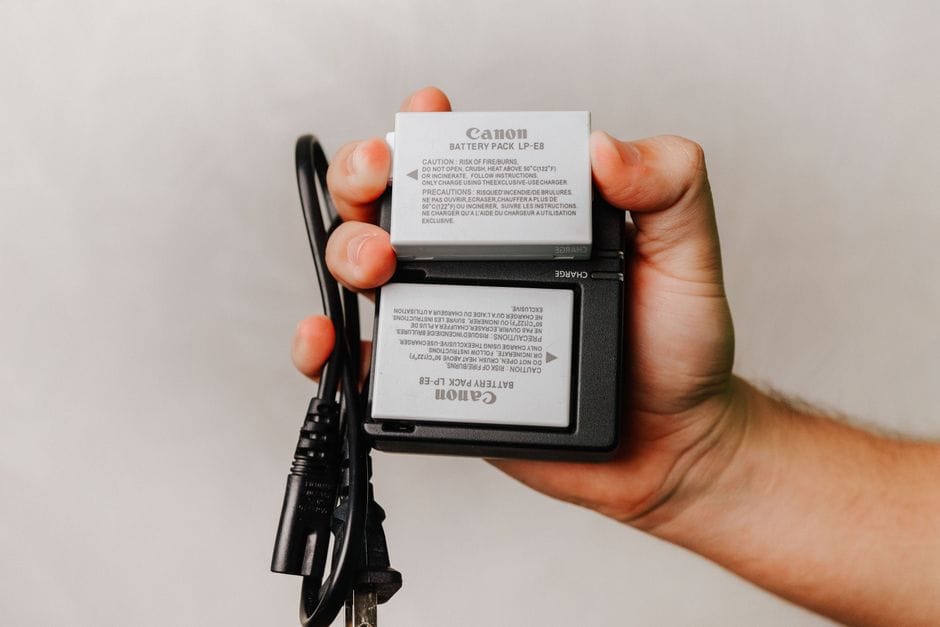
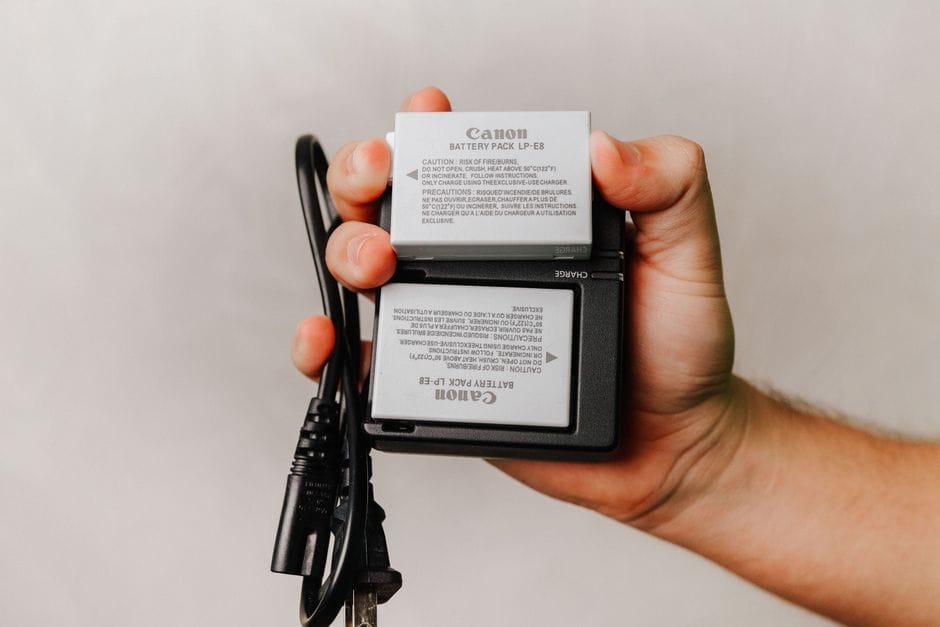
A battery charger is a device that replenishes the state of charge (SoC) of a rechargeable battery by forcing a controlled electrical current through it. In the automotive context, it converts AC mains power into a DC voltage suitable for your car’s 12-volt electrical system. It’s a distinct entity from two other common tools: the battery maintainer and the jump starter. Understanding these differences is the first step in selecting the right equipment for your garage.
The Core Function: Replenishing State of Charge
The primary job of any charger is to push energy back into the battery, reversing the chemical discharge process. When you drive, your alternator handles this automatically. But when a vehicle sits idle for weeks, or after you’ve left the headlights on, the battery’s state of charge drops. A dedicated charger restores that lost energy. The efficiency and safety of this process depend on the charger’s design, which we’ll cover in the sections below.
Battery Charger vs. Battery Maintainer vs. Jump Starter: Key Differences
These three tools are often confused, but they serve fundamentally different roles. A jump starter is a portable power pack designed to deliver a massive, short burst of current to crank a dead engine—it does not recharge the battery. A battery maintainer is a low-output charger (typically 0.5A to 2A) that provides a trickle charge to offset natural self-discharge, making it ideal for seasonal vehicles. A full battery charger sits in the middle: it delivers enough amperage to recharge a depleted battery in a reasonable timeframe, and many modern units also include a maintainer mode. If you need to revive a completely drained battery, you need a charger, not just a maintainer.
How Charging Works: Voltage, Amperage, and Charge Stages (Bulk, Absorption, Float)
Modern charging isn’t a single constant process; it’s a staged algorithm. The charge stages typically include Bulk, Absorption, and Float. During the Bulk stage, the charger delivers its maximum amperage until the battery reaches roughly 80% state of charge. The Absorption stage then holds voltage constant while the current tapers off, topping the battery to near 100%. Finally, the Float stage drops the voltage to a safe maintenance level, preventing overcharging. A quality charger manages these transitions automatically, which is critical for battery longevity. For a deeper look at how these stages affect battery health, you might also consult our battery testing guide to verify the results.
Key Attribute 1: Smart Charging Technology vs. Manual Chargers
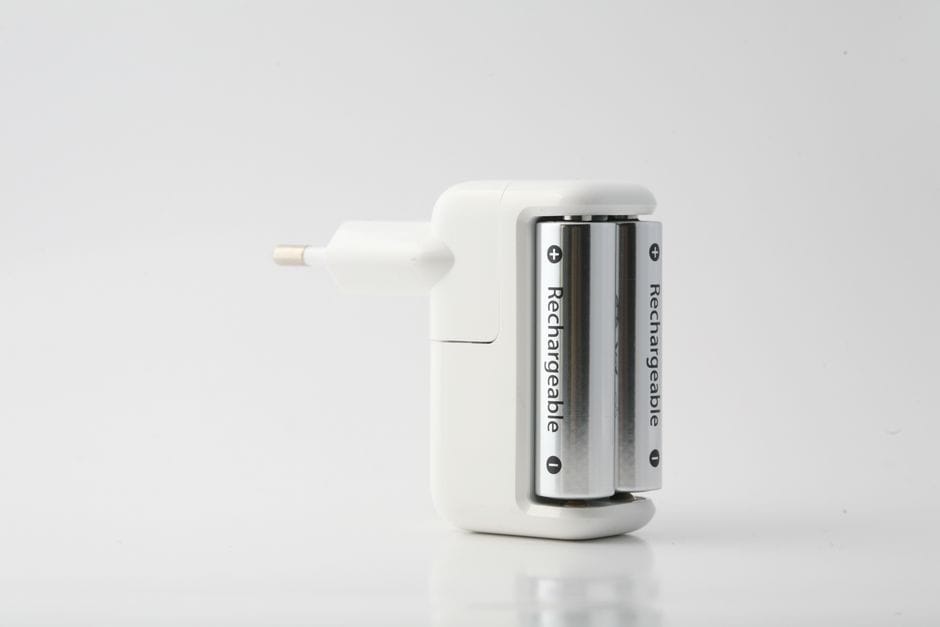
Smart Charger Advantages
- Automatic shutoff: Prevents overcharging by switching to float mode when complete.
- Microprocessor control: Adjusts current and voltage based on battery condition.
- Multi-stage charging: Optimizes the bulk, absorption, and float phases for faster, safer fills.
- Safety diagnostics: Can detect reverse polarity or a shorted cell before starting.
Manual Charger Risks
- Overcharging risk: Requires constant monitoring; leaving it connected can boil the electrolyte.
- No automatic shutoff: If you forget to unplug it, you can destroy the battery.
- Fixed output: Cannot adapt to different battery chemistries or temperatures.
- Skill required: You must manually calculate charge time, which is error-prone.
What a Smart Charger Does (Microprocessor Control, Automatic Shutoff)
A smart charger uses a microprocessor to monitor the battery’s voltage and internal resistance in real time. This allows it to deliver the correct current for the battery’s condition, then automatically shut off or switch to float mode when charging is complete. This is the single most important feature to look for in 2026, as it eliminates the primary cause of premature battery failure: overcharging.
The Risks of Manual Chargers (Overcharging, Boiling Electrolyte)
Manual chargers are simple transformers that output a fixed voltage. They lack the intelligence to reduce current as the battery fills. If left connected, they will continue to force current into a fully charged battery, causing the water in the electrolyte to split into hydrogen and oxygen gas—a process known as boiling. This not only damages the plates but also creates a potential explosion hazard. The risk of overcharging is simply too high for modern vehicle batteries.
Why Smart Chargers Are the New Standard for DIY Owners
For the average car owner, a smart charger is the only sensible choice. The price difference between a basic smart unit and a manual one is often less than $20, but the smart charger protects an investment that can cost $200 or more. The convenience of “set and forget” charging, especially for overnight sessions, is worth the premium alone. Always check that the unit you buy has a certified automatic shutoff feature.
Key Attribute 2: Output Amperage and Charging Speed
| Amp Output | Best For | Typical Charge Time (50Ah Battery) | Risk Level |
|---|---|---|---|
| 1A – 2A | Motorcycles, maintainers, seasonal storage | 24 – 48 hours | Very Low |
| 4A – 6A | Small cars, overnight charging | 8 – 12 hours | Low |
| 10A – 15A | Large sedans, SUVs, faster turnaround | 3 – 5 hours | Moderate |
| 20A+ | Heavy-duty, deep-cycle, workshop use | 1 – 2 hours | High (requires monitoring) |
Understanding Amp Ratings: 1A, 4A, 10A, 20A, and Beyond
The amp output determines how quickly the charger can replenish a battery. A higher charging speed is not always better, however. The rule of thumb is that a charger should output roughly 10% of the battery’s capacity in amp-hours (Ah). For a typical 50Ah car battery, a 5A charger is ideal. Using a 20A charger on that same battery is safe, but it generates more heat and stress on the plates.
Matching Charger Output to Battery Capacity (Ah)
To calculate the optimal charger size, divide your battery capacity (printed on the label as “Ah”) by 10. For example, a 60Ah battery pairs well with a 6A charger. If you have a small motorcycle battery (12Ah), a 1.5A maintainer is perfect. Oversizing the charger for a small battery risks overheating; undersizing it for a large battery means waiting days for a full charge. This is why many smart chargers now offer selectable amp modes.
The Trade-off: Fast Charging vs. Battery Health
The Trade-off: Details
There is a direct trade-off between fast charging and long-term battery health. High amperage generates heat, which accelerates grid corrosion and active material shedding. If you frequently use a 20A charger on a standard flooded battery, you will notice a shorter service life. For daily driving, a 4A-6A overnight charge is the sweet spot. Reserve 10A+ modes for emergencies or for deep-cycle batteries designed to handle higher currents.
Key Attribute 3: Battery Type Compatibility (AGM, Gel, Flooded, LiFePO4)

Not all 12-volt batteries are created equal. The internal chemistry dictates the precise voltage limits for each charging profile. Using the wrong profile can cause permanent damage. The four main types you’ll encounter are Flooded, AGM, Gel, and LiFePO4. A modern charger must offer distinct modes for each.
Why One Charger Doesn’t Fit All Battery Chemistries
Each chemistry has a different optimal absorption voltage. A flooded battery requires a higher voltage (around 14.7V) to mix the electrolyte during charging. An AGM battery (Absorbent Glass Mat) prefers a slightly lower voltage (around 14.6V) and cannot tolerate the gassing that a flooded battery can. A gel battery is even more sensitive, requiring a maximum of 14.2V—exceeding this turns the gel into a liquid, ruining the battery. LiFePO4 (lithium iron phosphate) is a completely different beast, requiring a constant current/constant voltage profile with no float stage.
Multi-Stage Charging Profiles for Different Battery Types
The best chargers on the market include a button or automatic detection system to select the correct charging profile. When you choose the AGM setting, the charger adjusts its voltage thresholds for the absorption and float stages. This is not a marketing gimmick; it is essential for safety. If you own a vehicle with an AGM battery, you should specifically look for a charger with a dedicated AGM mode. For more details on selecting the right power source for your vehicle, see our guide on the best AGM battery options.
The Rise of LiFePO4 and What It Means for Charger Selection
The Rise of LiFePO4 and Understanding It Means for Charger Selection
LiFePO4 batteries are increasingly common in modern cars, especially in start-stop systems and electric vehicles. They are lighter and have a longer cycle life than lead-acid, but they require a fundamentally different charging algorithm. A lead-acid charger will not properly charge a LiFePO4 battery—it may even trigger the battery’s internal protection circuit. If you plan to own a lithium battery, you must purchase a charger with a specific LiFePO4 mode. This is a non-negotiable compatibility issue.
Key Attribute 4: Safety Features You Should Not Compromise On

When dealing with electricity and sulfuric acid, safety is paramount. A quality charger includes multiple layers of protection. If a unit lacks these features, it is not worth the money, regardless of its price.
Reverse Polarity Protection and Spark-Proof Clamps
The most common user error is connecting the clamps to the wrong terminals. Reverse polarity protection ensures the charger simply refuses to operate if you connect positive to negative. Spark-proof clamps are designed so that the metal jaws only make contact after you’ve clamped them onto the terminal, preventing accidental sparks that could ignite hydrogen gas emitted by the battery. These two features are the absolute minimum for safe operation.
Overcharge, Overheat, and Short-Circuit Protection
Beyond polarity, look for overcharge protection (which we discussed with smart chargers), overheat protection (which shuts down the unit if it gets too hot), and short-circuit protection. These internal safeguards protect both the battery and your vehicle’s sensitive electronics. A short circuit in the clamps can send a surge through your car’s computer, causing thousands of dollars in damage—a good charger prevents this.
IP Ratings and Suitability for Outdoor or Garage Use
If you plan to charge in a damp garage or outdoors, check the IP rating (Ingress Protection). An IP65 rating means the unit is dust-tight and protected against water jets, making it suitable for outdoor use. A lower IP20 rating is fine for a clean, dry indoor workshop. Don’t assume a charger is weatherproof just because it has thick cables; verify the rating on the spec sheet.
How to Choose the Best Battery Charger: A Decision Framework
To cut through the marketing noise, use this simple decision framework based on your specific needs. This is the information gain that most competitor articles skip—they list products, but they don’t tell you which one is right for your situation.
Decision Framework for Your Ideal Charger
If you need to charge overnight, choose a 4A-6A smart charger because it balances speed and battery health, completing the charge in 8-12 hours without stressing the plates.
If you have an AGM battery, choose a charger with a dedicated AGM mode because it uses a higher absorption voltage (14.6V) to fully saturate the glass mat, which a standard flooded setting cannot achieve.
If you want to maintain a seasonal vehicle, choose a 1A-2A maintainer because it prevents sulfation without overcharging, keeping the battery at 100% state of charge all winter.
If you need to charge a deep-cycle battery, choose a charger with a reconditioning mode because it can help reverse sulfation and restore lost capacity, which a standard charger cannot do.
If You Need to Charge Overnight, Choose a 4A-6A Smart Charger Because It Balances Speed and Battery Health
This is the most common scenario for daily drivers. A 4A-6A unit will replenish a depleted 50Ah battery in a single overnight session. The smart technology ensures it doesn’t overcharge if you leave it connected for 12 hours instead of 8. This is the “sweet spot” for most car owners.
If You Have an AGM Battery, Choose a Charger with a Dedicated AGM Mode Because It Uses a Higher Absorption Voltage
AGM batteries are standard in many modern vehicles with start-stop systems. They require a specific charging algorithm to maintain their performance. The dedicated AGM mode on a charger ensures the voltage stays within the safe range for the glass mat separator, preventing dry-out and premature failure.
If You Want to Maintain a Seasonal Vehicle, Choose a 1A-2A Maintainer Because It Prevents Sulfation Without Overcharging
For a classic car, motorcycle, or boat that sits for months, a full-size charger is overkill. A 1A-2A maintainer will offset self-discharge and keep the battery topped up. This prevents sulfation—the buildup of lead sulfate crystals that permanently reduces capacity and is the leading cause of failure in seasonal vehicles.
If You Need to Charge a Deep-Cycle Battery, Choose a Charger with a Reconditioning Mode Because It Can Help Reverse Sulfation
Deep-cycle batteries (used in RVs, trolling motors, and solar setups) are often deeply discharged, which accelerates sulfation. A reconditioning mode uses a controlled high-voltage pulse to break down these sulfate crystals, restoring some lost capacity. This is a valuable feature that adds significant life to expensive deep-cycle batteries.
Limitations and What a Battery Charger Cannot Do
No charger is a magic bullet. Understanding what a charger cannot do is just as important as knowing its features. This honest assessment will save you from frustration and wasted money.
It Cannot Start a Dead Car (That’s a Jump Starter’s Job)
If your battery is completely dead and you need to get to work in five minutes, a charger won’t help. Even a 20A charger will take over an hour to put enough energy back into the battery to crank the engine. For immediate starts, you need a jump starter or a set of jumper cables. The charger is for the subsequent full recharge.
It Cannot Repair a Physically Damaged or Short-Celled Battery
If your battery has a cracked case, a swollen side, or an internal short circuit, no charger can fix it. A shorted cell will cause the charger to run indefinitely in the bulk phase without ever reaching absorption voltage. If your battery is physically damaged or more than five years old, replacement is the only option.
It Cannot Diagnose Alternator or Parasitic Drain Issues
If you charge your battery to full, but it’s dead again the next morning, the charger isn’t the problem. You likely have a parasitic drain—an electrical component drawing power while the car is off—or a failing alternator that isn’t recharging the battery while you drive. A charger will simply refill the battery; it won’t tell you why it keeps emptying.
Desulfation Modes Have Limits: They Work on Light Sulfation, Not Dead Batteries
While sulfation recovery is a real feature, it has strict limits. It can reverse light, crystalline sulfation that occurs from weeks of undercharging. However, if a battery has been left completely dead for months, the sulfate crystals harden and become irreversible. The reconditioning mode will not resurrect a battery that is below 10.5 volts. If the battery has been sitting dead for a long time, it’s likely beyond saving.
Frequently Asked Questions About Battery Chargers
Can I leave a smart charger connected all winter?
Yes. A smart charger with a float mode is specifically designed for winter storage. Once the battery reaches full charge, the charger drops to a low float voltage (around 13.2V) that maintains the state of charge without overcharging. This is the ideal way to store a seasonal vehicle. However, you should verify that the charger has a true float mode and not just a trickle charge, which may not reduce output sufficiently.
What is the difference between trickle charging and float charging?
The terms are often used interchangeably, but there is a technical distinction. Trickle charging refers to a constant, low current (1A or less) that is always on, regardless of the battery’s state of charge—this can overcharge if left indefinitely. Float charging is a voltage-regulated stage in a smart charger’s algorithm that maintains the battery at a safe, full voltage without overcharging. Always look for float mode, not just trickle mode, for long-term maintenance.
How long does it take to charge a 50Ah battery with a 10A charger?
Mathematically, a 50Ah battery with a 10A charger would take 5 hours (50Ah / 10A) to go from empty to full. However, due to the charging stages and inefficiencies (typically 10-20% energy loss as heat), you should expect a real-world time of 5.5 to 6 hours. Also, the absorption stage tapers the current, so the last 20% of the charge takes disproportionately longer than the first 80%.
Can I charge a lithium battery with a lead-acid charger?
No. A lithium battery (LiFePO4) requires a constant current/constant voltage (CC/CV) profile with a specific voltage threshold (usually 14.6V). A lead-acid charger may overcharge it, triggering the battery’s internal Battery Management System (BMS) to disconnect, or worse, causing a thermal runaway. You must use a charger with a dedicated LiFePO4 mode. This is a hard compatibility rule.
Final Verdict: The Best Battery Charger Is a Smart, Multi-Profile Unit
The best battery charger for your car in 2026 is not the one with the highest amperage or the flashiest display. It is the one that matches your battery’s chemistry and your charging habits. For 90% of drivers, that means a 4A-6A smart charger with automatic shutoff, reverse polarity protection, and selectable modes for AGM and flooded batteries. If you own a seasonal vehicle, add a 1A-2A maintainer to your toolkit. The extra $20-$30 you spend on smart technology will save you $200 on a premature battery replacement. Prioritize safety features, ignore marketing hype, and always match the charging profile to your battery type.