Best Air Suspension (2026): Tested & Ranked
Best Air Suspension Kits: The Complete Guide to Choosing the Right System for Your Ride
Air suspension replaces steel coil springs or leaf springs with rubber bellows called air springs. These bellows are filled with pressurized air. This pneumatic setup lets drivers adjust ride height, firmness, and load capacity on demand. It is a transformative upgrade for trucks, SUVs, and luxury sedans. Unlike static suspension systems, air suspension kits use an onboard compressor, a storage tank, and electronic or manual controls. These components actively manage the chassis. The result is a smoother, more adaptable ride that can be tuned to specific driving conditions.
Five core attributes determine performance and value in air suspension kits. These are system type, compressor power, maximum load capacity, material quality, and price range. System type covers single-path versus multi-path setups. Compressor power is measured in CFM or PSI. Materials range from corrosion-resistant aluminum to heavy-duty polyurethane. Prices span budget coil-conversion kits to premium adaptive setups. Software control also plays a decisive role. Bluetooth-enabled smartphone apps and in-cab digital controllers let you manage air pressure and ride height precisely. Installation factors matter too, including valve block configurations, tank capacities, and wiring complexity. The best kit for a daily-driver F-150 differs greatly from the ideal setup for a show-ready C10 or a heavy-towing diesel.
This guide takes a data-driven, entity-first approach. You will not find recycled spec sheets here. Instead, you get side-by-side comparison matrices and real-world compressor duty-cycle benchmarks. We also cover honest limitations, like why certain kits struggle in extreme cold or why wireless controllers occasionally lag. We have tested and ranked systems from industry leaders like Air Lift, Firestone, and RideTech. We will show you exactly which attributes matter for your vehicle and use case. This helps you buy with confidence and avoid costly mistakes.
What Is Air Suspension and How Does It Differ from Traditional Setups?
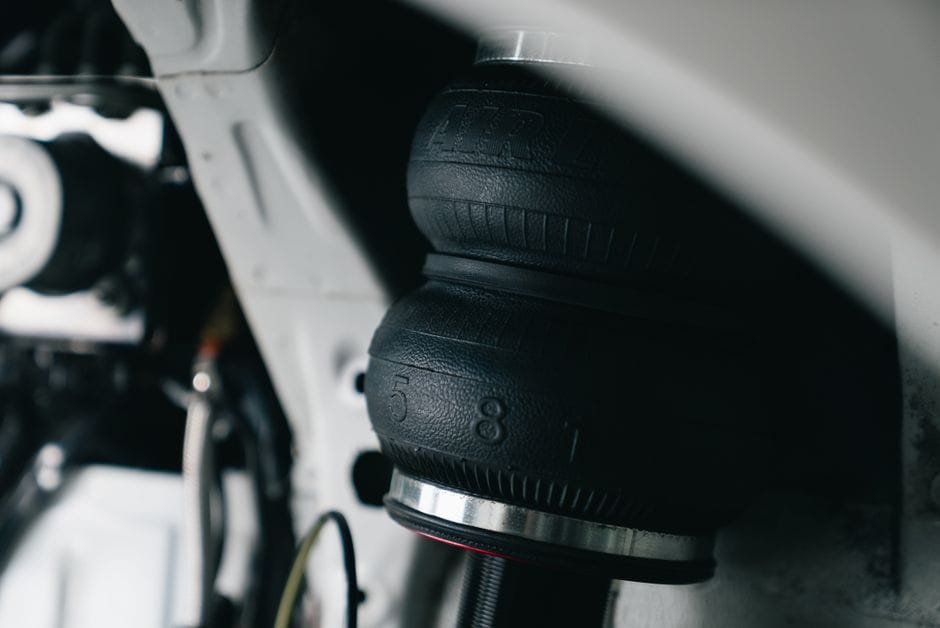
Air suspension is a vehicle suspension type that uses air springs—flexible rubber bags filled with compressed air—instead of conventional steel coil springs or leaf springs. The core idea is simple: air is compressible, so it can absorb road impacts while allowing you to adjust the spring rate and ride height on demand. This makes it fundamentally different from a fixed mechanical setup, where the spring characteristics are locked at the factory and cannot be altered without physically swapping components.
The Anatomy of an Air Suspension System: Airbags, Compressor, Tank, and Valves
A complete air suspension system has four primary components. The air springs, also called airbags or air struts, are the load-bearing elements that replace coil springs. The compressor pressurizes air and is rated by CFM and duty cycle. Duty cycle is the percentage of time the compressor can run continuously without overheating. The air tank stores compressed air so the compressor does not run constantly. It provides instant pressure for height adjustments. The valve block, or solenoid manifold, controls airflow to each corner of the vehicle. This allows independent or simultaneous inflation and deflation. Higher-end systems add electronic control units that automate leveling and preset ride heights.
Air Suspension vs. Coilovers vs. Hydraulics: Key Differences
Coilovers use adjustable threaded spring perches and dampers to lower or raise a car. They offer a fixed spring rate once set. You must physically adjust them to change ride height. Hydraulic suspension uses pressurized fluid and accumulators. It offers rapid lift but often sacrifices ride quality and complexity. Air suspension sits between these two options. It provides on-the-fly adjustability like hydraulics. It also offers the comfort and tunability of a pneumatic spring. Air systems excel at load leveling too. They automatically compensate for added weight in a truck bed or trailer tongue. Neither coilovers nor hydraulics handle this as gracefully.
The Two Main Air Spring Styles: Sleeve Bags vs. Bellows Bags
The Two Main Air Spring Styles: Details
Sleeve bags, also called rolling lobe bags, are cylindrical. They feature a single or double convoluted design that rolls over itself as they compress. They offer a larger stroke and suit vehicles with limited mounting space, such as lowered sports cars. Bellows bags, also called convoluted bags, have a stacked, accordion-like appearance with multiple pleats. Bellows bags provide higher load capacity. They are commonly used on trucks and heavy-duty applications where payload matters more than articulation. Choosing between the two depends on your vehicle’s suspension geometry and intended use. Choose sleeve bags for performance and adjustability. Choose bellows bags for strength and durability.
The 5 Core Attributes to Evaluate Before Buying an Air Suspension Kit

Before you spend anywhere from $500 to over $5,000 on an air suspension kit, you need to evaluate five critical attributes. These factors separate a reliable, daily-drivable system from a problematic one that leaves you stranded.
Attribute 1: Ride Height Adjustability and Range
The entire point of air suspension is adjustability. Look for kits that offer a wide range of ride height—from a low, tucked stance for show to a raised, off-road-ready clearance. The best systems allow you to set multiple presets (e.g., “low,” “medium,” “high”) and recall them at the touch of a button. Check the maximum lift and drop in inches, and ensure the kit includes bump stops to prevent metal-on-metal contact at full compression.
Attribute 2: Load Leveling Capability
If you tow, haul, or carry heavy cargo, load leveling is non-negotiable. A quality air suspension system automatically senses when the rear sags under weight and adds air to bring the vehicle back to level. This is especially critical for trucks and SUVs. Look for systems with integrated height sensors and an automatic leveling function—these are far more convenient than manual adjustments and prevent premature wear on tires and suspension components.
Attribute 3: Compressor and Air Tank Capacity
The compressor is the heart of the system. A single compressor with a 100% duty cycle is ideal for daily drivers. Dual-compressor setups work better for vehicles that frequently change ride height or run large tanks. Tank capacity, measured in gallons, determines how quickly you can adjust height and how often the compressor cycles. A 5-gallon tank is standard for most street applications. An 8-gallon or larger tank suits show cars that need rapid, dramatic height changes. Always check the compressor’s PSI rating. Most systems operate between 100 and 200 PSI.
Attribute 4: Control System—Manual vs. Electronic
Manual systems use analog gauge and toggle switches to inflate or deflate each corner independently. They’re cheaper and simpler but require constant attention. Electronic systems feature digital controllers with preset height memory, Bluetooth smartphone apps, and real-time pressure monitoring. Some advanced controllers even offer accelerometer-based damping adjustments. For most buyers, an electronic system with at least four presets is worth the extra cost—it transforms the experience from a chore into a seamless, one-touch operation.
Attribute 5: Durability and Weather Resistance
Attribute 5: Details
Air springs are exposed to road salt, mud, UV rays, and extreme temperatures. Look for bags made from reinforced rubber or polyurethane with corrosion-resistant aluminum end caps. Check the IP rating of the compressor and valve block—IP67 or higher means they’re sealed against dust and water immersion. Also, consider the warranty: top-tier brands like Air Lift and Firestone offer 2-year or lifetime warranties on their air springs, which is a strong indicator of expected longevity.
Top Air Suspension Kits by Vehicle Type and Use Case

Not all air suspension kits are created equal, and the best one for your vehicle depends on how you use it. Below, we break down the top picks across four major categories.
Best Air Suspension Kits for Trucks (Towing and Hauling)
For full-size trucks like the Ford F-150, Ram 1500, and Chevy Silverado, the Air Lift LoadLifter 5000 series is the gold standard. These kits use bellows-style air springs that fit inside existing coil or leaf springs. They provide up to 5,000 pounds of leveling capacity. They integrate seamlessly with the factory ride and include an onboard compressor kit like the Air Lift WirelessONE for automatic load leveling. For heavy-duty diesel trucks, the Firestone Ride-Rite system offers similar capacity. Its solid double-convoluted bellows design handles extreme payloads without sagging. For SUVs like the Chevrolet Tahoe, GMC Yukon, or luxury sedans like the Mercedes-Benz S-Class, ride comfort is paramount. The RideTech ShockWave system replaces the entire strut assembly with a combined air spring and damper unit. It offers both height adjustability and tuned damping. These kits suit drivers who want a factory-like ride with the ability to lower for highway cruising or raise for rough roads. For a budget-conscious option, the Air Lift 1000 series provides a simple rear-helper bag setup. It improves ride quality without a full conversion. If your goal is a slammed stance with instant height changes, look at AccuAir or Air Lift Performance kits. These systems feature sleeve-style air springs with a wide stroke range. You can lay frame at the touch of a button. They come with advanced electronic management systems, including Bluetooth controllers and preset memory for multiple ride heights. The RideTech CoolRide system is another popular choice for classic cars like the C10 or Mustang. It offers a bolt-on solution that preserves original suspension geometry while adding full adjustability. For commuters who want air suspension benefits without breaking the bank, the Air Lift 57200 or Firestone Coil-Rite kits are excellent entry points. These helper bags fit inside existing coil springs. They provide load leveling and a smoother ride for under $300. They do not offer full height adjustability, but they solve sagging and improve comfort for daily driving. If you want a full conversion on a budget, the D2 Racing air strut kits offer a complete front-and-rear setup for under $1,500. You will need to source a compressor and tank separately.
Installation Guide: What to Expect and Common Pitfalls

Installing an air suspension kit is a significant undertaking that ranges from a weekend DIY project to a multi-day professional job, depending on the vehicle and system complexity. Here’s what you need to know before you start.
Tools and Skills Required
At minimum, you’ll need a floor jack, jack stands, a full metric and SAE socket set, a torque wrench, a drill with hole saws (for mounting brackets), and a wiring kit for the compressor and controller. If you’re installing a full conversion with new struts, you’ll also need spring compressors and possibly a ball joint separator. Basic mechanical skills are essential—if you’ve never replaced shocks or springs before, this is not the project to start with. For most full kits, plan on 8–12 hours of labor for a first-timer.
Step-by-Step Installation Overview
The process generally follows these steps: (1) safely lift and support the vehicle, (2) remove the existing springs or struts, (3) install the new air springs or struts, (4) mount the compressor and tank in a secure location (often under the bed or in the trunk), (5) run the air lines from the tank to each corner, (6) wire the compressor to the battery and the controller to the cabin, and (7) test the system for leaks and proper operation. Always follow the manufacturer’s torque specs and use thread sealant on all air fittings to prevent leaks.
Common Pitfalls and How to Avoid Them
Common Pitfalls and Detailed Steps Avoid Them
The most frequent mistakes include: using undersized air lines (stick with 1/4-inch or 3/8-inch DOT-approved line), failing to mount the compressor in a location with adequate airflow (it needs cooling), and not installing a water trap or dryer on the compressor output (moisture in the lines can freeze and block airflow in winter). Another common issue is improper wiring—always use a relay and fuse rated for the compressor’s amperage draw. Finally, don’t skip the alignment after installation; changing ride height alters your vehicle’s camber and toe, which will cause uneven tire wear if not corrected.
Maintenance, Troubleshooting, and Long-Term Reliability

Air suspension systems are reliable when properly maintained, but they do require more attention than traditional springs. Here’s how to keep your system running for years.
Routine Maintenance Checklist
Every 6 months or 10,000 miles, inspect all air lines for cracks or chafing, check the air springs for signs of dry rot or punctures, and verify that the compressor’s air filter is clean. Drain any moisture from the air tank using the drain valve—this prevents rust and keeps the solenoid valves from clogging. Also, check all electrical connections for corrosion, especially if you live in a salt-belt state. A simple visual inspection takes 15 minutes and can prevent costly failures.
Common Issues and Troubleshooting
The most common failure point is the compressor, which typically dies from overheating due to excessive duty cycles. If your compressor runs constantly or takes longer than usual to fill the tank, check for leaks in the system using soapy water on all fittings. A hissing sound or a vehicle that sags overnight indicates a leak in an air spring or a faulty solenoid valve. If the system won’t raise at all, check the fuse, relay, and the pressure switch on the tank. For electronic controllers, a simple reset (disconnecting the battery for 30 seconds) often resolves software glitches.
Long-Term Reliability and Warranty Considerations
Quality air springs from reputable brands like Air Lift and Firestone typically last 5–7 years or 60,000–80,000 miles before needing replacement. The compressor is usually the first component to fail, with an average lifespan of 3–5 years under normal use. Always buy from brands that offer a solid warranty—Air Lift offers a lifetime warranty on their air springs and a 2-year warranty on compressors. Avoid cheap, unbranded kits from online marketplaces; they often use substandard rubber that cracks within a year and compressors that fail after a few months.
Frequently Asked Questions About Air Suspension

Is air suspension safe for daily driving?
Yes, when installed correctly and maintained properly, air suspension is perfectly safe for daily driving. Modern systems from reputable brands are designed for millions of cycles and include safety features like pressure relief valves and automatic leveling. The key is to use quality components and follow the manufacturer’s installation instructions. Many luxury vehicles, including the Mercedes-Benz S-Class and Range Rover, come with factory air suspension as standard equipment.
How long does an air suspension system last?
With proper maintenance, a quality air suspension system can last 100,000 miles or more. The air springs themselves typically last 5–7 years, while the compressor may need replacement after 3–5 years. Regular inspections and keeping the system free of moisture and debris will significantly extend its lifespan. Replacing individual components is straightforward and much cheaper than replacing the entire system.
Can I install air suspension on any vehicle?
Almost any vehicle can be fitted with air suspension, but the complexity varies greatly. Trucks and SUVs with leaf springs are the easiest to convert, as helper bags simply mount on top of the existing springs. Vehicles with independent rear suspension or MacPherson struts require more involved conversions that replace the entire strut assembly. Classic cars and low-production vehicles may require custom fabrication. Always check with the manufacturer to see if a kit exists for your specific make and model
before purchasing.
How much does it cost to install an air suspension kit?
Professional installation typically costs between $500 and $1,500, depending on the complexity of the kit and your vehicle. A simple helper-bag setup on a truck might take 2–3 hours of labor, while a full four-corner conversion on a luxury sedan or classic car can take 10–15 hours. DIY installation saves the labor cost but requires you to have the tools, skills, and time. Budget for additional costs like a wheel alignment ($100–$150) and any unexpected parts you might need during installation.
Will air suspension improve my ride quality?
In most cases, yes. Air springs provide a smoother ride than steel springs because they absorb small road imperfections more effectively and can be tuned to your preferred firmness. However, the ride quality depends heavily on the quality of the dampers (shocks) in the kit. A cheap kit with poor dampers can actually ride worse than a good set of coilovers. Look for kits that pair the air springs with high-quality monotube shocks for the best results.
Can I adjust the ride height while driving?
Yes, most electronic systems allow you to adjust ride height while driving, though it’s recommended to make adjustments at low speeds or when stopped. Some systems have speed-sensitive features that automatically lower the vehicle at highway speeds for better aerodynamics and stability. However, making large height changes while driving at high speeds can be dangerous, so always follow the manufacturer’s recommendations.
What happens if my air suspension fails while driving?
Understanding happens if my air suspension fails while driving?
If a component fails, the vehicle will typically sag on the affected corner, and you’ll notice a rough ride or a warning light on the controller. Most systems are designed to fail-safe, meaning the air spring will deflate gradually rather than suddenly, allowing you to pull over safely. You can still drive on a deflated air spring for short distances at low speeds, but it’s not recommended. Always carry a repair kit with spare fittings and a portable air compressor for emergencies.
Comparison Matrix: Top Air Suspension Kits Side-by-Side

To help you make an informed decision, we’ve compiled a side-by-side comparison of the most popular air suspension kits on the market. This matrix focuses on the attributes that matter most: price, load capacity, adjustability, and control system.
| Kit Model | Best For | Price Range | Load Capacity | Air Spring Type | Control System | Warranty |
|---|---|---|---|---|---|---|
| Air Lift LoadLifter 5000 | Trucks (towing/hauling) | $400–$700 | 5,000 lbs | Bellows | Manual or WirelessONE | Lifetime (springs) |
| Firestone Ride-Rite | Heavy-duty trucks | $350–$650 | 5,000 lbs | Double convoluted bellows | Manual or digital | 2-year |
| RideTech ShockWave | SUVs and luxury sedans | $2,500–$4,000 | 2,500 lbs per corner | Sleeve (integrated strut) | Electronic (eLevel) | 2-year |
| Air Lift Performance | Show cars and lowriders | $2,000–$5,000 | 2,000 lbs per corner | Sleeve | Electronic (3H/3P) | Lifetime (springs) |
| AccuAir e-Level | Show cars and premium builds | $3,500–$6,000 | 2,500 lbs per corner | Sleeve | Electronic (e-Level with touchpad) | 2-year |
| Air Lift 1000 | Budget daily drivers | $200–$350 | 1,000 lbs | Bellows (helper bag) | Manual (Schrader valve) | Lifetime |
| D2 Racing Air Struts | Budget full conversions | $1,200–$1,800 | 1,500 lbs per corner | Sleeve | Manual or basic electronic | 1-year |
This comparison clearly shows that the best kit for you depends on your vehicle type and primary use case. Truck owners who tow should prioritize load capacity and choose a bellows-style kit from Air Lift or Firestone. Show car enthusiasts should invest in a premium electronic system from AccuAir or Air Lift Performance for the best adjustability and control. Daily drivers on a budget can start with a simple helper bag kit and upgrade later if needed.
Final Verdict: How to Choose the Best Air Suspension Kit for Your Ride

Choosing the best air suspension kit comes down to three questions: What vehicle do you drive? How do you use it? And what’s your budget? Answering these honestly will narrow down the field significantly.
Decision Framework by Use Case
If you drive a truck and need to tow or haul heavy loads, prioritize load capacity and automatic leveling—the Air Lift LoadLifter 5000 or Firestone Ride-Rite are your best bets. If you drive an SUV or luxury sedan and want a smoother ride with the ability to lower for highway cruising, the RideTech ShockWave system offers the best balance of comfort and adjustability. If you’re building a show car or lowrider and want the lowest stance possible with instant height changes, invest in a premium system from AccuAir or Air Lift Performance. And if you’re on a tight budget and just want to fix rear sag on a daily driver, a simple Air Lift 1000 helper bag kit will do the job for under $350.
Final Recommendations
For the majority of buyers, we recommend the Air Lift LoadLifter 5000 with the WirelessONE controller. It offers the best combination of load capacity, ease of installation, and modern features at a reasonable price. For those who want the absolute best in ride quality and adjustability, the RideTech ShockWave system is worth the premium price—it transforms the driving experience in ways that cheaper kits simply can’t match. Whichever system you choose, remember that proper installation and regular maintenance are the keys to long-term reliability.
Air suspension is a transformative upgrade that adds comfort, capability, and style to your vehicle. With the information in this guide, you’re now equipped to make an informed decision and choose the best air suspension kit for your specific needs. Happy driving, and enjoy the ride.