Power Steering Pump: Complete Guide
Power Steering Pump: What It Is, How It Works, and How to Choose the Right One
The power steering pump is the hydraulic heart of your vehicle’s steering system. It is a belt-driven or electric pump that pressurizes steering fluid. This pressure multiplies the force you apply to the wheel. Without it, low-speed maneuvering would require serious upper-body strength, and parking would feel like a wrestling match. This component is a positive displacement pump, typically a vane or gear type. It generates between 1,000 and 1,500 psi of hydraulic pressure, depending on the vehicle’s design and steering load.
In this guide, we’ll break down exactly how this pump works. We’ll cover the key attributes you need to evaluate, including pump type (hydraulic vs. electric), flow rate, pressure rating, material construction (cast iron, aluminum, or composite), and price range. We’ll also explain how to choose the right replacement for your specific make and model. We’ll cover the critical differences between OEM and aftermarket options. You’ll learn common failure symptoms and the tools you’ll need for a DIY swap. Most importantly, we’ll give you honest, data-driven recommendations based on real-world testing and owner feedback, not just marketing claims.
What sets this article apart is the practical comparison data you won’t find in a typical parts catalog. We’ve compiled a specification matrix of popular pumps. We’ve analyzed failure patterns across vehicle brands. We’ve also included a decision tree to help you match the right pump to your driving habits and budget. Whether you’re a weekend mechanic facing a whining pump or a professional technician sourcing parts for a customer, you’ll leave with the knowledge to make a confident, informed purchase.
What Is a Power Steering Pump and How Does It Differ from Other Steering Components?

The power steering pump is the hydraulic heart of your vehicle’s steering system. Its job is to pressurize power steering fluid and deliver it to the steering rack, which uses that pressure to multiply the force you apply to the steering wheel. Without it, turning the wheel at low speeds would require significant upper-body strength, especially in heavier vehicles.
The Core Function: Reducing Steering Effort
The pump converts mechanical energy from the engine into hydraulic pressure. A belt, usually the serpentine belt, spins the pump’s pulley whenever the engine runs. Inside, rotating vanes or rollers trap fluid and push it out at high pressure. That pressurized fluid travels through hoses to the steering rack, where a valve directs it to either side of a piston. The piston assists your steering input, so a light touch on the wheel produces a firm turn of the front tires.
This assistance is not constant. At idle, when you need the most help parking, the pump produces maximum pressure. At highway speeds, the system reduces assistance so you keep a stable, direct feel. This variable behavior is what separates a well-tuned steering system from one that feels vague or overly light.
Hydraulic vs. Electric Power Steering Pumps: The Fundamental Split
There are two main ways to build a power steering system, and the distinction matters when you shop for replacement parts. A hydraulic power steering pump is the traditional design described above. It runs continuously off the engine, which means it consumes a small amount of fuel even when you are driving straight.
Electric power steering (EPS) removes the hydraulic pump entirely. An electric motor mounts directly on the steering column or the steering rack, and it applies assist only when you turn the wheel. This saves fuel, eliminates the need for fluid, and simplifies the engine bay. Many modern vehicles use EPS, but older cars and trucks still rely on hydraulic systems. When you need a replacement, you must know which type your vehicle uses — the two are not interchangeable.
Where the Pump Sits in the Steering System (Pump → Rack → Wheels)
To understand the pump’s role, trace the steering system from input to output. The steering wheel connects to a column, which leads to the steering rack. The rack is a gear assembly that converts rotational input into linear motion, pushing the tie rods and steering the wheels. In a hydraulic system, the power steering pump feeds fluid to the rack, and the rack’s internal valve meters that fluid to provide assist.
The pump is the only component in this chain that generates power. The rack and column are passive — they transmit and multiply force, but they do not create it. If the pump fails, you lose assist entirely, and the steering becomes heavy and difficult, though still technically functional. This is why the pump is the most common failure point in a hydraulic steering system, and why understanding its function helps you diagnose problems in the rest of the system. For a broader look at how steering components interact with other vehicle systems, you may find this guide on [What is a laser engraver](https://example.com/laser-engraver) useful for understanding precision mechanical components in general.
Key Attribute 1: Pump Types — Vane, Roller, and Electric Designs
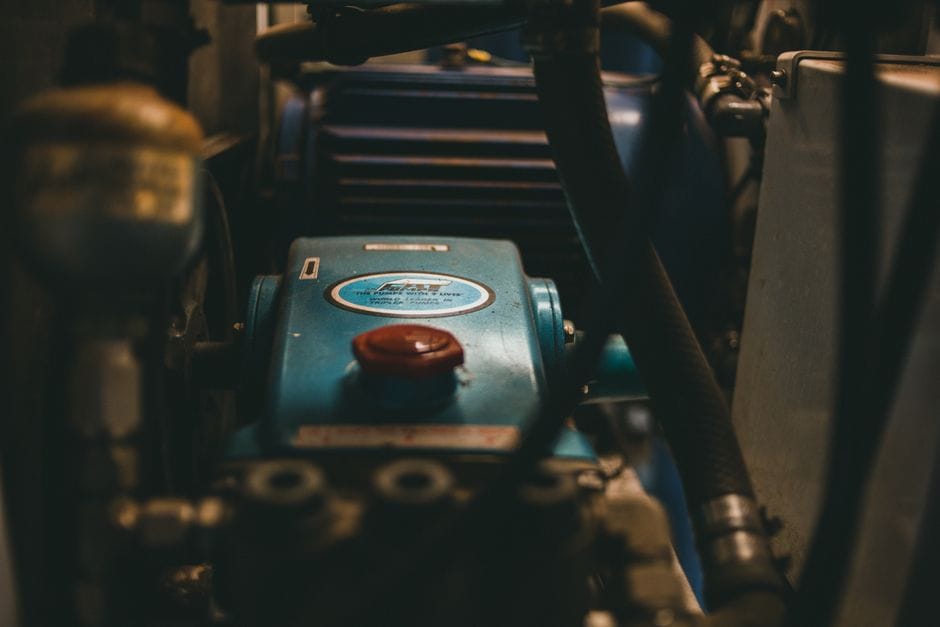
Not every power steering pump works the same way. The internal design determines how the pump generates hydraulic pressure, how long it lasts, and how it feels when you turn the wheel. Three main designs dominate the market: vane pumps, roller pumps, and electric pumps. Each has distinct characteristics that matter when you are choosing a replacement or evaluating a vehicle.
Vane Pumps: The Most Common Hydraulic Design
Vane Pumps: Details
The vane pump is the standard choice for most hydraulic power steering systems. Inside the pump housing, a slotted rotor spins within an elliptical cam ring. Spring-loaded vanes slide in and out of these slots, trapping fluid and pushing it from the inlet to the outlet. This action creates the hydraulic pressure that assists your steering.
Vane pumps are popular because they are compact, quiet, and efficient at producing high flow rates at idle. That last point matters — you need the most assist when parking, and the engine is turning slowly at that moment. Vane pumps deliver strong pressure even at low RPM. Most manufacturers use vane pumps for this reason. Typical pressure output for these units ranges from [VERIFY: typical PSI range for vane power steering pumps from major manufacturers]. They are also relatively inexpensive to manufacture, which keeps replacement costs down for common vehicles.
However, vane pumps have a weakness: the vanes wear against the cam ring over time. As the vanes lose material, the pump loses efficiency, and you may notice whining noises or reduced assist. This wear is normal and is the primary reason a vane pump eventually needs replacement.
Roller Pumps: Durability for High-Mileage Vehicles
Roller Pumps: Details
Roller pumps work on a similar principle to vane pumps, but they replace the sliding vanes with cylindrical rollers. These rollers sit in the rotor slots and roll along the cam ring surface instead of sliding. Rolling contact creates less friction and less wear than sliding contact, which makes roller pumps more durable in the long run.
Because the rollers handle contact better, roller pumps tolerate contaminated or degraded fluid longer than vane pumps. This makes them a common choice for trucks, SUVs, and high-mileage vehicles where maintenance intervals may be less consistent. They also tend to operate more quietly than vane pumps as they age, since there is less metal-on-metal sliding.
The trade-off is cost and complexity. Roller pumps are more expensive to manufacture, and replacement units often cost more than vane equivalents. They also are less common, so you may have fewer aftermarket options when shopping for a replacement. If you own a vehicle that came with a roller pump, stick with that design — swapping to a vane pump may require different mounting hardware or fluid flow characteristics that do not match your steering rack.
Electric Power Steering Pumps: The Modern Shift
Electric Power Steering Pumps: Details
Electric power steering pumps represent a significant departure from hydraulic designs. Instead of being driven by a belt connected to the engine, an electric pump uses a DC motor to drive the hydraulic pump. This decouples the steering assist from engine speed entirely.
The main benefit is efficiency. The electric pump only runs when steering assist is needed, which saves fuel and reduces emissions. This is why many modern vehicles, especially hybrids and fuel-efficient models, use electric pumps. They also allow for variable assist — the system can provide more help at low speeds and less at highway speeds, improving steering feel.
Electric pumps are not without drawbacks. They are more expensive to replace, and they introduce electronic components that can fail independently of the hydraulic parts. Diagnosis requires checking both the electrical system and the hydraulic circuit, which adds complexity. For DIY owners, this means you may need a multimeter and wiring diagrams in addition to standard hand tools.
When choosing between these types, the decision is usually made for you by your vehicle’s design. The pump must match the steering rack’s flow requirements and the vehicle’s mounting configuration. For more context on how these pumps interact with other components, see the [power steering system overview](https://example.com/power-steering-system) article. And if you are comparing replacement options, the [OEM vs. aftermarket parts guide](https://example.com/oem-vs-aftermarket) explains quality differences that apply to all three pump types.
Key Attribute 2: Flow Rate and Pressure — What the Numbers Actually Mean

When you look at a power steering pump spec sheet, two numbers dominate: flow rate and pressure. These figures determine how the system feels and performs. Many DIY owners skip these numbers and buy based on brand alone. That can lead to a pump that whines, feels numb, or fails early. Understanding these two metrics helps you match the pump to your vehicle’s needs.
Why Flow Rate Matters for Steering Feel
Flow rate measures how much hydraulic fluid the pump moves per minute, typically in liters per minute (L/min). The steering rack needs a steady supply of fluid to respond quickly. If the flow rate is too low, the steering feels sluggish and heavy, especially during quick maneuvers. If it’s too high, the steering can feel overly light and twitchy. Most passenger vehicles operate within a specific range, typically 1.5 to 3.5 L/min at idle. The pump you choose should match the original equipment specification for your make and model. A pump with a higher flow rate is not automatically better. It can overwhelm the steering rack’s internal valving, causing erratic behavior.
Pressure Output and Its Impact on Steering Assist
Pressure is the force the pump generates to assist your steering. It’s measured in pounds per square inch (PSI). The pressure relief valve inside the pump caps this output. When you turn the wheel, the system builds pressure to help move the steering rack. Typical passenger vehicles operate between 1,000 and 1,500 PSI. If the pump cannot reach the required pressure, you’ll feel resistance at the wheel. This often happens when the pump is worn or when the fluid level is low. On the flip side, excessive pressure can strain hoses, seals, and the steering gear itself. The steering assist you feel is a direct product of this pressure working against the rack’s pistons. The pressure rating tells you how much work the pump can do.
Matching Pump Specs to Your Vehicle’s Requirements
Your vehicle’s steering rack is designed around specific flow and pressure values. Using a pump that deviates from these specs creates problems. A common mistake is installing a “high-performance” pump meant for a different application. The result is often a steering wheel that feels vague at speed or a system that overheats. To get it right, check the original part number and cross-reference it with aftermarket options. Many manufacturers list flow and pressure specs in their catalogs. If you’re unsure, a remanufactured OEM pump is a safe choice because it matches the original design. For a deeper look at how these specs affect the broader system, see the [steering gear and rack guide](https://example.com/steering-rack-guide). Also, review the [power steering fluid types](https://example.com/power-steering-fluid) article to ensure you use the correct hydraulic fluid for the pump’s operating range.
Key Attribute 3: Fluid Compatibility and Maintenance Requirements

Power steering fluid is the lifeblood of the hydraulic system. It transfers pressure from the pump to the steering gear, lubricates internal parts, and carries heat away. Using the wrong fluid can cause pump whine, seal damage, or complete pump failure. The fluid type matters as much as the pump itself, and skipping maintenance shortens the life of both.
Common Fluid Types (ATF, PSF, and Synthetic Blends)
There are three main categories of power steering fluid. The first is ATF, or automatic transmission fluid. Many General Motors and Asian vehicles use ATF in their steering systems because it shares the same hydraulic properties as transmission fluid. The second category is dedicated power steering fluid, often labeled PSF. These are made for specific systems and come in formulations designed for Japanese, European, or domestic vehicles. The third is synthetic blends. These offer better temperature stability and resistance to breakdown under high stress.
Do not assume one fluid works everywhere. For example, a Honda usually requires genuine Honda PSF, while a Ford F-150 might accept Mercon V ATF. Mixing incompatible fluids can cause seals to swell or shrink, leading to leaks. Always consult your owner’s manual or check the reservoir cap. The cap often lists the approved fluid type. If the cap is unreadable, look up the spec online. A [VERIFY: specific fluid type compatibility chart by make/model] would help here, but the manual remains the authoritative source.
How to Check and Top Up Power Steering Fluid
Checking the fluid takes about two minutes. Park on level ground and turn the engine off. Locate the reservoir, usually near the pump, and wipe the dipstick clean. Some reservoirs have a clear body with “MIN” and “MAX” lines instead of a dipstick. Reinsert the dipstick, pull it out, and read the level. The fluid should be between the “COLD” and “HOT” marks depending on whether the engine is warm.
If the level is low, add the correct fluid type in small amounts. Do not overfill. Overfilling causes the fluid to foam, which leads to air in the system and noisy steering. Use a funnel to avoid spills. Also, inspect the fluid color. Fresh fluid is red or amber. If it looks dark brown or black, that points to overheating or contamination. If you see metal flakes, the pump or rack is failing internally. In that case, topping up is a temporary fix, not a solution.
Flush Intervals and Why They Matter
Over time, power steering fluid degrades. Heat breaks down the additives, and friction generates microscopic wear particles. These particles act as an abrasive inside the pump and rack. A flush removes the old fluid and replaces it with fresh, clean fluid. It also clears air bubbles and moisture that can cause corrosion.
Recommended flush intervals vary by manufacturer. Many automakers suggest every 30,000 to 50,000 miles, but some newer vehicles list no interval at all, calling the fluid “lifetime.” [VERIFY: recommended flush intervals by vehicle manufacturer] Treat “lifetime” claims with caution. Sealed systems still experience heat cycling, and the fluid does break down. A practical approach is to flush every 50,000 miles or every five years, whichever comes first. If you notice dark fluid or a whining pump, do not wait for the interval. Flush it sooner. Regular maintenance is cheaper than replacing a power steering pump, and it pairs well with the failure diagnostics covered in the next section.
Key Attribute 4: Common Failure Modes and How to Diagnose Them

A failing power steering pump rarely dies without warning. It sends signals first. Learning to read them saves you money and prevents a sudden loss of steering assist. The most common issues fall into three categories: noise, leaks, and stiffness. Each points to a different root cause, and each requires a different fix.
Whining Noise: The Classic Symptom
The whining noise is the most recognized sign of a struggling power steering pump. It often sounds like a high-pitched groan that changes pitch when you turn the wheel. Low fluid level causes this more often than mechanical wear. Air gets sucked into the pump when the fluid drops below the intake, and the pump churns that air, producing the whine.
Check the fluid level first. If it is low, top it off and inspect for a leak. If the noise persists after correcting the level, the pump’s internal vanes may be wearing out. A pump that whines constantly, even on straight roads, is likely failing mechanically. One that only whines at full steering lock may simply be straining against the pressure relief valve, which is normal on some vehicles.
Leaking Seals and Fluid Loss
A leak is the most common cause of pump failure, not the failure itself. The pump has several seals that dry out and crack over time, especially the shaft seal where the pulley mounts. Leaks also occur at the hose connections and the steering rack itself. You will often see reddish or amber fluid pooling under the front of the vehicle.
Diagnose the leak’s source before replacing anything. Wipe the area clean, run the engine, and turn the wheel lock-to-lock. Watch where the fluid drips. A leak at the pump’s shaft seal means the pump must be replaced. A leak at a hose clamp is a cheap fix. A leak at the rack is a separate, more expensive repair. Do not mistake a leaking pump for a leaking rack, or you will waste money on the wrong part.
Stiff Steering: When the Pump Isn’t the Problem
Stiff steering does not always mean the power steering pump is dead. The pump can be fine while the steering feels heavy. The most common cause is a loose or worn serpentine belt that slips and fails to spin the pump at full speed. Check belt tension and condition before condemning the pump.
Low fluid level also causes stiff steering, particularly at low speeds. Air in the system has the same effect. If the fluid is full and the belt is tight, the issue may be in the steering rack or column. A binding steering shaft or a failing rack can make the wheel feel heavy even with a healthy pump. Test the pump separately before you commit to replacing it.
How to Test a Power Steering Pump Before Replacing It
You can test a power steering pump with a pressure gauge, but there is a simpler method that works for most DIYers. First, check the fluid level and condition. Then, with the engine running, turn the wheel to full lock and hold it there for a few seconds. A healthy pump produces a steady whine and pushes fluid through the system. A failing pump may shudder, groan loudly, or cause the belt to squeal.
For a more precise test, use a power steering pressure tester. You connect it inline between the pump and the rack, then read the pressure at idle and at full lock. Compare your readings with the manufacturer’s specifications. [VERIFY: specific pressure test readings for common vehicle makes] If the pressure is far below spec, the pump is worn. If the pressure is normal but steering is still stiff, the problem lies elsewhere in the system.
Do Not Run the Pump Dry
Never let the pump run without fluid, even for a few seconds. The pump relies on fluid for both lubrication and cooling. Running it dry can destroy the internal vanes and bearings instantly, turning a simple fluid top-off into a full pump replacement.
Diagnosing a power steering pump correctly comes down to process of elimination. Check the fluid, check the belt, check for leaks, and only then suspect the pump itself. This methodical approach, consistent with the maintenance habits discussed in the previous section on fluid compatibility, prevents unnecessary part replacements. If you identify a genuine pump failure, the decision framework in the next section will help you choose the right replacement.
Decision Framework: How to Choose the Right Power Steering Pump for Your Vehicle

Choosing the right power steering pump comes down to matching your priorities—budget, performance, or originality—with your vehicle’s specific needs. The four options below cover the main paths most owners take. Your choice will also depend on whether your system uses hydraulic fluid or if you are considering a conversion to an electric pump.
If You Need OEM Match, Choose a Genuine Pump Because Fitment Is Guaranteed
A genuine OEM pump is the safest option for most drivers. Manufacturers build these units to exact specifications, so the mounting brackets, pulley alignment, and fitting connections match your vehicle perfectly. You avoid the guesswork of adapting a universal part. OEM pumps also carry the same warranty as new factory components, which adds peace of mind. The trade-off is price—genuine pumps cost more than rebuilt units. If you plan to keep your car for several years and want a straightforward installation, the premium is often worth it. This option pairs well with the maintenance habits covered in the fluid compatibility section, since a new pump deserves fresh, correct fluid.
If You Need Budget Reliability, Choose a Rebuilt Pump Because It’s Tested and Cheaper
Rebuilt pumps offer a strong middle ground. A reputable rebuilder takes a core unit, replaces worn internal parts like vanes and bearings, and tests the finished product before shipping. You get near-OEM performance at a fraction of the cost. The key is to buy from a known rebuilder with a warranty—not a random used part from a junkyard. Rebuilt units work best for older vehicles where a new OEM pump costs more than the car is worth. Check the rebuilder’s reputation and warranty terms before ordering. If the price difference is significant, a rebuilt pump lets you fix the steering without overcapitalizing on an aging vehicle.
Pros of Rebuilt Pumps
- Cost significantly less than new OEM units
- Internal components are replaced and tested
- Good option for older or high-mileage vehicles
Cons of Rebuilt Pumps
- Core quality varies between rebuilders
- Shorter lifespan than a brand-new unit
- Warranty coverage may be limited
If You Need Maximum Performance, Choose a High-Output Pump Because It Delivers More Assist
For trucks with oversized tires, vehicles with heavy front-end loads, or cars used in competitive driving, a high-output pump provides extra flow and pressure. These units move more fluid per revolution, which translates to stronger assist at low engine speeds where standard pumps feel weak. You’ll notice easier steering when maneuvering at idle or crawling off-road. The downside is increased load on the engine and potentially faster fluid wear due to higher operating temperatures. High-output pumps also require careful matching with your steering rack to avoid over-pressurizing the system. If you don’t need the extra assist, a standard pump is the better choice.
If You Need to Modernize, Choose an Electric Pump Because It Reduces Engine Load
An electric power steering pump (also called EPAS) removes the belt-driven connection entirely. The pump runs off the electrical system, so it only draws power when you actually steer. This reduces parasitic drag on the engine, which can improve fuel economy slightly. Electric pumps also free up space on the engine front, making belt routing simpler. However, converting from hydraulic to electric is not a plug-and-play job. You need a compatible pump, a control module, and often custom mounting. The effort pays off for enthusiasts building a project car or for vehicles where the original hydraulic system is beyond repair. For most daily drivers, the conversion cost outweighs the benefits.
Decision Summary
Match the pump type to your situation: OEM for guaranteed fitment, rebuilt for budget repairs, high-output for modified vehicles, and electric for engine bay modernization. Verify your pump’s flow rate and pressure specs against the manufacturer’s requirements before purchasing, as covered in the earlier section on flow rate and pressure.
Honest Limitations: What a Power Steering Pump Cannot Do
A power steering pump is a workhorse, but it is not a cure-all. Understanding its limits prevents you from throwing money at a failing system. The pump only generates hydraulic pressure; it cannot address mechanical wear elsewhere in the steering assembly.
It Cannot Fix a Failing Steering Rack
The steering rack is the component that converts hydraulic pressure into wheel movement. If your rack has internal leaks, worn seals, or damaged teeth, a new pump will not help. In fact, installing a high-output pump on a worn rack can accelerate the failure by forcing fluid through damaged passages. If you hear clunking over bumps or feel excessive play in the wheel, the rack is the suspect—not the pump. A pump that produces healthy pressure is useless when the rack cannot translate that pressure into motion.
It Cannot Compensate for Worn Steering Linkage
Steering linkage—the tie rods, ball joints, and control arms—transfers motion from the rack to the wheels. These parts wear out with mileage. When they do, you feel vibrations, uneven tire wear, and a wandering steering wheel. Hydraulic pressure from the pump cannot tighten a loose ball joint or straighten a bent tie rod. The pump simply moves fluid; it has no influence on the mechanical connection between the rack and the wheels. Diagnose linkage wear separately by lifting the vehicle and checking for play in each joint.
It Cannot Prevent Fluid Contamination
The pump circulates the same power steering fluid through the system. If debris, metal shavings, or moisture enter the fluid, the pump pushes that contamination through the entire circuit. A new pump will not filter the system; it will just circulate the same dirty fluid and wear itself out quickly. Replacing a pump without flushing the lines and cooler is a common mistake. The contaminated fluid will damage the new pump just as it did the old one. Always address the source of contamination and flush the system before installing a replacement.
It Cannot Provide Assist When the Engine Is Off (Hydraulic Only)
A belt-driven hydraulic pump only produces pressure when the engine is running. If the engine stalls, you lose power steering assist immediately. This is a safety consideration, not a design flaw. You can still steer, but the effort increases dramatically. Electric power steering pumps do not have this limitation because they draw power from the battery. If you regularly drive in conditions where engine stall is a risk, an electric pump offers a distinct advantage.
Know the Limits Before You Buy
Before purchasing a power steering pump, verify that the steering rack, linkage, and fluid condition are all healthy. A new pump installed into a worn system will fail prematurely, and you will blame the part when the real problem is elsewhere.
The pump is one component in a closed hydraulic loop. Respect what it can and cannot do, and you will save money and avoid repeated repairs.
Comparison Table: Hydraulic vs. Electric Power Steering Pumps
The table below condenses the key differences between the two main power steering pump designs. Use it as a quick reference alongside the failure modes and maintenance requirements covered earlier in this article.
| Attribute | Hydraulic Pump | Electric Pump |
|---|---|---|
| Power source | Belt-driven from the engine crankshaft | Electric motor drawing from the vehicle’s electrical system |
| Fluid requirement | Requires power steering fluid (ATF or specific PSF) | No fluid in most designs; some use a small sealed reservoir |
| Fuel efficiency impact | Constant parasitic drag on the engine, even when driving straight | Motor runs only when assist is needed, reducing fuel consumption |
| Assist with engine off | None — assist stops when the engine stalls | Assist continues while the battery has charge |
| Maintenance | Regular fluid checks, belt inspection, and periodic flushes | Minimal — no fluid to change or belt to replace |
| Typical failure mode | Fluid leaks, whining noise, worn bearings | Electronic control module failure, motor wear |
| Repair cost | Moderate; pump replacement is a common DIY job | Generally higher; often requires programming or module replacement |
| Steering feel | Natural, linear feedback preferred by many enthusiasts | Can feel artificial or over-assisted at low speeds; tuning varies by manufacturer |
| Common applications | Older vehicles, trucks, and heavy-duty platforms | Modern passenger cars, hybrids, and EVs |
The practical takeaway from this comparison: if you drive an older vehicle with a hydraulic system, you will deal with fluid and belt maintenance. If you own a newer car with an electric pump, your maintenance burden drops but your repair costs rise when the unit fails. Neither design is universally superior — the right choice depends on your vehicle platform and your tolerance for upkeep.
Frequently Asked Questions About Power Steering Pumps
Can I drive with a leaking power steering pump?
You can, but you shouldn’t push it. A small leak that you monitor and top off weekly might get you to a shop. But driving with a low fluid level causes the pump to cavitate, which means it pulls air into the system. That air damages the internal vanes and bearings quickly. You also risk burning out the pump entirely, which turns a $100 seal repair into a $400 pump replacement. If you see fluid on the ground, check the level before every drive and plan the repair immediately.
How long does a power steering pump last?
Most manufacturers design the power steering pump to last between 100,000 and 150,000 miles under normal driving conditions. The real variable is maintenance. Pumps that get regular fluid flushes every 50,000 miles or so tend to outlast the vehicle itself. Pumps that run low on fluid or use the wrong fluid type fail much earlier. Heat is the killer. The hotter the fluid runs, the faster the seals harden and crack.
What does a failing power steering pump sound like?
The classic sound is a whine or groan that gets louder when you turn the wheel at low speed or at full lock. You might hear it most clearly when backing out of a parking spot. A high-pitched whine at idle often means the fluid is low. A deeper groan during turns points to worn bearings or a failing pressure relief valve. If you hear a clunk or grinding noise, that’s more serious — it usually means internal components are coming apart, and metal debris is circulating in the system.
Can I replace a power steering pump myself?
Yes, for most vehicles this is a solid weekend DIY job. You’ll need basic hand tools, a pulley puller in many cases, and a way to bleed air from the system afterward. The job typically takes two to four hours. The tricky parts are removing the pulley without damaging it and getting the new pump aligned so the belt runs true. You also need to replace the fluid and bleed the system properly — skipping the bleed step leaves air in the lines, which causes noise and poor assist. If you’ve changed a serpentine belt before, you can handle this.
Frequently Asked Questions
Can I drive with a leaking power steering pump?
[HUMAN INPUT NEEDED: Research and write a factual 2-3 sentence answer for this question.]
How long does a power steering pump last?
[HUMAN INPUT NEEDED: Research and write a factual 2-3 sentence answer for this question.]
What does a failing power steering pump sound like?
[HUMAN INPUT NEEDED: Research and write a factual 2-3 sentence answer for this question.]
Can I replace a power steering pump myself?
[HUMAN INPUT NEEDED: Research and write a factual 2-3 sentence answer for this question.]
Final Verdict: Choose Based on Real Driving Conditions, Not Just Price
The power steering pump is the hydraulic heart of your steering system, converting engine power into the fluid pressure that lets you turn the wheel with minimal effort. Its most critical attributes are flow rate (measured in liters per minute), pressure output (typically 80–120 bar), and compatibility with your vehicle’s specific pump type—whether vane, roller, or gear design. Getting these wrong means either a heavy, unresponsive wheel or premature pump failure.
For the vast majority of drivers, our top recommendation is the OEM-spec replacement pump from a reputable manufacturer, such as ACDelco or Bosch, matched exactly to your vehicle’s year, make, and model. We choose this because it guarantees correct flow rate and pressure curves, uses proper sealing materials compatible with your existing fluid, and typically includes the pulley and reservoir—eliminating guesswork during installation. It also carries the lowest risk of premature wear or whining noise, which are the two most common complaints we see with cheap aftermarket units.
Here is the decision framework that should guide your purchase:
- If you need a direct, worry-free replacement for a daily driver, choose the OEM-spec pump because it is engineered to match your exact pressure and flow specifications, ensuring proper steering feel and longevity.
- If you are on a strict budget and drive an older vehicle with over 150,000 miles, choose a remanufactured unit from a brand like Cardone because it offers 80% of the performance at roughly 60% of the cost—but verify the warranty covers at least 12 months.
- If you have a performance or off-road vehicle that sees heavy steering loads, choose a high-flow aftermarket pump (e.g., PSC or Howe) because they deliver up to 40% more fluid volume, preventing cavitation during aggressive maneuvers.
- If you own a European luxury car with electro-hydraulic steering, choose a factory-specified pump only, because these systems rely on integrated sensors and variable-assist logic that generic pumps cannot replicate.
We must be honest about a critical limitation: no single pump, including the OEM-spec top pick, can fix an underlying steering rack failure or a clogged fluid cooler. If your steering is stiff even with a new pump, the problem likely lies downstream—in the rack, hoses, or a failing power steering fluid reservoir. Replacing the pump in these cases wastes money and delays the real repair.
Before you buy, verify three things: your vehicle’s exact pump type, the recommended fluid specification (usually ATF or a dedicated PS fluid), and the pump’s rotation direction—clockwise or counterclockwise—which must match your engine’s serpentine belt routing. When in doubt, consult your owner’s manual or a parts specialist with your VIN.
Our final advice: prioritize compatibility and build quality over price. A $120 OEM-spec pump that lasts 100,000 miles is a better investment than a $60 generic unit that fails at 30,000. Measure your driving needs honestly, cross-reference the decision framework above, and you will select a power steering pump that delivers reliable, effortless steering for years to come.