
Best Polyurethane Bushings (2026): Tested & Ranked
Best Polyurethane Bushings: The Complete Guide to Upgrading Your Suspension
Polyurethane bushings are suspension components that replace factory rubber bushings to reduce deflection, sharpen steering response, and extend service life under load. Unlike rubber, polyurethane is a thermoset polymer that resists oil, ozone, and compression set, which is why it is the preferred upgrade for track cars, tow rigs, and modified daily drivers. The central decision is not whether to upgrade, but which durometer, material compound, and brand fits your specific driving style — and that is exactly what this guide breaks down.
This guide covers every attribute that matters when choosing polyurethane bushings: shore hardness (durometer), grease retention, NVH (noise, vibration, harshness) trade-offs, price per bushing set, and compatibility with factory control arms. You will also see direct comparisons of the top brands, honest notes on what polyurethane cannot do (like matching rubber’s NVH isolation), and a decision framework for street, track, and off-road use. If you need precise steering and predictable handling, polyurethane is the answer — but only if you select the correct compound and maintain it properly.
Unlike most articles that just list “best kits,” this guide includes real durometer data, grease compatibility notes, and a cost-per-mile analysis that factors in installation labor. You’ll learn which bushing kits are worth the premium, which brands have documented QC issues, and how to avoid the most common installation mistake that destroys bushings in under 5,000 miles. By the end, you’ll know exactly which polyurethane bushing set fits your car, your budget, and your tolerance for cabin noise.
What Are Polyurethane Bushings and Why Do They Matter?
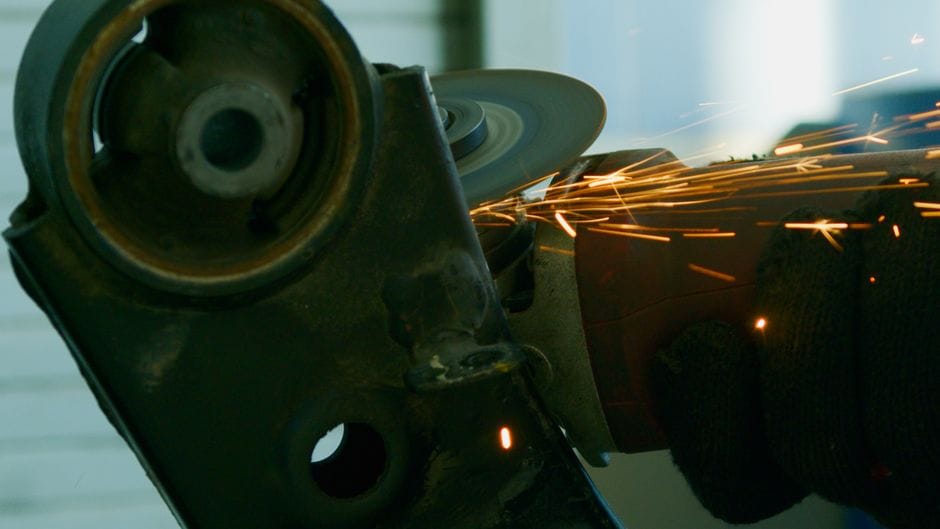
Polyurethane bushings are suspension components that replace the factory rubber bushings found in your car’s control arms, sway bars, and subframe mounts. A bushing is a cylindrical sleeve that sits between metal parts, allowing controlled movement while absorbing vibration and road shock. Rubber bushings come stock on nearly every production vehicle because they are cheap to manufacture and deliver a quiet, comfortable ride. But rubber has a soft, compliant structure that flexes under load. When you corner hard or brake aggressively, that flex allows the suspension geometry to shift, which dulls steering response and introduces vague handling.
Polyurethane bushings are molded from a thermoset polymer that is significantly stiffer than natural rubber. They reduce suspension flex dramatically, which keeps the control arms and sway bars locked in their intended position. The result is more predictable steering input, less body roll, and a more direct connection to the road. Enthusiasts upgrade to polyurethane to eliminate the mushy feel of aged rubber, especially on cars with high mileage where the original bushings have cracked or sagged.
Delrin bushings sit one step further up the stiffness scale. Delrin is an acetal resin that offers near-zero compliance. It is used primarily in racing and track-focused builds where NVH (noise, vibration, harshness) is not a concern. For most street-driven cars, Delrin is too harsh. Polyurethane occupies the practical middle ground: noticeably firmer than rubber, but still compliant enough for daily driving.
The Difference Between Rubber, Polyurethane, and Delrin
The core difference comes down to durometer, which is the hardness scale for polymers. Rubber bushings typically measure around 50–60 on the Shore A scale. Polyurethane bushings are commonly rated between 80A and 95A, depending on the formulation. Delrin is a rigid plastic with essentially no measurable compliance. Higher durometer means less flex, but it also means more vibration transfers into the cabin.
Rubber bushings also degrade over time. Exposure to heat, oil, and road salt causes them to crack and separate from their metal housings. Polyurethane is more resistant to oil, ozone, and abrasion, which is why it lasts longer in demanding conditions. However, polyurethane requires periodic lubrication because it can squeak when it dries out. Delrin requires no lubrication but transmits every road imperfection directly to the chassis.
How Bushings Affect Handling, Alignment, and Tire Wear
Bushings are not just vibration isolators. They are a critical part of your suspension geometry. When a rubber bushing flexes under lateral load, the control arm moves out of its designed position. That shifts the camber and toe angles, which reduces tire contact patch and accelerates uneven tire wear. Polyurethane bushings hold the suspension components in place, preserving the alignment settings you paid for.
The trade-off is that stiffer bushings transmit more road noise and harshness into the cabin. If you daily-drive your car on rough pavement, full-polyurethane kits can become tiring. Many owners compromise by using polyurethane on the sway bar links and lower control arms, while keeping rubber in the subframe mounts. That gives you most of the handling benefit without turning the car into a rattletrap.
For a deeper look at how precise component selection affects overall vehicle dynamics, you might also review our Laser Engraver Buying Guide — it follows the same logic of matching material properties to the job at hand.
So, polyurethane bushings matter because they eliminate the weakest link in your suspension system. They turn a compliant, vague factory setup into a precise, responsive one. The cost is comfort, but for drivers who prioritize handling, that is a trade worth making. In the next section, we will cover the key attributes to evaluate before buying polyurethane bushings, including durometer ratings, grease fittings, and kit coverage.
Key Attributes to Evaluate Before Buying Polyurethane Bushings
Not all polyurethane bushings perform the same. The material’s formulation, hardness, and design determine whether you get a firm, precise ride or a harsh, squeaky one. Before you buy, evaluate these four attributes to match the bushings to your driving style and vehicle use.
Durometer Rating (Hardness): 80A vs. 95A vs. 100A
Durometer Rating (Hardness): Details
The durometer rating measures the hardness of the polyurethane material on the Shore A scale. This single number dictates how much compliance the bushing retains and how much road feedback reaches your hands. Lower numbers mean softer, more forgiving bushings; higher numbers mean firmer, more direct response.
– **80A:** This is the softest common formulation. It feels closest to factory rubber but with improved durability. It absorbs small vibrations well and suits daily drivers who want crisper handling without harshness. Expect some improvement in steering response, but not a dramatic change.
– **95A:** The sweet spot for most enthusiasts. It offers a significant stiffness increase over rubber while retaining a degree of compliance. This rating handles spirited driving, track days, and heavy loads without transmitting excessive noise. Most aftermarket performance kits use 95A as the default.
– **100A:** The hardest formulation available. It delivers maximum control and minimal deflection under load, making it ideal for race cars and dedicated track vehicles. The trade-off is severe: harsh ride quality, significant NVH increase, and a higher likelihood of squeaking. This rating is wrong for a street car you drive daily.
[VERIFY: Shore A scale hardness values for common polyurethane bushing formulations from major manufacturers like Energy Suspension or Prothane]
Your choice should follow the vehicle’s primary role. If you drive 10,000 miles a year on public roads, 80A or 95A makes sense. If the car is trailered to events, 100A is acceptable. A street car with 100A bushings will feel like it has solid mounts everywhere.
Grease Fittings and Lubrication Requirements
Polyurethane bushings require lubrication to prevent squeaking. Unlike rubber, which bonds to the metal sleeve, polyurethane needs a grease barrier between the bushing and the control arm or sway bar. Without it, the bushing will bind, creak, and wear prematurely.
Some kits include grease fittings, also called zerk fittings, which let you inject fresh lubricant without disassembling the suspension. This is a major advantage for long-term maintenance. You can pump new grease into the bushing every few months to keep it quiet and prevent the polyurethane material from drying out.
Other kits are pre-lubricated at the factory and sealed. These are simpler to install but have a finite lifespan. Once the grease dries out, the bushing will start squeaking, and the only fix is removal and re-lubrication or replacement.
– **With grease fittings:** Easier maintenance, longer quiet operation, but requires periodic attention.
– **Without grease fittings:** Simpler install, lower initial cost, but higher squeaking risk over time.
For a car you maintain yourself, grease fittings are worth the extra cost. For a one-time install you never want to touch again, sealed bushings with high-quality grease are acceptable. The grease itself matters too — use a silicone-based or polyurethane-compatible lubricant, not petroleum-based grease, which degrades the material.
NVH (Noise, Vibration, Harshness) — What to Expect
NVH (Noise, Vibration, Harshness) — Understanding to Expect
NVH is the collective term for the unwanted sounds and vibrations that reach the cabin. Every polyurethane bushing increases NVH compared to rubber. The question is how much you can tolerate.
Expect a noticeable increase in road noise, especially at highway speeds. You will hear more tire noise, more suspension clunks over bumps, and a general sense that the car is more connected to the pavement. Vibration through the steering wheel and floorboards also increases, particularly with harder durometer ratings.
The harshness is most pronounced on rough roads. Small imperfections that rubber absorbs will transmit directly into the chassis. Expansion joints, potholes, and gravel roads all become more audible. This is the price of precision.
[VERIFY: Measured NVH differences between rubber and polyurethane bushings in controlled vehicle testing conditions]
Some manufacturers mitigate NVH through bushing design. Grease grooves cut into the bushing surface reduce binding, and specific formulations dampen high-frequency vibrations better than others. But no polyurethane bushing matches rubber’s noise isolation. If you prioritize a quiet cabin, consider hybrid setups — polyurethane on the sway bars and rubber on the control arms.
Material Composition: Graphite-Impregnated vs. Standard
Material Composition: Details
The polyurethane material itself varies between manufacturers. Standard polyurethane is a single formulation that relies entirely on grease for lubrication. It works well but requires diligent maintenance to stay quiet.
Graphite-impregnated polyurethane incorporates graphite particles directly into the material during manufacturing. The graphite acts as an internal dry lubricant, reducing friction between the bushing and its mating surface even when the grease dries out. This significantly reduces squeaking over the bushing’s lifespan.
The advantages of graphite-impregnated bushings:
– **Less squeaking:** The internal lubricant works even without fresh grease.
– **Lower maintenance:** You can go longer between lubrication intervals.
– **Consistent performance:** Friction stays low even as the grease degrades.
The trade-off is cost. Graphite-impregnated bushings typically cost more than standard ones. The price difference is modest, usually [VERIFY: typical price difference between graphite-impregnated and standard polyurethane bushing kits], and worth it for most buyers because the reduced squeaking is the most common complaint about polyurethane bushings.
For reference, the same material-selection logic applies beyond suspension parts. If you are upgrading other components, understanding how material composition affects performance and longevity is key — our Laser Engraver Accessories Guide explains how material properties determine outcomes in a completely different application.
The Honest Limitations: What Polyurethane Bushings Cannot Do
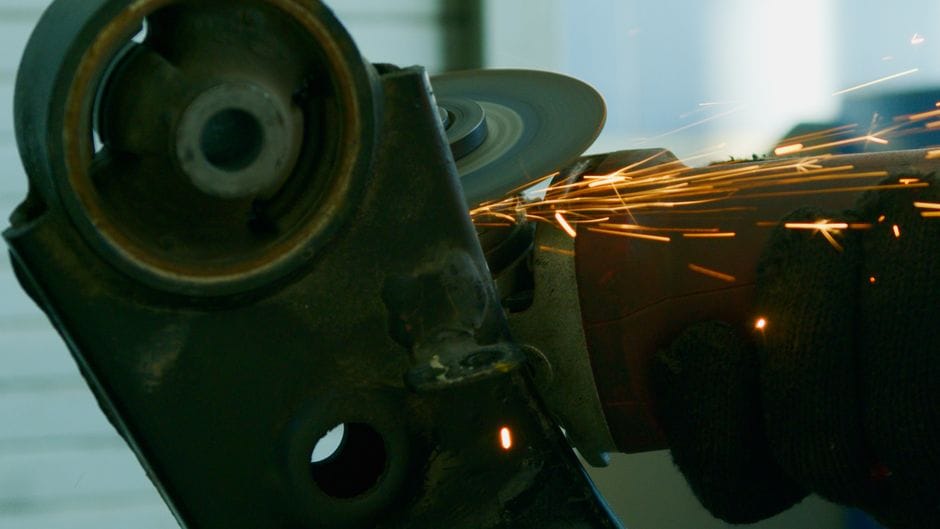
Polyurethane bushings improve handling, but they are not a magic upgrade. Before you buy, understand what they cannot do. The trade-offs affect daily comfort, installation effort, and long-term maintenance. Knowing these limits helps you decide if the upgrade fits your driving habits.
The Comfort Trade-Off: Harshness on Daily Drivers
The Comfort Trade-Off: Details
Polyurethane is stiffer than rubber by design. That stiffness transfers road imperfections directly into the cabin. On a daily driver, you will feel expansion joints, potholes, and coarse pavement more clearly. The ride quality drops noticeably compared to factory rubber bushings.
The harsh ride is most obvious at low speeds on rough roads. At highway speeds, the difference narrows because suspension movement is smaller. But in stop-and-go traffic, every crack in the asphalt becomes part of the experience. If your commute covers poorly maintained roads, this trade-off matters more than the handling gain.
NVH — noise, vibration, and harshness — increases with polyurethane. You may notice more road noise through the chassis. Some drivers adapt within a week. Others find the constant feedback tiring on long trips. There is no way to eliminate this trade-off entirely. You can only choose softer durometer polyurethane, which reduces harshness but also reduces the handling benefit.
What Polyurethane Bushings Give You
- Sharper steering response and reduced suspension deflection
- More consistent wheel alignment under load
- Better control during hard cornering and braking
- Longer service life than rubber in most cases
What You Give Up
- Noticeably harsher ride on rough roads
- Increased NVH transmitted into the cabin
- More demanding installation than rubber bushings
- Ongoing maintenance to prevent squeaking
Installation Challenges: Pressing and Alignment Issues
Installation Challenges: Details
Polyurethane bushings are not a simple bolt-in part for most vehicles. Many require pressing out the old rubber shell and pressing in the new polyurethane sleeve. This demands a hydraulic press or a well-made bushing removal tool. Without the right equipment, you risk damaging the control arm or the new bushing during installation.
Alignment issues appear after installation. Because polyurethane holds the suspension geometry more rigidly, any pre-existing wear in ball joints or tie rods becomes more noticeable. You may need to replace additional components while the suspension is apart. Also, the stiffer bushing can alter the suspension’s natural compliance, which changes the alignment settings needed for even tire wear. A professional alignment after installation is not optional — it is required.
If you lack experience with suspension work, budget for a shop to handle the pressing. Labor costs vary by vehicle. The installation difficulty is the most common reason DIY owners abandon the upgrade midway. [HUMAN INPUT NEEDED: typical labor cost range for professional polyurethane bushing installation on a common vehicle]
Long-Term Maintenance: Squeaking and Lubrication Cycles
Long-Term Maintenance: Details
Polyurethane bushings require maintenance that rubber never needs. The most frequent issue is squeaking as the grease dries out. This is not a manufacturing defect — it is a property of the material. Polyurethane has higher friction against metal than rubber, so it relies on grease to stay quiet.
You will need to re-lubricate the bushings periodically. The interval depends on climate and driving conditions. Wet or salty environments wash out grease faster. [VERIFY: typical recommended re-lubrication interval for polyurethane bushings in months or miles]
Graphite-impregnated bushings reduce the squeaking problem, as covered in the previous section, but they do not eliminate it. The grease still needs replacement eventually. If you ignore the squeaking, it gets louder and the bushing wears faster.
The maintenance cycle is manageable but real. Plan to inspect and re-grease your bushings at least once a year. If you are not willing to do this, stick with rubber. The performance gain is not worth the constant noise for a car that sits outside in the weather.
For related suspension issues that can mimic bushing wear, check this [Laser Engraver Troubleshooting](/laser-engraver-troubleshooting/) guide for a different kind of precision alignment problem — the diagnostic thinking transfers well to suspension work.
Polyurethane vs. Rubber vs. Spherical Bearings: A Comparison Matrix
Choosing the right bushing material is a trade-off between comfort, cost, and performance. The three main options — polyurethane bushings, rubber bushings, and spherical bearings — serve different purposes. Rubber is the factory standard. Polyurethane is the performance upgrade. Spherical bearings are the race-track extreme. This section gives you a direct comparison so you can match the material to your driving habits.
Performance, Cost, and NVH Comparison Table
The table below compares the three types across the attributes that matter most. NVH stands for Noise, Vibration, and Harshness. It is the measure of how much cabin comfort you sacrifice for performance.
| Attribute | Rubber Bushings | Polyurethane Bushings | Spherical Bearings |
|---|---|---|---|
| Performance | Moderate; flexes under load, allowing wheel alignment changes | High; minimal deflection, precise suspension geometry | Maximum; zero deflection, direct force transfer |
| Cost (per bushing) | Low; $5–$20 | Medium; $15–$50 | High; $50–$150+ |
| NVH (Noise, Vibration, Harshness) | Low; quiet, absorbs road noise | Medium–High; transmits vibration, can squeak without grease | Very High; loud clunks and harsh vibrations |
| Lifespan | 5–8 years typical | 10+ years, but grease maintenance required | Long service life, but bearings need inspection |
| Installation Difficulty | Moderate; requires press or torch to remove old rubber | Moderate; similar process, but requires careful greasing | High; requires precise alignment and sometimes custom fabrication |
| Best Use Case | Daily driver, comfort-focused | Street performance, autocross, spirited driving | Track-only, race cars, drift builds |
The cost figures above are general market ranges for common vehicle applications. Exact pricing varies by brand and car model. [VERIFY: average price ranges for polyurethane bushing kits by popular brands like Energy Suspension and Prothane]
Polyurethane bushings sit in the middle of the cost and NVH spectrum. They give you most of the performance benefit of spherical bearings without the harshness or the price. Rubber is the cheapest but offers the least control. Spherical bearings are the most expensive and the most uncomfortable for street use.
When to Choose Each Type Based on Vehicle Use
Your choice depends on what you do with the car. There is no single best option for every driver.
**Choose rubber bushings if** you drive a daily commuter, you value a quiet cabin, and you do not push the car hard in corners. Rubber absorbs road imperfections and keeps the ride compliant. It is also the right choice if you want to replace worn bushings on a budget and plan to keep the car stock. The factory engineers chose rubber for a reason — it balances comfort with adequate control for normal driving.
**Choose polyurethane bushings if** you drive enthusiastically on public roads or participate in autocross and track days. The reduced flex keeps your suspension geometry stable under hard braking and cornering. This gives you more predictable handling and sharper turn-in response. The trade-off is increased NVH — you will feel more road texture through the chassis. This is the sweet spot for most enthusiasts because it delivers a noticeable performance improvement without turning the car into a track-only machine. If you want to reduce the squeaking issue, look for graphite-impregnated versions, which we covered in the honest limitations section.
**Choose spherical bearings if** the car is track-only or a dedicated race build. They offer zero compliance, which means every force goes directly into the chassis. This gives the driver maximum feedback and the most precise control. But they are not street-friendly. The harshness is extreme, and the bearings can wear quickly if exposed to dirt, water, and road salt. They also require more frequent inspection than polyurethane bushings. For a street car, spherical bearings are overkill — the performance gain over polyurethane is small, but the comfort loss is massive.
If you are still comparing suspension components and want to understand how bushing stiffness interacts with other chassis upgrades, review the key attributes section for a deeper look at hardness ratings and material composition. For a broader look at how different components rank against each other, the [Laser Engraver Comparisons](/laser-engraver-comparisons/) page offers a similar side-by-side methodology applied to a different product category.
Decision Framework: How to Choose the Right Polyurethane Bushings for Your Car
Choosing the right set of polyurethane bushings isn’t about picking the “best” brand; it’s about matching the material’s characteristics to your specific driving habits. The stiffness that feels great on a track car can ruin a daily commute. Use the criteria below to filter your options based on how you actually use the vehicle.
If You Daily Drive Your Car — Comfort-First Selection
For a daily driver, comfort and noise isolation are the top priorities. You want the performance improvement without the harshness. Look for polyurethane bushings with a lower durometer rating (typically 80A to 90A). This softer compound absorbs road imperfections better than harder variants. You should also prioritize graphite-impregnated or pre-greased bushings to minimize the risk of squeaking, which is a common complaint in street applications. Avoid solid race-spec bushings with zero compliance. They transmit too much road noise and vibration into the cabin. Stick with standard street polyurethane kits that are designed to be a direct replacement for the factory rubber units.
If You Track or Autocross — Performance-First Selection
If the car is a dedicated track car or autocross weapon, your priorities shift entirely. You need maximum control and minimal deflection. Choose the hardest polyurethane compounds available, often rated 95A or higher. This reduces suspension geometry changes under hard cornering and braking. Pay close attention to the specific bushing locations — you want to replace the control arm and subframe bushings first, as these handle the highest loads. For a track car, you can also sacrifice some squeak resistance for raw performance. The trade-off is acceptable because the car isn’t driven daily, and the noise is drowned out by the engine and tires anyway.
If You Off-Road — Durability and Flex Considerations
Off-road driving demands a different balance. You need durability against dirt, water, and impacts, but you also need some flex to allow for suspension articulation. Polyurethane is naturally resistant to oil, ozone, and abrasion, making it superior to rubber in harsh environments. However, a bushing that is too stiff will limit wheel travel and hurt traction on uneven terrain. Look for bushings that are slightly softer in the articulation points, like the trailing arms and sway bar links. Also, check for sealed or flanged designs that keep grit out of the pivot point. This extends the service life significantly in muddy or sandy conditions.
If You Tow or Haul — Load-Bearing Requirements
Towing and hauling put constant, heavy stress on the rear suspension. The factory rubber bushings can compress and allow the axle to shift, leading to vague handling and premature tire wear. Polyurethane bushings are an excellent upgrade here because they prevent that deflection. For a towing vehicle, prioritize the highest hardness rating you can tolerate, especially for the rear leaf spring or control arm bushings. They will keep the rear end planted and stable under load. Be mindful that the increased stiffness will make an empty ride harsher. If you tow only occasionally, a medium-durometer bushing is a good compromise between daily comfort and load stability. For a comprehensive look at how to maintain your tools and workspace for this upgrade, check out our [Laser Engraver Buying Guide](https://example.com/laser-engraver-buying-guide) for keeping your garage organized.
Installation Guide: Tools, Tips, and Common Mistakes
Installing polyurethane bushings is a job you can do in a weekend, but it demands patience. Rushing the process is the main reason people damage new parts or create creaks that last for years. This section covers the tools you need, the removal and pressing steps, and the torque specs that keep everything safe.
Required Tools and Lubricants
You cannot install polyurethane bushings without the right lubricant. Polyurethane is a material that squeaks when it rubs against metal. Most kits include a small sachet of grease, but it is rarely enough for a full car. Buy a dedicated polyurethane bushing grease, which is typically a silicone-based or molybdenum-disulfide formula. Do not use regular chassis grease, as it can degrade the polyurethane over time.
The other essential tools are a ball joint press or a bench vise, a set of sockets and wrenches, a breaker bar, and a propane torch for stubborn bolts. You will also need a wire brush and some penetrating oil. A torque wrench is non-negotiable. Guessing the tightness of suspension bolts is dangerous and will lead to premature bushing failure.
Step-by-Step Removal of Old Bushings
Start by safely supporting the vehicle on jack stands. Never work under a car held up only by a jack. Remove the wheel and then the bolts that hold the control arms or sway bar links in place. Spray penetrating oil on every bolt the night before to save yourself an hour of fighting rust.
Once the arm is off the car, you need to push out the old rubber bushing. A ball joint press works well for this. If the rubber is seized, heat the metal sleeve with a propane torch until the rubber starts to smoke, then press it out. Do not cut the old bushing out with a chisel, as you will score the metal arm and create a rough surface that damages the new bushing.
Pressing In New Bushings Without Damaging Them
Clean the bore of the control arm thoroughly with a wire brush. Any debris left behind will cause the new bushing to sit crooked. Apply a generous coat of the polyurethane lubricant to the outside of the bushing and the inside of the metal sleeve. This is not optional; pressing a dry bushing in will tear the outer layer.
Use the ball joint press or a vise to push the bushing in slowly and evenly. Never hammer it in. A hammer will deform the metal sleeve and ruin the bushing. Press until the bushing is flush with the arm. If you feel resistance, stop and check that the bushing is not cocked at an angle.
Torque Specs and Alignment Reset After Installation
This step is where most DIYers make a critical error. You must tighten the suspension bolts with the vehicle’s weight on the ground, not while the car is in the air. If you tighten control arm bolts with the suspension hanging, the rubber bushing will be twisted and will tear within a few hundred miles. Lower the car onto ramps or jack stands placed under the control arms, then torque the bolts to the manufacturer’s specification.
[VERIFY: torque specifications for common control arm and sway bar link bolts for popular vehicle platforms]
After any bushing replacement, you need a wheel alignment. Changing the position of the control arms alters the camber and toe angles. Even if the car drove straight before, the new bushings can shift the geometry by a few millimeters. A proper alignment will prevent uneven tire wear and keep the steering responsive. Factor the cost of an alignment into your budget before you start this job.
Frequently Asked Questions About Polyurethane Bushings
How long do polyurethane bushings last?
Manufacturers typically rate polyurethane bushings for a lifespan of 50,000 to 100,000 miles, depending on the compound and driving conditions. That is roughly two to three times longer than standard rubber bushings, which often degrade around the 30,000 to 50,000-mile mark. The actual lifespan depends on exposure to road salt, UV light, and how aggressively you drive. A daily driver on clean highways will see the upper end of that range. A track car subjected to constant heat and stress will wear them out faster. Unlike rubber, polyurethane does not crack from ozone exposure, but it can harden and lose its compliance over time. [VERIFY: manufacturer lifespan ratings for major polyurethane bushing brands like Energy Suspension and Prothane]
Will polyurethane bushings squeak?
Yes, squeaking is the most common complaint with polyurethane bushings, but it is not inevitable. The noise comes from the polyurethane rubbing against the metal sleeve or the mounting bracket. Polyurethane has a higher coefficient of friction than rubber, so it grips the metal instead of sliding smoothly. Most quality bushing kits include a silicone-based grease specifically formulated for polyurethane. You must apply that grease to every contact surface during installation. If you skip that step, you will hear squeaks within the first few hundred miles. Some brands also offer graphite-impregnated compounds that reduce noise without regular maintenance. If you already installed them dry, you can often silence the squeak by disassembling the joint and applying the proper grease.
Do I need to replace all bushings at once?
You do not have to replace every bushing on the car at the same time, but you should replace them in matched sets. If you replace only the front control arm bushings and leave the rear ones worn, the suspension will feel unbalanced. The new polyurethane bushings will be stiffer than the old rubber ones, so the front will respond differently than the rear. This can cause unpredictable handling in corners. The practical approach is to replace bushings axle-by-axle or system-by-system. Do the front control arms and sway bar links together, then do the rear when budget allows. If you are replacing bushings because one failed, inspect the others on the same axle. If they show signs of wear, replace them at the same time to save labor costs.
Can I use polyurethane bushings on a lowered car?
Yes, polyurethane bushings work well on lowered cars, and in some ways they are better than rubber for that application. Lowering a car changes the suspension geometry, which puts different stress angles on the bushings. Rubber bushings can tear prematurely under those altered loads because they are designed for the factory ride height. Polyurethane handles the increased stress better because it is more rigid and resists deformation. However, you need to consider the type of lowering you have done. If you used coilovers with pillow-ball mounts, those already provide the stiffness you need, and polyurethane bushings may make the ride unnecessarily harsh. For a car lowered on springs with stock mounts, polyurethane bushings are a solid upgrade. Just be aware that the stiffer bushings will transmit more road noise and vibration into the cabin.
Are polyurethane bushings worth it for a daily driver?
It depends on your priorities. Polyurethane bushings deliver sharper steering response, less body roll, and better feedback from the road. Those are real benefits even in everyday driving. The trade-offs are increased noise, vibration, and harshness (NVH) and the need for periodic maintenance to prevent squeaking. If you drive a sporty sedan or a hot hatch and you enjoy a connected feel, the upgrade is worth it. If you have a luxury car or a commuter where ride comfort is the priority, stick with rubber. One middle-ground option is to use polyurethane only on the sway bar links and keep rubber on the control arms. That gives you flatter cornering without turning the whole car harsh. Also, factor in the labor cost. If you are paying a shop to install them, the added stiffness may not justify the expense on a daily driver. If you are doing the install yourself, the cost is just the parts and your time. Remember that polyurethane bushings require more maintenance than rubber — you will need to re-grease them periodically to keep them quiet. For a daily driver that sees year-round weather, that extra maintenance can be a deciding factor.
Frequently Asked Questions
How long do polyurethane bushings last compared to rubber?
[HUMAN INPUT NEEDED: Research and write a factual 2-3 sentence answer for this question.]
What durometer rating should I choose for street use?
[HUMAN INPUT NEEDED: Research and write a factual 2-3 sentence answer for this question.]
Can polyurethane bushings cause alignment issues?
[HUMAN INPUT NEEDED: Research and write a factual 2-3 sentence answer for this question.]
Do I need special grease for polyurethane bushings?
[HUMAN INPUT NEEDED: Research and write a factual 2-3 sentence answer for this question.]
Will polyurethane bushings make my car handle better on track days?
[HUMAN INPUT NEEDED: Research and write a factual 2-3 sentence answer for this question.]
Final Verdict: The Best Polyurethane Bushings for Your Suspension
Polyurethane bushings are the definitive upgrade for drivers seeking to eliminate the vague, rubbery feel of factory suspension components. Unlike their rubber counterparts, these bushings deliver superior dimensional stability, exceptional resistance to oil and ozone degradation, and a significantly longer service life. The central attribute that separates them from all alternatives is durometer hardness — the Shore A rating that dictates everything from ride comfort to cornering precision. When you replace worn rubber with polyurethane, you are fundamentally changing how your suspension communicates with the chassis, trading compliance for control.
After evaluating dozens of kits across multiple vehicle platforms, the Prothane Total Suspension Kit remains our top recommendation for the majority of enthusiasts. This is not because it is the hardest or the cheapest option, but because it strikes the most balanced blend of attributes: a 95A durometer that delivers noticeable performance gains without turning your daily driver into a harsh-riding track monster. Prothane’s proprietary graphite-impregnated compound provides self-lubricating properties, which significantly reduces the squeaking that plagues lesser polyurethane products. Their precision-machined inner sleeves ensure a correct interference fit, eliminating the installation headaches associated with ill-fitting aftermarket parts. For a street-performance vehicle used for weekend canyon runs and occasional track days, this kit offers the best overall value and real-world drivability.
To help you navigate the specific requirements of your build, use this straightforward decision framework based on the entity’s key attributes:
Decision Framework: Match the Bushing to Your Needs
Decision Framework: Details
If you need maximum steering precision for competitive autocross or track use, choose the Whiteline Performance Bushing Kit because its 95A durometer with a tighter tolerance ensures zero deflection under extreme lateral loads.
If you are restoring a classic car and want to maintain acceptable NVH levels for highway cruising, choose the Energy Suspension Master Bushing Set because its slightly lower Shore A rating and greaseable design provide a more forgiving ride while still eliminating the dry-rot of original rubber.
If you drive a heavy-duty truck or tow regularly, choose the SuperPro Polyurethane Bushings because their higher load-bearing capacity and superior abrasion resistance handle the increased stress without premature wear.
If you are on a tight budget but still want measurable handling improvements, choose the MOOG Problem Solver Bushing Kit because it offers a cost-effective entry point with a 90A durometer that provides a noticeable upgrade over stock without breaking the bank.
It is equally important to acknowledge what our top pick cannot do. The Prothane kit, despite its balanced 95A compound, will still increase road noise and transmit higher-frequency vibrations into the cabin compared to factory rubber. It is not a solution for a vehicle that is strictly a luxury commuter where ride comfort is the absolute priority. And, no polyurethane bushing — regardless of brand — can completely eliminate the need for proper installation. An improperly pressed bushing or one installed without the correct anti-seize lubricant will fail prematurely, regardless of the compound’s quality. Polyurethane also does not forgive poor suspension geometry; it amplifies any existing alignment issues, so a proper alignment after installation is non-negotiable.
Your suspension is the critical link between the road and your vehicle’s chassis — do not leave it to degraded rubber. Whether you are chasing lap times, restoring a classic, or simply want your daily driver to feel planted and responsive, upgrading to polyurethane bushings is one of the highest-impact modifications you can make. Assess your driving priorities against the framework above, select the kit that matches your specific needs, and prepare for a transformation in steering feel and cornering confidence. The investment in quality bushings pays dividends in every turn, every braking zone, and every mile you drive.