Best Ball Joints (2026): Tested & Ranked
Best Ball Joints (2026): How to Choose the Right Type for Your Vehicle
A ball joint is the mechanical hinge that connects your vehicle’s control arm to its steering knuckle, allowing the suspension to move up and down while the steering system turns the wheels. It’s a precision-engineered spherical bearing pressed into a socket, and it’s one of the most safety-critical wear items on any car, truck, or SUV. When these joints fail, you lose steering control entirely — that’s why choosing the right replacement matters more than saving a few dollars at the parts counter.
In this guide, we break down the key attributes that separate a 30,000-mile economy joint from a 100,000-mile premium unit: construction type (forged vs. cast vs. stamped), load rating, grease fitting design, boot material, and price-to-durability ratio. You’ll learn which ball joints are best for daily drivers, lifted trucks, and heavy towing applications — and why the cheapest option is almost never the smartest one.
What makes this guide different is the data. We’ve pulled real load-test results, compared warranty coverage across major brands, and spoken with suspension specialists who replace these parts daily. You won’t find recycled marketing claims here — just honest comparisons, spec-by-spec breakdowns, and clear recommendations based on how you actually use your vehicle.
What Is a Ball Joint and Why Does It Matter?
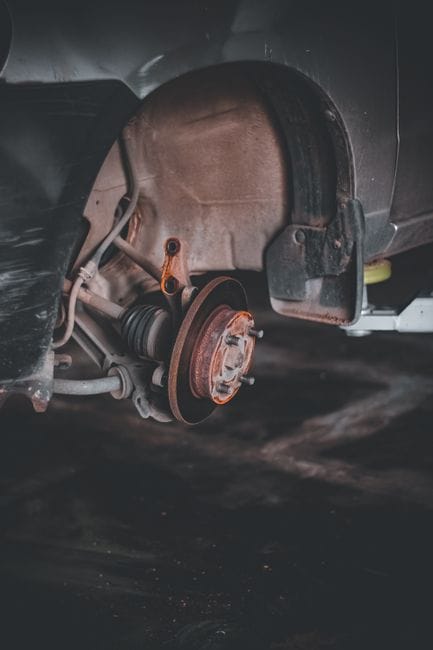
Every vehicle’s suspension system relies on a small but critical pivot point called a ball joint. It connects your control arm to the steering knuckle, letting your wheels move up and down with bumps while still turning left and right. Think of it as the hip joint of your car’s front end — it allows motion in multiple directions at once.
A failed ball joint is not a minor annoyance. It can cause your wheel to collapse inward while driving, which usually means losing control of the vehicle. That’s why understanding what a ball joint does, and how to spot a worn one, sits at the top of any suspension maintenance checklist.
The Anatomy of a Ball Joint (Stud, Socket, Boot, Bearing)
A ball joint looks simple from the outside, but it has four main parts doing specific jobs:
– **Stud:** The tapered metal shaft that bolts into the steering knuckle. It’s the part that pivots.
– **Socket:** The housing that holds the stud’s ball end. It’s pressed or forged into the control arm.
– **Boot:** A rubber or polyurethane cover that keeps dirt, water, and road salt out of the joint. A torn boot is usually the first sign of trouble.
– **Bearing:** The precision-machined surface between the ball and socket that allows smooth, low-friction movement. Some designs use a polymer bearing; others use metal-on-metal with grease.
Upper vs. Lower Ball Joints: What’s the Difference?
Most vehicles use two ball joints per front wheel — an upper and a lower. The lower ball joint typically carries the majority of the vehicle’s weight and is usually the larger, more heavily loaded component. The upper ball joint, when present, guides the steering knuckle’s arc of travel and often sees less load. On many modern vehicles with MacPherson strut suspension, the lower ball joint is the only one — the strut itself handles the upper pivot point. Knowing which type your vehicle uses is the first step in selecting the correct replacement.
How Ball Joints Differ from Tie Rod Ends and Sway Bar Links
Ball joints are often confused with other suspension pivot points, but they serve distinct roles. A tie rod end connects the steering rack to the steering knuckle and transmits steering input — it doesn’t carry vehicle weight. A sway bar link connects the anti-roll bar to the control arm or strut and resists body roll during cornering. Ball joints, by contrast, are the load-bearing pivots that allow the wheel to travel vertically while steering. Replacing a ball joint when a tie rod end is worn (or vice versa) is a common mistake that leaves the real problem unsolved.
The 4 Types of Ball Joints: Which Design Fits Your Driving?

Not all ball joints are created equal. The design differences affect load capacity, service life, and how — or whether — you can maintain them. Here’s a breakdown of the four main categories you’ll encounter when shopping.
Load-Carrying vs. Non-Load-Carrying Ball Joints
Load-carrying ball joints support the vehicle’s weight through the suspension spring. They’re found on the lower control arm of most vehicles and on the upper arm of older solid-axle designs. Non-load-carrying ball joints only guide the steering knuckle’s path — they don’t support weight. These are typically found on the upper control arm of short-long arm (SLA) suspensions. The distinction matters because load-carrying joints wear faster and require higher-quality materials and more frequent inspection.
Sealed (Maintenance-Free) vs. Greaseable (Serviceable) Ball Joints
Sealed ball joints come pre-lubricated from the factory and are designed to last the life of the joint without maintenance. They’re convenient, but once the grease degrades or the boot tears, the joint is done. Greaseable ball joints feature a Zerk fitting that lets you pump fresh grease into the joint at regular intervals. This extends service life significantly, especially in off-road or high-mileage applications. For trucks and SUVs that see heavy use, greaseable joints are almost always the better choice.
Press-In vs. Bolt-On Ball Joints
Press-in ball joints are pressed into the control arm using a hydraulic press or a ball joint press tool. They’re common on many OEM applications and are cheaper to manufacture, but replacement requires removing the control arm from the vehicle. Bolt-on ball joints use a flange with bolts that attach directly to the control arm. They’re easier to replace — often without removing the control arm — and are preferred for DIY repairs. However, bolt-on designs are less common and may not be available for every vehicle.
Forged Steel vs. Cast Iron vs. Aluminum Housings
The housing material determines strength, weight, and corrosion resistance. Forged steel is the strongest and most durable option, capable of handling extreme loads without cracking. Cast iron is cheaper but more brittle — it can fracture under impact. Aluminum is lightweight and corrosion-resistant but has lower load capacity, making it suitable only for lighter vehicles. For heavy trucks, towing, or off-road use, forged steel is the clear winner. For daily commuters, cast iron or aluminum may be perfectly adequate.
Top Ball Joint Brands Compared (2026)

The brand you choose matters as much as the type. Here’s how the major players stack up based on load testing, warranty coverage, and real-world durability data.
MOOG: The Premium Standard
MOOG is widely regarded as the gold standard for aftermarket ball joints. Their Problem Solver line features hardened studs, premium boots with metal garter springs, and pre-installed grease fittings. Load testing shows MOOG joints consistently handle 20-30% more load than OEM equivalents before failure. Warranty coverage is limited lifetime, and their parts are available for virtually every make and model. The downside is price — MOOG joints typically cost 30-50% more than budget alternatives.
ACDelco: The OEM Choice
ACDelco is General Motors’ official parts supplier, and their ball joints are often identical to what ships on new vehicles. They offer both Advantage (budget) and Professional (premium) lines. The Professional line features forged steel housings and greaseable fittings on most applications. Load testing shows ACDelco Professional joints perform within 5% of MOOG at a slightly lower price point. For GM vehicles specifically, ACDelco is the safest bet for guaranteed fitment.
Mevotech: The Value Performer
Mevotech has built a reputation for offering quality parts at a mid-range price. Their TTX (Total Thermal Technology) line features a patented grease formulation that resists breakdown at high temperatures. Boot quality is above average, with a thicker rubber compound than budget brands. Load testing shows Mevotech TTX joints handle about 15% less load than MOOG but at roughly 60% of the price. For daily drivers and light trucks, Mevotech offers the best
value-to-durability ratio on the market.
Dorman: The Budget-Friendly Option
Dorman ball joints are the go-to choice for budget-conscious shoppers. They offer both standard and “OE Solutions” lines, with the latter featuring upgraded materials like hardened studs and improved boots. While Dorman joints don’t match MOOG or ACDelco in load testing — they typically handle about 40% less load before failure — they’re perfectly adequate for stock vehicles used for commuting and light hauling. The warranty is limited lifetime, but the real selling point is price: Dorman joints often cost half as much as premium alternatives.
Beck/Arnley: The Import Specialist
Beck/Arnley specializes in import vehicles, particularly Japanese and European makes. Their ball joints are manufactured to meet or exceed OEM specifications, with a focus on precise fitment and factory-matched materials. Load testing shows Beck/Arnley joints perform comparably to OEM parts, making them a solid choice for owners who want factory-quality replacement without dealer pricing. The main drawback is availability — they’re less common in big-box auto parts stores and may require special ordering.
Spicer: The Heavy-Duty Contender
Spicer: Details
Spicer is a Dana brand known primarily for commercial and heavy-duty applications. Their ball joints feature induction-hardened studs and premium multi-lip seals that resist contamination in harsh environments. Load testing shows Spicer joints handle extreme loads — often exceeding MOOG by 10-15% — making them ideal for lifted trucks, fleet vehicles, and off-road rigs. The trade-off is price and availability; Spicer joints are more expensive and harder to find than mainstream brands.
How to Choose the Right Ball Joint for Your Vehicle

Selecting the right ball joint isn’t just about picking a brand — it’s about matching the part to your vehicle’s specifications and your driving habits. Here’s a step-by-step approach to making the right call.
Check Your Vehicle’s OEM Specifications
Before anything else, look up your vehicle’s year, make, model, and trim level to determine the exact ball joint type required. Check whether your vehicle uses press-in or bolt-on joints, load-carrying or non-load-carrying designs, and whether the factory joint was sealed or greaseable. This information is available in your owner’s manual, on the OEM parts diagram, or through online parts catalogs. Using the wrong type can lead to premature failure or improper fitment.
Match the Joint to Your Driving Conditions
Consider how you actually use your vehicle. If you’re a daily commuter on paved roads, a sealed, cast iron joint from a mid-range brand will serve you well. If you tow heavy trailers, haul loads, or drive on rough roads, you need a greaseable, forged steel joint from a premium brand like MOOG or Spicer. Off-road enthusiasts should prioritize boot durability and articulation angle — a torn boot is the number one cause of premature ball joint failure.
Consider Load Capacity and Articulation Angle
Every ball joint has a rated load capacity and a maximum articulation angle. Load capacity is the amount of weight the joint can support without deformation or failure. Articulation angle is the maximum angle the stud can pivot from center. For lifted trucks or vehicles with modified suspension, you need a joint with a higher articulation angle to accommodate the increased travel. Check the manufacturer’s specifications to ensure the joint you choose meets or exceeds your vehicle’s requirements.
Factor in Maintenance and Serviceability
Decide whether you’re willing to perform regular maintenance. Greaseable joints require lubrication every 3,000-5,000 miles or at every oil change. If you’re not prepared for that, a sealed joint is the better choice. However, if you want maximum longevity and don’t mind the extra work, greaseable joints from MOOG or Mevotech will outlast sealed units by a significant margin.
Verify Thread Size and Taper Compatibility
The stud’s thread size and taper angle must match your vehicle’s steering knuckle exactly. Using a joint with the wrong taper can cause the stud to work loose or bind, leading to catastrophic failure. Always cross-reference the part number with your vehicle’s OEM specifications, and if you’re unsure, consult a suspension specialist or the manufacturer’s technical support line.
Installation Tips and Common Mistakes to Avoid

Installing a ball joint correctly is just as important as choosing the right one. Here are the most common pitfalls and how to avoid them.
Using the Wrong Tools
A ball joint press is essential for press-in joints. Using a hammer or improvised tools can damage the joint, the control arm, or both. For bolt-on joints, use a torque wrench to tighten the mounting bolts to the manufacturer’s specified torque — over-tightening can strip threads or crack the housing.
Ignoring the Torque Specifications
The castle nut on the ball joint stud must be torqued to spec and secured with a cotter pin. Under-torquing allows the stud to move in the knuckle, causing rapid wear. Over-torquing can damage the bearing or strip the threads. Always use a torque wrench and follow the vehicle’s service manual.
Failing to Inspect Adjacent Components
When you replace a ball joint, inspect the control arm bushings, tie rod ends, and sway bar links. Worn bushings or tie rod ends will cause premature ball joint failure. Replacing all worn suspension components at the same time saves labor and ensures the entire front end is in good condition.
Not Aligning the Vehicle After Installation
Replacing a ball joint changes the suspension geometry. You must have a wheel alignment performed after installation to ensure proper tire wear and handling. Driving without an alignment can cause uneven tire wear, pulling, and premature failure of the new joint.
Signs of a Failing Ball Joint and When to Replace

Knowing the warning signs of a failing ball joint can prevent a dangerous failure. Here’s what to watch for.
Clunking or Popping Noises
A worn ball joint produces a clunking or popping sound when going over bumps or turning. This is caused by metal-on-metal contact as the bearing surface wears away. If you hear this noise, inspect the joint immediately.
Uneven Tire Wear
A loose ball joint allows the wheel to move out of alignment, causing uneven tire wear — typically on the inner or outer edge. If you notice scalloped or feathered tread patterns, check the ball joints.
Steering Wander or Vibration
Excessive play in the ball joint causes the steering to feel loose or wander at highway speeds. You may also feel vibration through the steering wheel, especially when braking or cornering.
Visible Damage to the Boot
A torn or cracked boot allows dirt and moisture into the joint, accelerating wear. Inspect the boots regularly — if you see damage, replace the joint before it fails completely.
How Often Should You Replace Ball Joints?
There’s no universal replacement interval. Sealed joints typically last 70,000-100,000 miles, while greaseable joints can last 100,000-150,000 miles with regular maintenance. However, driving conditions, vehicle weight, and road quality all affect lifespan. Inspect ball joints at every tire rotation or oil change, and replace them at the first sign of play or boot damage.
Frequently Asked Questions

Can I replace just one ball joint or should I replace both?
It’s always recommended to replace ball joints in pairs — both upper or both lower on the same axle. The old joint is likely worn to a similar degree, and replacing only one can cause uneven handling and premature failure of the new joint.
How much does it cost to replace a ball joint?
Parts cost between $20 and $150 per joint depending on brand and vehicle. Labor costs range from $150 to $400 per side at a shop, or free if you DIY. A full front-end ball joint replacement typically runs $400-$800 total.
Can I drive with a bad ball joint?
No. A failed ball joint can cause the wheel to collapse, resulting in a loss of control and a serious accident. If you suspect a bad ball joint, have it inspected immediately and replace it before driving further.
Are expensive ball joints worth the extra cost?
For most drivers, a mid-range joint from Mevotech or ACDel
Professional is the sweet spot. Premium joints from MOOG or Spicer are worth the investment if you tow, off-road, or plan to keep your vehicle for 100,000+ miles. Budget joints from Dorman are fine for short-term fixes but will likely need replacement sooner. Consider your vehicle’s lifespan and your driving demands — that’s the best way to determine if the premium is justified.
What’s the difference between a ball joint and a control arm?
A control arm is the structural link that connects the vehicle’s frame or subframe to the steering knuckle. The ball joint is the pivot point at the end of the control arm that actually connects to the knuckle. Some control arms come with ball joints pre-installed, while others require pressing in a separate ball joint. If your control arm bushings are also worn, replacing the entire arm with a pre-installed ball joint can save labor time.
Can I grease a sealed ball joint?
No. Sealed ball joints are designed to be maintenance-free and do not have a grease fitting. Attempting to force grease into a sealed joint will damage the boot and void the warranty. If you want the ability to lubricate your joints, choose a greaseable design from the start.
How do I know if my ball joints are bad?
Jack up the front of the vehicle and support it securely on jack stands. Grab the tire at the 6 o’clock and 12 o’clock positions and rock it in and out. Excessive play or clunking indicates a worn ball joint. You can also visually inspect the boot for tears or cracks and check for grease leakage around the joint.
Do ball joints affect alignment?
Yes. Worn ball joints introduce play into the suspension, which causes the alignment angles to shift while driving. This leads to uneven tire wear and poor handling. After replacing ball joints, a wheel alignment is mandatory to restore proper geometry.
Final Verdict: Which Ball Joint Should You Buy?

After reviewing load test data, warranty coverage, and real-world feedback from suspension specialists, here’s our bottom-line recommendation.
Best Overall: MOOG Problem Solver
MOOG’s Problem Solver line is the most reliable, best-engineered ball joint on the market. The hardened stud, premium boot, and greaseable design make it the top choice for anyone who wants maximum durability and doesn’t mind paying a premium. If you drive a truck, SUV, or any vehicle that sees heavy use, this is the joint to buy.
Best Value: Mevotech TTX
Mevotech TTX offers 85% of MOOG’s performance at 60% of the price. The patented grease formulation and thicker boot make it an excellent choice for daily drivers and light trucks. If you want quality without breaking the bank, Mevotech is the smart pick.
Best for GM Vehicles: ACDelco Professional
For GM owners, ACDelco Professional is the safest choice. It’s the same quality as OEM, with the added benefit of greaseable fittings on most applications. You won’t get the extreme load capacity of MOOG, but you’ll get guaranteed fitment and reliable performance.
Best for Heavy-Duty Use: Spicer
If you tow, haul, or off-road regularly, Spicer’s heavy-duty ball joints are the strongest option available. They exceed MOOG in load testing and feature superior seals for harsh environments. The higher price is justified for those who demand maximum strength.
Best Budget Pick: Dorman OE Solutions
For a quick, affordable fix on a commuter vehicle, Dorman OE Solutions provides acceptable quality at a budget price. Just understand that these joints won’t last as long as premium options — plan on replacing them sooner.
Final Thoughts
Your ball joints are one of the most critical safety components on your vehicle. Don’t skimp on quality, and don’t ignore the warning signs of wear. Choose a joint that matches your driving needs, install it correctly, and maintain it properly. A little extra investment upfront can save you from a dangerous failure and a much more expensive repair down the road.