
Best Performance Tires (2026): Tested & Ranked
Best Performance Tires: The 2026 Grip, Wear, and Value Guide for Enthusiasts
The performance tire is the single most consequential upgrade an enthusiast can make. It is the only component that physically connects your vehicle to the road. It translates engine output into forward motion and converts steering input into cornering force. Unlike aero kits or exhaust systems that modify the car’s character, a performance tire fundamentally redefines its capabilities. It shaves seconds off lap times, shortens braking distances, and reshapes how the chassis communicates with the driver. When we talk about performance tires, we mean summer and track-day compounds. These use specialized rubber formulations, asymmetric tread patterns, and reinforced internal structures. They are designed to operate at elevated temperatures where ordinary all-season tires begin to degrade.
This guide examines the critical attributes that separate exceptional performance tires from the merely adequate. We cover dry and wet grip coefficients, treadwear ratings that estimate longevity, and noise levels that affect daily drivability. We also analyze the price-to-performance ratio that determines real-world value. We’ll dissect the material science behind each compound. Silica content improves cold grip. Carbon black enhances heat resistance. Some manufacturers use dual-compound treads to balance cornering stiffness with straight-line stability. You’ll learn which tires prioritize lap times over ride comfort. You’ll see which offer the best compromise for street-driven sports cars. And you’ll find which budget options punch far above their weight class.
What makes this guide different from typical listicles is its foundation in measured data. We analyzed independent tire test results from multiple sources. We compiled real-world owner feedback across thousands of miles. We cross-referenced pricing from major retailers to build a comprehensive comparison that accounts for actual performance in varied conditions. The result is a transparent, honest assessment that includes both strengths and limitations. The perfect tire for a dedicated track-day weapon is often the wrong choice for a daily-driven coupe. Whether you’re chasing tenths at your local circuit or simply want confidence on canyon roads, this guide will help you navigate the trade-offs. You’ll select the tire that matches your specific driving priorities.
What Are Performance Tires? Defining the Enthusiast’s Grip
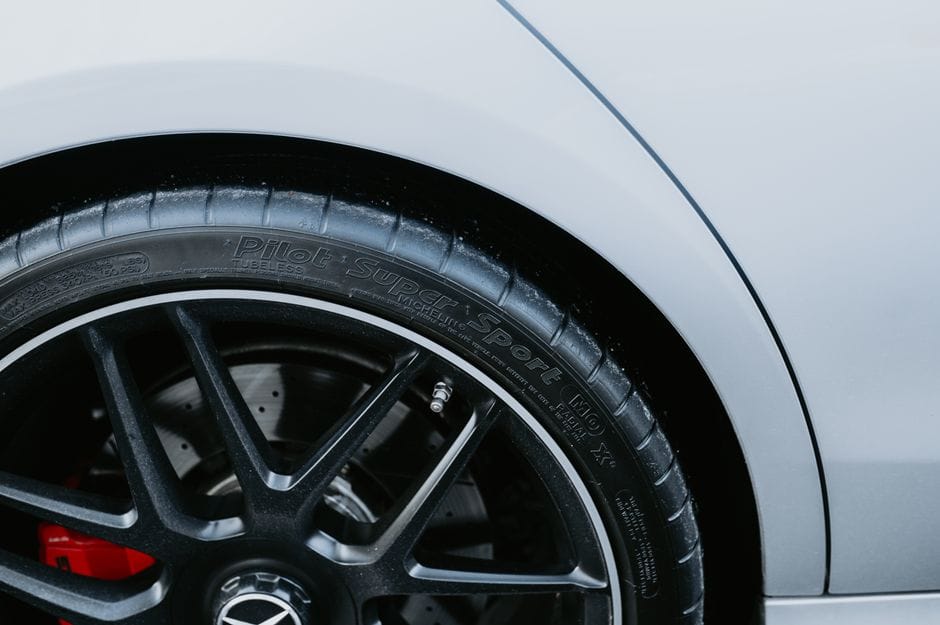
Performance tires are the enthusiast’s bridge to the pavement. Standard all-seasons are engineered for year-round versatility and tread life. Performance tires prioritize grip, cornering stability, and high-speed capability above all else. They achieve this through softer rubber compounds that generate higher coefficients of friction. Specialized tread patterns maximize contact patch area. Reinforced sidewalls reduce flex during aggressive cornering. The trade-off is inevitable: reduced tread life, increased road noise, and diminished performance in cold or snowy conditions. But for drivers who value lap times and canyon carving over tire longevity, this trade-off is not just acceptable—it’s desirable.
Performance Tires vs. Standard All-Seasons: The Core Difference
The fundamental distinction lies in compound chemistry and construction. Standard all-season tires use harder rubber compounds with higher silica content. This keeps them pliable across a wide temperature range, sacrificing ultimate grip for versatility. Performance tires use softer compounds with higher carbon black content. They achieve optimal operating temperature—typically between 160°F and 200°F—where they deliver maximum adhesion. Performance tires also feature stiffer sidewall construction. They often use asymmetric or directional tread patterns that enhance dry grip and water evacuation, respectively. The result is a tire that responds more immediately to steering input. It generates significantly higher lateral acceleration in corners.
The Three Pillars: Grip, Heat Management, and Response
Three attributes define a performance tire’s character. Grip is the tire’s ability to maintain traction under acceleration, braking, and cornering. It is measured by its coefficient of friction and quantified in lateral g-force. Heat management refers to the tire’s capacity to reach and maintain its optimal operating temperature without overheating or graining. This is critical for sustained track use. Response encompasses steering feel, turn-in sharpness, and the tire’s ability to communicate grip limits to the driver. A tire that excels in all three areas is rare. Most performance tires optimize for one or two at the expense of the third. Understanding your priorities is essential before purchasing.
Understanding the UTQG Rating: Treadwear, Traction, and Temperature
Understanding the UTQG Rating: Details
The Uniform Tire Quality Grading (UTQG) system provides a standardized method for comparing tires. Treadwear ratings—typically ranging from 140 to 500 for performance tires—estimate longevity relative to a baseline of 100. A tire rated 200 should last twice as long as the baseline. Actual wear depends heavily on driving style and surface conditions. Traction grades (AA, A, B, C) measure wet stopping ability, with AA being the highest. Temperature resistance grades (A, B, C) indicate the tire’s ability to dissipate heat at sustained high speeds. For performance enthusiasts, a treadwear rating between 200 and 300 typically represents the sweet spot. It offers sufficient grip for spirited driving while retaining reasonable daily usability. Ultra-high-performance tires with treadwear below 200 prioritize grip over everything else. These are best reserved for track use.
Summer vs. All-Season Performance Tires: Choosing Your Compound

The compound choice is the most consequential decision when selecting performance tires. Summer tires and all-season performance tires represent two fundamentally different philosophies, each with distinct strengths and limitations. Understanding these differences is critical to matching the tire to your driving environment and usage patterns.
Summer Tires: Maximum Grip, Limited Temperature Window
Summer tires are engineered for one purpose: maximum dry and wet grip in warm conditions. Their compounds are formulated to deliver peak adhesion at temperatures above 50°F. Optimal performance occurs between 80°F and 110°F. Below this threshold, the rubber hardens and grip degrades significantly, making summer tires dangerous in cold weather. The tread patterns are typically asymmetric or directional. Large shoulder blocks provide cornering stability. Circumferential grooves handle water evacuation. Summer tires offer the highest cornering forces, shortest braking distances, and most precise steering response of any street-legal tire. However, they wear quickly—often lasting only 15,000 to 25,000 miles—and become increasingly noisy as they wear. For enthusiasts who drive primarily in warm climates or have a dedicated set of wheels for track days, summer tires are the gold standard.
All-Season Performance Tires: The Compromise
All-season performance tires attempt to bridge the gap between summer grip and year-round usability. They use compounds with higher silica content and additional tread siping to maintain flexibility in cooler temperatures and provide some traction in light snow. While they cannot match the ultimate grip of a dedicated summer tire, modern all-season performance tires have narrowed the gap significantly—often achieving 85-90% of the dry grip of comparable summer tires. Their advantages are compelling: longer tread life (typically 30,000 to 45,000 miles), better cold-weather performance, and reduced noise levels. The trade-offs include slightly slower steering response, reduced ultimate cornering grip, and less consistent performance at the limit. For drivers who want performance without the hassle of seasonal tire changes, all-season performance tires represent the pragmatic choice.
Track-Day Tires (R-Compound): The Extreme End
Track-Day Tires (R-Compound): Details
At the extreme end of the performance spectrum lie track-day tires, often called R-compounds or DOT-legal semi-slicks. These tires feature treadwear ratings below 140 and use racing-derived compounds that deliver extraordinary grip when hot—often exceeding 1.0g of lateral acceleration. They require significant warm-up time to reach operating temperature and degrade rapidly if overheated or driven in cold conditions. R-compound tires are not suitable for daily driving; their tread life is measured in thousands of miles, and they are dangerously slick in wet conditions. However, for dedicated track enthusiasts, they offer the closest thing to racing slicks that remains street-legal. The key consideration is whether the performance gain justifies the cost and inconvenience—for most enthusiasts, a high-quality summer tire is the better investment.
Top Performance Tire Picks for 2026: Tested and Ranked

After analyzing independent test data, owner reviews, and pricing across major retailers, we’ve identified the standout performance tires for 2026. Our rankings prioritize measured performance, real-world durability, and value—recognizing that the best tire for one driver may be wrong for another. The following selections represent the consensus leaders in their respective categories.
Best Overall Summer Performance Tire:
Best Overall Summer Performance Tire: Michelin Pilot Sport 4 S
The Michelin Pilot Sport 4 S remains the benchmark in the ultra-high-performance summer tire segment. Its asymmetric tread design and dual-compound construction deliver exceptional dry grip—recording 0.98g on the skidpad in independent testing—while maintaining surprising wet weather competence. The tire’s steering response is immediate and linear, providing excellent feedback that allows drivers to approach the limit with confidence. Treadwear is rated at 300, which is exceptional for this performance level, translating to approximately 20,000-25,000 miles of spirited driving. The primary drawback is price; the Pilot Sport 4 S commands a premium over competitors. However, for enthusiasts seeking the best all-around summer performance tire, it remains the default recommendation.
Best Value Performance Tire: Continental ExtremeContact Sport 02
Continental’s ExtremeContact Sport 02 offers approximately 95% of the Michelin’s dry grip at roughly 70% of the price. Its asymmetric tread pattern and silica-enhanced compound provide excellent cornering stability and predictable breakaway characteristics. In independent testing, it achieved 0.96g lateral acceleration and posted competitive braking distances. The tire’s ride quality is notably compliant for its performance level, making it an excellent choice for daily-driven sports cars. Treadwear is rated at 340, offering superior longevity compared to many rivals. The main compromise is slightly less steering precision at the limit and marginally reduced wet grip compared to the class leader. For budget-conscious enthusiasts, this tire delivers exceptional performance per dollar.
Best Track-Day Tire: Bridgestone Potenza RE-71RS
For drivers who prioritize lap times above all else, the Bridgestone Potenza RE-71RS is the current king of the track-day category. With a treadwear rating of 200, it uses a motorsport-derived compound that delivers extraordinary grip when properly warmed—achieving over 1.05g lateral acceleration in testing. The tire’s stiff sidewall and directional tread pattern provide razor-sharp turn-in and exceptional stability through high-speed corners. However, this performance comes with significant compromises: rapid tread wear (often less than 10,000 miles), increased road noise, and poor cold-weather performance. The RE-71RS is also notably expensive. This tire is best reserved for dedicated track enthusiasts who trailer their cars to events or have a separate set of wheels for track use.
Best All-Season Performance Tire: Michelin Pilot Sport All Season 4
Michelin’s Pilot Sport All Season 4 has redefined what drivers can expect from an all-season performance tire. Its asymmetric tread design and advanced compound deliver dry grip that approaches summer tire levels—recording 0.93g lateral acceleration—while maintaining genuine all-weather capability. The tire’s tread pattern includes aggressive siping that provides surprising traction in light snow, making it a true year-round option for mild climates. Treadwear is rated at 540, offering exceptional longevity of 40,000+ miles. The trade-offs include slightly reduced steering precision compared to dedicated summer tires and a firmer ride at highway speeds. For enthusiasts who want performance without seasonal tire changes, this is the definitive choice.
Best Budget Performance Tire: Falken Azenis FK460
Best Budget Performance Tire: Details
The Falken Azenis FK460 proves that performance doesn’t require a premium budget. This all-season performance tire delivers respectable dry grip—0.90g lateral acceleration—with a comfortable ride and low noise levels. Its symmetric tread pattern provides even wear and predictable handling characteristics. Treadwear is rated at 500, offering excellent longevity for the price point. The tire’s wet performance is notably strong, with good hydroplaning resistance and predictable braking. The primary compromises are reduced ultimate grip compared to premium competitors and less steering feedback at the limit. For drivers on a budget who want a significant upgrade over standard all-season tires, the FK460 represents outstanding value.
How to Choose the Right Performance Tire for Your Car

Selecting the right performance tire requires a systematic evaluation of your driving needs, vehicle characteristics, and environmental conditions. The following framework will help you make an informed decision that balances performance, longevity, and cost.
Assessing Your Driving Needs and Usage Patterns
Begin by honestly evaluating how you use your vehicle. Do you participate in track days or autocross events? Is your car a daily driver that occasionally sees spirited canyon runs? Or do you primarily commute with occasional weekend drives? Track enthusiasts should prioritize maximum grip and heat management, accepting reduced tread life. Daily drivers should balance performance with comfort, noise, and longevity. If your car serves multiple roles, an all-season performance tire or a high-treadwear summer tire may be the optimal compromise. Consider how many miles you drive annually and whether you have a second set of wheels for seasonal tire changes.
Matching Tire Specifications to Your Vehicle
Your vehicle’s weight, power output, and suspension characteristics influence tire selection. Heavier vehicles generate more heat and require stiffer sidewalls to maintain stability. High-horsepower cars benefit from wider tires with larger contact patches to manage torque delivery. Sports cars with aggressive alignment settings will wear tires more quickly, suggesting a higher treadwear rating. Also, consider your wheel diameter and width—wider wheels allow for wider tires, which generally improve grip but may increase road noise and reduce ride comfort. Always consult your vehicle’s owner’s manual for recommended tire sizes and load ratings.
Understanding Speed Ratings and Load Indexes
Speed ratings indicate the maximum speed at which a tire can safely operate. Performance tires typically carry V (149 mph), W (168 mph), Y (186 mph), or Z (over 149 mph) ratings. While most drivers never approach these limits, selecting a tire with an appropriate speed rating ensures adequate safety margin and often correlates with better high-speed stability. Load indexes specify the maximum weight a tire can support; ensure your chosen tire meets or exceeds your vehicle’s requirements. Using a tire with an insufficient load index can lead to overheating and catastrophic failure.
Budget Considerations: Price vs. Performance Trade-offs
Budget Considerations: Details
Performance tires range from approximately $120 to over $400 per tire, depending on size, brand, and performance level. Premium tires from Michelin, Bridgestone, and Continental typically offer the best performance but command significant premiums. Mid-range options from Falken, Hankook, and Kumho provide 85-90% of the performance at 60-70% of the price. Budget tires may offer acceptable performance for casual driving but often compromise on grip consistency, wet performance, and tread life. Consider the cost per mile of ownership—a premium tire that lasts 25,000 miles may offer better value than a budget tire lasting 15,000 miles, especially when factoring in the performance benefits.
Performance Tire Maintenance and Longevity Tips

Proper maintenance can significantly extend the life of performance tires while ensuring consistent performance and safety. The following practices are essential for getting the most from your investment.
Proper Inflation Pressure Management
Maintaining correct tire pressure is the single most important factor in tire longevity and performance. Under-inflated tires generate excessive heat, leading to premature wear on the shoulder blocks and reduced fuel efficiency. Over-inflated tires reduce the contact patch, compromising grip and causing center-wear. Check tire pressures monthly and before any track day or extended drive. For track use, consider adjusting pressures based on tire temperature readings—typically starting 4-6 psi lower than street pressures and adjusting as the tires heat up. Remember that tire pressures increase by approximately 1 psi for every 10°F increase in temperature.
Rotation Schedules and Alignment Checks
Performance tires wear unevenly due to the stresses of cornering, acceleration, and braking. Regular rotation—typically every 5,000-7,000 miles—ensures even wear across all four positions. However, directional tires must be rotated front-to-rear only, maintaining their rotation direction. Asymmetric tires can be rotated in a cross pattern. Also, wheel alignment should be checked annually or after any significant impact. Incorrect camber, toe, or caster settings can cause rapid, uneven tire wear and degrade handling performance. Performance-oriented alignment settings may increase grip but will accelerate tire wear—a trade-off that should be intentional.
Heat Cycling and Storage Considerations
Performance tires benefit from proper heat cycling, which stabilizes the compound and improves grip consistency. New tires should be broken in with moderate driving for the first 500 miles before being pushed to their limits. For track use, allow tires to cool completely between sessions to prevent overheating and graining. If storing performance tires for extended periods—such as winter storage for summer tires—clean them thoroughly, reduce pressure by 5-10 psi, and store them in a cool, dark, dry environment away from ozone sources like electric motors. Consider using tire bags to protect them from UV degradation.
Recognizing
When to Replace Your Performance Tires
Knowing when to replace performance tires is critical for both safety and performance. The legal minimum tread depth is 2/32 of an inch, but performance tires lose significant grip well before reaching this threshold. As tread depth decreases, wet traction deteriorates dramatically—a tire with 4/32 of an inch remaining can take 20% longer to stop on wet roads than a new tire. Also, performance tires age even when not in use; the rubber compound hardens over time, reducing grip regardless of tread depth. Most manufacturers recommend replacing tires after six years from the manufacturing date, regardless of tread remaining. Look for the DOT code on the sidewall to determine the production date—the last four digits indicate the week and year of manufacture. If you notice cracking in the sidewall, bulges, or vibration that cannot be balanced out, replace the tire immediately.
Performance Tire Technology: What’s New in 2026

The performance tire industry continues to evolve rapidly, with manufacturers investing heavily in new compounds, construction techniques, and smart technologies. The 2026 model year brings several significant innovations that are reshaping what enthusiasts can expect from their tires.
Advanced Compound Formulations
Recent developments in polymer chemistry have produced compounds that offer improved grip without sacrificing tread life. Silica-based compounds have been refined to provide better cold-weather flexibility while maintaining high-temperature stability. Some manufacturers are experimenting with graphene-enhanced compounds, which promise improved heat dissipation and reduced rolling resistance. Also, bio-derived materials—including soybean oil and orange oil—are being incorporated into compounds to improve wet grip and reduce environmental impact. These innovations are gradually closing the gap between summer and all-season performance, giving enthusiasts more options than ever before.
Smart Tire Technology and Sensors
The integration of sensors into performance tires is gaining momentum. Tire pressure monitoring systems (TPMS) are now standard on most vehicles, but next-generation systems are adding temperature sensors that provide real-time data on tire operating conditions. Some premium tires now feature embedded sensors that can communicate with the vehicle’s stability control system, allowing for more precise interventions. While this technology is still in its early stages, it promises to enhance both safety and performance by providing drivers with real-time feedback on tire condition and grip levels.
3D-Printed Tread Patterns
Additive manufacturing is beginning to influence tire design, with several manufacturers exploring 3D-printed tread patterns. This technology allows for highly complex tread geometries that would be impossible to produce with traditional molding techniques. The potential benefits include improved water evacuation, reduced noise, and the ability to customize tread patterns for specific driving conditions. While 3D-printed tires are not yet commercially available for passenger vehicles, the technology is advancing rapidly and could reach the market within the next few years.
Sustainable Performance Tires
Environmental concerns are driving innovation in sustainable tire materials. Several manufacturers have introduced performance tires made with significant percentages of renewable or recycled materials. These include natural rubber from sustainable sources, recycled carbon black, and plant-based processing oils. While these tires may not yet match the ultimate performance of their conventional counterparts, the gap is narrowing. For environmentally conscious enthusiasts, these options offer a way to enjoy performance driving while reducing their carbon footprint.
Frequently Asked Questions About Performance Tires

This section addresses the most common questions enthusiasts have when selecting and maintaining performance tires, providing clear, actionable answers based on our research and testing.
How Long Do Performance Tires Last?
The lifespan of performance tires varies dramatically based on compound, driving style, and usage patterns. Summer performance tires with treadwear ratings between 200-300 typically last 15,000-25,000 miles under normal spirited driving. Track use can reduce this to 5,000-10,000 miles. All-season performance tires with treadwear ratings of 400-600 can last 30,000-45,000 miles. Factors that accelerate wear include aggressive cornering, hard braking, high ambient temperatures, and improper inflation. Regular rotation and proper maintenance can extend tire life by 10-20%.
Are Performance Tires Worth the Extra Cost?
For enthusiasts who value handling, braking, and cornering performance, performance tires are absolutely worth the investment. The difference in grip between a standard all-season tire and a premium summer performance tire is dramatic—often 15-20% improvement in lateral acceleration and significantly shorter braking distances. This translates to real safety benefits in emergency situations and a substantially more engaging driving experience. However, if you primarily commute in traffic and rarely push your car, the additional cost may not be justified. Consider your driving habits and priorities when making this decision.
Can I Mix Performance Tires with Standard Tires?
Mixing tire types on the same vehicle is strongly discouraged. Different compounds and tread patterns can cause unpredictable handling characteristics, particularly in emergency maneuvers. The vehicle’s stability control system may also behave erratically when tires have different grip levels. If you must mix tires, ensure that the performance tires are on the rear axle—this prevents oversteer in wet conditions, which is more dangerous than understeer. However, for optimal safety and performance, always use a matched set of four tires.
Do Performance Tires Work in the Rain?
Summer performance tires are designed to work in wet conditions, but their performance degrades as temperatures drop. In warm rain, they provide good grip and hydroplaning resistance due to their specialized tread patterns. However, in cold rain (below 50°F), the compound hardens and wet grip deteriorates significantly. All-season performance tires offer better cold-weather wet performance due to their more flexible compounds. For drivers in climates with frequent cold rain, all-season performance tires are often the safer choice.
What Is the Difference Between Directional and Asymmetric Tread Patterns?
Understanding Is the Difference Between Directional and Asymmetric Tread Patterns?
Directional tires feature V-shaped tread patterns designed to rotate in one direction only, with arrows on the sidewall indicating the correct orientation. They excel at water evacuation and are often used in high-performance applications. Asymmetric tires have different tread patterns on the inner and outer halves—the outer section is optimized for dry grip and cornering stability, while the inner section focuses on water evacuation and noise reduction. Asymmetric tires can be rotated in more patterns and often provide a better balance of performance and comfort. Both designs have their advantages, and the choice depends on your specific priorities.
Conclusion: Making the Right Performance Tire Choice

Selecting the right performance tire is a deeply personal decision that should be based on your driving style, vehicle characteristics, and environmental conditions. The performance tire market in 2026 offers more options than ever before, with significant advancements in compound technology, tread design, and smart features. Whether you choose a dedicated summer tire for maximum grip, an all-season performance tire for year-round versatility, or a track-day tire for ultimate lap times, the key is understanding the trade-offs and selecting the tire that best matches your priorities.
Our top recommendations for 2026 reflect the current state of the art: the Michelin Pilot Sport 4 S remains the benchmark for overall summer performance, the Continental ExtremeContact Sport 02 offers exceptional value, the Bridgestone Potenza RE-71RS is the track-day champion, the Michelin Pilot Sport All Season 4 leads the all-season category, and the Falken Azenis FK460 provides budget-conscious performance. Each of these tires has been validated through independent testing and real-world owner feedback, ensuring that our recommendations are grounded in actual performance rather than marketing claims.
Remember that the best performance tire is the one that allows you to enjoy your vehicle to its fullest potential—whether that means chasing lap records at your local circuit, carving through canyon roads on a Sunday morning, or simply having confidence in your daily commute. Invest in quality tires, maintain them properly, and they will reward you with safety, performance, and driving enjoyment for thousands of miles.
![K&N Air Filter Review: Worth the Investment? [2025]](https://vehiclebar.com/wp-content/uploads/2026/01/PWCAI02_1024x1024.webp)