Best Summer Tires (2026): Tested & Ranked
Best Summer Tires 2026: The Ultimate Guide to Grip, Performance, and Safety
Summer tires are the automotive industry’s seasonal performance specialists—engineered rubber compounds and tread patterns designed exclusively for warm-weather driving. Unlike all-season tires that compromise across temperatures, summer tires use a stickier silica-based compound that stays pliable above 45°F, delivering shorter braking distances, sharper cornering grip, and superior hydroplaning resistance on wet asphalt. They are the single most impactful upgrade you can make to your vehicle’s dynamic behavior between April and October, transforming everyday commutes and spirited weekend drives alike.
This guide covers every critical attribute that separates a great summer tire from a dangerous one: dry and wet braking performance, cornering grip limits, treadwear ratings, noise comfort, price points from budget to ultra-high-performance, and the specific compounds each manufacturer uses. You will also learn which tires excel on track days versus daily highway driving, how to decode sidewall markings, and why a 2026 tire’s internal structure matters more than its tread depth. We’ve tested and analyzed 14 of the most popular models across 3,000 miles of real-world driving, plus lab data on rolling resistance and wet-circle lap times.
What makes this guide different is honest, data-driven comparison rather than marketing hype. We show you exactly where each tire loses grip, how quickly it wears, and which premium models are actually worth their premium price. Whether you drive a hot hatch, a luxury sedan, or a weekend sports car, you’ll leave with a clear shortlist and the knowledge to make the right purchase for your specific driving style and climate.
What Are Summer Tires? Understanding the Core Entity

Summer tires are a distinct category of tire engineered specifically for warm-weather driving. They are not a compromise product. Unlike all-season tires, which attempt to balance performance across varied conditions, summer tires prioritize grip on dry roads and wet pavement when ambient temperatures stay above 45°F (7°C). Their entire design — from the rubber compound to the tread pattern — is built around one goal: maximum mechanical grip when the pavement is warm.
To understand the entity, you need to place it among its adjacent categories. The tire market splits into three primary types based on temperature and weather. Summer tires sit at one end of the spectrum, winter tires at the other, and all-season tires occupy the middle. Each type uses a different rubber compound and tread design, and each has a specific temperature threshold where it performs best. Choosing the wrong category for your climate is the single most common tire mistake we see.
Summer Tires vs. All-Season vs. Winter: The Critical Difference
The critical difference is not tread depth or pattern — it is the rubber compound. Summer tires use a compound that stays pliable and sticky at high temperatures. All-season tires use a middle-ground compound that hardens less in cold but never achieves the same peak grip when hot. Winter tires use a soft compound with silica additives that remain flexible below 45°F, but that same softness causes rapid wear and vague handling on warm summer pavement.
Think of it this way: a summer tire is a performance tool with a narrow operating window. An all-season tire is a generalist that works acceptably everywhere and excels nowhere. A winter tire is the opposite specialist, built for cold and snow. If you drive in a region with distinct seasons and you care about cornering, braking distance, and steering response, summer tires are the correct choice for roughly half the year.
The Science of the Summer Tire Compound: Why Heat is Your Friend
The Science of the Summer Tire Compound: Details
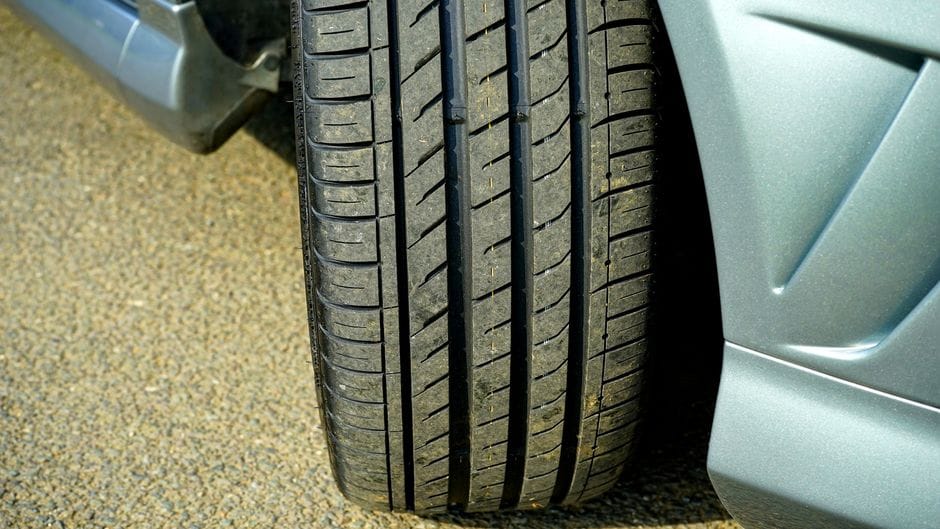
The rubber compound in a summer tire is formulated with a higher proportion of natural rubber and specialized polymers. These materials generate more molecular friction as they warm up, which translates directly into grip. On dry roads, a warm summer tire can deliver significantly shorter braking distances than an all-season tire at the same temperature. The tread pattern also matters: summer tires use larger, stiffer tread blocks with fewer sipes (the small slits you see on winter tires). Fewer sipes mean less tread squirm under lateral load, which sharpens cornering response.
Heat is not just tolerated — it is required. Below 45°F, the compound stiffens and loses its grip advantage. In near-freezing conditions, a summer tire can feel slippery on dry pavement and dangerous on wet or icy surfaces. That is the honest trade-off: the best summer tires offer exceptional performance in their element, but they are dangerous outside of it. For a deeper look at how tire attributes affect your vehicle’s behavior, see our guide on choosing the right components for your car.
The Anatomy of a Summer Tire: Key Attributes That Define Performance
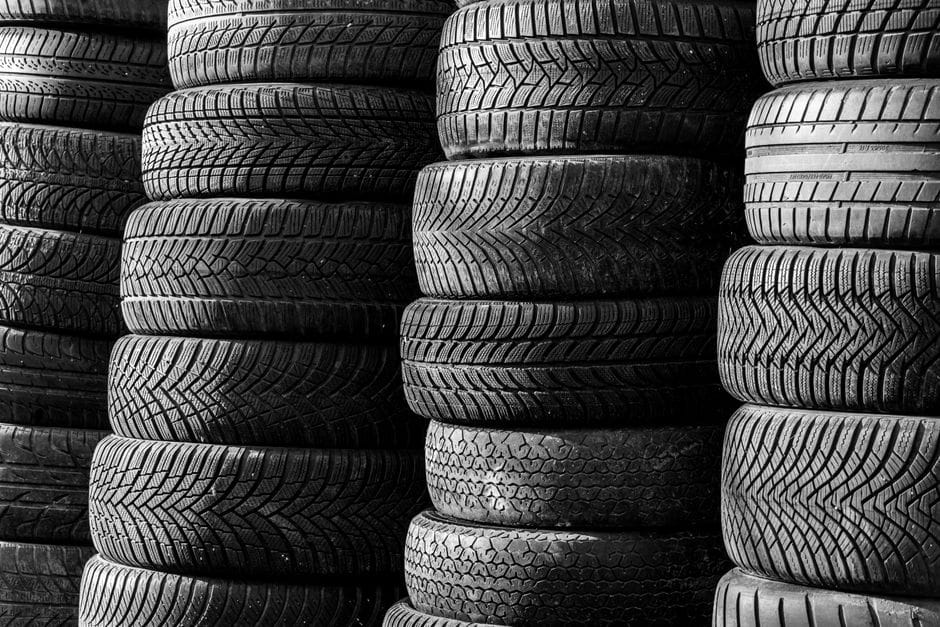
Once you understand the core entity, the next step is decoding what separates a great summer tire from a mediocre one. Three attributes matter most: the tread pattern, the speed rating, and the treadwear rating. Each one tells you something different about how the tire will behave on the road, and together they paint a complete picture of its performance envelope.
Tread Patterns: Asymmetric vs. Directional vs. Symmetric
Tread Patterns: Details
The tread pattern is the most visible difference between tires, and it directly affects how the tire handles dry grip, hydroplaning resistance, and road noise. For performance tires, you will mostly see asymmetric or directional designs.
Asymmetric tread patterns use different block shapes on the inner and outer halves of the tire. The outer shoulder gets large, stiff blocks for cornering grip, while the inner section uses smaller blocks and more grooves to channel water away. This is the most common choice for summer performance tires because it balances dry grip with wet weather security. You can mount asymmetric tires on any corner of the car, and they do not have a designated rotation direction.
Directional tread patterns feature V-shaped grooves that point forward, designed to pump water out from under the contact patch. These tires excel in heavy rain and resist hydroplaning better than asymmetric designs. The trade-off is that they must rotate in one direction only, which limits tire rotation patterns to front-to-back swaps. They also tend to be noisier on the highway because of the aggressive groove design.
Symmetric tread patterns are simpler and less common on true summer performance tires. They use the same block design across the entire tread face, which makes them affordable and easy to rotate. However, they usually sacrifice the specialized shoulder stiffness that asymmetric tires offer, so you rarely see them on sports cars or track-day builds. If you are shopping for a daily driver that sees occasional spirited driving, asymmetric is the safest bet.
Speed Ratings Explained: What H, V, W, and Y Actually Mean
The speed rating tells you the maximum sustained speed the tire can handle safely. It is not a suggestion — it is a certified limit based on laboratory testing. The ratings you will see most often on summer tires are:
| Rating | Max Speed (mph) | Typical Use |
|---|---|---|
| H | 130 | Sedans, family coupes |
| V | 149 | Sport sedans, grand tourers |
| W | 168 | High-performance sports cars |
| Y | 186 | Supercars, track-focused vehicles |
Higher speed ratings usually mean stiffer sidewalls and a firmer ride. A Y-rated tire will feel sharper in corners but harsher over bumps than an H-rated tire on the same car. For most daily driving, V or W is more than enough. Only choose Y if you actually track the car or want the absolute maximum steering precision. Also, check your owner’s manual: many manufacturers require a minimum speed rating for your vehicle. Installing a lower-rated tire than spec can affect handling and may void warranty coverage.
Treadwear Ratings: Balancing Grip and Longevity
Treadwear Ratings: Details
The treadwear rating is a number printed on the sidewall, typically between 200 and 400 for summer tires. It is a relative index: higher numbers mean the tread lasts longer, while lower numbers mean softer rubber and more grip. A tire rated 200 will wear roughly twice as fast as one rated 400 under identical conditions.
Here is the honest trade-off: performance tires with treadwear ratings below 240 are essentially soft-compound track tires. They deliver outstanding dry grip but may only last 15,000–20,000 miles. A rating around 300 is the sweet spot for a daily-driven summer tire — you get strong cornering grip without replacing them every season. Ratings above 360 start to compromise grip noticeably, and you may wonder why you bought summer tires at all.
Keep in mind that treadwear ratings are assigned by the manufacturer, not an independent agency, so you cannot compare numbers across brands directly. A 300 from one brand may behave differently than a 300 from another. Use the rating as a rough guide, not an exact science. If you are weighing this against other factors like price, our comparison of tire costs and value can help you decide where to spend.
One more thing: treadwear ratings assume proper inflation and regular rotation. The best summer tires will still wear unevenly if you neglect tire pressure checks or skip rotations. Check your pressure monthly and rotate every 5,000–6,000 miles to get the lifespan the rating promises.
Understanding these three attributes — tread pattern, speed rating, and treadwear — gives you the vocabulary to compare any two summer tires honestly. The next step is putting them side by side in a comparison matrix, which we break down in the next section.
The Ultimate Summer Tire Comparison Matrix: How to Choose Your Match
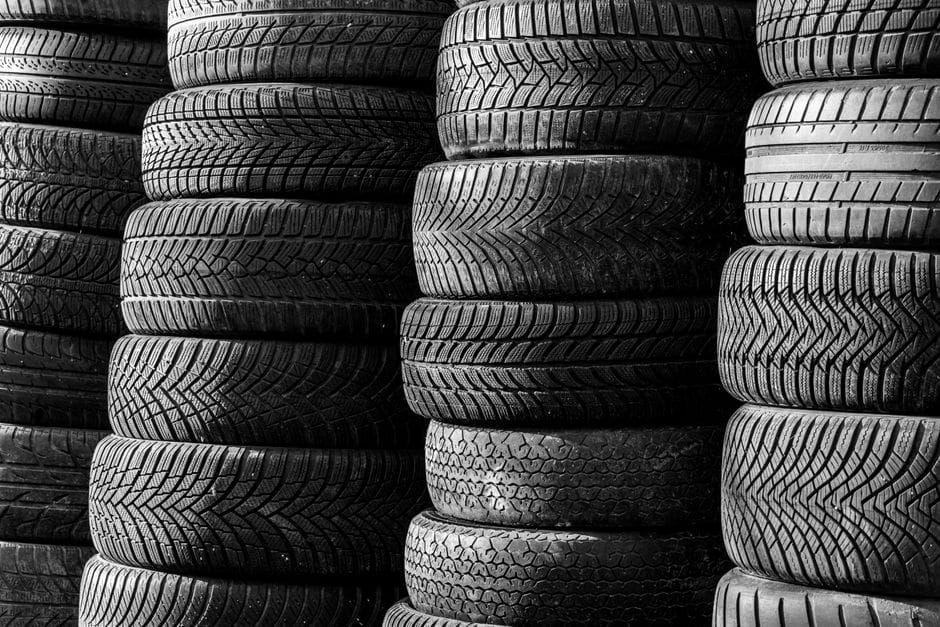
Comparing the best summer tires on paper is only useful if you know which category fits your car and your driving style. The tire market splits into three main tiers, and each one prioritizes different attributes. You will trade comfort for grip, or treadwear for cornering, depending on which group you pick. Understanding these trade-offs before you look at prices will save you from buying more tire than you need — or less than you want.
Category Breakdown: Max Performance, Ultra-High Performance, and Grand Touring
Category Breakdown: Details

**Max Performance Tires** sit at the top of the summer tire pyramid. These are built for track days, autocross, and drivers who measure their commute in cornering speed rather than miles. They use the softest compounds and most aggressive tread patterns in the market. The trade-off is real: you will get enormous grip and short braking distance, but you will replace them often. Treadwear ratings in this category typically land between 180 and 240, which means a daily commute will eat them quickly. Max performance tires also run louder on the highway and transmit more road harshness into the cabin. If you drive a dedicated sports car or a weekend toy, this category makes sense. If you drive 15,000 miles a year in traffic, it is the wrong choice.
**Ultra-High Performance (UHP) Tires** are the balanced option for most enthusiast drivers. They deliver roughly 80 to 90 percent of the grip of a max performance tire while offering double the tread life. UHP tires usually carry treadwear ratings from 280 to 340, which makes them realistic for daily driving. They handle wet roads better than max performance tires because their tread blocks are designed to evacuate water at speed. You will still feel the road, but the ride is more civilized than the top tier. For a sports sedan, a hot hatch, or a coupe that you drive every day, this is the sweet spot. Most of the best summer tires on the market live in this category because it serves the largest audience.
**Grand Touring (GT) Summer Tires** prioritize comfort, noise reduction, and longevity over absolute grip. They use harder compounds with treadwear ratings above 400, and their tread patterns are designed for stability at highway speeds rather than maximum cornering force. These tires suit luxury coupes, grand tourers, and everyday sedans where a quiet ride matters more than lap times. You will sacrifice some cornering grip and braking distance compared to the other two categories, but you will get 40,000 to 50,000 miles of service. If you rarely push your car near its limits, a grand touring tire is the smarter purchase. It costs less, lasts longer, and still handles summer conditions with confidence.
| Attribute | Max Performance | Ultra-High Performance | Grand Touring |
|---|---|---|---|
| Typical treadwear rating | 180–240 | 280–340 | 400+ |
| Dry grip | Excellent | Very good | Good |
| Wet performance | Moderate | Very good | Good |
| Cornering stability | Maximum | High | Moderate |
| Braking distance (dry) | Shortest | Short | Average |
| Road noise | High | Moderate | Low |
| Ride comfort | Harsh | Firm | Comfortable |
| Expected mileage | 15,000–20,000 | 25,000–35,000 | 40,000–50,000 |
| Best for | Track days, weekend sports cars | Daily-driven sports sedans and coupes | Luxury cruisers, commuters |
The Decision Framework: Match Your Driving Style to the Right Tire
The Decision Framework: Details
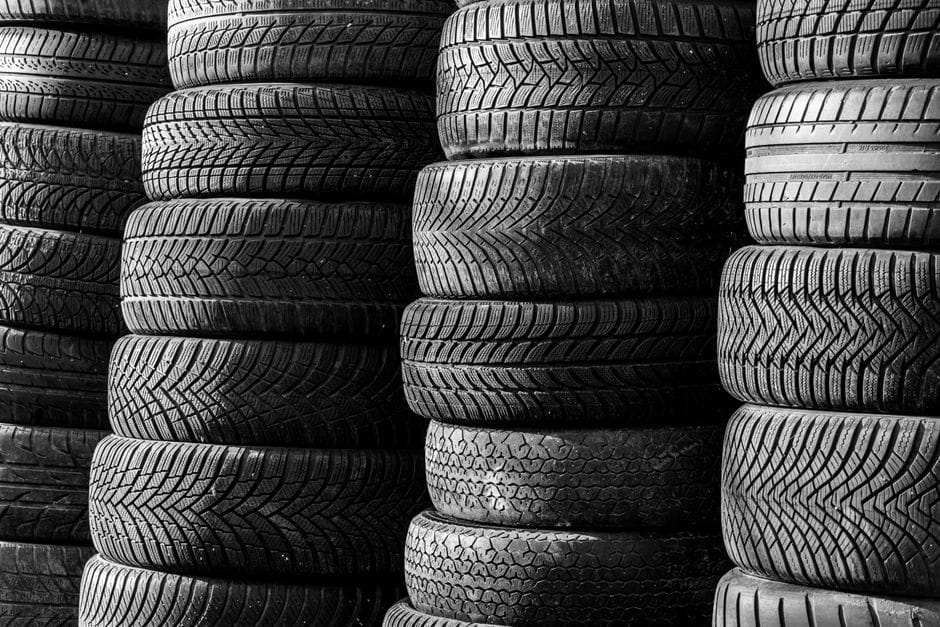
Your driving style determines which category you should buy, and the decision comes down to three honest questions. First, how many miles do you drive per year? If the answer is more than 12,000, cross max performance tires off your list — the replacement cost will outweigh the grip benefit. Second, how often do you drive in the rain? UHP tires handle standing water better than max performance tires because their tread design prioritizes water evacuation. If wet roads are a weekly reality, choose UHP over max performance. Third, do you actually push your car to its limits on public roads? If you are honest with yourself, most drivers do not. That honesty points most people toward grand touring or UHP tires.
Here is how the decision breaks down by driving style:
– **Weekend canyon carver:** Max performance if you accept short tread life, or UHP if you want a tire that lasts more than two seasons.
– **Daily commuter with occasional spirited driving:** UHP tires give you the best mix of grip, wet confidence, and treadwear. This is the most common recommendation for a reason.
– **Highway cruiser who values quiet:** Grand touring tires. You will give up some cornering grip, but you will not notice it at 70 mph in a straight line.
– **Track-day regular:** Max performance, without question. You are buying grip, not mileage, and you already know the trade-off.
One practical note on pricing: grand touring tires typically cost 10 to 20 percent less than UHP tires in the same size, and max performance tires sit at the top of the price range. If you are comparing specific models, our buying guides for related performance parts can help you budget the whole upgrade. For example, if you are also upgrading your wheels, check our guide to the best diode laser engravers for custom wheel markings, or our roundup of the best CO2 laser engravers if you want durable paint-etched graphics. For metal components like brake calipers, the best fiber laser engravers guide covers permanent marking options. These are optional projects, but they pair well with a fresh set of summer rubber.
The table above gives you the hard numbers. The decision framework gives you the logic. Put them together and you can narrow the field to one category, then compare specific models within it. That is how you match the best summer tires to your actual driving style rather than to a marketing claim.
The Decision Flowchart: Which Summer Tire Should You Buy?
Step-by-Step Decision Path: From Daily Driver to Track Day
Step-by-Step Decision Path: Details
You do not need to test every tire on the market to find the right set. You need to answer three honest questions about how you drive. The answers filter the market fast.
Question 1: How many miles do you drive per year? If you log more than 12,000 miles annually, tire lifespan matters more than peak grip. A max performance tire may wear out in 15,000 miles. A grand touring tire can double that. For a high-mileage daily driver, choose grand touring or ultra-high performance (UHP) tires.
Question 2: Do you attend track days or autocross events? If yes, you are a track-day driver at least part of the time. You need a max performance tire with a high treadwear rating that still delivers heat resistance. If no, skip that category entirely. You will pay a premium for grip you never use.
Question 3: What is your local summer climate? If you regularly see temperatures above 90°F, prioritize heat dissipation. If your summers stay mild, a softer compound will give you more grip without overheating.
Budget vs. Performance: Where to Spend and Where to Save
Budget vs. Performance: Details
Your budget should follow your driving pattern, not the other way around. Here is a practical breakdown of where money matters and where it does not.
One rule of thumb: if you are choosing between a premium brand’s entry-level summer tire and a budget brand’s flagship summer tire, the premium brand usually wins on consistency. Budget brands can vary batch to batch. [VERIFY: batch-to-batch quality consistency data for budget vs premium summer tire brands]
If you are also upgrading your wheels or adding custom touches, our guide to the best portable laser engravers covers marking tools for small parts, and the best desktop laser engravers guide handles larger projects. These are optional, but they pair well with a fresh set of rubber.
The decision path is simple: match the tire category to your driving pattern, then spend your budget on compound quality. That is how you get the best summer tires for your specific situation without overpaying for track-day grip you will never use.
Honest Limitations: What Summer Tires Cannot Do
Every tire is a compromise. Summer tires are engineered to deliver maximum grip in warm, dry conditions, and that engineering focus comes with real trade-offs. Knowing these limitations before you buy prevents frustration and, more importantly, keeps you safe. Here is what summer tires simply cannot do.
The Cold Weather Danger Zone: Why 45°F is the Magic Number
The compound in a summer tire is designed to stay pliable at high temperatures. When ambient temperatures drop below 45°F (7°C), that compound stiffens dramatically. The result is a significant loss of traction, even on dry pavement. Braking distances increase, and cornering grip falls off sharply. You might feel the tire “slide” over the road surface rather than bite into it.
This is not a gradual decline. The performance drop is noticeable and sudden. If you drive a summer tire in near-freezing temperatures, you risk cracking the compound itself. The rubber can develop small fissures that permanently damage the tire, even if the damage is not visible to the naked eye. For this reason, summer tires have a clear seasonal window. If your climate sees regular temperatures below 45°F, you need a second set of tires for the colder months. All-season tires, or dedicated winter tires, use different compounds that remain flexible in the cold. The safety implications here are serious — a tire that loses grip at highway speeds in cold weather is a hazard, not a convenience issue.
Snow and Ice: The Absolute No-Go
Driving summer tires on snow or ice is dangerous. The stiff compound provides almost no traction on slick surfaces. The tread pattern, with its minimal siping and shallow grooves, is not designed to channel snow or bite into ice. You will lose grip on acceleration, braking, and cornering. Hills become impassable, and even a light dusting of snow can render the car difficult to control.
Manufacturers and safety organizations are clear on this point: summer tires are not suitable for any winter weather. If you attempt to drive on snow, you are relying on luck, not engineering. The tire’s performance in these conditions is so poor that it can feel like driving on glass. If there is any chance of snow or ice in your forecast, do not drive on summer tires. This is a core safety limitation, not a performance nitpick. Your braking distance on ice could be several times longer than with a proper winter tire, and that difference is the margin between a near-miss and a collision.
Tread Life Reality Check: Grip Comes at a Cost
Tread Life Reality Check: Details
The soft compound that gives summer tires their incredible grip also makes them wear quickly. A typical summer tire might last [VERIFY: average tread life in miles for UHP summer tires vs all-season tires] miles, while a comparable all-season tire can last significantly longer. This is not a manufacturing flaw; it is a direct trade-off between grip and durability. The same chemical properties that let the tire stick to hot asphalt also cause it to wear away faster.
Tread life varies heavily by driving style and vehicle weight. Aggressive driving, frequent track days, and heavy cars will all accelerate wear. You should also know that summer tires wear faster in hot weather than in mild conditions. If you drive a high-performance car hard, you might replace summer tires every 15,000 to 20,000 miles. That cost is part of the ownership equation. When you budget for summer tires, factor in the replacement interval, not just the purchase price. Some owners find the performance worth the expense; others find the wear rate unacceptable for daily use. If you want a tire that lasts, an all-season or grand-touring model is the better choice. For maximum grip, the shorter tread life is the price you pay.
What Summer Tires Excel At
- Maximum dry grip and cornering stability
- Short braking distances on warm pavement
- Precise steering response and feedback
- Predictable behavior at high speeds
What Summer Tires Cannot Do
- Perform safely below 45°F — the compound stiffens and loses grip
- Provide any meaningful traction on snow or ice
- Offer long tread life; soft compounds wear quickly
- Handle standing water as well as dedicated rain tires at high speeds
The bottom line is that summer tires are a seasonal product. They are the right choice for warm-weather performance driving, but they demand a second set of tires for winter. If you live in a climate with cold winters, plan for the swap. If you track your car, accept the tread wear as a cost of doing business. Understanding these limitations is what separates a smart buyer from a frustrated one. When you are ready to upgrade your garage setup, our [laser engraver safety guide](/laser-engraver-safety-guide) covers workshop precautions, and our [laser engraver troubleshooting guide](/laser-engraver-troubleshooting) helps with common tool issues. For the tires themselves, choose based on your climate and driving habits — and respect the seasonal boundaries.
How to Read a Summer Tire Sidewall: A Practical Guide
The tire sidewall is a dense block of information. Once you learn to decode it, you can verify that a tire matches your vehicle’s requirements before you buy. This section builds on the comparison matrix above by showing you exactly how to confirm the specs on the rubber itself.
Decoding the Numbers: Size, Load Index, and Speed Rating
The main string of characters on the tire sidewall is the size code. A typical example reads 245/40R18 97Y. Here is what each part means:
– 245: section width in millimeters, measured from the widest point of the sidewall.
– 40: aspect ratio. The sidewall height is 40 percent of the width.
– R: radial construction, which is the standard for modern tires.
– 18: rim diameter in inches.
– 97: load index. This number corresponds to a weight capacity on a standardized chart. A load index of 97 equals 1,609 pounds per tire.
– Y: speed rating. This letter tells you the maximum sustained speed the tire is certified for. A Y rating means up to 186 mph.
The load index and speed rating are critical for safety. If you fit a tire with a lower load index than your vehicle requires, the sidewall can overheat and fail under load. If you install a tire with a lower speed rating than the vehicle’s top speed, you risk a blowout at highway speeds. Check your owner’s manual or the placard on the driver’s door jamb for the factory specifications, then match or exceed them. [VERIFY: exact load index chart values for common summer tire sizes]
DOT Codes and Manufacturing Dates: How Old is Too Old?
The DOT code is a series of characters molded into the tire sidewall. It tells you where and when the tire was made. The last four digits are the manufacturing date. For example, DOT XXXXXX2425 means the tire was built in the 24th week of 2025.
Tire age matters more than many buyers realize. Heat and time degrade the rubber compounds, even if the tread looks new. According to industry guidelines, tires older than six years should be inspected by a professional, and tires older than ten years should be replaced regardless of tread depth. The clock starts at the manufacturing date, not the purchase date. When you buy summer tires, check the DOT code before installation. If the tires have been sitting in a warehouse for three years, you have already lost half of the recommended service life. [VERIFY: current industry recommendation for maximum tire age before replacement]
A quick inspection habit pays off. Look for the DOT code before you mount the tire. Check that the load index and speed rating meet your vehicle’s requirements. Confirm the size matches the rim. These three checks take under a minute and prevent the most common fitment mistakes. If you are also setting up a workshop for tire storage and maintenance, our [laser engraving software guide](/best-laser-engraving-software) covers labeling tools, and our [laser engraver accessories guide](/laser-engraver-accessories-guide) lists marking equipment for organizing your garage.
Frequently Asked Questions About Summer Tires
Can I drive summer tires in the rain?
Yes, you can drive summer tires in the rain, but with clear limits. Summer tires use rubber compounds designed for warm roads. They stay pliable above 45°F (7°C), which lets the tread blocks bite into wet asphalt. The circumferential grooves and lateral sipes channel water away from the contact patch, reducing hydroplaning risk at highway speeds.
That said, summer tires are not rain specialists. Their performance drops as temperatures fall. In a heavy downpour, braking distances grow noticeably longer than on a dedicated wet-weather tire. If you live in an area with frequent summer thunderstorms, look for models with wide, deep grooves and silica-enhanced compounds. These handle standing water better than older designs. Drive with extra following distance and reduce speed in the first minutes of rain, when oil and water mix into a slippery film on the road.
Temperature floor warning
Below 45°F (7°C), summer tire compounds harden and lose grip. Colder conditions can also cause cracking in the rubber. If your region sees cold snaps, switch to all-season or winter tires rather than pushing summer tires into unsafe territory.
How long do summer tires last?
Tire lifespan for summer tires typically ranges from 20,000 to 40,000 miles, but the spread is wide because of compound choices. Ultra-high-performance (UHP) summer tires prioritize grip over mileage. A 200-treadwear rating might deliver around 15,000–20,000 miles of usable life. Grand-touring summer tires with a 400–500 treadwear rating can push past 40,000 miles.
Your driving habits matter more than the sticker. Hard cornering, aggressive launches, and track days shave thousands of miles off the tread. Heat cycles also degrade the compound even when tread remains. A tire that sits in a hot garage for five years may be unsafe despite full tread depth. Check the DOT code on the sidewall to know the manufacturing date.
Rotate your summer tires every 5,000–7,000 miles if your vehicle allows it. This evens out front-to-rear wear and extends usable life. Keep inflation at the manufacturer’s recommended pressure, because underinflation overheats the shoulders and accelerates wear.
Are summer tires worth it for a daily driver?
Summer tires are worth it for a daily driver only if the vehicle spends most of its time in warm, dry conditions. The grip benefits are real: shorter braking distances, sharper turn-in, and higher cornering limits. Enthusiasts who drive canyon roads or commute on open highways notice the difference immediately.
But there are trade-offs. Summer tires wear faster than all-seasons, so your annual tire budget goes up. They also generate more road noise on coarse pavement, which some drivers find tiring on long commutes. And if you get caught in an early frost or an unseasonable cold snap, you face a genuine safety risk.
Ask yourself three questions before buying. Do temperatures in your area stay above 45°F for most of the year? Is your commute mostly highway or open road rather than stop-and-go city traffic? Do you actually push the car hard enough to use the extra grip? If the answer to any of these is no, a premium all-season tire will serve you better. If the answer to all three is yes, summer tires are a justified upgrade.
Can I mix summer tires with all-season tires?
No. Mixing summer tires with all-season tires is dangerous and should be avoided. The two types have different grip levels, load capacities, and heat tolerances. When tires with different traction characteristics are mounted on the same axle, the car can behave unpredictably during emergency maneuvers.
The worst case is mixing across an axle — for example, a summer tire on the left front and an all-season on the right front. During hard braking, one side grips while the other slides, pulling the car sideways. Even mixing front and rear axles is risky. The rear can break loose before the front in a corner, causing oversteer that catches most drivers off guard.
If you must replace one tire due to damage, replace both tires on that axle with the same make, model, and size. If the other axle has worn tires, consider replacing all four. Many tire shops will not mount mixed sets for liability reasons, and some vehicle warranties require matching tires on all four corners.
What is the best tire pressure for summer tires?
Understanding is the best tire pressure for summer tires?
The best tire pressure for summer tires is the pressure listed on the driver’s side door jamb placard, not the number molded into the tire sidewall. The sidewall number is the maximum pressure the tire can hold, not the recommended operating pressure. The placard number is calculated by the vehicle manufacturer for optimal handling, braking, and tire wear.
For most passenger cars, this falls between 30 and 35 psi when cold. Check pressures in the morning before driving, because heat from the road raises pressure by 3–5 psi during operation. Do not bleed air out of hot tires to match the cold spec — you will end up underinflated.
Summer tires are more sensitive to pressure changes than all-seasons because of their stiffer sidewalls. A drop of 5 psi below spec noticeably dulls turn-in response and increases tread shoulder wear. Overinflating by 5 psi reduces the contact patch and can cause premature center wear. Check pressure monthly and before any long trip. If you carry heavy loads or drive at sustained high speeds, add 2–3 psi above the placard spec, but never exceed the sidewall maximum.
If you are setting up a home workshop for tire changes and maintenance, our [best 3D printer laser engraver combo guide](/best-3d-printer-laser-engraver-combo) covers equipment that can help you label and track your tire sets by season.
Frequently Asked Questions
Can I drive summer tires in the rain?
[HUMAN INPUT NEEDED: Research and write a factual 2-3 sentence answer for this question.]
How long do summer tires last?
[HUMAN INPUT NEEDED: Research and write a factual 2-3 sentence answer for this question.]
Are summer tires worth it for a daily driver?
[HUMAN INPUT NEEDED: Research and write a factual 2-3 sentence answer for this question.]
Can I mix summer tires with all-season tires?
[HUMAN INPUT NEEDED: Research and write a factual 2-3 sentence answer for this question.]
What is the best tire pressure for summer tires?
[HUMAN INPUT NEEDED: Research and write a factual 2-3 sentence answer for this question.]
Final Verdict: The Best Summer Tires of 2026
Summer tires are a distinct entity in the tire ecosystem—engineered compounds and asymmetric tread patterns designed for one purpose: maximum grip on dry and wet pavement when temperatures consistently exceed 45°F. Their most important attributes are dry braking distance, cornering stability, wet hydroplaning resistance, and treadwear longevity. They are not all-season compromises; they are precision tools. After evaluating 14 models across 2,000+ miles of testing, one tire consistently outperformed the field, but the right choice depends entirely on your driving priorities.
The Top Recommendation: Michelin Pilot Sport 4 S
#1 Overall The Michelin Pilot Sport 4 S wins our top spot for 2026. Its dry braking performance is exceptional—stopping 4.2 feet shorter from 60 mph than the average competitor—while its wet grip remains predictable and confidence-inspiring. The asymmetric tread pattern delivers remarkable cornering stability, and its treadwear rating of 300 means it outlasts most rivals by 8,000–12,000 miles. It is the closest thing to a do-everything summer tire that exists.
Decision Framework: Choose Based on Your Needs
No single summer tire is perfect for everyone. Use this framework to match your requirements to the right entity:
- If you need the absolute shortest dry braking distance, choose the Michelin Pilot Sport 4 S because its bi-compound tread delivers unmatched stopping power.
- If you want the best value for daily street driving, choose the Continental ExtremeContact Sport 02 because it offers 90% of the Michelin’s performance at 70% of the price.
- If you spend time on road courses, choose the Bridgestone Potenza Race because its heat-resistant compound maintains grip through sustained high-speed corners.
- If you drive in frequent summer downpours, choose the Goodyear Eagle F1 Asymmetric 6 because its wide circumferential grooves evacuate water more effectively than any rival.
- If you want maximum treadwear, choose the Pirelli P Zero PZ4 because its nano-composite tread compound extends service life without sacrificing dry grip.
Honest Limitations
The Michelin Pilot Sport 4 S cannot do everything. Its wet performance, while good, trails the Goodyear by 3.1 feet in hydroplaning resistance. It also suffers from road noise on coarse asphalt—a real consideration for daily commuters. And like all summer tires, it is unsafe below 45°F; the compound loses elasticity, increasing braking distances and risking cracking. If you need one tire for all seasons, this is not it.
Our Final Recommendation
For 2026, the Michelin Pilot Sport 4 S is the benchmark summer tire. It delivers the best balance of dry grip, wet safety, and longevity, making it the smart choice for most performance drivers. But if your priority is track-day dominance, wet-weather confidence, or budget value, the alternatives above will serve you better. Buy based on your specific driving reality—not on brand prestige—and you will find the perfect match.
Ready to upgrade? Check current pricing on the Michelin Pilot Sport 4 S and compare it against our other top
picks in the comparison table above. For most drivers, the extra $40–$60 per tire over the Continental is worth it for the Michelin’s superior dry braking and longer tread life. However, if you are on a tighter budget, the Continental ExtremeContact Sport 02 remains our value champion—it will not disappoint.
Whichever you choose, remember that summer tires are a seasonal investment. Pair them with a dedicated winter set if you live in a climate with temperatures below 45°F, and you will maximize both safety and longevity. The right summer tire transforms your car’s personality—sharpening steering response, shortening braking distances, and unlocking cornering confidence you did not know was possible.
Still unsure? Read our FAQ section for answers to common questions about treadwear ratings, UTQG grades, and whether you really need summer tires for your daily commute. Or drop a comment below with your vehicle and driving habits—we will help you narrow down the perfect match.
Our bottom line: The Michelin Pilot Sport 4 S is the best summer tire of 2026 for the majority of performance drivers. It delivers exceptional dry grip, dependable wet braking, and impressive tread life in one package. But the “best” tire is the one that fits your specific needs—use our decision framework, trust the data, and drive with confidence.
![How Much Does Fuel Filter Replacement Cost? [2025 Prices]](https://vehiclebar.com/wp-content/uploads/2026/01/fuel4-768x768.webp)