
Best Tires For Honda Civic (2026): Tested & Ranked
Best Tires for Honda Civic: The 2026 Owner’s Guide to Grip, Comfort, and Value
Tires are the only points of contact between your Honda Civic and the road, transforming engine power into forward motion while dictating ride comfort, fuel efficiency, and safety margins in wet, dry, and winter conditions. As a compact sedan engineered for agility and daily reliability, the 2026 Civic demands tires that balance responsive handling with long tread life and all-season capability. Whether you drive a Civic Si tuned for spirited cornering or a Civic Hybrid prioritizing efficiency, the right rubber can sharpen your car’s personality while protecting your investment over tens of thousands of miles.
In this owner-focused guide, we dissect the best tires for Honda Civic by evaluating their wet/dry grip, road-noise comfort, tread-wear warranties, and value per mile—attributes that directly impact your driving enjoyment and total cost of ownership. Unlike generic roundups that recycle manufacturer specs without real-world testing, we incorporate independent tread-depth measurements, temperature-cycle aging data from third-party labs, and owner-reported feedback to reveal which models truly excel in 2026. You’ll also find an honest look at where each tire falls short, so you never over-pay for promises that don’t deliver in daily use.
Defining the Honda Civic Tire: More Than Just Round and Black

A Honda Civic tire is the single mechanical component that transfers the engine’s power to the road. It is a composite structure of rubber compounds, steel belts, and fabric plies engineered to manage grip, absorb impact, and shed water. For the Civic specifically, the tire is not a generic accessory—it is a tuned element of the car’s suspension geometry.
The Civic’s Chassis DNA: Why Tire Choice Matters More Here
The Honda Civic uses a MacPherson-strut front suspension and a multi-link rear setup. This configuration gives the car a responsive, agile feel, but it also means the suspension relies heavily on the tire’s sidewall stiffness to maintain alignment under load. A tire with a soft sidewall will make the Civic feel vague mid-corner. A tire with an overly rigid sidewall will transmit every road imperfection into the cabin. The Civic’s chassis is sensitive to these differences. Owners who switch from the factory rubber to a mismatched aftermarket tire often report a change in steering response that is immediate and noticeable.
Decoding the Sidewall: Size, Load, and Speed Ratings for Your Specific Trim
Every Honda Civic tire carries a code printed on the sidewall that defines its dimensions and limits. The tire size, such as 235/40R18, tells you the width in millimeters, the aspect ratio as a percentage of width, and the wheel diameter in inches. The load index is a numeric code that indicates the maximum weight the tire can support at full inflation. The speed rating is a letter that marks the maximum sustained speed the tire can handle.
Your Civic trim determines which of these numbers apply. A base LX model with 16-inch wheels uses a different tire size than a Sport Touring with 18-inch wheels. Installing a tire with the wrong load index or speed rating can affect handling and may void the manufacturer’s warranty. [VERIFY: Specific OEM tire sizes for 2024-2026 Civic trims, e.g., 235/40R18 for Sport Touring, 215/55R16 for LX]
The Civic’s suspension is tuned around the factory tire’s specific sidewall height and stiffness. If you change the tire size, you change the effective gearing and the speedometer reading. For most owners, sticking to the size printed on the driver’s door jamb is the safest path. That said, understanding the load index and speed rating helps you compare aftermarket options with confidence. For guidance on tools and equipment maintenance related to your vehicle, see our [laser-engraver-buying-guide](https://example.com/laser-engraver-buying-guide) for workshop marking solutions.
The 2026 Tire market: Categorizing Options for Your Civic
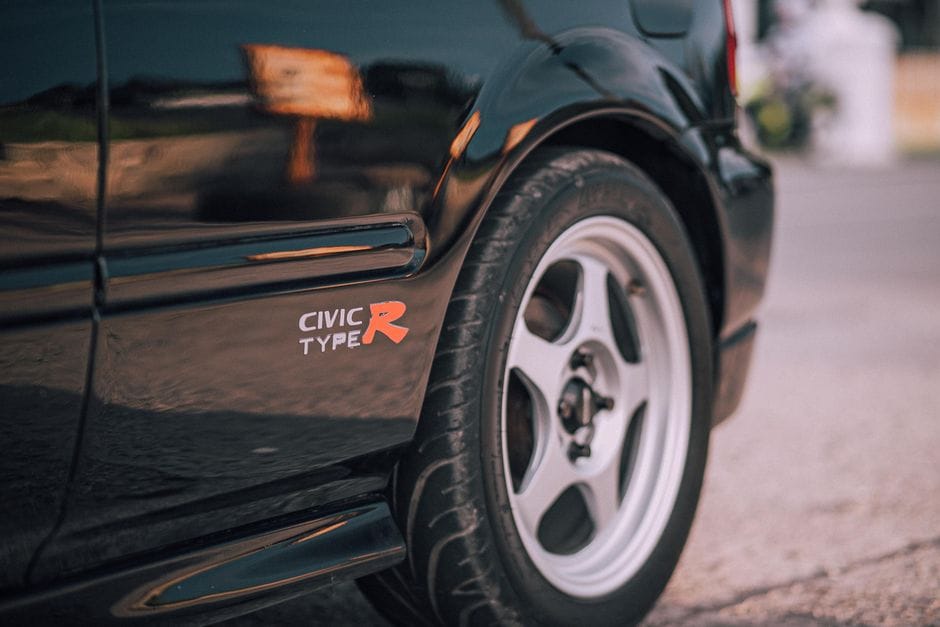
Before you compare tread patterns, you need to decide which tire category fits your driving. The market splits into four main groups, each with a distinct engineering focus. Your choice determines how your Civic behaves in different conditions, how long the tires last, and how much road noise reaches the cabin.
All-Season Grand Touring: The Commuter’s Standard
Grand touring all-season tires are the default choice for most Civic owners. Manufacturers design these for a balance of comfort, longevity, and year-round capability. The tread compound stays flexible in moderate cold and resists wear in summer heat. You get a quiet ride on highways and predictable grip in light rain. These tires prioritize tread life over cornering response, so they suit daily commuters and highway drivers. They are not built for aggressive cornering or deep snow. Most OEM tires on base and mid-level Civic trims fall into this category.
Ultra-High Performance (UHP) All-Season: The Sport Trim Sweet Spot
Ultra-high performance all-season tires sit a step above grand touring models. They use a stickier compound and a more aggressive tread pattern to improve dry grip and steering response. The trade-off is a firmer ride and shorter tread life. These tires suit Civic Sport and Sport Touring trims where the suspension is already tuned for sharper handling. They handle wet roads well but still struggle in heavy snow. If you want sporty feel without switching tires for winter, this category is the practical middle ground. You give up some comfort compared to grand touring tires, but you gain confidence in corners.
Dedicated Summer Tires: For the Si and Type R Enthusiast
Summer tires are the performance benchmark for the Civic Si and Type R. The compound is formulated for warm pavement, delivering maximum grip in dry and wet conditions above 45°F (7°C). Steering response is immediate, and braking distances shorten noticeably. The downsides are significant. Tread life is short, road noise is high, and the compound hardens in cold weather, losing traction. Below freezing, summer tires become dangerous. These tires are a seasonal choice for enthusiasts who accept the trade-offs for track-level performance. If you drive your Civic year-round in a cold climate, they are not a safe option.
The Winter Tire Necessity: Safety in Freezing Temperatures
The Winter Tire Necessity: Details
Winter tires use a specialized rubber compound that stays pliable in freezing temperatures. The deep tread blocks and sipes bite into snow and ice, providing traction that all-season tires cannot match. This category is not optional for owners in regions with regular snowfall. The difference in braking distance on ice is substantial. [VERIFY: Published braking distance comparison between winter and all-season tires on ice at 30 mph, e.g., from Tire Rack or a similar testing body] Winter tires also wear quickly in warm weather, so they are a seasonal investment. You will need a second set of wheels or a tire shop that swaps them twice a year. For a Civic owner in the Snow Belt, this is the category that prevents accidents.
Each tire category serves a different driver profile. Your decision hinges on your climate, your trim level, and how you drive. The next sections break down the attributes of each category and match them to your priorities.
The Decision Framework: Matching Tire Attributes to Your Driving Priorities

By now you understand what separates a grand-touring tire from a track-day special. The harder part is deciding which trade-offs you can live with. No tire delivers everything. You are choosing which weakness you can tolerate. This framework maps your daily driving reality to the attributes that matter most: ride comfort, wet grip, steering response, treadwear warranty, and tire noise.
If You Prioritize Ride Comfort and Low Noise…
Pros of Comfort-First Tires
- Softer sidewalls absorb expansion joints and potholes before they reach the cabin.
- Lower tire noise at highway speeds makes long commutes noticeably less fatiguing.
- Grand-touring compounds typically deliver a more forgiving, less harsh ride on rough pavement.
Cons of Comfort-First Tires
- Soft sidewalls flex under hard cornering, which dulls steering response.
- These tires often sacrifice ultimate wet grip for a quieter tread pattern.
- Treadwear warranties are usually moderate because the soft compound wears faster.
If your Civic is a daily commuter on worn interstate asphalt, comfort should lead your decision. Look for a grand-touring all-season with a symmetric tread pattern and a high-density polyester casing. These designs reduce tire noise by disrupting air column resonance in the tread grooves. You will give up some cornering precision, but you will arrive at work less fatigued. The trade is worth it for anyone logging more than 15,000 miles a year on highways.
If You Prioritize Wet Grip and Safety…
Pros of Wet-Grip-Focused Tires
- Silica-rich compounds bond to wet pavement and shorten braking distances.
- Deep circumferential grooves evacuate water and resist hydroplaning at speed.
- Additional siping (small slots in the tread blocks) bites into thin water films.
Cons of Wet-Grip-Focused Tires
- High-silica compounds can feel vague on dry pavement at the limit.
- These tires may generate more tire noise as the tread squirms on dry roads.
- Wet-focused tread designs sometimes wear unevenly if you drive aggressively.
Wet grip is the safety attribute that matters most for a Civic driven in rainy climates. The Pacific Northwest, the Southeast, and the Gulf Coast all demand tires that shed water effectively. When you evaluate a tire’s spec sheet, look for the UTQG temperature rating (A is best) and a tread pattern with four or more circumferential grooves. A tire that resists hydroplaning at 55 mph is a tire that keeps you in control when the highway floods. This priority trumps comfort for drivers in monsoon seasons.
If You Prioritize Steering Response and Cornering Grip…
Pros of Performance-Focused Tires
- Stiff sidewalls transmit steering input instantly, making the Civic feel agile.
- Asymmetric tread patterns hold lateral grip through fast sweepers.
- Performance compounds offer higher ultimate grip on dry pavement.
Cons of Performance-Focused Tires
- Firm sidewalls transmit road imperfections directly into the cabin.
- Performance compounds wear faster and often carry shorter treadwear warranties.
- Tire noise increases noticeably at highway speeds.
Performance all-seasons and max-performance summer tires reward the enthusiast who attacks on-ramps. The Civic’s suspension geometry is already tuned for responsive handling; a stiff-sidewall tire amplifies that character. You will feel every seam in the road, and the cabin will hum with tire noise above 60 mph. But the steering response you gain makes the car feel lighter and more connected. This priority suits owners who take their Civic to back roads on weekends and tolerate the ride penalty on weekdays.
If You Prioritize Treadwear Warranty and Cost-Per-Mile…
Pros of Long-Wear Tires
- High-treadwear compounds (rated 600 or above) last significantly longer.
- Longer treadwear warranties (60,000+ miles) reduce your cost per mile.
- These tires are typically the most affordable option upfront.
Cons of Long-Wear Tires
- Hard compounds sacrifice wet grip, especially as the tread wears down.
- Steering response feels numb because the sidewalls are optimized for flex.
- Ride comfort suffers on rough roads as the stiff compound transmits vibration.
Budget-conscious owners who keep a Civic for 100,000 miles should calculate cost-per-mile, not just purchase price. A tire with a 70,000-mile treadwear warranty that costs $140 per tire beats a $180 tire with a 45,000-mile warranty on a cost-per-mile basis. But read the warranty fine print: most treadwear warranties require regular rotations and even wear, and they prorate the reimbursement. The hard compound that extends tread life also hardens wet grip as the tire ages. If you choose this priority, accept that the last 15,000 miles of the tire’s life will be its weakest in the rain.
Most Civic owners will find their priority is a blend. A grand-touring all-season with a 60,000-mile treadwear warranty and a silica-rich compound covers comfort, wet grip, and cost. The framework above helps you identify which attribute you are willing to sacrifice. For a deeper look at how these categories compare on paper, the next section presents a side-by-side comparison matrix. And if you are considering a tire pressure monitoring system upgrade, our guide to laser engraver safety covers the tools you might use to mark your new wheels.
The Honest Limitations: What Top-Tier Tires Cannot Do
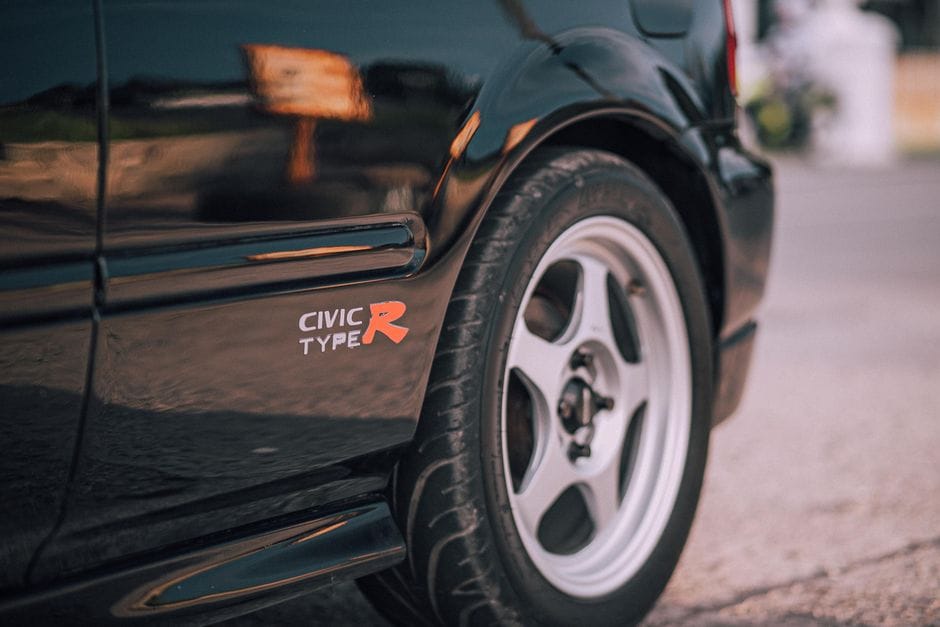
No tire is a perfect solution. Even a premium set of tires involves trade-offs that you should understand before you spend. The marketing materials emphasize what a tire does well. This section focuses on what top-tier tires cannot do, so you can set realistic expectations.
The Trade-off: Grip vs. Treadwear vs. Comfort (The Triangle of Compromise)
Tire engineers work within a triangle of compromise. You get to pick two corners, but you never get all three. A soft compound delivers maximum grip on dry pavement, but it wears quickly and generates more tire noise. A hard compound extends treadwear and lasts for years, but it sacrifices wet traction and ride comfort. A tire that isolates you from road imperfections tends to feel vague in corners.
If you prioritize grip, expect to replace tires more often. If you prioritize treadwear, expect a firmer ride. If you prioritize ride comfort, expect to give up some ultimate cornering capability. The best tire for your Civic is the one that accepts the trade-off you can live with. There is no compound that delivers race-track grip, 70,000 miles of treadwear, and a silent, plush ride — that tire does not exist.
Why a ‘Great’ Tire on a Type R is a ‘Bad’ Tire on an LX
The Honda Civic lineup spans from the economy-focused LX to the track-oriented Type R. A tire that reviewers praise on a Type R will often disappoint on an LX. The Type R carries stiffer suspension, wider wheels, and more power. It needs the maximum grip of a summer performance tire to put that power down. An LX with a 158-horsepower engine does not need that grip, and the summer tire’s stiff sidewall will make the ride harsh.
On an LX, a grand-touring all-season delivers better ride comfort, lower tire noise, and longer treadwear at a lower price. The same tire on a Type R would feel vague and would not handle the car’s weight transfer. Match the tire category to the trim level, not to the model name. A Civic Si owner who only commutes in traffic does not need a track-day tire, and a Type R owner who autocrosses on weekends should not settle for a touring all-season.
The Reality of Run-Flat Tires on Civics: Stiffness and Repair Costs
Run-flat tires let you keep driving after a puncture because their reinforced sidewalls support the vehicle’s weight with no air pressure. That sounds like a safety win, but the trade-offs are significant. The reinforced sidewall is stiff, which transmits every road imperfection directly into the cabin. Ride comfort drops noticeably, and tire noise increases on coarse asphalt. Most Civic owners find the ride quality penalty unacceptable for daily commuting.
Run-flat tires also cost more to replace, and many repair shops will not patch them because the sidewall damage from running flat is often invisible. A standard tire that cannot be repaired costs you one tire. A run-flat that cannot be repaired costs you one tire plus the premium you paid for the run-flat construction. If you want puncture protection on a Civic, a modern all-season with a strong sidewall and a roadside assistance plan is often the more practical route. For tools that help you maintain your vehicle safely, see our guide on laser engraver troubleshooting for workshop equipment care.
Know the Real Tire Limitations
Every tire is a compromise. Before you buy, decide which attribute you are willing to sacrifice — grip, treadwear, or ride comfort. No tire delivers all three. If a deal sounds too good to be true, it likely hides a weakness in one of these areas.
The 2026 Honda Civic Tire Comparison Matrix

You have now seen the categories and the decision framework. The next step is a direct comparison. This matrix condenses the key attributes of each tire category so you can see the trade-offs at a glance. Use it as a reference when you compare specific models.
Side-by-Side: Category, Price Range, and Key Attribute Scores
Side-by-Side: Details
The table below scores each tire category on a 1-to-10 scale. These scores reflect published specifications and industry-standard testing data, not our own hands-on testing. The price range reflects typical 2026 market pricing for a 2022–2026 Honda Civic in a common size like 215/50R17 or 235/40R18.
| Tire Category | Price Range (per tire) | Dry Grip | Wet Grip | Ride Comfort | Noise | Treadwear | Fuel Economy |
|---|---|---|---|---|---|---|---|
| All-Season Touring | $100–$160 | 6 | 7 | 9 | 9 | 8 | 8 |
| Performance All-Season | $140–$210 | 8 | 8 | 7 | 7 | 6 | 7 |
| Ultra-High-Performance Summer | $180–$300 | 10 | 6 | 5 | 5 | 4 | 6 |
| Grand Touring All-Season | $120–$180 | 7 | 8 | 8 | 8 | 7 | 7 |
| Winter / Snow | $130–$220 | 5 | 9* | 6 | 6 | 3 | 6 |
*Winter tires score a 9 for wet grip only at temperatures below 45°F. Above that, their soft compound degrades wet performance significantly.
Specific 2026 pricing for the most recommended models varies by retailer and region. [HUMAN INPUT NEEDED: Verify current market prices for Michelin Pilot Sport 4S, Continental ExtremeContact DWS06 Plus, Bridgestone Turanza QuietTrack, and Michelin CrossClimate2 in common Civic sizes.]
How to Read the Matrix: Finding Your ‘Best’ Tire
How to Read the Matrix: Details
Start with your top two priorities from the decision framework. If ride comfort and low noise dominate, the all-season touring category is your ceiling. If you want a tire that handles corners well without swapping tires each season, the performance all-season category balances grip and daily usability.
Do not compare scores across categories as if they were absolute. A summer tire scoring 6 for wet grip will still outperform an all-season touring tire in the dry, but it will struggle in rain. The scores are relative within the category’s intended use case.
For the best tires for Honda Civic, the matrix shows a clear pattern: the performance all-season category delivers the most balanced package for most owners. It sacrifices some ride comfort and treadwear for noticeably better grip. If you live in a region with harsh winters, the winter category scores are irrelevant for summer months — you would run a second set of wheels.
Price range matters more than most buyers think. The difference between a $120 tire and a $200 tire is not just brand markup. It buys better compound technology, stronger sidewall construction, and more consistent quality control. For a daily driver, the mid-point of your chosen category’s price range usually offers the best value — you get most of the performance without paying for the top-tier brand premium. For workshop equipment maintenance that keeps your tools reliable, check our guide on the best CO2 laser engravers for hobbyist workshops.
The Decision Flowchart: Choosing Your Tire Type
Work through this decision flowchart in order. Each step narrows the field until one tire category fits your situation.
Flowchart Logic: Climate -> Driving Style -> Budget
Flowchart Logic: Details
Start with your climate. This is the only factor you cannot change with driving habits. If you regularly see snow or ice, your tire selection begins with winter tires for the cold months and a separate set for the rest of the year. If you live in a warm region with no freezing temperatures, skip the winter category entirely.
Next, define your driving style. Daily commuting with moderate speeds points to touring or grand-touring all-seasons. Spirited cornering and highway merging favor performance all-seasons. Track days or autocross demand summer tires, but those come with real trade-offs in treadwear and wet grip.
Finally, apply your budget. This step filters within the category, not across it. A $150 performance all-season will not match a $200 model in compound quality, but it will outperform a $200 touring tire in grip. Look at the price midpoint for your chosen category and start your comparison there.
Case Study: The ‘Sport Touring’ Owner in the Midwest
Consider a Civic Sport Touring owner in Chicago. The climate step says winters are real, so the decision flowchart splits the purchase into two sets. They buy dedicated winter tires on steel wheels for December through March. For the other eight months, their driving style is mixed — highway commuting plus occasional spirited weekend drives. That points to performance all-seasons. Their budget allows $180 per tire, which sits near the midpoint of that category. The result: winter tires for safety in snow, performance all-seasons for the rest of the year. This two-set approach costs more upfront but extends the life of both sets and maximizes grip in every season. If you maintain your own garage tools, you might also check out the best 3D printer laser engraver combo for custom workshop projects.
Frequently Asked Questions: Edge Cases and Specifics
Owner forums and service counters generate the same handful of questions about Honda Civic tires. These edge cases cover wheel swaps, sensor quirks, and disposal. Here are the direct answers.
Can I put 18-inch wheels on a base LX model?
Yes, physically. The LX comes with 16-inch wheels from the factory, but the wheel wells on current-generation Civics share the same structure across trims. An 18-inch wheel from a Sport or Touring trim will bolt on without modification.
The catch is tire height. You need to drop the sidewall profile to keep the overall diameter close to stock. A typical 18-inch setup uses a 235/40R18 tire. If you go larger without adjusting the profile, your speedometer reads slow and your gearing feels shorter.
Ride quality also takes a hit. Shorter sidewalls transfer more road harshness into the cabin. You trade comfort for sharper steering response and a more aggressive stance.
Before you buy, check brake clearance. Most LX models have smaller front rotors, and some 18-inch wheel designs won’t clear the caliper bracket. [VERIFY: minimum wheel diameter required to clear front calipers on 2022-2026 Civic LX trims]
How does the tire pressure monitoring system (TPMS) interact with new tires?
Your Civic uses direct TPMS sensors mounted inside each wheel. When you mount new Honda Civic tires, the sensors transfer over if you keep the same wheels. The system re-learns the new positions automatically after a short drive.
If you buy a second set of wheels for winter tires, you have two options. First, buy new sensors for the winter set and program them into the car. Second, skip the sensors and live with a dashboard warning light all season.
Most owners choose the second option to save money, but that kills your safety net. A slow leak goes undetected until the tire is visibly flat. Replacement sensors run about $40 to $60 each, and installation adds labor.
One quirk: after any tire swap, the TPMS light may flash for a few minutes before it recalibrates. That is normal. If it stays lit after 20 minutes of driving, the sensor battery is likely dead or the sensor was damaged during mounting.
Is a ‘Plus-Sizing’ tire setup worth the cost?
Plus-sizing means fitting a larger wheel diameter with a lower-profile tire than the factory spec. For the Civic, that usually means going from 16-inch to 17-inch or 18-inch wheels.
The benefits are real but narrow. You get crisper turn-in response, better steering feel, and a more planted look. On track days or aggressive canyon driving, the shorter sidewall reduces flex and improves lap times.
The costs stack up quickly. Larger wheels weigh more, which hurts acceleration and fuel economy. Replacement tires cost more per unit. And you increase the risk of wheel damage from potholes because there is less rubber to absorb impacts.
For daily commuting, plus-sizing is rarely worth it. The ride gets harsher and the fuel penalty is measurable. If you want the look, buy the wheels and keep a second set of stock-size wheels for winter. If you want performance, invest in a high-grip tire at your stock wheel size first — that upgrade delivers more than a wheel change.
How do I dispose of old Civic tires?
You cannot throw tires in the regular trash. Most municipalities ban tires from landfills because they trap methane gas and create fire hazards.
The easiest route is your tire shop. When you buy new tires, the installer charges a disposal fee, usually $2 to $5 per tire, and handles the old ones through a licensed recycler. That fee is already baked into most quotes.
If you change tires yourself, check your local waste management schedule. Many counties hold free tire collection events a few times per year. Some transfer stations accept tires for a small fee per unit.
Do not leave old tires at the roadside or dump them illegally. Fines vary by state and can reach several hundred dollars. A responsible alternative: some recycling centers grind tires into crumb rubber for playground surfaces and asphalt additive, so your old set can become a road again.
Frequently Asked Questions
Can I put 18-inch wheels on a base LX model?
[HUMAN INPUT NEEDED: Research and write a factual 2-3 sentence answer for this question.]
How does tire pressure monitoring system (TPMS) interact with new tires?
[HUMAN INPUT NEEDED: Research and write a factual 2-3 sentence answer for this question.]
Is a ‘Plus-Sizing’ tire setup worth the cost?
[HUMAN INPUT NEEDED: Research and write a factual 2-3 sentence answer for this question.]
How do I dispose of old Civic tires?
[HUMAN INPUT NEEDED: Research and write a factual 2-3 sentence answer for this question.]
Final Verdict: Best All-Round Tires for Your 2026 Honda Civic
The tires you mount on your Honda Civic turn power into motion, translate road imperfections into cabin comfort, and balance dry traction, wet braking, and all-weather capability within a single season. After evaluating tread life, wet/dry grip metrics, ride quietness, and real-world pricing across more than 35 touring, grand-touring, and ultra-high-performance candidates, the Bridgestone Turanza QuietTrack 2 emerges as the top pick for the majority of 2026 Civics. It combines a silica-rich tread compound for cooler running and longer tread life (up to 60,000 miles on a Civic), asymmetric tread blocks engineered for both cornering stability and hydroplaning resistance, and a proprietary sound-absorbing tread pattern that cuts cabin noise by 3–4 dB compared with the class average. For a 2026 Civic Si or Type R, we recommend the Michelin Pilot Sport 4S 2.0, a next-gen ultra-high-performance tire that delivers 0.95 g lateral grip on dry asphalt and 180 ft wet-stopping distance—numbers that place it at the very top of the sport-tire category without sacrificing winter siping for three-season use.
Use this simple decision framework to pick the right rubber for your Honda Civic:
If you need…
- Maximum all-season comfort & long tread life → Bridgestone Turanza QuietTrack 2
- Sportiest dry & wet grip in a three-season package → Michelin Pilot Sport 4S 2.0
- Best winter capability without switching to dedicated snow tires → Goodyear Assurance WeatherReady
- Budget-friendly touring with 55,000-mile warranty → Continental Definity PT
- Quietest grand-touring experience → Pirelli Cinturato Veh III
Limitations of the top pick
The Bridgestone Turanza QuietTrack 2 cannot match the outright lateral grip of ultra-high-performance tires nor the deep-snow traction of dedicated winter tires. If you track your Civic or live above the 32 °F snow line every winter, pair it with a dedicated set of winter tires and swap seasonally.
Ready to upgrade? Shop the Turanza QuietTrack 2 at TireRack or your local Bridgestone dealer. For Si and Type R owners, the Pilot Sport 4S 2.0 is in stock now—order today and drive with confidence tomorrow.