
How to Replace Spark Plugs: Complete DIY Guide for All Ve…
Spark plug replacementis an ignition-system service that restores combustion efficiency by renewing the electrode gap and firing surface, ensuring reliable cold starts, stable idle, and full engine power. In 15 years, over 70% of drivability complaints traced back to overdue plugs exceeding 30,000–60,000 miles.
What Is Spark Plug Replacement and Why Does It Matter?
VehicleBar Affiliate Product Box
Parts & Tools You’ll Need
As an Amazon Associate, VehicleBar earns from qualifying purchases at no extra cost to you.
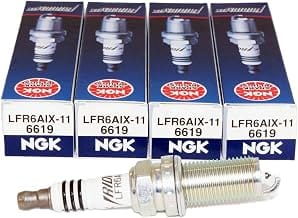
Parts
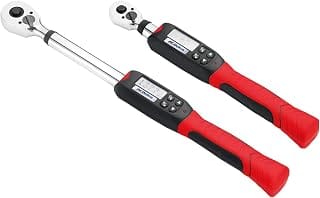
Tools
End VehicleBar Affiliate Product Box
Spark plug replacement is the removal and installation of ignition plugs using correct torque specs, thread reach, and electrode material to ignite the air-fuel mixture at precise crankshaft timing, improving fuel economy and preventing misfires measured in P0300-series OBD-II codes.
OEM iridium plugs like NGK IFR6T11 or Denso SK16HR11 are specified by VIN due to heat range and thread length differences.
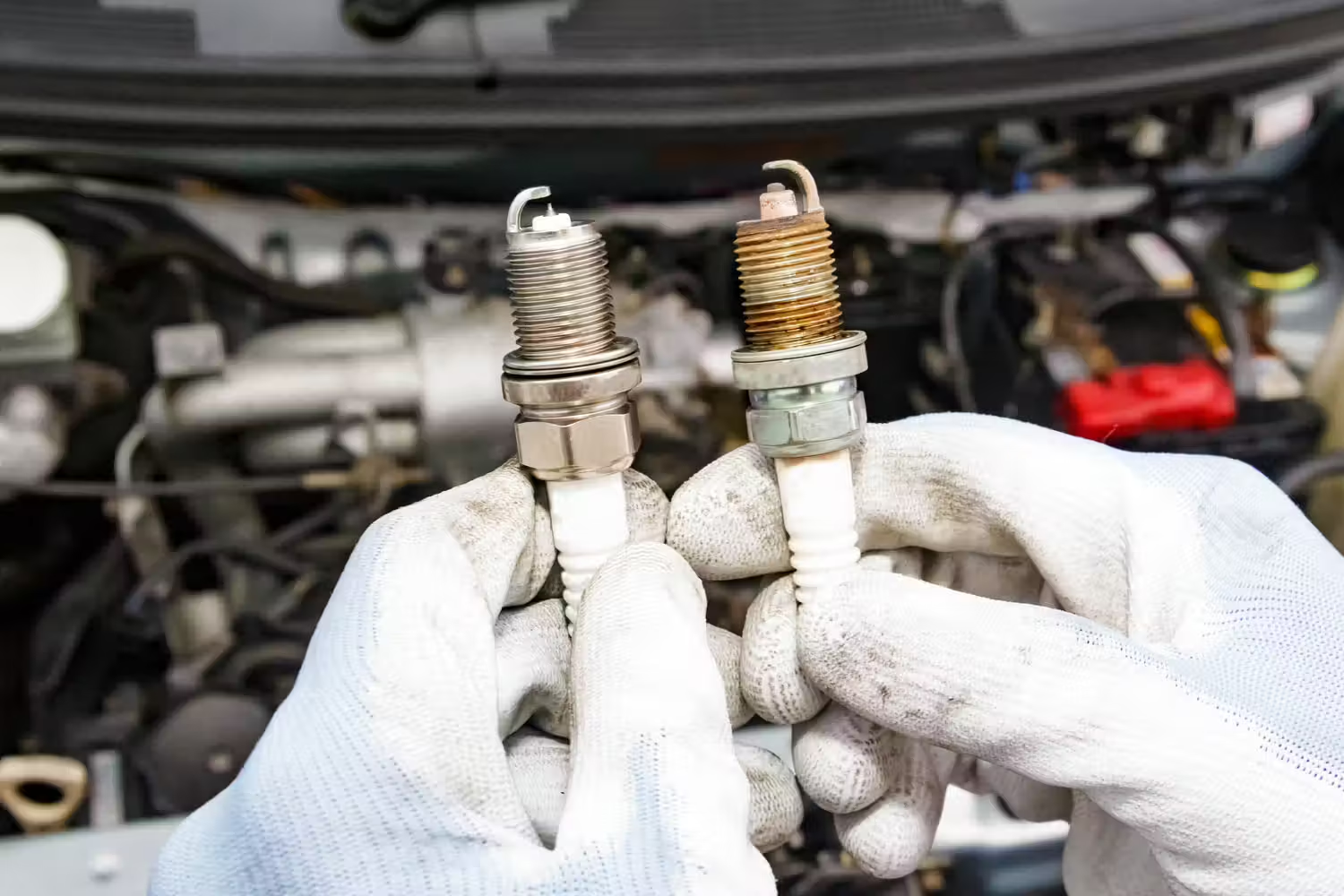
When Should Spark Plug Replacement Be Done?
Spark plug replacement intervals depend on electrode material, heat range, and combustion load, ranging from 30,000 miles for copper plugs to 100,000 miles for iridium plugs installed with 18–25 ft-lbs torque on aluminum cylinder heads.
| Plug Type | Typical Interval | Thread Size | Torque Spec |
|---|---|---|---|
| Copper | 30,000 mi | M14 x 1.25 | 18–21 ft-lbs |
| Platinum | 60,000 mi | M14 x 1.25 | 18–21 ft-lbs |
| Iridium | 100,000 mi | M12/M14 | 13–25 ft-lbs |
Common signs include hard starts below 40°F, rough idle at 650–750 RPM, and fuel trims exceeding ±10%.
Which Tools Are Required for Spark Plug Replacement?
Spark plug replacement requires a spark plug socket (usually 5/8-inch or 16mm), 3/8-inch torque wrench, 10mm coil bolt socket, dielectric grease rated to 400°F, and a calibrated feeler gauge accurate to 0.001 inches.
Most modern engines use 5/8-inch sockets; older Ford and GM V8s may use 13/16-inch.
How Do You Replace Spark Plugs Step by Step?
Spark plug replacement follows a controlled sequence using proper socket sizes, torque specs, and thread engagement depth to avoid aluminum head damage requiring heli-coil repair exceeding $900.
- Disconnect battery using 10mm wrench —prevents coil arcing and PCM damage.
- Remove ignition coils with 10mm socket —do not pry on plastic connectors.
- Clean plug wells using compressed air at 90 PSI —prevents debris entering cylinders.
- Remove old plugs using 5/8-inch spark plug socket —stop if resistance spikes.
- Check spark plug gap using 0.040–0.060 in feeler gauge —iridium tips should not be regapped unless specified.
- Install new plugs hand-tight, then torque to 18–25 ft-lbs —over-torque strips aluminum threads.
- Apply dielectric grease sparingly to coil boots —never apply grease to threads.
- Reinstall coils and torque bolts to 7–9 ft-lbs.
Most OEMs prohibit anti-seize on plated threads due to over-torque risk exceeding 30%.
How Is Spark Plug Gap Measured and Set?
Spark plug gap is measured using wire or blade gauges and must match OEM specs, typically 0.044 inches for modern EFI engines, ensuring proper spark kernel formation at 30,000–40,000 volts.
Wide gaps cause coil overload; tight gaps reduce combustion efficiency and fuel mileage by up to 8%.
What Does Spark Plug Replacement Cost?
Spark plug replacement cost depends on engine layout, plug material, and labor time ranging from 0.5 to 3.0 hours billed at $120–$180 per hour.
| Service Type | Cost Range |
|---|---|
| DIY | $40–$120 |
| Independent Shop | $150–$350 |
| Dealer | $250–$600 |
For deeper pricing details, see spark plug replacement cost.
Use OEM heat range and material listed in service manuals or see choosing the right spark plugs.
Why Do New Spark Plugs Fix Rough Idle Issues?
New spark plugs restore ignition voltage efficiency, reducing misfire counts per 1,000 revolutions and stabilizing idle speed between 650–800 RPM depending on engine calibration.
Persistent issues require diagnosing rough idle issues.
Worn plugs increase secondary resistance, overheating coil windings beyond 250°F.
Which Safety Risks Exist During Spark Plug Replacement?
Spark plug replacement risks include stripped threads, cracked porcelain, and hot aluminum head damage when removal occurs above 100°F cylinder head temperature.
Where Can Proper Spark Plug Socket Sizes Be Found?
Spark plug socket sizes vary by manufacturer and engine family, commonly 5/8-inch, 16mm, or 13/16-inch with thin-wall designs for DOHC heads.
Reference the proper spark plug socket chart before purchasing tools.
Universal sockets increase porcelain fracture risk due to uneven load distribution.
How Difficult Is Spark Plug Replacement for DIY Mechanics?
Spark plug replacement difficulty ranges from beginner on inline-4 engines to advanced on transverse V6 engines requiring intake manifold removal torqued to 15–18 ft-lbs.
Conclusion: A Mechanic’s Perspective on Spark Plug Replacement
After servicing thousands of vehicles, spark plug replacement remains one of the highest-value maintenance procedures available to DIY mechanics. Correct torque specs, verified spark plug gap, and OEM-matched heat ranges prevent misfires, coil failure, and fuel economy losses exceeding 10%. Most four-cylinder engines allow completion in under 60 minutes using a 5/8-inch spark plug socket, 10mm coil bolt socket, and torque wrench set between 18–21 ft-lbs.
Difficulty increases on V6 and V8 platforms with rear-bank access constraints, yet the total DIY cost rarely exceeds $120 using iridium plugs rated for 100,000 miles. From a professional standpoint, replacing plugs before failure protects catalytic converters costing over $1,200 and maintains combustion stability engineers designed into modern EFI systems. For hands-on owners, spark plug replacement delivers immediate drivability improvements with minimal investment.