Fuel Pressure Regulator Problems: Diagnosis & Replacement
What Is a Fuel Pressure Regulator and Why Should You Care?
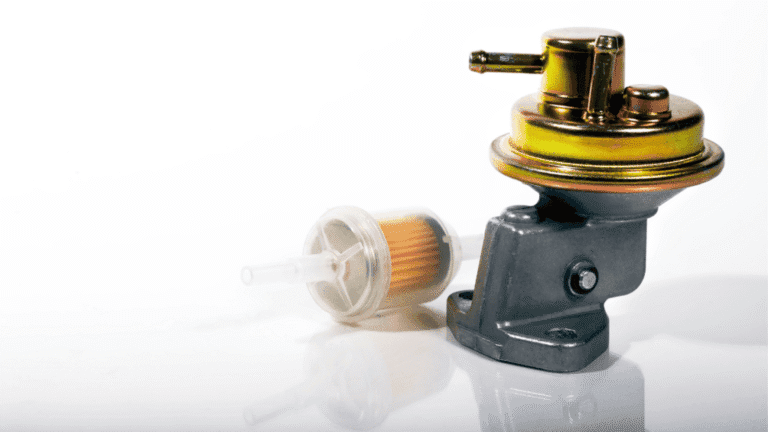
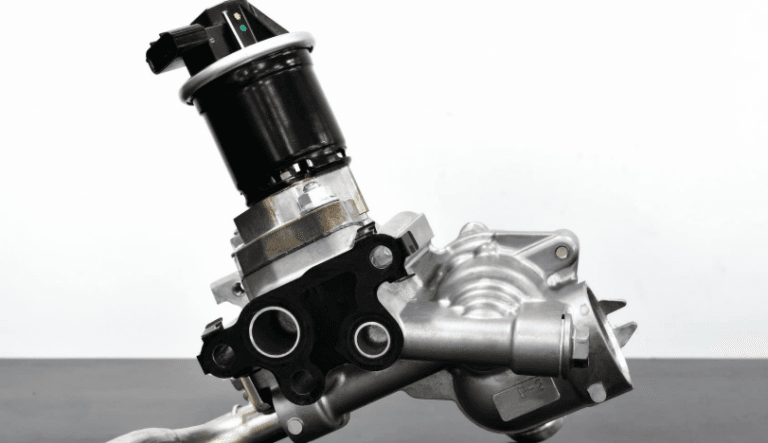
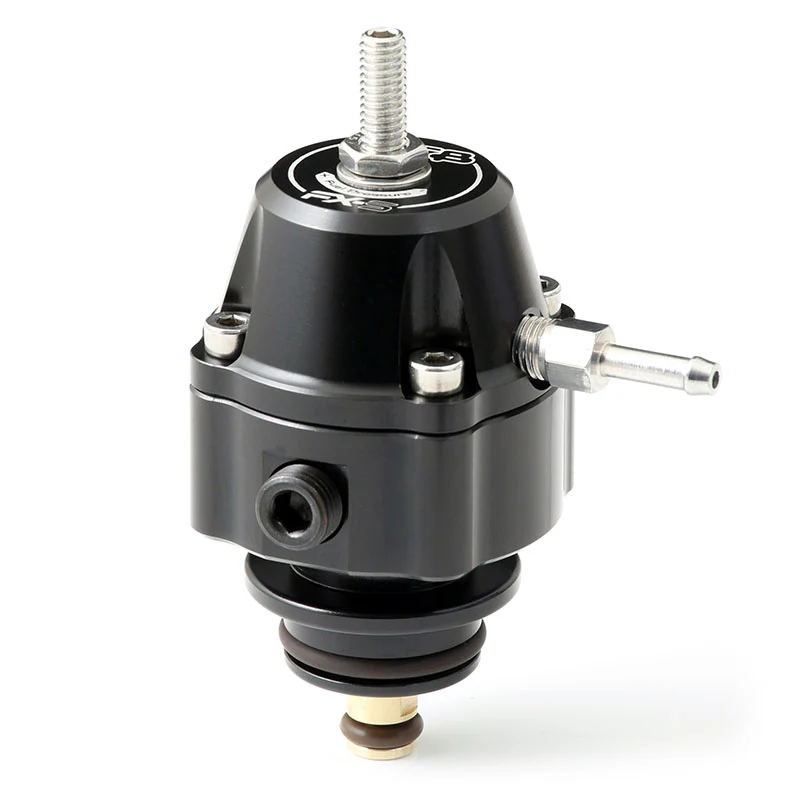
The fuel pressure regulator (FPR) is a small but critical component in your fuel system. Its job is to maintain a consistent fuel pressure to the injectors, regardless of engine load or RPM. Think of it like a water pressure regulator in your home—too much pressure, and you’ll blow out pipes; too little, and your shower is a sad trickle. In your car, the FPR ensures the injectors get the right amount of fuel for optimal combustion.
Most FPRs are vacuum-operated and mounted on the fuel rail, though some newer vehicles use electronic regulators. When the FPR fails, it can either restrict fuel flow (starving the engine) or dump too much fuel into the system (flooding it). Neither scenario is good, and both can leave you stranded.
Here’s the kicker: FPR failures often mimic other issues like a bad fuel pump, clogged filter, or failing injectors. That’s why so many people—even some mechanics—end up replacing the wrong parts. But once you know what to look for, diagnosing a bad FPR is straightforward.
Symptoms of a Bad Fuel Pressure Regulator: What to Watch For
Bad FPR symptoms can be subtle or glaringly obvious. Here’s what I see most often in the shop:
- Hard starting or extended cranking:The engine struggles to get fuel pressure up to spec when you turn the key.
- Stalling at idle or low speeds:The FPR may not be holding pressure, causing the engine to starve for fuel.
- Black smoke from the exhaust:A classic sign of an over-rich condition—too much fuel is being dumped into the cylinders.
- Fuel odor from the engine bay or exhaust:If the FPR’s diaphragm is ruptured, fuel can leak into the vacuum line or intake manifold.
- Poor acceleration or hesitation:The engine isn’t getting consistent fuel pressure under load.
- Check Engine Light (CEL) with codes like P0172 or P0175:These indicate a rich condition, often caused by a failing FPR.
I once had a 2003 Ford Mustang GT come in with all these symptoms. The owner had already replaced the fuel pump twice. A quick fuel pressure test revealed the FPR was stuck open, dumping fuel into the intake. Five minutes and $40 later, the car ran like new.
How to Test a Fuel Pressure Regulator: Step-by-Step
Testing an FPR is easier than you think, but you’ll need a fuel pressure gauge (about $30 on Amazon). Here’s how to do it:
Most vehicles have a Schrader valve (like a tire valve) on the fuel rail. On GM vehicles, it’s usually near the intake manifold. Ford often places it on the driver’s side rail. Consult your service manual if you’re unsure.
Before connecting the gauge, relieve pressure by removing the fuel pump relay or fuse, starting the engine, and letting it stall. This prevents a fuel spray when you connect the gauge.
Attach the fuel pressure gauge to the Schrader valve. Use a rag to catch any residual fuel spray.
Turn the key to the “ON” position (don’t start the engine). The gauge should read between 35-45 psi for most vehicles (check your manual for exact specs). If pressure is too low or high, the FPR or pump may be failing.
Start the engine and let it idle. Pressure should drop slightly but remain steady. If it drops rapidly, the FPR isn’t holding pressure.
With the engine running, unplug the vacuum line from the FPR. Pressure should increase by 8-10 psi. If it doesn’t, the FPR is bad. If pressure drops, the diaphragm is ruptured.
Fuel Pressure Regulator Replacement: DIY Guide
Replacing an FPR is a moderate-level job, but with the right tools and patience, most DIYers can handle it. Here’s how I do it in the shop:
Safety First:
- Work in a well-ventilated area—fuel vapors are explosive.
- Wear safety glasses and nitrile gloves.
- Disconnect the battery before starting.
- Have a fire extinguisher nearby.
Tools & Materials Needed
- Fuel pressure gauge (for testing)
- New fuel pressure regulator (OEM recommended—more on this later)
- Fuel line disconnect tool set ($15 at AutoZone)
- 10mm and 13mm sockets/wrenches
- Pliers for hose clamps
- Shop rags and a drain pan
- Dielectric grease (for O-rings)
Step-by-Step Replacement
Remove the fuel pump relay or fuse, start the engine, and let it stall. Crank it a few more times to ensure pressure is gone.
Use the fuel line disconnect tool to separate the lines from the FPR. Have a rag ready—some fuel will spill.
Unbolt the FPR from the fuel rail (usually 2 bolts). On some vehicles, you’ll need to remove the intake manifold for access.
Lubricate the new O-rings with dielectric grease and install the new FPR. Torque bolts to 8-12 ft-lbs(don’t overtighten!).
Reattach the fuel lines and vacuum hose (if applicable). Double-check for leaks.
Turn the key to “ON” (don’t start) to prime the fuel system. Check for leaks. Start the engine and verify pressure with your gauge.
OEM vs. Aftermarket FPRs: What’s Worth the Money?
Not all fuel pressure regulators are created equal. Here’s what I’ve learned from years of replacing them:
| Brand | Type | Price Range | Lifespan (Miles) | Notes |
|---|---|---|---|---|
| ACDelco | OEM (GM) | $60-$120 | 150,000+ | Best for GM vehicles. Rare failures. |
| Motorcraft | OEM (Ford) | $70-$130 | 120,000+ | Ford’s go-to. Avoid aftermarket for F-150s. |
| Standard Motor Products | Aftermarket | $30-$80 | 60,000-100,000 | Decent budget option. Failure rate ~15%. |
| Airtex | Aftermarket | $25-$60 | 30,000-80,000 | High failure rate. Not recommended. |
I always recommend OEM for FPRs. Why? Aftermarket units often have cheaper diaphragms that fail prematurely. I’ve replaced Airtex regulators that lasted less than a year. For a part this critical, spend the extra $20 and get the OEM.
Cost Analysis: DIY vs. Professional Replacement
Let’s break down the costs so you know what to expect:
| Item | DIY Cost | Professional Cost |
|---|---|---|
| Fuel Pressure Regulator (OEM) | $60-$120 | $100-$200 (marked up) |
| Fuel Line Disconnect Tool | $15 | N/A |
| Labor (1-2 hours) | $0 | $120-$240 |
| Total Estimated Cost | $75-$135 | $220-$440 |
DIYers can save $150-$300 by doing the job themselves. However, if your FPR is buried under the intake manifold (looking at you, Ford 4.6L), the job becomes much more complex. In that case, the labor cost might be worth it.
Common Mistakes and How to Avoid Them
I’ve seen even experienced mechanics mess up FPR replacements. Here’s what to watch out for:
- Not relieving fuel pressure:This is how you get a face full of gasoline. Always relieve pressure before disconnecting lines.
- Reusing old O-rings:They’re cheap—replace them. I’ve seen leaks cause fires.
- Overtightening bolts:The FPR housing can crack. Torque to spec (usually 8-12 ft-lbs).
- Ignoring vacuum lines:A ruptured diaphragm can suck fuel into the intake. Always check the vacuum line for fuel.
- Assuming the FPR is bad:Always test first. I’ve seen mechanics replace a good FPR only to find the real issue was a clogged fuel filter.
FAQs About Fuel Pressure Regulators
Can I drive with a bad fuel pressure regulator?
Technically, yes, but it’s risky. A failing FPR can cause stalling in traffic, poor acceleration (dangerous for highway merging), and even fire hazards if fuel leaks into the intake. If you suspect your FPR is bad, diagnose and replace it ASAP.
How long does a fuel pressure regulator last?
OEM regulators typically last 100,000-150,000 miles. Aftermarket units may fail as early as 30,000 miles. Heat and poor fuel quality are the biggest killers.
Can a bad FPR cause a misfire?
Absolutely. If the FPR isn’t maintaining proper pressure, the injectors won’t deliver the right amount of fuel to each cylinder. This can cause random misfires, especially under load.
Why does my car smell like gas after replacing the FPR?
This usually means the diaphragm in the new FPR is ruptured, or you didn’t seat the O-rings properly. Double-check your installation and test for leaks with the engine running.
Is a fuel pressure test necessary, or can I just replace the FPR?
Always test first! FPR symptoms overlap with fuel pump, filter, and injector issues. I’ve seen people replace three FPRs before realizing their fuel pump was the real problem. A $30 gauge saves you time and money.
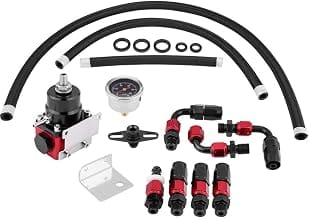
Top Fuel Pressure Regulator Problems – Our Picks

Final Thoughts: A Mechanic’s Perspective
Fuel pressure regulators are one of those “out of sight, out of mind” components—until they fail. The good news? Diagnosing and replacing one is well within the skill set of most DIYers, and the tools required are minimal. The key is testing before replacing, using quality parts, and paying attention to the details (like those pesky O-rings).
If you’re dealing with a stubborn fuel system issue, don’t overlook the FPR. It’s caused more “mystery” problems in my shop than almost any other single component. And if you’re ever in doubt, remember Tom’s Silverado: sometimes the simplest fix is the right one.
Got a fuel system gremlin you can’t shake? Drop a comment below—I’m happy to help troubleshoot. And if you found this guide useful, check out our related articles on [fuel pump diagnosis](fuel-pump-problems-diagnosis), [fuelinjector cleaning](fuel-injector-cleaning-guide), and [vacuum leak detection](vacuum-leak-diagnosis).