Fuel Filter Location by Make and Model [200+ Vehicles]
Quick Answer:The fuel filter location depends on your vehicle’s design. Older vehicles (pre-2005) often use aninline fuel filtermounted along the frame rail or firewall. Most modern cars (2005+) use anin-tank fuel filterintegrated into the fuel pump assembly, requiring access through the rear seat, trunk, or fuel tank removal.
From the Shop Floor: Why Fuel Filter Location Still Confuses People
It was 7:30 a.m., light rain tapping on the shop doors, when a frustrated customer rolled in with a 2012 Toyota Camry that “just didn’t want to accelerate.” He’d already bought a fuel filter from the parts store and spent half of Sunday crawling under the car trying to find it. Problem was—there wasn’t one where he was looking.
I’ve been turning wrenches for over 15 years, and I still see this weekly. The idea that every car has a serviceable fuel filter bolted to the frame died years ago, but parts stores haven’t always caught up. I walked him over, pulled the rear seat cushion, and showed him the fuel pump access cover. The look on his face said it all.
If you’re asking where is the fuel filter on your car, you’re not alone. Between inline designs, in-tank fuel filters, and manufacturer-specific quirks, fuel filter access can be confusing—even for experienced DIYers. In this guide, I’ll break it down by make and model, share what I’ve learned the hard way, and help you avoid wasted time, skinned knuckles, and unnecessary parts returns.
![Fuel Filter Location by Make and Model [200+ Vehicles]](https://vehiclebar.com/wp-content/uploads/2026/01/Yanmar_Fuel_Filter.jpg)
Fuel Filter Location: How Modern Designs Work
Inline Fuel Filter Location (Mostly Older Vehicles)
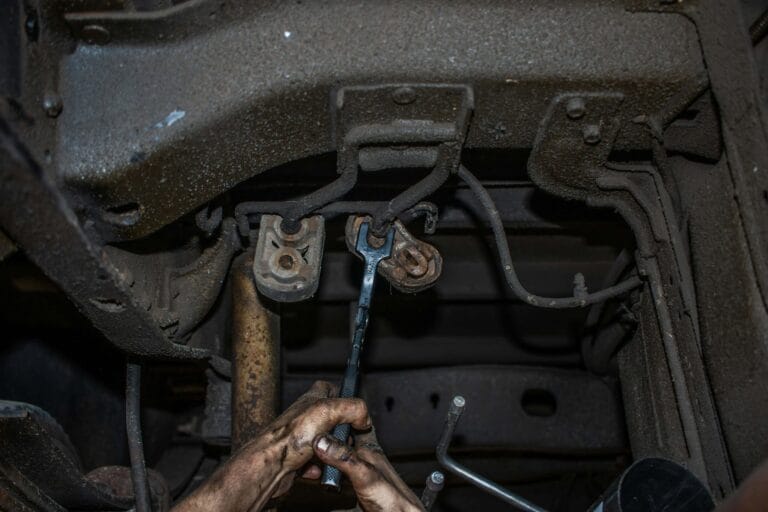
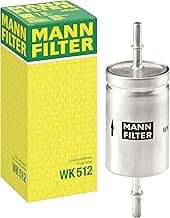
An inline fuel filter location is exactly what it sounds like—a separate canister installed in the fuel line. I still see these regularly on vehicles from the late ’80s through early 2000s.
- Along the frame rail under the driver or passenger side
- On the firewall in the engine bay
- Near the rear axle above the fuel tank
Pro tip:If your car has metal fuel lines transitioning to rubber hoses, the filter is often right at that junction.
In-Tank Fuel Filter (Most 2005+ Vehicles)
Most modern vehicles use an in-tank fuel filter integrated with the fuel pump. Manufacturers did this to reduce leak points and meet emissions standards. The downside?Fuel filter replacement access is limited.
Access points vary:
- Under rear seat (Toyota, Honda, Hyundai)
- Inside trunk under carpet (some Ford, VW)
- No access panel—tank removal required (many GM trucks)
Fuel Filter Location by Make (Popular Models)
| Make | Model | Years | Fuel Filter Location | Serviceable? |
|---|---|---|---|---|
| Toyota | Camry | 2007–2017 | In-tank (fuel pump module) | No (pump assembly) |
| Honda | Civic | 1996–2005 | Engine bay firewall | Yes |
| Ford | F-150 | 1997–2003 | Frame rail, driver side | Yes |
| Chevrolet | Silverado | 2007–2018 | In-tank (no external filter) | No |
How to Access an External Fuel Filter (Inline Type)
Relieve fuel pressure by removing the fuel pump fuse and cranking the engine for 5–10 seconds.
Raise the vehicle and support it with jack stands(never rely on a jack).
Locate the filter along the frame rail. Look for a metal canister with fuel line quick-connects.
Use a fuel line disconnect tool (5/16” or 3/8”)to release the fittings.
Install the new filter with the flow arrow pointing toward the engine.
TROUBLESHOOTING
Troubleshooting Fuel Filter Problems
Here’s how I diagnose fuel restriction issues in the bay:
- If theengine cranks but won’t start:Check fuel pressure at the rail.
- If it hesitates under load:Restricted filter or weak pump.
- If it stalls on hot days:Pump overheating due to clogged filter sock.
A restricted filter often mimics ignition problems. I’ve watched customers replace coils, plugs, and sensors when a $25 filter was the real culprit.
Fuel Filter Replacement Cost Analysis
- DIY Inline Filter:$20–$60 parts, 30–60 minutes labor
- DIY In-Tank Filter:$250–$600 (pump module)
- Professional Service:$120–$200 inline, $600–$1,200 in-tank
Long-term, skipping fuel filter service shortens pump life. I’ve replaced $900 pump assemblies that could’ve lasted years longer with clean fuel.
Tools & Materials Required
- Fuel line disconnect tool (5/16”, 3/8”)– Must-have
- Jack & jack stands – Must-have
- Safety glasses & nitrile gloves – Must-have
- Shop rags & drain pan – Nice to have
Fuel Filter Location FAQ
How do I know if my car has a serviceable fuel filter?
Check the owner’s manual or factory service information. If the filter isn’t listed as a maintenance item, it’s likely in-tank.
How often should a fuel filter be replaced?
Inline filters typically every 30,000–60,000 miles. In-tank filters are usually “lifetime,” but pump failure often tells a different story.
Can a clogged fuel filter damage my engine?
Indirectly, yes. Lean conditions and pump overheating can cause drivability issues and premature component failure.
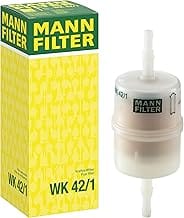
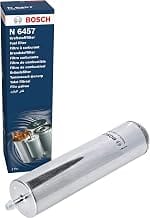
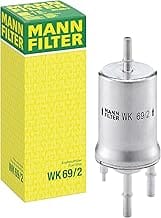
Top Fuel Filter Location By Make And Model [200+ Vehicles] – Our Picks
Final Thoughts from the Shop
Understanding your vehicle’s fuel filter location saves time, money, and frustration. Inline filters are a straightforward DIY job. In-tank designs? That’s where you need to slow down and decide if the job matches your skill level.
From my perspective, fuel filters are one of those quiet components that only get attention when they cause problems. Treat them right, use quality parts, and your fuel system will reward you with smooth starts and strong acceleration for years.