You’ve probably heard the standard advice: change your oil every 5,000 to 7,500 miles, maybe even 10,000 if you’re using synthetic. But here’s what most car owners don’t realize—those recommended intervals are based on what manufacturers call “normal” driving conditions. The problem? Most of us don’t actually drive under normal conditions, at least not according to their definition.
I learned this lesson the hard way with my 2015 Honda Accord. I religiously followed the 7,500-mile oil change interval recommended in my owner’s manual, feeling pretty good about my maintenance routine. Then at 85,000 miles, my mechanic pointed out excessive engine sludge during a routine inspection. Turns out, my daily 15-minute commute through stop-and-go city traffic qualified as “severe” driving, and I should have been changing my oil nearly twice as often. That wake-up call cost me a thorough engine flush and could have been prevented with better understanding.
The reality is that severe driving conditions aren’t just about racing or off-roading. They include everyday scenarios like short trips, extreme temperatures, dusty environments, and heavy traffic. If you’re not adjusting your oil change schedule to match your actual driving habits, you might be unknowingly shortening your engine’s lifespan. Let’s break down exactly what counts as severe driving and how it should change your maintenance approach.

What Actually Qualifies as Severe Driving Conditions
The automotive industry’s definition of “severe” driving catches many people off guard. It’s not about aggressive acceleration or pushing your vehicle to its limits—it’s about specific patterns that stress your engine oil in ways that accelerate its breakdown.
Short trips are the silent killer. When you drive less than 10 miles per trip, especially in cold weather, your engine never reaches its optimal operating temperature. This means moisture and fuel contaminants don’t fully evaporate from the oil. My neighbor, a retired teacher, drives less than three miles to church twice a week and to the grocery store once a week. Her car has only 40,000 miles after eight years, but her mechanic recommended oil changes every 3,000 miles because those short trips are incredibly hard on the engine.
Extreme temperatures—both hot and cold—accelerate oil degradation. If you live in Phoenix where summer temperatures regularly exceed 110°F, or in Minneapolis where winter can dip to -20°F, your oil works overtime. Heat causes oil to break down faster and lose its viscosity, while cold weather means your engine runs longer at suboptimal temperatures where condensation becomes a problem.
Stop-and-go traffic and idling put tremendous strain on your oil. Sitting in traffic for an hour might only add five miles to your odometer, but your engine runs that entire time, heating and working the oil without the cooling benefit of highway airflow. Delivery drivers, taxi operators, and anyone with a congested urban commute fall squarely into this category.
Towing, hauling heavy loads, or carrying roof cargo creates additional stress. If you regularly pull a boat or camper, even occasionally, or use your vehicle for moving supplies, your engine works harder and generates more heat. This increased stress causes faster oil contamination and breakdown. The same applies if you frequently drive on steep hills or mountainous terrain.
Dusty or unpaved roads introduce contaminants into your engine system. Construction workers, rural residents, or anyone who regularly travels gravel roads should recognize that dust infiltration speeds up oil deterioration. Even with quality air filters, fine particles can find their way into your engine oil.
How Severe Conditions Affect Your Engine Oil
Understanding what happens to your oil under severe conditions helps explain why more frequent changes matter. Engine oil serves multiple critical functions: it lubricates moving parts, cleans contaminants, cools components, and creates seals between pistons and cylinder walls. When these functions deteriorate, engine damage follows.
Thermal breakdown occurs when oil molecules literally start falling apart under excessive heat. Modern oils contain additives designed to resist this breakdown, but they have limits. During severe driving, sustained high temperatures cause the oil’s molecular structure to change, reducing its ability to lubricate effectively. You’ll often hear mechanics refer to this as the oil “shearing down”—losing viscosity and becoming thinner than intended.
Contaminant accumulation happens faster under severe conditions. Your engine naturally produces combustion byproducts—soot, acids, unburned fuel, and moisture. Normally, regular highway driving helps these evaporate or get filtered out. But with short trips and stop-and-go traffic, these contaminants build up in the oil, creating a thick, sludgy mess that clogs passages and prevents proper lubrication. I once saw an engine teardown video where oil passages were so clogged with sludge they looked like clogged arteries—a perfect visual for what neglect does.
Additive depletion represents another hidden problem. Modern motor oils contain detergents, dispersants, anti-wear agents, and other chemical additives that make up about 20-30% of the formula. These additives get used up over time, and severe driving conditions consume them faster. Once depleted, the base oil alone can’t provide adequate protection.
Moisture infiltration becomes critical in cold weather and short-trip scenarios. When your engine doesn’t fully warm up, water vapor from combustion condenses inside your engine and mixes with the oil, creating a milky, corrosive substance. This moisture promotes rust and accelerates the formation of sludge and acids that damage engine components.
Recommended Oil Change Intervals for Severe Driving
So how often should you actually change your oil if you drive under severe conditions? The answer varies by vehicle and specific circumstances, but here are practical guidelines based on manufacturer recommendations and professional mechanic experience.
For conventional oil under severe conditions, most manufacturers recommend intervals between 3,000 and 5,000 miles. This might seem shockingly frequent compared to the 7,500-mile intervals often advertised, but it’s necessary for protection. If you’re doing predominantly short trips (under 10 miles) or operating in extreme temperatures, lean toward the 3,000-mile mark.
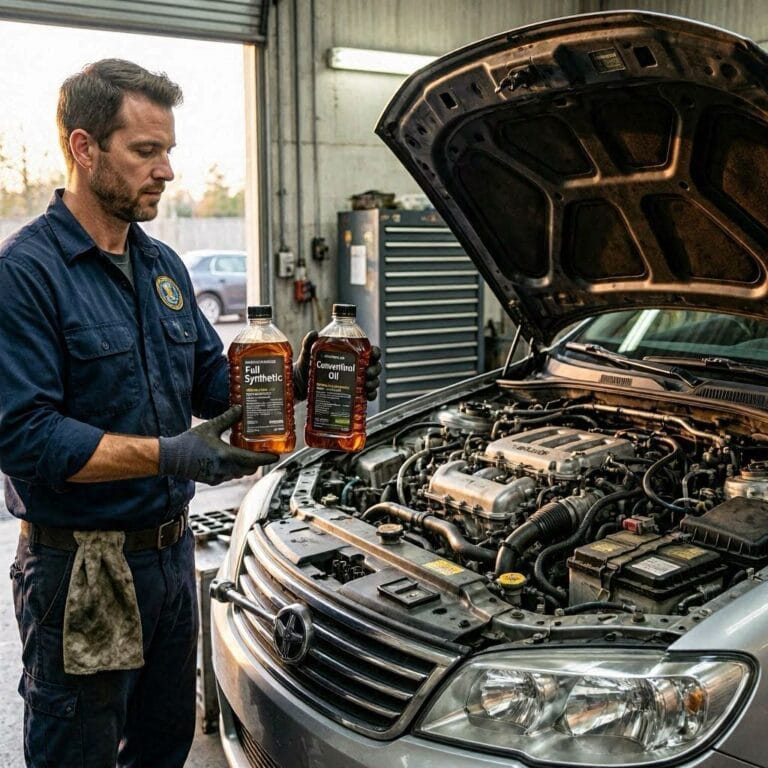
Synthetic oil provides better protection and can typically stretch to 5,000-7,500 miles even under severe conditions, though this varies by brand and formulation. High-quality full synthetics like Mobil 1, Royal Purple, or Amsoil resist thermal breakdown better than conventional oils and maintain their protective properties longer. However, don’t assume synthetic automatically doubles your interval—severe conditions still demand more frequent changes than “normal” driving.
Check your owner’s manual carefully—most have two maintenance schedules. You’ll find one labeled “normal” service and another for “severe” or “special operating conditions.” Read the severe service definition carefully. You might be surprised to discover that your daily driving pattern qualifies. My Ford F-150’s manual, for example, explicitly states that operating in temperatures below 32°F or above 90°F for extended periods counts as severe service.
Time matters as much as mileage. If you only drive 5,000 miles per year, don’t stretch oil changes to annual events. Oil degrades over time even without use. Moisture accumulation, additive settling, and chemical breakdown happen whether you’re driving or not. A good rule of thumb: change your oil at least twice a year regardless of mileage, or every six months if you’re in severe service conditions.
Commercial vehicles and fleet operators often follow even more aggressive schedules. UPS, for instance, changes oil in their delivery trucks every 3,000-4,000 miles religiously because those vehicles epitomize severe service—constant stops and starts, idling, and heavy urban driving. They understand that the cost of frequent oil changes is nothing compared to engine replacement.
Practical Signs Your Oil Needs Changing Sooner
Beyond following scheduled intervals, your vehicle often tells you when it needs an oil change. Learning to recognize these signs helps you catch problems before they cause damage.
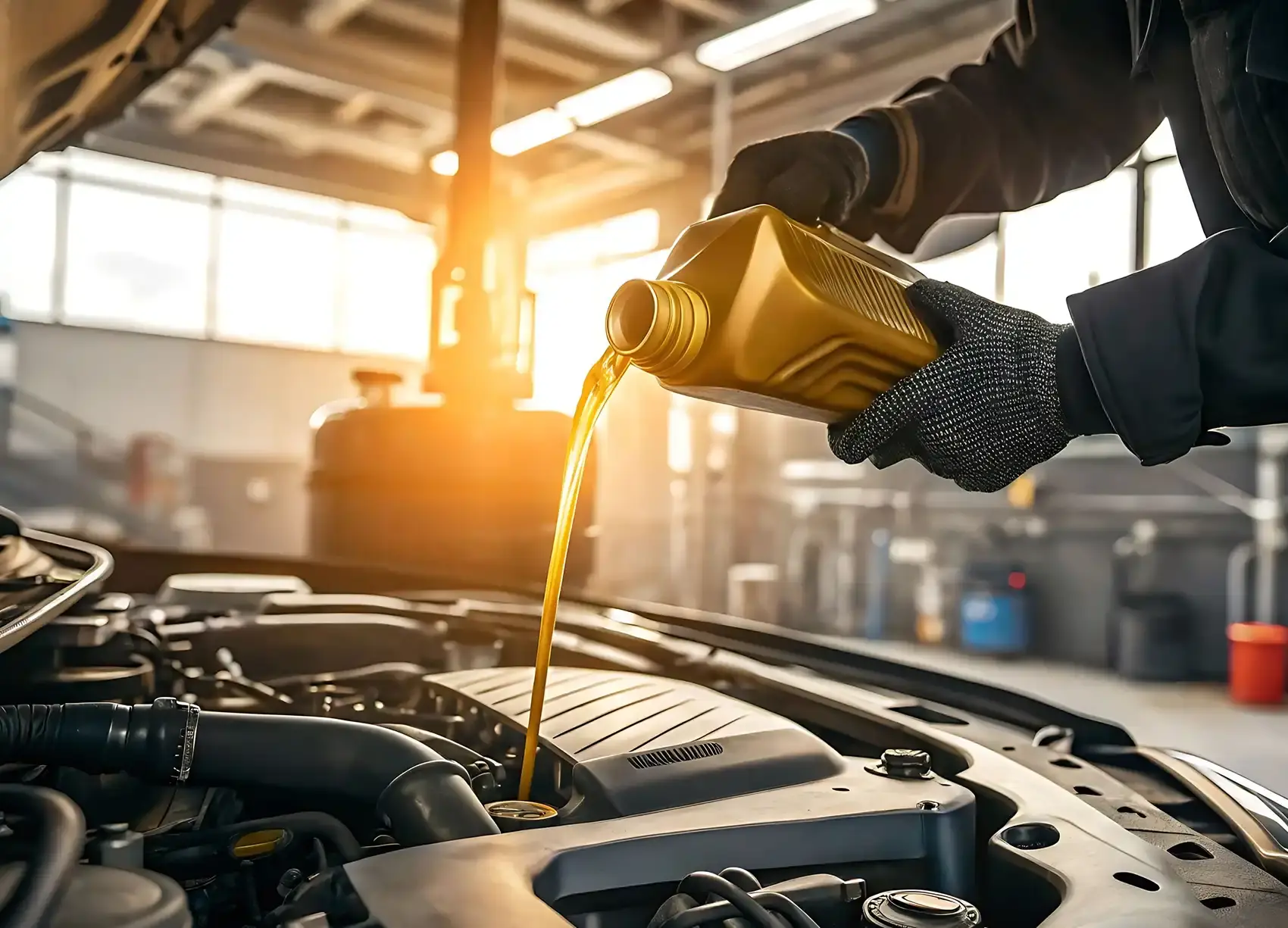
Check your dipstick regularly—at least once a month. Fresh oil appears honey-colored or amber (brown-ish if conventional, lighter if synthetic). As oil degrades, it darkens to deep brown or black. While some darkening is normal and even indicates the oil is doing its job by suspending contaminants, excessively black oil suggests it’s saturated with particles and losing effectiveness. If your oil looks black well before your scheduled change interval, consider shortening that interval.
Oil texture matters too. Clean oil feels smooth and slippery between your fingers. Degraded oil feels gritty (indicating contamination with dirt or metal particles) or sticky and thick (indicating sludge formation). If you notice grittiness, your engine is wearing internally, and immediate attention is needed.
Increased engine noise, particularly a ticking or tapping sound from the valve train, often indicates oil that’s lost its lubricating properties. Modern engines run surprisingly quiet when properly lubricated. If your engine suddenly sounds rougher or you hear metallic clicking, especially when cold, your oil may no longer be providing adequate protection.
The oil change light or maintenance reminder in modern vehicles uses algorithms based on various factors: mileage, engine temperature cycles, rpm patterns, and more. These systems are generally conservative but reliable. Don’t ignore them or try to push significantly past their recommendations. They’re designed specifically for your vehicle and driving patterns.
Excessive exhaust smoke can indicate oil burning, which might result from degraded oil allowing increased blow-by (combustion gases escaping past piston rings). Blue-tinted smoke particularly suggests this problem. While this often indicates mechanical issues beyond just old oil, keeping fresh oil in your engine minimizes this risk.
The Real Cost of Skipping Frequent Oil Changes
Let’s talk money, because I know frequent oil changes feel expensive. A synthetic oil change might run $70-90 at a shop, so changing oil every 5,000 miles instead of every 10,000 miles means an extra $70-90 per year for most drivers. That seems like a lot until you consider the alternative costs.
Engine sludge removal typically costs $200-300 as a standalone service. If sludge has caused significant damage, you might need more extensive work. I’ve seen quotes for severely sludged engines range from $1,500 to $3,000 for thorough cleaning, new gaskets, and related repairs. That’s 20-40 oil changes worth of prevention.
Premature engine wear reduces your vehicle’s lifespan and resale value. An engine that should last 200,000 miles might only make it to 120,000 with poor oil maintenance. If you plan to keep your vehicle long-term, those extra oil changes pay for themselves many times over. From a resale perspective, maintenance records showing religious oil changes add significant value—serious buyers know what they mean.
Catastrophic engine failure is the worst-case scenario but happens more than you’d think. A complete engine replacement typically costs $4,000-8,000 for common vehicles, and luxury or performance vehicles can double that. Even a used replacement engine costs thousands when you factor in labor. Compare that to perhaps $500-700 in oil changes over 100,000 miles—the economics are clear.
Fuel efficiency suffers with degraded oil. Clean oil reduces friction; dirty, broken-down oil increases it. Studies show that proper oil maintenance can improve fuel economy by 1-2%, which might not sound like much but adds up. Over a year, that could save $50-100 in fuel costs alone.
Warranty considerations matter too. Many manufacturers require proof of proper maintenance to honor powertrain warranties. If you experience engine problems at 60,000 miles and can’t document appropriate oil changes for your driving conditions, your warranty claim might be denied, leaving you with a massive repair bill.
Creating Your Personal Oil Change Schedule
Now let’s make this practical and actionable. Here’s how to determine your optimal oil change interval based on your specific situation.
Start by honestly assessing your driving patterns. Keep a simple log for two weeks noting trip distances, weather conditions, and traffic patterns. You might discover that 80% of your driving qualifies as severe service even though you consider yourself a “normal” driver. Most people are surprised by this exercise.
Factor in your vehicle’s age and condition. Older engines with higher mileage generally benefit from more frequent changes because they have more wear and looser tolerances that allow greater contamination. If your vehicle has over 100,000 miles, consider shortening intervals by 20-30% regardless of driving conditions.
Choose your oil quality strategically. If you’re in severe service, investing in high-quality synthetic oil makes sense even if your manufacturer only requires conventional. The better protection and extended drain intervals of premium synthetics often offset their higher cost. Brands like Liqui Moly, Amsoil, or Castrol Edge provide superior protection under stress.
Consider oil analysis if you want data-driven precision. Companies like Blackstone Laboratories will analyze your used oil for about $30-40 per sample, providing detailed reports on wear metals, contaminants, and remaining oil life. After two or three samples, they can recommend the perfect interval for your specific vehicle and driving habits. This is particularly valuable for diesel engines, performance vehicles, or anyone doing serious towing.
Set up a tracking system that works for you. Whether it’s a simple spreadsheet, an app like simply Auto, or just a notebook in your glove compartment, record every oil change with date, mileage, and oil type used. This creates valuable history and helps you spot patterns. Many modern vehicles have digital service records, but independent backup never hurts.
Build in a safety margin. If analysis suggests your oil is good for 6,000 miles in your conditions, change it at 5,000. This buffer protects against unexpected severe driving periods (road trips, extreme weather events, temporary heavy hauling) without requiring you to track every variable constantly.
Frequently Asked Questions
Can I use synthetic oil to extend my change interval even in severe conditions?
Yes, high-quality synthetic oil can typically handle severe conditions better than conventional oil and may allow slightly longer intervals—perhaps 5,000-7,500 miles versus 3,000-5,000 for conventional. However, synthetic isn’t magic. Under truly severe conditions like constant short trips or extreme temperatures, even synthetic needs more frequent changing than the “normal” 10,000-mile intervals often advertised. Always consult your owner’s manual’s severe service schedule as your baseline, even when using premium synthetic oil.
Does my vehicle’s oil life monitoring system account for severe driving?
Most modern oil life monitoring systems do account for various driving conditions through sophisticated algorithms. They track factors like engine temperature, RPMs, number of cold starts, and operating time to calculate remaining oil life. These systems generally work well and are more accurate than fixed mileage intervals. However, if you know you’re consistently operating under severe conditions, consider changing oil when the monitor reaches 20-30% remaining life rather than waiting until it hits zero. This provides extra protection without being overly conservative.
How do I know if my driving really counts as severe?
Check your owner’s manual for the manufacturer’s specific definition—it’s usually surprisingly inclusive. Generally, if you regularly drive less than 10 miles per trip, operate in temperatures below freezing or above 90°F, sit in stop-and-go traffic, tow trailers, drive on unpaved roads, or idle extensively, you’re in severe service territory. Most urban and suburban drivers actually fall into this category even though they consider their driving “normal.” When in doubt, assume severe conditions and adjust your maintenance accordingly—the extra cost is minimal compared to potential engine damage.
Is it worth paying extra for premium synthetic oil if I change it frequently?
Absolutely. Even with more frequent changes, premium synthetic oil provides superior protection under severe conditions. It resists thermal breakdown better, flows more easily in cold weather, protects better during high-temperature operation, and keeps engines cleaner. The price difference—perhaps $20-30 more per change—is negligible compared to engine longevity benefits. Think of it as a small additional insurance premium for a major investment. Many mechanics who’ve seen engines torn down will tell you they can immediately identify which vehicles used quality oil versus cheap alternatives.
What happens if I’ve been following normal intervals but drive in severe conditions?
If you’ve inadvertently been extending your oil changes beyond what your driving conditions demand, don’t panic, but take action. Schedule an oil change soon, preferably using a high-quality synthetic oil with good detergent properties. Consider having your mechanic check for sludge buildup, especially if you’ve been following this pattern for tens of thousands of miles. Going forward, adjust to an appropriate severe service schedule. Most engines are surprisingly resilient and can recover from moderate neglect if you correct course before major damage occurs. The key is catching it now rather than waiting for symptoms to develop.
Should I change oil before or after a long road trip?
This depends on where you are in your current interval. If you’re within 1,000-1,500 miles of your scheduled change, do it before the trip. Fresh oil provides maximum protection during extended highway driving and gives you peace of mind. However, if you just changed oil 1,000 miles ago, there’s no need for another change before the trip—your oil is fresh and protective. After a particularly demanding trip involving mountains, high temperatures, or heavy towing, consider changing oil even if you haven’t hit your normal interval, as that severe driving may have degraded it faster than usual.
Protecting Your Investment Through Smart Maintenance
Your vehicle represents a significant financial investment—for many people, it’s their second-largest purchase after their home. Yet we often spend more on premium coffee in a month than the incremental cost of proper oil maintenance. This perspective shift is crucial: frequent oil changes under severe driving conditions aren’t an expense, they’re insurance.
The difference between a vehicle that remains reliable for 200,000 miles and one that starts having serious problems at 100,000 often comes down to maintenance consistency, particularly oil changes. I’ve known people who’ve driven Toyota Camrys and Honda Civics past 300,000 miles with original engines still running smoothly. Their secret? Religious oil changes appropriate to their driving conditions, quality filters, and reputable oil. Nothing fancy or expensive—just consistency.
Modern engines are engineering marvels capable of remarkable longevity when properly maintained. They’re also increasingly complex, with tighter tolerances and turbochargers that demand excellent lubrication. These advances make appropriate oil change intervals more important than ever, not less. Don’t let marketing claims about “extended drain intervals” lull you into complacency if you drive under severe conditions.
Take a few minutes to review your owner’s manual’s maintenance schedules today. Compare the “normal” and “severe” service definitions honestly against your actual driving patterns. You might be surprised by what you discover. Then establish a realistic oil change schedule that matches your reality, not the idealized conditions manufacturers assume. Your engine—and your wallet—will thank you thousands of miles down the road.