How to Find and Fix an Engine Oil Leak
Tracking down an engine oil leak can feel a bit like detective work. One day you see a faint oily spot under the car, and the next day the dipstick shows the oil level is dropping faster than usual. Many drivers ignore these early clues, assuming it’s just a minor seep. But engine oil leaks rarely stay small—and even a slow drip can lead to serious engine damage if it’s not addressed quickly.
Understanding how to fix an engine oil leak doesn’t just save money; it protects the heart of your car. Whether you’re dealing with a few drops on the driveway or a more dramatic puddle, the process becomes much easier when you know where to look, what the symptoms mean, and how to address the issue safely. This guide breaks everything down step-by-step using real-world examples, practical troubleshooting, and expert insights.

Why Engine Oil Leaks Matter More Than You Think
Oil is the lifeblood of your engine. It lubricates metal parts, helps manage heat, and prevents wear. When a leak develops, these systems lose stability. What starts as a tiny seep can evolve into overheating, reduced oil pressure, bearing damage, or even a seized engine.
Think of it this way: losing oil is like running a marathon without water. You might get far, but eventually something will give.
Turbocharged engines, hybrids, older sedans, and even new cars can leak oil. Age, heat cycles, vibration, gasket wear, and simple material fatigue all play a role. The good news? Most leaks are completely fixable once you know the source.
Before grabbing tools, you need to confirm the problem. Oil leaks can mimic other fluid issues, so observing the symptoms is crucial.
1. Oil Spots or Puddles Under the Car
Fresh engine oil is usually light brown or amber. Older oil turns dark brown or black. If you notice circular wet spots under the engine area, you’re likely dealing with an oil leak.
A pro tip: place a clean cardboard sheet under the car overnight. The shape, size, and location of the drip pattern will help you diagnose the source.
2. Burning Oil Smell
If oil hits a hot exhaust component, you’ll smell a sharp, burnt odor—especially after driving or when the car is idling at a stoplight. This often suggests leaks from valve covers, cam seals, or oil filters.
3. Smoke From the Engine Bay
A visible smoke puff from under the hood is a red flag. While it doesn’t always mean danger, it’s a sign you should stop driving and inspect.
4. Low Oil Levels or Oil Pressure Warning
If the dipstick drops quickly or you see warning lights, the leak is likely significant.
5. Engine Dirt and Grease Buildup
Oil leaks attract dust and grime. If an area of the engine looks unusually dirty and sticky, it’s often the leak point.
Finding the leak is often the hardest part. Engines are tightly packed, and oil can travel along surfaces before dripping.
Here’s a systematic approach that mechanics use.
1. Start With a Clean Engine
Wipe down the engine with a degreaser, or take the car for a quick professional engine wash. A clean surface makes fresh leaks much easier to spot.
2. Check the Most Common Leak Points First
Certain components fail more often than others:
-
Valve cover gasket
-
Oil filter and housing
-
Oil pan gasket
-
Oil drain plug or washer
-
Front and rear main seals
-
Camshaft and crankshaft seals
-
PCV system hoses
-
Timing cover gasket
Usually, the simplest areas—like the oil filter or drain plug—should be checked first.
3. Use UV Dye for Difficult Leaks
When leaks hide behind components, a UV dye kit works wonders. Pour dye into the engine oil, run the engine for 10–15 minutes, then scan with a UV light. The exact leak source will glow.
4. Observe the Leak Behavior
Some leaks only appear under:
-
High RPM
-
Full engine temperature
-
Cold starts
For example, a shrinking gasket during cold mornings may leak on startup but seal as the engine warms.
5. Don’t Forget the Top of the Engine
Many people focus on the underside of the car and miss leaks from:
-
Valve cover gaskets
-
Oil cap O-ring
-
PCV system
Oil leaking from the top can trickle downward and appear as a lower-engine leak.
Not all leaks require major repairs. Some are affordable and quick to address. Below are the most common solutions.
Fix 1: Tightening or Replacing the Oil Drain Plug
A loose drain plug is the simplest issue.
Symptoms:
-
Drips near the rear of the engine
-
Oil around the oil pan bolt
Fix:
-
Tighten using a torque wrench to manufacturer specs
-
Replace the crush washer
-
If the threads are stripped, install a drain plug repair kit
Many DIYers overtighten this plug—causing future leaks. Use proper torque and a fresh washer during every oil change.
Fix 2: Replacing a Faulty Oil Filter or Filter Seal
Sometimes the filter gasket doubles up accidentally during installation, or the filter loosens over time.
Fix:
-
Remove the filter
-
Ensure the old gasket isn’t stuck to the housing
-
Lubricate the new filter gasket
-
Tighten hand-snug only
A real-world example: Many Toyota and Honda owners accidentally install the filter too tightly. This compresses the gasket unevenly and leads to wet streaks on the filter body.
Fix 3: Valve Cover Gasket Replacement
One of the most common leak points in cars older than five years.
Symptoms:
-
Burning oil smell
-
Oil on spark plug wells
-
Wetness around the top of the engine
Fix:
Replacing the gasket typically takes 1–2 hours. Remove bolts, clean mating surfaces, replace gasket, and torque evenly.
If oil leaks into spark plug wells, you may also need new spark plug tube seals.
Fix 4: Oil Pan Gasket Replacement
Oil pan gaskets wear out from road debris, age, and constant heat cycles.
Fix:
-
Drain oil
-
Remove the oil pan
-
Clean the gasket surfaces thoroughly
-
Install new gasket and torque in sequence
This job can range from easy on older sedans to very challenging on AWD or turbo vehicles with crossmembers in the way.
Fix 5: Replacing Camshaft or Crankshaft Seals
These seals keep oil inside rotating shafts. When they wear out, leaks can become severe.
Symptoms:
-
Oil behind the timing cover
-
Dampness at the front or rear of the engine
Fix:
This repair usually requires removing the timing belt or chain—best left to professionals unless you have advanced mechanical skill.
Fix 6: PCV Valve or Hose Replacement
A clogged PCV valve can pressurize the engine crankcase, forcing oil out through seals and gaskets.
Fix:
-
Replace PCV valve (cheap and quick)
-
Inspect hoses for cracks or brittleness
Many “mystery leaks” vanish after fixing PCV pressure issues.
Once you’ve fixed the current leak, prevention becomes your next priority.
1. Use High-Quality Oil and Filters
Cheap oil breaks down faster, leading to sludge and seal wear. Always use oil that meets your vehicle’s OEM standards.
2. Follow 5,000–7,500 km Oil Intervals
Fresh oil extends gasket life and reduces heat stress.
3. Avoid Overtightening Bolts
From the oil pan to the valve cover, torque specifications exist for a reason.
4. Keep the PCV System Healthy
A functioning PCV system maintains proper engine pressure and keeps leaks from forming.
5. Address Small Seepages Immediately
A drop a day can become a puddle in a week—and a major repair next month.
Example 1: The “Mystery” Turbo Leak
A Hyundai Sonata turbo owner noticed smoke from the exhaust area after spirited driving. After cleaning the engine and using UV dye, the mechanic found oil dripping from the turbo oil feed line—an inexpensive but hidden issue.
Example 2: The Double Gasket Mistake
A Honda Civic owner had severe leaks after a DIY oil change. The old filter gasket was stuck to the housing, and the new filter sealed over it—creating a “double” gasket. Removing the old gasket fixed the issue instantly.
Example 3: Valve Cover Ignition Misfire
On a Toyota Camry, oil leaked into a spark plug well and caused rough idling. Replacing the valve cover gasket and tube seals solved both the leak and the misfire.
1. Is it safe to drive with an engine oil leak?
Small leaks may allow limited driving, but anything involving smoke, oil warning lights, or rapid loss should be handled immediately.
2. How much does it cost to fix an engine oil leak?
Costs vary widely:
-
Drain plug or filter: $5–$30
-
Valve cover gasket: $60–$200
-
Oil pan gasket: $150–$500
-
Cam/crank seals: $300–$1,000
3. Can I use stop-leak additives?
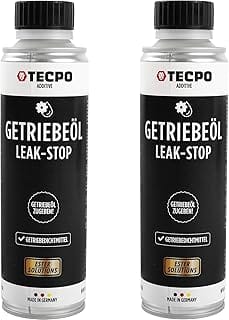
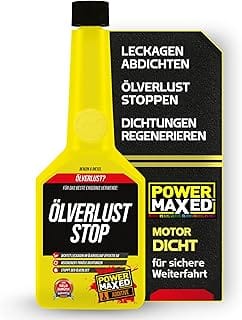
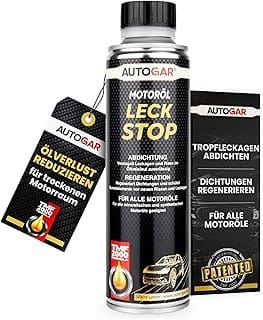
They can temporarily slow small seepages but won’t fix major gasket failures. Think of them as a temporary bandaid, not a real solution.
4. Why is my car leaking oil after an oil change?
Likely reasons include:
-
Loose filter
-
Old gasket stuck
-
Drain plug not sealed
-
Incorrect oil type
5. How do I know if it’s engine oil or transmission fluid?
Engine oil is typically brown or black. Transmission fluid is red or dark red. The location of the puddle also provides clues.
6. Will switching to synthetic oil cause leaks?
Synthetic oil doesn’t create leaks, but it can make existing weak spots more visible because of its superior flow properties.
Oil leaks might seem intimidating at first, but most of them follow predictable patterns. Once you understand how to trace the source, evaluate the severity, and apply the right fix, the process becomes manageable—even empowering.
The key is acting early. Small leaks rarely stay small, and your engine’s health depends on a steady supply of clean, well-contained oil. Whether you tackle the repair yourself or visit a trusted mechanic, the knowledge you’ve gained here will help you make confident, informed decisions.
Keeping your engine leak-free isn’t just good maintenance—it’s peace of mind every time you start the car.
Top How To Find And Fix An Engine Oil Leak – Our Picks