Carbon Buildup Cleaning: Complete Guide
Carbon Buildup Cleaning: The Complete Engine Decarbonization Guide
Carbon buildup cleaning removes carbon deposits, soot, and varnish from an engine’s intake valves, combustion chambers, and fuel injectors. It is a mechanical intervention, not a cosmetic detail. It restores the engine’s ability to breathe, compress, and burn fuel efficiently. Left unchecked, these deposits act as an insulating layer. They disrupt airflow, alter compression ratios, and create hot spots that trigger pre-ignition. For direct-injection engines, fuel never washes over the intake valves. So carbon buildup is not a question of if it occurs, but when it becomes severe enough to degrade performance.
This guide covers the full spectrum of decarbonization methods. It ranges from chemical additives you pour into the fuel tank to walnut blasting, which physically abrades deposits off valve faces. You will learn how each method works, what it costs, and which tools are required. Critically, you will learn which approach suits your specific engine type. We will examine the power restoration you can realistically expect. We will also cover the safety precautions that separate professional work from costly mistakes. And we will list the warning signs that your engine actually needs this service. The goal is to give you a decision framework based on real data, not marketing claims.
What sets this guide apart is its emphasis on honest comparison and measurable outcomes. We do not just list products. We analyze why a chemical cleaner that works on port-injection engines often fails on direct-injection systems. We also explain why walnut blasting remains the gold standard, despite being the most labor-intensive option. You will get the cost breakdown for DIY versus professional service. You will also learn the specific tools you need for each method. And you will know the limitations before you spend a dime. By the end, you will know exactly which decarbonization method matches your engine’s architecture, your skill level, and your budget.
What Is Carbon Buildup Cleaning and Why Your Engine Needs It

Carbon buildup cleaning is the process of removing hardened carbon deposits from critical engine components, primarily intake valves, combustion chambers, and fuel injectors. Think of it as removing the crusty residue that forms inside your engine over thousands of miles. That residue is a byproduct of incomplete combustion — fuel and oil that don’t burn completely leave behind sticky, tar-like carbon that gradually hardens into a tough, insulating layer.
The Science of Carbon Deposits: How They Form and Where They Accumulate
Carbon deposits form through a combination of thermal degradation and chemical reactions. When fuel burns, it produces carbon particles (soot). In port-injection engines, fuel spray naturally washes over the intake valves, keeping them relatively clean. But in direct-injection (DI) engines, fuel is sprayed directly into the combustion chamber, bypassing the intake valves entirely. This means oil vapors from the PCV system and blow-by gases can bake onto hot valve stems, forming hard, crusty deposits over time.
The accumulation typically occurs in four primary zones: intake valve faces and stems, combustion chamber surfaces (piston crowns and cylinder head), fuel injector tips, and EGR passages. Each location produces distinct symptoms. Valve deposits restrict airflow, reducing volumetric efficiency. Combustion chamber deposits increase compression ratio and create hot spots that cause knocking. Injector deposits disrupt fuel spray patterns, leading to incomplete combustion and higher emissions.
Direct Injection vs. Port Injection: Why Modern Engines Are More Prone
The shift toward direct injection has been driven by stricter fuel economy and emissions standards. DI engines deliver fuel at high pressure directly into the cylinder, allowing precise air-fuel mixture control and higher compression ratios. However, this design sacrifices the self-cleaning benefit of port injection. With no fuel washing over the intake valves, oil and carbon accumulate freely. Studies show that DI engines can lose 10-20% of their intake airflow within 50,000 miles due to valve deposits alone.
Port-injection engines, by contrast, benefit from the detergent additives in fuel that continuously clean the intake valves. While port-injection engines can still develop combustion chamber deposits, the intake valve problem is largely mitigated. Some modern engines use a hybrid approach — port injection for low-load operation and direct injection for high-load — which helps reduce but doesn’t eliminate carbon buildup. Understanding your engine’s architecture is the first step in determining which cleaning method will be effective.
The Real Cost of Ignoring Carbon Buildup
The Real Cost of Ignoring Carbon Buildup
The Real Cost of Ignoring Carbon Buildup
Ignoring carbon buildup doesn’t just mean slightly reduced performance — it leads to cascading mechanical problems. As deposits thicken, the engine must work harder to draw air past restricted valves. This increases fuel consumption by 5-15% in severe cases. Combustion chamber deposits raise effective compression ratios, causing knock that the ECU tries to mitigate by retarding ignition timing, which further reduces power and efficiency.
Worse, carbon deposits can cause hot spots that ignite the air-fuel mixture prematurely (pre-ignition), which can crack pistons or bend connecting rods in extreme cases. EGR system clogging leads to higher NOx emissions and potential failure of the EGR valve itself, a costly replacement. Catalytic converters can also be damaged by the rich fuel mixture that results from poor combustion. The cumulative repair bill for ignoring carbon buildup can easily exceed $2,000, whereas proactive cleaning typically costs between $150 and $800 depending on the method.
7 Warning Signs Your Engine Has Carbon Buildup
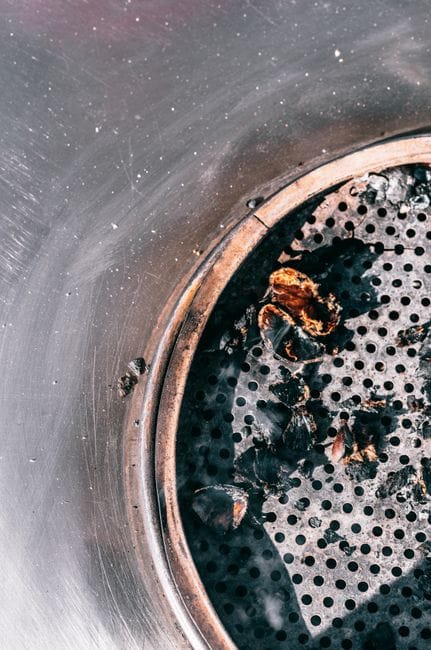
Identifying carbon buildup early can save you from expensive repairs. Here are the seven most common symptoms, ranked by how frequently they appear in affected vehicles.
Performance Symptoms: Rough Idle, Hesitation, and Power Loss
The most noticeable sign is a rough idle. Carbon deposits on valve seats prevent proper sealing, causing uneven cylinder pressure and a shaking or vibrating idle. You may also experience hesitation when accelerating — the engine stumbles or lags as it struggles to draw air past restricted valves. Power loss is gradual, so it’s easy to dismiss, but if your car feels noticeably slower than it did 20,000 miles ago, carbon buildup is a likely culprit.
Fuel Economy Decline and Increased Emissions
A drop in fuel economy of 2-3 MPG without any other obvious cause is a strong indicator. Restricted airflow forces the engine to run richer to maintain power, burning more fuel. Simultaneously, incomplete combustion increases hydrocarbon and CO emissions, which can cause your vehicle to fail an emissions test. If your check engine light illuminates with codes like P0171 (system too lean) or P0300 (random misfire), carbon buildup should be on your diagnostic list.
Cold Start Problems and Misfires
Carbon deposits absorb fuel like a sponge during cold starts, creating an overly rich mixture that causes hard starting, stumbling, or misfires until the engine warms up. This is particularly common in direct-injection engines. Misfires at idle or under light load are also classic symptoms, as deposits disrupt the precise air-fuel mixture needed for stable combustion at low RPM.
Check Engine Light and Diagnostic Trouble Codes
While not all carbon buildup triggers a check engine light, many cases eventually do. Common codes include P0300-P0306 (misfires), P0171/P0174 (lean conditions), and P0401 (insufficient EGR flow). If you’ve replaced spark plugs, ignition coils, and oxygen sensors without resolving these codes, carbon buildup is a strong possibility. A borescope inspection of the intake valves and combustion chamber is the definitive diagnostic method.
Knocking or Pinging Sounds Under Load
Carbon deposits in the combustion chamber reduce the available volume, effectively raising the compression ratio. This makes the engine more prone to detonation — the spontaneous, uncontrolled combustion of the air-fuel mixture that produces a metallic knocking or pinging sound, especially under heavy load or when climbing hills. The ECU will retard timing to protect the engine, but this further reduces power and efficiency.
Reduced Throttle Response and Hesitation
If pressing the accelerator feels laggy or the engine seems to “think” before responding, restricted intake airflow is often the cause. Carbon buildup on throttle plates and intake runners disrupts the smooth flow of air, making the engine feel sluggish and unresponsive. This symptom is often misdiagnosed as a faulty throttle position sensor or accelerator pedal position sensor.
Unusual Engine Vibrations and Roughness
Beyond idle roughness, carbon buildup can cause vibrations that are felt through the steering wheel, seat, or floorboard during acceleration. This is caused by uneven cylinder-to-cylinder power output — some cylinders are producing less power due to restricted airflow or altered compression, creating an imbalance that manifests as vibration. If you notice a new, persistent vibration that isn’t related to tires or drivetrain components, carbon buildup deserves investigation.
Carbon Buildup Cleaning Methods: From Chemical to Mechanical

Chemical Cleaners: Fuel Additives and Top Engine Cleaners
Chemical cleaning is the least invasive and most accessible method. Fuel additives like Seafoam, CRC GDI IVD, and Liqui Moly are poured into the fuel tank or introduced through a vacuum line. These solvents dissolve carbon deposits over time, but their effectiveness varies dramatically by engine type. For port-injection engines, fuel additives work well because the fuel washes over the intake valves. For direct-injection engines, however, fuel additives never touch the intake valves — they only clean the combustion chamber and injectors. Top engine cleaners (like Seafoam’s “top engine clean” procedure) involve slowly introducing the solvent through a vacuum line while the engine runs, allowing it to reach the intake valves directly. This method can soften deposits but rarely removes heavy buildup completely.
Walnut Blasting: The Gold Standard for Direct Injection
Walnut blasting is the most effective method for removing carbon deposits from intake valves, particularly in direct-injection engines. The process involves removing the intake manifold, sealing the intake ports, and blasting crushed walnut shells at high pressure onto the valve faces. The walnut shells are hard enough to abrade carbon but soft enough to avoid damaging metal surfaces. After blasting, the debris is vacuumed out, leaving clean valves. This method is labor-intensive, requiring 3-5 hours of shop time, but it delivers near-100% deposit removal. Costs typically range from $400 to $800 depending on the vehicle and shop rates. Walnut blasting is widely considered the definitive solution for severe carbon buildup.
Media Blasting Alternatives: Soda, Glass Bead, and Dry Ice
Beyond walnut shells, other media are used for carbon removal. Soda blasting (sodium bicarbonate) is gentler and water-soluble, making it easier to clean up, but it’s less aggressive and may require multiple passes. Glass bead blasting is more abrasive and can damage aluminum surfaces if not carefully controlled, so it’s rarely used on intake valves. Dry ice blasting (CO2 pellets) is a newer method that uses frozen CO2 pellets that sublimate on impact, lifting carbon deposits without leaving any residual media. It’s fast and clean but requires specialized equipment that many shops don’t have, making it more expensive. For most DIY enthusiasts, walnut blasting remains the most practical and proven option.
Manual Cleaning: Brushes, Solvents, and Borescope-Guided Work
Manual cleaning involves physically scrubbing deposits with brass or nylon brushes, often combined with chemical solvents. This method is typically used for accessible components like throttle bodies, EGR valves, and MAF sensors. For intake valves, manual cleaning requires removing the intake manifold and using a borescope to guide brushes into the ports. While this method is cheaper than walnut blasting (no specialized blasting equipment needed), it’s time-consuming and less thorough — you can’t reach every crevice with a brush. Manual cleaning is best suited for light to moderate buildup or as a maintenance step between walnut blasting sessions.
Ultrasonic Cleaning: Precision for Injectors and Small Parts
Ultrasonic cleaning uses high-frequency sound waves in a heated solvent bath to dislodge deposits from parts. This method is highly effective for fuel injectors, which can be removed and placed in an ultrasonic cleaner to restore proper spray patterns. It’s also used for cleaning EGR valves, throttle bodies, and other small components. Ultrasonic cleaning is precise and non-destructive, but it requires removing the parts from the engine, which adds labor time. For injectors specifically, ultrasonic cleaning is often the best option because it restores the fine internal passages that chemical additives can’t reach.
Hydrogen Carbon Cleaning: The Modern In-Situ Solution
Hydrogen carbon cleaning (also called hydrogen decarbonization or “HHO” cleaning) is a relatively new method that involves feeding a hydrogen-oxygen gas mixture into the engine’s intake while it runs at idle. The hydrogen reacts with carbon deposits, converting them to carbon dioxide and water vapor, which exit through the exhaust. This process takes 30-60 minutes and requires no disassembly. It’s effective for combustion chamber deposits and can partially clean intake valves, but it’s less thorough than walnut blasting for heavy valve deposits. Costs range from $100 to $300. This method is growing in popularity because it’s fast, non-invasive, and environmentally friendly, but results vary based on deposit severity.
Tools and Equipment: What You Need for Each Method

Essential Tools for Chemical Cleaning
Chemical cleaning requires minimal equipment. You’ll need the cleaning product itself (Seafoam, CRC, or similar), a vacuum line adapter if using a top engine cleaner, and basic hand tools to access the vacuum line. A funnel for pouring additives into the fuel tank is also helpful. For top engine cleaning, you’ll need a spray bottle or the product’s applicator tube, plus rags to catch any overflow. Total tool investment: under $50.
Walnut Blasting Equipment: Blaster, Media, and Safety Gear
Walnut blasting requires a media blaster (either a dedicated unit or a universal blaster with a nozzle attachment), crushed walnut shells (typically 12-20 mesh), an air compressor with at least 10 CFM at 90 PSI, a vacuum with a fine filter to collect debris, and a way to seal intake ports (often using a specialized adapter kit or tape). You’ll also need a borescope to inspect the valves before and after. Safety gear includes safety glasses, a respirator (walnut dust is fine and can irritate lungs), and gloves. Professional-grade blasters cost $200-$500, while DIY kits can be assembled for around $150 if you already have a compressor.
Manual Cleaning Tools: Brushes, Picks, and Solvents
Manual cleaning requires a set of brass or nylon brushes in various sizes (including small ones for valve guides), a pick set for scraping stubborn deposits, and a high-quality solvent like CRC GDI Valve Cleaner or Berryman’s B-12. A borescope is essential for guiding your work and verifying results. You’ll also need standard hand tools to remove the intake manifold and other components. Total tool investment: $100-$300 depending on the quality of your borescope and brushes.
Ultrasonic Cleaner Specifications for Injectors
For ultrasonic cleaning of fuel injectors, you need an ultrasonic cleaner with a tank large enough to hold the injectors (typically 2-6 liters), a suitable cleaning solution (often a mix of water and a specialized injector cleaner), and a way to test injector flow after cleaning. Professional ultrasonic cleaners cost $100-$400. You’ll also need injector removal tools and new o-rings for reassembly. Some shops use a flow bench to verify injector performance, but this is optional for DIY work.
Safety Equipment: Gloves, Eye Protection, and Ventilation
Regardless of method, safety equipment is non-negotiable. Chemical solvents are flammable and can cause skin irritation — wear nitrile gloves and safety glasses. Walnut blasting creates fine dust that can damage lungs — wear a respirator rated for particulate matter (N95 or better). Hydrogen cleaning produces hydrogen gas, which is flammable — ensure the work area is well-ventilated and free of ignition sources. Always work in a well-ventilated area, ideally outdoors or with an exhaust fan. Never smoke or use open flames near any cleaning chemicals.
Cost-Benefit Analysis: DIY vs. Professional Service

DIY Costs: Tools, Materials, and Time Investment
DIY carbon cleaning costs vary by method. Chemical cleaning is the cheapest: $10-$30 for additives, plus your time (30 minutes to 2 hours). Manual cleaning costs $50-$150 in tools and materials, plus 4-8 hours of labor. Walnut blasting DIY requires a $150-$500 investment in equipment (if you don’t already own a compressor), plus $30-$50 in walnut media, and 5-10 hours of labor for your first attempt. Ultrasonic cleaning costs $100-$400 for the cleaner, plus $20-$50 in solution and new o-rings. The key hidden cost is the risk of mistakes — a botched walnut blasting job can damage valve seals or drop debris into the cylinder, leading to expensive repairs.
Professional Service Costs: What You Pay For
Professional carbon cleaning services range from $100 for a hydrogen cleaning to $400-$800 for walnut blasting. Ultrasonic injector cleaning typically costs $150-$300 (including removal and reinstallation). Professional services include the benefit of experience, proper equipment, and often a warranty on the work. Shops also have access to specialized tools like flow benches and commercial-grade blasters that produce more consistent results. The labor cost is the bulk of the price — a walnut blasting job
takes 3-5 hours of shop time, which at $100-$150 per hour explains the $400-$800 price tag. Hydrogen cleaning is the cheapest professional option because it requires minimal disassembly and only 30-60 minutes of machine time.
When DIY Makes Sense vs. When to Hire a Professional
DIY chemical cleaning is a no-brainer for port-injection engines — it’s cheap, safe, and effective for maintenance. DIY manual cleaning of throttle bodies and EGR valves is also reasonable for mechanically inclined owners. However, DIY walnut blasting is only advisable if you have prior engine disassembly experience, a good borescope, and the patience to work methodically. The risk of dropping debris into the cylinder or damaging valve seals is real, and the cost of a mistake far exceeds the savings. For direct-injection engines with severe buildup, professional walnut blasting is almost always worth the premium. Hydrogen cleaning is a good middle ground — affordable enough for DIY at some shops, but the equipment is rarely available to home users.
Long-Term Value: How Often Should You Clean?
The frequency of carbon cleaning depends on your engine type, driving habits, and oil quality. Direct-injection engines typically need intake valve cleaning every 40,000-60,000 miles. Port-injection engines may never need it if you use quality fuel with detergent additives. Combustion chamber cleaning via chemical additives can be done every 10,000-15,000 miles as preventive maintenance. The cost-benefit calculation favors proactive cleaning: spending $150 on a hydrogen cleaning every 30,000 miles is far cheaper than replacing a catalytic converter ($800-$1,500) or dealing with pre-ignition damage ($2,000+). Track your fuel economy and performance — when you notice a 5% decline, it’s time to clean.
Prevention Strategies: How to Minimize Carbon Buildup

Fuel Quality and Detergent Additives
Using Top Tier certified gasoline is the single most effective preventive measure. Top Tier fuels contain higher concentrations of detergent additives that keep intake valves and injectors clean. For direct-injection engines, these additives help clean injectors and combustion chambers, though they still can’t reach the intake valves. Adding a fuel system cleaner like Techron or Chevron’s proprietary additive every 5,000 miles can help maintain injector health and prevent combustion chamber deposits from hardening.
Oil Maintenance: PCV System and Oil Catch Cans
Oil vapors are the primary source of intake valve deposits in direct-injection engines. The PCV (positive crankcase ventilation) system routes blow-by gases back into the intake, where oil condenses on valves. Regular oil changes with high-quality synthetic oil reduce the amount of oil vapor produced. Installing an oil catch can in the PCV line traps oil and moisture before it reaches the intake, significantly reducing deposit formation. Catch cans cost $50-$200 and are a popular modification for DI engine owners. Cleaning or replacing the PCV valve every 30,000 miles is also essential — a clogged PCV valve increases crankcase pressure and oil consumption.
Driving Habits: Italian Tune-Up and Sustained High RPM
The “Italian tune-up” — driving at sustained high RPM (3,500-4,500) for 15-20 minutes — can help burn off soft carbon deposits in the combustion chamber. This works because high exhaust temperatures and increased cylinder pressure help oxidize carbon. While it won’t remove hard, baked-on valve deposits, it can prevent them from forming in the first place. Short trips where the engine never reaches operating temperature are the worst for carbon buildup — the engine runs rich, and deposits never get hot enough to burn off. If you primarily drive short distances, take your car on a highway run at least once a week.
EGR System Maintenance
The EGR (exhaust gas recirculation) system routes a portion of exhaust gas back into the intake to reduce NOx emissions. This exhaust gas contains soot and carbon that can clog EGR passages and the EGR valve itself. Regular cleaning of the EGR valve and passages (every 30,000-50,000 miles) prevents clogging and ensures proper operation. A clogged EGR system can cause rough idle, increased emissions, and reduced fuel economy. Some vehicles have EGR coolers that can also clog, leading to overheating and coolant loss. Using a quality fuel additive that includes EGR cleaner can help, but physical cleaning is sometimes necessary.
When to Consider an Oil Catch Can or PCV Reroute
For direct-injection engines, an oil catch can is the most effective preventive upgrade. It intercepts oil vapor before it reaches the intake manifold, dramatically reducing valve deposits. However, catch cans require periodic emptying (every 1,000-3,000 miles depending on driving conditions) and can freeze in cold climates if not properly insulated. Some owners opt for a PCV reroute that vents crankcase gases to the atmosphere (illegal in many areas due to emissions regulations). A simpler alternative is using a high-quality synthetic oil with lower volatility, which produces less vapor. If you’re planning to keep your DI vehicle for 100,000+ miles, a catch can is a worthwhile investment.
Safety Considerations and Common Mistakes to Avoid

Chemical Safety: Flammability, Fumes, and Skin Contact
Most carbon cleaning chemicals are petroleum-based and highly flammable. Always work in a well-ventilated area away from open flames, sparks, or hot engine surfaces. Many solvents produce toxic fumes that can cause dizziness, headaches, or respiratory irritation — wear a respirator if working indoors. Nitrile gloves protect your skin from chemical burns and absorption. If you spill solvent on your skin, wash immediately with soap and water. Never pour solvents down drains or onto the ground — dispose of them at a hazardous waste facility.
Engine Safety: Preventing Hydrolock and Debris Ingestion
Hydrolock is a catastrophic engine failure caused by liquid entering the cylinder, which cannot be compressed. When using top engine cleaners, introduce the solvent slowly and in small amounts to avoid flooding the cylinders. If you suspect liquid has entered a cylinder, remove the spark plugs and crank the engine to expel it before attempting to start. During walnut blasting, ensure the intake ports are properly sealed and the vacuum is running to prevent media from falling into the cylinders. Always rotate the crankshaft to close the valves before blasting each port.
Tool Safety: Compressed Air and Media Blasting Precautions
Compressed air is dangerous — always wear safety glasses and never point an air nozzle at yourself or others. Media blasting creates high-velocity particles that can cause serious eye injuries and skin abrasions. Wear a full-face shield, heavy gloves, and a respirator. Ensure your air compressor is rated for continuous use and has a moisture trap to prevent water from contaminating the media. When using an ultrasonic cleaner, never operate it without the proper solution level — running it dry can damage the transducer. Unplug the unit before cleaning or changing the solution.
Common DIY Mistakes: Over-Solvent, Under-Torque, and Misdiagnosis
The most common DIY mistake is using too much chemical cleaner, which can hydrolock the engine or damage oxygen sensors and catalytic converters. Always follow the product’s instructions precisely. Another frequent error is under-torquing or over-torquing bolts when reassembling the intake manifold — use a torque wrench and follow manufacturer specifications. Misdiagnosis is also common: carbon buildup symptoms overlap with faulty spark plugs, coils, or fuel injectors. Always perform a thorough diagnostic (including a borescope inspection) before committing to a cleaning method. Finally, don’t skip the final step — after cleaning, change the oil and oil filter, as solvents and dislodged carbon can contaminate the oil.
When to Stop and Call a Professional
If you encounter seized bolts, stripped threads, or components that won’t come apart, stop and reassess. If you don’t have the correct tools or workspace, or if you’re unsure about any step, professional help is cheaper than a ruined engine. Signs that you’re in over your head include: you can’t identify a vacuum line, you don’t have a torque wrench, or you’ve never removed an intake manifold before. Carbon cleaning is a moderately advanced DIY job — it’s not for beginners. If in doubt, pay a professional. The $400-$800 cost of walnut blasting is far less than the $3,000-$5,000 cost of a new engine.
Frequently Asked Questions About Carbon Buildup Cleaning

How Much Power Will I Gain After Cleaning?
How Much Power Will I Gain After Cleaning?
How Much Power Will I Gain After Cleaning?
Power restoration depends on the severity of buildup. In severe cases where intake airflow is restricted by 20%, you
Carbon buildup cleaning removes carbon deposits, soot, and varnish from an engine’s intake valves, combustion chambers, and fuel injectors. It is a mechanical intervention, not a cosmetic detail. It restores the engine’s ability to breathe, compress, and burn fuel efficiently. Left unchecked, these deposits act as an insulating layer. They disrupt airflow, alter compression ratios, and create hot spots that trigger pre-ignition. For direct-injection engines, fuel never washes over the intake valves. So carbon buildup is not a question of if it occurs, but when it becomes severe enough to degrade performance.
This guide covers the full spectrum of decarbonization methods. It ranges from chemical additives you pour into the fuel tank to walnut blasting, which physically abrades deposits off valve faces. You will learn how each method works, what it costs, and which tools are required. Critically, you will learn which approach suits your specific engine type. We will examine the power restoration you can realistically expect. We will also cover the safety precautions that separate professional work from costly mistakes. And we will list the warning signs that your engine actually needs this service. The goal is to give you a decision framework based on real data, not marketing claims.
What sets this guide apart is its emphasis on honest comparison and measurable outcomes. We do not just list products. We analyze why a chemical cleaner that works on port-injection engines often fails on direct-injection systems. We also explain why walnut blasting remains the gold standard, despite being the most labor-intensive option. You will get the cost breakdown for DIY versus professional service. You will also learn the specific tools you need for each method. And you will know the limitations before you spend a dime. By the end, you will know exactly which decarbonization method matches your engine’s architecture, your skill level, and your budget.
What Is Carbon Buildup Cleaning and Why Your Engine Needs It
Carbon buildup cleaning is the process of removing hardened carbon deposits from critical engine components, primarily intake valves, combustion chambers, and fuel injectors. Think of it as removing the crusty residue that forms inside your engine over thousands of miles. That residue is a byproduct of incomplete combustion — fuel and oil that don’t burn completely leave behind sticky, tar-like carbon that gradually hardens into a tough, insulating layer.
The Science of Carbon Deposits: How They Form and Where They Accumulate
Carbon deposits form through a combination of thermal degradation and chemical reactions. When fuel burns, it produces carbon particles (soot). In port-injection engines, fuel spray naturally washes over the intake valves, keeping them relatively clean. But in direct-injection (DI) engines, fuel is sprayed directly into the combustion chamber, bypassing the intake valves entirely. This means oil vapors from the PCV system and blow-by gases can bake onto hot valve stems, forming hard, crusty deposits over time.
The accumulation typically occurs in four primary zones: intake valve faces and stems, combustion chamber surfaces (piston crowns and cylinder head), fuel injector tips, and EGR passages. Each location produces distinct symptoms. Valve deposits restrict airflow, reducing volumetric efficiency. Combustion chamber deposits increase compression ratio and create hot spots that cause knocking. Injector deposits disrupt fuel spray patterns, leading to incomplete combustion and higher emissions.
Direct Injection vs. Port Injection: Why Modern Engines Are More Prone
The shift toward direct injection has been driven by stricter fuel economy and emissions standards. DI engines deliver fuel at high pressure directly into the cylinder, allowing precise air-fuel mixture control and higher compression ratios. However, this design sacrifices the self-cleaning benefit of port injection. With no fuel washing over the intake valves, oil and carbon accumulate freely. Studies show that DI engines can lose 10-20% of their intake airflow within 50,000 miles due to valve deposits alone.
Port-injection engines, by contrast, benefit from the detergent additives in fuel that continuously clean the intake valves. While port-injection engines can still develop combustion chamber deposits, the intake valve problem is largely mitigated. Some modern engines use a hybrid approach — port injection for low-load operation and direct injection for high-load — which helps reduce but doesn’t eliminate carbon buildup. Understanding your engine’s architecture is the first step in determining which cleaning method will be effective.
The Real Cost of Ignoring Carbon Buildup
The Real Cost of Ignoring Carbon Buildup
The Real Cost of Ignoring Carbon Buildup
Ignoring carbon buildup doesn’t just mean slightly reduced performance — it leads to cascading mechanical problems. As deposits thicken, the engine must work harder to draw air past restricted valves. This increases fuel consumption by 5-15% in severe cases. Combustion chamber deposits raise effective compression ratios, causing knock that the ECU tries to mitigate by retarding ignition timing, which further reduces power and efficiency.
Worse, carbon deposits can cause hot spots that ignite the air-fuel mixture prematurely (pre-ignition), which can crack pistons or bend connecting rods in extreme cases. EGR system clogging leads to higher NOx emissions and potential failure of the EGR valve itself, a costly replacement. Catalytic converters can also be damaged by the rich fuel mixture that results from poor combustion. The cumulative repair bill for ignoring carbon buildup can easily exceed $2,000, whereas proactive cleaning typically costs between $150 and $800 depending on the method.
7 Warning Signs Your Engine Has Carbon Buildup
Identifying carbon buildup early can save you from expensive repairs. Here are the seven most common symptoms, ranked by how frequently they appear in affected vehicles.
Performance Symptoms: Rough Idle, Hesitation, and Power Loss
The most noticeable sign is a rough idle. Carbon deposits on valve seats prevent proper sealing, causing uneven cylinder pressure and a shaking or vibrating idle. You may also experience hesitation when accelerating — the engine stumbles or lags as it struggles to draw air past restricted valves. Power loss is gradual, so it’s easy to dismiss, but if your car feels noticeably slower than it did 20,000 miles ago, carbon buildup is a likely culprit.
Fuel Economy Decline and Increased Emissions
A drop in fuel economy of 2-3 MPG without any other obvious cause is a strong indicator. Restricted airflow forces the engine to run richer to maintain power, burning more fuel. Simultaneously, incomplete combustion increases hydrocarbon and CO emissions, which can cause your vehicle to fail an emissions test. If your check engine light illuminates with codes like P0171 (system too lean) or P0300 (random misfire), carbon buildup should be on your diagnostic list.
Cold Start Problems and Misfires
Carbon deposits absorb fuel like a sponge during cold starts, creating an overly rich mixture that causes hard starting, stumbling, or misfires until the engine warms up. This is particularly common in direct-injection engines. Misfires at idle or under light load are also classic symptoms, as deposits disrupt the precise air-fuel mixture needed for stable combustion at low RPM.
Check Engine Light and Diagnostic Trouble Codes
While not all carbon buildup triggers a check engine light, many cases eventually do. Common codes include P0300-P0306 (misfires), P0171/P0174 (lean conditions), and P0401 (insufficient EGR flow). If you’ve replaced spark plugs, ignition coils, and oxygen sensors without resolving these codes, carbon buildup is a strong possibility. A borescope inspection of the intake valves and combustion chamber is the definitive diagnostic method.
Knocking or Pinging Sounds Under Load
Carbon deposits in the combustion chamber reduce the available volume, effectively raising the compression ratio. This makes the engine more prone to detonation — the spontaneous, uncontrolled combustion of the air-fuel mixture that produces a metallic knocking or pinging sound, especially under heavy load or when climbing hills. The ECU will retard timing to protect the engine, but this further reduces power and efficiency.
Reduced Throttle Response and Hesitation
If pressing the accelerator feels laggy or the engine seems to “think” before responding, restricted intake airflow is often the cause. Carbon buildup on throttle plates and intake runners disrupts the smooth flow of air, making the engine feel sluggish and unresponsive. This symptom is often misdiagnosed as a faulty throttle position sensor or accelerator pedal position sensor.
Unusual Engine Vibrations and Roughness
Beyond idle roughness, carbon buildup can cause vibrations that are felt through the steering wheel, seat, or floorboard during acceleration. This is caused by uneven cylinder-to-cylinder power output — some cylinders are producing less power due to restricted airflow or altered compression, creating an imbalance that manifests as vibration. If you notice a new, persistent vibration that isn’t related to tires or drivetrain components, carbon buildup deserves investigation.
Carbon Buildup Cleaning Methods: From Chemical to Mechanical
Chemical Cleaners: Fuel Additives and Top Engine Cleaners
Chemical cleaning is the least invasive and most accessible method. Fuel additives like Seafoam, CRC GDI IVD, and Liqui Moly are poured into the fuel tank or introduced through a vacuum line. These solvents dissolve carbon deposits over time, but their effectiveness varies dramatically by engine type. For port-injection engines, fuel additives work well because the fuel washes over the intake valves. For direct-injection engines, however, fuel additives never touch the intake valves — they only clean the combustion chamber and injectors. Top engine cleaners (like Seafoam’s “top engine clean” procedure) involve slowly introducing the solvent through a vacuum line while the engine runs, allowing it to reach the intake valves directly. This method can soften deposits but rarely removes heavy buildup completely.
Walnut Blasting: The Gold Standard for Direct Injection
Walnut blasting is the most effective method for removing carbon deposits from intake valves, particularly in direct-injection engines. The process involves removing the intake manifold, sealing the intake ports, and blasting crushed walnut shells at high pressure onto the valve faces. The walnut shells are hard enough to abrade carbon but soft enough to avoid damaging metal surfaces. After blasting, the debris is vacuumed out, leaving clean valves. This method is labor-intensive, requiring 3-5 hours of shop time, but it delivers near-100% deposit removal. Costs typically range from $400 to $800 depending on the vehicle and shop rates. Walnut blasting is widely considered the definitive solution for severe carbon buildup.
Media Blasting Alternatives: Soda, Glass Bead, and Dry Ice
Beyond walnut shells, other media are used for carbon removal. Soda blasting (sodium bicarbonate) is gentler and water-soluble, making it easier to clean up, but it’s less aggressive and may require multiple passes. Glass bead blasting is more abrasive and can damage aluminum surfaces if not carefully controlled, so it’s rarely used on intake valves. Dry ice blasting (CO2 pellets) is a newer method that uses frozen CO2 pellets that sublimate on impact, lifting carbon deposits without leaving any residual media. It’s fast and clean but requires specialized equipment that many shops don’t have, making it more expensive. For most DIY enthusiasts, walnut blasting remains the most practical and proven option.
Manual Cleaning: Brushes, Solvents, and Borescope-Guided Work
Manual cleaning involves physically scrubbing deposits with brass or nylon brushes, often combined with chemical solvents. This method is typically used for accessible components like throttle bodies, EGR valves, and MAF sensors. For intake valves, manual cleaning requires removing the intake manifold and using a borescope to guide brushes into the ports. While this method is cheaper than walnut blasting (no specialized blasting equipment needed), it’s time-consuming and less thorough — you can’t reach every crevice with a brush. Manual cleaning is best suited for light to moderate buildup or as a maintenance step between walnut blasting sessions.
Ultrasonic Cleaning: Precision for Injectors and Small Parts
Ultrasonic cleaning uses high-frequency sound waves in a heated solvent bath to dislodge deposits from parts. This method is highly effective for fuel injectors, which can be removed and placed in an ultrasonic cleaner to restore proper spray patterns. It’s also used for cleaning EGR valves, throttle bodies, and other small components. Ultrasonic cleaning is precise and non-destructive, but it requires removing the parts from the engine, which adds labor time. For injectors specifically, ultrasonic cleaning is often the best option because it restores the fine internal passages that chemical additives can’t reach.
Hydrogen Carbon Cleaning: The Modern In-Situ Solution
Hydrogen carbon cleaning (also called hydrogen decarbonization or “HHO” cleaning) is a relatively new method that involves feeding a hydrogen-oxygen gas mixture into the engine’s intake while it runs at idle. The hydrogen reacts with carbon deposits, converting them to carbon dioxide and water vapor, which exit through the exhaust. This process takes 30-60 minutes and requires no disassembly. It’s effective for combustion chamber deposits and can partially clean intake valves, but it’s less thorough than walnut blasting for heavy valve deposits. Costs range from $100 to $300. This method is growing in popularity because it’s fast, non-invasive, and environmentally friendly, but results vary based on deposit severity.
Tools and Equipment: What You Need for Each Method
Essential Tools for Chemical Cleaning
Chemical cleaning requires minimal equipment. You’ll need the cleaning product itself (Seafoam, CRC, or similar), a vacuum line adapter if using a top engine cleaner, and basic hand tools to access the vacuum line. A funnel for pouring additives into the fuel tank is also helpful. For top engine cleaning, you’ll need a spray bottle or the product’s applicator tube, plus rags to catch any overflow. Total tool investment: under $50.
Walnut Blasting Equipment: Blaster, Media, and Safety Gear
Walnut blasting requires a media blaster (either a dedicated unit or a universal blaster with a nozzle attachment), crushed walnut shells (typically 12-20 mesh), an air compressor with at least 10 CFM at 90 PSI, a vacuum with a fine filter to collect debris, and a way to seal intake ports (often using a specialized adapter kit or tape). You’ll also need a borescope to inspect the valves before and after. Safety gear includes safety glasses, a respirator (walnut dust is fine and can irritate lungs), and gloves. Professional-grade blasters cost $200-$500, while DIY kits can be assembled for around $150 if you already have a compressor.
Manual Cleaning Tools: Brushes, Picks, and Solvents
Manual cleaning requires a set of brass or nylon brushes in various sizes (including small ones for valve guides), a pick set for scraping stubborn deposits, and a high-quality solvent like CRC GDI Valve Cleaner or Berryman’s B-12. A borescope is essential for guiding your work and verifying results. You’ll also need standard hand tools to remove the intake manifold and other components. Total tool investment: $100-$300 depending on the quality of your borescope and brushes.
Ultrasonic Cleaner Specifications for Injectors
For ultrasonic cleaning of fuel injectors, you need an ultrasonic cleaner with a tank large enough to hold the injectors (typically 2-6 liters), a suitable cleaning solution (often a mix of water and a specialized injector cleaner), and a way to test injector flow after cleaning. Professional ultrasonic cleaners cost $100-$400. You’ll also need injector removal tools and new o-rings for reassembly. Some shops use a flow bench to verify injector performance, but this is optional for DIY work.
Safety Equipment: Gloves, Eye Protection, and Ventilation
Regardless of method, safety equipment is non-negotiable. Chemical solvents are flammable and can cause skin irritation — wear nitrile gloves and safety glasses. Walnut blasting creates fine dust that can damage lungs — wear a respirator rated for particulate matter (N95 or better). Hydrogen cleaning produces hydrogen gas, which is flammable — ensure the work area is well-ventilated and free of ignition sources. Always work in a well-ventilated area, ideally outdoors or with an exhaust fan. Never smoke or use open flames near any cleaning chemicals.
Cost-Benefit Analysis: DIY vs. Professional Service
DIY Costs: Tools, Materials, and Time Investment
DIY carbon cleaning costs vary by method. Chemical cleaning is the cheapest: $10-$30 for additives, plus your time (30 minutes to 2 hours). Manual cleaning costs $50-$150 in tools and materials, plus 4-8 hours of labor. Walnut blasting DIY requires a $150-$500 investment in equipment (if you don’t already own a compressor), plus $30-$50 in walnut media, and 5-10 hours of labor for your first attempt. Ultrasonic cleaning costs $100-$400 for the cleaner, plus $20-$50 in solution and new o-rings. The key hidden cost is the risk of mistakes — a botched walnut blasting job can damage valve seals or drop debris into the cylinder, leading to expensive repairs.
Professional Service Costs: What You Pay For
Professional carbon cleaning services range from $100 for a hydrogen cleaning to $400-$800 for walnut blasting. Ultrasonic injector cleaning typically costs $150-$300 (including removal and reinstallation). Professional services include the benefit of experience, proper equipment, and often a warranty on the work. Shops also have access to specialized tools like flow benches and commercial-grade blasters that produce more consistent results. The labor cost is the bulk of the price — a walnut blasting job
takes 3-5 hours of shop time, which at $100-$150 per hour explains the $400-$800 price tag. Hydrogen cleaning is the cheapest professional option because it requires minimal disassembly and only 30-60 minutes of machine time.
When DIY Makes Sense vs. When to Hire a Professional
DIY chemical cleaning is a no-brainer for port-injection engines — it’s cheap, safe, and effective for maintenance. DIY manual cleaning of throttle bodies and EGR valves is also reasonable for mechanically inclined owners. However, DIY walnut blasting is only advisable if you have prior engine disassembly experience, a good borescope, and the patience to work methodically. The risk of dropping debris into the cylinder or damaging valve seals is real, and the cost of a mistake far exceeds the savings. For direct-injection engines with severe buildup, professional walnut blasting is almost always worth the premium. Hydrogen cleaning is a good middle ground — affordable enough for DIY at some shops, but the equipment is rarely available to home users.
Long-Term Value: How Often Should You Clean?
The frequency of carbon cleaning depends on your engine type, driving habits, and oil quality. Direct-injection engines typically need intake valve cleaning every 40,000-60,000 miles. Port-injection engines may never need it if you use quality fuel with detergent additives. Combustion chamber cleaning via chemical additives can be done every 10,000-15,000 miles as preventive maintenance. The cost-benefit calculation favors proactive cleaning: spending $150 on a hydrogen cleaning every 30,000 miles is far cheaper than replacing a catalytic converter ($800-$1,500) or dealing with pre-ignition damage ($2,000+). Track your fuel economy and performance — when you notice a 5% decline, it’s time to clean.
Prevention Strategies: How to Minimize Carbon Buildup
Fuel Quality and Detergent Additives
Using Top Tier certified gasoline is the single most effective preventive measure. Top Tier fuels contain higher concentrations of detergent additives that keep intake valves and injectors clean. For direct-injection engines, these additives help clean injectors and combustion chambers, though they still can’t reach the intake valves. Adding a fuel system cleaner like Techron or Chevron’s proprietary additive every 5,000 miles can help maintain injector health and prevent combustion chamber deposits from hardening.
Oil Maintenance: PCV System and Oil Catch Cans
Oil vapors are the primary source of intake valve deposits in direct-injection engines. The PCV (positive crankcase ventilation) system routes blow-by gases back into the intake, where oil condenses on valves. Regular oil changes with high-quality synthetic oil reduce the amount of oil vapor produced. Installing an oil catch can in the PCV line traps oil and moisture before it reaches the intake, significantly reducing deposit formation. Catch cans cost $50-$200 and are a popular modification for DI engine owners. Cleaning or replacing the PCV valve every 30,000 miles is also essential — a clogged PCV valve increases crankcase pressure and oil consumption.
Driving Habits: Italian Tune-Up and Sustained High RPM
The “Italian tune-up” — driving at sustained high RPM (3,500-4,500) for 15-20 minutes — can help burn off soft carbon deposits in the combustion chamber. This works because high exhaust temperatures and increased cylinder pressure help oxidize carbon. While it won’t remove hard, baked-on valve deposits, it can prevent them from forming in the first place. Short trips where the engine never reaches operating temperature are the worst for carbon buildup — the engine runs rich, and deposits never get hot enough to burn off. If you primarily drive short distances, take your car on a highway run at least once a week.
EGR System Maintenance
The EGR (exhaust gas recirculation) system routes a portion of exhaust gas back into the intake to reduce NOx emissions. This exhaust gas contains soot and carbon that can clog EGR passages and the EGR valve itself. Regular cleaning of the EGR valve and passages (every 30,000-50,000 miles) prevents clogging and ensures proper operation. A clogged EGR system can cause rough idle, increased emissions, and reduced fuel economy. Some vehicles have EGR coolers that can also clog, leading to overheating and coolant loss. Using a quality fuel additive that includes EGR cleaner can help, but physical cleaning is sometimes necessary.
When to Consider an Oil Catch Can or PCV Reroute
For direct-injection engines, an oil catch can is the most effective preventive upgrade. It intercepts oil vapor before it reaches the intake manifold, dramatically reducing valve deposits. However, catch cans require periodic emptying (every 1,000-3,000 miles depending on driving conditions) and can freeze in cold climates if not properly insulated. Some owners opt for a PCV reroute that vents crankcase gases to the atmosphere (illegal in many areas due to emissions regulations). A simpler alternative is using a high-quality synthetic oil with lower volatility, which produces less vapor. If you’re planning to keep your DI vehicle for 100,000+ miles, a catch can is a worthwhile investment.
Safety Considerations and Common Mistakes to Avoid
Chemical Safety: Flammability, Fumes, and Skin Contact
Most carbon cleaning chemicals are petroleum-based and highly flammable. Always work in a well-ventilated area away from open flames, sparks, or hot engine surfaces. Many solvents produce toxic fumes that can cause dizziness, headaches, or respiratory irritation — wear a respirator if working indoors. Nitrile gloves protect your skin from chemical burns and absorption. If you spill solvent on your skin, wash immediately with soap and water. Never pour solvents down drains or onto the ground — dispose of them at a hazardous waste facility.
Engine Safety: Preventing Hydrolock and Debris Ingestion
Hydrolock is a catastrophic engine failure caused by liquid entering the cylinder, which cannot be compressed. When using top engine cleaners, introduce the solvent slowly and in small amounts to avoid flooding the cylinders. If you suspect liquid has entered a cylinder, remove the spark plugs and crank the engine to expel it before attempting to start. During walnut blasting, ensure the intake ports are properly sealed and the vacuum is running to prevent media from falling into the cylinders. Always rotate the crankshaft to close the valves before blasting each port.
Tool Safety: Compressed Air and Media Blasting Precautions
Compressed air is dangerous — always wear safety glasses and never point an air nozzle at yourself or others. Media blasting creates high-velocity particles that can cause serious eye injuries and skin abrasions. Wear a full-face shield, heavy gloves, and a respirator. Ensure your air compressor is rated for continuous use and has a moisture trap to prevent water from contaminating the media. When using an ultrasonic cleaner, never operate it without the proper solution level — running it dry can damage the transducer. Unplug the unit before cleaning or changing the solution.
Common DIY Mistakes: Over-Solvent, Under-Torque, and Misdiagnosis
The most common DIY mistake is using too much chemical cleaner, which can hydrolock the engine or damage oxygen sensors and catalytic converters. Always follow the product’s instructions precisely. Another frequent error is under-torquing or over-torquing bolts when reassembling the intake manifold — use a torque wrench and follow manufacturer specifications. Misdiagnosis is also common: carbon buildup symptoms overlap with faulty spark plugs, coils, or fuel injectors. Always perform a thorough diagnostic (including a borescope inspection) before committing to a cleaning method. Finally, don’t skip the final step — after cleaning, change the oil and oil filter, as solvents and dislodged carbon can contaminate the oil.
When to Stop and Call a Professional
If you encounter seized bolts, stripped threads, or components that won’t come apart, stop and reassess. If you don’t have the correct tools or workspace, or if you’re unsure about any step, professional help is cheaper than a ruined engine. Signs that you’re in over your head include: you can’t identify a vacuum line, you don’t have a torque wrench, or you’ve never removed an intake manifold before. Carbon cleaning is a moderately advanced DIY job — it’s not for beginners. If in doubt, pay a professional. The $400-$800 cost of walnut blasting is far less than the $3,000-$5,000 cost of a new engine.
Frequently Asked Questions About Carbon Buildup Cleaning
How Much Power Will I Gain After Cleaning?
How Much Power Will I Gain After Cleaning?
How Much Power Will I Gain After Cleaning?
Power restoration depends on the severity of buildup. In severe cases where intake airflow is restricted by 20%, you
Carbon buildup cleaning removes carbon deposits, soot, and varnish from an engine’s intake valves, combustion chambers, and fuel injectors. It is a mechanical intervention, not a cosmetic detail. It restores the engine’s ability to breathe, compress, and burn fuel efficiently. Left unchecked, these deposits act as an insulating layer. They disrupt airflow, alter compression ratios, and create hot spots that trigger pre-ignition. For direct-injection engines, fuel never washes over the intake valves. So carbon buildup is not a question of if it occurs, but when it becomes severe enough to degrade performance.
This guide covers the full spectrum of decarbonization methods. It ranges from chemical additives you pour into the fuel tank to walnut blasting, which physically abrades deposits off valve faces. You will learn how each method works, what it costs, and which tools are required. Critically, you will learn which approach suits your specific engine type. We will examine the power restoration you can realistically expect. We will also cover the safety precautions that separate professional work from costly mistakes. And we will list the warning signs that your engine actually needs this service. The goal is to give you a decision framework based on real data, not marketing claims.
What sets this guide apart is its emphasis on honest comparison and measurable outcomes. We don’t just list products—we analyze why a chemical cleaner that works on port-injection engines often fails on direct-injection systems, and why walnut blasting remains the gold standard despite being the most labor-intensive option. You’ll also get the cost breakdown for DIY versus professional service, the specific tools you need for each method, and the limitations you should know before you spend a dime. By the end, you’ll know exactly which decarbonization method matches your engine’s architecture, your skill level, and your budget.
What Is Carbon Buildup Cleaning and Why Your Engine Needs It
Carbon buildup cleaning is the process of removing hardened carbon deposits from critical engine components, primarily intake valves, combustion chambers, and fuel injectors. Think of it as removing the crusty residue that forms inside your engine over thousands of miles. That residue is a byproduct of incomplete combustion — fuel and oil that don’t burn completely leave behind sticky, tar-like carbon that gradually hardens into a tough, insulating layer.
The Science of Carbon Deposits: How They Form and Where They Accumulate
Carbon deposits form through a combination of thermal degradation and chemical reactions. When fuel burns, it produces carbon particles (soot). In port-injection engines, fuel spray naturally washes over the intake valves, keeping them relatively clean. But in direct-injection (DI) engines, fuel is sprayed directly into the combustion chamber, bypassing the intake valves entirely. This means oil vapors from the PCV system and blow-by gases can bake onto hot valve stems, forming hard, crusty deposits over time.
The accumulation typically occurs in four primary zones: intake valve faces and stems, combustion chamber surfaces (piston crowns and cylinder head), fuel injector tips, and EGR passages. Each location produces distinct symptoms. Valve deposits restrict airflow, reducing volumetric efficiency. Combustion chamber deposits increase compression ratio and create hot spots that cause knocking. Injector deposits disrupt fuel spray patterns, leading to incomplete combustion and higher emissions.
Direct Injection vs. Port Injection: Why Modern Engines Are More Prone
The shift toward direct injection has been driven by stricter fuel economy and emissions standards. DI engines deliver fuel at high pressure directly into the cylinder, allowing precise air-fuel mixture control and higher compression ratios. However, this design sacrifices the self-cleaning benefit of port injection. With no fuel washing over the intake valves, oil and carbon accumulate freely. Studies show that DI engines can lose 10-20% of their intake airflow within 50,000 miles due to valve deposits alone.
Port-injection engines, by contrast, benefit from the detergent additives in fuel that continuously clean the intake valves. While port-injection engines can still develop combustion chamber deposits, the intake valve problem is largely mitigated. Some modern engines use a hybrid approach — port injection for low-load operation and direct injection for high-load — which helps reduce but doesn’t eliminate carbon buildup. Understanding your engine’s architecture is the first step in determining which cleaning method will be effective.
The Real Cost of Ignoring Carbon Buildup
The Real Cost of Ignoring Carbon Buildup
The Real Cost of Ignoring Carbon Buildup
Ignoring carbon buildup doesn’t just mean slightly reduced performance — it leads to cascading mechanical problems. As deposits thicken, the engine must work harder to draw air past restricted valves. This increases fuel consumption by 5-15% in severe cases. Combustion chamber deposits raise effective compression ratios, causing knock that the ECU tries to mitigate by retarding ignition timing, which further reduces power and efficiency.
Worse, carbon deposits can cause hot spots that ignite the air-fuel mixture prematurely (pre-ignition), which can crack pistons or bend connecting rods in extreme cases. EGR system clogging leads to higher NOx emissions and potential failure of the EGR valve itself, a costly replacement. Catalytic converters can also be damaged by the rich fuel mixture that results from poor combustion. The cumulative repair bill for ignoring carbon buildup can easily exceed $2,000, whereas proactive cleaning typically costs between $150 and $800 depending on the method.
7 Warning Signs Your Engine Has Carbon Buildup
Identifying carbon buildup early can save you from expensive repairs. Here are the seven most common symptoms, ranked by how frequently they appear in affected vehicles.
Performance Symptoms: Rough Idle, Hesitation, and Power Loss
The most noticeable sign is a rough idle. Carbon deposits on valve seats prevent proper sealing, causing uneven cylinder pressure and a shaking or vibrating idle. You may also experience hesitation when accelerating — the engine stumbles or lags as it struggles to draw air past restricted valves. Power loss is gradual, so it’s easy to dismiss, but if your car feels noticeably slower than it did 20,000 miles ago, carbon buildup is a likely culprit.
Fuel Economy Decline and Increased Emissions
A drop in fuel economy of 2-3 MPG without any other obvious cause is a strong indicator. Restricted airflow forces the engine to run richer to maintain power, burning more fuel. Simultaneously, incomplete combustion increases hydrocarbon and CO emissions, which can cause your vehicle to fail an emissions test. If your check engine light illuminates with codes like P0171 (system too lean) or P0300 (random misfire), carbon buildup should be on your diagnostic list.
Cold Start Problems and Misfires
Carbon deposits absorb fuel like a sponge during cold starts, creating an overly rich mixture that causes hard starting, stumbling, or misfires until the engine warms up. This is particularly common in direct-injection engines. Misfires at idle or under light load are also classic symptoms, as deposits disrupt the precise air-fuel mixture needed for stable combustion at low RPM.
Check Engine Light and Diagnostic Trouble Codes
While not all carbon buildup triggers a check engine light, many cases eventually do. Common codes include P0300-P0306 (misfires), P0171/P0174 (lean conditions), and P0401 (insufficient EGR flow). If you’ve replaced spark plugs, ignition coils, and oxygen sensors without resolving these codes, carbon buildup is a strong possibility. A borescope inspection of the intake valves and combustion chamber is the definitive diagnostic method.
Knocking or Pinging Sounds Under Load
Carbon deposits in the combustion chamber reduce the available volume, effectively raising the compression ratio. This makes the engine more prone to detonation — the spontaneous, uncontrolled combustion of the air-fuel mixture that produces a metallic knocking or pinging sound, especially under heavy load or when climbing hills. The ECU will retard timing to protect the engine, but this further reduces power and efficiency.
Reduced Throttle Response and Hesitation
If pressing the accelerator feels laggy or the engine seems to “think” before responding, restricted intake airflow is often the cause. Carbon buildup on throttle plates and intake runners disrupts the smooth flow of air, making the engine feel sluggish and unresponsive. This symptom is often misdiagnosed as a faulty throttle position sensor or accelerator pedal position sensor.
Unusual Engine Vibrations and Roughness
Unusual Engine Vibrations and Roughness
Unusual Engine Vibrations and Roughness
Beyond idle roughness, carbon buildup can cause vibrations that are felt through the steering wheel, seat, or floorboard during acceleration. This is caused by uneven cylinder-to-cylinder power output — some cylinders are producing less power due to restricted airflow or altered compression, creating an imbalance that manifests as vibration. If you notice a new, persistent vibration that isn’t related to tires or drivetrain components, carbon buildup deserves investigation.
Carbon Buildup Cleaning Methods: From Chemical to Mechanical
Carbon Buildup Cleaning: The Complete Engine Decarbonization Guide

Carbon buildup cleaning is the process of removing accumulated carbon deposits, soot, and varnish from an engine’s intake valves, combustion chambers, and fuel injectors. This isn’t a cosmetic detail—it’s a mechanical intervention that restores the engine’s ability to breathe, compress, and burn fuel efficiently. Left unchecked, these deposits act as an insulating layer that disrupts airflow, alters compression ratios, and creates hot spots that trigger pre-ignition. For direct-injection engines, where fuel never washes over the intake valves, carbon buildup isn’t a question of if it occurs, but when it becomes severe enough to degrade performance.
This guide covers the full spectrum of decarbonization methods—from chemical additives you pour into the fuel tank to walnut blasting, which physically abrades deposits off valve faces. You’ll learn how each method works, what it costs, which tools are required, and critically, which approach suits your specific engine type. We’ll examine the power restoration you can realistically expect, the safety precautions that separate professional work from costly mistakes, and the warning signs that your engine actually needs this service. The goal is to give you a decision framework based on real data, not marketing claims.
What sets this guide apart is its emphasis on honest comparison and measurable outcomes. We don’t just list products—we analyze why a chemical cleaner that works on port-injection engines often fails on direct-injection systems, and why walnut blasting remains the gold standard despite being the most labor-intensive option. You’ll also get the cost breakdown for DIY versus professional service, the specific tools you need for each method, and the limitations you should know before you spend a dime. By the end, you’ll know exactly which decarbonization method matches your engine’s architecture, your skill level, and your budget.
What Is Carbon Buildup Cleaning and Why Your Engine Needs It
Carbon buildup cleaning is the process of removing hardened carbon deposits from critical engine components, primarily intake valves, combustion chambers, and fuel injectors. Think of it as removing the crusty residue that forms inside your engine over thousands of miles. That residue is a byproduct of incomplete combustion — fuel and oil that don’t burn completely leave behind sticky, tar-like carbon that gradually hardens into a tough, insulating layer.
The Science of Carbon Deposits: How They Form and Where They Accumulate
Carbon deposits form through a combination of thermal degradation and chemical reactions. When fuel burns, it produces carbon particles (soot). In port-injection engines, fuel spray naturally washes over the intake valves, keeping them relatively clean. But in direct-injection (DI) engines, fuel is sprayed directly into the combustion chamber, bypassing the intake valves entirely. This means oil vapors from the PCV system and blow-by gases can bake onto hot valve stems, forming hard, crusty deposits over time.
The accumulation typically occurs in four primary zones: intake valve faces and stems, combustion chamber surfaces (piston crowns and cylinder head), fuel injector tips, and EGR passages. Each location produces distinct symptoms. Valve deposits restrict airflow, reducing volumetric efficiency. Combustion chamber deposits increase compression ratio and create hot spots that cause knocking. Injector deposits disrupt fuel spray patterns, leading to incomplete combustion and higher emissions.
Direct Injection vs. Port Injection: Why Modern Engines Are More Prone
The shift toward direct injection has been driven by stricter fuel economy and emissions standards. DI engines deliver fuel at high pressure directly into the cylinder, allowing precise air-fuel mixture control and higher compression ratios. However, this design sacrifices the self-cleaning benefit of port injection. With no fuel washing over the intake valves, oil and carbon accumulate freely. Studies show that DI engines can lose 10-20% of their intake airflow within 50,000 miles due to valve deposits alone.
Port-injection engines, by contrast, benefit from the detergent additives in fuel that continuously clean the intake valves. While port-injection engines can still develop combustion chamber deposits, the intake valve problem is largely mitigated. Some modern engines use a hybrid approach — port injection for low-load operation and direct injection for high-load — which helps reduce but doesn’t eliminate carbon buildup. Understanding your engine’s architecture is the first step in determining which cleaning method will be effective.
The Real Cost of Ignoring Carbon Buildup
The Real Cost of Ignoring Carbon Buildup
The Real Cost of Ignoring Carbon Buildup
Ignoring carbon buildup doesn’t just mean slightly reduced performance — it leads to cascading mechanical problems. As deposits thicken, the engine must work harder to draw air past restricted valves. This increases fuel consumption by 5-15% in severe cases. Combustion chamber deposits raise effective compression ratios, causing knock that the ECU tries to mitigate by retarding ignition timing, which further reduces power and efficiency.
Worse, carbon deposits can cause hot spots that ignite the air-fuel mixture prematurely (pre-ignition), which can crack pistons or bend connecting rods in extreme cases. EGR system clogging leads to higher NOx emissions and potential failure of the EGR valve itself, a costly replacement. Catalytic converters can also be damaged by the rich fuel mixture that results from poor combustion. The cumulative repair bill for ignoring carbon buildup can easily exceed $2,000, whereas proactive cleaning typically costs between $150 and $800 depending on the method.
7 Warning Signs Your Engine Has Carbon Buildup
Identifying carbon buildup early can save you from expensive repairs. Here are the seven most common symptoms, ranked by how frequently they appear in affected vehicles.
Performance Symptoms: Rough Idle, Hesitation, and Power Loss
The most noticeable sign is a rough idle. Carbon deposits on valve seats prevent proper sealing, causing uneven cylinder pressure and a shaking or vibrating idle. You may also experience hesitation when accelerating — the engine stumbles or lags as it struggles to draw air past restricted valves. Power loss is gradual, so it’s easy to dismiss, but if your car feels noticeably slower than it did 20,000 miles ago, carbon buildup is a likely culprit.
Fuel Economy Decline and Increased Emissions
A drop in fuel economy of 2-3 MPG without any other obvious cause is a strong indicator. Restricted airflow forces the engine to run richer to maintain power, burning more fuel. Simultaneously, incomplete combustion increases hydrocarbon and CO emissions, which can cause your vehicle to fail an emissions test. If your check engine light illuminates with codes like P0171 (system too lean) or P0300 (random misfire), carbon buildup should be on your diagnostic list.
Cold Start Problems and Misfires
Carbon deposits absorb fuel like a sponge during cold starts, creating an overly rich mixture that causes hard starting, stumbling, or misfires until the engine warms up. This is particularly common in direct-injection engines. Misfires at idle or under light load are also classic symptoms, as deposits disrupt the precise air-fuel mixture needed for stable combustion at low RPM.
Check Engine Light and Diagnostic Trouble Codes
While not all carbon buildup triggers a check engine light, many cases eventually do. Common codes include P0300-P0306 (misfires), P0171/P0174 (lean conditions), and P0401 (insufficient EGR flow). If you’ve replaced spark plugs, ignition coils, and oxygen sensors without resolving these codes, carbon buildup is a strong possibility. A borescope inspection of the intake valves and combustion chamber is the definitive diagnostic method.
Knocking or Pinging Sounds Under Load
Carbon deposits in the combustion chamber reduce the available volume, effectively raising the compression ratio. This makes the engine more prone to detonation — the spontaneous, uncontrolled combustion of the air-fuel mixture that produces a metallic knocking or pinging sound, especially under heavy load or when climbing hills. The ECU will retard timing to protect the engine, but this further reduces power and efficiency.
Reduced Throttle Response and Hesitation
If pressing the accelerator feels laggy or the engine seems to “think” before responding, restricted intake airflow is often the cause. Carbon buildup on throttle plates and intake runners disrupts the smooth flow of air, making the engine feel sluggish and unresponsive. This symptom is often misdiagnosed as a faulty throttle position sensor or accelerator pedal position sensor.
Unusual Engine Vibrations and Roughness
Unusual Engine Vibrations and Roughness
Unusual Engine Vibrations and Roughness
Beyond idle roughness, carbon buildup can cause vibrations that are felt through the steering wheel, seat, or floorboard during acceleration. This is caused by uneven cylinder-to-cylinder power output — some cylinders are producing less power due to restricted airflow or altered compression, creating an imbalance that manifests as vibration. If you notice a new, persistent vibration that isn’t related to tires or drivetrain components, carbon buildup deserves investigation.
Carbon Buildup Cleaning Methods: From Chemical to Mechanical
Carbon Buildup Cleaning: The Complete Engine Decarbonization Guide
Carbon buildup cleaning is the process of removing accumulated carbon deposits, soot, and varnish from an engine’s intake valves, combustion chambers, and fuel injectors. This isn’t a cosmetic detail—it’s a mechanical intervention that restores the engine’s ability to breathe, compress, and burn fuel efficiently. Left unchecked, these deposits act as an insulating layer that disrupts airflow, alters compression ratios, and creates hot spots that trigger pre-ignition. For direct-injection engines, where fuel never washes over the intake valves, carbon buildup isn’t a question of if it occurs, but when it becomes severe enough to degrade performance.
This guide covers the full spectrum of decarbonization methods—from chemical additives you pour into the fuel tank to walnut blasting, which physically abrades deposits off valve faces. You’ll learn how each method works, what it costs, which tools are required, and critically, which approach suits your specific engine type. We’ll examine the power restoration you can realistically expect, the safety precautions that separate professional work from costly mistakes, and the warning signs that your engine actually needs this service. The goal is to give you a decision framework based on real data, not marketing claims.
What sets this guide apart is its emphasis on honest comparison and measurable outcomes. We don’t just list products—we analyze why a chemical cleaner that works on port-injection engines often fails on direct-injection systems, and why walnut blasting remains the gold standard despite being the most labor-intensive option. You’ll also get the cost breakdown for DIY versus professional service, the specific tools you need for each method, and the limitations you should know before you spend a dime. By the end, you’ll know exactly which decarbonization method matches your engine’s architecture, your skill level, and your budget.
What Is Carbon Buildup Cleaning and Why Your Engine Needs It
Carbon buildup cleaning is the process of removing hardened carbon deposits from critical engine components, primarily intake valves, combustion chambers, and fuel injectors. Think of it as removing the crusty residue that forms inside your engine over thousands of miles. That residue is a byproduct of incomplete combustion — fuel and oil that don’t burn completely leave behind sticky, tar-like carbon that gradually hardens into a tough, insulating layer.
The Science of Carbon Deposits: How They Form and Where They Accumulate
Carbon deposits form through a combination of thermal degradation and chemical reactions. When fuel burns, it produces carbon particles (soot). In port-injection engines, fuel spray naturally washes over the intake valves, keeping them relatively clean. But in direct-injection (DI) engines, fuel is sprayed directly into the combustion chamber, bypassing the intake valves entirely. This means oil vapors from the PCV system and blow-by gases can bake onto hot valve stems, forming hard, crusty deposits over time.
The accumulation typically occurs in four primary zones: intake valve faces and stems, combustion chamber surfaces (piston crowns and cylinder head), fuel injector tips, and EGR passages. Each location produces distinct symptoms. Valve deposits restrict airflow, reducing volumetric efficiency. Combustion chamber deposits increase compression ratio and create hot spots that cause knocking. Injector deposits disrupt fuel spray patterns, leading to incomplete combustion and higher emissions.
Direct Injection vs. Port Injection: Why Modern Engines Are More Prone
The shift toward direct injection has been driven by stricter fuel economy and emissions standards. DI engines deliver fuel at high pressure directly into the cylinder, allowing precise air-fuel mixture control and higher compression ratios. However, this design sacrifices the self-cleaning benefit of port injection. With no fuel washing over the intake valves, oil and carbon accumulate freely. Studies show that DI engines can lose 10-20% of their intake airflow within 50,000 miles due to valve deposits alone.
Port-injection engines, by contrast, benefit from the detergent additives in fuel that continuously clean the intake valves. While port-injection engines can still develop combustion chamber deposits, the intake valve problem is largely mitigated. Some modern engines use a hybrid approach — port injection for low-load operation and direct injection for high-load — which helps reduce but doesn’t eliminate carbon buildup. Understanding your engine’s architecture is the first step in determining which cleaning method will be effective.
The Real Cost of Ignoring Carbon Buildup
The Real Cost of Ignoring Carbon Buildup
The Real Cost of Ignoring Carbon Buildup
Ignoring carbon buildup doesn’t just mean slightly reduced performance — it leads to cascading mechanical problems. As deposits thicken, the engine must work harder to draw air past restricted valves. This increases fuel consumption by 5-15% in severe cases. Combustion chamber deposits raise effective compression ratios, causing knock that the ECU tries to mitigate by retarding ignition timing, which further reduces power and efficiency.
Worse, carbon deposits can cause hot spots that ignite the air-fuel mixture prematurely (pre-ignition), which can crack pistons or bend connecting rods in extreme cases. EGR system clogging leads to higher NOx emissions and potential failure of the EGR valve itself, a costly replacement. Catalytic converters can also be damaged by the rich fuel mixture that results from poor combustion. The cumulative repair bill for ignoring carbon buildup can easily exceed $2,000, whereas proactive cleaning typically costs between $150 and $800 depending on the method.
7 Warning Signs Your Engine Has Carbon Buildup
Identifying carbon buildup early can save you from expensive repairs. Here are the seven most common symptoms, ranked by how frequently they appear in affected vehicles.
Performance Symptoms: Rough Idle, Hesitation, and Power Loss
The most noticeable sign is a rough idle. Carbon deposits on valve seats prevent proper sealing, causing uneven cylinder pressure and a shaking or vibrating idle. You may also experience hesitation when accelerating — the engine stumbles or lags as it struggles to draw air past restricted valves. Power loss is gradual, so it’s easy to dismiss, but if your car feels noticeably slower than it did 20,000 miles ago, carbon buildup is a likely culprit.
Fuel Economy Decline and Increased Emissions
A drop in fuel economy of 2-3 MPG without any other obvious cause is a strong indicator. Restricted airflow forces the engine to run richer to maintain power, burning more fuel. Simultaneously, incomplete combustion increases hydrocarbon and CO emissions, which can cause your vehicle to fail an emissions test. If your check engine light illuminates with codes like P0171 (system too lean) or P0300 (random misfire), carbon buildup should be on your diagnostic list.
Cold Start Problems and Misfires
Carbon deposits absorb fuel like a sponge during cold starts, creating an overly rich mixture that causes hard starting, stumbling, or misfires until the engine warms up. This is particularly common in direct-injection engines. Misfires at idle or under light load are also classic symptoms, as deposits disrupt the precise air-fuel mixture needed for stable combustion at low RPM.
Check Engine Light and Diagnostic Trouble Codes
While not all carbon buildup triggers a check engine light, many cases eventually do. Common codes include P0300-P0306 (misfires), P0171/P0174 (lean conditions), and P0401 (insufficient EGR flow). If you’ve replaced spark plugs, ignition coils, and oxygen sensors without resolving these codes, carbon buildup is a strong possibility. A borescope inspection of the intake valves and combustion chamber is the definitive diagnostic method.
Knocking or Pinging Sounds Under Load
Carbon deposits in the combustion chamber reduce the available volume, effectively raising the compression ratio. This makes the engine more prone to detonation — the spontaneous, uncontrolled combustion of the air-fuel mixture that produces a metallic knocking or pinging sound, especially under heavy load or when climbing hills. The ECU will retard timing to protect the engine, but this further reduces power and efficiency.
Reduced Throttle Response and Hesitation
If pressing the accelerator feels laggy or the engine seems to “think” before responding, restricted intake airflow is often the cause. Carbon buildup on throttle plates and intake runners disrupts the smooth flow of air, making the engine feel sluggish and unresponsive. This symptom is often misdiagnosed as a faulty throttle position sensor or accelerator pedal position sensor.
Unusual Engine Vibrations and Roughness
Unusual Engine Vibrations and Roughness
Unusual Engine Vibrations and Roughness
Beyond idle roughness, carbon buildup can cause vibrations that are felt through the steering wheel, seat, or floorboard during acceleration. This is caused by uneven cylinder-to-cylinder power output — some cylinders are producing less power due to restricted airflow or altered compression, creating an imbalance that manifests as vibration. If you notice a new, persistent vibration that isn’t related to tires or drivetrain components, carbon buildup deserves investigation.
Carbon Buildup Cleaning Methods: From Chemical to Mechanical
Carbon Buildup Cleaning: The Complete Engine Decarbonization Guide
Carbon buildup cleaning is the process of removing accumulated carbon deposits, soot, and varnish from an engine’s intake valves, combustion chambers, and fuel injectors. This isn’t a cosmetic detail—it’s a mechanical intervention that restores the engine’s ability to breathe, compress, and burn fuel efficiently. Left unchecked, these deposits act as an insulating layer that disrupts airflow, alters compression ratios, and creates hot spots that trigger pre-ignition. For direct-injection engines, where fuel never washes over the intake valves, carbon buildup isn’t a question of if it occurs, but when it becomes severe enough to degrade performance.
This guide covers the full spectrum of decarbonization methods—from chemical additives you pour into the fuel tank to walnut blasting, which physically abrades deposits off valve faces. You’ll learn how each method works, what it costs, which tools are required, and critically, which approach suits your specific engine type. We’ll examine the power restoration you can realistically expect, the safety precautions that separate professional work from costly mistakes, and the warning signs that your engine actually needs this service. The goal is to give you a decision framework based on real data, not marketing claims.
What sets this guide apart is its emphasis on honest comparison and measurable outcomes. We don’t just list products—we analyze why a chemical cleaner that works on port-injection engines often fails on direct-injection systems, and why walnut blasting remains the gold standard despite being the most labor-intensive option. You’ll also get the cost breakdown for DIY versus professional service, the specific tools you need for each method, and the limitations you should know before you spend a dime. By the end, you’ll know exactly which decarbonization method matches your engine’s architecture, your skill level, and your budget.
What Is Carbon Buildup Cleaning and Why Your Engine Needs It
Carbon buildup cleaning is the process of removing hardened carbon deposits from critical engine components, primarily intake valves, combustion chambers, and fuel injectors. Think of it as removing the crusty residue that forms inside your engine over thousands of miles. That residue is a byproduct of incomplete combustion — fuel and oil that don’t burn completely leave behind sticky, tar-like carbon that gradually hardens into a tough, insulating layer.
The Science of Carbon Deposits: How They Form and Where They Accumulate
Carbon deposits form through a combination of thermal degradation and chemical reactions. When fuel burns, it produces carbon particles (soot). In port-injection engines, fuel spray naturally washes over the intake valves, keeping them relatively clean. But in direct-injection (DI) engines, fuel is sprayed directly into the combustion chamber, bypassing the intake valves entirely. This means oil vapors from the PCV system and blow-by gases can bake onto hot valve stems, forming hard, crusty deposits over time.
The accumulation typically occurs in four primary zones: intake valve faces and stems, combustion chamber surfaces (piston crowns and cylinder head), fuel injector tips, and EGR passages. Each location produces distinct symptoms. Valve deposits restrict airflow, reducing volumetric efficiency. Combustion chamber deposits increase compression ratio and create hot spots that cause knocking. Injector deposits disrupt fuel spray patterns, leading to incomplete combustion and higher emissions.
Direct Injection vs. Port Injection: Why Modern Engines Are More Prone
The shift toward direct injection has been driven by stricter fuel economy and emissions standards. DI engines deliver fuel at high pressure directly into the cylinder, allowing precise air-fuel mixture control and higher compression ratios. However, this design sacrifices the self-cleaning benefit of port injection. With no fuel washing over the intake valves, oil and carbon accumulate freely. Studies show that DI engines can lose 10-20% of their intake airflow within 50,000 miles due to valve deposits alone.
Port-injection engines, by contrast, benefit from the detergent additives in fuel that continuously clean the intake valves. While port-injection engines can still develop combustion chamber deposits, the intake valve problem is largely mitigated. Some modern engines use a hybrid approach — port injection for low-load operation and direct injection for high-load — which helps reduce but doesn’t eliminate carbon buildup. Understanding your engine’s architecture is the first step in determining which cleaning method will be effective.
The Real Cost of Ignoring Carbon Buildup
The Real Cost of Ignoring Carbon Buildup
The Real Cost of Ignoring Carbon Buildup
Ignoring carbon buildup doesn’t just mean slightly reduced performance — it leads to cascading mechanical problems. As deposits thicken, the engine must work harder to draw air past restricted valves. This increases fuel consumption by 5-15% in severe cases. Combustion chamber deposits raise effective compression ratios, causing knock that the ECU tries to mitigate by retarding ignition timing, which further reduces power and efficiency.
Worse, carbon deposits can cause hot spots that ignite the air-fuel mixture prematurely (pre-ignition), which can crack pistons or bend connecting rods in extreme cases. EGR system clogging leads to higher NOx emissions and potential failure of the EGR valve itself, a costly replacement. Catalytic converters can also be damaged by the rich fuel mixture that results from poor combustion. The cumulative repair bill for ignoring carbon buildup can easily exceed $2,000, whereas proactive cleaning typically costs between $150 and $800 depending on the method.
7 Warning Signs Your Engine Has Carbon Buildup
Identifying carbon buildup early can save you from expensive repairs. Here are the seven most common symptoms, ranked by how frequently they appear in affected vehicles.
Performance Symptoms: Rough Idle, Hesitation, and Power Loss
The most noticeable sign is a rough idle. Carbon deposits on valve seats prevent proper sealing, causing uneven cylinder pressure and a shaking or vibrating idle. You may also experience hesitation when accelerating — the engine stumbles or lags as it struggles to draw air past restricted valves. Power loss is gradual, so it’s easy to dismiss, but if your car feels noticeably slower than it did 20,000 miles ago, carbon buildup is a likely culprit.
Fuel Economy Decline and Increased Emissions
A drop in fuel economy of 2-3 MPG without any other obvious cause is a strong indicator. Restricted airflow forces the engine to run richer to maintain power, burning more fuel. Simultaneously, incomplete combustion increases hydrocarbon and CO emissions, which can cause your vehicle to fail an emissions test. If your check engine light illuminates with codes like P0171 (system too lean) or P0300 (random misfire), carbon buildup should be on your diagnostic list.
Cold Start Problems and Misfires
Carbon deposits absorb fuel like a sponge during cold starts, creating an overly rich mixture that causes hard starting, stumbling, or misfires until the engine warms up. This is particularly common in direct-injection engines. Misfires at idle or under light load are also classic symptoms, as deposits disrupt the precise air-fuel mixture needed for stable combustion at low RPM.
Check Engine Light and Diagnostic Trouble Codes
While not all carbon buildup triggers a check engine light, many cases eventually do. Common codes include P0300-P0306 (misfires), P0171/P0174 (lean conditions), and P0401 (insufficient EGR flow). If you’ve replaced spark plugs, ignition coils, and oxygen sensors without resolving these codes, carbon buildup is a strong possibility. A borescope inspection of the intake valves and combustion chamber is the definitive diagnostic method.
Knocking or Pinging Sounds Under Load
Carbon deposits in the combustion chamber reduce the available volume, effectively raising the compression ratio. This makes the engine more prone to detonation — the spontaneous, uncontrolled combustion of the air-fuel mixture that produces a metallic knocking or pinging sound, especially under heavy load or when climbing hills. The ECU will retard timing to protect the engine, but this further reduces power and efficiency.
Reduced Throttle Response and Hesitation
If pressing the accelerator feels laggy or the engine seems to “think” before responding, restricted intake airflow is often the cause. Carbon buildup on throttle plates and intake runners disrupts the smooth flow of air, making the engine feel sluggish and unresponsive. This symptom is often misdiagnosed as a faulty throttle position sensor or accelerator pedal position sensor.
Unusual Engine Vibrations and Roughness
Unusual Engine Vibrations and Roughness
Unusual Engine Vibrations and Roughness
Beyond idle roughness, carbon buildup can cause vibrations that are felt through the steering wheel, seat, or floorboard during acceleration. This is caused by uneven cylinder-to-cylinder power output — some cylinders are producing less power due to restricted airflow or altered compression, creating an imbalance that manifests as vibration. If you notice a new, persistent vibration that isn’t related to tires or drivetrain components, carbon buildup deserves investigation.
Carbon Buildup Cleaning Methods: From Chemical to Mechanical
Carbon Buildup Cleaning: The Complete Engine Decarbonization Guide
Carbon buildup cleaning is the process of removing accumulated carbon deposits, soot, and varnish from an engine’s intake valves, combustion chambers, and fuel injectors. This isn’t a cosmetic detail—it’s a mechanical intervention that restores the engine’s ability to breathe, compress, and burn fuel efficiently. Left unchecked, these deposits act as an insulating layer that disrupts airflow, alters compression ratios, and creates hot spots that trigger pre-ignition. For direct-injection engines, where fuel never washes over the intake valves, carbon buildup isn’t a question of if it occurs, but when it becomes severe enough to degrade performance.
This guide covers the full spectrum of decarbonization methods—from chemical additives you pour into the fuel tank to walnut blasting, which physically abrades deposits off valve faces. You’ll learn how each method works, what it costs, which tools are required, and critically, which approach suits your specific engine type. We’ll examine the power restoration you can realistically expect, the safety precautions that separate professional work from costly mistakes, and the warning signs that your engine actually needs this service. The goal is to give you a decision framework based on real data, not marketing claims.
What sets this guide apart is its emphasis on honest comparison and measurable outcomes. We don’t just list products—we analyze why a chemical cleaner that works on port-injection engines often fails on direct-injection systems, and why walnut blasting remains the gold standard despite being the most labor-intensive option. You’ll also get the cost breakdown for DIY versus professional service, the specific tools you need for each method, and the limitations you should know before you spend a dime. By the end, you’ll know exactly which decarbonization method matches your engine’s architecture, your skill level, and your budget.
What Is Carbon Buildup Cleaning and Why Your Engine Needs It
Carbon buildup cleaning is the process of removing hardened carbon deposits from critical engine components, primarily intake valves, combustion chambers, and fuel injectors. Think of it as removing the crusty residue that forms inside your engine over thousands of miles. That residue is a byproduct of incomplete combustion — fuel and oil that don’t burn completely leave behind sticky, tar-like carbon that gradually hardens into a tough, insulating layer.
The Science of Carbon Deposits: How They Form and Where They Accumulate
Carbon deposits form through a combination of thermal degradation and chemical reactions. When fuel burns, it produces carbon particles (soot). In port-injection engines, fuel spray naturally washes over the intake valves, keeping them relatively clean. But in direct-injection (DI) engines, fuel is sprayed directly into the combustion chamber, bypassing the intake valves entirely. This means oil vapors from the PCV system and blow-by gases can bake onto hot valve stems, forming hard, crusty deposits over time.
The accumulation typically occurs in four primary zones: intake valve faces and stems, combustion chamber surfaces (piston crowns and cylinder head), fuel injector tips, and EGR passages. Each location produces distinct symptoms. Valve deposits restrict airflow, reducing volumetric efficiency. Combustion chamber deposits increase compression ratio and create hot spots that cause knocking. Injector deposits disrupt fuel spray patterns, leading to incomplete combustion and higher emissions.
Direct Injection vs. Port Injection: Why Modern Engines Are More Prone
The shift toward direct injection has been driven by stricter fuel economy and emissions standards. DI engines deliver fuel at high pressure directly into the cylinder, allowing precise air-fuel mixture control and higher compression ratios. However, this design sacrifices the self-cleaning benefit of port injection. With no fuel washing over the intake valves, oil and carbon accumulate freely. Studies show that DI engines can lose 10-20% of their intake airflow within 50,000 miles due to valve deposits alone.
Port-injection engines, by contrast, benefit from the detergent additives in fuel that continuously clean the intake valves. While port-injection engines can still develop combustion chamber deposits, the intake valve problem is largely mitigated. Some modern engines use a hybrid approach — port injection for low-load operation and direct injection for high-load — which helps reduce but doesn’t eliminate carbon buildup. Understanding your engine’s architecture is the first step in determining which cleaning method will be effective.
The Real Cost of Ignoring Carbon Buildup
The Real Cost of Ignoring Carbon Buildup
The Real Cost of Ignoring Carbon Buildup
Ignoring carbon buildup doesn’t just mean slightly reduced performance — it leads to cascading mechanical problems. As deposits thicken, the engine must work harder to draw air past restricted valves. This increases fuel consumption by 5-15% in severe cases. Combustion chamber deposits raise effective compression ratios, causing knock that the ECU tries to mitigate by retarding ignition timing, which further reduces power and efficiency.
Worse, carbon deposits can cause hot spots that ignite the air-fuel mixture prematurely (pre-ignition), which can crack pistons or bend connecting rods in extreme cases. EGR system clogging leads to higher NOx emissions and potential failure of the EGR valve itself, a costly replacement. Catalytic converters can also be damaged by the rich fuel mixture that results from poor combustion. The cumulative repair bill for ignoring carbon buildup can easily exceed $2,000, whereas proactive cleaning typically costs between $150 and $800 depending on the method.
7 Warning Signs Your Engine Has Carbon Buildup
Identifying carbon buildup early can save you from expensive repairs. Here are the seven most common symptoms, ranked by how frequently they appear in affected vehicles.
Performance Symptoms: Rough Idle, Hesitation, and Power Loss
The most noticeable sign is a rough idle. Carbon deposits on valve seats prevent proper sealing, causing uneven cylinder pressure and a shaking or vibrating idle. You may also experience hesitation when accelerating — the engine stumbles or lags as it struggles to draw air past restricted valves. Power loss is gradual, so it’s easy to dismiss, but if your car feels noticeably slower than it did 20,000 miles ago, carbon buildup is a likely culprit.
Fuel Economy Decline and Increased Emissions
A drop in fuel economy of 2-3 MPG without any other obvious cause is a strong indicator. Restricted airflow forces the engine to run richer to maintain power, burning more fuel. Simultaneously, incomplete combustion increases hydrocarbon and CO emissions, which can cause your vehicle to fail an emissions test. If your check engine light illuminates with codes like P0171 (system too lean) or P0300 (random misfire), carbon buildup should be on your diagnostic list.
Cold Start Problems and Misfires
Carbon deposits absorb fuel like a sponge during cold starts, creating an overly rich mixture that causes hard starting, stumbling, or misfires until the engine warms up. This is particularly common in direct-injection engines. Misfires at idle or under light load are also classic symptoms, as deposits disrupt the precise air-fuel mixture needed for stable combustion at low RPM.
Check Engine Light and Diagnostic Trouble Codes
While not all carbon buildup triggers a check engine light, many cases eventually do. Common codes include P0300-P0306 (misfires), P0171/P0174 (lean conditions), and P0401 (insufficient EGR flow). If you’ve replaced spark plugs, ignition coils, and oxygen sensors without resolving these codes, carbon buildup is a strong possibility. A borescope inspection of the intake valves and combustion chamber is the definitive diagnostic method.
Knocking or Pinging Sounds Under Load
Carbon deposits in the combustion chamber reduce the available volume, effectively raising the compression ratio. This makes the engine more prone to detonation — the spontaneous, uncontrolled combustion of the air-fuel mixture that produces a metallic knocking or pinging sound, especially under heavy load or when climbing hills. The ECU will retard timing to protect the engine, but this further reduces power and efficiency.
Reduced Throttle Response and Hesitation
If pressing the accelerator feels laggy or the engine seems to “think” before responding, restricted intake airflow is often the cause. Carbon buildup on throttle plates and intake runners disrupts the smooth flow of air, making the engine feel sluggish and unresponsive. This symptom is often misdiagnosed as a faulty throttle position sensor or accelerator pedal position sensor.
Unusual Engine Vibrations and Roughness
Unusual Engine Vibrations and Roughness
Unusual Engine Vibrations and Roughness
Beyond idle roughness, carbon buildup can cause vibrations that are felt through the steering wheel, seat, or floorboard during acceleration. This is caused by uneven cylinder-to-cylinder power output — some cylinders are producing less power due to restricted airflow or altered compression, creating an imbalance that manifests as vibration. If you notice a new, persistent vibration that isn’t related to tires or drivetrain components, carbon buildup deserves investigation.
Carbon Buildup Cleaning Methods: From Chemical to Mechanical
You might also like: best synthetic motor oil, diesel engine oil guide, best motor oil brand