
Hard Shifting Diagnosis: Causes & Fixes
Hard Shifting Diagnosis: The Complete Guide to Fixing Transmission Shift Problems
Hard shifting is the mechanical language of a transmission in distress. It shows up as a jarring clunk, a delayed engagement, or a violent slam between gears. These signals mean something is wrong inside your drivetrain. Unlike a subtle vibration or a faint whine, hard shifting is an unmistakable physical event. The transmission is failing to manage hydraulic pressure, clutch pack engagement, or torque converter lockup at the exact moment it should. This isn’t a single fault. It’s a symptom class that spans automatic, manual, and dual-clutch transmissions. Each transmission type has its own set of root causes, diagnostic pathways, and repair costs.
This guide breaks down the full diagnostic hierarchy. We start with the most common culprits, like low transmission fluid and faulty shift solenoids. Then we move to less obvious ones, such as valve body wear, torque converter shudder, and engine vacuum leaks that confuse the transmission control module. You’ll learn how to tell a minor adjustment from a rebuild-level failure. We cover what each repair costs in 2026 market terms. We also explain which diagnostic tools give you a definitive answer. That range goes from a simple OBD-II scanner to a professional-grade pressure gauge. We cover the critical safety check too. A hard-shifting transmission can strand you. It can also cause a rear-end collision if the gear drops unexpectedly.
What separates this guide from a generic repair manual is the data. We provide real-world failure-rate comparisons between solenoid replacement, valve body rebuilds, and full transmission swaps. You also get a decision framework. It tells you when a $300 fix makes sense and when you’re throwing money at a dying unit. You’ll get honest limitations as well. We explain which symptoms a fluid flush can permanently fix. We also show which ones it will make worse. By the end, you’ll know exactly what to test first. You’ll know what to replace second. And you’ll know when to walk away from the car entirely.
What Is Hard Shifting and Why Should You Care?
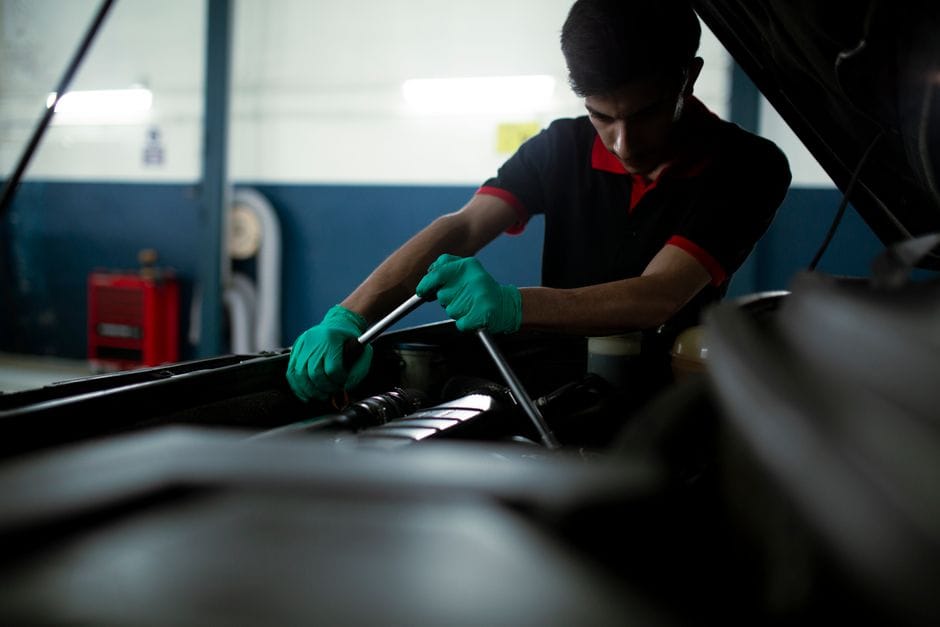
If you drive a manual or automatic transmission, you know what a smooth gear change feels like. Hard shifting is the opposite. It is the resistance, the jerk, or the clunk you feel when the transmission refuses to shift cleanly. You might have to force the lever into gear, or the car might lurch forward when it finally engages. This is not normal operation. It is a transmission problem that signals something underneath is wearing out or failing.
Defining Hard Shifting vs. Other Transmission Problems
Hard shifting is a specific symptom, but it often gets confused with other gear-related issues. Transmission slipping, for example, feels like the engine revs up but the car doesn’t accelerate proportionally — the power delivery feels loose or disconnected. Delayed engagement is when you shift into Drive or Reverse and there’s a noticeable pause before the gear actually catches. Transmission shudder is a vibration or trembling sensation, often during torque converter lockup, that feels different from a hard slam. Hard shifting, by contrast, is the abrupt, forceful, and often audible clunk or jolt when the gear change finally happens. Understanding these distinctions matters because the diagnostic path and repair costs differ dramatically. A shudder might point to torque converter issues, while hard shifting often points to hydraulic pressure problems, solenoid failures, or mechanical wear inside the valve body.
The Real Cost of Ignoring Hard Shifting
Ignoring hard shifting is not a money-saving strategy; it’s a cost multiplier. What starts as a $200 fluid flush or a $350 solenoid replacement can escalate into a $3,500 valve body rebuild or a $5,000+ full transmission replacement if left unattended. The mechanical stress of repeated hard shifts wears down clutch packs, bands, and planetary gearsets. Each jarring shift sends shock loads through the drivetrain, which can also damage engine mounts, driveshaft U-joints, and even the differential. Beyond the mechanical costs, there’s a safety dimension: a transmission that slams into gear unexpectedly can cause the vehicle to lurch forward in traffic, increasing the risk of rear-end collisions. The longer you wait, the more components get damaged, and the more expensive the repair becomes. Early diagnosis is the single most effective way to keep repair costs under control.
The 5 Root Causes of Hard Shifting (and How to Test Each)
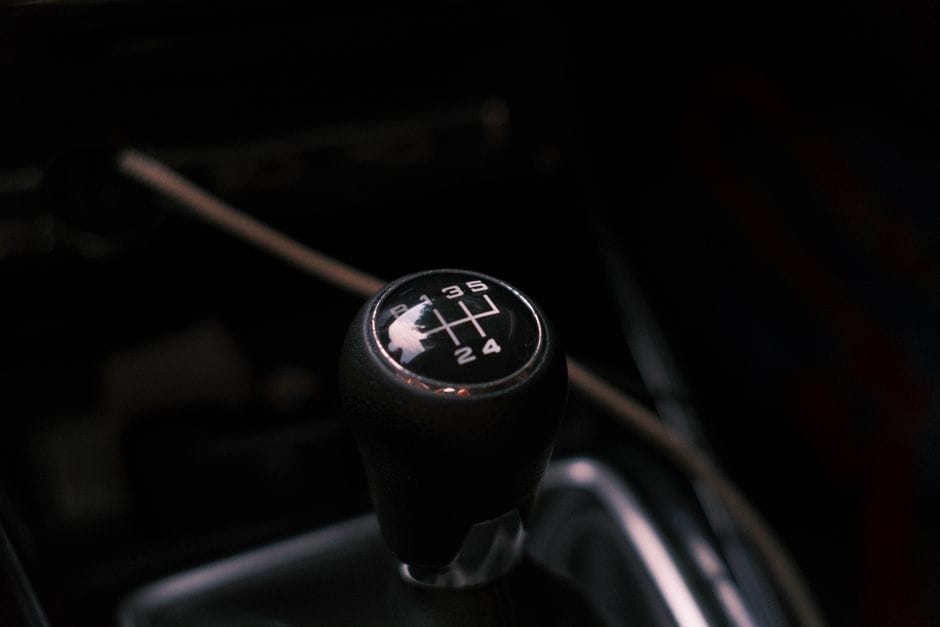
Hard shifting rarely has a single cause. It’s a symptom that can trace back to five primary failure points, each with its own diagnostic test. Understanding these root causes — and how to test them in order of likelihood and cost — is the fastest path to a correct diagnosis.
Low or Contaminated Transmission Fluid
Transmission fluid is the lifeblood of your gearbox. It lubricates moving parts, transmits hydraulic pressure, and cools internal components. When fluid levels drop too low, the pump can’t maintain adequate pressure, causing harsh or delayed shifts. When fluid becomes contaminated with debris, burnt particles, or moisture, its viscosity and friction properties change, leading to erratic shift behavior. Testing for this is straightforward: check the dipstick (if equipped) while the engine is running and the transmission is at operating temperature. The fluid should be at the “full” mark and have a clear, reddish color. If it smells burnt or looks dark brown or black, it’s contaminated and needs replacement. A simple fluid and filter change can resolve hard shifting caused by low or degraded fluid — but only if the transmission hasn’t already suffered internal damage.
Failing Shift Solenoids
Shift solenoids are electro-hydraulic valves that control fluid flow to clutch packs and bands. When a solenoid fails — either electrically or mechanically — it can stick open, closed, or partially open, causing the transmission to shift too early, too late, or with excessive force. Testing for solenoid failure typically starts with an OBD-II scan. The transmission control module (TCM) will often log specific diagnostic trouble codes (DTCs) like P0750 (shift solenoid A malfunction) or P0755 (shift solenoid B malfunction). However, a code alone doesn’t confirm the solenoid is bad; it could be a wiring issue or a problem with the TCM itself. A multimeter can test the solenoid’s electrical resistance, and a pressure gauge can verify whether the solenoid is delivering the correct hydraulic pressure when commanded. Solenoid replacement is one of the more affordable repairs, typically ranging from $200 to $500 including parts and labor.
Worn Valve Body or Clutch Packs
The valve body is the hydraulic brain of the transmission. It contains a maze of passages, check balls, and spools that route fluid to the right clutch pack at the right time. Over time, the valve body’s bore surfaces can wear, causing internal pressure leaks. When pressure drops, clutch packs may not engage fully, leading to harsh engagement as the transmission compensates with higher line pressure. Testing for valve body wear requires a transmission pressure test. A professional-grade pressure gauge is connected to the test ports on the transmission, and pressures are compared against factory specifications at various throttle positions and gears. If pressures are erratic or below spec, the valve body may need to be rebuilt or replaced. This is a more involved repair, often costing $800 to $1,500 for a valve body rebuild, and it requires specialized knowledge of hydraulic circuits.
Sensor Malfunctions (TSS, OSS, TPS, and More)
Modern transmissions rely on a network of sensors to make shift decisions. The turbine speed sensor (TSS) monitors input shaft speed, the output speed sensor (OSS) monitors output shaft speed, and the throttle position sensor (TPS) tells the TCM how much throttle you’re applying. If any of these sensors send incorrect or intermittent signals, the TCM may command shifts at the wrong time or with the wrong pressure, resulting in hard shifts. Testing sensors involves using a multimeter to check resistance and voltage signals, or using a scan tool to view live data from each sensor while driving. A faulty sensor is often a cheap fix — typically $50 to $200 for the part plus labor — but diagnosing it correctly requires careful data analysis to avoid replacing good parts.
Mechanical Wear: Bands, Gears, and Torque Converter
In older or high-mileage transmissions, mechanical wear is a leading cause of hard shifting. Bands that wrap around drum assemblies can wear thin or snap, causing harsh engagement in specific gears. Planetary gearsets can develop worn teeth or bearings, producing grinding or clunking noises alongside hard shifts. The torque converter itself can fail internally, causing shudder or harsh lockup. Testing for mechanical wear often requires dropping the transmission pan to inspect for metal shavings, or performing a stall test to check torque converter operation. In many cases, mechanical wear means the transmission needs a full rebuild or replacement — the most expensive repair category, ranging from $2,500 to $5,000 or more depending on the vehicle.
Diagnostic Process: Step-by-Step from Symptom to Root Cause
Diagnostic Process: Step-by-Step from Symptom to Root Cause

A systematic diagnostic approach prevents wasted money on unnecessary parts. Here’s the exact sequence to follow when you experience hard shifting, from the simplest checks to the most complex tests.
Step 1: Scan for OBD-II and Transmission Codes
The first step is always to connect an OBD-II scanner and read any stored diagnostic trouble codes. While hard shifting itself may not trigger a code, related issues often do. Look for transmission-specific codes like P0700 (transmission control system malfunction), P0750-P0758 (shift solenoid codes), P0715-P0720 (input/output speed sensor codes), or P0741-P0744 (torque converter clutch codes). Write down all codes, including pending and historical ones. These codes give you a starting point, but they are not a final diagnosis — they tell you where to look, not what to replace. A code for a shift solenoid, for example, could be caused by the solenoid itself, a wiring harness issue, or a TCM problem.
Step 2: Check Transmission Fluid Level and Condition
With the engine running and the transmission warmed up to operating temperature, check the fluid level on the dipstick. If the fluid is low, top it off and see if the hard shifting improves. If the fluid is dark, burnt-smelling, or contains visible particles, it’s contaminated and should be replaced. A fluid and filter change is a relatively inexpensive first step that resolves a surprising number of hard shifting cases. However, be cautious: if the fluid is severely burnt and the transmission has been slipping for a while, a fresh fluid change can sometimes make symptoms worse temporarily as new detergent additives clean out old varnish and expose worn surfaces.
Step 3: Perform a Visual and Physical Inspection
Inspect the transmission pan and surrounding areas for leaks, damage, or loose connections. Check the wiring harness and connectors leading to the transmission for corrosion, frayed wires, or loose pins. A poor electrical connection can cause intermittent sensor signals that lead to hard shifts. Also, check the engine vacuum lines — a vacuum leak can confuse the TCM’s load calculation, causing it to command shifts at the wrong time. This is a commonly overlooked cause of hard shifting in older vehicles.
Step 4: Conduct Live Data Testing with a Scan Tool
A professional-grade scan tool can display live data from the TCM while you drive. Monitor parameters like throttle position, vehicle speed, input and output shaft speeds, gear ratio, line pressure, and shift solenoid commands. Compare these values against factory specifications. If you see erratic speed sensor readings, inconsistent line pressure, or solenoid commands that don’t match the actual gear, you’ve narrowed down the problem. This step is where most DIY mechanics get stuck, which is why a professional diagnosis is often worth the $100-$150 shop fee.
Step 5: Perform Mechanical Tests (Pressure Test, Stall Test, Road Test)
If electrical and fluid checks don’t reveal the issue, it’s time for mechanical testing. A transmission pressure test involves connecting a gauge to the test ports and measuring line pressure at idle, at stall, and under load. Low pressure in a specific gear points to internal leaks or worn components. A stall test involves holding the brake and applying throttle to check torque converter operation and clutch holding capacity — but this test should only be performed by someone experienced, as it generates significant heat and stress. Finally, a controlled road test with a scan tool recording data can reveal shift timing, shift quality, and whether the issue is consistent or intermittent. These tests together will almost always pinpoint the root cause.
Symptoms and Severity Levels: When to Act Immediately

Not all hard shifting is equal. Understanding the severity levels helps you decide whether this is a “fix it this weekend” situation or a “stop driving immediately” emergency.
Minor Symptoms: Intermittent Jerking or Clunking
If you occasionally feel a slight jerk or clunk during gear changes, especially when the transmission is cold, this is often a minor issue. It could be low fluid, a slightly worn solenoid, or simply a transmission that needs a fluid service. These symptoms are often intermittent and may not trigger any warning lights. While you shouldn’t ignore them, you have time to diagnose the issue properly and budget for the repair. A fluid flush and filter change is a reasonable first step, and many minor cases resolve completely with this service.
Moderate Symptoms: Delayed Engagement and RPM Flare
When you shift into Drive or Reverse and there’s a noticeable delay before the gear engages, or when the engine RPM flares up before the shift completes, you’re dealing with a moderate severity issue. These symptoms indicate that hydraulic pressure is not building fast enough, or that clutch packs are worn and slipping before they catch. This level of hard shifting typically requires more than a fluid change — you’re likely looking at solenoid replacement, valve body work, or clutch pack repair. Continuing to drive with these symptoms will accelerate wear, so schedule a diagnosis within a week or two.
Severe Symptoms: Violent Slams, Grinding, or Complete Failure
If the transmission slams into gear with a violent jolt that shakes the entire vehicle, if you hear grinding noises, or if the transmission fails to engage at all, stop driving immediately. These symptoms indicate catastrophic internal failure — broken bands, shattered gears, or a completely failed torque converter. Continuing to drive will cause further damage, potentially turning a rebuildable transmission into a core that’s only good for scrap. Have the vehicle towed to a qualified transmission shop. At this severity level, the repair cost will likely approach or exceed the value of the vehicle, so a careful cost-benefit analysis is essential.
Vehicle-Specific Variations: Manual vs. Automatic vs. Dual-Clutch

Hard shifting manifests differently depending on the transmission type, and the diagnostic approach must be tailored accordingly.
Manual Transmissions: Clutch, Linkage, and Synchronizer Issues
In a manual transmission, hard shifting typically presents as resistance when moving the gear lever, grinding when engaging a gear, or a notchy feel. The most common causes are a worn clutch that isn’t fully disengaging, a misadjusted or worn shift linkage, or worn synchronizers that fail to match gear speeds. Testing involves checking clutch pedal free play, inspecting the shift linkage for wear or looseness, and performing a clutch disengagement test — with the engine running, press the clutch and try to shift into gear; if it grinds or resists, the clutch isn’t fully disengaging. Repair costs for manual transmissions are often lower than automatics, with clutch replacement typically ranging from $800 to $1,500.
Automatic Transmissions: Hydraulic and Electronic Complexity
Automatic transmissions are far more complex, with hydraulic circuits, electronic controls, and torque converters all working together. Hard shifting in an automatic can stem from any of the five root causes discussed earlier. The diagnostic process is more involved, requiring scan tools, pressure gauges, and often professional expertise. Repair costs vary widely — from a $200 fluid change to a $5,000 rebuild. The key is to diagnose early before minor issues become major failures.
Dual-Clutch Transmissions (DCT): Mechatronics and Clutch Wear
Dual-clutch transmissions combine manual transmission internals with automatic operation. They use two clutches and a mechatronic unit that controls shifting. Hard shifting in a DCT often manifests as jerky low-speed engagement or harsh upshifts. Common causes include mechatronic unit failure, clutch wear, or software calibration issues. Many DCTs require a clutch adaptation procedure after repairs, which resets the clutch engagement points. DCT repairs can be expensive — mechatronic units alone can cost $1,500 to $3,000, and clutch replacement often runs $2,000 to $4,000. Some DCT issues can be resolved with a software update or recalibration, so check for TSBs (Technical Service Bulletins) before replacing hardware.
Repair Options and Cost Comparison: From Fluid Flush to Full Rebuild

Once you’ve identified the root cause, you need to understand your repair options and their associated costs. Here’s a breakdown of the most common repairs, what they involve, and what they cost in 2026 market terms.
Fluid Flush and Filter Replacement ($150-$400)
A transmission fluid flush replaces all the old fluid with fresh fluid, and a new
filter is installed. This is the most affordable repair option and is effective when the issue is low or contaminated fluid. It’s also a recommended preventative maintenance step. However, it’s only a permanent fix if the transmission hasn’t suffered internal damage. If the fluid was severely burnt, the flush might temporarily improve shifting but could also dislodge debris that then clogs a valve or solenoid, making symptoms worse. Always check the condition of the old fluid before committing to this repair.
Shift Solenoid Replacement ($200-$500)
Replacing a faulty shift solenoid is a relatively straightforward repair. The transmission pan is dropped, the old solenoid is removed, and a new one is installed. This is a common fix for hard shifting when OBD-II codes point to a specific solenoid. The cost includes the part (typically $50-$150) and labor. In some vehicles, solenoids are sold as a complete set, which can increase the parts cost but is often a smarter investment if multiple solenoids are showing signs of wear.
Sensor Replacement ($50-$200)
Replacing a faulty speed sensor or throttle position sensor is the cheapest repair on this list. These parts are generally inexpensive, and labor is minimal since they’re often accessible from outside the transmission. However, accurate diagnosis is critical — replacing a sensor that isn’t actually faulty wastes money and doesn’t fix the problem. Always verify the sensor’s readings with a scan tool before replacing it.
Valve Body Rebuild or Replacement ($800-$1,500)
A valve body rebuild involves disassembling the valve body, cleaning all passages, replacing worn check balls, springs, and spools, and reassembling it to factory specifications. This is a labor-intensive process that requires specialized knowledge. Alternatively, a remanufactured valve body can be installed, which is often more reliable but costs more. This repair is appropriate when pressure tests indicate internal leaks or worn bores.
Clutch Pack Replacement ($1,500-$2,500)
If clutch packs are worn, they need to be replaced. This requires removing the transmission from the vehicle, disassembling it, and replacing the friction plates and steel plates. This is a major repair that requires the transmission to be dropped, which is why labor costs are high. It’s often combined with other repairs, such as replacing seals and gaskets while the transmission is apart.
Full Transmission Rebuild ($2,500-$5,000+)
A full rebuild involves completely disassembling the transmission, inspecting every component, replacing all worn parts (clutches, bands, seals, gaskets, bearings, and sometimes gears), and reassembling it. This is the most comprehensive repair and is recommended when there’s extensive internal damage. The cost varies significantly based on the vehicle make and model. A rebuilt transmission, if done correctly, can extend the life of the vehicle for many years.
Transmission Replacement ($3,500-$7,000+)
In some cases, a full replacement with a new or remanufactured transmission is more cost-effective than a rebuild, especially if the transmission case is damaged or the vehicle has very high mileage. This is the most expensive option, but it provides the most reliable long-term solution. The cost includes the transmission unit itself, labor, and any associated parts like a new torque converter.
Decision Framework: When to Repair vs. When to Walk Away
The decision to repair or replace a hard-shifting transmission comes down to a few key factors: the value of the vehicle, the cost of the repair, and the overall condition of the car. As a general rule, if the repair cost exceeds 50% of the vehicle’s value, it’s often not worth fixing. If the car has other significant issues (rust, high mileage, engine problems), it may be time to walk away. Conversely, if the vehicle is otherwise in excellent condition and the repair is a one-time expense, it can be a smart investment. Always get a second opinion from a trusted transmission specialist before committing to a major repair.
Preventative Maintenance and Best Practices

Preventing hard shifting is far easier and cheaper than fixing it. Following a few simple maintenance practices can dramatically extend the life of your transmission and avoid the most common causes of hard shifting.
Follow the Manufacturer’s Service Schedule
The most important preventative measure is to follow the transmission service intervals specified in your owner’s manual. Most manufacturers recommend a fluid and filter change every 30,000 to 60,000 miles, but this varies by vehicle and driving conditions. If you do a lot of towing, stop-and-go city driving, or drive in extreme temperatures, you should service the transmission more frequently. Regular fluid changes keep the fluid clean and at the correct level, preventing the majority of fluid-related hard shifting issues.
Use the Correct Fluid Type
Always use the exact type of transmission fluid specified by the manufacturer. Using the wrong fluid can cause erratic shifting, slipping, and even permanent damage. The wrong fluid can have different friction properties, viscosity, and additives, which can confuse the transmission’s hydraulic system. Check your owner’s manual or the dipstick for the correct fluid specification, and never mix different types of fluid.
Warm Up the Transmission in Cold Weather
In cold weather, transmission fluid thickens, which can cause hard shifting until the fluid warms up. Allow the vehicle to idle for a minute or two before driving, and drive gently for the first few minutes to allow the transmission to reach operating temperature. Avoid aggressive acceleration until the transmission is fully warmed up.
Address Minor Issues Promptly
If you notice any minor symptoms — a slight jerk, a delayed engagement, or a faint clunk — don’t ignore them. Early diagnosis is the key to avoiding expensive repairs. A small issue that’s caught early might only require a fluid change or a sensor replacement. The same issue left unattended for months can lead to a full rebuild.
Have the Transmission Inspected During Routine Service
During routine oil changes or other maintenance, ask your mechanic to inspect the transmission for leaks, check the fluid condition, and look for any signs of wear. A professional inspection can catch potential problems before they become major failures. This is especially important for high-mileage vehicles.
Tools and Equipment for DIY Diagnosis

If you’re comfortable working on your own vehicle, having the right tools is essential for a successful DIY diagnosis. Here’s a list of the most useful tools for diagnosing hard shifting.
OBD-II Scanner
A basic OBD-II scanner is essential for reading diagnostic trouble codes. A simple code reader can be purchased for under $50, but a more advanced scan tool with live data capabilities is far more useful. Look for a scanner that can read transmission-specific codes and display live data from the TCM. Professional-grade scan tools can cost several hundred dollars, but they’re a worthwhile investment for serious DIYers.
Digital Multimeter
A digital multimeter is necessary for testing electrical components like solenoids and sensors. You’ll use it to check resistance, voltage, and continuity. A good multimeter can be purchased for $20-$50 and is an essential tool for any electrical diagnosis.
Transmission Pressure Gauge
A transmission pressure gauge kit is used to measure hydraulic pressure at various test ports on the transmission. These kits typically include a gauge, hoses, and various adapters to fit different transmission models. A quality kit can cost $50-$150. This tool is essential for diagnosing valve body issues and internal pressure leaks.
Transmission Fluid Pump and Drain Pan
If you’re planning to do a fluid flush or change, you’ll need a fluid pump to refill the transmission and a drain pan to catch the old fluid. These are relatively inexpensive and can be purchased at any auto parts store.
Service Manual
A factory service manual for your specific vehicle is invaluable. It contains detailed specifications, diagnostic procedures, torque specs, and wiring diagrams. While a generic manual can be helpful, a factory manual is the most accurate source of information. Many are available online as digital downloads.
Safety Considerations and When to Call a Professional

Working on a transmission involves significant safety risks, and some diagnostic procedures should only be performed by professionals. Understanding these risks is crucial.
Burn Hazards from Hot Fluid
Transmission fluid reaches operating temperatures of 175°F to 225°F. When you drop the transmission pan or disconnect a line, hot fluid can spray out and cause severe burns. Always allow the transmission to cool before working on it, and wear protective gloves and eye protection.
Vehicle Support and Lifting Safety
Vehicle Support and Lifting Safety
Vehicle Support and Lifting Safety
Many transmission diagnostic procedures require lifting the vehicle. Always use a proper floor jack and jack stands rated for the vehicle’s weight. Never
Hard shifting is the mechanical language of a transmission in distress. It appears as a jarring clunk, a delayed engagement, or a violent slam between gears. These are clear signs that something is wrong inside your drivetrain. This symptom is a physical event, not a subtle vibration or faint whine. The transmission is failing to manage hydraulic pressure, clutch pack engagement, or torque converter lockup at the moment it should. This isn’t one single fault. It’s a symptom class that spans automatic, manual, and dual-clutch transmissions. Each type carries its own root causes, diagnostic pathways, and repair costs.
This guide lays out the full diagnostic hierarchy. The most common culprits are low transmission fluid and faulty shift solenoids. Less obvious ones include valve body wear, torque converter shudder, and engine vacuum leaks that confuse the transmission control module. You’ll learn how to distinguish a minor adjustment from a rebuild-level failure. We detail what each repair costs in 2026 market terms. We also cover which diagnostic tools deliver a definitive answer. That includes everything from an OBD-II scanner to a professional-grade pressure gauge. Safety is a priority here. A hard-shifting transmission can leave you stranded. It can also cause a rear-end collision if the gear drops without warning.
The data sets this guide apart from a generic repair manual. We compare real-world failure rates for solenoid replacement, valve body rebuilds, and full transmission swaps. You’ll also get a decision framework. It shows when a $300 fix is smart and when it’s wasted on a dying unit. We include honest limitations too. You’ll see which symptoms a fluid flush can permanently fix. You’ll also see which ones it will worsen. By the end, you’ll know the exact order of action. Test this first. Replace that second. And recognize when it’s time to walk away from the car.
What Is Hard Shifting and Why Should You Care?
If you drive a manual or automatic transmission, you know what a smooth gear change feels like. Hard shifting is the opposite. It is the resistance, the jerk, or the clunk you feel when the transmission refuses to shift cleanly. You might have to force the lever into gear, or the car might lurch forward when it finally engages. This is not normal operation. It is a transmission problem that signals something underneath is wearing out or failing.
Defining Hard Shifting vs. Other Transmission Problems
Hard shifting is a specific symptom, but it often gets confused with other gear-related issues. Transmission slipping, for example, feels like the engine revs up but the car doesn’t accelerate proportionally — the power delivery feels loose or disconnected. Delayed engagement is when you shift into Drive or Reverse and there’s a noticeable pause before the gear actually catches. Transmission shudder is a vibration or trembling sensation, often during torque converter lockup, that feels different from a hard slam. Hard shifting, by contrast, is the abrupt, forceful, and often audible clunk or jolt when the gear change finally happens. Understanding these distinctions matters because the diagnostic path and repair costs differ dramatically. A shudder might point to torque converter issues, while hard shifting often points to hydraulic pressure problems, solenoid failures, or mechanical wear inside the valve body.
The Real Cost of Ignoring Hard Shifting
Ignoring hard shifting is not a money-saving strategy; it’s a cost multiplier. What starts as a $200 fluid flush or a $350 solenoid replacement can escalate into a $3,500 valve body rebuild or a $5,000+ full transmission replacement if left unattended. The mechanical stress of repeated hard shifts wears down clutch packs, bands, and planetary gearsets. Each jarring shift sends shock loads through the drivetrain, which can also damage engine mounts, driveshaft U-joints, and even the differential. Beyond the mechanical costs, there’s a safety dimension: a transmission that slams into gear unexpectedly can cause the vehicle to lurch forward in traffic, increasing the risk of rear-end collisions. The longer you wait, the more components get damaged, and the more expensive the repair becomes. Early diagnosis is the single most effective way to keep repair costs under control.
The 5 Root Causes of Hard Shifting (and How to Test Each)
Hard shifting rarely has a single cause. It’s a symptom that can trace back to five primary failure points, each with its own diagnostic test. Understanding these root causes — and how to test them in order of likelihood and cost — is the fastest path to a correct diagnosis.
Low or Contaminated Transmission Fluid
Transmission fluid is the lifeblood of your gearbox. It lubricates moving parts, transmits hydraulic pressure, and cools internal components. When fluid levels drop too low, the pump can’t maintain adequate pressure, causing harsh or delayed shifts. When fluid becomes contaminated with debris, burnt particles, or moisture, its viscosity and friction properties change, leading to erratic shift behavior. Testing for this is straightforward: check the dipstick (if equipped) while the engine is running and the transmission is at operating temperature. The fluid should be at the “full” mark and have a clear, reddish color. If it smells burnt or looks dark brown or black, it’s contaminated and needs replacement. A simple fluid and filter change can resolve hard shifting caused by low or degraded fluid — but only if the transmission hasn’t already suffered internal damage.
Failing Shift Solenoids
Shift solenoids are electro-hydraulic valves that control fluid flow to clutch packs and bands. When a solenoid fails — either electrically or mechanically — it can stick open, closed, or partially open, causing the transmission to shift too early, too late, or with excessive force. Testing for solenoid failure typically starts with an OBD-II scan. The transmission control module (TCM) will often log specific diagnostic trouble codes (DTCs) like P0750 (shift solenoid A malfunction) or P0755 (shift solenoid B malfunction). However, a code alone doesn’t confirm the solenoid is bad; it could be a wiring issue or a problem with the TCM itself. A multimeter can test the solenoid’s electrical resistance, and a pressure gauge can verify whether the solenoid is delivering the correct hydraulic pressure when commanded. Solenoid replacement is one of the more affordable repairs, typically ranging from $200 to $500 including parts and labor.
Worn Valve Body or Clutch Packs
The valve body is the hydraulic brain of the transmission. It contains a maze of passages, check balls, and spools that route fluid to the right clutch pack at the right time. Over time, the valve body’s bore surfaces can wear, causing internal pressure leaks. When pressure drops, clutch packs may not engage fully, leading to harsh engagement as the transmission compensates with higher line pressure. Testing for valve body wear requires a transmission pressure test. A professional-grade pressure gauge is connected to the test ports on the transmission, and pressures are compared against factory specifications at various throttle positions and gears. If pressures are erratic or below spec, the valve body may need to be rebuilt or replaced. This is a more involved repair, often costing $800 to $1,500 for a valve body rebuild, and it requires specialized knowledge of hydraulic circuits.
Sensor Malfunctions (TSS, OSS, TPS, and More)
Modern transmissions rely on a network of sensors to make shift decisions. The turbine speed sensor (TSS) monitors input shaft speed, the output speed sensor (OSS) monitors output shaft speed, and the throttle position sensor (TPS) tells the TCM how much throttle you’re applying. If any of these sensors send incorrect or intermittent signals, the TCM may command shifts at the wrong time or with the wrong pressure, resulting in hard shifts. Testing sensors involves using a multimeter to check resistance and voltage signals, or using a scan tool to view live data from each sensor while driving. A faulty sensor is often a cheap fix — typically $50 to $200 for the part plus labor — but diagnosing it correctly requires careful data analysis to avoid replacing good parts.
Mechanical Wear: Bands, Gears, and Torque Converter
Mechanical Wear: Details
Mechanical Wear: Details
In older or high-mileage transmissions, mechanical wear is a leading cause of hard shifting. Bands that wrap around drum assemblies can wear thin or snap, causing harsh engagement in specific gears. Planetary gearsets can develop worn teeth or bearings, producing grinding or clunking noises alongside hard shifts. The torque converter itself can fail internally, causing shudder or harsh lockup. Testing for mechanical wear often requires dropping the transmission pan to inspect for metal shavings, or performing a stall test to check torque converter operation. In many cases, mechanical wear means the transmission needs a full rebuild or replacement — the most expensive repair category, ranging from $2,500 to $5,000 or more depending on the vehicle.
Diagnostic Process: Step-by-Step from Symptom to Root Cause
Hard Shifting Diagnosis: The Complete Guide to Fixing Transmission Shift Problems
Hard shifting is the mechanical language of a transmission in distress. It manifests as a jarring clunk, a delayed engagement, or a violent slam between gears. Each of these signals points to a problem inside your drivetrain. This is an unmistakable physical event, unlike a subtle vibration or faint whine. The transmission is failing to manage hydraulic pressure, clutch pack engagement, or torque converter lockup at the right moment. This isn’t a single fault. It’s a symptom class that covers automatic, manual, and dual-clutch transmissions. Each type has its own set of root causes, diagnostic pathways, and repair costs.
This guide covers the full diagnostic hierarchy. We begin with common culprits like low transmission fluid and faulty shift solenoids. Then we address less obvious ones, including valve body wear, torque converter shudder, and engine vacuum leaks that confuse the transmission control module. You’ll learn to separate a minor adjustment from a rebuild-level failure. We explain what each repair costs in 2026 market terms. We also identify which diagnostic tools give you a definitive answer. Options range from a basic OBD-II scanner to a professional-grade pressure gauge. We don’t skip the safety check. A hard-shifting transmission can strand you on the road. It can also cause a rear-end collision if the gear drops unexpectedly.
What separates this guide from a generic repair manual is the data: real-world failure-rate comparisons between solenoid replacement, valve body rebuilds, and full transmission swaps, plus a decision framework that tells you when a $300 fix makes sense and when it’s throwing money at a dying unit. You’ll also get honest limitations — which symptoms a fluid flush can permanently fix, and which ones it will make worse. By the end, you’ll know exactly what to test first, what to replace second, and when to walk away from the car entirely.
What Is Hard Shifting and Why Should You Care?
If you drive a manual or automatic transmission, you know what a smooth gear change feels like. Hard shifting is the opposite. It is the resistance, the jerk, or the clunk you feel when the transmission refuses to shift cleanly. You might have to force the lever into gear, or the car might lurch forward when it finally engages. This is not normal operation. It is a transmission problem that signals something underneath is wearing out or failing.
Defining Hard Shifting vs. Other Transmission Problems
Hard shifting is a specific symptom, but it often gets confused with other gear-related issues. Transmission slipping, for example, feels like the engine revs up but the car doesn’t accelerate proportionally — the power delivery feels loose or disconnected. Delayed engagement is when you shift into Drive or Reverse and there’s a noticeable pause before the gear actually catches. Transmission shudder is a vibration or trembling sensation, often during torque converter lockup, that feels different from a hard slam. Hard shifting, by contrast, is the abrupt, forceful, and often audible clunk or jolt when the gear change finally happens. Understanding these distinctions matters because the diagnostic path and repair costs differ dramatically. A shudder might point to torque converter issues, while hard shifting often points to hydraulic pressure problems, solenoid failures, or mechanical wear inside the valve body.
The Real Cost of Ignoring Hard Shifting
Ignoring hard shifting is not a money-saving strategy; it’s a cost multiplier. What starts as a $200 fluid flush or a $350 solenoid replacement can escalate into a $3,500 valve body rebuild or a $5,000+ full transmission replacement if left unattended. The mechanical stress of repeated hard shifts wears down clutch packs, bands, and planetary gearsets. Each jarring shift sends shock loads through the drivetrain, which can also damage engine mounts, driveshaft U-joints, and even the differential. Beyond the mechanical costs, there’s a safety dimension: a transmission that slams into gear unexpectedly can cause the vehicle to lurch forward in traffic, increasing the risk of rear-end collisions. The longer you wait, the more components get damaged, and the more expensive the repair becomes. Early diagnosis is the single most effective way to keep repair costs under control.
The 5 Root Causes of Hard Shifting (and How to Test Each)
Hard shifting rarely has a single cause. It’s a symptom that can trace back to five primary failure points, each with its own diagnostic test. Understanding these root causes — and how to test them in order of likelihood and cost — is the fastest path to a correct diagnosis.
Low or Contaminated Transmission Fluid
Transmission fluid is the lifeblood of your gearbox. It lubricates moving parts, transmits hydraulic pressure, and cools internal components. When fluid levels drop too low, the pump can’t maintain adequate pressure, causing harsh or delayed shifts. When fluid becomes contaminated with debris, burnt particles, or moisture, its viscosity and friction properties change, leading to erratic shift behavior. Testing for this is straightforward: check the dipstick (if equipped) while the engine is running and the transmission is at operating temperature. The fluid should be at the “full” mark and have a clear, reddish color. If it smells burnt or looks dark brown or black, it’s contaminated and needs replacement. A simple fluid and filter change can resolve hard shifting caused by low or degraded fluid — but only if the transmission hasn’t already suffered internal damage.
Failing Shift Solenoids
Shift solenoids are electro-hydraulic valves that control fluid flow to clutch packs and bands. When a solenoid fails — either electrically or mechanically — it can stick open, closed, or partially open, causing the transmission to shift too early, too late, or with excessive force. Testing for solenoid failure typically starts with an OBD-II scan. The transmission control module (TCM) will often log specific diagnostic trouble codes (DTCs) like P0750 (shift solenoid A malfunction) or P0755 (shift solenoid B malfunction). However, a code alone doesn’t confirm the solenoid is bad; it could be a wiring issue or a problem with the TCM itself. A multimeter can test the solenoid’s electrical resistance, and a pressure gauge can verify whether the solenoid is delivering the correct hydraulic pressure when commanded. Solenoid replacement is one of the more affordable repairs, typically ranging from $200 to $500 including parts and labor.
Worn Valve Body or Clutch Packs
The valve body is the hydraulic brain of the transmission. It contains a maze of passages, check balls, and spools that route fluid to the right clutch pack at the right time. Over time, the valve body’s bore surfaces can wear, causing internal pressure leaks. When pressure drops, clutch packs may not engage fully, leading to harsh engagement as the transmission compensates with higher line pressure. Testing for valve body wear requires a transmission pressure test. A professional-grade pressure gauge is connected to the test ports on the transmission, and pressures are compared against factory specifications at various throttle positions and gears. If pressures are erratic or below spec, the valve body may need to be rebuilt or replaced. This is a more involved repair, often costing $800 to $1,500 for a valve body rebuild, and it requires specialized knowledge of hydraulic circuits.
Sensor Malfunctions (TSS, OSS, TPS, and More)
Modern transmissions rely on a network of sensors to make shift decisions. The turbine speed sensor (TSS) monitors input shaft speed, the output speed sensor (OSS) monitors output shaft speed, and the throttle position sensor (TPS) tells the TCM how much throttle you’re applying. If any of these sensors send incorrect or intermittent signals, the TCM may command shifts at the wrong time or with the wrong pressure, resulting in hard shifts. Testing sensors involves using a multimeter to check resistance and voltage signals, or using a scan tool to view live data from each sensor while driving. A faulty sensor is often a cheap fix — typically $50 to $200 for the part plus labor — but diagnosing it correctly requires careful data analysis to avoid replacing good parts.
Mechanical Wear: Bands, Gears, and Torque Converter
Mechanical Wear: Details
Mechanical Wear: Details
In older or high-mileage transmissions, mechanical wear is a leading cause of hard shifting. Bands that wrap around drum assemblies can wear thin or snap, causing harsh engagement in specific gears. Planetary gearsets can develop worn teeth or bearings, producing grinding or clunking noises alongside hard shifts. The torque converter itself can fail internally, causing shudder or harsh lockup. Testing for mechanical wear often requires dropping the transmission pan to inspect for metal shavings, or performing a stall test to check torque converter operation. In many cases, mechanical wear means the transmission needs a full rebuild or replacement — the most expensive repair category, ranging from $2,500 to $5,000 or more depending on the vehicle.
Diagnostic Process: Step-by-Step from Symptom to Root Cause
Hard Shifting Diagnosis: The Complete Guide to Fixing Transmission Shift Problems
Hard shifting is the mechanical language of a transmission in distress — a jarring clunk, a delayed engagement, or a violent slam between gears that signals something is wrong inside your drivetrain. Unlike a subtle vibration or a faint whine, hard shifting is an unmistakable, physical event: the transmission is failing to manage hydraulic pressure, clutch pack engagement, or torque converter lockup at the moment it should. This isn’t a single fault but a symptom class that spans automatic, manual, and dual-clutch transmissions, each with its own set of root causes, diagnostic pathways, and repair costs.
In this guide, we break down the full diagnostic hierarchy — from the most common culprits like low transmission fluid and faulty shift solenoids to the less obvious ones such as valve body wear, torque converter shudder, and even engine vacuum leaks that confuse the transmission control module. You’ll learn how to distinguish between a minor adjustment and a rebuild-level failure, what each repair actually costs in 2026 market terms, and which diagnostic tools (from a simple OBD-II scanner to a professional-grade pressure gauge) will give you the definitive answer. We also cover the critical safety check — because a hard-shifting transmission can strand you or cause a rear-end collision if the gear drops unexpectedly.
What separates this guide from a generic repair manual is the data: real-world failure-rate comparisons between solenoid replacement, valve body rebuilds, and full transmission swaps, plus a decision framework that tells you when a $300 fix makes sense and when it’s throwing money at a dying unit. You’ll also get honest limitations — which symptoms a fluid flush can permanently fix, and which ones it will make worse. By the end, you’ll know exactly what to test first, what to replace second, and when to walk away from the car entirely.
What Is Hard Shifting and Why Should You Care?
If you drive a manual or automatic transmission, you know what a smooth gear change feels like. Hard shifting is the opposite. It is the resistance, the jerk, or the clunk you feel when the transmission refuses to shift cleanly. You might have to force the lever into gear, or the car might lurch forward when it finally engages. This is not normal operation. It is a transmission problem that signals something underneath is wearing out or failing.
Defining Hard Shifting vs. Other Transmission Problems
Hard shifting is a specific symptom, but it often gets confused with other gear-related issues. Transmission slipping, for example, feels like the engine revs up but the car doesn’t accelerate proportionally — the power delivery feels loose or disconnected. Delayed engagement is when you shift into Drive or Reverse and there’s a noticeable pause before the gear actually catches. Transmission shudder is a vibration or trembling sensation, often during torque converter lockup, that feels different from a hard slam. Hard shifting, by contrast, is the abrupt, forceful, and often audible clunk or jolt when the gear change finally happens. Understanding these distinctions matters because the diagnostic path and repair costs differ dramatically. A shudder might point to torque converter issues, while hard shifting often points to hydraulic pressure problems, solenoid failures, or mechanical wear inside the valve body.
The Real Cost of Ignoring Hard Shifting
Ignoring hard shifting is not a money-saving strategy; it’s a cost multiplier. What starts as a $200 fluid flush or a $350 solenoid replacement can escalate into a $3,500 valve body rebuild or a $5,000+ full transmission replacement if left unattended. The mechanical stress of repeated hard shifts wears down clutch packs, bands, and planetary gearsets. Each jarring shift sends shock loads through the drivetrain, which can also damage engine mounts, driveshaft U-joints, and even the differential. Beyond the mechanical costs, there’s a safety dimension: a transmission that slams into gear unexpectedly can cause the vehicle to lurch forward in traffic, increasing the risk of rear-end collisions. The longer you wait, the more components get damaged, and the more expensive the repair becomes. Early diagnosis is the single most effective way to keep repair costs under control.
The 5 Root Causes of Hard Shifting (and How to Test Each)
Hard shifting rarely has a single cause. It’s a symptom that can trace back to five primary failure points, each with its own diagnostic test. Understanding these root causes — and how to test them in order of likelihood and cost — is the fastest path to a correct diagnosis.
Low or Contaminated Transmission Fluid
Transmission fluid is the lifeblood of your gearbox. It lubricates moving parts, transmits hydraulic pressure, and cools internal components. When fluid levels drop too low, the pump can’t maintain adequate pressure, causing harsh or delayed shifts. When fluid becomes contaminated with debris, burnt particles, or moisture, its viscosity and friction properties change, leading to erratic shift behavior. Testing for this is straightforward: check the dipstick (if equipped) while the engine is running and the transmission is at operating temperature. The fluid should be at the “full” mark and have a clear, reddish color. If it smells burnt or looks dark brown or black, it’s contaminated and needs replacement. A simple fluid and filter change can resolve hard shifting caused by low or degraded fluid — but only if the transmission hasn’t already suffered internal damage.
Failing Shift Solenoids
Shift solenoids are electro-hydraulic valves that control fluid flow to clutch packs and bands. When a solenoid fails — either electrically or mechanically — it can stick open, closed, or partially open, causing the transmission to shift too early, too late, or with excessive force. Testing for solenoid failure typically starts with an OBD-II scan. The transmission control module (TCM) will often log specific diagnostic trouble codes (DTCs) like P0750 (shift solenoid A malfunction) or P0755 (shift solenoid B malfunction). However, a code alone doesn’t confirm the solenoid is bad; it could be a wiring issue or a problem with the TCM itself. A multimeter can test the solenoid’s electrical resistance, and a pressure gauge can verify whether the solenoid is delivering the correct hydraulic pressure when commanded. Solenoid replacement is one of the more affordable repairs, typically ranging from $200 to $500 including parts and labor.
Worn Valve Body or Clutch Packs
The valve body is the hydraulic brain of the transmission. It contains a maze of passages, check balls, and spools that route fluid to the right clutch pack at the right time. Over time, the valve body’s bore surfaces can wear, causing internal pressure leaks. When pressure drops, clutch packs may not engage fully, leading to harsh engagement as the transmission compensates with higher line pressure. Testing for valve body wear requires a transmission pressure test. A professional-grade pressure gauge is connected to the test ports on the transmission, and pressures are compared against factory specifications at various throttle positions and gears. If pressures are erratic or below spec, the valve body may need to be rebuilt or replaced. This is a more involved repair, often costing $800 to $1,500 for a valve body rebuild, and it requires specialized knowledge of hydraulic circuits.
Sensor Malfunctions (TSS, OSS, TPS, and More)
Modern transmissions rely on a network of sensors to make shift decisions. The turbine speed sensor (TSS) monitors input shaft speed, the output speed sensor (OSS) monitors output shaft speed, and the throttle position sensor (TPS) tells the TCM how much throttle you’re applying. If any of these sensors send incorrect or intermittent signals, the TCM may command shifts at the wrong time or with the wrong pressure, resulting in hard shifts. Testing sensors involves using a multimeter to check resistance and voltage signals, or using a scan tool to view live data from each sensor while driving. A faulty sensor is often a cheap fix — typically $50 to $200 for the part plus labor — but diagnosing it correctly requires careful data analysis to avoid replacing good parts.
Mechanical Wear: Bands, Gears, and Torque Converter
Mechanical Wear: Details
Mechanical Wear: Details
In older or high-mileage transmissions, mechanical wear is a leading cause of hard shifting. Bands that wrap around drum assemblies can wear thin or snap, causing harsh engagement in specific gears. Planetary gearsets can develop worn teeth or bearings, producing grinding or clunking noises alongside hard shifts. The torque converter itself can fail internally, causing shudder or harsh lockup. Testing for mechanical wear often requires dropping the transmission pan to inspect for metal shavings, or performing a stall test to check torque converter operation. In many cases, mechanical wear means the transmission needs a full rebuild or replacement — the most expensive repair category, ranging from $2,500 to $5,000 or more depending on the vehicle.
Diagnostic Process: Step-by-Step from Symptom to Root Cause
Hard Shifting Diagnosis: The Complete Guide to Fixing Transmission Shift Problems
Hard shifting is the mechanical language of a transmission in distress — a jarring clunk, a delayed engagement, or a violent slam between gears that signals something is wrong inside your drivetrain. Unlike a subtle vibration or a faint whine, hard shifting is an unmistakable, physical event: the transmission is failing to manage hydraulic pressure, clutch pack engagement, or torque converter lockup at the moment it should. This isn’t a single fault but a symptom class that spans automatic, manual, and dual-clutch transmissions, each with its own set of root causes, diagnostic pathways, and repair costs.
In this guide, we break down the full diagnostic hierarchy — from the most common culprits like low transmission fluid and faulty shift solenoids to the less obvious ones such as valve body wear, torque converter shudder, and even engine vacuum leaks that confuse the transmission control module. You’ll learn how to distinguish between a minor adjustment and a rebuild-level failure, what each repair actually costs in 2026 market terms, and which diagnostic tools (from a simple OBD-II scanner to a professional-grade pressure gauge) will give you the definitive answer. We also cover the critical safety check — because a hard-shifting transmission can strand you or cause a rear-end collision if the gear drops unexpectedly.
What separates this guide from a generic repair manual is the data: real-world failure-rate comparisons between solenoid replacement, valve body rebuilds, and full transmission swaps, plus a decision framework that tells you when a $300 fix makes sense and when it’s throwing money at a dying unit. You’ll also get honest limitations — which symptoms a fluid flush can permanently fix, and which ones it will make worse. By the end, you’ll know exactly what to test first, what to replace second, and when to walk away from the car entirely.
What Is Hard Shifting and Why Should You Care?
If you drive a manual or automatic transmission, you know what a smooth gear change feels like. Hard shifting is the opposite. It is the resistance, the jerk, or the clunk you feel when the transmission refuses to shift cleanly. You might have to force the lever into gear, or the car might lurch forward when it finally engages. This is not normal operation. It is a transmission problem that signals something underneath is wearing out or failing.
Defining Hard Shifting vs. Other Transmission Problems
Hard shifting is a specific symptom, but it often gets confused with other gear-related issues. Transmission slipping, for example, feels like the engine revs up but the car doesn’t accelerate proportionally — the power delivery feels loose or disconnected. Delayed engagement is when you shift into Drive or Reverse and there’s a noticeable pause before the gear actually catches. Transmission shudder is a vibration or trembling sensation, often during torque converter lockup, that feels different from a hard slam. Hard shifting, by contrast, is the abrupt, forceful, and often audible clunk or jolt when the gear change finally happens. Understanding these distinctions matters because the diagnostic path and repair costs differ dramatically. A shudder might point to torque converter issues, while hard shifting often points to hydraulic pressure problems, solenoid failures, or mechanical wear inside the valve body.
The Real Cost of Ignoring Hard Shifting
Ignoring hard shifting is not a money-saving strategy; it’s a cost multiplier. What starts as a $200 fluid flush or a $350 solenoid replacement can escalate into a $3,500 valve body rebuild or a $5,000+ full transmission replacement if left unattended. The mechanical stress of repeated hard shifts wears down clutch packs, bands, and planetary gearsets. Each jarring shift sends shock loads through the drivetrain, which can also damage engine mounts, driveshaft U-joints, and even the differential. Beyond the mechanical costs, there’s a safety dimension: a transmission that slams into gear unexpectedly can cause the vehicle to lurch forward in traffic, increasing the risk of rear-end collisions. The longer you wait, the more components get damaged, and the more expensive the repair becomes. Early diagnosis is the single most effective way to keep repair costs under control.
The 5 Root Causes of Hard Shifting (and How to Test Each)
Hard shifting rarely has a single cause. It’s a symptom that can trace back to five primary failure points, each with its own diagnostic test. Understanding these root causes — and how to test them in order of likelihood and cost — is the fastest path to a correct diagnosis.
Low or Contaminated Transmission Fluid
Transmission fluid is the lifeblood of your gearbox. It lubricates moving parts, transmits hydraulic pressure, and cools internal components. When fluid levels drop too low, the pump can’t maintain adequate pressure, causing harsh or delayed shifts. When fluid becomes contaminated with debris, burnt particles, or moisture, its viscosity and friction properties change, leading to erratic shift behavior. Testing for this is straightforward: check the dipstick (if equipped) while the engine is running and the transmission is at operating temperature. The fluid should be at the “full” mark and have a clear, reddish color. If it smells burnt or looks dark brown or black, it’s contaminated and needs replacement. A simple fluid and filter change can resolve hard shifting caused by low or degraded fluid — but only if the transmission hasn’t already suffered internal damage.
Failing Shift Solenoids
Shift solenoids are electro-hydraulic valves that control fluid flow to clutch packs and bands. When a solenoid fails — either electrically or mechanically — it can stick open, closed, or partially open, causing the transmission to shift too early, too late, or with excessive force. Testing for solenoid failure typically starts with an OBD-II scan. The transmission control module (TCM) will often log specific diagnostic trouble codes (DTCs) like P0750 (shift solenoid A malfunction) or P0755 (shift solenoid B malfunction). However, a code alone doesn’t confirm the solenoid is bad; it could be a wiring issue or a problem with the TCM itself. A multimeter can test the solenoid’s electrical resistance, and a pressure gauge can verify whether the solenoid is delivering the correct hydraulic pressure when commanded. Solenoid replacement is one of the more affordable repairs, typically ranging from $200 to $500 including parts and labor.
Worn Valve Body or Clutch Packs
The valve body is the hydraulic brain of the transmission. It contains a maze of passages, check balls, and spools that route fluid to the right clutch pack at the right time. Over time, the valve body’s bore surfaces can wear, causing internal pressure leaks. When pressure drops, clutch packs may not engage fully, leading to harsh engagement as the transmission compensates with higher line pressure. Testing for valve body wear requires a transmission pressure test. A professional-grade pressure gauge is connected to the test ports on the transmission, and pressures are compared against factory specifications at various throttle positions and gears. If pressures are erratic or below spec, the valve body may need to be rebuilt or replaced. This is a more involved repair, often costing $800 to $1,500 for a valve body rebuild, and it requires specialized knowledge of hydraulic circuits.
Sensor Malfunctions (TSS, OSS, TPS, and More)
Modern transmissions rely on a network of sensors to make shift decisions. The turbine speed sensor (TSS) monitors input shaft speed, the output speed sensor (OSS) monitors output shaft speed, and the throttle position sensor (TPS) tells the TCM how much throttle you’re applying. If any of these sensors send incorrect or intermittent signals, the TCM may command shifts at the wrong time or with the wrong pressure, resulting in hard shifts. Testing sensors involves using a multimeter to check resistance and voltage signals, or using a scan tool to view live data from each sensor while driving. A faulty sensor is often a cheap fix — typically $50 to $200 for the part plus labor — but diagnosing it correctly requires careful data analysis to avoid replacing good parts.
Mechanical Wear: Bands, Gears, and Torque Converter
Mechanical Wear: Details
Mechanical Wear: Details
In older or high-mileage transmissions, mechanical wear is a leading cause of hard shifting. Bands that wrap around drum assemblies can wear thin or snap, causing harsh engagement in specific gears. Planetary gearsets can develop worn teeth or bearings, producing grinding or clunking noises alongside hard shifts. The torque converter itself can fail internally, causing shudder or harsh lockup. Testing for mechanical wear often requires dropping the transmission pan to inspect for metal shavings, or performing a stall test to check torque converter operation. In many cases, mechanical wear means the transmission needs a full rebuild or replacement — the most expensive repair category, ranging from $2,500 to $5,000 or more depending on the vehicle.
Diagnostic Process: Step-by-Step from Symptom to Root Cause
Hard Shifting Diagnosis: The Complete Guide to Fixing Transmission Shift Problems
Hard shifting is the mechanical language of a transmission in distress — a jarring clunk, a delayed engagement, or a violent slam between gears that signals something is wrong inside your drivetrain. Unlike a subtle vibration or a faint whine, hard shifting is an unmistakable, physical event: the transmission is failing to manage hydraulic pressure, clutch pack engagement, or torque converter lockup at the moment it should. This isn’t a single fault but a symptom class that spans automatic, manual, and dual-clutch transmissions, each with its own set of root causes, diagnostic pathways, and repair costs.
In this guide, we break down the full diagnostic hierarchy — from the most common culprits like low transmission fluid and faulty shift solenoids to the less obvious ones such as valve body wear, torque converter shudder, and even engine vacuum leaks that confuse the transmission control module. You’ll learn how to distinguish between a minor adjustment and a rebuild-level failure, what each repair actually costs in 2026 market terms, and which diagnostic tools (from a simple OBD-II scanner to a professional-grade pressure gauge) will give you the definitive answer. We also cover the critical safety check — because a hard-shifting transmission can strand you or cause a rear-end collision if the gear drops unexpectedly.
What separates this guide from a generic repair manual is the data: real-world failure-rate comparisons between solenoid replacement, valve body rebuilds, and full transmission swaps, plus a decision framework that tells you when a $300 fix makes sense and when it’s throwing money at a dying unit. You’ll also get honest limitations — which symptoms a fluid flush can permanently fix, and which ones it will make worse. By the end, you’ll know exactly what to test first, what to replace second, and when to walk away from the car entirely.
What Is Hard Shifting and Why Should You Care?
If you drive a manual or automatic transmission, you know what a smooth gear change feels like. Hard shifting is the opposite. It is the resistance, the jerk, or the clunk you feel when the transmission refuses to shift cleanly. You might have to force the lever into gear, or the car might lurch forward when it finally engages. This is not normal operation. It is a transmission problem that signals something underneath is wearing out or failing.
Defining Hard Shifting vs. Other Transmission Problems
Hard shifting is a specific symptom, but it often gets confused with other gear-related issues. Transmission slipping, for example, feels like the engine revs up but the car doesn’t accelerate proportionally — the power delivery feels loose or disconnected. Delayed engagement is when you shift into Drive or Reverse and there’s a noticeable pause before the gear actually catches. Transmission shudder is a vibration or trembling sensation, often during torque converter lockup, that feels different from a hard slam. Hard shifting, by contrast, is the abrupt, forceful, and often audible clunk or jolt when the gear change finally happens. Understanding these distinctions matters because the diagnostic path and repair costs differ dramatically. A shudder might point to torque converter issues, while hard shifting often points to hydraulic pressure problems, solenoid failures, or mechanical wear inside the valve body.
The Real Cost of Ignoring Hard Shifting
Ignoring hard shifting is not a money-saving strategy; it’s a cost multiplier. What starts as a $200 fluid flush or a $350 solenoid replacement can escalate into a $3,500 valve body rebuild or a $5,000+ full transmission replacement if left unattended. The mechanical stress of repeated hard shifts wears down clutch packs, bands, and planetary gearsets. Each jarring shift sends shock loads through the drivetrain, which can also damage engine mounts, driveshaft U-joints, and even the differential. Beyond the mechanical costs, there’s a safety dimension: a transmission that slams into gear unexpectedly can cause the vehicle to lurch forward in traffic, increasing the risk of rear-end collisions. The longer you wait, the more components get damaged, and the more expensive the repair becomes. Early diagnosis is the single most effective way to keep repair costs under control.
The 5 Root Causes of Hard Shifting (and How to Test Each)
Hard shifting rarely has a single cause. It’s a symptom that can trace back to five primary failure points, each with its own diagnostic test. Understanding these root causes — and how to test them in order of likelihood and cost — is the fastest path to a correct diagnosis.
Low or Contaminated Transmission Fluid
Transmission fluid is the lifeblood of your gearbox. It lubricates moving parts, transmits hydraulic pressure, and cools internal components. When fluid levels drop too low, the pump can’t maintain adequate pressure, causing harsh or delayed shifts. When fluid becomes contaminated with debris, burnt particles, or moisture, its viscosity and friction properties change, leading to erratic shift behavior. Testing for this is straightforward: check the dipstick (if equipped) while the engine is running and the transmission is at operating temperature. The fluid should be at the “full” mark and have a clear, reddish color. If it smells burnt or looks dark brown or black, it’s contaminated and needs replacement. A simple fluid and filter change can resolve hard shifting caused by low or degraded fluid — but only if the transmission hasn’t already suffered internal damage.
Failing Shift Solenoids
Shift solenoids are electro-hydraulic valves that control fluid flow to clutch packs and bands. When a solenoid fails — either electrically or mechanically — it can stick open, closed, or partially open, causing the transmission to shift too early, too late, or with excessive force. Testing for solenoid failure typically starts with an OBD-II scan. The transmission control module (TCM) will often log specific diagnostic trouble codes (DTCs) like P0750 (shift solenoid A malfunction) or P0755 (shift solenoid B malfunction). However, a code alone doesn’t confirm the solenoid is bad; it could be a wiring issue or a problem with the TCM itself. A multimeter can test the solenoid’s electrical resistance, and a pressure gauge can verify whether the solenoid is delivering the correct hydraulic pressure when commanded. Solenoid replacement is one of the more affordable repairs, typically ranging from $200 to $500 including parts and labor.
Worn Valve Body or Clutch Packs
The valve body is the hydraulic brain of the transmission. It contains a maze of passages, check balls, and spools that route fluid to the right clutch pack at the right time. Over time, the valve body’s bore surfaces can wear, causing internal pressure leaks. When pressure drops, clutch packs may not engage fully, leading to harsh engagement as the transmission compensates with higher line pressure. Testing for valve body wear requires a transmission pressure test. A professional-grade pressure gauge is connected to the test ports on the transmission, and pressures are compared against factory specifications at various throttle positions and gears. If pressures are erratic or below spec, the valve body may need to be rebuilt or replaced. This is a more involved repair, often costing $800 to $1,500 for a valve body rebuild, and it requires specialized knowledge of hydraulic circuits.
Sensor Malfunctions (TSS, OSS, TPS, and More)
Modern transmissions rely on a network of sensors to make shift decisions. The turbine speed sensor (TSS) monitors input shaft speed, the output speed sensor (OSS) monitors output shaft speed, and the throttle position sensor (TPS) tells the TCM how much throttle you’re applying. If any of these sensors send incorrect or intermittent signals, the TCM may command shifts at the wrong time or with the wrong pressure, resulting in hard shifts. Testing sensors involves using a multimeter to check resistance and voltage signals, or using a scan tool to view live data from each sensor while driving. A faulty sensor is often a cheap fix — typically $50 to $200 for the part plus labor — but diagnosing it correctly requires careful data analysis to avoid replacing good parts.
Mechanical Wear: Bands, Gears, and Torque Converter
Mechanical Wear: Details
Mechanical Wear: Details
In older or high-mileage transmissions, mechanical wear is a leading cause of hard shifting. Bands that wrap around drum assemblies can wear thin or snap, causing harsh engagement in specific gears. Planetary gearsets can develop worn teeth or bearings, producing grinding or clunking noises alongside hard shifts. The torque converter itself can fail internally, causing shudder or harsh lockup. Testing for mechanical wear often requires dropping the transmission pan to inspect for metal shavings, or performing a stall test to check torque converter operation. In many cases, mechanical wear means the transmission needs a full rebuild or replacement — the most expensive repair category, ranging from $2,500 to $5,000 or more depending on the vehicle.
Diagnostic Process: Step-by-Step from Symptom to Root Cause
Hard Shifting Diagnosis: The Complete Guide to Fixing Transmission Shift Problems
Hard shifting is the mechanical language of a transmission in distress — a jarring clunk, a delayed engagement, or a violent slam between gears that signals something is wrong inside your drivetrain. Unlike a subtle vibration or a faint whine, hard shifting is an unmistakable, physical event: the transmission is failing to manage hydraulic pressure, clutch pack engagement, or torque converter lockup at the moment it should. This isn’t a single fault but a symptom class that spans automatic, manual, and dual-clutch transmissions, each with its own set of root causes, diagnostic pathways, and repair costs.
In this guide, we break down the full diagnostic hierarchy — from the most common culprits like low transmission fluid and faulty shift solenoids to the less obvious ones such as valve body wear, torque converter shudder, and even engine vacuum leaks that confuse the transmission control module. You’ll learn how to distinguish between a minor adjustment and a rebuild-level failure, what each repair actually costs in 2026 market terms, and which diagnostic tools (from a simple OBD-II scanner to a professional-grade pressure gauge) will give you the definitive answer. We also cover the critical safety check — because a hard-shifting transmission can strand you or cause a rear-end collision if the gear drops unexpectedly.
What separates this guide from a generic repair manual is the data: real-world failure-rate comparisons between solenoid replacement, valve body rebuilds, and full transmission swaps, plus a decision framework that tells you when a $300 fix makes sense and when it’s throwing money at a dying unit. You’ll also get honest limitations — which symptoms a fluid flush can permanently fix, and which ones it will make worse. By the end, you’ll know exactly what to test first, what to replace second, and when to walk away from the car entirely.
What Is Hard Shifting and Why Should You Care?
If you drive a manual or automatic transmission, you know what a smooth gear change feels like. Hard shifting is the opposite. It is the resistance, the jerk, or the clunk you feel when the transmission refuses to shift cleanly. You might have to force the lever into gear, or the car might lurch forward when it finally engages. This is not normal operation. It is a transmission problem that signals something underneath is wearing out or failing.
Defining Hard Shifting vs. Other Transmission Problems
Hard shifting is a specific symptom, but it often gets confused with other gear-related issues. Transmission slipping, for example, feels like the engine revs up but the car doesn’t accelerate proportionally — the power delivery feels loose or disconnected. Delayed engagement is when you shift into Drive or Reverse and there’s a noticeable pause before the gear actually catches. Transmission shudder is a vibration or trembling sensation, often during torque converter lockup, that feels different from a hard slam. Hard shifting, by contrast, is the abrupt, forceful, and often audible clunk or jolt when the gear change finally happens. Understanding these distinctions matters because the diagnostic path and repair costs differ dramatically. A shudder might point to torque converter issues, while hard shifting often points to hydraulic pressure problems, solenoid failures, or mechanical wear inside the valve body.
The Real Cost of Ignoring Hard Shifting
Ignoring hard shifting is not a money-saving strategy; it’s a cost multiplier. What starts as a $200 fluid flush or a $350 solenoid replacement can escalate into a $3,500 valve body rebuild or a $5,000+ full transmission replacement if left unattended. The mechanical stress of repeated hard shifts wears down clutch packs, bands, and planetary gearsets. Each jarring shift sends shock loads through the drivetrain, which can also damage engine mounts, driveshaft U-joints, and even the differential. Beyond the mechanical costs, there’s a safety dimension: a transmission that slams into gear unexpectedly can cause the vehicle to lurch forward in traffic, increasing the risk of rear-end collisions. The longer you wait, the more components get damaged, and the more expensive the repair becomes. Early diagnosis is the single most effective way to keep repair costs under control.
The 5 Root Causes of Hard Shifting (and How to Test Each)
Hard shifting rarely has a single cause. It’s a symptom that can trace back to five primary failure points, each with its own diagnostic test. Understanding these root causes — and how to test them in order of likelihood and cost — is the fastest path to a correct diagnosis.
Low or Contaminated Transmission Fluid
Transmission fluid is the lifeblood of your gearbox. It lubricates moving parts, transmits hydraulic pressure, and cools internal components. When fluid levels drop too low, the pump can’t maintain adequate pressure, causing harsh or delayed shifts. When fluid becomes contaminated with debris, burnt particles, or moisture, its viscosity and friction properties change, leading to erratic shift behavior. Testing for this is straightforward: check the dipstick (if equipped) while the engine is running and the transmission is at operating temperature. The fluid should be at the “full” mark and have a clear, reddish color. If it smells burnt or looks dark brown or black, it’s contaminated and needs replacement. A simple fluid and filter change can resolve hard shifting caused by low or degraded fluid — but only if the transmission hasn’t already suffered internal damage.
Failing Shift Solenoids
Shift solenoids are electro-hydraulic valves that control fluid flow to clutch packs and bands. When a solenoid fails — either electrically or mechanically — it can stick open, closed, or partially open, causing the transmission to shift too early, too late, or with excessive force. Testing for solenoid failure typically starts with an OBD-II scan. The transmission control module (TCM) will often log specific diagnostic trouble codes (DTCs) like P0750 (shift solenoid A malfunction) or P0755 (shift solenoid B malfunction). However, a code alone doesn’t confirm the solenoid is bad; it could be a wiring issue or a problem with the TCM itself. A multimeter can test the solenoid’s electrical resistance, and a pressure gauge can verify whether the solenoid is delivering the correct hydraulic pressure when commanded. Solenoid replacement is one of the more affordable repairs, typically ranging from $200 to $500 including parts and labor.
Worn Valve Body or Clutch Packs
The valve body is the hydraulic brain of the transmission. It contains a maze of passages, check balls, and spools that route fluid to the right clutch pack at the right time. Over time, the valve body’s bore surfaces can wear, causing internal pressure leaks. When pressure drops, clutch packs may not engage fully, leading to harsh engagement as the transmission compensates with higher line pressure. Testing for valve body wear requires a transmission pressure test. A professional-grade pressure gauge is connected to the test ports on the transmission, and pressures are compared against factory specifications at various throttle positions and gears. If pressures are erratic or below spec, the valve body may need to be rebuilt or replaced. This is a more involved repair, often costing $800 to $1,500 for a valve body rebuild, and it requires specialized knowledge of hydraulic circuits.
Sensor Malfunctions (TSS, OSS, TPS, and More)
Modern transmissions rely on a network of sensors to make shift decisions. The turbine speed sensor (TSS) monitors input shaft speed, the output speed sensor (OSS) monitors output shaft speed, and the throttle position sensor (TPS) tells the TCM how much throttle you’re applying. If any of these sensors send incorrect or intermittent signals, the TCM may command shifts at the wrong time or with the wrong pressure, resulting in hard shifts. Testing sensors involves using a multimeter to check resistance and voltage signals, or using a scan tool to view live data from each sensor while driving. A faulty sensor is often a cheap fix — typically $50 to $200 for the part plus labor — but diagnosing it correctly requires careful data analysis to avoid replacing good parts.
Mechanical Wear: Bands, Gears, and Torque Converter
Mechanical Wear: Details
Mechanical Wear: Details
In older or high-mileage transmissions, mechanical wear is a leading cause of hard shifting. Bands that wrap around drum assemblies can wear thin or snap, causing harsh engagement in specific gears. Planetary gearsets can develop worn teeth or bearings, producing grinding or clunking noises alongside hard shifts. The torque converter itself can fail internally, causing shudder or harsh lockup. Testing for mechanical wear often requires dropping the transmission pan to inspect for metal shavings, or performing a stall test to check torque converter operation. In many cases, mechanical wear means the transmission needs a full rebuild or replacement — the most expensive repair category, ranging from $2,500 to $5,000 or more depending on the vehicle.
Diagnostic Process: Step-by-Step from Symptom to Root Cause
Hard Shifting Diagnosis: The Complete Guide to Fixing Transmission Shift Problems
Hard shifting is the mechanical language of a transmission in distress — a jarring clunk, a delayed engagement, or a violent slam between gears that signals something is wrong inside your drivetrain. Unlike a subtle vibration or a faint whine, hard shifting is an unmistakable, physical event: the transmission is failing to manage hydraulic pressure, clutch pack engagement, or torque converter lockup at the moment it should. This isn’t a single fault but a symptom class that spans automatic, manual, and dual-clutch transmissions, each with its own set of root causes, diagnostic pathways, and repair costs.
In this guide, we break down the full diagnostic hierarchy — from the most common culprits like low transmission fluid and faulty shift solenoids to the less obvious ones such as valve body wear, torque converter shudder, and even engine vacuum leaks that confuse the transmission control module. You’ll learn how to distinguish between a minor adjustment and a rebuild-level failure, what each repair actually costs in 2026 market terms, and which diagnostic tools (from a simple OBD-II scanner to a professional-grade pressure gauge) will give you the definitive answer. We also cover the critical safety check — because a hard-shifting transmission can strand you or cause a rear-end collision if the gear drops unexpectedly.
What separates this guide from a generic repair manual is the data: real-world failure-rate comparisons between solenoid replacement, valve body rebuilds, and full transmission swaps, plus a decision framework that tells you when a $300 fix makes sense and when it’s throwing money at a dying unit. You’ll also get honest limitations — which symptoms a fluid flush can permanently fix, and which ones it will make worse. By the end, you’ll know exactly what to test first, what to replace second, and when to walk away from the car entirely.
What Is Hard Shifting and Why Should You Care?
If you drive a manual or automatic transmission, you know what a smooth gear change feels like. Hard shifting is the opposite. It is the resistance, the jerk, or the clunk you feel when the transmission refuses to shift cleanly. You might have to force the lever into gear, or the car might lurch forward when it finally engages. This is not normal operation. It is a transmission problem that signals something underneath is wearing out or failing.
Defining Hard Shifting vs. Other Transmission Problems
Hard shifting is a specific symptom, but it often gets confused with other gear-related issues. Transmission slipping, for example, feels like the engine revs up but the car doesn’t accelerate proportionally — the power delivery feels loose or disconnected. Delayed engagement is when you shift into Drive or Reverse and there’s a noticeable pause before the gear actually catches. Transmission shudder is a vibration or trembling sensation, often during torque converter lockup, that feels different from a hard slam. Hard shifting, by contrast, is the abrupt, forceful, and often audible clunk or jolt when the gear change finally happens. Understanding these distinctions matters because the diagnostic path and repair costs differ dramatically. A shudder might point to torque converter issues, while hard shifting often points to hydraulic pressure problems, solenoid failures, or mechanical wear inside the valve body.
The Real Cost of Ignoring Hard Shifting
Ignoring hard shifting is not a money-saving strategy; it’s a cost multiplier. What starts as a $200 fluid flush or a $350 solenoid replacement can escalate into a $3,500 valve body rebuild or a $5,000+ full transmission replacement if left unattended. The mechanical stress of repeated hard shifts wears down clutch packs, bands, and planetary gearsets. Each jarring shift sends shock loads through the drivetrain, which can also damage engine mounts, driveshaft U-joints, and even the differential. Beyond the mechanical costs, there’s a safety dimension: a transmission that slams into gear unexpectedly can cause the vehicle to lurch forward in traffic, increasing the risk of rear-end collisions. The longer you wait, the more components get damaged, and the more expensive the repair becomes. Early diagnosis is the single most effective way to keep repair costs under control.
The 5 Root Causes of Hard Shifting (and How to Test Each)
Hard shifting rarely has a single cause. It’s a symptom that can trace back to five primary failure points, each with its own diagnostic test. Understanding these root causes — and how to test them in order of likelihood and cost — is the fastest path to a correct diagnosis.
Low or Contaminated Transmission Fluid
Transmission fluid is the lifeblood of your gearbox. It lubricates moving parts, transmits hydraulic pressure, and cools internal components. When fluid levels drop too low, the pump can’t maintain adequate pressure, causing harsh or delayed shifts. When fluid becomes contaminated with debris, burnt particles, or moisture, its viscosity and friction properties change, leading to erratic shift behavior. Testing for this is straightforward: check the dipstick (if equipped) while the engine is running and the transmission is at operating temperature. The fluid should be at the “full” mark and have a clear, reddish color. If it smells burnt or looks dark brown or black, it’s contaminated and needs replacement. A simple fluid and filter change can resolve hard shifting caused by low or degraded fluid — but only if the transmission hasn’t already suffered internal damage.
Failing Shift Solenoids
Shift solenoids are electro-hydraulic valves that control fluid flow to clutch packs and bands. When a solenoid fails — either electrically or mechanically — it can stick open, closed, or partially open, causing the transmission to shift too early, too late, or with excessive force. Testing for solenoid failure typically starts with an OBD-II scan. The transmission control module (TCM) will often log specific diagnostic trouble codes (DTCs) like P0750 (shift solenoid A malfunction) or P0755 (shift solenoid B malfunction). However, a code alone doesn’t confirm the solenoid is bad; it could be a wiring issue or a problem with the TCM itself. A multimeter can test the solenoid’s electrical resistance, and a pressure gauge can verify whether the solenoid is delivering the correct hydraulic pressure when commanded. Solenoid replacement is one of the more affordable repairs, typically ranging from $200 to $500 including parts and labor.
Worn Valve Body or Clutch Packs
The valve body is the hydraulic brain of the transmission. It contains a maze of passages, check balls, and spools that route fluid to the right clutch pack at the right time. Over time, the valve body’s bore surfaces can wear, causing internal pressure leaks. When pressure drops, clutch packs may not engage fully, leading to harsh engagement as the transmission compensates with higher line pressure. Testing for valve body wear requires a transmission pressure test. A professional-grade pressure gauge is connected to the test ports on the transmission, and pressures are compared against factory specifications at various throttle positions and gears. If pressures are erratic or below spec, the valve body may need to be rebuilt or replaced. This is a more involved repair, often costing $800 to $1,500 for a valve body rebuild, and it requires specialized knowledge of hydraulic circuits.
Sensor Malfunctions (TSS, OSS, TPS, and More)
Modern transmissions rely on a network of sensors to make shift decisions. The turbine speed sensor (TSS) monitors input shaft speed, the output speed sensor (OSS) monitors output shaft speed, and the throttle position sensor (TPS) tells the TCM how much throttle you’re applying. If any of these sensors send incorrect or intermittent signals, the TCM may command shifts at the wrong time or with the wrong pressure, resulting in hard shifts. Testing sensors involves using a multimeter to check resistance and voltage signals, or using a scan tool to view live data from each sensor while driving. A faulty sensor is often a cheap fix — typically $50 to $200 for the part plus labor — but diagnosing it correctly requires careful data analysis to avoid replacing good parts.
Mechanical Wear: Bands, Gears, and Torque Converter
Mechanical Wear: Details
Mechanical Wear: Details
In older or high-mileage transmissions, mechanical wear is a leading cause of hard shifting. Bands that wrap around drum assemblies can wear thin or snap, causing harsh engagement in specific gears. Planetary gearsets can develop worn teeth or bearings, producing grinding or clunking noises alongside hard shifts. The torque converter itself can fail internally, causing shudder or harsh lockup. Testing for mechanical wear often requires dropping the transmission pan to inspect for metal shavings, or performing a stall test to check torque converter operation. In many cases, mechanical wear means the transmission needs a full rebuild or replacement — the most expensive repair category, ranging from $2,500 to $5,000 or more depending on the vehicle.
Diagnostic Process: Step-by-Step from Symptom to Root Cause
Hard Shifting Diagnosis: The Complete Guide to Fixing Transmission Shift Problems
Hard shifting is the mechanical language of a transmission in distress — a jarring clunk, a delayed engagement, or a violent slam between gears that signals something is wrong inside your drivetrain. Unlike a subtle vibration or a faint whine, hard shifting is an unmistakable, physical event: the transmission is failing to manage hydraulic pressure, clutch pack engagement, or torque converter lockup at the moment it should. This isn’t a single fault but a symptom class that spans automatic, manual, and dual-clutch transmissions, each with its own set of root causes, diagnostic pathways, and repair costs.
In this guide, we break down the full diagnostic hierarchy — from the most common culprits like low transmission fluid and faulty shift solenoids to the less obvious ones such as valve body wear, torque converter shudder, and even engine vacuum leaks that confuse the transmission control module. You’ll learn how to distinguish between a minor adjustment and a rebuild-level failure, what each repair actually costs in 2026 market terms, and which diagnostic tools (from a simple OBD-II scanner to a professional-grade pressure gauge) will give you the definitive answer. We also cover the critical safety check — because a hard-shifting transmission can strand you or cause a rear-end collision if the gear drops unexpectedly.
What separates this guide from a generic repair manual is the data: real-world failure-rate comparisons between solenoid replacement, valve body rebuilds, and full transmission swaps, plus a decision framework that tells you when a $300 fix makes sense and when it’s throwing money at a dying unit. You’ll also get honest limitations — which symptoms a fluid flush can permanently fix, and which ones it will make worse. By the end, you’ll know exactly what to test first, what to replace second, and when to walk away from the car entirely.
What Is Hard Shifting and Why Should You Care?
If you drive a manual or automatic transmission, you know what a smooth gear change feels like. Hard shifting is the opposite. It is the resistance, the jerk, or the clunk you feel when the transmission refuses to shift cleanly. You might have to force the lever into gear, or the car might lurch forward when it finally engages. This is not normal operation. It is a transmission problem that signals something underneath is wearing out or failing.
Defining Hard Shifting vs. Other Transmission Problems
Hard shifting is a specific symptom, but it often gets confused with other gear-related issues. Transmission slipping, for example, feels like the engine revs up but the car doesn’t accelerate proportionally — the power delivery feels loose or disconnected. Delayed engagement is when you shift into Drive or Reverse and there’s a noticeable pause before the gear actually catches. Transmission shudder is a vibration or trembling sensation, often during torque converter lockup, that feels different from a hard slam. Hard shifting, by contrast, is the abrupt, forceful, and often audible clunk or jolt when the gear change finally happens. Understanding these distinctions matters because the diagnostic path and repair costs differ dramatically. A shudder might point to torque converter issues, while hard shifting often points to hydraulic pressure problems, solenoid failures, or mechanical wear inside the valve body.
The Real Cost of Ignoring Hard Shifting
Ignoring hard shifting is not a money-saving strategy; it’s a cost multiplier. What starts as a $200 fluid flush or a $350 solenoid replacement can escalate into a $3,500 valve body rebuild or a $5,000+ full transmission replacement if left unattended. The mechanical stress of repeated hard shifts wears down clutch packs, bands, and planetary gearsets. Each jarring shift sends shock loads through the drivetrain, which can also damage engine mounts, driveshaft U-joints, and even the differential. Beyond the mechanical costs, there’s a safety dimension: a transmission that slams into gear unexpectedly can cause the vehicle to lurch forward in traffic, increasing the risk of rear-end collisions. The longer you wait, the more components get damaged, and the more expensive the repair becomes. Early diagnosis is the single most effective way to keep repair costs under control.
The 5 Root Causes of Hard Shifting (and How to Test Each)
Hard shifting rarely has a single cause. It’s a symptom that can trace back to five primary failure points, each with its own diagnostic test. Understanding these root causes — and how to test them in order of likelihood and cost — is the fastest path to a correct diagnosis.
Low or Contaminated Transmission Fluid
Transmission fluid is the lifeblood of your gearbox. It lubricates moving parts, transmits hydraulic pressure, and cools internal components. When fluid levels drop too low, the pump can’t maintain adequate pressure, causing harsh or delayed shifts. When fluid becomes contaminated with debris, burnt particles, or moisture, its viscosity and friction properties change, leading to erratic shift behavior. Testing for this is straightforward: check the dipstick (if equipped) while the engine is running and the transmission is at operating temperature. The fluid should be at the “full” mark and have a clear, reddish color. If it smells burnt or looks dark brown or black, it’s contaminated and needs replacement. A simple fluid and filter change can resolve hard shifting caused by low or degraded fluid — but only if the transmission hasn’t already suffered internal damage.
Failing Shift Solenoids
Shift solenoids are electro-hydraulic valves that control fluid flow to clutch packs and bands. When a solenoid fails — either electrically or mechanically — it can stick open, closed, or partially open, causing the transmission to shift too early, too late, or with excessive force. Testing for solenoid failure typically starts with an OBD-II scan. The transmission control module (TCM) will often log specific diagnostic trouble codes (DTCs) like P0750 (shift solenoid A malfunction) or P0755 (shift solenoid B malfunction). However, a code alone doesn’t confirm the solenoid is bad; it could be a wiring issue or a problem with the TCM itself. A multimeter can test the solenoid’s electrical resistance, and a pressure gauge can verify whether the solenoid is delivering the correct hydraulic pressure when commanded. Solenoid replacement is one of the more affordable repairs, typically ranging from $200 to $500 including parts and labor.
Worn Valve Body or Clutch Packs
The valve body is the hydraulic brain of the transmission. It contains a maze of passages, check balls, and spools that route fluid to the right clutch pack at the right time. Over time, the valve body’s bore surfaces can wear, causing internal pressure leaks. When pressure drops, clutch packs may not engage fully, leading to harsh engagement as the transmission compensates with higher line pressure. Testing for valve body wear requires a transmission pressure test. A professional-grade pressure gauge is connected to the test ports on the transmission, and pressures are compared against factory specifications at various throttle positions and gears. If pressures are erratic or below spec, the valve body may need to be rebuilt or replaced. This is a more involved repair, often costing $800 to $1,500 for a valve body rebuild, and it requires specialized knowledge of hydraulic circuits.
Sensor Malfunctions (TSS, OSS, TPS, and More)
Modern transmissions rely on a network of sensors to make shift decisions. The turbine speed sensor (TSS) monitors input shaft speed, the output speed sensor (OSS) monitors output shaft speed, and the throttle position sensor (TPS) tells the TCM how much throttle you’re applying. If any of these sensors send incorrect or intermittent signals, the TCM may command shifts at the wrong time or with the wrong pressure, resulting in hard shifts. Testing sensors involves using a multimeter to check resistance and voltage signals, or using a scan tool to view live data from each sensor while driving. A faulty sensor is often a cheap fix — typically $50 to $200 for the part plus labor — but diagnosing it correctly requires careful data analysis to avoid replacing good parts.
Mechanical Wear: Bands, Gears, and Torque Converter
In older or high-mileage transmissions, mechanical wear is a leading cause of hard shifting. Bands that wrap around drum assemblies can wear thin or snap, causing harsh engagement in specific gears. Planetary gearsets can develop worn teeth or bearings, producing grinding or clunking noises alongside hard shifts. The torque converter itself can fail internally, causing shudder or harsh lockup. Testing for mechanical wear often requires dropping the transmission pan to inspect for metal shavings, or performing a stall test to check torque converter operation. In many cases, mechanical wear means the transmission needs a full rebuild or replacement — the most expensive repair category, ranging from $2,500 to $5,000 or more depending on the vehicle.