Interference vs Non-Interference Engines Explained
Quick Answer:An interference engine has pistons and valves that occupy the same space at different times. If the timing belt or chain fails, they collide—often destroying the engine. A non-interference engine has clearance, so a broken belt usually just leaves you stranded, not with a wrecked motor.
Opening: The Day a Timing Belt Saved (or Destroyed) an Engine
It was a sweltering July afternoon in the shop, the kind of heat that makes wrenches burn to the touch. A tow truck rolled in with a 2008 Honda Accord, hood up, engine silent. The owner, a young guy with sweat dripping down his face, looked like he’d seen a ghost. “It just stopped,” he said. “No warning. No noise. Just… dead.”
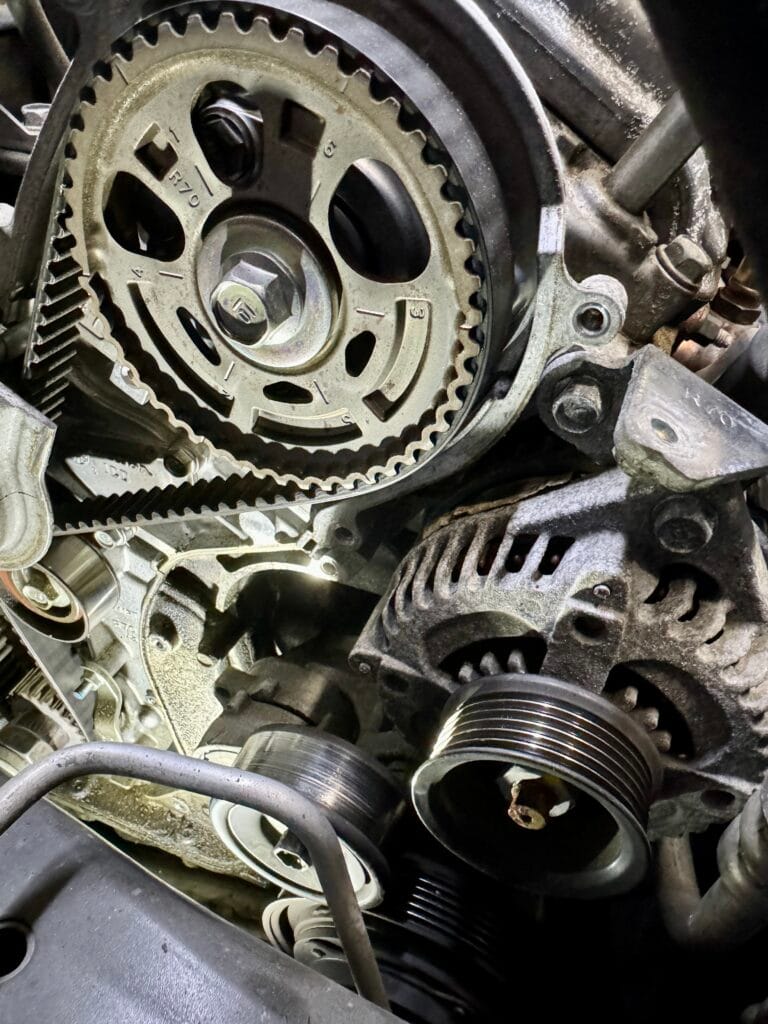
I popped the hood, already knowing what I’d find. The timing belt was in shreds, wrapped around the crank pulley like overcooked spaghetti. The Accord’s 2.4L was an interference engine—meaning when that belt snapped, the pistons and valves had a violent meeting. I’ve seen this hundreds of times: bent valves, cracked pistons, sometimes even a hole punched through the top of a piston. This engine? Totaled. $4,500 repair bill, minimum.
Two bays over, a 1998 Toyota Corolla with a 1.8L non-interference engine sat with a fresh belt. The owner had ignored the maintenance schedule, and the belt finally gave up at 120,000 miles. We slapped on a new belt, turned the key, and it purred like a kitten. Total cost: $350.
That’s the difference. One engine design forgives neglect. The other? Not so much.
If you’re a DIYer, a car owner, or just someone who wants to avoid a financial disaster, understanding interference vs non-interference engines is non-negotiable. Let’s break it down—no fluff, just the hard-earned lessons from 15 years of turning wrenches.
What Makes an Engine Interference or Non-Interference?
The Core Difference
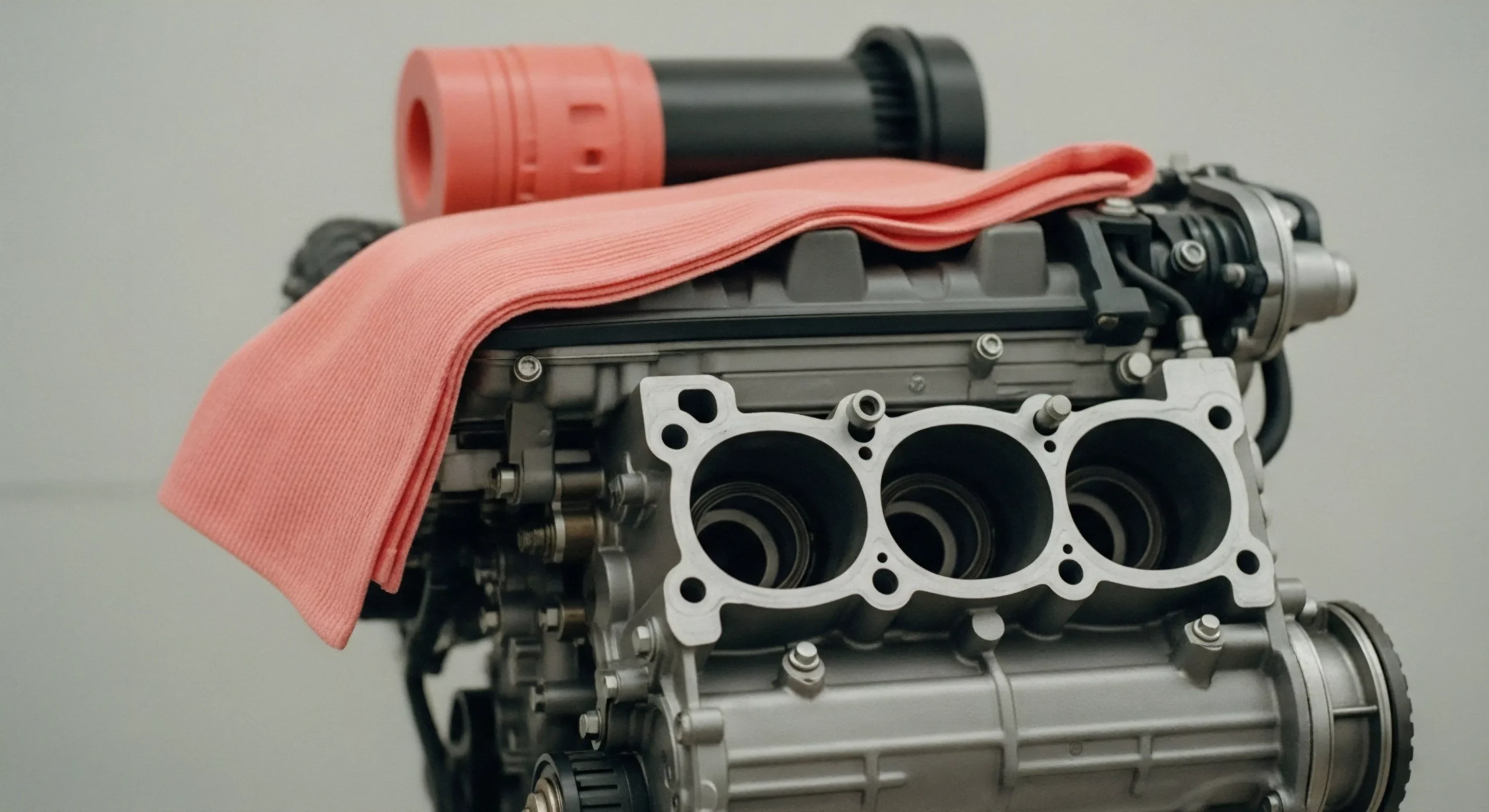
It all comes down to clearance. In an interference engine, the pistons and valves share the same space—but at different times. The timing belt or chain keeps them in perfect sync. If that belt snaps, the pistons keep moving, but the valves stop.Crunch.
In a non-interference engine, there’s enough clearance that even if the camshaft stops (and the valves freeze open), the pistons won’t smash into them. You’ll be stranded, but you won’t need a new engine.
Why Do Manufacturers Use Interference Designs?
Power and efficiency. Interference engines allow for higher compression ratios, better airflow, and more power. That’s why most modern engines are interference—especially turbocharged or high-performance ones. The trade-off? Catastrophic failure if the timing belt or chain fails.
Non-interference engines are rarer these days, but they’re out there. Think older Toyotas, some Mazdas, and a few GM V6s. They’re forgiving, but you sacrifice some performance.
Interference Engine List: Know Your Risk
Here’s apartial listof common interference engines (always double-check for your specific year/model):
- Honda:Most 4-cylinder engines (B-series, K-series, L-series)
- Toyota:2.4L 2AZ-FE (Camry, RAV4), 1.8L 2ZZ-GE (Celica GT-S)
- Ford:2.0L EcoBoost, 2.3L EcoBoost, 3.0L Duratec
- Nissan:QR25DE (Altima, Sentra), VQ35DE (350Z, G35)
- Subaru:EJ25 (WRX, Forester), FB25 (Outback, Legacy)
- VW/Audi:1.8T, 2.0T (almost all turbocharged engines)
For a more comprehensive list, check resources like RoadSumo’s interference engine database or AA1Car’s guide.
Non-Interference Engines: The Safe Bets
Non-Interference Engines: Details
These engines can often survive a broken belt:
- Toyota:22R-E (older pickups), 3.0L 3VZ-E (4Runner, Tacoma)
- Mazda:BP-series (Miata MX-5, pre-2000)
- GM:4.3L Vortec V6 (Silverado, Sierra)
- Ford:3.0L Vulcan V6 (Taurus, Ranger)
Again,verify before you rely. I’ve seen “non-interference” engines bend valves if the belt breaks at high RPM.
Timing Belt vs Timing Chain: Does It Matter?
Yes. Chainsusuallylast longer, but they’re not immune to failure. A stretched chain can jump timing, causing the same damage as a broken belt. Belts are cheaper to replace but require strict maintenance.
Learn more about [timing chain vs timing belt] (timing-chain-vs-timing-belt) differences and which is right for your car.
—
What Happens When a Timing Belt Breaks?
Interference Engine: The Domino Effect
- Belt snaps.
- Camshaft stops. Valves freeze in place.
- Crankshaft keeps spinning. Pistons rise.
- Impact.Valves bend, pistons crack, sometimes rods snap.
- Engine locks up or runs terribly (if it runs at all).
Repair cost:$3,000–$8,000(or a new engine).
Non-Interference Engine: The Lucky Break
Non-Interference Engine: Details
- Belt snaps.
- Engine stalls.
- No internal damage.
- Replace belt, realign timing, drive away.
Repair cost:$300–$800.
A broken timing belt on an interference engine—notice the shredded remains.
Tools & Materials for Timing Belt Replacement
If you’re tackling this job, here’s what you’ll need:
- Must-Have:
- Timing belt kit (belt, tensioner, idlers, water pump if driven by belt)
- 10mm, 12mm, 14mm sockets and wrenches
- Breaker bar and torque wrench
- Camshaft holding tool (engine-specific)
- Crankshaft pulley holder
- Gasket maker (for valve covers, water pump)
- Nice-to-Have:
- Engine support bar (for some FWD cars)
- Dial indicator (for precise timing)
- Air impact wrench (for stubborn bolts)
DIY Cost Breakdown (2006 Honda Civic 1.8L):
- Gates timing belt kit: $150
- Water pump: $60
- Coolant: $20
- Tools (if you don’t own them): $100–$300
- Total:$330–$530
Shop Cost:$800–$1,200
—
Step-by-Step: Replacing a Timing Belt
Safety First:
- Disconnect the battery.
- Wear safety glasses—broken belts can whip around.
- Never turn the crank or cams with the belt off unless you’re 100% sure of the engine’s position.
- Remove the serpentine belt, crank pulley, and timing covers.
- Align the camshaft and crankshaft timing marks.Double-check with a manual.
- Loosen the tensioner and remove the old belt.
- Install the new belt, tensioner, and idlers. Torque to spec (usually 30–50 ft-lbs).
- Rotate the engineby hand2 full revolutions. Recheck alignment.
- Reassemble, refill coolant, and start the engine.
—
OEM vs Aftermarket Timing Belts: What’s Worth It?
I’ve used both. Here’s the breakdown:
- OEM (Honda, Toyota, Subaru):Best fit, longest life. If you’re keeping the car long-term, spend the extra $50.
- Aftermarket (Gates, Dayco, Continental):Almost as good, often half the price. I trust Gates for 90% of jobs.
- Avoid:No-name brands or “lifetime” belts. They fail.
For more on [timing belt replacement intervals](timing-belt-replacement-interval), don’t skip the manufacturer’s schedule.
FAQ: Your Burning Questions Answered
Q: How do I know if my engine is interference or non-interference?Check your owner’s manual, call a dealer, or look up your engine code on a trusted site like RoadSumo. Never trust a forum post without verification.
Q: Can I drive with a broken timing belt?No. Even if the engine turns over, you risk catastrophic damage in an interference engine. Tow it.
Q: My belt looks fine. Can I wait?No. Belts fail from the inside out. If it’s past the recommended interval (usually 60K–100K miles), replace it. See what happens when you don’t: [broken timing belt damage](timing-belt-broke-while-driving).
Q: What’s the worst-case scenario?A snapped belt in a 2018 Subaru WRX at 70 mph. Totaled the engine. $7,800 repair. The belt job would’ve been $900.
Conclusion: Don’t Gamble with Your Engine
Here’s the bottom line:
- If you own aninterference engine, treat the timing belt like a ticking bomb. Replace it on schedule, no excuses.
- If you have anon-interference engine, you’ve got a safety net—but don’t abuse it.
- DIYers can save $500–$1,000 by doing the job themselves, but if you’re unsure, pay a pro. A botched timing job can total your engine.
I’ve seen too many people roll the dice and lose. Don’t be one of them. Spend the $800 now, or risk a $6,000 lesson later.
Stay safe, keep wrenching, and remember: the only thing worse than replacing a timing belt isnotreplacing it.
Top Interference Vs Non-Interference Engines Explained – Our Picks



Related: engine backfire causes
Related: cracked engine block symptoms
Related: engine break-in procedure
Related: engine displacement explained
Related: engine timing explained
Related: engine cooling explained