
Quick Answer: Your car’s air intake system delivers clean air to the engine for combustion. A clogged air filter or leaky intake tract can rob power, hurt fuel economy, and trigger check engine lights. Replacing an air filter takes 10 minutes and costs $15–$40. Ignoring intake issues can lead to $500+ repairs.
The Day a $5 Air Filter Saved a $5,000 Engine
It was a sweltering July afternoon in the shop—102°F outside, and the bay fans were just pushing hot air around. A regular customer, let’s call him Raj, rolled in with his 2014 Honda Accord LX. The car had been hesitating under acceleration, and the check engine light was flashing like a disco ball. He was convinced it was the fuel pump. “I read online it could be $800 to fix,” he said, already sweating the cost.
I plugged in my scan tool, and the code popped up: P0171—System Too Lean, Bank 1. That’s a classic sign of an air intake issue. Five minutes later, I pulled out the air filter housing and found the culprit: a filter so clogged with dirt and debris it looked like a furry rodent had taken up residence. Raj hadn’t replaced it in 60,000 miles—double the recommended interval. A $12 FRAM CA9672 filter and 10 minutes of labor later, the Accord purred like new. No fuel pump. No $800 repair. Just a lesson in how something as simple as airflow can make or break your engine.
That’s the thing about air intake systems: they’re easy to ignore until they’re not. And when they fail, the domino effect can wreck your wallet. I’ve seen everything from cracked intake manifolds to MAF sensors coated in oil vapor—all because someone skipped a $20 maintenance item. So let’s break down how this system works, what goes wrong, and how to keep it running right—whether you’re a weekend DIYer or just want to avoid getting fleeced at the dealership.
How Your Air Intake System Works (And Why It Matters)
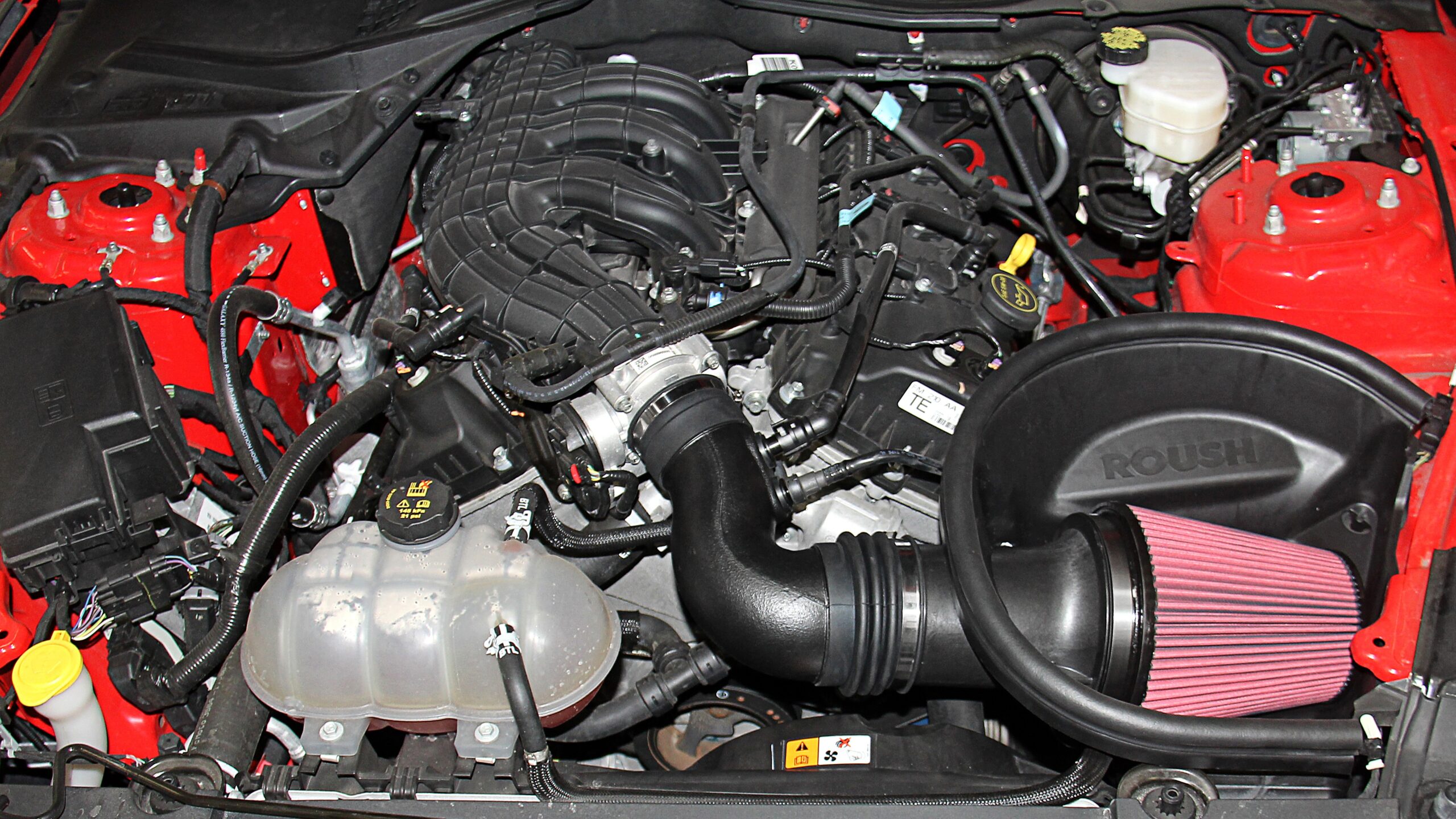
Your engine is basically a giant air pump. For every gallon of fuel burned, it needs about 10,000 gallons of air to keep running efficiently. The air intake system’s job is to deliver that air—clean, measured, and at the right temperature—to the engine’s cylinders. Here’s how it happens:
1. The Air Filter: First Line of Defense
Located in the air filter housing (usually a black plastic box near the front of the engine bay), the air filter traps dirt, bugs, and debris before they enter the engine. A clogged filter restricts airflow, forcing the engine to work harder. I’ve seen filters so dirty they add 2–3 psi of restriction to the intake tract—enough to drop fuel economy by 10% or more.
2. The Intake Tract: Highway for Air
From the filter, air travels through the intake tract—a series of tubes and hoses designed to smooth airflow and reduce turbulence. Aftermarket cold air intakes (like K&N or AEM) replace the stock tract with wider, less restrictive piping to improve airflow. But beware: a poorly designed intake can actually hurt performance by allowing hot engine bay air to enter the system.
3. The Mass Airflow Sensor (MAF): The Brain
The MAF sensor measures the volume and density of incoming air and sends data to the ECU, which adjusts fuel delivery accordingly. A dirty or failing MAF can cause rough idle, poor acceleration, and check engine lights. Cleaning one takes 5 minutes and costs $10 for CRC MAF cleaner. Replacing it? $120–$300, depending on the vehicle.
4. The Throttle Body: The Gatekeeper
The throttle body controls how much air enters the engine based on driver input. Carbon buildup on the throttle plate can cause sticking or uneven airflow. A throttle body cleaning (using CRC Throttle Body Cleaner) is a 30-minute job that can restore lost power and smooth out acceleration.
5. The Intake Manifold: The Distributor
The intake manifold distributes air evenly to each cylinder. Cracks or leaks here can cause vacuum leaks, leading to lean conditions and misfires. Plastic manifolds (common on GM 3.8L engines) are notorious for cracking after 100,000 miles. Replacement costs $400–$800 for parts alone.
Common Air Intake Problems (And How to Spot Them)
Here’s what I see most often in the shop, along with the symptoms and fixes:
Likely Cause: Dirty or failing MAF sensor, or a leak in the intake tract.
Fix: Clean the MAF with CRC cleaner. If the code returns, replace the sensor. Check for cracked hoses or loose clamps.
Likely Cause: Clogged air filter, vacuum leak, or throttle body carbon buildup.
Fix: Replace the air filter, inspect hoses for cracks, and clean the throttle body.
Likely Cause: Vacuum leak in the intake manifold or hoses.
Fix: Use a smoke machine or spray carb cleaner around intake components—listen for RPM changes to locate the leak.
Likely Cause: Restricted airflow from a clogged filter or collapsed intake hose.
Fix: Replace the air filter and inspect all hoses for damage.
If you’re seeing any of these, don’t ignore them. A lean condition (too much air, not enough fuel) can cause engine-damaging detonation over time.
DIY Maintenance: Step-by-Step Guides
1. Replacing Your Air Filter
Locate the air filter housing. It’s usually a black plastic box with clips or screws on top.
Unclip or unscrew the housing lid. Some vehicles (like Ford F-150s) have a quick-release latch.
Remove the old filter. Check for debris in the housing—if it’s dirty, wipe it out with a rag.
Insert the new filter. Make sure it’s seated properly—no gaps around the edges.
Reattach the housing lid. Double-check that all clips are secure.
2. Cleaning the MAF Sensor
Unplug the electrical connector from the MAF sensor. It’s usually located in the intake tract between the air filter and throttle body.
Remove the MAF sensor from the housing. Most are held in with two screws.
Spray the sensor wires (not the housing) with CRC Mass Air Flow Sensor Cleaner. Let it dry completely—do not touch the wires.
Reinstall the sensor and reconnect the electrical plug.
3. Inspecting for Vacuum Leaks
A smoke machine is the gold standard, but you can DIY with carb cleaner:
Start the engine and let it idle.
Spray carb cleaner around intake hoses, the throttle body gasket, and the intake manifold.
Listen for the engine RPM to rise. If it does, you’ve found your leak.
Cost Breakdown: DIY vs. Professional Service
| Service | DIY Cost | Professional Cost | Tools Needed |
|---|---|---|---|
| Air Filter Replacement | $15–$40 | $40–$80 | None (or basic screwdriver) |
| MAF Sensor Cleaning | $10–$15 | $80–$120 | CRC MAF Cleaner, screwdriver |
| Throttle Body Cleaning | $15–$20 | $100–$150 | CRC Throttle Body Cleaner, rag |
| Intake Manifold Gasket Replacement | $50–$150 | $400–$800 | Socket set, torque wrench, gasket scraper |
Tools & Materials You’ll Need
- Basic Tool Kit: Ratchets, sockets, screwdrivers ($50–$100 at Harbor Freight).
- CRC MAF Cleaner: $10 at AutoZone. Only use this—no substitutes.
- CRC Throttle Body Cleaner: $12 at Advance Auto Parts.
- Replacement Air Filter: $15–$40. Stick with OEM or reputable brands like FRAM, WIX, or K&N.
- Torque Wrench: $40–$80. Critical for intake manifold bolts (usually 18–25 ft-lbs).
- Nitrile Gloves: $10 for a box. Keep grease off your hands and parts.
FAQs: Your Air Intake Questions Answered
How often should I replace my air filter?
Every 15,000–30,000 miles, depending on driving conditions. If you drive on dirt roads or in heavy traffic, replace it every 15,000 miles. I’ve seen filters last 50,000 miles in highway-driven cars, but that’s pushing it.
Does a cold air intake really improve performance?
On a stock engine, maybe 5–10 hp. The real benefit is better throttle response and a sportier engine note. But if your stock intake is restrictive (like on a turbocharged car), an aftermarket intake can add 15–25 hp when tuned properly.
Can I clean and reuse my air filter?
Only if it’s a cotton gauze filter (like K&N). Paper filters can’t be cleaned—they’ll fall apart. Even washable filters lose effectiveness after 3–4 cleanings. Replace them.
Why does my car idle rough after I clean the MAF sensor?
You probably didn’t let it dry completely or used the wrong cleaner. Disconnect the battery for 10 minutes to reset the ECU, then drive the car for 20 minutes to relearn the sensor.
What’s the most common intake system mistake DIYers make?
Forgetting to reconnect the MAF sensor electrical plug. I’ve seen cars tow in with “no start” issues—only to find the MAF unplugged after a filter change. Always double-check connections!
Final Thoughts: A Mechanic’s Perspective
Your air intake system is the lungs of your engine. Neglect it, and you’re basically asking your car to run a marathon while breathing through a straw. The good news? Most intake maintenance is easy, cheap, and takes less than an hour.
I’ve saved customers thousands by catching intake issues early. A $15 air filter every 20,000 miles beats a $500 intake manifold repair any day. And if you’re tempted by aftermarket upgrades, do your research—some “performance” intakes are all show, no go.
Bottom line: Listen to your car. If it’s hesitating, idling rough, or guzzling gas, the intake system is a great place to start troubleshooting. And if you’re ever unsure, ask a mechanic. We’d rather answer a quick question than rebuild an engine you ignored into the ground.
Now grab a flashlight, pop your hood, and take a look at that air filter. If it’s dirtier than your last oil change, you’ve got a 10-minute project waiting.