Air Intake System Explained: Parts Function and Issues
⚡ Quick Answer:
Your car’s air intake system delivers clean air to the engine for combustion. A clogged air filter or leaky intake tract can:
- ❌ Reduce engine power
- ❌ Hurt fuel economy
- ❌ Trigger check engine lights (e.g., P0171, P0100)
Good news: Replacing an air filter takes about 10 minutes and costs $15–$40. Ignoring intake issues can lead to repairs costing $500 or more.
The Day a $5 Air Filter Saved a $5,000 Engine
It was a sweltering July afternoon in the shop — 102°F outside — and the bay fans were just pushing hot air around.
A regular customer, let’s call him Raj, rolled in with his 2014 Honda Accord LX. The car had been hesitating under acceleration, and the check engine light was flashing. He was convinced it was the fuel pump.
“I read online it could be $800 to fix,” he said, already sweating the cost.
I plugged in my scan tool, and the code popped up: P0171 — System Too Lean (Bank 1)
Five minutes later, I opened the air filter housing and found the culprit: a filter so clogged with dirt and debris it looked like a furry rodent had taken up residence. Raj hadn’t replaced it in 60,000 miles — double the recommended interval.
A $12 FRAM CA9672 filter and 10 minutes of labor later, the Accord purred like new.
- ✅ No fuel pump repair
- ✅ No $800 bill
- ✅ Just a simple airflow issue
That’s the thing about air intake systems: they’re easy to ignore until they fail. And when they do, the domino effect can wreck your wallet.
📌 In This Guide:
🔧 How Your Air Intake System Works (And Why It Matters)
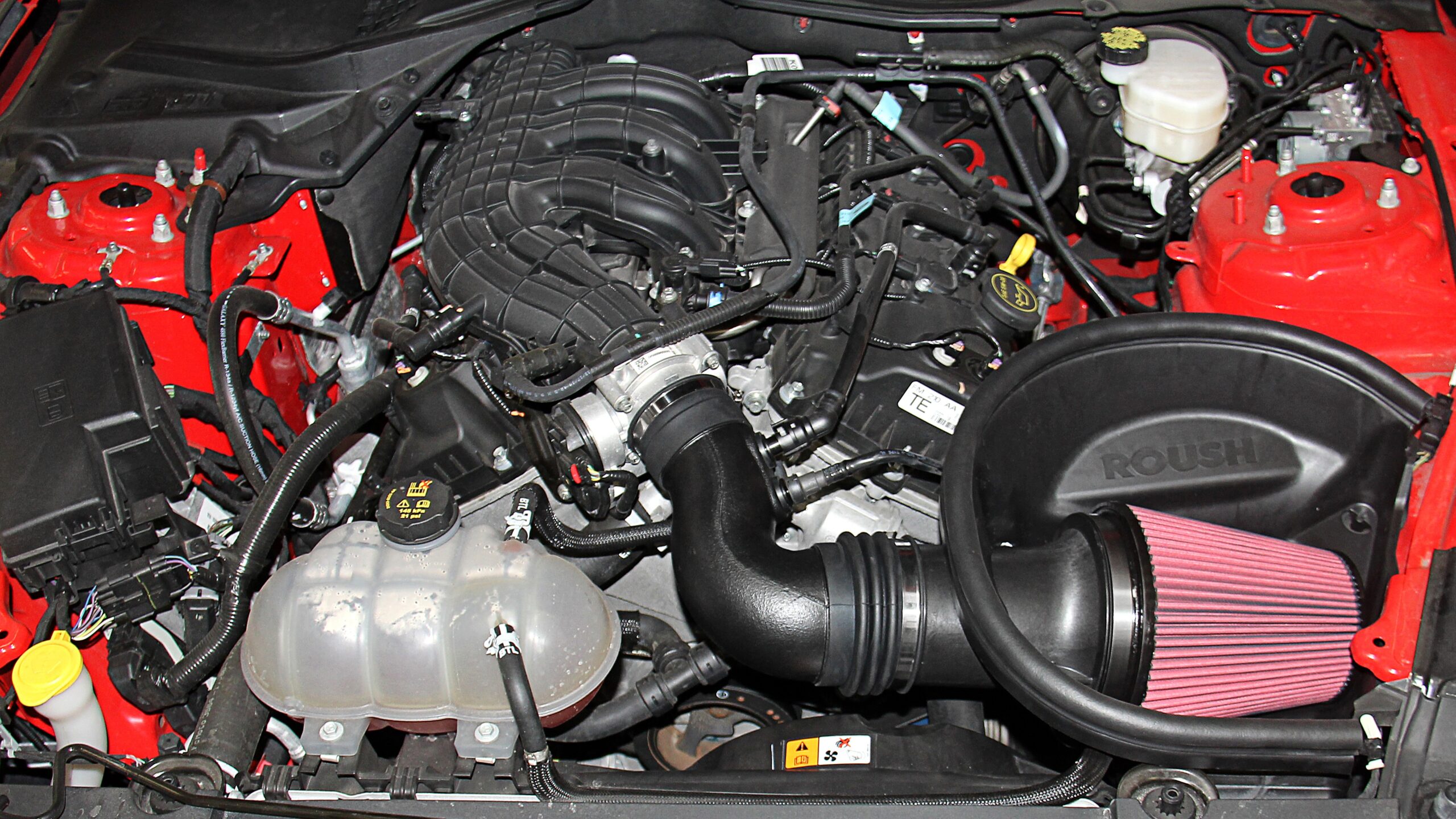
Your engine is basically a giant air pump. For every gallon of fuel burned, it needs roughly 10,000 gallons of air to operate efficiently. The air intake system ensures that air is clean, measured, and delivered to the engine for optimal combustion.
Here’s how it works, step by step:
1️⃣ Air Filter
Purpose: Traps dirt, dust, bugs, and debris before they enter the engine.
Why It Matters: A clogged filter restricts airflow, leading to:
- ❌ Reduced engine power (poor acceleration)
- ❌ Poor fuel economy (engine works harder)
- ❌ Increased emissions (incomplete combustion)
💡 Pro Tip: Tap your air filter lightly on a workbench. If dirt falls out, it’s overdue for replacement.
2️⃣ Intake Tract
Purpose: Routes clean air through tubes and hoses designed to smooth airflow and reduce turbulence.
Why It Matters: Cracks or leaks in the intake tract can cause:
- ❌ Unmetered air (throws off fuel-air ratio)
- ❌ Vacuum leaks (triggers check engine lights)
- ❌ Whistling/hissing noises (audible air leaks)
3️⃣ Mass Airflow Sensor (MAF)
Purpose: Measures incoming air volume and density so the ECU (Engine Control Unit) can adjust fuel delivery.
Why It Matters: A dirty or failing MAF sensor can cause:
- ❌ Rough idle
- ❌ Hesitation under acceleration
- ❌ Check engine lights (e.g., P0100, P0101, P0102)
💰 MAF Sensor Costs:
- Cleaning: $10 (CRC MAF Cleaner)
- Replacement: $120–$300 (parts + labor)
4️⃣ Throttle Body
Purpose: Controls how much air enters the engine based on throttle input.
Why It Matters: Carbon buildup can cause:
- ❌ Sticking throttle (rough acceleration)
- ❌ Rough idle
- ❌ Poor fuel economy
5️⃣ Intake Manifold
Purpose: Distributes air evenly to each cylinder.
Why It Matters: Cracks or leaks can create:
- ❌ Vacuum leaks
- ❌ Lean conditions (too much air, not enough fuel)
- ❌ Check engine lights (e.g., P0171, P0174)
⚠️ Common Air Intake Problems & Symptoms
Air intake issues often start small but can lead to big problems if ignored. Here are the most common symptoms and their likely causes:
🔹 Check Engine Light (P0100, P0101, P0102)
What It Means: These codes indicate a problem with the MAF sensor or airflow.
Likely Causes:
- ✅ Dirty MAF sensor
- ✅ Failing MAF sensor
- ✅ Intake tract leak
- ✅ Clogged air filter
How to Fix:
- Clean the MAF sensor with CRC MAF Cleaner.
- Inspect hoses and connections for cracks or leaks.
- Replace the air filter if clogged.
🔹 Rough Idle or Hesitation
What It Means: Your engine isn’t getting the right mix of air and fuel.
Likely Causes:
- ✅ Clogged air filter
- ✅ Vacuum leak
- ✅ Dirty throttle body
- ✅ Failing MAF sensor
How to Fix:
- Replace the air filter.
- Clean the throttle body with throttle body cleaner.
- Check for vacuum leaks (listen for hissing noises).
🔹 Whistling or Hissing Noise
What It Means: You likely have a vacuum leak.
Likely Causes:
- ✅ Cracked or disconnected intake hose
- ✅ Leaking intake manifold gasket
- ✅ Loose or damaged clamps
How to Fix:
- Inspect all hoses and connections for cracks or disconnections.
- Tighten loose clamps.
- Replace damaged hoses or gaskets.
🔹 Poor Acceleration or Power Loss
What It Means: Your engine isn’t getting enough air.
Likely Causes:
- ✅ Severely clogged air filter
- ✅ Restricted intake tract
- ✅ Failing MAF sensor
How to Fix:
- Replace the air filter.
- Inspect the intake tract for obstructions.
- Test or replace the MAF sensor.
🔹 Black Smoke from Exhaust
What It Means: Your engine is running too rich (too much fuel, not enough air).
Likely Causes:
- ✅ Clogged air filter
- ✅ Failing MAF sensor (overestimating airflow)
- ✅ Dirty throttle body (sticking open)
How to Fix:
- Replace the air filter.
- Clean or replace the MAF sensor.
- Clean the throttle body.
⚠️ Warning: If you notice black smoke along with a strong fuel smell, pull over and have your car towed. This could indicate a serious fuel system issue.
🛠️ DIY Maintenance: Step-by-Step Guides
Most air intake maintenance tasks are simple and require minimal tools. Here’s how to tackle the most common jobs:
🔧 How to Replace Your Air Filter
🔧 Detailed Steps Replace Your Air Filter
Time: 10 minutes | Cost: $15–$40 | Difficulty: ⭐ (Easy)
Tools Needed: Screwdriver (or no tools for some models)
- Locate the air filter housing (usually a black plastic box near the engine).
- Remove the clips or screws securing the housing lid.
- Open the housing and remove the old air filter.
- Inspect the housing for dirt or debris (clean if necessary).
- Install the new filter (ensure it’s seated properly).
- Reattach the housing lid and secure the clips/screws.
💡 Pro Tip: Write the installation date and mileage on the new filter with a marker. This helps you track when it’s time for the next replacement.
🔧 How to Clean the MAF Sensor
🔧 Detailed Steps Clean the MAF Sensor
Time: 15 minutes | Cost: $10–$15 | Difficulty: ⭐⭐ (Moderate)
Tools Needed: CRC MAF Cleaner, flathead screwdriver
⚠️ Important: Never use brake cleaner or compressed air on a MAF sensor. These can damage the delicate sensor wires.
- Disconnect the negative battery terminal (prevents electrical damage).
- Locate the MAF sensor (usually between the air filter and throttle body).
- Disconnect the electrical connector from the MAF sensor.
- Remove the MAF sensor from its housing (may require unscrewing clamps).
- Spray the sensor wires with CRC MAF Cleaner (5–10 short bursts).
- Let it dry completely (10–15 minutes). Do not touch the wires.
- Reinstall the MAF sensor and reconnect the electrical connector.
- Reconnect the battery terminal.
💡 Note: If your car still runs poorly after cleaning the MAF sensor, it may need replacement. MAF sensors degrade over time and can’t always be revived with cleaning.
🔧 How to Clean the Throttle Body
🔧 Detailed Steps Clean the Throttle Body
Time: 20 minutes | Cost: $15–$20 | Difficulty: ⭐⭐ (Moderate)
Tools Needed: Throttle body cleaner, rag, screwdriver
- Disconnect the negative battery terminal.
- Locate the throttle body (attached to the intake manifold).
- Remove the air intake hose connected to the throttle body.
- Spray throttle body cleaner onto a rag and wipe the throttle plate and housing.
- For stubborn carbon buildup, spray cleaner directly onto the throttle plate and let it soak for a few minutes before wiping.
- Reconnect the air intake hose.
- Reconnect the battery terminal.
- Start the engine and let it idle for a few minutes to relearn throttle positions.
💡 Pro Tip: If your throttle body is extremely dirty, consider removing it for a deeper clean. This may require a gasket replacement.
🔧 How to Check for Vacuum Leaks
🔧 Detailed Steps Check for Vacuum Leaks
Time: 15 minutes | Cost: $0 | Difficulty: ⭐ (Easy)
Tools Needed: None (or a can of carb cleaner for testing)
- Start the engine and let it idle.
- Listen for hissing or whistling noises near the intake manifold and hoses.
- Inspect all hoses and connections for cracks, disconnections, or damage.
- Spray carb cleaner around suspected leak areas. If the engine RPM temporarily increases, you’ve found a leak.
- Tighten loose connections or replace damaged hoses.
⚠️ Warning: If you’re unsure about testing for vacuum leaks, have a professional mechanic inspect your vehicle. Incorrect testing can cause engine damage.
💰 Cost Breakdown: DIY vs. Professional Service
One of the biggest advantages of DIY air intake maintenance is the cost savings. Here’s how much you can save by doing it yourself:
| Service | DIY Cost | Professional Cost | Savings | Tools Needed |
|---|---|---|---|---|
| Air Filter Replacement | $15–$40 | $40–$80 | $25–$40 | Screwdriver |
| MAF Sensor Cleaning | $10–$15 | $80–$120 | $70–$105 | CRC MAF Cleaner |
| Throttle Body Cleaning | $15–$20 | $100–$150 | $85–$130 | Throttle body cleaner + rag |
| Intake Manifold Gasket Replacement | $50–$150 | $400–$800 | $350–$650 | Socket set + torque wrench |
| Vacuum Leak Diagnosis | $0–$10 | $80–$150 | $80–$140 | Carb cleaner (optional) |
💰 Total Potential Savings: By tackling these tasks yourself, you can save $500–$1,000+ over the life of your car!
❓ FAQs: Your Air Intake Questions Answered
🔹 How often should I replace my air filter?
Standard Interval: Every 15,000–30,000 miles.
Severe Conditions: Every 10,000–15,000 miles if you drive in:
- Dusty or dirty environments
- Heavy traffic (stop-and-go driving)
- Extreme heat or cold
💡 Pro Tip: Check your air filter every 5,000 miles if you drive in harsh conditions. A quick visual inspection can prevent costly repairs.
🔹 Does a cold air intake improve performance?
Short Answer: On stock engines, gains are usually minimal (5–10 HP).
Long Answer: Cold air intakes can improve performance by:
- ✅ Delivering cooler, denser air to the engine (more oxygen = better combustion).
- ✅ Reducing intake restriction (better airflow).
But:
- ❌ Gains are often overstated by manufacturers.
- ❌ May require ECU tuning to see full benefits.
- ❌ Can void warranties if not installed properly.
💡 Bottom Line: If you’re looking for serious performance gains, consider a tune or turbo upgrade instead. Cold air intakes are best for sound and aesthetics.
🔹 Can I clean and reuse my air filter?
Short Answer: Only washable cotton gauze filters (like K&N) are reusable.
Long Answer:
- ✅ Washable filters (e.g., K&N) can be cleaned and reused.
- ❌ Paper filters (most OEM filters) cannot be cleaned and reused.
- ⚠️ Oil-coated filters (e.g., K&N) require special cleaner and oil for maintenance.
⚠️ Warning: Attempting to clean a paper filter can damage it and reduce its effectiveness. Always replace paper filters.
🔹 Why does my car idle rough after cleaning the MAF sensor?
Common Causes:
- ✅ The sensor wasn’t dry when reinstalled.
- ✅ The wrong cleaner was used (e.g., brake cleaner).
- ✅ The sensor was damaged during cleaning.
- ✅ The electrical connection is loose or corroded.
How to Fix:
- Remove the MAF sensor and let it dry for another 15–20 minutes.
- Reinstall the sensor and ensure the connection is secure.
- If the problem persists, the sensor may need replacement.
🔹 Can a dirty air filter cause a check engine light?
Short Answer: Yes, but indirectly.
Long Answer: A severely clogged air filter can cause:
- ✅ A lean fuel condition (too much air, not enough fuel).
- ✅ The ECU to trigger codes like P0171 (System Too Lean).
But: The check engine light is more likely to be triggered by:
- ✅ A dirty or failing MAF sensor.
- ✅ A vacuum leak.
🔹 How do I know if my air filter is clogged?
Visual Inspection:
- ✅ Remove the air filter and hold it up to a light.
- ✅ If you can’t see light through it, it’s clogged.
- ✅ Look for dirt, debris, or oil saturation.
Symptoms of a Clogged Filter:
- ❌ Reduced engine power
- ❌ Poor fuel economy
- ❌ Black smoke from the exhaust
- ❌ Check engine light (P0171, P0100, etc.)
🔹 What’s the best air filter for my car?
🔹 Understanding’s the best air filter for my car?
OEM Filters: The safest choice. Designed specifically for your vehicle.
Aftermarket Filters:
- ✅ FRAM (affordable, widely available)
- ✅ K&N (washable, high-performance)
- ✅ Mann Filter (high-quality, OEM supplier)
- ✅ Bosch (reliable, good filtration)
💡 Pro Tip: Stick with OEM or high-quality aftermarket filters. Cheap filters may not provide adequate protection.
🔹 Can I drive with a missing air filter?
Short Answer: No!
Long Answer: Driving without an air filter allows dirt, debris, and bugs to enter your engine, causing:
- ❌ Severe engine damage (scratches on cylinders, pistons, etc.)
- ❌ Reduced engine lifespan
- ❌ Poor performance (clogged injectors, sensors, etc.)
🚨 Warning: Even a short drive without an air filter can cause permanent damage. Always replace a missing or damaged filter immediately.
📚 Related Guides
- MAF Sensor Replacement Guide: Symptoms and DIY Steps
- Bad MAF Sensor Symptoms: 8 Signs of Failure
- Carburetor Rebuild Kit Guide: How to Choose the Right Kit
- Carburetor Adjustment: How to Tune for Best Performance
- Carburetor Cleaning: Complete Guide for Classic Cars
- Best Fuel Injector Cleaners 2026: Top 10 Tested & Reviewed
🎯 Final Thoughts: Don’t Neglect Your Air Intake System
Your car’s air intake system is one of those unsung heroes—easy to overlook but critical to performance, efficiency, and longevity. A simple 10-minute air filter replacement or MAF sensor cleaning can save you hundreds (or even thousands) in repairs down the road.
Remember Raj’s story? A $12 air filter saved him from an $800 fuel pump repair. That’s the power of preventative maintenance.
🚀 Your Action Plan:
- Check your air filter today (it takes 2 minutes).
- Replace it if it’s dirty (every 15,000–30,000 miles).
- Clean your MAF sensor if you notice rough idle or hesitation.
- Listen for vacuum leaks (whistling/hissing noises).
- Save $500+ by doing it yourself!
Top Air Intake System Explained – Our Picks


Your engine will thank you—and so will your wallet.