Throttle Body Cleaning DIY: Symptoms Steps and Cost
It was a Tuesday morning in late October. You could see your breath in the shop before the heaters kicked on. A customer pulled up in a 2015 Honda Civic with 87,000 miles. Rough idle. Random stalling at every stop light. “It feels like the car wants to die,” she said. She’d already paid $400 at a quick-lube place for a fuel system cleaning that did nothing.
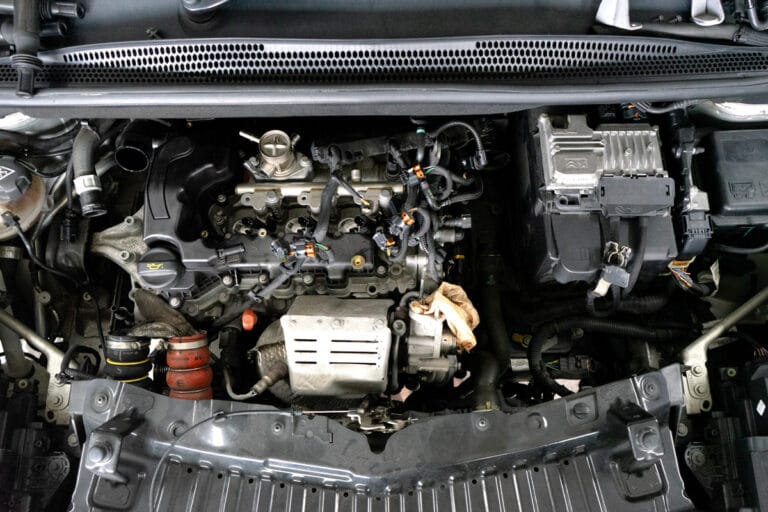
I popped the hood. Pulled the intake tube. There it was: a throttle body caked in black, crusty carbon. The plate could barely swing open. Twenty minutes and one can of throttle body cleaner later, that Civic idled smooth again.
I run into this exact scenario two or three times a week. A dirty throttle body is one of the most common causes of rough idle, stalling, and poor acceleration on higher-mileage vehicles. It’s also one of the easiest fixes in the whole maintenance book. This guide walks through the real 2026 process, the symptoms that give it away, and the throttle body cleaner that actually works, not the stuff that just moves the grime around.
What Does a Throttle Body Do?
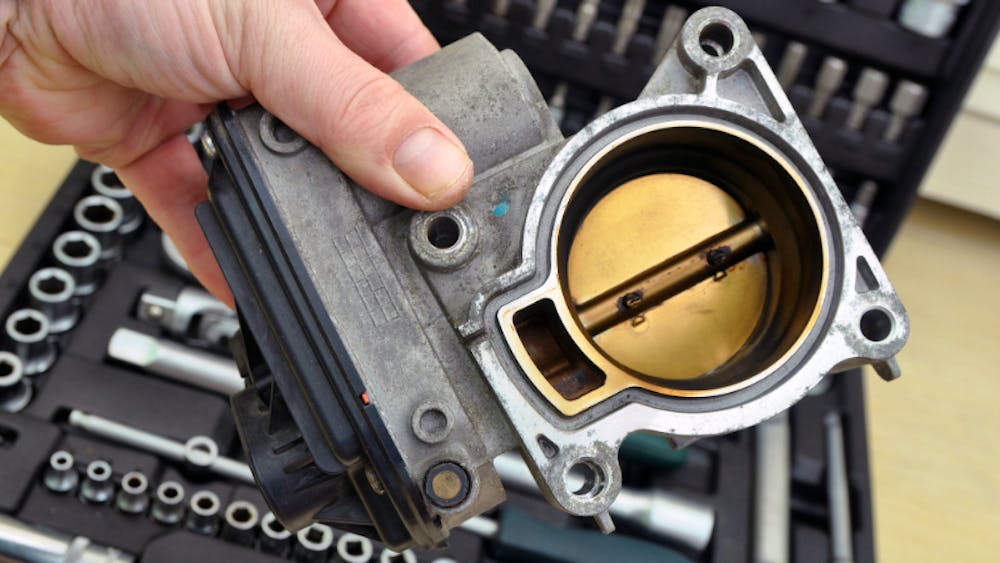
Your throttle body controls how much air enters your engine. Press the gas pedal, and you’re not feeding fuel directly. You’re opening a butterfly valve that regulates airflow into the intake manifold. More air in, more power out. That’s the whole job.
But here’s where things go wrong. Your engine’s crankcase ventilation system pulls oil vapor back through the intake. Add road dust that sneaks past the air filter. Add exhaust gas recirculated through the EGR valve. All three combine into a sticky film. That film hardens on the throttle plate and bore over tens of thousands of miles.
I’ve pulled throttle bodies so clogged the plate barely cracked past 50 percent open at wide-open throttle. So before you chase poor acceleration causes down an expensive path, check the throttle body first. It’s the cheapest diagnostic step in the entire engine bay.
Signs of a Dirty Throttle Body
Most days I can diagnose this before I even open the hood. The customer’s description gives it away every time.
Idle speed hunts between 500 and 900 RPM at a stop light. That’s carbon throwing off the airflow calibration the ECU expects. The engine stalls out of nowhere while idling in traffic. That’s the plate sticking in a partially closed spot. Acceleration feels delayed, almost like the car has to think it over first. Fuel economy drops a few miles per gallon with no obvious cause. And the check engine light comes on, often with codes P0505, P0506, P0507, P0121, P0122, or P0123.
None of that list is exclusive to a dirty throttle body, though. A failing idle air control valve, a bad throttle position sensor, or a vacuum leak can produce nearly identical symptoms. That’s exactly why the inspection step matters more than a guess.
Tools and Materials for the Job
You don’t need a shop full of equipment. Here’s what actually gets used on my bench.
| Tool / Material | Purpose | Estimated Cost |
|---|---|---|
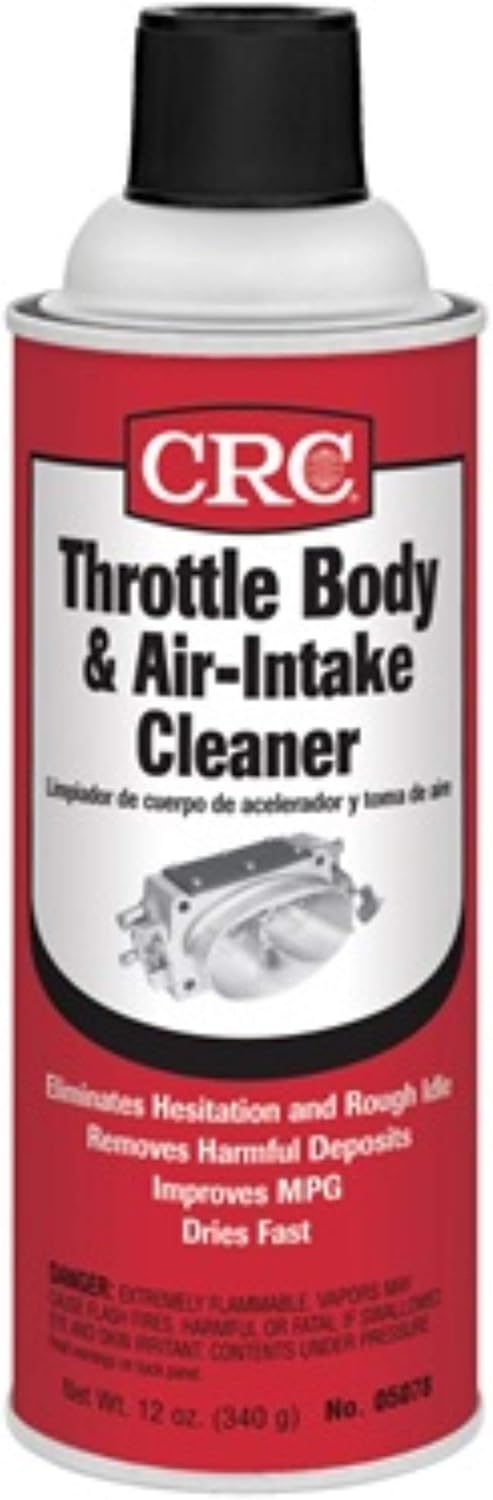
| Throttle body & air intake cleaner | Dissolves carbon deposits | $7–10 |
| Microfiber towels | Wipes residue without scratching the bore | $5 |
| Screwdriver set | Removes intake clamps | $10–20 |
| Socket set | Removes intake bolts | $20–40 |
| Soft brush | Scrubs stubborn buildup along the bore edge | $2–3 |
| Nitrile gloves | Hand protection from solvent | $5 |
As an Amazon Associate, VehicleBar earns from qualifying purchases at no extra cost to you.
Best Overall
For the MAF Sensor
Don’t cross these two. Throttle body cleaner and MAF sensor cleaner use different formulas. The wrong spray on a MAF sensor can damage its wire element and trigger new codes.
Don’t cross these two. Throttle body cleaner and MAF sensor cleaner use different formulas. The wrong spray on a MAF sensor can damage its wire element and trigger new codes.
Before You Start Cleaning
Electronic vs. Cable-Operated Throttle Bodies
Most vehicles built after 2005 use electronic throttle control instead of a physical cable. That matters here. Electronic systems sometimes need an idle relearn after cleaning, because the ECU adapted to the old, dirty airflow reading.
Clean In Place or Remove It Completely?
You can clean the throttle body while it’s still bolted to the intake, or pull it for a deeper job. Light to moderate buildup rarely needs full removal.
| Method | Time Required | Best For |
|---|---|---|
| Clean in place | 15–20 minutes | Light to moderate carbon buildup |
| Complete removal | 45–60 minutes | Heavy, caked-on deposits |
How to Clean a Throttle Body Step by Step
Here’s the exact process I follow in the bay. Repeat it at home and you’ll get the same result.
- Park on level ground. Disconnect the battery if your service manual calls for it.
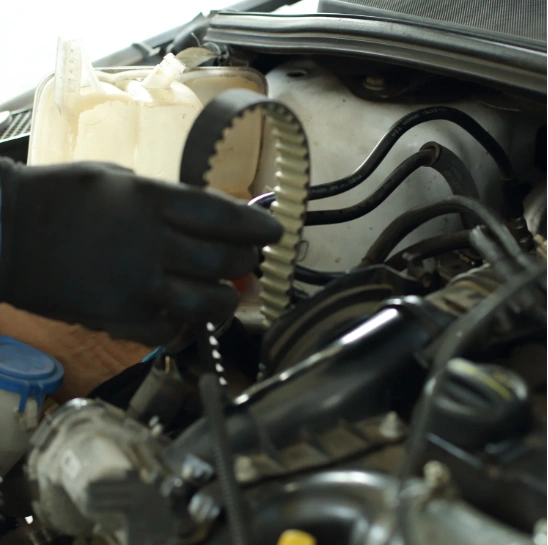
- Remove the intake tube connected to the throttle body.
- Inspect the throttle plate for a black, crusty film.
- Spray throttle body cleaner onto a microfiber towel, not directly into the bore.
- Wipe both sides of the throttle plate carefully.
- Use a soft brush on stubborn deposits along the bore edge.
- Let the cleaner evaporate fully before reassembly.
- Reinstall the intake tube and tighten the clamps.
- Start the engine and run the idle relearn if your vehicle needs it.
That’s the whole job. No special tools. No dealer visit. Just carbon, cleaner, and a little patience.
Mistakes That Undo the Job
Spraying cleaner straight into the bore is the biggest one I see. It pools behind the plate and can seep into the throttle position sensor. The result is erratic readings and a fresh check engine light, the opposite of what you wanted.
Skipping the idle relearn is another. The ECU adapted its idle target to the old, dirty airflow reading. Skip the relearn, and you might get a rough idle for a day or two even after a clean, correct job.
Don’t confuse throttle body cleaner with carburetor cleaner, either. Carb cleaner is more aggressive and can damage plastic components on modern electronic throttle bodies. Stick to a product labeled specifically for throttle body and air intake use, like the CRC or Gumout options above.
DIY Cost vs. Shop Cost in 2026
A can of throttle body cleaner runs $7 to $10 in 2026. Add a few dollars for gloves and towels, and you’re under $20 total. A shop visit for the same job runs $150 to $300, mostly labor. That gap makes this one of the highest-value DIY jobs on the whole maintenance calendar.
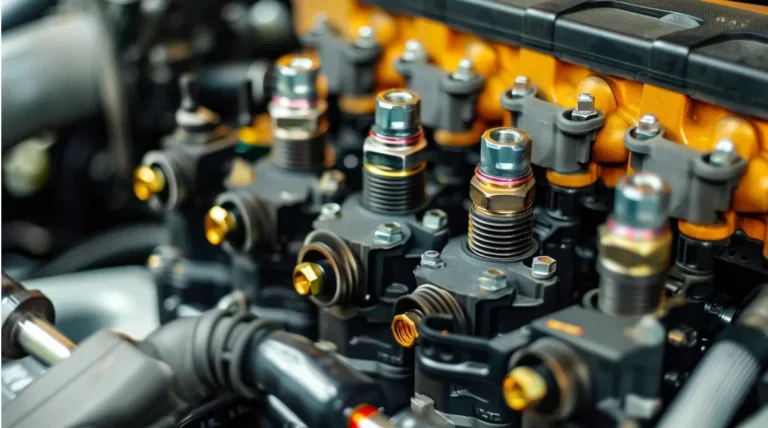
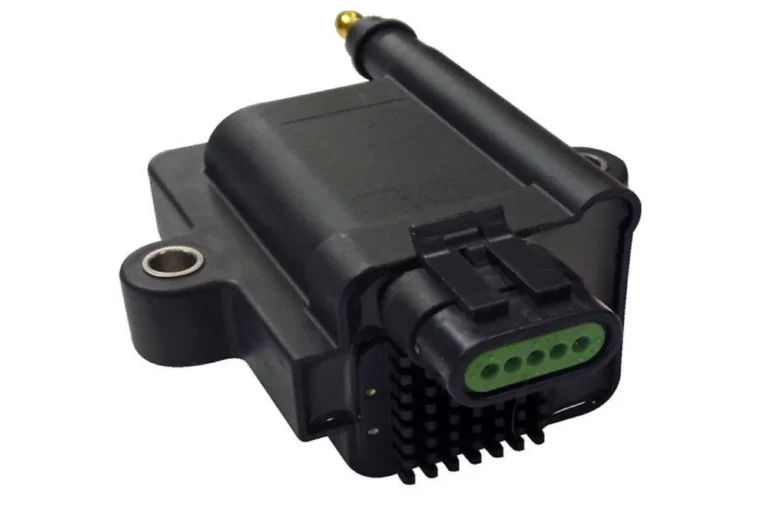
If your car is already due for related work, bundle the jobs. A fresh spark plug replacement or a fuel injector cleaning pairs naturally with a throttle body service. All three affect how smoothly your engine idles and accelerates, so tackling them together saves a second trip under the hood.
When to Call a Mechanic Instead
A cleaning won’t fix everything. If the idle stays rough after a proper cleaning and relearn, the throttle body itself may be worn out. Some units develop a sloppy shaft or a failing electronic actuator that no amount of spray will cure.
Persistent codes like P0121 or P0122 after cleaning usually point to the throttle position sensor, not carbon. And if you’re not comfortable disconnecting the battery or resetting adaptive idle values on a newer vehicle, a shop visit protects you from a bigger repair bill down the line.
Frequently Asked Questions
How often should you clean a throttle body?
Most port-injection engines need this every 60,000 to 80,000 miles. Direct injection engines build carbon faster, so plan on 30,000 to 40,000 miles instead.
Can a dirty throttle body cause stalling?
Yes. Carbon buildup restricts airflow past the plate at idle. The engine can’t pull enough air to hold a stable idle, so it stalls, especially at stop lights.
Do I need to remove the throttle body to clean it?
No, not for light or moderate buildup. Cleaning in place takes 15 to 20 minutes and works for most vehicles. Full removal is only needed for heavy, caked-on carbon.
Is throttle body cleaner the same as carburetor cleaner?
No. Carb cleaner is a stronger solvent that can damage plastic parts on modern electronic throttle bodies. Use a product labeled for throttle body and air intake use instead.
Why does my car idle rough after cleaning the throttle body?
This usually means the ECU needs an idle relearn. Idle for 5 minutes, shut off for 10 seconds, restart, and idle again before driving normally.
What does a dirty throttle body sound or feel like?
Expect an idle that hunts between 500 and 900 RPM, hesitation when you press the gas, and occasional stalling at a stop. Some vehicles also throw a check engine light.
Will cleaning the throttle body improve gas mileage?
Often, yes. Carbon buildup forces the ECU to compensate with a richer fuel mixture at idle. Clearing that buildup can recover a few miles per gallon on affected vehicles.
Related Guides
For more on the systems that work alongside your throttle body, check our guide to rough idle at startup, our breakdown of PCV valve failure symptoms, and our full idle air control valve guide. If you’re planning a bigger tune-up, our spark plug replacement guide and fuel injector cleaning guide cover the next logical steps.