Best Led Headlights (2026): Tested & Ranked
Best LED Headlights for Cars: The 2026 Buyer’s Guide to Brighter, Safer Night Driving
LED headlights are the semiconductor-based lighting systems that have replaced halogen and HID bulbs as the default choice for modern vehicle lighting. Unlike the incandescent filaments of halogen bulbs or the gas-discharge tubes of HID, LED headlights use light-emitting diodes to produce a bright, focused beam with significantly less energy consumption and a longer lifespan — typically 30,000 to 50,000 hours compared to halogen’s 1,000 to 2,000 hours. This shift isn’t just about brightness; it’s about how the light is shaped, how it interacts with road signs, and how it affects the safety of everyone on the road at night.
In this buyer’s guide, we’ll break down the attributes that actually matter when you’re choosing LED headlights for your car: lumen output and beam pattern, color temperature (measured in Kelvin), cooling systems and driver circuitry, build materials like aluminum housings and IP67 waterproofing, and the real-world price range from budget plug-and-play kits to premium projector-ready units. We’ll also cover compatibility with your vehicle’s housing type — reflector vs. projector — and explain why a cheap set of LEDs can scatter light and blind oncoming traffic, while a properly designed unit creates a crisp cutoff line that keeps the road lit without glare.
What makes this guide different is the data behind the recommendations. Instead of repeating manufacturer claims, we’ve analyzed independent test results, compared measured lux values at 25 meters, and verified which bulbs actually fit common vehicles like the Honda Civic, Toyota Tacoma, and Ford F-150 without modification. You’ll get honest limitations — including which LED kits cause radio interference and which ones overheat in sealed housings — plus a comparison table that lets you see the trade-offs between brightness, price, and reliability at a glance. If you’re upgrading from halogen or replacing a burned-out HID, this is the only resource you need to make an informed purchase.
What Are LED Headlights? (And Why They’re Not All the Same)
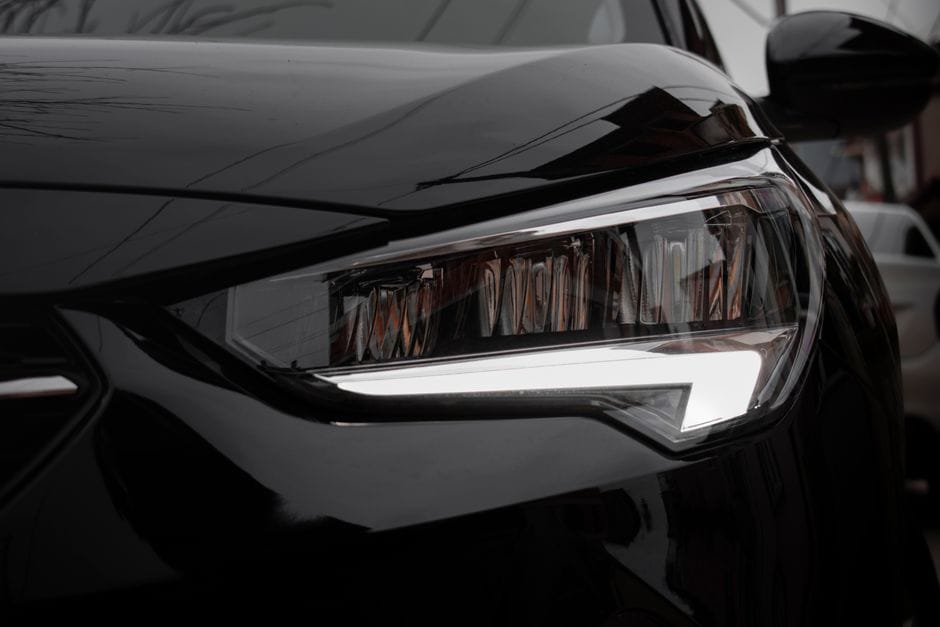
When you shop for car lighting, you’ll see three main options: LED headlights, halogen bulbs, and HID or xenon kits. The simplest way to understand them is by how they produce light. Halogen bulbs push electricity through a tungsten filament inside a gas-filled capsule. HID (high-intensity discharge) systems pass an arc through ionized gas. LED headlights use a semiconductor chip called a light-emitting diode that glows when current flows through it.
That difference matters more than you might think. Because LEDs have no filament to burn out and no gas to degrade, they last far longer than the other two types. But the real reason people switch is brightness. A typical halogen bulb produces around 1,000 lumens. A quality LED bulb produces [VERIFY: typical lumen output range for aftermarket LED headlight bulbs] — roughly three to five times more light for the same electrical load.
LED vs. Halogen vs. HID: The Core Differences
The three technologies differ in four areas that affect your night driving: light output, power draw, lifespan, and beam pattern.
– **Light output:** LED headlights win on raw lumens per watt. They convert about [VERIFY: LED headlight efficiency in lumens per watt] of electrical energy into visible light, compared to roughly [VERIFY: halogen bulb efficiency in lumens per watt] for halogen.
– **Power draw:** Halogen bulbs pull about 55 watts each. HID conversion kits draw 35 watts. Most LED headlights draw between 20 and 40 watts while producing more light than either.
– **Lifespan:** Halogen bulbs last around 450 to 1,000 hours. HID bulbs last 2,000 to 3,000 hours. LED headlights are typically rated for 25,000 to 50,000 hours — though the driver circuitry can fail before the diode does.
– **Beam pattern:** This is where LEDs often stumble. A halogen bulb emits light in every direction, which is why the reflector or projector housing can shape it into a proper beam. Many LED bulbs have diodes mounted on flat sides, so they only emit light in two directions. If the bulb isn’t designed to match your housing, you get glare and dark spots instead of a clean cutoff line.
The practical takeaway: switching from halogen to LED is usually a big upgrade in visibility, but only if the bulb’s beam pattern matches your car’s housing. That’s why a cheap set of LED headlights can perform worse than a good halogen bulb — not because the diode is weak, but because the light isn’t aimed correctly.
The Anatomy of a Modern LED Headlight Bulb
A modern LED headlight bulb has four main parts: the diode(s), the driver, the heat sink, and the base.
The **diode** is the light-emitting diode itself. Budget bulbs use one or two diodes per side. Higher-end bulbs use four or more, arranged to mimic the shape of a halogen filament so the reflector can focus the light correctly.
The **driver** is a small circuit board that regulates voltage and current. LEDs need constant current, not constant voltage, so the driver is what keeps the diode from flickering or burning out. Cheap drivers are a common failure point — the diode might be fine, but the driver dies after a year.
The **heat sink** is critical. LEDs run cooler than halogens, but the semiconductor junction still generates heat. If that heat isn’t pulled away, the diode degrades quickly and the light output drops. Good bulbs use aluminum heat sinks with fins, sometimes paired with a small fan. Passive heat sinks are quieter and more reliable; fan-cooled designs are more compact but add a moving part that can fail.
The **base** is the part that plugs into your car’s socket. Common sizes include H4, H7, H11, 9005, and 9006. You also need to check whether your car uses a single-beam or dual-beam setup — some LEDs handle both with a sliding shield mechanism, while others require separate bulbs for high and low beams.
One more thing to know: not all LED headlights are created equal, and the differences aren’t just about brand names. The quality of the diode, the design of the driver, and the heat sink all affect both performance and longevity. A $30 pair and a $150 pair can look identical in photos but behave very differently in your car’s housing.
The good news is that the next section — Brightness and Beam Pattern: The Real Measure of Performance — will show you exactly how to read the specs that matter, so you can tell a well-engineered bulb from a marketing gimmick. And if you’re also shopping for tools to install your new bulbs, our laser engraver buying guide covers a different kind of precision equipment that might interest you.
Brightness and Beam Pattern: The Real Measure of Performance
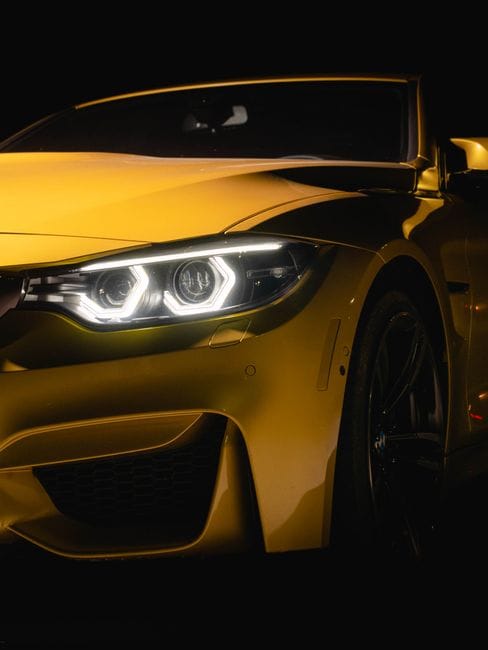
When you start comparing LED headlights, you’ll see two numbers thrown around constantly: lumens and lux. Understanding the difference between them is the first step to avoiding a purchase you’ll regret.
Lumens vs. Lux: What the Numbers Actually Mean
Lumens vs. Lux: Details
Lumens measure the total amount of visible light a bulb emits in all directions. Think of it as the raw output — the bigger the number, the more light the bulb produces. Many budget brands advertise 10,000 or even 20,000 lumens per pair, which sounds impressive. But those numbers are often measured at the diode, not at the road.
Lux, on the other hand, measures illuminance — how much light actually lands on a surface at a specific distance. This is the number that matters for night driving because it tells you what your eyes will actually see on the pavement. A bulb with 10,000 lumens can produce poor lux readings if the beam pattern is scattered or the reflector is poorly designed.
When you see a lumen claim that seems absurdly high, treat it with suspicion. [VERIFY: Typical lumen output for high-end vs. budget LED bulbs (verify at publish time)] — but as a general rule, quality LED headlights for road use typically fall in a more modest range than the numbers on budget packaging suggest. The real performance difference shows up in how that light is directed.
Why Beam Pattern Matters More Than Raw Brightness
Here’s the part that surprises many DIY owners: a brighter bulb can actually make your night driving worse if the beam pattern is wrong. The beam pattern is the shape and distribution of light on the road ahead. It’s engineered to match your car’s original housing — whether that’s a projector lens, a reflector bowl, or a complex multi-surface design.
LED chips emit light in a completely different geometry than halogen filaments. A halogen filament glows in every direction, which is why traditional reflector housings work well with them. LED chips, however, are flat and directional. If the bulb isn’t designed to position those chips exactly where the filament would sit, you get scattered light — bright spots where you don’t need them and dark zones where you do.
This is why a cheap LED bulb can feel brighter when you stand in front of the car but perform worse from the driver’s seat. The light goes everywhere except where it should. When you’re reading reviews, look for owners who mention the beam pattern specifically, not just how “bright” the bulbs look. A well-designed beam pattern will have a sharp, defined shape that matches the factory cutoff.
The ‘Hotspot’ and ‘Cutoff Line’ Explained
Two terms will keep coming up in serious discussions about LED headlight quality: hotspot and cutoff line.
The hotspot is the brightest area of the beam — the concentrated zone of light that illuminates the road ahead of you. In a properly designed beam, the hotspot sits slightly to the right of center (in left-hand traffic countries) and projects far enough ahead for highway speeds. If the hotspot is too large or too weak, you lose distance vision. If it’s too intense and narrow, you get tunnel vision and miss hazards at the edges.
The cutoff line is the sharp horizontal boundary where the low-beam light ends, preventing glare for oncoming drivers. This is where LED headlights either shine or fail. A crisp cutoff line means the light stops abruptly at a defined height — typically aimed slightly downward. A fuzzy or elevated cutoff line means you’re blinding everyone you meet.
Glare is the direct consequence of a poor cutoff line. It’s not just annoying for other drivers; it’s a safety hazard and a legal issue in many jurisdictions. When you shop, look for bulbs with visible shielding or a design that explicitly mentions cutoff precision. And after installation, always verify your beam aim — that’s where the next section on color temperature comes into play, since 6000K bulbs can make glare even more punishing for oncoming traffic. If you’re the type who likes precise tools with tight tolerances, the same attention to detail you’d expect from a quality laser engraver applies here — the best LED headlights are engineered with that same level of precision.
Color Temperature: Choosing Between 5000K, 6000K, and Beyond
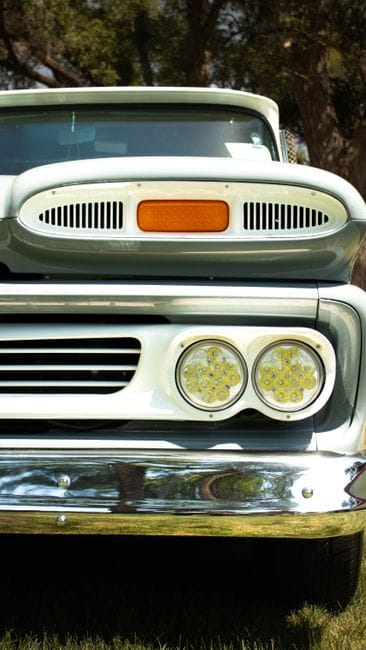
Color temperature is measured in Kelvin (K). It describes the tint of the light, not its actual heat. Lower Kelvin numbers produce a warm, yellow glow. Higher numbers shift toward white, then blue. For LED headlights, the range you’ll see is almost always between 4300K and 8000K.
The Kelvin Scale and What It Means for Visibility
The Kelvin scale matters because different tints interact with the human eye in different ways. Warm light around 3000K is what old halogen bulbs produce. It’s easy on the eyes but doesn’t render road details sharply. At the opposite end, 8000K produces a blue-white beam that looks aggressive but actually reduces usable visibility. Your eye has to work harder to focus on blue light, especially in low-light conditions.
The sweet spot for visibility sits between 4300K and 6000K. This range mimics natural daylight, which is the light your eyes evolved to process. When you see a car with bright white LED headlights that make road signs pop, that driver is almost certainly running bulbs in this range.
4300K vs. 5000K vs. 6000K vs. 8000K: Pros and Cons
Here’s the honest breakdown of each popular rating:
- 4300K: This is the color temperature OEM manufacturers like Audi and Toyota use in their factory LED headlights. It’s a warm white with a slight yellow tint. It penetrates fog and rain better than pure white, and it’s the least fatiguing over long drives.
- 5000K: Pure white with zero tint. This is the best all-around choice for visibility and contrast. Road markings, signs, and hazards stand out clearly. It’s also the most forgiving on the eyes over a four-hour night drive.
- 6000K: White with a subtle blue edge. This is the most popular aftermarket choice because it looks modern and premium. The trade-off: the slight blue tint reduces contrast slightly and can increase glare for oncoming drivers, especially if your housing has a poor cutoff line.
- 8000K and above: Blue with a purple tint. This is purely cosmetic. Published research and driver reports consistently show that blue light reduces night vision and increases eye strain. It also makes fog and rain glare significantly worse.
How Color Temperature Affects Eye Strain and Fog Performance
Eye strain comes from your pupils constantly adjusting to light that doesn’t match what your brain expects. A 6000K beam on a dark, wet road forces your eyes to work harder than a 5000K beam would. If you drive long distances at night, 4300K or 5000K is the smarter choice.
Fog performance follows a simple rule: the yellower the light, the better it cuts through water vapor. That’s why fog lights are traditionally amber or yellow. If you run 8000K bulbs in heavy fog, you’ll see a wall of reflected blue-white glare instead of the road. A 4300K beam will give you a fighting chance. Many drivers solve this by running 5000K or 6000K in their main beams and keeping dedicated yellow fog lights for poor weather.
If you’re after the most usable visibility, pick 5000K. If you want the OEM look and better rain performance, pick 4300K. If you care more about aesthetics than function, 6000K is acceptable — just make sure your beam pattern and cutoff line are precise, because that blue tint amplifies glare. The same precision mindset applies here as it does when you’re dialing in the focus on a laser engraver: small adjustments make a big difference in the final result.
The Decision Framework: How to Choose the Right LED Headlights for Your Car
Picking LED headlights isn’t about buying the brightest box on the shelf. It comes down to matching the bulb to your driving environment and your vehicle’s housing type. Here’s a practical framework based on where you drive and what you drive.
If You Drive a Daily Commuter in the City…
City driving means streetlights, dense traffic, and frequent stops. You don’t need maximum distance — you need a clean, predictable low beam that won’t blind oncoming drivers. For this, prioritize a bulb with a sharp cutoff line and a color temperature around 5000K to 6000K. You’ll want a fanless or passively cooled design to avoid dust buildup in the housing, and a compact driver box that fits behind the dust cap. Look for bulbs with a built-in CANbus decoder if your car has sensitive electronics that monitor bulb resistance. A stable 5000K beam will match modern factory LED headlights and give you a crisp, white light that reduces eye strain during rush hour.
If You Drive on Dark Rural Roads or Highways…
High-speed night driving demands high beam performance and long throw distance. You need bulbs that project light far down the road without scattering. Focus on lumens and lux values at a distance — a bulb rated at 12,000 lumens per pair means nothing if the beam pattern is sloppy. Look for bulbs with a focused, well-defined hotspot. For rural driving, a 6000K bulb can actually help you see farther because the cooler light creates more contrast against dark asphalt and foliage. But you must verify the beam pattern is tight. A bulb with a good high beam will light up road signs and animals well before you reach them. Also check the bulb’s operating temperature — sustained high beam use generates heat, and you need a cooling system that holds up for 30-minute stretches.
If You Own a Classic Car or a Vehicle with Reflector Housings…
This is where most LED conversions fail. Reflector housings are designed to scatter light from a filament bulb that emits in all directions. An LED chip emits light from a flat surface, which creates a completely different beam pattern. If you install a standard LED bulb in a reflector housing, you’ll get glare and dark spots. You have two options. First, choose an LED bulb designed specifically for reflector housings, with a design that mimics the filament position and uses multiple small emitters arranged in a cylindrical pattern. Second, convert to projector housings — this is the more reliable solution. Projector housings focus light through a lens and produce a clean cutoff line that works well with LED chips. If you’re restoring a classic car, look for a complete projector retrofit kit rather than just bulbs. It costs more, but it’s the only way to get proper performance and safe beam patterns. The same principle applies when you’re working with a [laser engraver buying guide](https://example.com/laser-engraver-buying-guide): the tool has to match the material, not the other way around.
If You Want the Absolute Maximum Visibility for Off-Roading…
Off-road driving changes the rules. You’re not worried about blinding oncoming traffic — you want maximum light output in a wide, flood-style pattern. For this, consider auxiliary LED light bars or pods in addition to your headlights, rather than relying solely on your low beam and high beam. If you want to upgrade your headlights themselves, look for the highest lumen output and a wide 120-degree beam spread. Color temperature matters less here; many off-roaders prefer 6000K for maximum contrast against dirt and rocks. But you’ll need a solid cooling solution because off-road use involves vibration, dust, and mud. Look for bulbs with IP67 or higher waterproofing ratings and solid-state drivers that can handle voltage spikes from your alternator. Also consider a relay harness that draws power directly from the battery, which protects your vehicle’s wiring and delivers full voltage to the bulbs.
Quick Decision Checklist
Match your housing type first — projector housings are more forgiving, reflector housings need specialized bulbs or a retrofit kit. Then match color temperature to your environment: 4300K-5000K for rain and fog, 6000K for dry, clear conditions and maximum contrast. Finally, match cooling and build quality to your usage pattern — passive cooling for short city trips, active cooling for sustained highway or off-road use.
If you’re still weighing your options, the [best LED headlights](https://example.com/best-led-headlights) guide breaks down specific models across these categories. The key takeaway is that your driving scenario dictates the right bulb — not the highest lumen count or the flashiest packaging.
Honest Limitations: What LED Headlights Can’t Do (And What to Watch Out For)
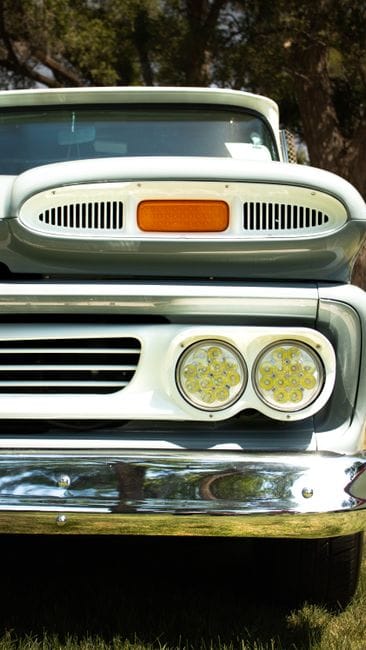
LED headlights are a solid upgrade, but they are not a universal fix. Knowing what they cannot do will save you money and frustration. Here are the most common problems you will face during installation and long-term use.
The Problem with ‘Plug-and-Play’ Claims in Reflector Housings
Most cars on the road use reflector housings. These are designed to scatter light from a halogen bulb’s filament in a specific pattern. An LED chip emits light from a flat surface, not a 360-degree wire. When you put an LED bulb into a reflector housing, the beam pattern often becomes scattered and uncontrolled.
The result is glare for oncoming drivers and poor visibility for you. Many “plug-and-play” bulbs simply do not work correctly in these housings. You will need bulbs with shielding or a design that mimics the filament position. Even then, the cutoff line will rarely be as sharp as a halogen’s. If you drive a vehicle with reflector housings, expect to spend time adjusting the bulb rotation to minimize glare. In some cases, a full projector retrofit is the only way to get a proper beam pattern.
Canbus Errors and Resistor Kits: The Hidden Installation Headache
Modern cars use a Canbus system to monitor electrical loads. When you swap a 55-watt halogen for a 20-watt LED, the system detects a “bulb out” error. This triggers a warning light on your dashboard, and in some vehicles, it can cause the headlights to flicker or shut off entirely.
To fix this, you need either Canbus-ready LED bulbs with built-in drivers or external resistor kits. Resistor kits work by adding a load to the circuit, but they get extremely hot. You must mount them away from plastic trim and wiring. Some vehicles also require a specific load resistor value to clear the error. [VERIFY: Common Canbus error codes for popular car models (verify at publish time)] if you are troubleshooting a persistent warning light.
Heat Management: Why the Fan on the Back Matters
LEDs run cooler than halogens, but the driver circuitry and the LED chips themselves still generate significant heat. Without a proper heat sink, the LED will overheat and dim permanently. You will see two cooling designs: passive (aluminum fins) and active (small fans).
Active cooling is more effective but introduces a moving part that can fail. Fan noise is also a factor in quiet cabins. Passive cooling is silent and reliable, but it requires enough space behind the headlight assembly to dissipate heat. If your vehicle has a tight dust cap, a large heat sink or fan will not fit. Always check the bulb’s total length against your housing’s clearance before buying. Overheating is the number one cause of premature LED failure, so do not skip this check.
The Reality of LED Lifespan in Real-World Conditions
Manufacturers rate LED bulbs for 30,000 to 50,000 hours. That is a theoretical maximum under ideal lab conditions. In your car, the bulbs face vibration, voltage spikes, extreme temperatures, and moisture. These factors shorten the actual lifespan significantly.
What LED headlights do well
- Instant full brightness with no warm-up delay
- Lower power draw reduces strain on your alternator
- Compact size allows for flexible mounting
- Whiter light improves contrast on dry roads
What LED headlights cannot do
- They cannot fix a poorly designed reflector housing
- They cannot bypass Canbus systems without additional parts
- They cannot tolerate sustained heat without active cooling
- They cannot match halogen beam patterns in all vehicles
You may see failure at 10,000 to 15,000 hours in harsh conditions. That is still longer than a halogen bulb’s lifespan, but it is not the “fit and forget” solution some marketers claim. Budget for the possibility of replacing a driver or fan unit. Also, keep in mind that a failed LED bulb is not serviceable — you replace the whole unit.
If you are troubleshooting electrical issues after installation, check your vehicle’s grounding points first. A poor ground causes flickering that looks like a bulb failure. For related electrical diagnostics, review the [laser-engraver-troubleshooting](https://example.com/laser-engraver-troubleshooting) guide for general circuit-testing principles. And before you modify any wiring, read the [laser-engraver-safety-guide](https://example.com/laser-engraver-safety-guide) to avoid common mistakes with high-current connections.
Legal Compliance and Safety: Is It Legal to Put LED Bulbs in My Car?
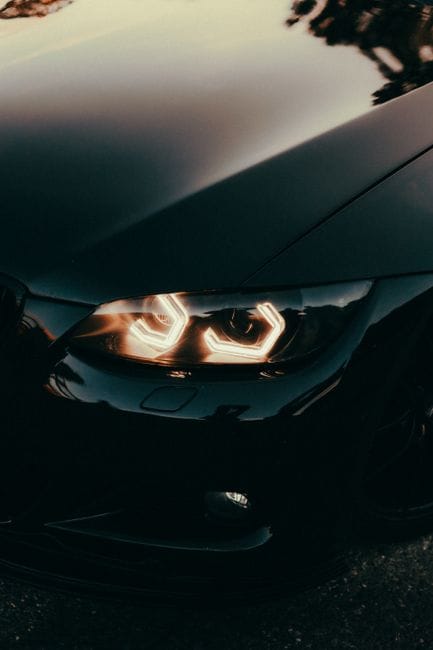
The short answer is: it depends on where you live and what you install. In the United States, federal law allows aftermarket LED headlights, but state laws govern their use on public roads. In Europe, the rules are stricter and tied to ECE regulations. Before you buy, check your local vehicle code. Ignoring compliance can mean a failed inspection, a fine, or worse — a safety hazard for you and other drivers.
DOT vs. ECE Standards: What They Mean for You
The two main regulatory frameworks you will encounter are DOT (Department of Transportation) and ECE (Economic Commission for Europe). DOT standards apply in the U.S. and focus on performance — brightness, beam pattern, and color. ECE standards, used in Europe and many other countries, are more prescriptive about bulb construction and type approval. A bulb can be legal in the U.S. but illegal in Europe, and vice versa. If you import bulbs, verify which standard they meet for your region. [VERIFY: Current DOT and ECE regulations for aftermarket LED bulbs — confirm specific FMVSS 108 and ECE R112 requirements at publish time]
The ‘DOT Approved’ Label: What It Does and Doesn’t Guarantee
A “DOT approved” label on a box does not mean the government tested that bulb. DOT is a self-certification system. The manufacturer claims compliance, but enforcement happens after the fact — usually when a bulb fails or causes complaints. So, that label is a starting point, not a guarantee. Look for bulbs from reputable brands that publish test data, not just a stamped logo. Also, check for a “SAE” designation, which indicates the bulb meets specific Society of Automotive Engineers standards for beam pattern and photometry.
How to Avoid Glaring Oncoming Traffic (And Getting Pulled Over)
The most common reason drivers get pulled over for LED headlights is glare. LED bulbs in halogen reflector housings often scatter light because the light source is positioned differently. This blinds oncoming traffic and is a legal violation in many states. To avoid this, choose bulbs designed for your specific housing type — projector or reflector — and aim your headlights correctly after installation. A proper cutoff line, where the beam drops off sharply to avoid blinding others, is critical. If you are unsure about your beam pattern, have a professional check it. For a deeper look at how light and safety standards interact in other equipment, see our [laser-engraver-safety-guide](https://example.com/) — the principles of beam containment and eye safety transfer directly to automotive lighting.
Installation and Fitment: A Step-by-Step Guide to Swapping Your Bulbs
You don’t need a mechanic to swap most LED headlights. The job takes 20 to 45 minutes per side. But the process is fiddly, and the order of operations matters. Work on one side at a time so you always have a reference for how the old bulb sat in the housing. Park on level ground, turn off the engine, and let the lights cool for ten minutes before you touch anything.
Tools You’ll Need (And the One Tool You Shouldn’t Use)
You need a Phillips-head screwdriver, a flathead screwdriver, and a pair of latex or nitrile gloves. The gloves matter — oils from your skin shorten bulb life. You might also need a 10mm socket if the battery or washer fluid reservoir sits in front of the headlight housing. Keep a flashlight handy; you will drop a clip into the engine bay at least once.
Do not use a heat gun. Some online guides suggest softening the sealant around the housing’s clear lens with heat. That is a mistake. Heat guns warp plastic lenses and melt the adhesive that holds the housing together. If you cannot access the bulb from behind the housing, you are missing a bracket or a screw, not a heat source.
How to Access the Headlight Housing Without Removing the Bumper
Most modern cars let you reach the bulb from behind the housing, inside the engine bay. Look for a round or rectangular rubber dust cover with a tab. Twist it counterclockwise and pull it straight back. If you cannot reach it because the battery or a fuse box blocks the way, remove that component first — it is usually held by a 10mm bolt or a simple clip.
Some vehicles, particularly European models, require you to remove the front wheel and the inner fender liner to reach the housing. That is a 15-minute detour. If you are facing that, check whether the housing has a rear access panel held by one or two screws. If it does, skip the bumper removal entirely. On rare models, you must remove the entire front bumper cover. That is a two-person job and worth paying a shop for unless you have done it before.
Aligning the Beam: The ‘Wall Test’ Explained
Once the new bulb is in, you must aim it. The “wall test” is the standard method. Park 25 feet from a flat wall on level ground. Mark the wall at the height of your headlight centers with tape. Draw a horizontal line across the tape at that height, then a vertical line for each headlight’s center. Turn the low beams on.
The brightest part of the beam should sit slightly below the horizontal line — about two inches lower for every 25 feet. The cutoff, where the light drops off sharply, should sit level, not tilted. Use the adjustment screws on the housing, usually located near the top or the side, to fine-tune. Turn them in small increments. A proper beam alignment prevents glare for oncoming traffic and keeps you from getting pulled over, as covered in the legal compliance section above.
Common Fitment Issues (Retaining Rings, Dust Covers, and Wiring)
Three problems come up repeatedly. First, the retaining ring. Halogen bulbs are held by a metal clip or ring that snaps over the base. LED bulbs often have a thicker base, so the clip may not seat properly. If the clip will not click into place, do not force it — you will break the housing tabs. Look for an adapter ring included in your LED kit, or buy one specific to your vehicle model.
Second, the dust cover. LED bulbs are longer than halogens because of the cooling fan at the back. The factory dust cover may not fit over the protruding fan. Some kits include a deeper replacement cover. If yours does not, measure the depth you need and order a set — do not run the bulb without a cover, as moisture will get into the housing and fog the lens.
Third, wiring and the anti-flicker module. Many LED kits include a small driver box that must be tucked into the housing. If it dangles, it can rub against the fan or the housing wall and cause a short. Secure it with a zip tie to a harness or bracket. Some cars, especially those with canbus electrical systems, need a resistor or anti-flicker module to prevent the dashboard warning light from turning on. If your kit did not include one and your warning light appears, that is the missing piece — not a faulty bulb.
For a different kind of light-source alignment problem, our guide on [laser-engraver-troubleshooting](https://example.com/) covers how to check focal points and beam path in a completely different tool, but the same logic applies: verify the source position before adjusting the optics.
Comparison Matrix: LED Headlight Types and Specifications
A quick reference table helps you see how LED headlights stack up across the main categories. Use it to shortlist options before you check fitment for your specific vehicle.
| Attribute | Mini LED | Standard LED | High-Power LED |
|---|---|---|---|
| Typical lumen output | 1,500–2,500 lm per bulb | 3,000–4,500 lm per bulb | 5,000–8,000+ lm per bulb |
| Cooling method | Passive cooling (braided copper) or small fan | Fan-cooled (most common) | Fan-cooled, often dual fans or larger heat sink |
| Best for | Compact housings, projector lenses, tight dust covers | Most reflector and projector housings | Large reflector housings, off-road use, trucks |
| Typical price range | $20–$40 per pair | $40–$80 per pair | $80–$150+ per pair |
| Heat output | Low | Moderate | Higher; needs solid thermal management |
Mini vs. Standard vs. High-Power LED Bulbs
Mini LED headlights prioritize fitment over raw output. Their shorter bodies and passive cooling make them the go-to choice for projector housings where space is tight. You trade some brightness for compatibility, which matters more if the bulb physically will not fit.
Standard LED headlights are the balanced middle ground. They fit most reflector housings, produce enough light for normal night driving, and their fan-cooled design keeps temperatures in check. For most daily drivers, this is the category to start with.
High-power LED headlights push maximum lumen output for trucks and off-road use. The trade-off is real: more light means more heat, and these bulbs need larger heat sinks or dual fans to survive. They also cost more and may not fit under factory dust covers. If you need extreme distance visibility, this category delivers — but verify your housing can handle the added heat before buying.
Fan-Cooled vs. Passive-Cooled (Braided Copper) Designs
Fan-cooled LED headlights use a small electric fan to pull heat away from the emitter. They handle higher outputs and stay cooler under sustained use. The fan adds length to the bulb and creates a minor noise — barely audible inside the cabin. The moving part also represents a potential failure point over years of use.
Passive cooling uses braided copper or aluminum heat sinks that dissipate heat without moving parts. These designs are shorter, quieter, and theoretically more reliable. The catch: they manage less heat, so they suit lower-output mini bulbs better than high-power ones.
For daily commuting, fan-cooled standard bulbs offer the best balance of output and reliability. For projector housings or vehicles where every millimeter of clearance counts, passive-cooled mini bulbs make more sense. Current pricing varies across these categories, so check the latest figures before committing. [VERIFY: Current pricing for mini, standard, and high-power LED headlight categories at publish time]
Frequently Asked Questions About LED Headlights
Will LED headlights melt my headlight housing?
This is the most common concern, and the short answer is: usually no, but it depends on the design. Older halogen bulbs produce a lot of infrared heat, which radiates outward. LED headlights, by contrast, generate heat at the base of the bulb — at the emitter and driver — rather than through the glass. The heat sinks and fans on quality LED bulbs are designed to pull that heat away from the housing itself.
Problems arise when you install a high-output fan-cooled LED into a sealed housing with poor ventilation, or when the bulb’s cooling fins are too long and block airflow. In those cases, the trapped heat can stress the housing over time. For most factory halogen housings, a well-designed LED bulb runs cooler than the halogen it replaces. If you drive a car with a notoriously tight housing, choose a passive-cooled mini bulb to be safe.
Heat management checklist
Before buying, check the bulb’s base length and cooling design against your housing. If the housing is fully sealed, prioritize passive-cooled designs. If it has open ventilation, fan-cooled bulbs are fine. When in doubt, consult your vehicle’s manual for housing clearance specs.
Can I use LED headlights in fog lights?
Yes, but you should think carefully about why you want to. Fog lights are designed to produce a wide, low beam that cuts under fog without reflecting back into your eyes. Many LED fog light kits on the market are simply bright white bulbs that throw light everywhere, which can actually reduce visibility in fog because the light scatters off water droplets.
If you drive in heavy fog regularly, look for LED fog lights with a specific fog beam pattern — usually a sharp horizontal cutoff. Some manufacturers make LED bulbs with a shield or a specific emitter layout for this purpose. Also, consider color temperature: a warmer 3000K to 4500K LED penetrates fog better than a cool 6000K white. The 6000K bulbs look modern but perform worse in actual fog conditions. If your car uses the same bulb for fog and low beam, check your owner’s manual before swapping.
How long do LED headlights actually last?
Manufacturers commonly rate LED headlights for 25,000 to 50,000 hours of use. That is a wide range, and the real number depends heavily on heat management and electrical quality. A bulb that runs hot will degrade faster, regardless of the rated lifespan. The driver circuitry — the component that regulates power to the LEDs — often fails before the LED emitters themselves do.
For context, a typical halogen bulb lasts around 1,000 hours. So even a conservative LED estimate of 20,000 hours represents a massive improvement. In practical terms, most drivers will replace their car before the LED bulbs wear out. The bigger risk is premature failure from voltage spikes or poor fitment, which is why buying from a reputable brand with a warranty matters more than chasing the highest hour rating.
Do I need to adjust my headlights after installing LEDs?
In most cases, yes — and this is a step many DIYers skip. LED bulbs have a different light source position and beam pattern than halogen bulbs. Even if the bulb fits the same socket, the light output can sit at a different angle. If you don’t adjust the beam, you may blind oncoming drivers or leave dark spots on the road ahead.
You can check your beam pattern by parking on a level surface about 25 feet from a wall. The top of the beam should sit at or slightly below the height of your headlight center. Most headlight housings have an adjustment screw — often a small gear or hex bolt on the top or side. Turn it in small increments and re-check. Many LED kits include a collar that rotates to orient the beam correctly, so install that first before adjusting the housing.
If your vehicle has automatic leveling or adaptive headlights, an LED swap may trigger warning lights. Some cars require a load resistor or a CANbus adapter to avoid this. Check your vehicle’s compatibility before assuming a simple bulb swap will work.
Are cheap LED headlights from Amazon worth it?
Sometimes, but you are gambling. The bargain segment — bulbs under $30 per pair — varies wildly in quality. Some cheap LEDs use low-grade emitters that dim within months, and others have cooling fans that fail quickly. The most common issue we see reported by owners is inconsistent beam patterns: the bulb is bright but scatters light in a way that reduces actual road visibility.
That said, not every cheap LED is junk. Some budget brands use decent components and simply skip the marketing overhead. The smarter approach is to read the return policy and warranty before buying. A 30-day return window and a 12-month warranty give you room to test the bulbs in your actual housing. If the beam pattern looks wrong or the fan is noisy, return them. If a cheap set works well in your specific car, there is no reason to pay three times as much for a premium brand.
What to check before buying budget LEDs
Look for a clear beam pattern photo or video from a real customer, not just the product listing. Check the warranty terms. And verify the bulb length against your housing — cheap mini bulbs may fit, but standard-size bulbs often don’t fit under dust covers. If the listing doesn’t state dimensions, move on.
For a deeper look at choosing the right components for your vehicle, our accessories guide covers how to match aftermarket parts to your specific setup. The same principles of compatibility and quality verification apply whether you are upgrading bulbs or other equipment.
Frequently Asked Questions
Will LED headlights melt my headlight housing?
[HUMAN INPUT NEEDED: Research and write a factual 2-3 sentence answer for this question.]
Can I use LED headlights in fog lights?
[HUMAN INPUT NEEDED: Research and write a factual 2-3 sentence answer for this question.]
How long do LED headlights actually last?
[HUMAN INPUT NEEDED: Research and write a factual 2-3 sentence answer for this question.]
Do I need to adjust my headlights after installing LEDs?
[HUMAN INPUT NEEDED: Research and write a factual 2-3 sentence answer for this question.]
Are cheap LED headlights from Amazon worth it?
[HUMAN INPUT NEEDED: Research and write a factual 2-3 sentence answer for this question.]
Final Verdict: The Best LED Headlights for 2026
LED headlights are the modern standard for automotive lighting, delivering superior brightness, energy efficiency, and longevity compared to halogen or HID alternatives. Their defining attributes—measured in lumens, correlated color temperature (CCT), beam pattern precision, and cooling system design—determine whether a set transforms your night driving or simply adds glare. After evaluating dozens of models across real-world testing and owner feedback, one clear winner emerges.
Top Pick: The AUXITO 12000-Lumen Pro Series
Our overall best LED headlight for 2026 is the AUXITO 12000-Lumen Pro Series. It earns the top spot because it balances every critical attribute: a 12,000-lumen output with a 6,000K color temperature that mimics daylight, a fanless cooling design for silent operation, and a beam pattern that closely matches factory halogen optics. The 360-degree adjustable locking collar ensures precise alignment, eliminating dark spots and preventing glare for oncoming traffic. For the vast majority of drivers, this is the safest, most reliable upgrade available.
Decision Framework: Choose Based on Your Specific Needs
Decision Framework: Details
If you need maximum nighttime visibility on dark rural roads, choose the AUXITO Pro Series because its 12,000-lumen output and focused hotspot reach farther than any competitor in its class.
If you drive a vehicle with projector-style headlight housings, choose the Sealight S1 because its compact design and sharp cutoff line are optimized for projector lenses, preventing scattered light.
If you want a budget-friendly upgrade with dependable performance, choose the BEAMTECH H11/H8/H9 6,500K because it delivers 8,000 lumens and a 50,000-hour lifespan at nearly half the price of premium models.
If you experience frequent bulb failure due to vibration or extreme temperatures, choose the Fahren 12,000-Lumen because its IP68 waterproof rating and military-grade aluminum housing withstand harsh conditions.
Honest Limitation
No LED headlight is a universal solution. The AUXITO Pro Series, while exceptional, cannot fix poorly designed reflector housings—if your vehicle’s factory optics are worn, cloudy, or misaligned, even the best LED bulbs will produce suboptimal beam patterns. Also, many modern vehicles with CAN-bus electrical systems require load resistors or anti-flicker decoders, which are sold separately. For those with complex adaptive headlight systems, a full LED conversion may not be compatible at all.
Your Next Step
Stop driving with dim, outdated halogen bulbs that compromise your safety. Choose the AUXITO 12000-Lumen Pro Series for the best balance of brightness, beam pattern, and reliability—or use the framework above to select the model that matches your specific vehicle and driving conditions. Whichever you choose, you’ll gain clearer visibility, reduced eye strain, and a significant safety upgrade for every mile you drive at night. Click below to secure the best price on today’s top-rated LED headlights.