
Engine Cooling Explained 2: Complete Guide
Engine cooling is the silent guardian of your vehicle’s powertrain. It is a closed-loop thermal management system that regulates operating temperature. This keeps internal combustion components within a safe range. Without it, heat from controlled explosions inside your cylinders—which can exceed 2,000°F—would warp cylinder heads, seize pistons, and destroy the engine block within minutes.
Many people see this as a simple “radiator and coolant” setup. In reality, modern engine cooling is a precision engineering feat. It involves thermostats, water pumps, heat exchangers, and electronically controlled fans. Together, they maintain an optimal 195–220°F operating window.
This guide breaks down every critical attribute of engine cooling. We cover core components like the radiator, coolant, water pump, and thermostat. We also explain less obvious players, such as the expansion tank and heater core. You’ll learn how coolant flow works at different engine speeds.
The thermostat isn’t just a temperature gate—it’s a fuel-economy device. Cooling system pressure raises the boiling point of your antifreeze mixture. We’ll also cover warning signs of cooling failure and maintenance intervals. Finally, we’ll discuss the honest limitations of both liquid-cooled and air-cooled designs.
That includes what happens when a head gasket fails. It also explains why “just adding coolant” is rarely the fix.
What makes this article different? We’re not rehashing the same generic “how a radiator works” content you’ll find elsewhere. You’ll get a component-by-component breakdown with real operating data. You’ll also see a comparison of cooling system types across engine architectures.
We provide practical diagnostics you can use before visiting a mechanic. Whether you’re a daily driver wanting to avoid an overheated commute or a DIY enthusiast planning a coolant flush, this guide is for you. It’s the definitive engine cooling explained guide. It’s built on how the system actually behaves under load, not just how it looks in a diagram.
Engine Cooling Explained: What It Is and How It Works
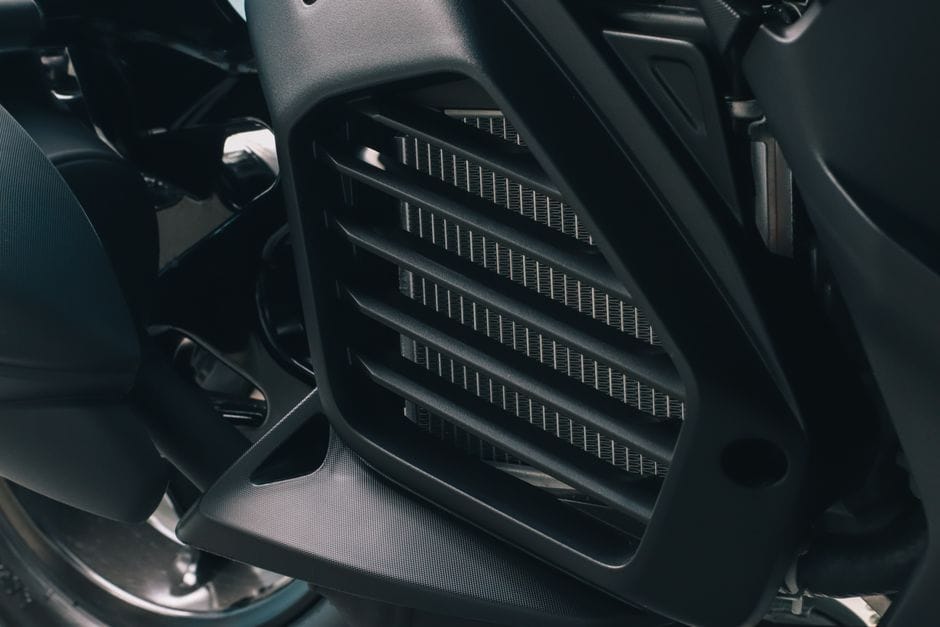
Engine cooling explained in plain terms: your car’s engine produces far more heat than it can safely handle. The cooling system pulls that heat away and dumps it into the air. Without it, metal components would expand, seize, and destroy themselves within minutes of startup.
The system’s job isn’t to keep the engine cold. It’s to keep it at a consistent, optimal operating temperature. This must happen regardless of outside conditions.
The Core Principle: Managing Combustion Heat
Internal combustion engines convert only about 25–30% of fuel energy into mechanical work. The remaining 70–75% becomes heat. Roughly a third of that heat must be managed by the cooling system.
This heat transfers through three mechanisms. Conduction moves heat through metal engine components. Convection transfers heat to the coolant as it flows past hot surfaces. Radiation releases heat from the engine block and exhaust surfaces.
The cooling system primarily relies on convection. It circulates liquid coolant through the engine block and cylinder head to absorb heat. Then it carries that heat to the radiator, where it’s released into the air.
Coolant composition matters. A 50/50 mix of ethylene glycol and water provides freeze protection down to -34°F. It also raises the boiling point to about 223°F at atmospheric pressure. Under the system’s typical 12–16 psi operating pressure, that boiling point rises to roughly 250–260°F. This allows the engine to run safely at higher temperatures without coolant loss.
How the Cooling System Differs from Adjacent Systems (Lubrication, HVAC)
The engine cooling system is often confused with the lubrication system and the HVAC system. They serve distinct purposes. The lubrication system circulates oil to reduce friction between moving parts. It carries away some heat, but it’s not designed to manage the bulk of engine thermal load.
The HVAC system uses the heater core—a small radiator inside the cabin—for passenger compartment heating. It’s a branch off the cooling system, not a separate thermal management loop. The cooling system’s primary job is maintaining engine block and cylinder head temperatures within the optimal range. The lubrication system protects moving surfaces, and the HVAC system manages cabin comfort.
The turbocharger intercooler and transmission cooling system are also adjacent but separate. The intercooler cools compressed intake air before it enters the cylinders. The transmission cooler manages automatic transmission fluid temperature. Each system has its own fluid, components, and failure modes. They may share the radiator in some designs.
The Anatomy of a Cooling System: Key Components and Their Roles
A modern liquid-cooled engine cooling system consists of several interconnected components, each with a specific job. Understanding these parts helps you diagnose problems and appreciate how the system works as a whole. Here’s the complete breakdown:
Radiator: The Primary Heat Exchanger
The radiator is the most visible component. It’s a heat exchanger mounted at the front of the vehicle. It transfers heat from the coolant to the air. The radiator consists of thin tubes and fins that maximize surface area for heat dissipation.
Hot coolant enters the radiator from the engine. It flows through the tubes and transfers heat to the fins. Airflow—either from vehicle motion or the cooling fan—cools the fins. Radiators come in two main types: crossflow (coolant flows horizontally) and downflow (coolant flows vertically).
Modern radiators use aluminum cores with plastic end tanks for weight savings. Older vehicles may have copper/brass units. The radiator cap is a critical component. It maintains system pressure, raises the boiling point, and allows excess coolant to flow into the expansion tank when pressure exceeds the rated limit (typically 12–16 psi).
Water Pump: Circulating the Coolant
The water pump is the heart of the cooling system. It circulates coolant throughout the engine block, cylinder head, heater core, and radiator. Most water pumps are centrifugal-type units driven by the engine’s serpentine belt. Some modern engines use electric water pumps for better control.
The pump’s impeller spins at engine speed. This creates a pressure differential that pushes coolant through the system. A typical water pump moves 5,000–10,000 gallons of coolant per hour at highway speeds.
Common failure modes include bearing wear, which causes noise or coolant leaks from the weep hole. Impeller degradation is another issue—especially in older vehicles where the impeller is plastic and can crack or separate from the shaft. Regular inspection of the water pump is essential. Failure typically leads to rapid overheating and potential engine damage.
Thermostat: The Temperature Regulator
The thermostat is a temperature-sensitive valve that controls coolant flow between the engine and radiator. When the engine is cold, the thermostat remains closed, forcing coolant to circulate only within the engine block (bypassing the radiator) to speed up warm-up. As the engine reaches operating temperature (typically 180–195°F), the thermostat begins to open, allowing hot coolant to flow to the radiator for cooling. The thermostat is a mechanical device filled with a wax pellet that expands when heated, pushing a plunger to open the valve. It’s a simple but critical component — a stuck-closed thermostat causes rapid overheating, while a stuck-open thermostat prevents the engine from reaching optimal operating temperature, reducing fuel economy and increasing wear. Many modern vehicles use a two-stage thermostat that opens progressively for better temperature control.
Coolant: The Heat Transfer Fluid
Coolant (also called antifreeze) is the fluid that carries heat away from the engine. It’s a mixture of water and ethylene glycol (or propylene glycol in some eco-friendly formulations), typically at a 50/50 ratio. The coolant serves three critical functions: it transfers heat efficiently, it prevents freezing in cold weather, and it raises the boiling point to prevent overheating. Coolant also contains corrosion inhibitors and lubricants that protect the cooling system’s metal components from rust and scale buildup. Over time, these additives break down, which is why coolant must be replaced at manufacturer-specified intervals (typically every 30,000–60,000 miles or 2–5 years). Using the wrong coolant type can cause gelling, corrosion, or seal damage — always check your owner’s manual for the correct specification.
Cooling Fan: Forced Airflow at Low Speeds
The cooling fan provides airflow through the radiator when the vehicle is stationary or moving slowly, where natural airflow is insufficient. There are two main types: mechanical fans (driven by the engine via a belt and viscous clutch) and electric fans (controlled by a thermostatic switch or the engine control unit). Mechanical fans are common on older vehicles and trucks, while electric fans are standard on modern cars for better efficiency. Electric fans can run at variable speeds and are often controlled by the engine computer based on coolant temperature, air conditioning pressure, and vehicle speed. A failed fan can cause overheating
in stop-and-go traffic or when idling with the air conditioning running, making it a common failure point in hot climates.
Hoses and Expansion Tank: The Circulation Network
Hoses connect all the cooling system components, carrying coolant between the engine, radiator, heater core, and expansion tank. The upper radiator hose carries hot coolant from the engine to the radiator, while the lower hose returns cooled coolant back to the water pump. Heater hoses branch off to supply the cabin heater core. These hoses are made of reinforced rubber and are subject to degradation from heat, pressure, and age — they can soften, crack, or bulge over time. The expansion tank (also called an overflow or coolant reservoir) serves two purposes: it provides a place for excess coolant to expand into as the system heats up, and it allows you to check and add coolant without opening the pressurized system. The radiator cap connects the radiator to the expansion tank, maintaining system pressure while allowing coolant to flow back and forth as temperatures change.
Heater Core: The Cabin Heat Exchanger
Heater Core: Details
The heater core is a small radiator located inside the dashboard that provides cabin heating. Hot coolant flows through the heater core, and a blower fan pushes air across its fins to warm the passenger compartment. While it’s part of the HVAC system, the heater core is an integral part of the engine cooling loop — it acts as a secondary heat exchanger that helps dissipate engine heat. A failing heater core can cause coolant leaks inside the cabin (often noticed as a sweet smell or foggy windows), reduced heating performance, or coolant loss that leads to engine overheating. Bypassing a faulty heater core is a temporary fix, but it reduces the cooling system’s total heat dissipation capacity.
How the Cooling System Works: The Complete Cycle

Understanding the full cooling cycle helps you diagnose problems and appreciate how each component contributes to the system’s overall function. Here’s the step-by-step flow of coolant through a typical liquid-cooled engine:
The Coolant Flow Path: From Cold Start to Operating Temperature
On a cold start, the thermostat is closed, and the water pump circulates coolant only through the engine block and cylinder head — bypassing the radiator entirely. This allows the engine to warm up quickly, reducing emissions and improving fuel economy. As the engine reaches approximately 180–195°F, the thermostat begins to open, allowing hot coolant to flow to the radiator. The coolant then travels through the radiator’s tubes, where airflow (from vehicle motion or the cooling fan) removes heat. The cooled coolant exits the radiator through the lower hose and returns to the water pump, completing the loop. At the same time, a portion of the coolant flows through the heater core to provide cabin heat when requested. The expansion tank accommodates coolant volume changes as temperature fluctuates, and the radiator cap maintains system pressure to raise the boiling point.
Pressure Management: Why the System Runs Under Pressure
Cooling systems operate under pressure — typically 12–16 psi — for a critical reason: raising the pressure raises the boiling point of the coolant. At sea level, water boils at 212°F, but a 50/50 coolant mixture at 15 psi won’t boil until approximately 260°F. This allows the engine to run at higher temperatures without coolant loss, improving efficiency and reducing emissions. The radiator cap is the pressure-regulating device — it has a spring-loaded valve that opens to release excess pressure into the expansion tank, and a vacuum valve that allows coolant to return when the system cools. A faulty radiator cap can cause coolant loss, overheating, or collapsed hoses. Always replace the cap with the correct pressure rating specified by the manufacturer.
Heat Transfer Mechanisms: Conduction, Convection, and Radiation
Heat Transfer Mechanisms: Details
The cooling system relies on all three heat transfer mechanisms to function. Conduction moves heat from the combustion chamber through the metal cylinder walls and cylinder head to the coolant passages. Convection transfers heat from the hot metal surfaces to the coolant as it flows past, and then from the coolant to the air in the radiator. Radiation dissipates heat from the radiator’s fins and from the engine block itself. The efficiency of these mechanisms depends on coolant flow rate, radiator surface area, airflow, and the temperature difference between the coolant and the surrounding air. This is why a clogged radiator, a failing water pump, or a blocked grille can all cause overheating — each reduces the system’s ability to transfer heat effectively.
Types of Cooling Systems: Liquid-Cooled vs. Air-Cooled

While most modern vehicles use liquid cooling, air-cooled engines still exist in certain applications. Understanding the differences helps explain why liquid cooling dominates and where air cooling remains viable.
Liquid-Cooled Systems: The Industry Standard
Liquid-cooled systems use a coolant fluid to absorb heat from the engine and transfer it to the radiator for dissipation. They offer several advantages: precise temperature control (maintaining a consistent operating range regardless of outside conditions), efficient heat transfer (liquids are much better at conducting heat than air), and the ability to provide cabin heating through the heater core. Liquid cooling also allows for more compact engine designs since heat can be managed in a centralized radiator rather than requiring large cooling fins on every cylinder. The main disadvantages are complexity, weight, and the potential for leaks or coolant-related failures.
Air-Cooled Systems: Simpler but Limited
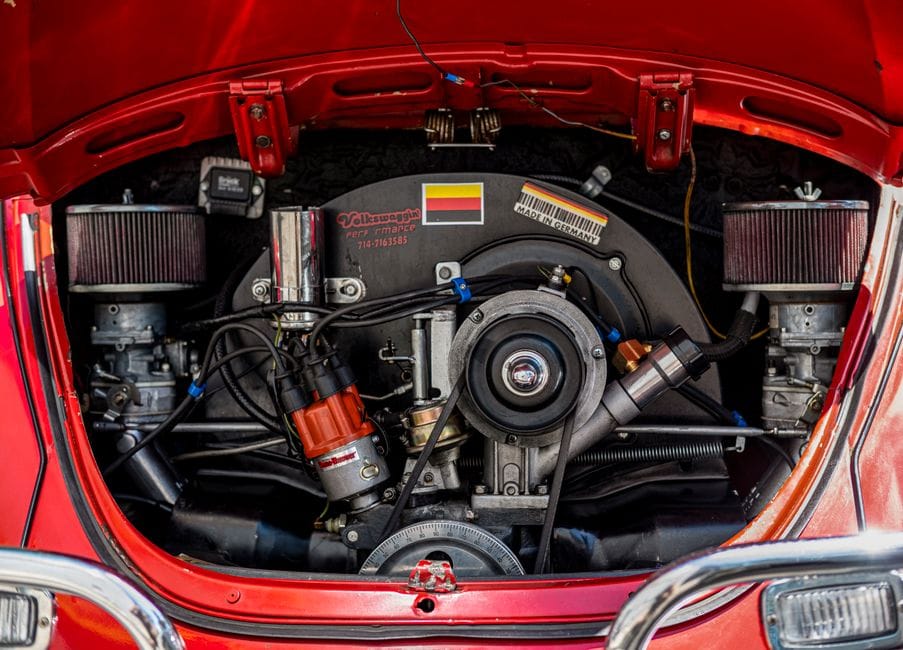
Air-cooled engines use fins on the cylinder barrels and cylinder heads to dissipate heat directly to the air, often with the help of a fan or natural airflow. This design is simpler, lighter, and eliminates the risk of coolant leaks or freezing. However, air-cooled engines have significant limitations: they run hotter, are more susceptible to overheating in extreme conditions, and cannot maintain as consistent a temperature as liquid-cooled systems. They also cannot provide cabin heating without a separate heat source. Air-cooled engines were common in early automobiles, the Volkswagen Beetle, and some motorcycles and small equipment, but they’ve been largely phased out in automotive applications due to emissions regulations and the demand for better temperature control.
Oil Cooling and Intercooling: Supporting Thermal Management
Oil Cooling and Intercooling: Details
Beyond the primary cooling system, many engines use additional cooling methods. Oil coolers remove heat from engine oil, which absorbs significant heat from bearings and moving parts. These are common on performance vehicles, heavy-duty trucks, and vehicles with automatic transmissions (where transmission fluid is cooled separately). Intercoolers cool the compressed air from turbochargers or superchargers before it enters the engine — cooler air is denser, allowing more oxygen for combustion and reducing the risk of detonation. While these systems are separate from the main engine cooling loop, they work together to manage overall thermal load and are essential for high-performance and high-output engines.
Maintenance and Failure Modes: Keeping Your Cooling System Healthy

Regular maintenance is essential to prevent cooling system failures, which are among the most common causes of engine damage. Understanding the warning signs and maintenance intervals can save you from costly repairs.
Common Failure Modes and Symptoms
Cooling system failures typically present with recognizable symptoms. Overheating (the temperature gauge climbing into the red) is the most obvious sign and can result from low coolant, a stuck thermostat, a failed water pump, a clogged radiator, or a blown head gasket. Coolant leaks appear as puddles under the vehicle, a sweet smell, or low coolant levels in the expansion tank. White exhaust smoke may indicate a head gasket failure allowing coolant into the combustion chamber. A heater that blows cold air could mean low coolant or a clogged heater core. Unusual noises from the water pump area suggest bearing failure. Addressing these symptoms early prevents catastrophic engine damage — an overheated engine can warp the cylinder head, crack the engine block, or destroy the head gasket, often requiring a complete engine rebuild.
Maintenance Intervals and Best Practices
Coolant should be replaced at manufacturer-specified intervals, typically every 30,000–60,000 miles or every 2–5 years, depending on the coolant type. Extended-life coolants (often orange or red) can last up to 100,000 miles, while conventional green coolant requires more frequent changes. Regular inspections should include checking coolant level and condition, inspecting hoses for cracks or bulges, checking the radiator cap for proper sealing, and verifying the cooling fan operates correctly. A coolant flush removes old fluid, corrosion, and debris, and replaces it with fresh coolant and corrosion inhibitors. It’s also wise to have the cooling system pressure-tested periodically to identify leaks before they cause failures.
Diagnosing Cooling System Problems
When a cooling system issue arises, systematic diagnosis is key. Start by checking the coolant level in the expansion tank when the engine is cold — never open the radiator cap while the engine is hot, as pressurized coolant can cause severe burns. Look for visible leaks around hoses, the water pump, the radiator, and the heater core. Check the condition of the coolant: it should be clean and bright, not rusty, oily, or contaminated. A cooling system pressure tester can identify leaks that aren’t visible, while a combustion leak tester can detect exhaust gases in the coolant, indicating a head gasket failure. If the engine overheats but the coolant level is fine, suspect a stuck thermostat, a failing water pump, or a clogged radiator. An infrared thermometer can help pinpoint temperature differences across the radiator, revealing blocked tubes or a malfunctioning fan.
Head Gasket Failure: The Most Serious Cooling System Issue
Head Gasket Failure: Details
A head gasket failure is one of the most severe cooling system problems, allowing coolant to leak into the combustion chamber or oil passages. Symptoms include white exhaust smoke, coolant loss without visible leaks, milky oil (coolant mixing with oil), overheating, and bubbles in the radiator or expansion tank. A blown head gasket can be caused by overheating, a warped cylinder head, or simply age and fatigue. Repair requires removing the cylinder head, machining it flat, and installing a new gasket — a labor-intensive job that can cost thousands of dollars. Prevention is the best approach: maintain proper coolant levels, replace coolant on schedule, and address overheating immediately rather than continuing to drive.
Advanced Cooling Technologies and Future Trends

Engine cooling continues to evolve, with new technologies improving efficiency, reducing emissions, and enabling higher-performance engines. Understanding these developments helps you appreciate where the industry is heading.
Electric Water Pumps and Variable-Speed Fans
Modern engines increasingly use electric water pumps instead of belt-driven units. Electric pumps can operate independently of engine speed, providing precise coolant flow control based on actual thermal demand. This improves warm-up times, reduces parasitic losses (the engine doesn’t have to work as hard to spin the pump), and allows the pump to continue circulating coolant after the engine is shut off — a feature that protects turbochargers from heat soak. Variable-speed electric fans offer similar benefits, running only when needed and at the exact speed required, reducing noise and energy consumption compared to fixed-speed fans.
Thermal Management Systems and Smart Thermostats
Advanced thermal management systems use electronic thermostats and engine control unit (ECU) algorithms to optimize engine temperature in real time. These systems can adjust coolant flow based on driving conditions, load, and emissions requirements. For example, under light load, the system may allow the engine to run hotter to reduce friction and improve fuel economy, while under heavy load, it opens the thermostat fully to maximize cooling. Some systems use multiple cooling circuits — a separate circuit for the cylinder head and engine block — to provide precise temperature control where it matters most. These smart systems are becoming standard on modern vehicles as manufacturers push for better fuel efficiency and lower emissions.
Cooling for Electric and Hybrid Vehicles
Cooling for Electric and Hybrid Vehicles
While electric vehicles (EVs) don’t have internal combustion engines, they still require thermal management for the battery pack, power electronics, and electric motors. Battery cooling is critical for performance and longevity — lithium-ion batteries operate best within a narrow temperature range, and excessive heat can degrade capacity or cause safety issues. Many EVs use liquid cooling systems with dedicated coolant loops for the battery, motor, and inverter, often with a heat pump to manage cabin heating efficiently. Hybrid vehicles combine traditional engine cooling with battery thermal management, requiring more complex cooling systems that integrate both loops. As EV adoption grows, thermal management is becoming an even more critical engineering challenge.
Practical Tips for Vehicle Owners

Whether you’re a daily driver or a DIY enthusiast, these practical tips will help you maintain your cooling system and avoid costly repairs.
Monitoring Your Temperature Gauge
Your temperature gauge is your first line of defense against cooling system problems. Get to know where the needle sits during normal operation — typically in the middle of the gauge range. If you notice the needle creeping higher than usual, especially under load or in hot weather, investigate immediately. A sudden spike into the red zone means stop driving as soon as it’s safe to do so. Continuing to drive an overheating engine can cause catastrophic damage within minutes. If you must drive a short distance to a safe location, turn on the heater to draw heat away from the engine — it’s not a fix, but it can buy you a little time.
Checking Coolant Levels Safely
Always check coolant levels when the engine is cold. The expansion tank should have coolant at the “cold” or “full” line. If it’s low, add the correct coolant type — never mix different coolant colors or formulations unless the label explicitly states they’re compatible. If you need to add coolant frequently, there’s a leak or another problem that needs professional diagnosis. Never open the radiator cap while the engine is hot — the system is under pressure, and escaping coolant can cause severe burns. If you must open it, wait until the engine has cooled completely, then slowly release the pressure by turning the cap to the first stop and waiting for the hissing to stop before removing it fully.
When to Call a Professional
When to Call a Professional
While some cooling system maintenance is DIY-friendly (checking coolant, replacing hoses, flushing the system), other tasks require professional expertise. Head gasket replacement, radiator replacement, and diagnosing intermittent overheating issues are best left to qualified mechanics. If you’re not confident in your ability to diagnose or repair a cooling system problem, or if the issue persists after basic troubleshooting, seek professional help. The cost of a professional diagnosis is far less than the cost of an engine replacement caused by continued overheating.
Conclusion: The Importance of Engine Cooling

Engine cooling is not just a convenience — it’s a critical system that protects your engine from self-destruction. Every internal combustion engine generates enormous amounts of heat, and without an effective cooling system, that heat would quickly warp, crack, or seize engine components. Understanding how your cooling system works — from the radiator and water pump to the thermostat and coolant — empowers you to maintain it properly, recognize warning signs early, and avoid costly repairs.
Regular maintenance, including coolant replacement, hose inspection, and pressure testing, is the key to cooling system longevity. Pay attention to your temperature gauge, address leaks and overheating promptly, and don’t ignore unusual smells or noises. With proper care, your cooling system will reliably protect your engine for hundreds of thousands of miles.
Whether you drive a modern vehicle with advanced thermal management or an older car with a simple belt-driven system, the principles remain the same: manage heat effectively, maintain the system diligently, and respond quickly to problems. Engine cooling explained is more than just understanding components — it’s about understanding how to protect one of the most expensive and important parts of your vehicle.