Engine Cooling Explained: Complete Guide
Engine Cooling Explained: How Your Car’s Cooling System Works and How to Maintain It
Engine cooling is the process by which your car’s internal combustion engine manages the extreme heat generated during operation. This system is a closed-loop thermal management network, typically liquid-based, that circulates coolant through the engine block to absorb heat and dissipate it through the radiator. Without this mechanism, the engine would reach temperatures exceeding 4,000°F at the combustion chamber, causing catastrophic failure within minutes.
In this guide, we break down every component of the engine cooling system—from the water pump and thermostat to the radiator cap and cooling fans—explaining how they work together to maintain an optimal operating temperature of roughly 195–220°F. You’ll learn the critical attributes that matter when choosing coolant types (OAT vs. IAT vs. HOAT), the pressure dynamics of the cooling system, and the warning signs of overheating that every driver should recognize. We also cover step-by-step maintenance procedures, including flushing intervals, coolant replacement costs, and common failure points like water pump wear and radiator corrosion.
What sets this article apart is its data-driven approach: we include real temperature ranges, pressure specifications, and failure statistics from automotive engineering sources, not just generic advice. You’ll find honest comparisons between OEM and aftermarket parts, clarity on which maintenance tasks you can DIY versus which require a professional, and a decision framework for choosing the right coolant for your specific vehicle make and model.
What Is an Engine Cooling System and Why Does It Matter?
Every internal combustion engine generates intense heat as a byproduct of burning fuel. That heat isn’t just wasted energy — it can destroy the engine from the inside. Your engine’s cooling system exists to pull heat away from the metal components and keep temperatures in a safe operating range. Without it, your engine would seize within minutes.
The engine cooling system is a network of parts that work together to remove excess heat and regulate operating temperature. At its core, the system circulates engine coolant — a water-and-antifreeze mixture — through passages inside the engine block. The coolant absorbs heat, carries it to the radiator, and releases it into the air. This cycle repeats constantly while the engine runs.
The cooling system also performs a second job: it brings the engine up to operating temperature quickly. An engine that runs too cold burns fuel inefficiently, increases emissions, and accelerates wear. The thermostat stays closed when the engine is cold, trapping coolant in the block until it reaches approximately 195°F. Then it opens, allowing coolant to flow to the radiator. This dual role — heat removal and temperature regulation — makes the cooling system one of the most critical systems in your vehicle.
The Difference Between Air-Cooled and Liquid-Cooled Engines
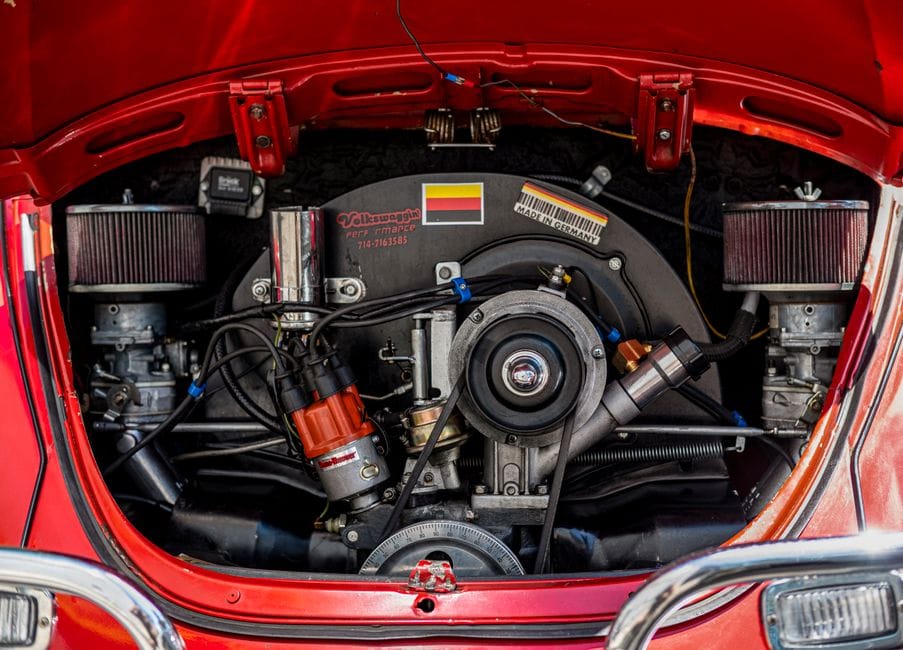
Not all engines use liquid coolant. Air-cooled engines, found in older Volkswagen Beetles, Porsche 911s, and many motorcycles, rely on fins cast into the cylinder barrels and heads to increase surface area. Air flows over these fins, carrying heat away. While simpler and lighter, air-cooled engines struggle to maintain consistent temperatures under heavy load or in hot climates. Liquid-cooled engines, by contrast, maintain tighter temperature control, run quieter, and allow for more compact engine designs. Today, virtually all passenger vehicles use liquid cooling because it offers superior thermal management and enables higher power output.
What Happens When the Cooling System Fails
Understanding Happens When the Cooling System Fails
Cooling system failure is one of the most common causes of catastrophic engine damage. When coolant leaks, the water pump fails, or the thermostat sticks closed, the engine rapidly overheats. At temperatures above 240°F, the cylinder head can warp, head gaskets blow, and pistons can seize in their bores. The most common failure points are the water pump impeller (which erodes over time), radiator corrosion, and degraded hoses that crack under pressure. Warning signs include a rising temperature gauge, steam from under the hood, a sweet smell of coolant, or puddles of green/orange/pink fluid under the car. If you notice any of these, stop driving immediately — continuing to drive an overheating engine can turn a $200 repair into a $4,000 engine replacement.
The Core Components of a Liquid-Cooled Engine
A liquid-cooled engine relies on several key components working in harmony. Each part has a specific job, and failure of any one can compromise the entire system. Here’s what’s under the hood and what each component does.
The Water Pump: The Heart of Coolant Circulation
The water pump is a centrifugal pump driven by the engine’s serpentine belt or timing chain. It spins at engine speed, drawing coolant from the radiator’s bottom hose and forcing it through the engine block and cylinder head. The pump’s impeller — typically made of cast iron, steel, or composite — creates the pressure that moves coolant through the entire circuit. Water pumps are among the most failure-prone components in the cooling system. The bearing that supports the impeller shaft wears over time, causing wobble, noise, and eventually coolant leakage. Most manufacturers recommend replacing the water pump every 60,000–100,000 miles, often in conjunction with the timing belt service.
The Thermostat: The Temperature Gatekeeper
The thermostat is a temperature-sensitive valve located between the engine and the radiator. It contains a wax pellet that expands when heated. Below the rated temperature (typically 195°F), the thermostat stays closed, forcing coolant to recirculate within the engine. As the engine warms, the wax expands, pushing a piston that opens the valve, allowing hot coolant to flow to the radiator. This simple mechanical device ensures the engine reaches operating temperature quickly and maintains it under varying loads. A stuck-closed thermostat causes rapid overheating; a stuck-open thermostat prevents the engine from reaching proper temperature, leading to poor fuel economy and increased emissions. Thermostats are inexpensive (typically $15–$40) and easy to replace on most vehicles.
The Radiator and Cooling Fans: Dissipating Heat
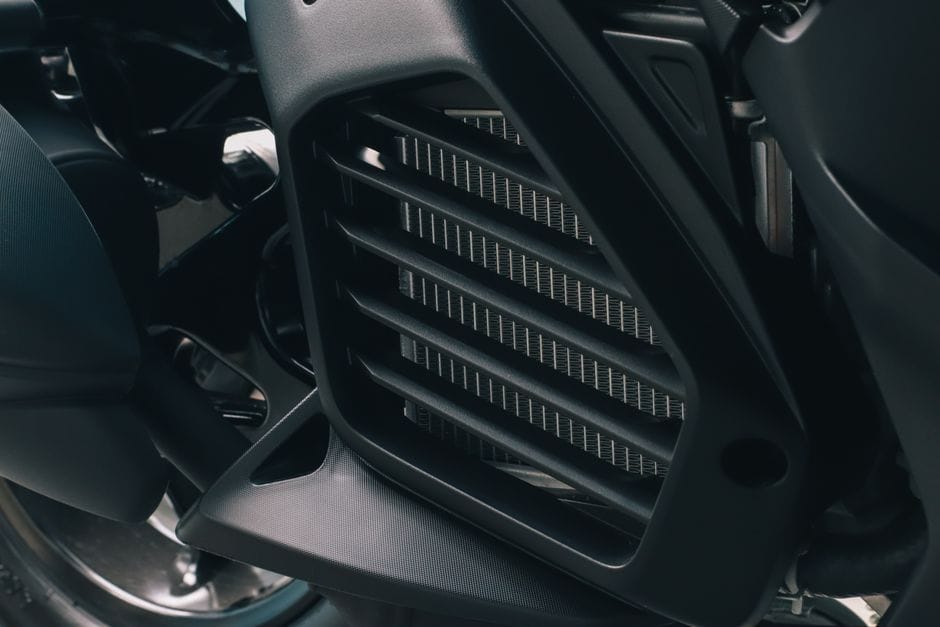
The radiator is a heat exchanger mounted at the front of the vehicle. It consists of aluminum tubes and fins that maximize surface area. Hot coolant enters the top of the radiator, flows down through the tubes, and transfers heat to the fins, which dissipate it into the air passing through the grille. The radiator cap maintains system pressure — typically 12–16 psi — which raises the boiling point of coolant from 212°F to approximately 250°F, preventing boil-over at normal operating temperatures. Cooling fans, either mechanical (belt-driven) or electric, pull air through the radiator when the vehicle is stationary or moving slowly. Electric fans are controlled by the engine computer based on coolant temperature and air conditioning demand. Radiator failure typically results from corrosion, physical damage from road debris, or clogged internal passages from neglected coolant changes.
The Radiator Cap and Pressure Management
The radiator cap is far more than a simple lid. It’s a precision pressure-relief valve that maintains the cooling system at a specific pressure. As coolant heats, it expands, increasing pressure. The cap’s spring-loaded valve opens at the rated pressure, allowing excess coolant to flow into an overflow tank. When the engine cools, a vacuum is created, and a second valve in the cap allows coolant to be drawn back from the overflow tank. This pressure management prevents boiling, reduces coolant loss, and protects hoses and seals from excessive stress. A faulty cap can cause coolant loss, overheating, or collapsed hoses. Caps are inexpensive and should be replaced every 5 years or 50,000 miles as preventive maintenance.
Hoses, Heater Core, and the Expansion Tank
The cooling system’s plumbing consists of upper and lower radiator hoses, heater hoses, and bypass hoses. These reinforced rubber hoses carry coolant between the engine, radiator, and heater core. The heater core is a small radiator inside the dashboard that provides cabin heat. Hot coolant flows through it, and a blower fan pushes air across its fins to warm the interior. The expansion tank (or overflow reservoir) stores excess coolant and allows for thermal expansion. Hoses degrade over time — heat, oil exposure, and ozone cause cracking and softening. A burst hose can dump all coolant in minutes, causing immediate overheating. Inspect hoses for bulges, cracks, or sponginess during every oil change.
How Coolant Works: Types, Additives, and Why It Matters

Coolant — also called antifreeze — is the life
blood of the cooling system. It’s not just water; it’s a carefully formulated mixture of ethylene glycol or propylene glycol, deionized water, and a package of corrosion inhibitors, anti-foaming agents, and lubricants. This blend serves three critical functions: it transfers heat efficiently, it prevents freezing in cold climates, and it protects the metal components from corrosion and electrolysis.
The most common coolant types are categorized by their additive packages. Inorganic Additive Technology (IAT) coolant — the traditional green formula — uses silicates and phosphates to protect metals. It’s inexpensive but requires replacement every 2 years or 30,000 miles. Organic Acid Technology (OAT) coolant — typically orange, red, or pink — uses organic acids that last much longer, often 5 years or 150,000 miles. Hybrid Organic Acid Technology (HOAT) combines both approaches, offering the best of both worlds and is commonly found in European and some American vehicles. Using the wrong coolant type can cause additive drop-out, leading to sludge formation, blocked passages, and accelerated corrosion. Always consult your owner’s manual for the correct specification.
Coolant concentration matters as much as type. A 50/50 mix of coolant and water provides freeze protection down to -34°F and boil protection up to 265°F under pressure. Higher coolant concentration (70/30) actually reduces heat transfer efficiency and can cause overheating. Never use undiluted coolant. Also, never mix different coolant types — the chemical reaction can cause gelling that clogs the entire system. If you’re unsure what’s in your system, a complete flush and refill is the safest option.
Cooling System Maintenance: Flush Intervals, Procedures, and Costs

Regular maintenance is the single most effective way to extend the life of your cooling system and prevent catastrophic engine damage. The coolant degrades over time — the corrosion inhibitors deplete, the pH shifts toward acidic, and contaminants accumulate. This degradation leads to scale buildup, blocked radiator tubes, and electrolysis that eats away at aluminum components.
Most manufacturers recommend a coolant flush every 30,000 to 60,000 miles for IAT coolant, and every 100,000 to 150,000 miles for OAT or HOAT coolant. However, severe driving conditions — extreme heat, heavy towing, or frequent short trips — can shorten these intervals. A simple test strip can measure the coolant’s pH and additive levels to determine if replacement is needed. The coolant should be replaced when the pH drops below 7.5 or when the freeze point is no longer adequate for your climate.
A professional coolant flush typically costs $100–$200, depending on the vehicle and coolant type. The procedure involves draining the old coolant, flushing the system with water or a chemical cleaner to remove deposits, and refilling with fresh coolant mixed to the correct concentration. While some DIYers perform this task at home, it requires proper disposal of the old coolant (which is toxic to pets and wildlife) and careful bleeding of air from the system to prevent hot spots and overheating.
Step-by-Step Coolant Flush Procedure
If you choose to DIY, here’s the general process: 1) Ensure the engine is cold. 2) Place a drain pan under the radiator drain plug and open it. 3) Remove the radiator cap to allow faster draining. 4) Close the drain plug and fill the system with clean water. 5) Run the engine with the heater on full hot for 10 minutes to circulate the water. 6) Drain again. 7) Repeat until the drained water runs clear. 8) Close the drain plug and fill with the correct coolant/water mixture. 9) Run the engine with the radiator cap off until the thermostat opens and coolant level stabilizes. 10) Top off and replace the cap. Always dispose of old coolant at a recycling center or auto parts store.
Common Failure Points and Warning Signs
Beyond the water pump and thermostat, other common failure points include the radiator cap (which loses its spring tension over time), heater core (which can clog or leak, causing a sweet smell and foggy windows), and the expansion tank (which can crack and leak). Warning signs of cooling system trouble include: temperature gauge creeping above normal, coolant puddles under the vehicle, steam from the engine bay, a sweet smell inside the cabin, low coolant level in the reservoir, and a gurgling sound from the dashboard (indicating air in the system). Address any of these promptly — the cost of preventive repair is almost always a fraction of the cost of an engine replacement.
Overheating: Causes, Diagnosis, and Emergency Response

Overheating is the most common cooling system emergency. It can happen suddenly or develop gradually over time. The most frequent causes include: low coolant level (from a leak or neglected maintenance), a stuck-closed thermostat, a failed water pump, a clogged radiator, a faulty cooling fan, a blown head gasket (which allows combustion gases into the cooling system), or a collapsed radiator hose. Diagnosing the root cause requires a systematic approach.
Start by checking the coolant level when the engine is cold. If it’s low, inspect for visible leaks at hoses, the radiator, the water pump, and the heater core. Pressure-test the system to find hidden leaks. Check the thermostat by feeling the upper radiator hose — it should get hot suddenly when the thermostat opens. Verify the cooling fans engage when the engine reaches operating temperature. If the system is full and the thermostat works, suspect a clogged radiator or a failing water pump. A combustion leak test can determine if exhaust gases are entering the coolant, indicating a head gasket failure.
What to Do If Your Engine Overheats
Understanding to Do If Your Engine Overheats
If your temperature gauge enters the red zone or you see steam, follow these steps: 1) Turn off the air conditioning and turn the heater to full hot — this draws heat away from the engine. 2) Pull over safely as soon as possible. 3) Turn off the engine immediately. 4) Do NOT open the radiator cap while the engine is hot — pressurized coolant can cause severe burns. 5) Wait at least 30 minutes for the engine to cool. 6) Check the coolant level and add a 50/50 mix if it’s low. 7) If the coolant is full, the problem is internal — call for a tow. Continuing to drive an overheating engine risks warping the cylinder head, blowing the head gasket, or seizing the engine entirely.
Advanced Topics: Intercoolers, Electric Vehicles, and Future Trends

While the traditional liquid-cooled internal combustion engine remains the standard, modern vehicles incorporate additional cooling systems that work alongside or replace the conventional setup. Turbocharged engines, for example, use an intercooler to cool the compressed air before it enters the engine. Hot air is less dense, reducing power and increasing the risk of detonation. The intercooler — either air-to-air or air-to-water — lowers intake air temperature by 50–100°F, improving performance and reliability.
Electric vehicles (EVs) use a different thermal management approach. While they don’t have an engine block to cool, their batteries, power electronics, and electric motors generate significant heat. EVs use liquid cooling loops with coolant circulating through battery packs to maintain optimal operating temperature (typically 68–104°F). This prevents battery degradation, ensures consistent performance, and enables fast charging. Some EVs also use heat pumps to capture waste heat from the battery and motors to warm the cabin, improving efficiency in cold weather.
Hybrid vehicles combine both systems — a conventional engine cooling loop and a separate battery cooling loop. These systems are more complex, with additional pumps, valves, and control modules. Future trends include variable-displacement water pumps, electric coolant heaters for faster warm-up, and advanced thermal management systems that integrate engine, transmission, and cabin heating into a single intelligent network. These innovations improve fuel economy, reduce emissions, and extend component life.
Maintenance Schedule and Cost Summary

To keep your cooling system in peak condition, follow this general maintenance schedule: Check coolant level monthly and top off as needed. Inspect hoses and belts every oil change for cracks, bulges, or soft spots. Replace the radiator cap every 5 years or 50,000 miles. Flush and replace coolant according to the manufacturer’s interval (typically
30,000–60,000 miles for IAT, 100,000–150,000 for OAT/HOAT). Replace the water pump and thermostat every 60,000–100,000 miles as preventive maintenance, especially if you’re already doing a timing belt service. Inspect the radiator for debris, corrosion, and fin damage annually. Test the cooling system pressure annually to catch leaks early.
Costs vary by vehicle, but here are typical ranges: Coolant flush — $100–$200; Thermostat replacement — $150–$400 (parts and labor); Water pump replacement — $300–$800; Radiator replacement — $400–$1,200; Radiator cap — $10–$30; Heater core replacement — $500–$1,500 (labor-intensive). While these costs may seem significant, they pale in comparison to the $4,000–$8,000 cost of a full engine replacement caused by neglect. Regular maintenance is the cheapest insurance you can buy for your vehicle.
DIY vs. professional: Simple tasks like checking coolant level, replacing the radiator cap, and inspecting hoses are well within the reach of most DIYers. Flushing the coolant is doable with basic tools and careful attention to procedure. Thermostat replacement is moderately difficult — it requires draining some coolant and accessing the thermostat housing. Water pump and radiator replacement are more involved and often require special tools, making them better suited for a professional mechanic. Always consult your vehicle’s service manual for specific procedures and torque specifications.
Choosing the Right Coolant and Parts for Your Vehicle

Selecting the correct coolant and replacement parts is critical for cooling system longevity. Using the wrong coolant can cause chemical incompatibility, leading to sludge, corrosion, and premature component failure. Always check your owner’s manual for the exact coolant specification — it will specify the type (IAT, OAT, HOAT) and often a specific brand or color. Some manufacturers, like BMW and Mercedes, require phosphate-free coolants; others, like GM, specify Dex-Cool (an OAT formula). European vehicles often require HOAT coolants with specific additives.
When purchasing replacement parts, you have two main options: Original Equipment Manufacturer (OEM) parts and aftermarket parts. OEM parts are made by the same suppliers that manufacture parts for the automaker — they offer guaranteed fit and quality but come at a premium. Aftermarket parts from reputable brands (like Gates, ACDelco, Denso, or Behr) are often comparable in quality at a lower price. However, be wary of ultra-cheap no-name parts — they may use inferior materials that fail prematurely. For critical components like water pumps and thermostats, it’s often worth paying a little more for quality.
When replacing a water pump, consider whether to buy a remanufactured or new unit. Remanufactured pumps are cheaper but may have shorter lifespans. New pumps from quality brands offer better reliability. For thermostats, choose one with the correct temperature rating — using a lower-temperature thermostat than specified can prevent the engine from reaching operating temperature, reducing fuel economy and increasing emissions. For radiators, consider whether a copper/brass or aluminum unit is appropriate — aluminum is lighter and more efficient, but copper/brass is more repairable.
Frequently Asked Questions About Engine Cooling

Can I use water instead of coolant in an emergency?
In a true emergency, plain water will work temporarily to get you to a repair shop. However, water alone provides no freeze protection, no corrosion inhibition, and has a lower boiling point than a 50/50 coolant mixture. If you use water, drain and refill with proper coolant as soon as possible. Never use water in freezing temperatures — it will freeze and crack the engine block.
Why does my car overheat when idling but not when driving?
This typically indicates a cooling fan issue. When driving, air flows through the radiator naturally. At idle, the fan must pull air through. If the electric fan isn’t engaging, or the mechanical fan clutch is worn, airflow stops and temperatures rise. Check the fan relay, fuse, and motor, or the fan clutch for mechanical fans.
What does it mean if I see coolant under my car?
Coolant leaks are never normal. The color (green, orange, pink, or blue) can help identify the source. A puddle under the front center often indicates a water pump or radiator leak. Under the passenger side suggests a heater core leak. Under the rear could be a freeze plug or head gasket leak. Have the system pressure-tested to locate the source.
How often should I check my coolant level?
Check the coolant level in the overflow reservoir at least once a month, and always before long trips. The level should be between the MIN and MAX marks when the engine is cold. If you’re adding coolant more than once between changes, you have a leak that needs attention.
Is it normal for the temperature gauge to fluctuate?
Minor fluctuations are normal as the thermostat opens and closes. However, large swings — from normal to hot and back — indicate a problem, such as a failing thermostat, low coolant, or air in the system. The gauge should stabilize at the normal operating temperature within a few minutes of driving.