
engine oil color guide
Engine oil color is one of the most misunderstood diagnostic signals in vehicle maintenance. Many drivers assume that dark oil automatically means it needs changing, while amber oil guarantees it’s still fresh. In reality, the color of your engine oil is a rough indicator of oil condition, contamination, and engine health — but it’s not a standalone verdict. The shade you see on the dipstick tells a story about heat cycles, combustion byproducts, fuel dilution, coolant leaks, and even the additive package your specific oil formula uses.
This guide breaks down every oil color you might encounter — from light honey to milky brown to jet black — and explains what each shade actually means for your engine. You’ll learn how to perform a proper dipstick check, which colors demand immediate action, and which ones are perfectly normal for your oil change interval. We’ll also cover the critical difference between oil that looks dark because it’s doing its job and oil that looks dark because something is wrong internally.
What sets this guide apart is its emphasis on context. Instead of giving you a one-size-fits-all color chart, we’ll show you how oil color interacts with other symptoms — oil pressure readings, engine noise, exhaust smoke, and fluid levels — so you can diagnose with confidence. You’ll also get honest limitations: which problems oil color cannot reveal, and when you need laboratory oil analysis instead of a visual check. By the end, you’ll know exactly when to worry, when to schedule a change, and when to simply wipe the dipstick and move on.
What Is Engine Oil Color and Why Does It Matter?
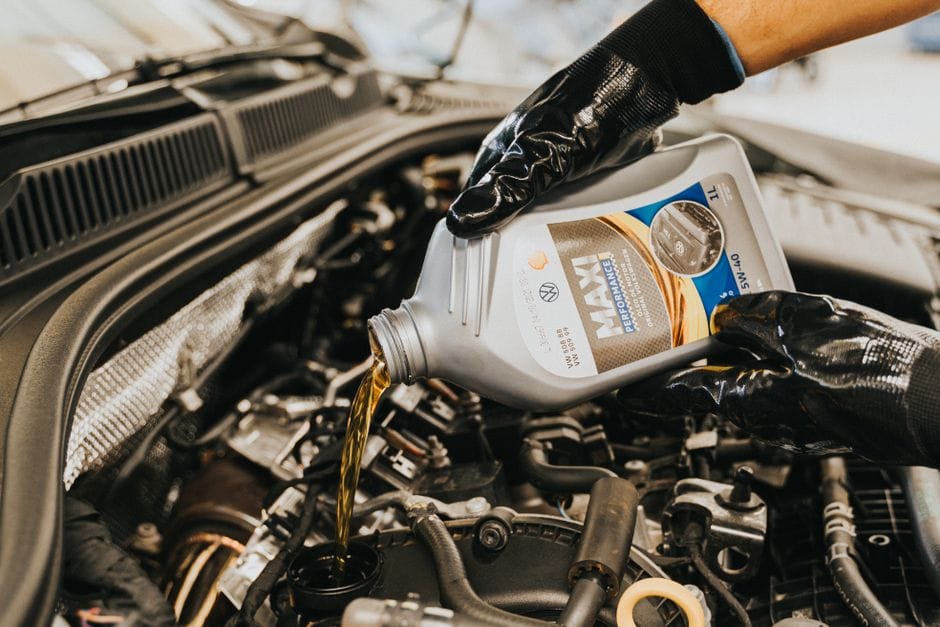
When you pull the dipstick and see dark oil, your first instinct might be panic. But here’s the truth: **engine oil color is a quick visual cue, not a definitive diagnosis.** It tells you what’s happening inside your engine, but it doesn’t tell you everything. Understanding what you’re looking at—and what you’re not—is the first step toward smarter maintenance decisions.
Defining the Entity: More Than Just a Shade
Engine oil color refers to the visual appearance of the lubricant on a dipstick or in a sample. But it’s not a single attribute. It’s the result of three interacting factors: the oil’s base stock, the additive package, and the contaminants it has picked up during operation.
Fresh oil starts as a translucent amber or honey color. As it circulates through the engine, it collects combustion byproducts, carbon particles, and microscopic metal wear debris. The color darkens progressively, but the rate of darkening depends on engine design, driving conditions, and oil formulation. A diesel engine will darken oil much faster than a gasoline engine due to higher soot production. A turbocharged engine running short trips will darken oil faster than a naturally aspirated engine on long highway drives.
How Oil Color Differs from Oil Level and Oil Pressure
Oil color, oil level, and oil pressure are three separate diagnostic dimensions. Oil level tells you how much oil is in the pan — measured via the dipstick marks. Oil pressure tells you how well the oil pump is circulating lubricant through the galleries — measured by the dashboard gauge or warning light. Oil color tells you about the condition and contamination of the oil itself.
A common mistake is conflating dark oil with low oil level. You can have perfectly amber oil at the “low” mark, or black oil at the “full” mark. Similarly, oil pressure can be normal even when the oil is severely contaminated. Each metric requires its own check. Color alone cannot tell you if you’re a quart low, and the dipstick level cannot tell you if coolant is leaking into the crankcase.
The Role of Additives in Initial Oil Color
Not all fresh oils are the same color. The additive package — detergents, dispersants, anti-wear agents, antioxidants, and viscosity modifiers — can tint the oil before it ever touches an engine. Some synthetic oils have a slightly green or blue tint due to specific additive chemistry. Some high-detergent diesel oils appear darker amber straight from the bottle. This means your “fresh oil baseline” depends on the specific product you use.
The key takeaway: you need to know what your oil looked like when you poured it in. If you’re using a new brand or grade, note the initial color. This gives you a reference point for future dipstick checks. Without that baseline, you’re guessing.
Top Picks

The Engine Oil Color Spectrum: From Amber to Black
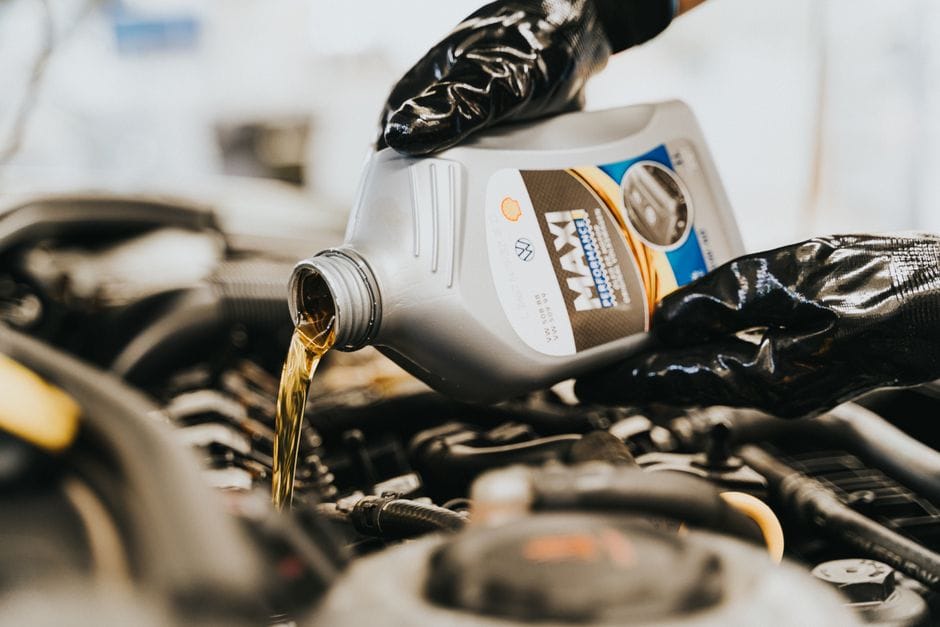
The color spectrum of engine oil ranges from light honey to jet black, with several meaningful stops in between. Each shade corresponds to a different stage of oil life or a specific contamination event. Here’s what each color means in practice.
Light Amber / Honey: Fresh Oil Baseline
Light amber or honey-colored oil is what you see immediately after an oil change. It’s translucent, with a golden glow that reflects the base oil and additive package. This color indicates the oil is clean, has not yet accumulated significant combustion byproducts, and still has its full additive reserve.
However, light amber doesn’t guarantee the oil is safe for extended use. If you’ve just changed the oil and it’s already dark within a few hundred miles, that’s a sign of heavy soot production or a rich fuel mixture. Conversely, oil that stays amber for an unusually long time might indicate the engine isn’t reaching operating temperature — which can cause fuel dilution and sludge buildup over time.
Dark Brown / Tan: Normal Aging and Thermal Breakdown
As oil accumulates heat cycles, it naturally darkens to a tan or dark brown color. This is the most common appearance for oil mid-way through its service interval. The darkening comes from oxidation — the chemical breakdown of the oil molecules under heat — and from suspended carbon particles that are too small to see individually but collectively darken the oil.
Dark brown oil is not necessarily “bad” oil. It’s oil that’s doing its job. The dispersant additives are holding contaminants in suspension so they don’t deposit as sludge. The oil is still providing adequate lubrication. The question is how far along the degradation curve you are. If the oil is dark brown but still has a smooth, consistent texture, you’re likely fine until the next scheduled change.
Black: Soot Suspension vs. Severe Degradation
Black oil is where the confusion really starts. There are two very different scenarios that produce black oil.
The first is normal soot suspension. Diesel engines, and gasoline direct-injection engines, produce significant soot as a combustion byproduct. The dispersant additives hold this soot in suspension, which turns the oil black within a few hundred miles of an oil change. This black oil is still perfectly functional — the soot particles are microscopic and the oil retains its lubricating properties.
The second scenario is severe degradation. If the oil is black and also has a thick, tar-like consistency, or if it smells burnt, that’s a sign of thermal breakdown. The oil has lost its viscosity, the additives are depleted, and the oil is no longer protecting the engine. This typically happens when the oil has been run far beyond its service interval, or when the engine is running excessively hot.
The distinction matters: black but thin and smooth means soot suspension; black and thick or gritty means degradation. You can test this by rubbing a drop of oil between your fingers. If it feels smooth, it’s likely fine. If it feels gritty or sticky, it’s time for a change.
Milky / Creamy: Coolant Contamination (The Critical Red Flag)
Milky or creamy oil — often described as looking like a chocolate milkshake or mayonnaise — is the most serious color you can see. This indicates coolant (antifreeze) is leaking into the oil system. The coolant mixes with the oil and emulsifies, creating a thick, frothy, light-brown or white substance.
This is an emergency condition. Coolant in the oil destroys the oil’s lubricating properties, causes severe engine wear, and can lead to catastrophic failure. Common causes include a blown head gasket, a cracked engine block, or a failed oil cooler. If you see milky oil on the dipstick, do not drive the vehicle. Have it towed to a mechanic immediately.
Green or Blue Tint: Additive Package vs. Contamination
Some synthetic oils have a green or blue tint straight from the bottle due to their additive chemistry. This is normal and not a cause for concern. However, if your oil was amber when you poured it in and later turns green or blue, that’s a different story.
A green tint that develops over time can indicate coolant contamination — some coolants are green. A blue tint can indicate fuel dilution, particularly if the fuel has a blue dye. In both cases, you should investigate further. Check your coolant level, look for exhaust smoke, and consider a laboratory oil analysis to confirm the contamination source.
Red or Pink: Unusual but Not Always Alarming
Red or pink engine oil is rare but does occur. Some specialty oils — particularly certain racing oils or oils with specific friction modifiers — have a red dye added at the factory. If your oil was red when you poured it in, that’s your baseline.
However, if your oil turns red or pink during use, it could indicate transmission fluid contamination. Automatic transmission fluid is typically red, and if the transmission cooler fails internally, transmission fluid can leak into the engine’s cooling system and then into the oil. This is a serious issue that requires immediate attention, as it compromises both the engine oil and the transmission.
Foamy or Bubbly Oil: Air Entrainment and Mechanical Issues
While not a color per se, foam or bubbles in the oil is a critical visual indicator. If the oil on the dipstick appears frothy or has persistent bubbles, it means air is being whipped into the oil. This can happen if the oil level is too high (the crankshaft is churning the oil), if there’s a leak in the oil pump pickup tube, or if the oil has been severely contaminated with water.
Foamy oil loses its ability to lubricate effectively because air compresses under pressure, reducing the oil film strength. This can lead to accelerated bearing wear and engine damage. If you see foam, check the oil level first, then look for signs of water contamination.
How to Perform a Proper Dipstick Oil Color Check

A proper dipstick check is more than just pulling the stick and glancing at it. To get an accurate read on oil color, you need to follow a consistent procedure.
Step-by-Step: Getting an Accurate Reading
First, park the vehicle on a level surface and let the engine cool for at least 10-15 minutes. This allows the oil to drain back into the oil pan, giving you an accurate level reading. Pull the dipstick out, wipe it clean with a lint-free cloth, and reinsert it fully. Wait a second, then pull it out again.
Hold the dipstick horizontally at eye level, in natural light if possible. Fluorescent or LED lighting can distort colors. Look at the oil on the tip of the dipstick, not the oil that smears along the shaft. The tip shows the freshest sample from the bottom of the pan.
What to Look For: Color, Clarity, and Texture
Evaluate three things: color, clarity, and texture. Color tells you about the oil’s age and contamination level. Clarity tells you whether the oil is translucent or opaque — opaque oil suggests heavy contamination. Texture tells you about viscosity and contamination — rub a drop between your thumb and forefinger. It should feel smooth and slightly slippery. Gritty or sticky texture indicates metal particles or severe oxidation.
Common Mistakes to Avoid
Don’t check the oil immediately after driving — the oil is hot and thin, and it hasn’t drained back to the pan. Don’t wipe the dipstick with a paper towel that leaves lint. Don’t check the oil on an incline — the reading will be inaccurate. And don’t rely on color alone — always cross-reference with oil level, oil pressure, and any unusual engine noises.
Oil Color vs. Oil Analysis: What Visual Checks Can’t Tell You

Visual oil color checks are a useful first-line diagnostic, but they have significant limitations. Oil color cannot tell you the exact remaining life of the oil, the concentration of specific contaminants, or the condition of the additive package. For that, you need laboratory oil analysis.
Limitations of Visual Inspection
Oil color cannot detect dissolved metals at low concentrations. It cannot measure the oil’s total acid number (TAN) or total base number (TBN), which indicate the oil’s remaining corrosion protection. It cannot detect fuel dilution below a certain threshold — fuel can be present at 2-3% without visibly changing the oil’s color. It also cannot detect coolant contamination in its early stages, before emulsification becomes visible.
When to Send a Sample for Lab Testing
You should consider laboratory oil analysis in several situations: if you’re buying a used car and want to assess engine health, if you’re extending your oil change interval beyond the manufacturer’s recommendation, if you’ve experienced a mechanical issue and want to confirm the engine is clean, or if you notice any unusual symptoms that color alone can’t explain — like increased oil consumption, engine noise, or a slight coolant smell without visible milky oil.
What a Used Oil Analysis Reveals
A standard used oil analysis measures viscosity, flash point, fuel dilution, coolant contamination, wear metals (iron, copper, aluminum, lead), and additive depletion. It can pinpoint the source of wear — for example, high iron suggests cylinder bore wear, while high copper suggests bearing wear. It can also tell you if your oil change interval is appropriate for your driving conditions.
Oil Color and Oil Change Intervals: Making the Call

One of the most common questions drivers ask is: “If my oil is dark, do I need to change it now?” The answer depends on several factors beyond color.
Mileage vs. Time vs. Color
Manufacturers specify oil change intervals based on mileage and time, not color. The interval accounts for typical driving conditions, oil formulation, and engine design. Color is a supplementary indicator, not a replacement for the schedule. If your oil is dark but you’re only halfway to the recommended interval, you’re probably fine. If your oil is still amber but you’re past the interval, you should still change it — the additives are depleted even if the color hasn’t changed much.
Severe Service Conditions and Color Acceleration
Severe service conditions — short trips, stop-and-go traffic, extreme temperatures, towing, or dusty environments — accelerate oil degradation. Under these conditions, oil will darken faster and lose its protective properties sooner. If you drive under severe conditions, you should follow the severe service interval in your owner’s manual, regardless of what the oil color suggests.
When Color Should Override the Schedule
There are a few situations where color should override the schedule. If the oil is milky or creamy, change it immediately and investigate the coolant leak. If the oil is black and gritty, change it immediately. If the oil has a strong fuel smell, change it and check for fuel system issues. These are cases where the color indicates a problem that the schedule doesn’t account for.
Engine Oil Color and Engine Health: What It Can and Cannot Tell You

Oil color is a window into engine health, but it’s a foggy window. Here’s what it can reveal and what it cannot.
What Oil Color Can Reveal
Oil color can reveal coolant contamination (milky), severe soot loading (black), fuel dilution (thin, strong-smelling oil), and advanced oxidation (thick, dark, burnt-smelling oil). It can also reveal the presence of large metal particles — if you see glittery specks in the oil, that’s a sign of severe mechanical wear, such as bearing or camshaft damage.
What Oil Color Cannot Reveal
Oil color cannot reveal the oil’s remaining viscosity index, the concentration of dissolved wear metals, the level of acid buildup, or the condition of the detergent additives. It cannot detect a failing oil pump, a clogged oil filter, or a worn piston ring that’s allowing blow-by. These issues require mechanical inspection or laboratory analysis.
Combining Color with Other Symptoms
The most effective diagnostic approach is to combine oil color with other symptoms. If the oil is dark and the engine is running rough, that suggests a different problem than dark oil with normal performance. If the oil is milky and the engine is overheating, that points to a head gasket failure. If the oil is black and the exhaust is smoking, that could indicate worn rings or valve seals. Always consider the full picture.
Special Cases: Diesel Engines, Turbocharged Engines, and High-Mileage Vehicles

Different engine types and conditions produce different oil color patterns. Understanding these variations helps you interpret what you see.
Diesel Engines: The Soot Factor
Diesel engines produce significantly more soot than gasoline engines. As a result, diesel oil turns black very quickly — often within 100-200 miles of an oil
change. This is normal and expected. The dispersant additives in diesel-specific oils are designed to hold this soot in suspension, keeping it from forming sludge. A diesel engine with amber oil after 1,000 miles is actually more concerning than one with black oil — it might indicate the oil isn’t circulating properly or the engine isn’t reaching operating temperature.
Turbocharged Engines: Heat and Stress
Turbocharged engines run hotter and subject the oil to more thermal stress than naturally aspirated engines. The turbocharger’s bearings operate at extremely high speeds and temperatures, which accelerates oil oxidation. As a result, turbo engine oil tends to darken faster and may show signs of thermal breakdown earlier. If you have a turbocharged engine, pay extra attention to oil color changes and consider more frequent oil changes if you drive aggressively or in hot climates.
High-Mileage Engines: Wear and Contamination
High-mileage engines (over 100,000 miles) often show darker oil sooner due to increased blow-by past worn piston rings and valve seals. This blow-by introduces more combustion byproducts into the oil. Also, high-mileage engines may have small coolant leaks that don’t yet produce visible milky oil but do accelerate oil degradation. If you own a high-mileage vehicle, regular oil analysis is particularly valuable to catch problems before they become catastrophic.
Oil Color and Oil Additives: Understanding the Chemistry

The color of engine oil is not just about contamination — it’s also about chemistry. The additive package in modern engine oils is complex, and each component plays a role in both performance and appearance.
Detergents and Dispersants
Detergents keep engine surfaces clean by neutralizing acids and preventing deposits. Dispersants hold contaminants in suspension so they don’t clump together and form sludge. Both of these additives can affect oil color. High-detergent oils, common in diesel applications, often have a darker amber appearance from the start. As these additives deplete, the oil’s ability to hold contaminants decreases, and the color may change more rapidly.
Anti-Wear and Friction Modifiers
Anti-wear additives like zinc dialkyldithiophosphate (ZDDP) form a protective layer on metal surfaces. Friction modifiers reduce friction between moving parts. These additives can give the oil a slightly different tint, and their depletion over time can affect both color and performance. If you notice your oil changing color more quickly than usual, it might indicate that the additive package is being consumed faster than expected.
Antioxidants and Viscosity Improvers
Antioxidants slow down the oxidation process that causes oil to thicken and darken. Viscosity improvers help the oil maintain its thickness across a range of temperatures. Both of these additives degrade with heat and time. When they break down, the oil’s color can shift and its performance can decline. This is why oil color is a rough proxy for additive health — but only a rough one.
Oil Color and Environmental Factors: Temperature, Humidity, and Storage

The environment in which your vehicle operates can significantly influence oil color. Understanding these factors helps you avoid false alarms.
Cold Weather and Condensation
In cold climates, engines take longer to reach operating temperature. This means more fuel dilution and more condensation in the crankcase. Condensation can cause a light brown or tan froth to form on the dipstick, especially if the vehicle is only driven for short trips. This is often mistaken for coolant contamination, but it’s actually just water vapor that hasn’t burned off. If the froth disappears after a long highway drive, it was condensation, not a head gasket failure.
Hot Weather and Oxidation
In hot climates, oil runs hotter and oxidizes faster. This accelerates darkening and thickening. If you live in a hot region and drive aggressively, your oil will naturally darken faster than the same oil in a cooler climate. This doesn’t necessarily mean the oil is failing — it just means the thermal stress is higher. More frequent oil changes may be warranted.
Storage and Shelf Life
Engine oil in a sealed container has a shelf life of about five years. Over time, the additives can separate or degrade, which may cause a slight color change. If you’re using oil that’s been stored for a long time, check the color and consistency before pouring it in. If it looks cloudy or has sediment, it’s best to use a fresh bottle.
Oil Color and Engine Coolant Color: A Comparative Guide

Engine oil and engine coolant are two separate fluids, but their colors can sometimes be confused. Understanding the difference is critical for accurate diagnosis.
Coolant Colors and What They Mean
Engine coolant comes in several colors: green (traditional ethylene glycol), orange or red (extended-life organic acid technology), blue (some European vehicles), and pink (some Asian vehicles). Each color indicates a specific coolant chemistry. If you see a green or orange fluid under your car, it’s likely coolant, not oil. If you see a dark brown or black fluid, it’s likely oil.
How Coolant Contamination Affects Oil Color
When coolant leaks into the oil, it creates the milky or creamy appearance described earlier. The exact shade depends on the coolant color and the ratio of coolant to oil. Green coolant mixed with oil produces a light greenish-brown froth. Orange coolant produces a reddish-brown froth. Pink coolant produces a pinkish-brown froth. In all cases, the texture is thick and mayonnaise-like.
Distinguishing Between Oil and Coolant Leaks
If you see a puddle under your car, you can often identify the fluid by color and consistency. Oil is dark brown or black, slippery, and has a distinct petroleum smell. Coolant is brightly colored (green, orange, pink, or blue), has a sweet smell, and is thinner than oil. If you’re unsure, use a clean paper towel to dab the fluid — oil will spread and leave a dark stain, while coolant will stay more contained and evaporate slowly.
Oil Color and Engine Noise: Correlating Symptoms

Oil color alone is rarely enough to diagnose a problem. But when combined with engine noise, it becomes a powerful diagnostic tool.
Dark Oil with Knocking Sounds
If your oil is dark and you hear a knocking or tapping sound from the engine, it could indicate worn bearings or insufficient lubrication. The dark oil might be too thin (due to fuel dilution) or too thick (due to oxidation) to provide adequate protection. This combination warrants immediate attention — continued driving could cause catastrophic engine failure.
Milky Oil with Overheating
If your oil is milky and the engine is overheating, it’s almost certainly a head gasket failure. The coolant is leaking into the oil and also into the combustion chamber, causing the engine to run hot. This is a severe condition that requires immediate repair. Do not drive the vehicle — have it towed to a shop.
Black Oil with Rough Idle
If your oil is black and the engine idles roughly, it could indicate excessive blow-by past worn piston rings. The blow-by gases are contaminating the oil and also causing the rough idle. This combination suggests significant engine wear that may require a rebuild or replacement.
Oil Color and Exhaust Smoke: Reading the Signs

Exhaust smoke color, when combined with oil color, provides valuable clues about engine health.
Blue Smoke with Dark Oil
Blue exhaust smoke indicates oil is being burned in the combustion chamber. If your oil is also dark, it suggests the oil is old and contaminated, and it’s being consumed due to worn valve seals or piston rings. This combination points to internal engine wear that needs attention.
White Smoke with Milky Oil
White exhaust smoke indicates coolant is being burned. If your oil is also milky, it confirms a coolant leak into the oil system — almost certainly a head gasket failure. This is a critical condition that requires immediate repair.
Black Smoke with Black Oil
Black exhaust smoke indicates a rich fuel mixture — too much fuel and not enough air. If your oil is also black, it could indicate fuel dilution of the oil. This combination suggests a fuel system problem, such as a faulty fuel injector or a stuck open fuel pressure regulator.
Oil Color and Oil Pressure: Understanding the Relationship

Oil pressure and oil color are two distinct indicators, but they often correlate in ways that can help you diagnose problems.
Normal Oil Pressure with Dark Oil
If your oil pressure is normal but the oil is dark, it’s likely just normal aging. The oil is still being pumped effectively, and the dark color is from soot and oxidation products that the dispersants are holding in suspension. This is not a cause for concern — just follow your regular oil change schedule.
Low Oil Pressure with Dark Oil
If your oil pressure is low and the oil is dark, it could indicate that the oil has thinned out due to fuel dilution or thermal breakdown. Thin oil doesn’t maintain pressure as well as thicker oil. This combination warrants an oil change and possibly an oil analysis to determine the cause of the thinning.
Low Oil Pressure with Milky Oil
If your oil pressure is low and the oil is milky, it’s a severe emergency. Coolant in the oil destroys its lubricating properties, causing a dramatic drop in oil pressure. This can lead to rapid engine wear and failure. Stop the engine immediately and have the vehicle towed.
Oil Color and Oil Smell: A Combined Diagnostic Approach

Your nose is a powerful diagnostic tool. Combining oil color with oil smell can help you pinpoint problems more accurately.
Burnt Smell with Dark Oil
If your oil smells burnt and is dark, it indicates severe thermal breakdown. The oil has been overheated, and its additives are depleted. This typically happens when the oil has been run far beyond its service interval or when the engine has been overheating. Change the oil immediately and check the cooling system.
Fuel Smell with Thin Oil
If your oil smells strongly of fuel and feels thin, it indicates fuel dilution. Fuel is leaking into the oil system, typically through worn piston rings or a faulty fuel injector. This thins the oil and reduces its lubricating properties. Change the oil and investigate the fuel system.
Sweet Smell with Milky Oil
If your oil smells sweet (like antifreeze) and is milky, it confirms coolant contamination. The sweet smell comes from the ethylene glycol in the coolant. This is a critical condition that requires immediate repair of the cooling system or head gasket.
Oil Color and Oil Texture: The Feel Test

The texture of engine oil — how it feels between your fingers — provides additional clues beyond color.
Smooth and Slippery: Healthy Oil
Healthy oil should feel smooth and slightly slippery between your fingers. It should have a consistent texture without any grit or stickiness. If your oil feels this way, even if it’s dark, it’s likely still providing adequate lubrication.
Gritty or Sandy: Metal Particles
If your oil feels gritty or sandy, it contains metal particles from engine wear. This is a serious sign — it indicates that internal components are wearing rapidly. The color might be dark or even have a metallic sheen. This warrants immediate investigation and likely engine repair.
Thick and Sticky: Severe Oxidation
If your oil feels thick and sticky, like honey or tar, it has severely oxidized. The oil has lost its ability to flow properly and is no longer protecting the engine. This is common in engines that have been severely neglected. Change the oil immediately and consider an engine flush.
Thin and Watery: Fuel Dilution
If your oil feels thin and watery, it has been diluted with fuel. This reduces its viscosity and lubricating properties. The oil might also have a strong fuel smell. This requires immediate attention to prevent engine damage.
Oil Color and Oil Consumption: What the Dipstick Tells You

Oil consumption — the rate at which your engine burns or loses oil — is another important diagnostic metric that works alongside color.
Normal Oil Consumption with Dark Oil
If your oil level is stable and the oil is dark, it’s just normal aging. The engine isn’t burning or leaking oil, and the dark color is from normal operation. Follow your regular oil change schedule.
High Oil Consumption with Dark Oil
If you’re adding oil frequently and the oil is dark, it could indicate worn piston rings or valve seals. The engine is burning oil, which accelerates oil darkening and degradation. This combination suggests internal engine wear that needs attention.
High Oil Consumption with Milky Oil
If you’re adding oil frequently and the oil is milky, it’s a severe problem. The coolant leak is destroying the oil, and the engine is likely consuming the contaminated oil. This requires immediate repair.
Oil Color and Engine Temperature: The Heat Connection

Engine operating temperature has a direct impact on oil color and condition.
Normal Operating Temperature
When an engine runs at its normal operating temperature (typically 195-220°F for most vehicles), the oil reaches its optimal operating range. This allows the oil to burn off condensation and fuel dilution, keeping the oil healthier for longer. Oil color will darken gradually over the service interval.
Overheating Engine
If the engine overheats, the oil temperature rises dramatically. This accelerates oxidation, causing the oil to darken and thicken rapidly. Overheated oil can also form sludge and varnish deposits. If your engine has overheated, change the oil even if it’s not due for a change.
Engine Running Too Cold
If the engine never reaches operating temperature — common in short-trip driving — condensation and fuel can accumulate in the oil. This can cause a light brown or tan froth on the dipstick, similar to coolant contamination. If you notice this, take the vehicle for a long highway drive to burn off the moisture.
Oil Color and Oil Filter Condition

The oil filter plays a crucial role in maintaining oil color and condition. A clogged or failing filter can accelerate oil degradation.
Clogged Oil Filter
If the oil filter becomes clogged, it can no longer effectively remove contaminants from the oil. This causes the oil to darken faster and accumulate particles. A clogged filter can also cause a drop in oil pressure. If your oil is dark and your oil pressure is low, check the filter.
Bypass Valve Operation
Most oil filters have a bypass valve that opens when the filter is clogged, allowing oil to flow around the filter. This prevents oil starvation but means unfiltered oil circulates through the engine. This accelerates oil darkening and contamination. If your oil is dark and gritty, the filter may have been bypassing for some time.
Filter Replacement and Oil Color
When you change your oil, always replace the filter. A fresh filter helps maintain oil color and condition for longer. If you reuse an old filter, the new oil will darken quickly as it picks up contaminants from the old filter.
Oil Color and Engine Type: Gasoline vs. Diesel vs. Hybrid

Different engine types produce different oil color patterns. Understanding these differences helps you interpret what you see.
Gasoline Engines
Gasoline engines typically produce oil that darkens gradually over the service interval. The oil should remain amber or light brown for the first few thousand miles, then gradually darken. If gasoline engine oil turns black very quickly, it could indicate a rich fuel mixture or excessive blow-by.
Diesel Engines
Diesel engines produce significantly more soot, so the oil turns black very quickly — often within 100-200 miles. This is normal and expected. The dispersant additives in diesel oil are designed to hold this soot in suspension. A diesel engine with amber oil after 1,000 miles is actually more concerning than one with black oil.
Hybrid Engines
Hybrid engines run less frequently and at lower loads than conventional engines. This means the oil may stay amber for longer. However, hybrids also tend to run at lower temperatures, which can cause condensation buildup. If you own a hybrid, check
Engine oil color is one of the most misunderstood diagnostic signals in vehicle maintenance. Many drivers assume that dark oil automatically means it needs changing, while amber oil guarantees it’s still fresh. In reality, the color of your engine oil is a rough indicator of oil condition, contamination, and engine health — but it’s not a standalone verdict. The shade you see on the dipstick tells a story about heat cycles, combustion byproducts, fuel dilution, coolant leaks, and even the additive package your specific oil formula uses.
This guide breaks down every oil color you might encounter — from light honey to milky brown to jet black — and explains what each shade actually means for your engine. You’ll learn how to perform a proper dipstick check, which colors demand immediate action, and which ones are perfectly normal for your oil change interval. We’ll also cover the critical difference between oil that looks dark because it’s doing its job and oil that looks dark because something is wrong internally.
What sets this guide apart is its emphasis on context. Instead of giving you a one-size-fits-all color chart, we’ll show you how oil color interacts with other symptoms — oil pressure readings, engine noise, exhaust smoke, and fluid levels — so you can diagnose with confidence. You’ll also get honest limitations: which problems oil color cannot reveal, and when you need laboratory oil analysis instead of a visual check. By the end, you’ll know exactly when to worry, when to schedule a change, and when to simply wipe the dipstick and move on.
What Is Engine Oil Color and Why Does It Matter?

When you pull the dipstick and see dark oil, your first instinct might be panic. But here’s the truth: **engine oil color is a quick visual cue, not a definitive diagnosis.** It tells you what’s happening inside your engine, but it doesn’t tell you everything. Understanding what you’re looking at—and what you’re not—is the first step toward smarter maintenance decisions.
Defining the Entity: More Than Just a Shade
Engine oil color refers to the visual appearance of the lubricant on a dipstick or in a sample. But it’s not a single attribute. It’s the result of three interacting factors: the oil’s base stock, the additive package, and the contaminants it has picked up during operation.
Fresh oil starts as a translucent amber or honey color. As it circulates through the engine, it collects combustion byproducts, carbon particles, and microscopic metal wear debris. The color darkens progressively, but the rate of darkening depends on engine design, driving conditions, and oil formulation. A diesel engine will darken oil much faster than a gasoline engine due to higher soot production. A turbocharged engine running short trips will darken oil faster than a naturally aspirated engine on long highway drives.
How Oil Color Differs from Oil Level and Oil Pressure
Oil color, oil level, and oil pressure are three separate diagnostic dimensions. Oil level tells you how much oil is in the pan — measured via the dipstick marks. Oil pressure tells you how well the oil pump is circulating lubricant through the galleries — measured by the dashboard gauge or warning light. Oil color tells you about the condition and contamination of the oil itself.
A common mistake is conflating dark oil with low oil level. You can have perfectly amber oil at the “low” mark, or black oil at the “full” mark. Similarly, oil pressure can be normal even when the oil is severely contaminated. Each metric requires its own check. Color alone cannot tell you if you’re a quart low, and the dipstick level cannot tell you if coolant is leaking into the crankcase.
The Role of Additives in Initial Oil Color
Not all fresh oils are the same color. The additive package — detergents, dispersants, anti-wear agents, antioxidants, and viscosity modifiers — can tint the oil before it ever touches an engine. Some synthetic oils have a slightly green or blue tint due to specific additive chemistry. Some high-detergent diesel oils appear darker amber straight from the bottle. This means your “fresh oil baseline” depends on the specific product you use.
The key takeaway: you need to know what your oil looked like when you poured it in. If you’re using a new brand or grade, note the initial color. This gives you a reference point for future dipstick checks. Without that baseline, you’re guessing.
The Engine Oil Color Spectrum: From Amber to Black

The color spectrum of engine oil ranges from light honey to jet black, with several meaningful stops in between. Each shade corresponds to a different stage of oil life or a specific contamination event. Here’s what each color means in practice.
Light Amber / Honey: Fresh Oil Baseline
Light amber or honey-colored oil is what you see immediately after an oil change. It’s translucent, with a golden glow that reflects the base oil and additive package. This color indicates the oil is clean, has not yet accumulated significant combustion byproducts, and still has its full additive reserve.
However, light amber doesn’t guarantee the oil is safe for extended use. If you’ve just changed the oil and it’s already dark within a few hundred miles, that’s a sign of heavy soot production or a rich fuel mixture. Conversely, oil that stays amber for an unusually long time might indicate the engine isn’t reaching operating temperature — which can cause fuel dilution and sludge buildup over time.
Dark Brown / Tan: Normal Aging and Thermal Breakdown
As oil accumulates heat cycles, it naturally darkens to a tan or dark brown color. This is the most common appearance for oil mid-way through its service interval. The darkening comes from oxidation — the chemical breakdown of the oil molecules under heat — and from suspended carbon particles that are too small to see individually but collectively darken the oil.
Dark brown oil is not necessarily “bad” oil. It’s oil that’s doing its job. The dispersant additives are holding contaminants in suspension so they don’t deposit as sludge. The oil is still providing adequate lubrication. The question is how far along the degradation curve you are. If the oil is dark brown but still has a smooth, consistent texture, you’re likely fine until the next scheduled change.
Black: Soot Suspension vs. Severe Degradation
Black oil is where the confusion really starts. There are two very different scenarios that produce black oil.
The first is normal soot suspension. Diesel engines, and gasoline direct-injection engines, produce significant soot as a combustion byproduct. The dispersant additives hold this soot in suspension, which turns the oil black within a few hundred miles of an oil change. This black oil is still perfectly functional — the soot particles are microscopic and the oil retains its lubricating properties.
The second scenario is severe degradation. If the oil is black and also has a thick, tar-like consistency, or if it smells burnt, that’s a sign of thermal breakdown. The oil has lost its viscosity, the additives are depleted, and the oil is no longer protecting the engine. This typically happens when the oil has been run far beyond its service interval, or when the engine is running excessively hot.
The distinction matters: black but thin and smooth means soot suspension; black and thick or gritty means degradation. You can test this by rubbing a drop of oil between your fingers. If it feels smooth, it’s likely fine. If it feels gritty or sticky, it’s time for a change.
Milky / Creamy: Coolant Contamination (The Critical Red Flag)
Milky or creamy oil — often described as looking like a chocolate milkshake or mayonnaise — is the most serious color you can see. This indicates coolant (antifreeze) is leaking into the oil system. The coolant mixes with the oil and emulsifies, creating a thick, frothy, light-brown or white substance.
This is an emergency condition. Coolant in the oil destroys the oil’s lubricating properties, causes severe engine wear, and can lead to catastrophic failure. Common causes include a blown head gasket, a cracked engine block, or a failed oil cooler. If you see milky oil on the dipstick, do not drive the vehicle. Have it towed to a mechanic immediately.
Green or Blue Tint: Additive Package vs. Contamination
Some synthetic oils have a green or blue tint straight from the bottle due to their additive chemistry. This is normal and not a cause for concern. However, if your oil was amber when you poured it in and later turns green or blue, that’s a different story.
A green tint that develops over time can indicate coolant contamination — some coolants are green. A blue tint can indicate fuel dilution, particularly if the fuel has a blue dye. In both cases, you should investigate further. Check your coolant level, look for exhaust smoke, and consider a laboratory oil analysis to confirm the contamination source.
Red or Pink: Unusual but Not Always Alarming
Red or pink engine oil is rare but does occur. Some specialty oils — particularly certain racing oils or oils with specific friction modifiers — have a red dye added at the factory. If your oil was red when you poured it in, that’s your baseline.
However, if your oil turns red or pink during use, it could indicate transmission fluid contamination. Automatic transmission fluid is typically red, and if the transmission cooler fails internally, transmission fluid can leak into the engine’s cooling system and then into the oil. This is a serious issue that requires immediate attention, as it compromises both the engine oil and the transmission.
Foamy or Bubbly Oil: Air Entrainment and Mechanical Issues
While not a color per se, foam or bubbles in the oil is a critical visual indicator. If the oil on the dipstick appears frothy or has persistent bubbles, it means air is being whipped into the oil. This can happen if the oil level is too high (the crankshaft is churning the oil), if there’s a leak in the oil pump pickup tube, or if the oil has been severely contaminated with water.
Foamy oil loses its ability to lubricate effectively because air compresses under pressure, reducing the oil film strength. This can lead to accelerated bearing wear and engine damage. If you see foam, check the oil level first, then look for signs of water contamination.
How to Perform a Proper Dipstick Oil Color Check

A proper dipstick check is more than just pulling the stick and glancing at it. To get an accurate read on oil color, you need to follow a consistent procedure.
Step-by-Step: Getting an Accurate Reading
First, park the vehicle on a level surface and let the engine cool for at least 10-15 minutes. This allows the oil to drain back into the oil pan, giving you an accurate level reading. Pull the dipstick out, wipe it clean with a lint-free cloth, and reinsert it fully. Wait a second, then pull it out again.
Hold the dipstick horizontally at eye level, in natural light if possible. Fluorescent or LED lighting can distort colors. Look at the oil on the tip of the dipstick, not the oil that smears along the shaft. The tip shows the freshest sample from the bottom of the pan.
What to Look For: Color, Clarity, and Texture
Evaluate three things: color, clarity, and texture. Color tells you about the oil’s age and contamination level. Clarity tells you whether the oil is translucent or opaque — opaque oil suggests heavy contamination. Texture tells you about viscosity and contamination — rub a drop between your thumb and forefinger. It should feel smooth and slightly slippery. Gritty or sticky texture indicates metal particles or severe oxidation.
Common Mistakes to Avoid
Don’t check the oil immediately after driving — the oil is hot and thin, and it hasn’t drained back to the pan. Don’t wipe the dipstick with a paper towel that leaves lint. Don’t check the oil on an incline — the reading will be inaccurate. And don’t rely on color alone — always cross-reference with oil level, oil pressure, and any unusual engine noises.
Oil Color vs. Oil Analysis: What Visual Checks Can’t Tell You

Visual oil color checks are a useful first-line diagnostic, but they have significant limitations. Oil color cannot tell you the exact remaining life of the oil, the concentration of specific contaminants, or the condition of the additive package. For that, you need laboratory oil analysis.
Limitations of Visual Inspection
Oil color cannot detect dissolved metals at low concentrations. It cannot measure the oil’s total acid number (TAN) or total base number (TBN), which indicate the oil’s remaining corrosion protection. It cannot detect fuel dilution below a certain threshold — fuel can be present at 2-3% without visibly changing the oil’s color. It also cannot detect coolant contamination in its early stages, before emulsification becomes visible.
When to Send a Sample for Lab Testing
You should consider laboratory oil analysis in several situations: if you’re buying a used car and want to assess engine health, if you’re extending your oil change interval beyond the manufacturer’s recommendation, if you’ve experienced a mechanical issue and want to confirm the engine is clean, or if you notice any unusual symptoms that color alone can’t explain — like increased oil consumption, engine noise, or a slight coolant smell without visible milky oil.
What a Used Oil Analysis Reveals
A standard used oil analysis measures viscosity, flash point, fuel dilution, coolant contamination, wear metals (iron, copper, aluminum, lead), and additive depletion. It can pinpoint the source of wear — for example, high iron suggests cylinder bore wear, while high copper suggests bearing wear. It can also tell you if your oil change interval is appropriate for your driving conditions.
Oil Color and Oil Change Intervals: Making the Call

One of the most common questions drivers ask is: “If my oil is dark, do I need to change it now?” The answer depends on several factors beyond color.
Mileage vs. Time vs. Color
Manufacturers specify oil change intervals based on mileage and time, not color. The interval accounts for typical driving conditions, oil formulation, and engine design. Color is a supplementary indicator, not a replacement for the schedule. If your oil is dark but you’re only halfway to the recommended interval, you’re probably fine. If your oil is still amber but you’re past the interval, you should still change it — the additives are depleted even if the color hasn’t changed much.
Severe Service Conditions and Color Acceleration
Severe service conditions — short trips, stop-and-go traffic, extreme temperatures, towing, or dusty environments — accelerate oil degradation. Under these conditions, oil will darken faster and lose its protective properties sooner. If you drive under severe conditions, you should follow the severe service interval in your owner’s manual, regardless of what the oil color suggests.
When Color Should Override the Schedule
There are a few situations where color should override the schedule. If the oil is milky or creamy, change it immediately and investigate the coolant leak. If the oil is black and gritty, change it immediately. If the oil has a strong fuel smell, change it and check for fuel system issues. These are cases where the color indicates a problem that the schedule doesn’t account for.
Engine Oil Color and Engine Health: What It Can and Cannot Tell You

Oil color is a window into engine health, but it’s a foggy window. Here’s what it can reveal and what it cannot.
What Oil Color Can Reveal
Oil color can reveal coolant contamination (milky), severe soot loading (black), fuel dilution (thin, strong-smelling oil), and advanced oxidation (thick, dark, burnt-smelling oil). It can also reveal the presence of large metal particles — if you see glittery specks in the oil, that’s a sign of severe mechanical wear, such as bearing or camshaft damage.
What Oil Color Cannot Reveal
Oil color cannot reveal the oil’s remaining viscosity index, the concentration of dissolved wear metals, the level of acid buildup, or the condition of the detergent additives. It cannot detect a failing oil pump, a clogged oil filter, or a worn piston ring that’s allowing blow-by. These issues require mechanical inspection or laboratory analysis.
Combining Color with Other Symptoms
The most effective diagnostic approach is to combine oil color with other symptoms. If the oil is dark and the engine is running rough, that suggests a different problem than dark oil with normal performance. If the oil is milky and the engine is overheating, that points to a head gasket failure. If the oil is black and the exhaust is smoking, that could indicate worn rings or valve seals. Always consider the full picture.
Special Cases: Diesel Engines, Turbocharged Engines, and High-Mileage Vehicles

Different engine types and conditions produce different oil color patterns. Understanding these variations helps you interpret what you see.
Diesel Engines: The Soot Factor
Diesel engines produce significantly more soot than gasoline engines. As a result, diesel oil turns black very quickly — often within 100-200 miles of an oil
change. This is normal and expected. The dispersant additives in diesel-specific oils are designed to hold this soot in suspension, keeping it from forming sludge. A diesel engine with amber oil after 1,000 miles is actually more concerning than one with black oil — it might indicate the oil isn’t circulating properly or the engine isn’t reaching operating temperature.
Turbocharged Engines: Heat and Stress
Turbocharged engines run hotter and subject the oil to more thermal stress than naturally aspirated engines. The turbocharger’s bearings operate at extremely high speeds and temperatures, which accelerates oil oxidation. As a result, turbo engine oil tends to darken faster and may show signs of thermal breakdown earlier. If you have a turbocharged engine, pay extra attention to oil color changes and consider more frequent oil changes if you drive aggressively or in hot climates.
High-Mileage Engines: Wear and Contamination
High-mileage engines (over 100,000 miles) often show darker oil sooner due to increased blow-by past worn piston rings and valve seals. This blow-by introduces more combustion byproducts into the oil. Also, high-mileage engines may have small coolant leaks that don’t yet produce visible milky oil but do accelerate oil degradation. If you own a high-mileage vehicle, regular oil analysis is particularly valuable to catch problems before they become catastrophic.
Oil Color and Oil Additives: Understanding the Chemistry

The color of engine oil is not just about contamination — it’s also about chemistry. The additive package in modern engine oils is complex, and each component plays a role in both performance and appearance.
Detergents and Dispersants
Detergents keep engine surfaces clean by neutralizing acids and preventing deposits. Dispersants hold contaminants in suspension so they don’t clump together and form sludge. Both of these additives can affect oil color. High-detergent oils, common in diesel applications, often have a darker amber appearance from the start. As these additives deplete, the oil’s ability to hold contaminants decreases, and the color may change more rapidly.
Anti-Wear and Friction Modifiers
Anti-wear additives like zinc dialkyldithiophosphate (ZDDP) form a protective layer on metal surfaces. Friction modifiers reduce friction between moving parts. These additives can give the oil a slightly different tint, and their depletion over time can affect both color and performance. If you notice your oil changing color more quickly than usual, it might indicate that the additive package is being consumed faster than expected.
Antioxidants and Viscosity Improvers
Antioxidants slow down the oxidation process that causes oil to thicken and darken. Viscosity improvers help the oil maintain its thickness across a range of temperatures. Both of these additives degrade with heat and time. When they break down, the oil’s color can shift and its performance can decline. This is why oil color is a rough proxy for additive health — but only a rough one.
Oil Color and Environmental Factors: Temperature, Humidity, and Storage

The environment in which your vehicle operates can significantly influence oil color. Understanding these factors helps you avoid false alarms.
Cold Weather and Condensation
In cold climates, engines take longer to reach operating temperature. This means more fuel dilution and more condensation in the crankcase. Condensation can cause a light brown or tan froth to form on the dipstick, especially if the vehicle is only driven for short trips. This is often mistaken for coolant contamination, but it’s actually just water vapor that hasn’t burned off. If the froth disappears after a long highway drive, it was condensation, not a head gasket failure.
Hot Weather and Oxidation
In hot climates, oil runs hotter and oxidizes faster. This accelerates darkening and thickening. If you live in a hot region and drive aggressively, your oil will naturally darken faster than the same oil in a cooler climate. This doesn’t necessarily mean the oil is failing — it just means the thermal stress is higher. More frequent oil changes may be warranted.
Storage and Shelf Life
Engine oil in a sealed container has a shelf life of about five years. Over time, the additives can separate or degrade, which may cause a slight color change. If you’re using oil that’s been stored for a long time, check the color and consistency before pouring it in. If it looks cloudy or has sediment, it’s best to use a fresh bottle.
Oil Color and Engine Coolant Color: A Comparative Guide

Engine oil and engine coolant are two separate fluids, but their colors can sometimes be confused. Understanding the difference is critical for accurate diagnosis.
Coolant Colors and What They Mean
Engine coolant comes in several colors: green (traditional ethylene glycol), orange or red (extended-life organic acid technology), blue (some European vehicles), and pink (some Asian vehicles). Each color indicates a specific coolant chemistry. If you see a green or orange fluid under your car, it’s likely coolant, not oil. If you see a dark brown or black fluid, it’s likely oil.
How Coolant Contamination Affects Oil Color
When coolant leaks into the oil, it creates the milky or creamy appearance described earlier. The exact shade depends on the coolant color and the ratio of coolant to oil. Green coolant mixed with oil produces a light greenish-brown froth. Orange coolant produces a reddish-brown froth. Pink coolant produces a pinkish-brown froth. In all cases, the texture is thick and mayonnaise-like.
Distinguishing Between Oil and Coolant Leaks
If you see a puddle under your car, you can often identify the fluid by color and consistency. Oil is dark brown or black, slippery, and has a distinct petroleum smell. Coolant is brightly colored (green, orange, pink, or blue), has a sweet smell, and is thinner than oil. If you’re unsure, use a clean paper towel to dab the fluid — oil will spread and leave a dark stain, while coolant will stay more contained and evaporate slowly.
Oil Color and Engine Noise: Correlating Symptoms

Oil color alone is rarely enough to diagnose a problem. But when combined with engine noise, it becomes a powerful diagnostic tool.
Dark Oil with Knocking Sounds
If your oil is dark and you hear a knocking or tapping sound from the engine, it could indicate worn bearings or insufficient lubrication. The dark oil might be too thin (due to fuel dilution) or too thick (due to oxidation) to provide adequate protection. This combination warrants immediate attention — continued driving could cause catastrophic engine failure.
Milky Oil with Overheating
If your oil is milky and the engine is overheating, it’s almost certainly a head gasket failure. The coolant is leaking into the oil and also into the combustion chamber, causing the engine to run hot. This is a severe condition that requires immediate repair. Do not drive the vehicle — have it towed to a shop.
Black Oil with Rough Idle
If your oil is black and the engine idles roughly, it could indicate excessive blow-by past worn piston rings. The blow-by gases are contaminating the oil and also causing the rough idle. This combination suggests significant engine wear that may require a rebuild or replacement.
Oil Color and Exhaust Smoke: Reading the Signs

Exhaust smoke color, when combined with oil color, provides valuable clues about engine health.
Blue Smoke with Dark Oil
Blue exhaust smoke indicates oil is being burned in the combustion chamber. If your oil is also dark, it suggests the oil is old and contaminated, and it’s being consumed due to worn valve seals or piston rings. This combination points to internal engine wear that needs attention.
White Smoke with Milky Oil
White exhaust smoke indicates coolant is being burned. If your oil is also milky, it confirms a coolant leak into the oil system — almost certainly a head gasket failure. This is a critical condition that requires immediate repair.
Black Smoke with Black Oil
Black exhaust smoke indicates a rich fuel mixture — too much fuel and not enough air. If your oil is also black, it could indicate fuel dilution of the oil. This combination suggests a fuel system problem, such as a faulty fuel injector or a stuck open fuel pressure regulator.
Oil Color and Oil Pressure: Understanding the Relationship
Engine Oil Color Guide: What the Color of Your Oil Really Means (and When to Worry)
Engine oil color is one of the most misunderstood diagnostic signals in vehicle maintenance. Many drivers assume that dark oil automatically means it needs changing, while amber oil guarantees it’s still fresh. In reality, the color of your engine oil is a rough indicator of oil condition, contamination, and engine health — but it’s not a standalone verdict. The shade you see on the dipstick tells a story about heat cycles, combustion byproducts, fuel dilution, coolant leaks, and even the additive package your specific oil formula uses.
This guide breaks down every oil color you might encounter — from light honey to milky brown to jet black — and explains what each shade actually means for your engine. You’ll learn how to perform a proper dipstick check, which colors demand immediate action, and which ones are perfectly normal for your oil change interval. We’ll also cover the critical difference between oil that looks dark because it’s doing its job and oil that looks dark because something is wrong internally.
What sets this guide apart is its emphasis on context. Instead of giving you a one-size-fits-all color chart, we’ll show you how oil color interacts with other symptoms — oil pressure readings, engine noise, exhaust smoke, and fluid levels — so you can diagnose with confidence. You’ll also get honest limitations: which problems oil color cannot reveal, and when you need laboratory oil analysis instead of a visual check. By the end, you’ll know exactly when to worry, when to schedule a change, and when to simply wipe the dipstick and move on.
What Is Engine Oil Color and Why Does It Matter?

When you pull the dipstick and see dark oil, your first instinct might be panic. But here’s the truth: **engine oil color is a quick visual cue, not a definitive diagnosis.** It tells you what’s happening inside your engine, but it doesn’t tell you everything. Understanding what you’re looking at—and what you’re not—is the first step toward smarter maintenance decisions.
Defining the Entity: More Than Just a Shade
Engine oil color refers to the visual appearance of the lubricant on a dipstick or in a sample. But it’s not a single attribute. It’s the result of three interacting factors: the oil’s base stock, the additive package, and the contaminants it has picked up during operation.
Fresh oil starts as a translucent amber or honey color. As it circulates through the engine, it collects combustion byproducts, carbon particles, and microscopic metal wear debris. The color darkens progressively, but the rate of darkening depends on engine design, driving conditions, and oil formulation. A diesel engine will darken oil much faster than a gasoline engine due to higher soot production. A turbocharged engine running short trips will darken oil faster than a naturally aspirated engine on long highway drives.
How Oil Color Differs from Oil Level and Oil Pressure
Oil color, oil level, and oil pressure are three separate diagnostic dimensions. Oil level tells you how much oil is in the pan — measured via the dipstick marks. Oil pressure tells you how well the oil pump is circulating lubricant through the galleries — measured by the dashboard gauge or warning light. Oil color tells you about the condition and contamination of the oil itself.
A common mistake is conflating dark oil with low oil level. You can have perfectly amber oil at the “low” mark, or black oil at the “full” mark. Similarly, oil pressure can be normal even when the oil is severely contaminated. Each metric requires its own check. Color alone cannot tell you if you’re a quart low, and the dipstick level cannot tell you if coolant is leaking into the crankcase.
The Role of Additives in Initial Oil Color
Not all fresh oils are the same color. The additive package — detergents, dispersants, anti-wear agents, antioxidants, and viscosity modifiers — can tint the oil before it ever touches an engine. Some synthetic oils have a slightly green or blue tint due to specific additive chemistry. Some high-detergent diesel oils appear darker amber straight from the bottle. This means your “fresh oil baseline” depends on the specific product you use.
The key takeaway: you need to know what your oil looked like when you poured it in. If you’re using a new brand or grade, note the initial color. This gives you a reference point for future dipstick checks. Without that baseline, you’re guessing.
The Engine Oil Color Spectrum: From Amber to Black

The color spectrum of engine oil ranges from light honey to jet black, with several meaningful stops in between. Each shade corresponds to a different stage of oil life or a specific contamination event. Here’s what each color means in practice.
Light Amber / Honey: Fresh Oil Baseline
Light amber or honey-colored oil is what you see immediately after an oil change. It’s translucent, with a golden glow that reflects the base oil and additive package. This color indicates the oil is clean, has not yet accumulated significant combustion byproducts, and still has its full additive reserve.
However, light amber doesn’t guarantee the oil is safe for extended use. If you’ve just changed the oil and it’s already dark within a few hundred miles, that’s a sign of heavy soot production or a rich fuel mixture. Conversely, oil that stays amber for an unusually long time might indicate the engine isn’t reaching operating temperature — which can cause fuel dilution and sludge buildup over time.
Dark Brown / Tan: Normal Aging and Thermal Breakdown
As oil accumulates heat cycles, it naturally darkens to a tan or dark brown color. This is the most common appearance for oil mid-way through its service interval. The darkening comes from oxidation — the chemical breakdown of the oil molecules under heat — and from suspended carbon particles that are too small to see individually but collectively darken the oil.
Dark brown oil is not necessarily “bad” oil. It’s oil that’s doing its job. The dispersant additives are holding contaminants in suspension so they don’t deposit as sludge. The oil is still providing adequate lubrication. The question is how far along the degradation curve you are. If the oil is dark brown but still has a smooth, consistent texture, you’re likely fine until the next scheduled change.
Black: Soot Suspension vs. Severe Degradation
Black oil is where the confusion really starts. There are two very different scenarios that produce black oil.
The first is normal soot suspension. Diesel engines, and gasoline direct-injection engines, produce significant soot as a combustion byproduct. The dispersant additives hold this soot in suspension, which turns the oil black within a few hundred miles of an oil change. This black oil is still perfectly functional — the soot particles are microscopic and the oil retains its lubricating properties.
The second scenario is severe degradation. If the oil is black and also has a thick, tar-like consistency, or if it smells burnt, that’s a sign of thermal breakdown. The oil has lost its viscosity, the additives are depleted, and the oil is no longer protecting the engine. This typically happens when the oil has been run far beyond its service interval, or when the engine is running excessively hot.
The distinction matters: black but thin and smooth means soot suspension; black and thick or gritty means degradation. You can test this by rubbing a drop of oil between your fingers. If it feels smooth, it’s likely fine. If it feels gritty or sticky, it’s time for a change.
Milky / Creamy: Coolant Contamination (The Critical Red Flag)
Milky or creamy oil — often described as looking like a chocolate milkshake or mayonnaise — is the most serious color you can see. This indicates coolant (antifreeze) is leaking into the oil system. The coolant mixes with the oil and emulsifies, creating a thick, frothy, light-brown or white substance.
This is an emergency condition. Coolant in the oil destroys the oil’s lubricating properties, causes severe engine wear, and can lead to catastrophic failure. Common causes include a blown head gasket, a cracked engine block, or a failed oil cooler. If you see milky oil on the dipstick, do not drive the vehicle. Have it towed to a mechanic immediately.
Green or Blue Tint: Additive Package vs. Contamination
Some synthetic oils have a green or blue tint straight from the bottle due to their additive chemistry. This is normal and not a cause for concern. However, if your oil was amber when you poured it in and later turns green or blue, that’s a different story.
A green tint that develops over time can indicate coolant contamination — some coolants are green. A blue tint can indicate fuel dilution, particularly if the fuel has a blue dye. In both cases, you should investigate further. Check your coolant level, look for exhaust smoke, and consider a laboratory oil analysis to confirm the contamination source.
Engine Oil Color Guide: What the Color of Your Oil Really Means (and When to Worry)
Engine oil color is one of the most misunderstood diagnostic signals in vehicle maintenance. Many drivers assume that dark oil automatically means it needs changing, while amber oil guarantees it’s still fresh. In reality, the color of your engine oil is a rough indicator of oil condition, contamination, and engine health — but it’s not a standalone verdict. The shade you see on the dipstick tells a story about heat cycles, combustion byproducts, fuel dilution, coolant leaks, and even the additive package your specific oil formula uses.
This guide breaks down every oil color you might encounter — from light honey to milky brown to jet black — and explains what each shade actually means for your engine. You’ll learn how to perform a proper dipstick check, which colors demand immediate action, and which ones are perfectly normal for your oil change interval. We’ll also cover the critical difference between oil that looks dark because it’s doing its job and oil that looks dark because something is wrong internally.
What sets this guide apart is its emphasis on context. Instead of giving you a one-size-fits-all color chart, we’ll show you how oil color interacts with other symptoms — oil pressure readings, engine noise, exhaust smoke, and fluid levels — so you can diagnose with confidence. You’ll also get honest limitations: which problems oil color cannot reveal, and when you need laboratory oil analysis instead of a visual check. By the end, you’ll know exactly when to worry, when to schedule a change, and when to simply wipe the dipstick and move on.
What Is Engine Oil Color and Why Does It Matter?
When you pull the dipstick and see dark oil, your first instinct might be panic. But here’s the truth: **engine oil color is a quick visual cue, not a definitive diagnosis.** It tells you what’s happening inside your engine, but it doesn’t tell you everything. Understanding what you’re looking at—and what you’re not—is the first step toward smarter maintenance decisions.
Defining the Entity: More Than Just a Shade
Engine oil color refers to the visual appearance of the lubricant on a dipstick or in a sample. But it’s not a single attribute. It’s the result of three interacting factors: the oil’s base stock, the additive package, and the contaminants it has picked up during operation.
Fresh oil starts as a translucent amber or honey color. As it circulates through the engine, it collects combustion byproducts, carbon particles, and microscopic metal wear debris. The color darkens progressively, but the rate of darkening depends on engine design, driving conditions, and oil formulation. A diesel engine will darken oil much faster than a gasoline engine due to higher soot production. A turbocharged engine running short trips will darken oil faster than a naturally aspirated engine on long highway drives.
How Oil Color Differs from Oil Level and Oil Pressure
Oil color, oil level, and oil pressure are three separate diagnostic dimensions. Oil level tells you how much oil is in the pan — measured via the dipstick marks. Oil pressure tells you how well the oil pump is circulating lubricant through the galleries — measured by the dashboard gauge or warning light. Oil color tells you about the condition and contamination of the oil itself.
A common mistake is conflating dark oil with low oil level. You can have perfectly amber oil at the “low” mark, or black oil at the “full” mark. Similarly, oil pressure can be normal even when the oil is severely contaminated. Each metric requires its own check. Color alone cannot tell you if you’re a quart low, and the dipstick level cannot tell you if coolant is leaking into the crankcase.
The Role of Additives in Initial Oil Color
Not all fresh oils are the same color. The additive package — detergents, dispersants, anti-wear agents, antioxidants, and viscosity modifiers — can tint the oil before it ever touches an engine. Some synthetic oils have a slightly green or blue tint due to specific additive chemistry. Some high-detergent diesel oils appear darker amber straight from the bottle. This means your “fresh oil baseline” depends on the specific product you use.
The key takeaway: you need to know what your oil looked like when you poured it in. If you’re using a new brand or grade, note the initial color. This gives you a reference point for future dipstick checks. Without that baseline, you’re guessing.
The Engine Oil Color Spectrum: From Amber to Black

The color spectrum of engine oil ranges from light honey to jet black, with several meaningful stops in between. Each shade corresponds to a different stage of oil life or a specific contamination event. Here’s what each color means in practice.
Light Amber / Honey: Fresh Oil Baseline
Light amber or honey-colored oil is what you see immediately after an oil change. It’s translucent, with a golden glow that reflects the base oil and additive package. This color indicates the oil is clean, has not yet accumulated significant combustion byproducts, and still has its full additive reserve.
However, light amber doesn’t guarantee the oil is safe for extended use. If you’ve just changed the oil and it’s already dark within a few hundred miles, that’s a sign of heavy soot production or a rich fuel mixture. Conversely, oil that stays amber for an unusually long time might indicate the engine isn’t reaching operating temperature — which can cause fuel dilution and sludge buildup over time.
Dark Brown / Tan: Normal Aging and Thermal Breakdown
As oil accumulates heat cycles, it naturally darkens to a tan or dark brown color. This is the most common appearance for oil mid-way through its service interval. The darkening comes from oxidation — the chemical breakdown of the oil molecules under heat — and from suspended carbon particles that are too small to see individually but collectively darken the oil.
Dark brown oil is not necessarily “bad” oil. It’s oil that’s doing its job. The dispersant additives are holding contaminants in suspension so they don’t deposit as sludge. The oil is still providing adequate lubrication. The question is how far along the degradation curve you are. If the oil is dark brown but still has a smooth, consistent texture, you’re likely fine until the next scheduled change.
Black: Soot Suspension vs. Severe Degradation
Black oil is where the confusion really starts. There are two very different scenarios that produce black oil.
The first is normal soot suspension. Diesel engines, and gasoline direct-injection engines, produce significant soot as a combustion byproduct. The dispersant additives hold this soot in suspension, which turns the oil black within a few hundred miles of an oil change. This black oil is still perfectly functional — the soot particles are microscopic and the oil retains its lubricating properties.
The second scenario is severe degradation. If the oil is black and also has a thick, tar-like consistency, or if it smells burnt, that’s a sign of thermal breakdown. The oil has lost its viscosity, the additives are depleted, and the oil is no longer protecting the engine. This typically happens when the oil has been run far beyond its service interval, or when the engine is running excessively hot.
The distinction matters: black but thin and smooth means soot suspension; black and thick or gritty means degradation. You can test this by rubbing a drop of oil between your fingers. If it feels smooth, it’s likely fine. If it feels gritty or sticky, it’s time for a change.
Milky / Creamy: Coolant Contamination (The Critical Red Flag)
Milky or creamy oil — often described as looking like a chocolate milkshake or mayonnaise — is the most serious color you can see. This indicates coolant (antifreeze) is leaking into the oil system. The coolant mixes with the oil and emulsifies, creating a thick, frothy, light-brown or white substance.
This is an emergency condition. Coolant in the oil destroys the oil’s lubricating properties, causes severe engine wear, and can lead to catastrophic failure. Common causes include a blown head gasket, a cracked engine block, or a failed oil cooler. If you see milky oil on the dipstick, do not drive the vehicle. Have it towed to a mechanic immediately.
Green or Blue Tint: Additive Package vs. Contamination
Some synthetic oils have a green or blue tint straight from the bottle due to their additive chemistry. This is normal and not a cause for concern. However, if your oil was amber when you poured it in and later turns green or blue, that’s a different story.
A green tint that develops over time can indicate coolant contamination — some coolants are green. A blue tint can indicate fuel dilution, particularly if the fuel has a blue dye. In both cases, you should investigate further. Check your coolant level, look for exhaust smoke, and consider a laboratory oil analysis to confirm the contamination source.
Engine Oil Color Guide: What the Color of Your Oil Really Means (and When to Worry)
Engine oil color is one of the most misunderstood diagnostic signals in vehicle maintenance. Many drivers assume that dark oil automatically means it needs changing, while amber oil guarantees it’s still fresh. In reality, the color of your engine oil is a rough indicator of oil condition, contamination, and engine health — but it’s not a standalone verdict. The shade you see on the dipstick tells a story about heat cycles, combustion byproducts, fuel dilution, coolant leaks, and even the additive package your specific oil formula uses.
This guide breaks down every oil color you might encounter — from light honey to milky brown to jet black — and explains what each shade actually means for your engine. You’ll learn how to perform a proper dipstick check, which colors demand immediate action, and which ones are perfectly normal for your oil change interval. We’ll also cover the critical difference between oil that looks dark because it’s doing its job and oil that looks dark because something is wrong internally.
What sets this guide apart is its emphasis on context. Instead of giving you a one-size-fits-all color chart, we’ll show you how oil color interacts with other symptoms — oil pressure readings, engine noise, exhaust smoke, and fluid levels — so you can diagnose with confidence. You’ll also get honest limitations: which problems oil color cannot reveal, and when you need laboratory oil analysis instead of a visual check. By the end, you’ll know exactly when to worry, when to schedule a change, and when to simply wipe the dipstick and move on.
What Is Engine Oil Color and Why Does It Matter?
When you pull the dipstick and see dark oil, your first instinct might be panic. But here’s the truth: **engine oil color is a quick visual cue, not a definitive diagnosis.** It tells you what’s happening inside your engine, but it doesn’t tell you everything. Understanding what you’re looking at—and what you’re not—is the first step toward smarter maintenance decisions.
Defining the Entity: More Than Just a Shade
Engine oil color refers to the visual appearance of the lubricant on a dipstick or in a sample. But it’s not a single attribute. It’s the result of three interacting factors: the oil’s base stock, the additive package, and the contaminants it has picked up during operation.
Fresh oil starts as a translucent amber or honey color. As it circulates through the engine, it collects combustion byproducts, carbon particles, and microscopic metal wear debris. The color darkens progressively, but the rate of darkening depends on engine design, driving conditions, and oil formulation. A diesel engine will darken oil much faster than a gasoline engine due to higher soot production. A turbocharged engine running short trips will darken oil faster than a naturally aspirated engine on long highway drives.
How Oil Color Differs from Oil Level and Oil Pressure
Oil color, oil level, and oil pressure are three separate diagnostic dimensions. Oil level tells you how much oil is in the pan — measured via the dipstick marks. Oil pressure tells you how well the oil pump is circulating lubricant through the galleries — measured by the dashboard gauge or warning light. Oil color tells you about the condition and contamination of the oil itself.
A common mistake is conflating dark oil with low oil level. You can have perfectly amber oil at the “low” mark, or black oil at the “full” mark. Similarly, oil pressure can be normal even when the oil is severely contaminated. Each metric requires its own check. Color alone cannot tell you if you’re a quart low, and the dipstick level cannot tell you if coolant is leaking into the crankcase.
The Role of Additives in Initial Oil Color
Not all fresh oils are the same color. The additive package — detergents, dispersants, anti-wear agents, antioxidants, and viscosity modifiers — can tint the oil before it ever touches an engine. Some synthetic oils have a slightly green or blue tint due to specific additive chemistry. Some high-detergent diesel oils appear darker amber straight from the bottle. This means your “fresh oil baseline” depends on the specific product you use.
The key takeaway: you need to know what your oil looked like when you poured it in. If you’re using a new brand or grade, note the initial color. This gives you a reference point for future dipstick checks. Without that baseline, you’re guessing.
The Engine Oil Color Spectrum: From Amber to Black

The color spectrum of engine oil ranges from light honey to jet black, with several meaningful stops in between. Each shade corresponds to a different stage of oil life or a specific contamination event. Here’s what each color means in practice.
Light Amber / Honey: Fresh Oil Baseline
Light amber or honey-colored oil is what you see immediately after an oil change. It’s translucent, with a golden glow that reflects the base oil and additive package. This color indicates the oil is clean, has not yet accumulated significant combustion byproducts, and still has its full additive reserve.
However, light amber doesn’t guarantee the oil is safe for extended use. If you’ve just changed the oil and it’s already dark within a few hundred miles, that’s a sign of heavy soot production or a rich fuel mixture. Conversely, oil that stays amber for an unusually long time might indicate the engine isn’t reaching operating temperature — which can cause fuel dilution and sludge buildup over time.
Dark Brown / Tan: Normal Aging and Thermal Breakdown
As oil accumulates heat cycles, it naturally darkens to a tan or dark brown color. This is the most common appearance for oil mid-way through its service interval. The darkening comes from oxidation — the chemical breakdown of the oil molecules under heat — and from suspended carbon particles that are too small to see individually but collectively darken the oil.
Dark brown oil is not necessarily “bad” oil. It’s oil that’s doing its job. The dispersant additives are holding contaminants in suspension so they don’t deposit as sludge. The oil is still providing adequate lubrication. The question is how far along the degradation curve you are. If the oil is dark brown but still has a smooth, consistent texture, you’re likely fine until the next scheduled change.
Black: Soot Suspension vs. Severe Degradation
Black oil is where the confusion really starts. There are two very different scenarios that produce black oil.
The first is normal soot suspension. Diesel engines, and gasoline direct-injection engines, produce significant soot as a combustion byproduct. The dispersant additives hold this soot in suspension, which turns the oil black within a few hundred miles of an oil change. This black oil is still perfectly functional — the soot particles are microscopic and the oil retains its lubricating properties.
The second scenario is severe degradation. If the oil is black and also has a thick, tar-like consistency, or if it smells burnt, that’s a sign of thermal breakdown. The oil has lost its viscosity, the additives are depleted, and the oil is no longer protecting the engine. This typically happens when the oil has been run far beyond its service interval, or when the engine is running excessively hot.
The distinction matters: black but thin and smooth means soot suspension; black and thick or gritty means degradation. You can test this by rubbing a drop of oil between your fingers. If it feels smooth, it’s likely fine. If it feels gritty or sticky, it’s time for a change.
Milky / Creamy: Coolant Contamination (The Critical Red Flag)
Milky or creamy oil — often described as looking like a chocolate milkshake or mayonnaise — is the most serious color you can see. This indicates coolant (antifreeze) is leaking into the oil system. The coolant mixes with the oil and emulsifies, creating a thick, frothy, light-brown or white substance.
This is an emergency condition. Coolant in the oil destroys the oil’s lubricating properties, causes severe engine wear, and can lead to catastrophic failure. Common causes include a blown head gasket, a cracked engine block, or a failed oil cooler. If you see milky oil on the dipstick, do not drive the vehicle. Have it towed to a mechanic immediately.
Green or Blue Tint: Additive Package vs. Contamination
Some synthetic oils have a green or blue tint straight from the bottle due to their additive chemistry. This is normal and not a cause for concern. However, if your oil was amber when you poured it in and later turns green or blue, that’s a different story.
A green tint that develops over time can indicate coolant contamination — some coolants are green. A blue tint can indicate fuel dilution, particularly if the fuel has a blue dye. In both cases, you should investigate further. Check your coolant level, look for exhaust smoke, and consider a laboratory oil analysis to confirm the contamination source.
Engine Oil Color Guide: What the Color of Your Oil Really Means (and When to Worry)
Engine oil color is one of the most misunderstood diagnostic signals in vehicle maintenance. Many drivers assume that dark oil automatically means it needs changing, while amber oil guarantees it’s still fresh. In reality, the color of your engine oil is a rough indicator of oil condition, contamination, and engine health — but it’s not a standalone verdict. The shade you see on the dipstick tells a story about heat cycles, combustion byproducts, fuel dilution, coolant leaks, and even the additive package your specific oil formula uses.
This guide breaks down every oil color you might encounter — from light honey to milky brown to jet black — and explains what each shade actually means for your engine. You’ll learn how to perform a proper dipstick check, which colors demand immediate action, and which ones are perfectly normal for your oil change interval. We’ll also cover the critical difference between oil that looks dark because it’s doing its job and oil that looks dark because something is wrong internally.
What sets this guide apart is its emphasis on context. Instead of giving you a one-size-fits-all color chart, we’ll show you how oil color interacts with other symptoms — oil pressure readings, engine noise, exhaust smoke, and fluid levels — so you can diagnose with confidence. You’ll also get honest limitations: which problems oil color cannot reveal, and when you need laboratory oil analysis instead of a visual check. By the end, you’ll know exactly when to worry, when to schedule a change, and when to simply wipe the dipstick and move on.
What Is Engine Oil Color and Why Does It Matter?
When you pull the dipstick and see dark oil, your first instinct might be panic. But here’s the truth: **engine oil color is a quick visual cue, not a definitive diagnosis.** It tells you what’s happening inside your engine, but it doesn’t tell you everything. Understanding what you’re looking at—and what you’re not—is the first step toward smarter maintenance decisions.
Defining the Entity: More Than Just a Shade
Engine oil color refers to the visual appearance of the lubricant on a dipstick or in a sample. But it’s not a single attribute. It’s the result of three interacting factors: the oil’s base stock, the additive package, and the contaminants it has picked up during operation.
Fresh oil starts as a translucent amber or honey color. As it circulates through the engine, it collects combustion byproducts, carbon particles, and microscopic metal wear debris. The color darkens progressively, but the rate of darkening depends on engine design, driving conditions, and oil formulation. A diesel engine will darken oil much faster than a gasoline engine due to higher soot production. A turbocharged engine running short trips will darken oil faster than a naturally aspirated engine on long highway drives.
How Oil Color Differs from Oil Level and Oil Pressure
Oil color, oil level, and oil pressure are three separate diagnostic dimensions. Oil level tells you how much oil is in the pan — measured via the dipstick marks. Oil pressure tells you how well the oil pump is circulating lubricant through the galleries — measured by the dashboard gauge or warning light. Oil color tells you about the condition and contamination of the oil itself.
A common mistake is conflating dark oil with low oil level. You can have perfectly amber oil at the “low” mark, or black oil at the “full” mark. Similarly, oil pressure can be normal even when the oil is severely contaminated. Each metric requires its own check. Color alone cannot tell you if you’re a quart low, and the dipstick level cannot tell you if coolant is leaking into the crankcase.
The Role of Additives in Initial Oil Color
Not all fresh oils are the same color. The additive package — detergents, dispersants, anti-wear agents, antioxidants, and viscosity modifiers — can tint the oil before it ever touches an engine. Some synthetic oils have a slightly green or blue tint due to specific additive chemistry. Some high-detergent diesel oils appear darker amber straight from the bottle. This means your “fresh oil baseline” depends on the specific product you use.
The key takeaway: you need to know what your oil looked like when you poured it in. If you’re using a new brand or grade, note the initial color. This gives you a reference point for future dipstick checks. Without that baseline, you’re guessing.
The Engine Oil Color Spectrum: From Amber to Black

The color spectrum of engine oil ranges from light honey to jet black, with several meaningful stops in between. Each shade corresponds to a different stage of oil life or a specific contamination event. Here’s what each color means in practice.
Light Amber / Honey: Fresh Oil Baseline
Light amber or honey-colored oil is what you see immediately after an oil change. It’s translucent, with a golden glow that reflects the base oil and additive package. This color indicates the oil is clean, has not yet accumulated significant combustion byproducts, and still has its full additive reserve.
However, light amber doesn’t guarantee the oil is safe for extended use. If you’ve just changed the oil and it’s already dark within a few hundred miles, that’s a sign of heavy soot production or a rich fuel mixture. Conversely, oil that stays amber for an unusually long time might indicate the engine isn’t reaching operating temperature — which can cause fuel dilution and sludge buildup over time.
Dark Brown / Tan: Normal Aging and Thermal Breakdown
As oil accumulates heat cycles, it naturally darkens to a tan or dark brown color. This is the most common appearance for oil mid-way through its service interval. The darkening comes from oxidation — the chemical breakdown of the oil molecules under heat — and from suspended carbon particles that are too small to see individually but collectively darken the oil.
Dark brown oil is not necessarily “bad” oil. It’s oil that’s doing its job. The dispersant additives are holding contaminants in suspension so they don’t deposit as sludge. The oil is still providing adequate lubrication. The question is how far along the degradation curve you are. If the oil is dark brown but still has a smooth, consistent texture, you’re likely fine until the next scheduled change.
Black: Soot Suspension vs. Severe Degradation
Black oil is where the confusion really starts. There are two very different scenarios that produce black oil.
The first is normal soot suspension. Diesel engines, and gasoline direct-injection engines, produce significant soot as a combustion byproduct. The dispersant additives hold this soot in suspension, which turns the oil black within a few hundred miles of an oil change. This black oil is still perfectly functional — the soot particles are microscopic and the oil retains its lubricating properties.
The second scenario is severe degradation. If the oil is black and also has a thick, tar-like consistency, or if it smells burnt, that’s a sign of thermal breakdown. The oil has lost its viscosity, the additives are depleted, and the oil is no longer protecting the engine. This typically happens when the oil has been run far beyond its service interval, or when the engine is running excessively hot.
The distinction matters: black but thin and smooth means soot suspension; black and thick or gritty means degradation. You can test this by rubbing a drop of oil between your fingers. If it feels smooth, it’s likely fine. If it feels gritty or sticky, it’s time for a change.
Milky / Creamy: Coolant Contamination (The Critical Red Flag)
Milky or creamy oil — often described as looking like a chocolate milkshake or mayonnaise — is the most serious color you can see. This indicates coolant (antifreeze) is leaking into the oil system. The coolant mixes with the oil and emulsifies, creating a thick, frothy, light-brown or white substance.
This is an emergency condition. Coolant in the oil destroys the oil’s lubricating properties, causes severe engine wear, and can lead to catastrophic failure. Common causes include a blown head gasket, a cracked engine block, or a failed oil cooler. If you see milky oil on the dipstick, do not drive the vehicle. Have it towed to a mechanic immediately.
Green or Blue Tint: Additive Package vs. Contamination
Some synthetic oils have a green or blue tint straight from the bottle due to their additive chemistry. This is normal and not a cause for concern. However, if your oil was amber when you poured it in and later turns green or blue, that’s a different story.
A green tint that develops over time can indicate coolant contamination — some coolants are green. A blue tint can indicate fuel dilution, particularly if the fuel has a blue dye. In both cases, you should investigate further. Check your coolant level, look for exhaust smoke, and consider a laboratory oil analysis to confirm the contamination source.


